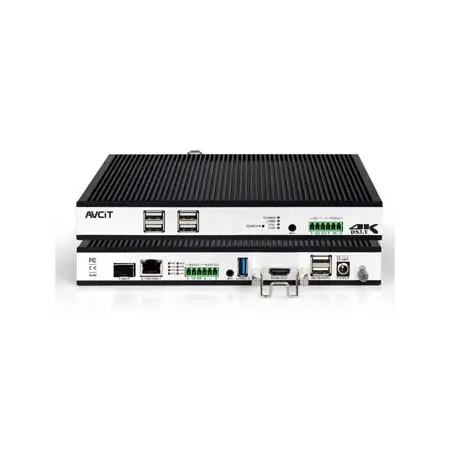


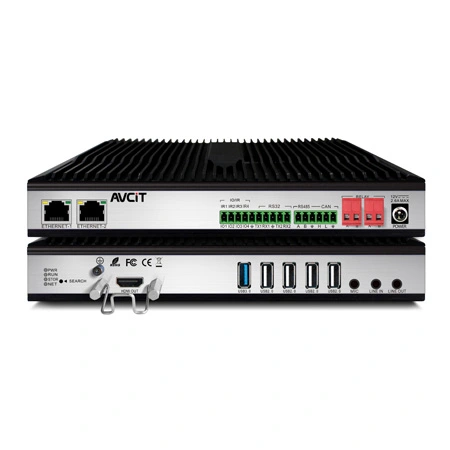
 AIVC-16CH AI BOX
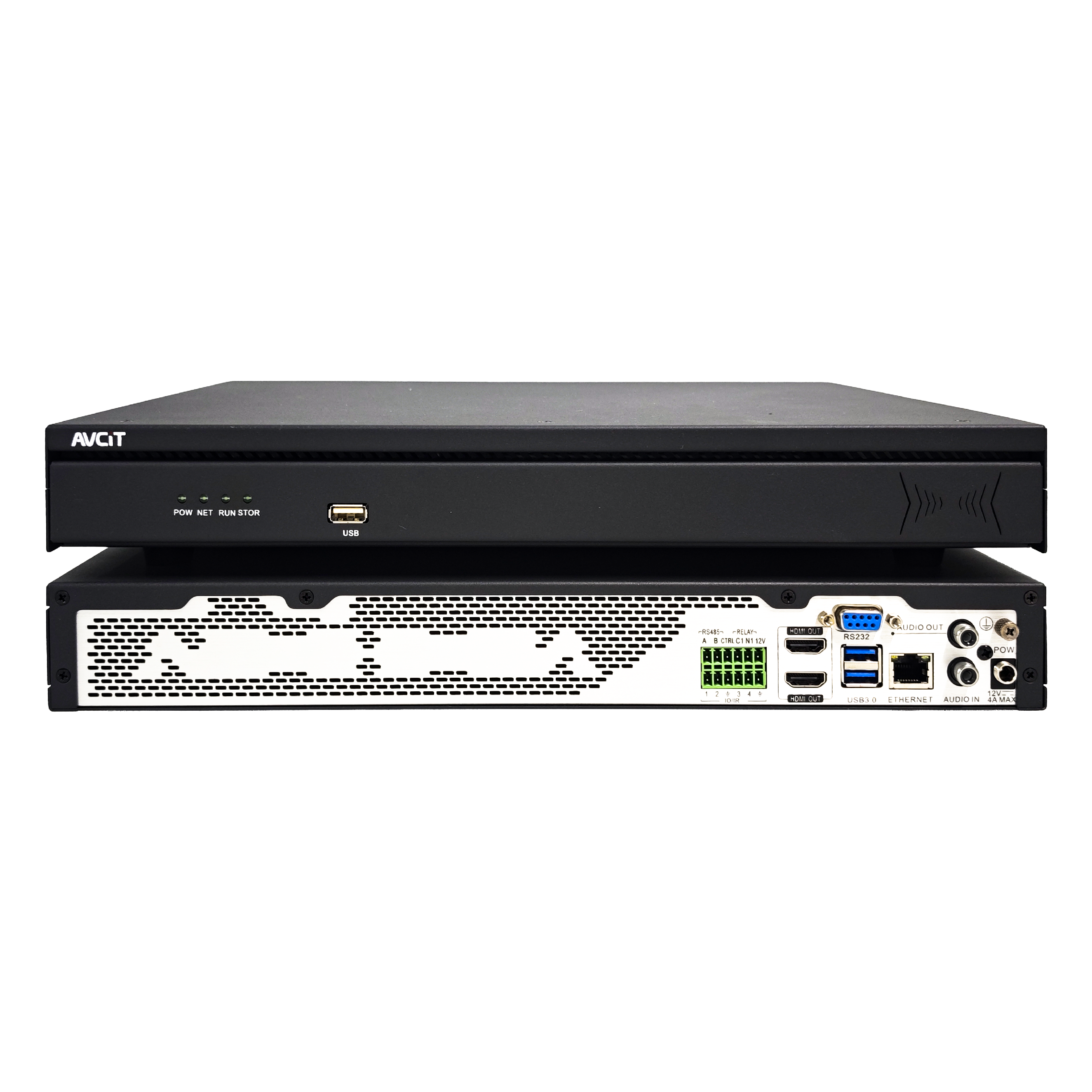 32CH CSN AI NVR
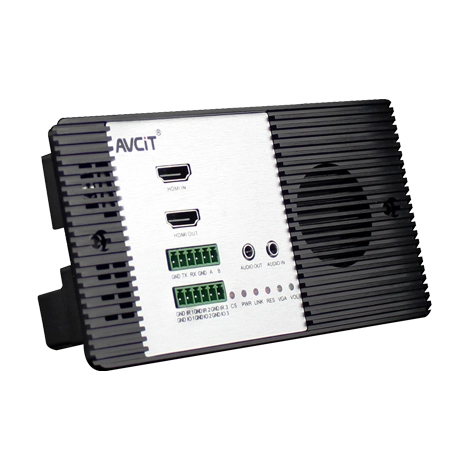
 2K HDMI Video Codec
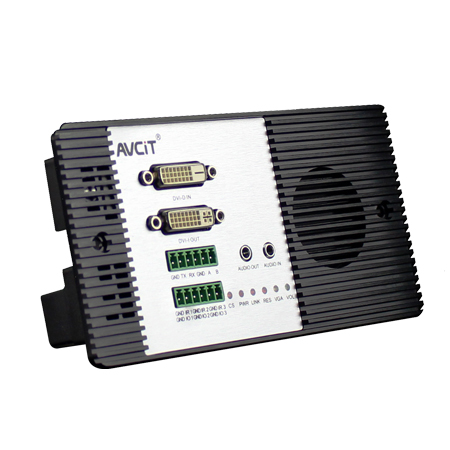
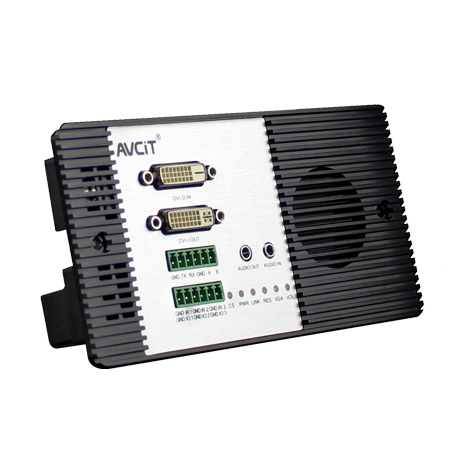 2K DVI Video Codec
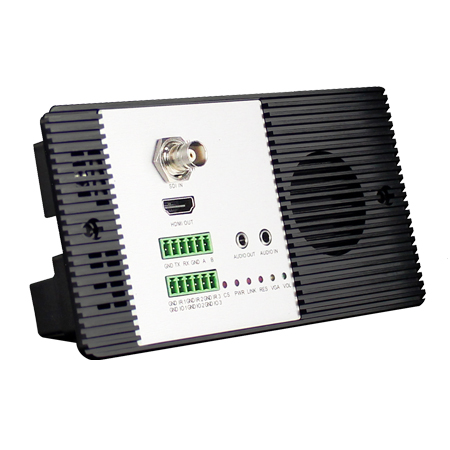 2K SDI Video Codec
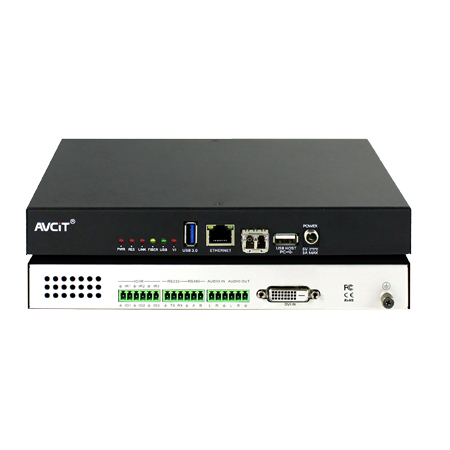 2K HDMI Video Encoder
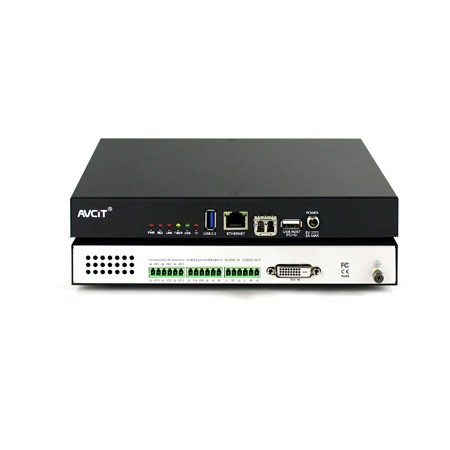 2K DVI Video Encoder
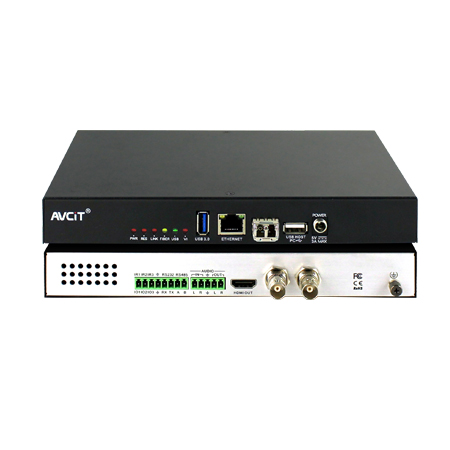 2K SDI Video Encoder
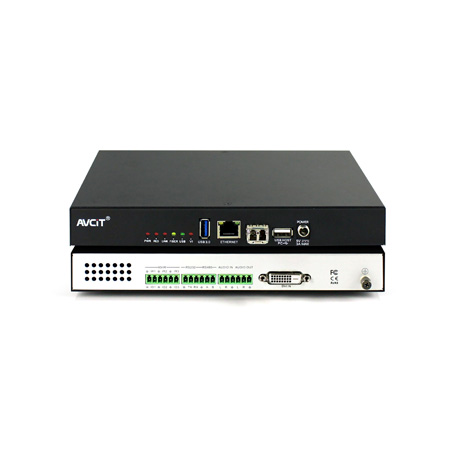 2K VGA Video Encoder
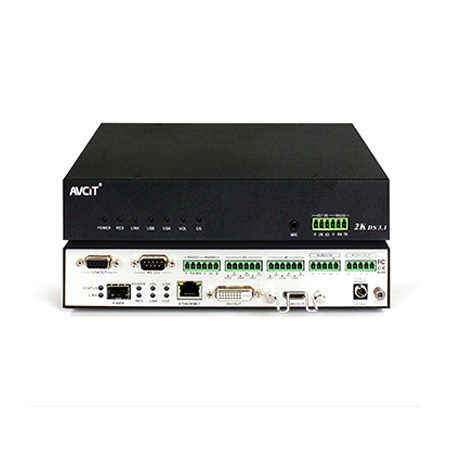 2K Video Wall Decoder (HDMI+DVI)
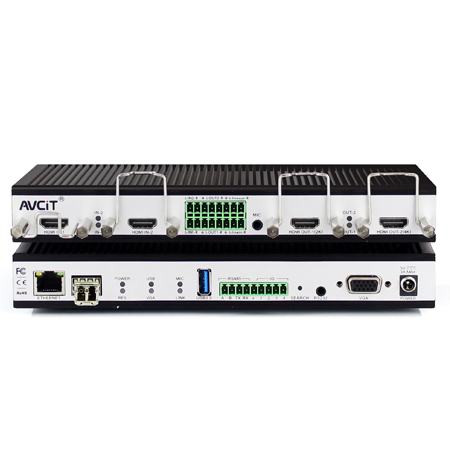 4K HDMI Video Encoder
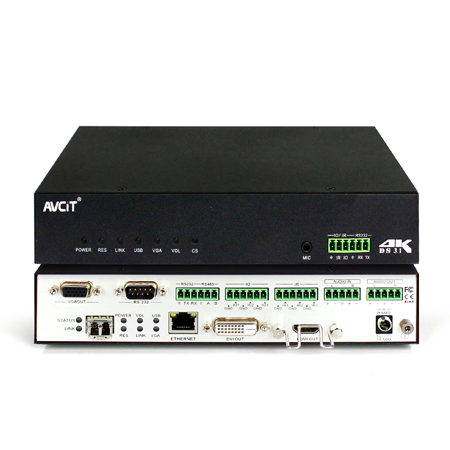 4K HDMI Video Decoder
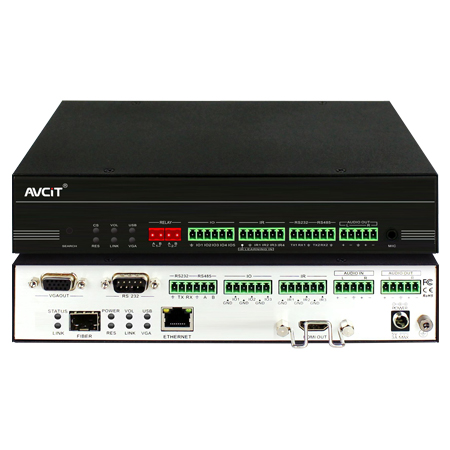 4K HDMI Video Wall Decoder
 4K HDMI + DVI Video Wall Decoder
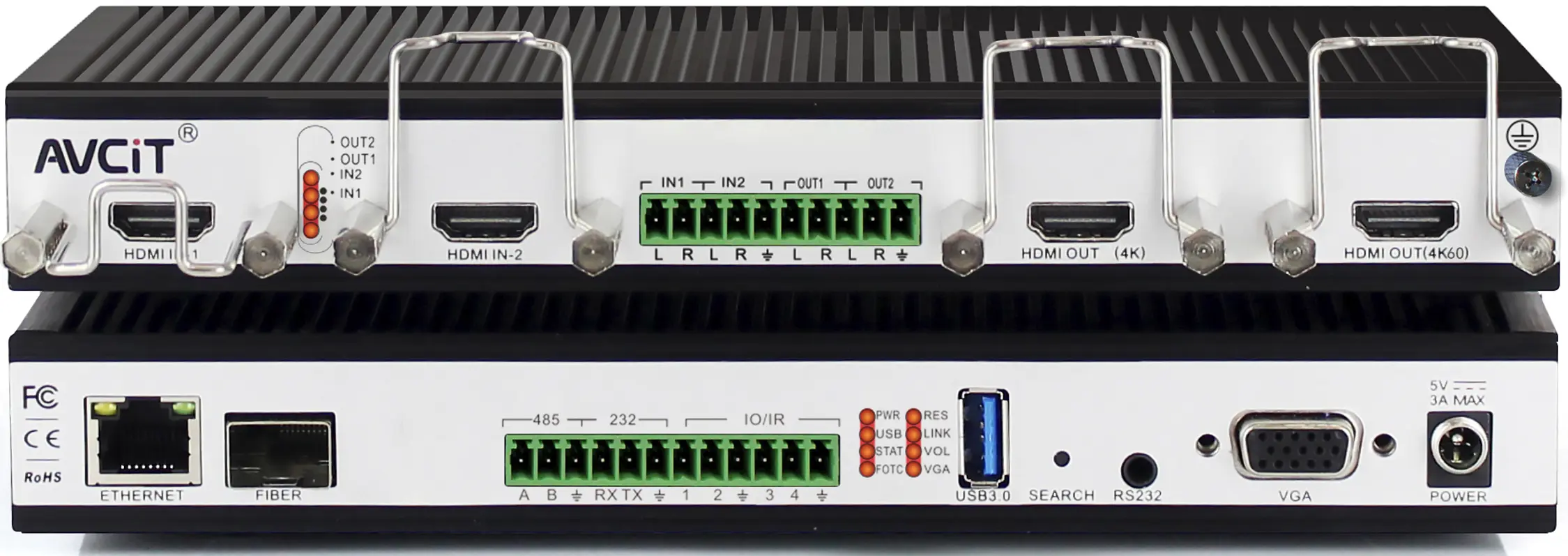 4K HDMI Dual Channel Codec
 8K HDMI Decoder
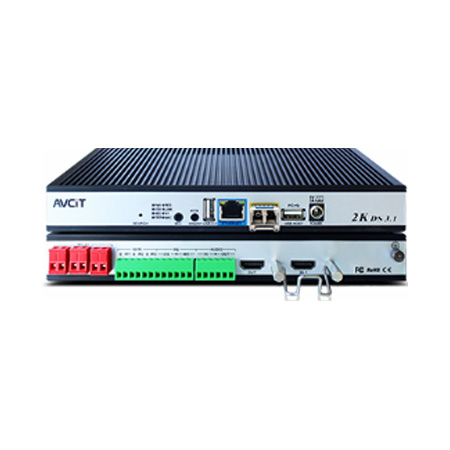 2K KVM Encoder - HDMI
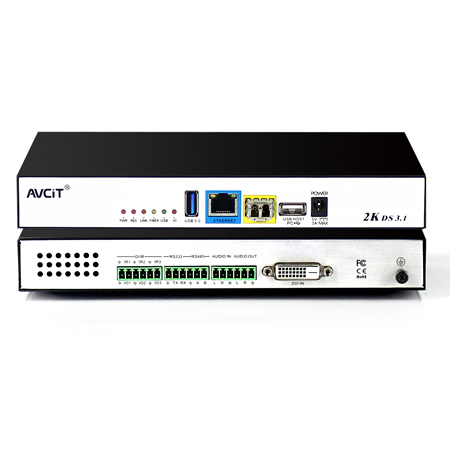 2K KVM Encoder - DVI
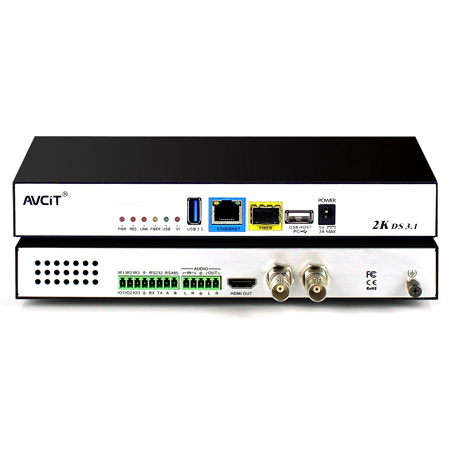 2K KVM Encoder - SDI
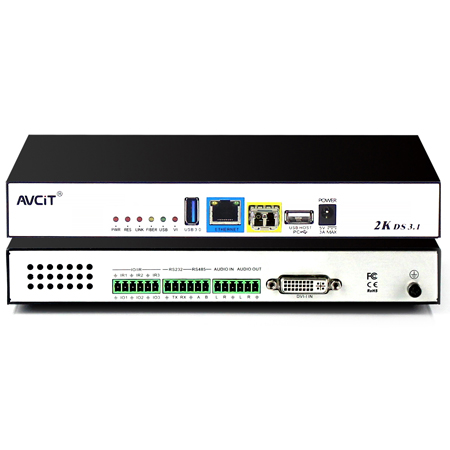 2K KVM Encoder - DVI-I(VGA)
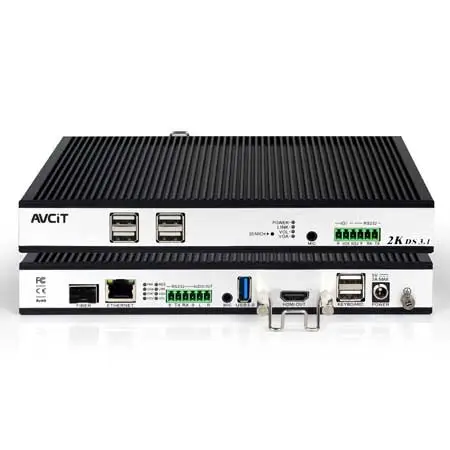 2K KVM Decoder - HDMI
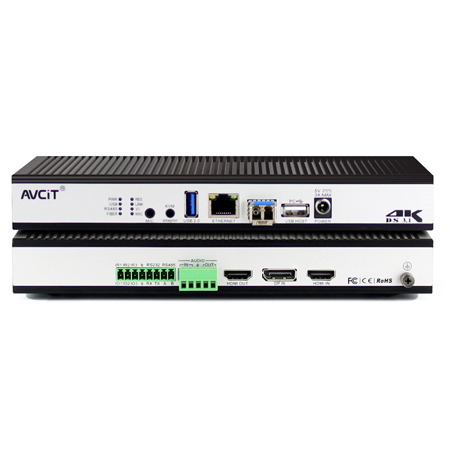 4K KVM Encoder - HDMI + DP
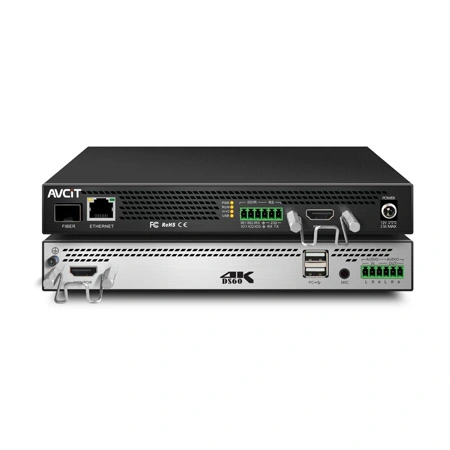 4K@60 KVM Encoder - HDMI
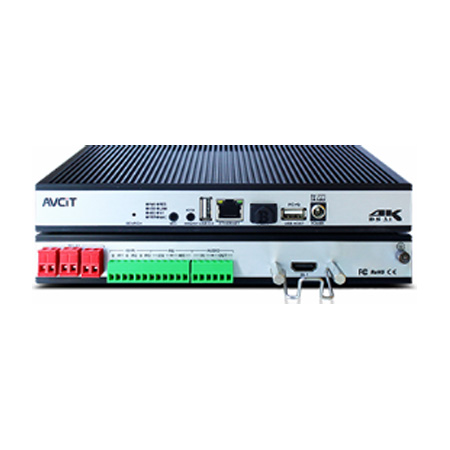 4K KVM Encoder - HDMI + HDMI
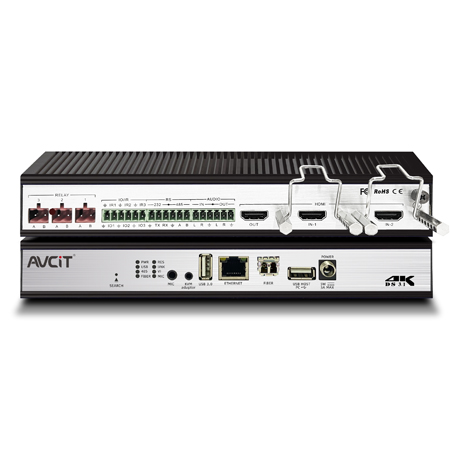 4K KVM Encoder - HDMI
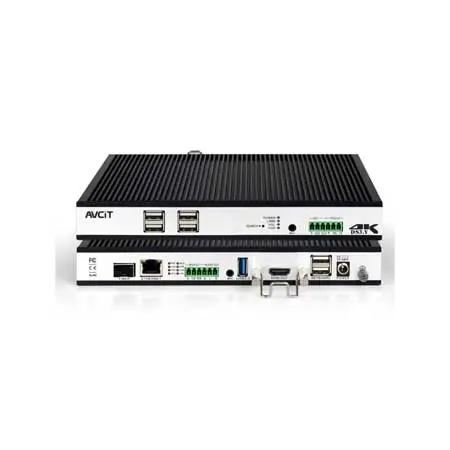 4K KVM Decoder - HDMI
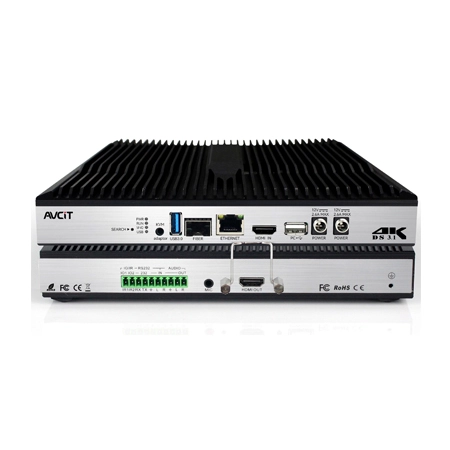 4K60 4:4:4 KVM Encoder - HDMI
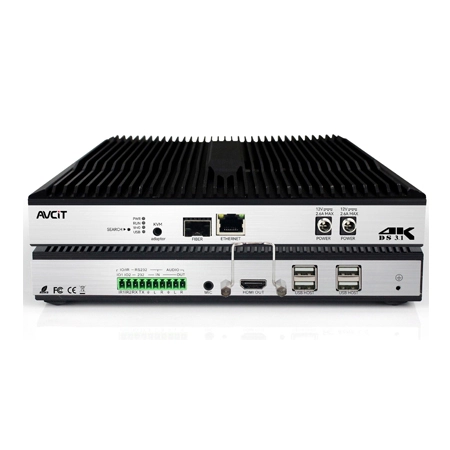 4K60 4:4:4 KVM Decoder-HDMI
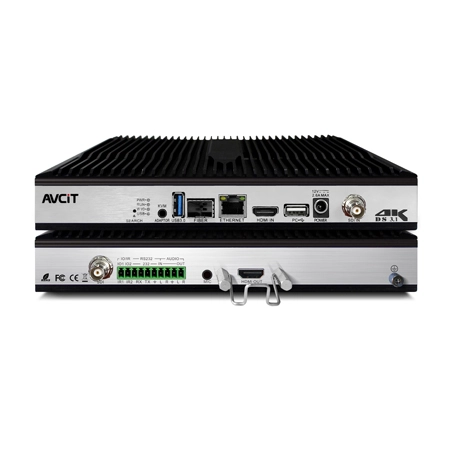 4K60 4:4:4 KVM Encoder - HDMI + SDI
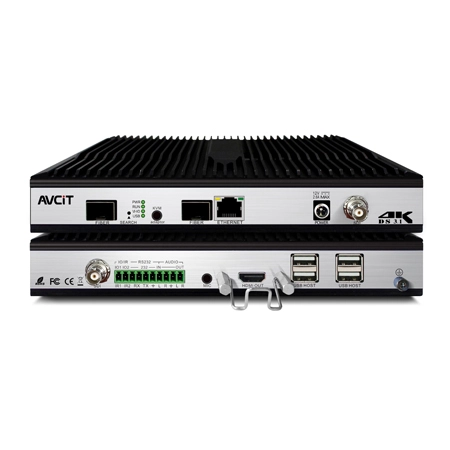 4K60 4:4:4 KVM Decoder - HDMI + SDI
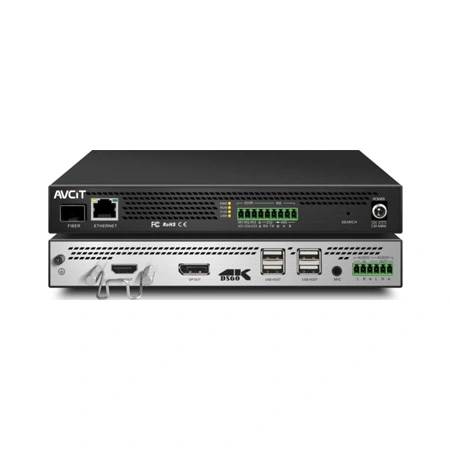 5K KVM Decoder - HDMI +DP
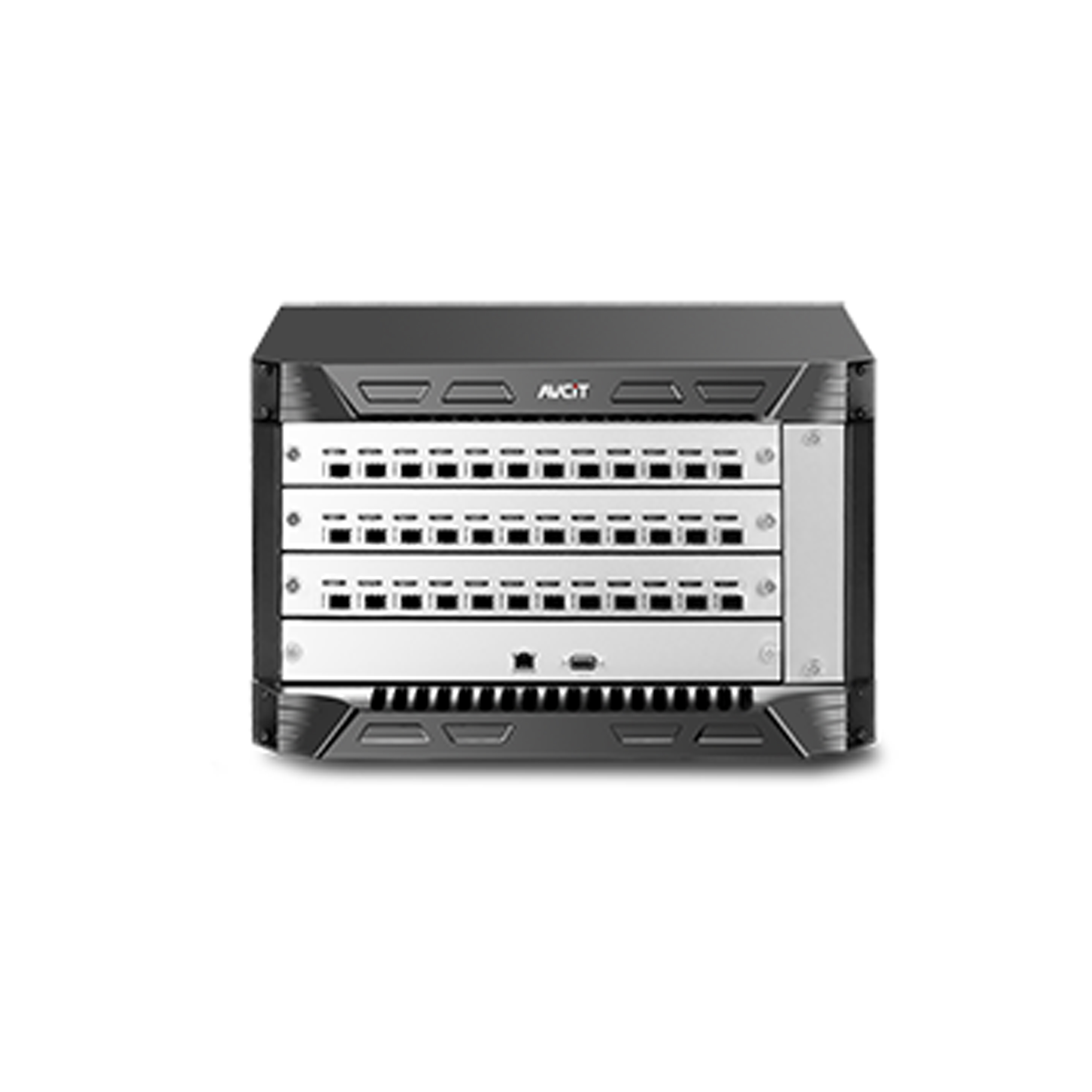 Phinx-36 Ports Fiber KVM Matrix
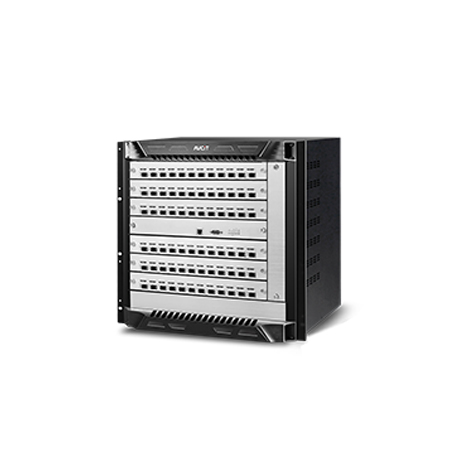 Phinx-72 Ports Fiber KVM Matrix
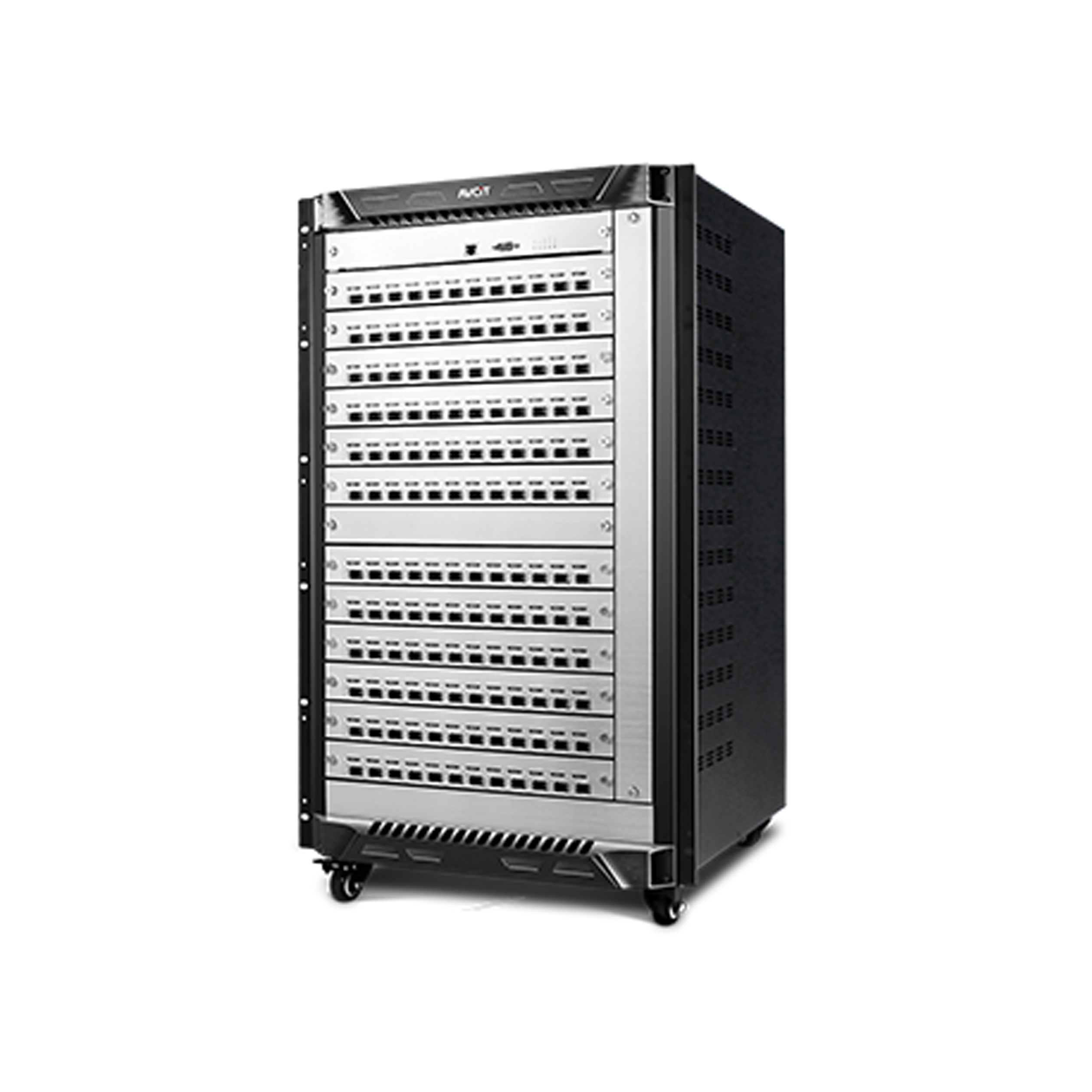 Phinx-144 Ports Fiber KVM Matrix
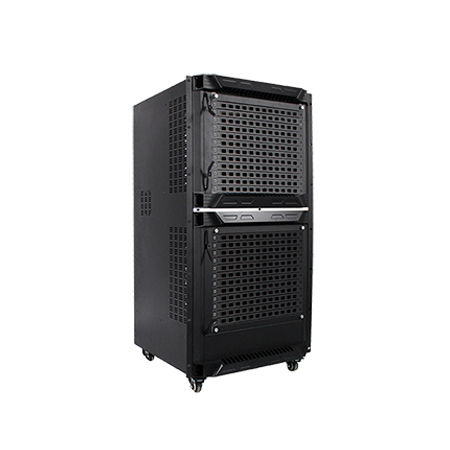 Phinx-288 Ports Fiber KVM Matrix
 Phinx-576 Ports Fiber KVM Matrix
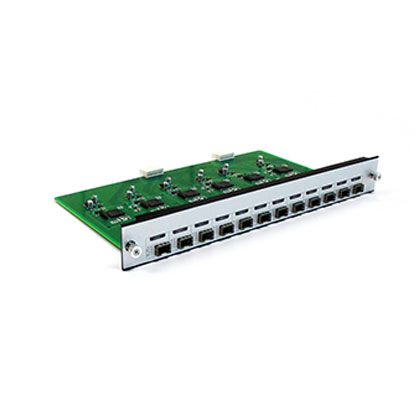 Phinx - I/O SFP Module Card
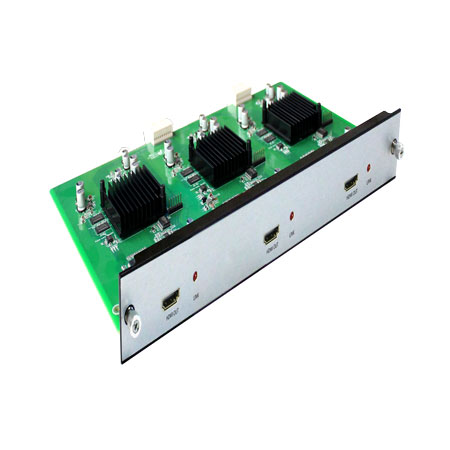 Phinx - Video Wall Control Card
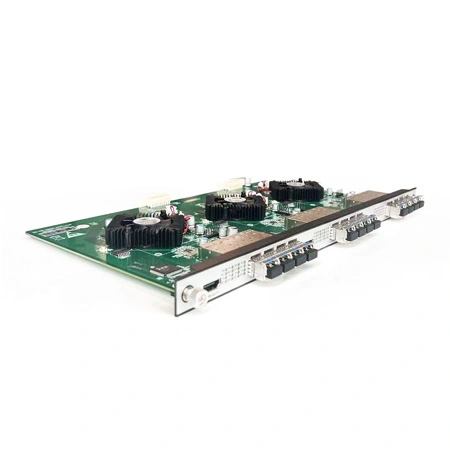 Phinx- Video Wall & SFP Card
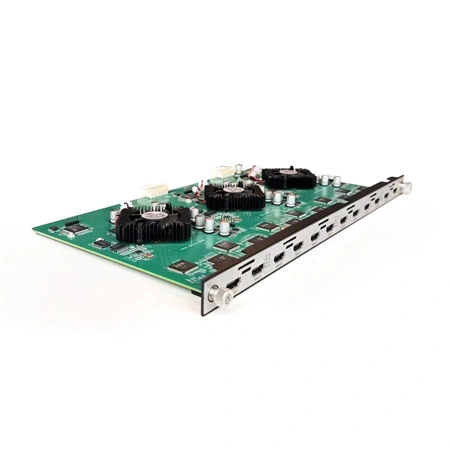 Phinx- Video Card(6IN6OUT)
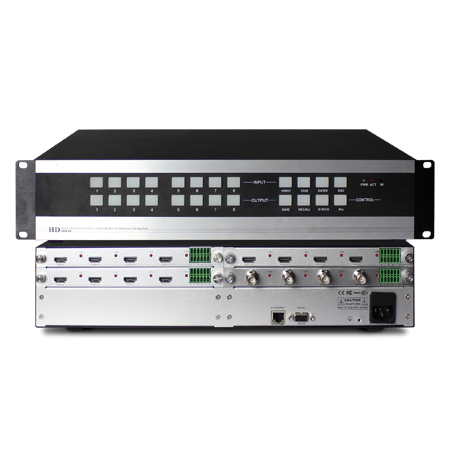 2K Video Wall Matrix - 8x8
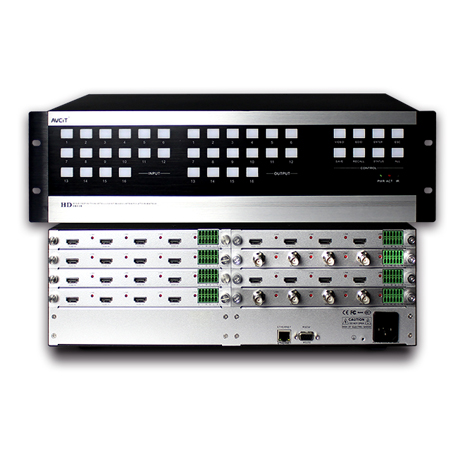 2K Video Wall Matrix - 16x16
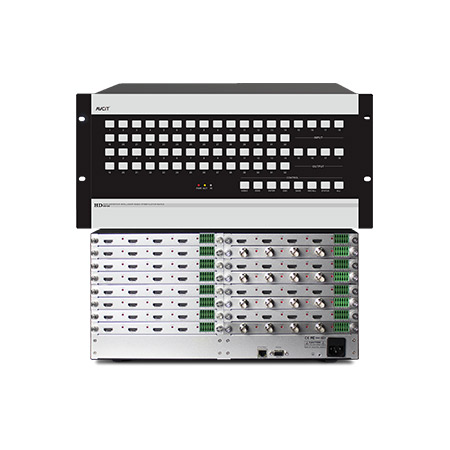 2K Video Wall Matrix - 32x32
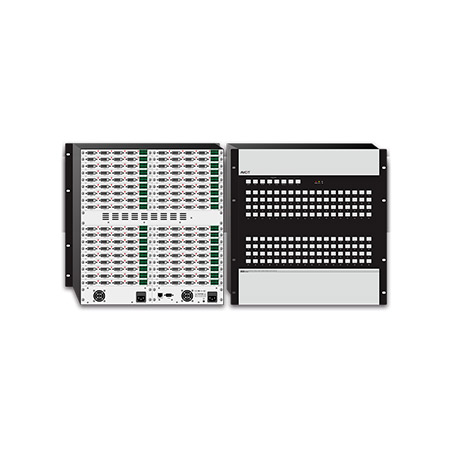 2K Video Wall Matrix - 72x72
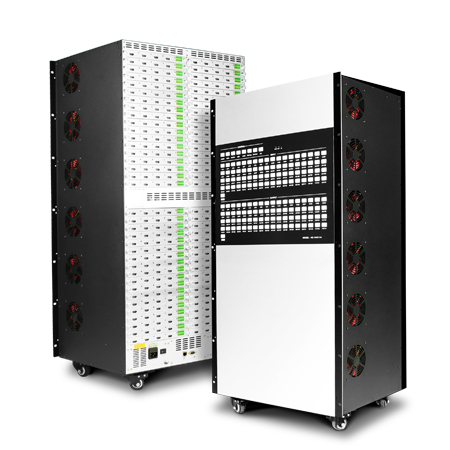 2K Video Wall Matrix - 144x144
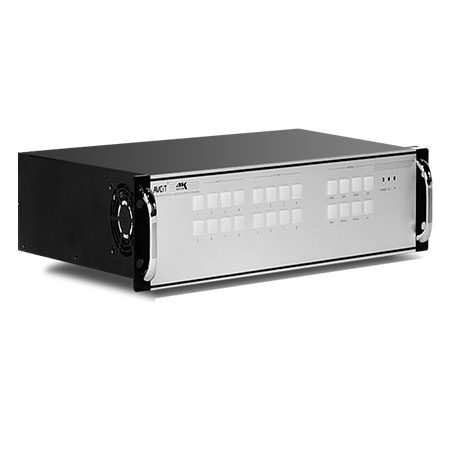 4K Video Matrix Switcher - 8x8
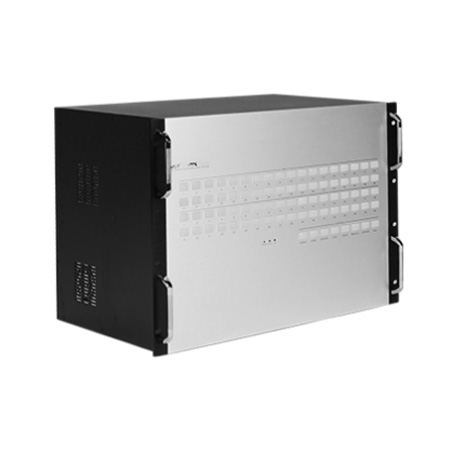 4K Video Matrix Switcher - 36x36
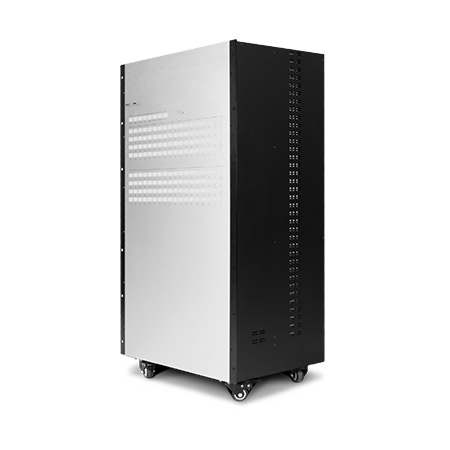 4K Video Matrix Switcher - 72x72
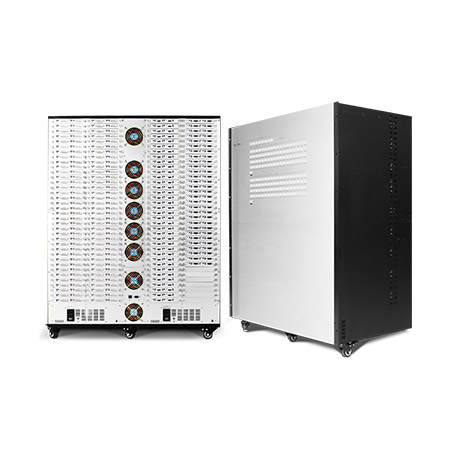 4K Video Matrix Switcher - 144x144
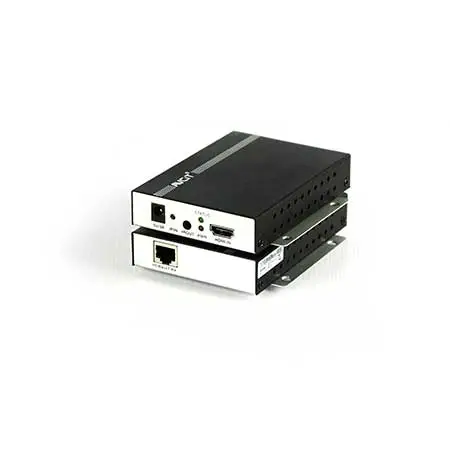 Mixing UHD - 4K HDBT Extender
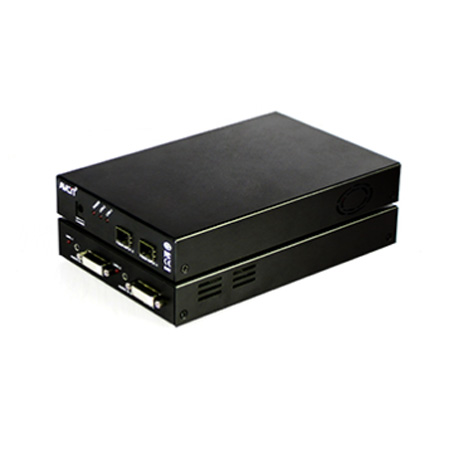 Mixing UHD - 4K Fiber Extender
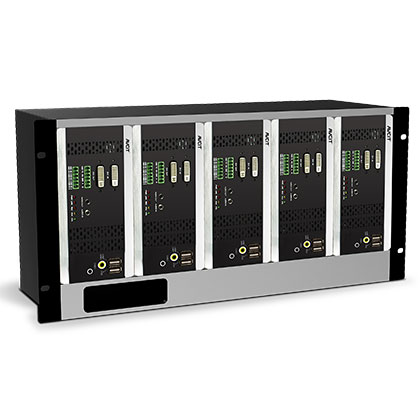 Rack Mounting Kit
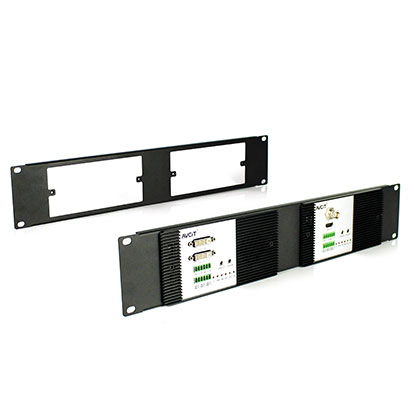 Wall Mounting Kit











 EN
EN
 es
es  th
th
Blog
Join us
FAQs

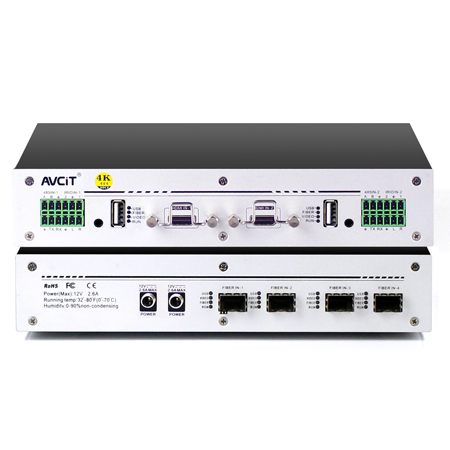 4K KVM Transmitter-HDMI
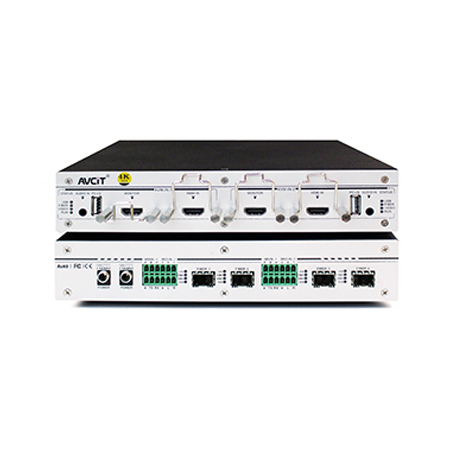 4K KVM Transmitter-HDMI+HDMI LOOP
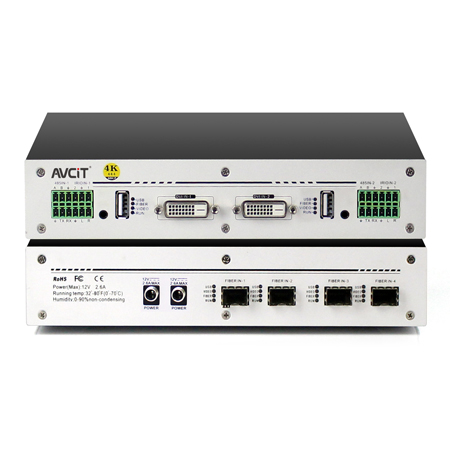 4K KVM Transmitter-DVI
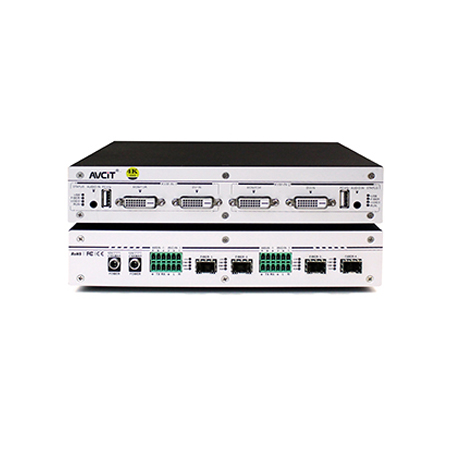 4K KVM Transmitter-DVI+DVI LOOP
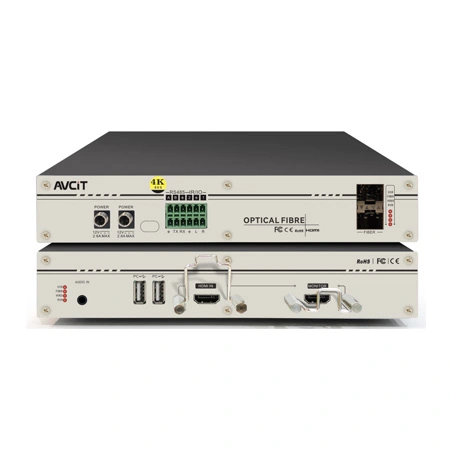 4K60 KVM Transmitter - HDMI
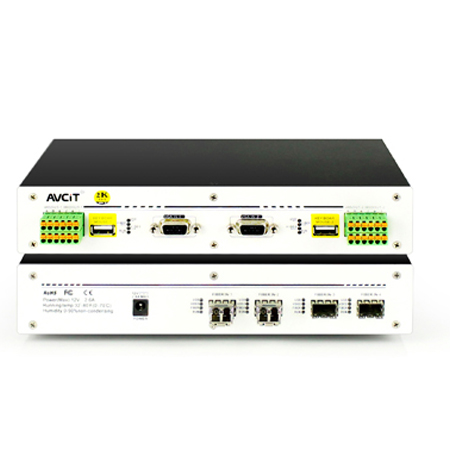 2K KVM Transmitter-VGA
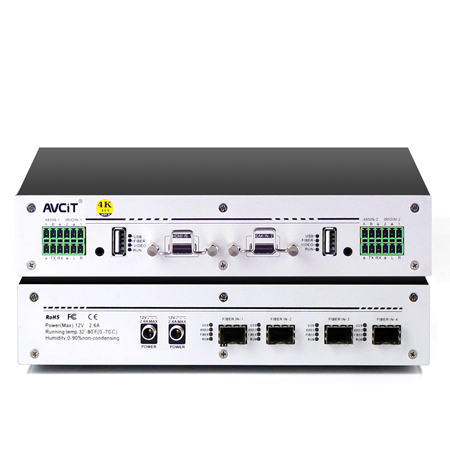 4K KVM Receiver-HDMI
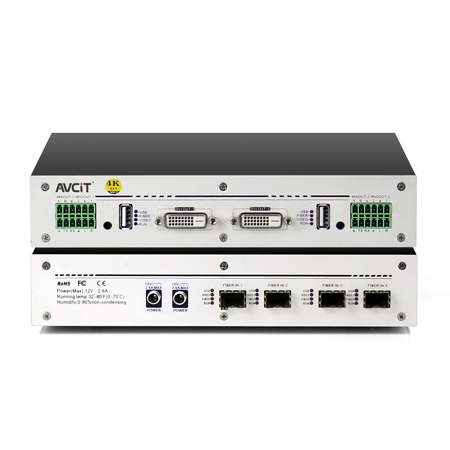 4K KVM Receiver-DVI
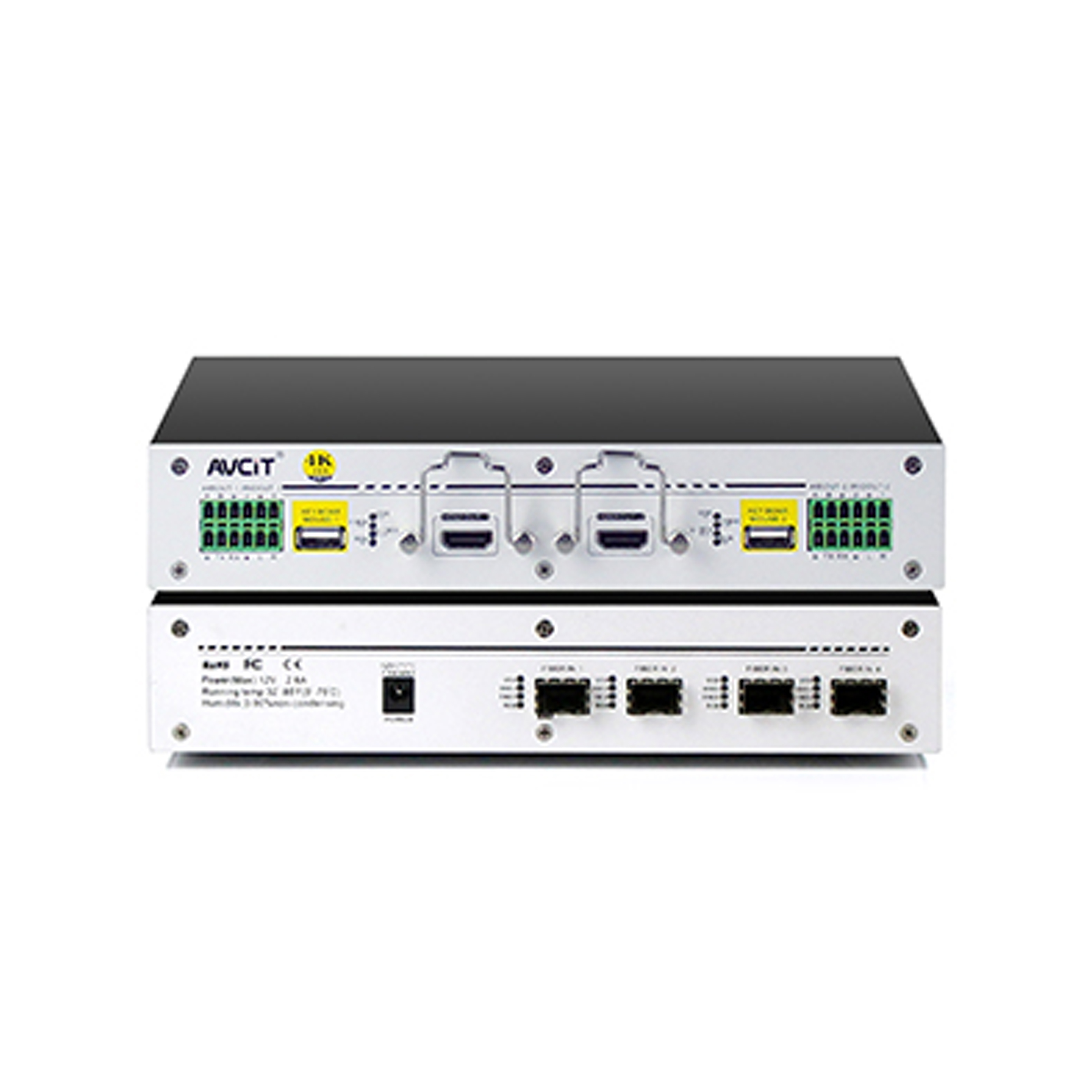 Quad-view KVM Receiver-HDMI
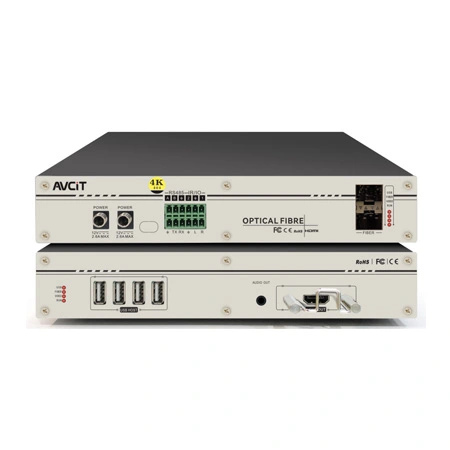 4K60 KVM Receiver - HDMI
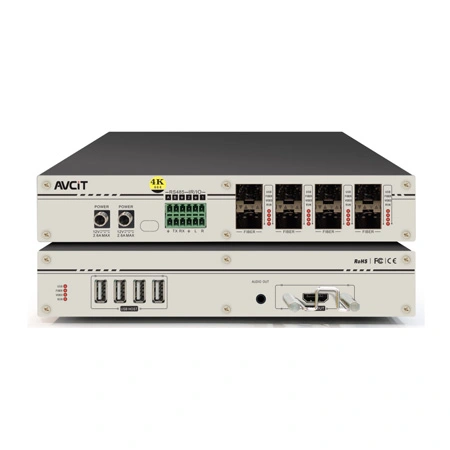 4K60 Quad-view KVM Receiver
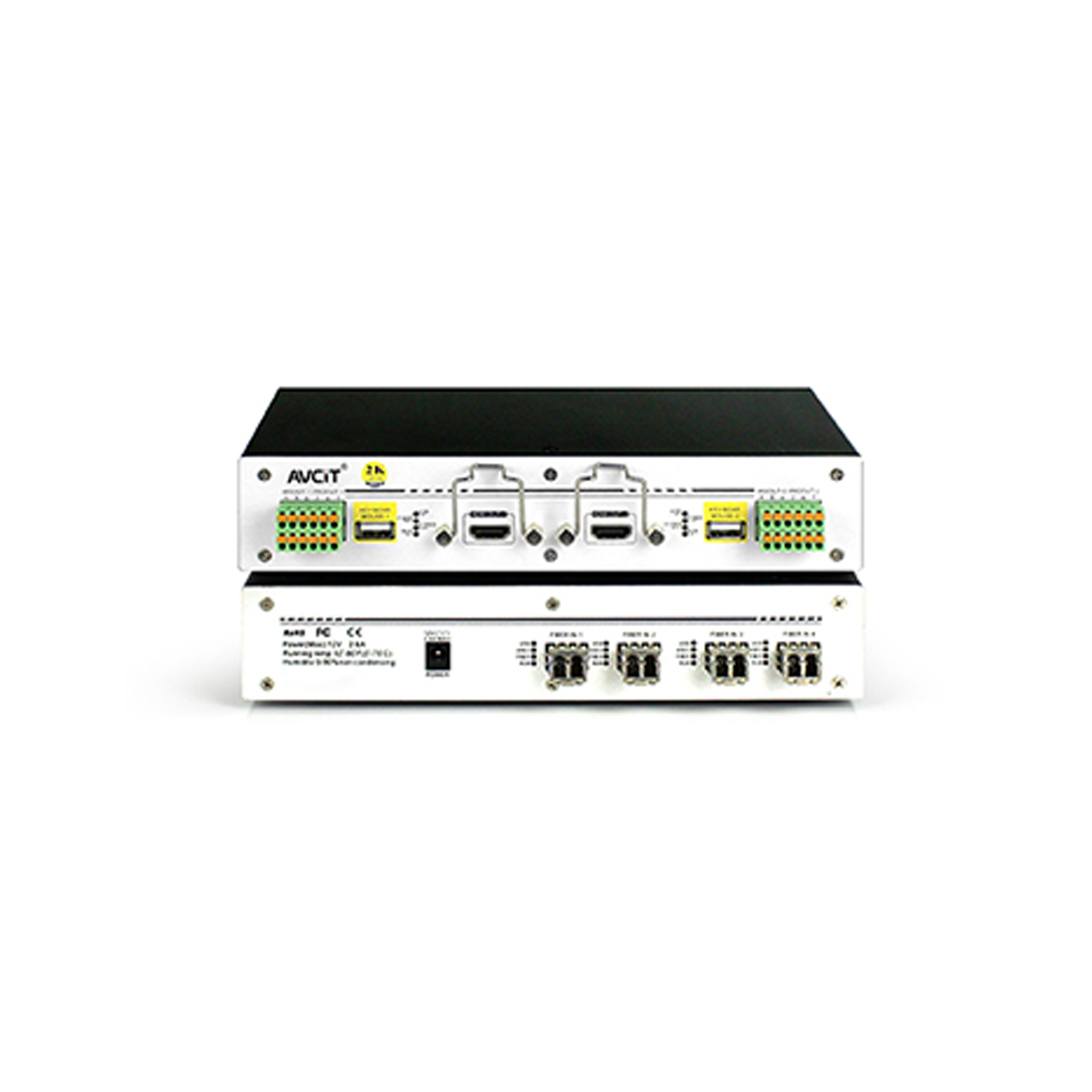 2K KVM Receiver-HDMI
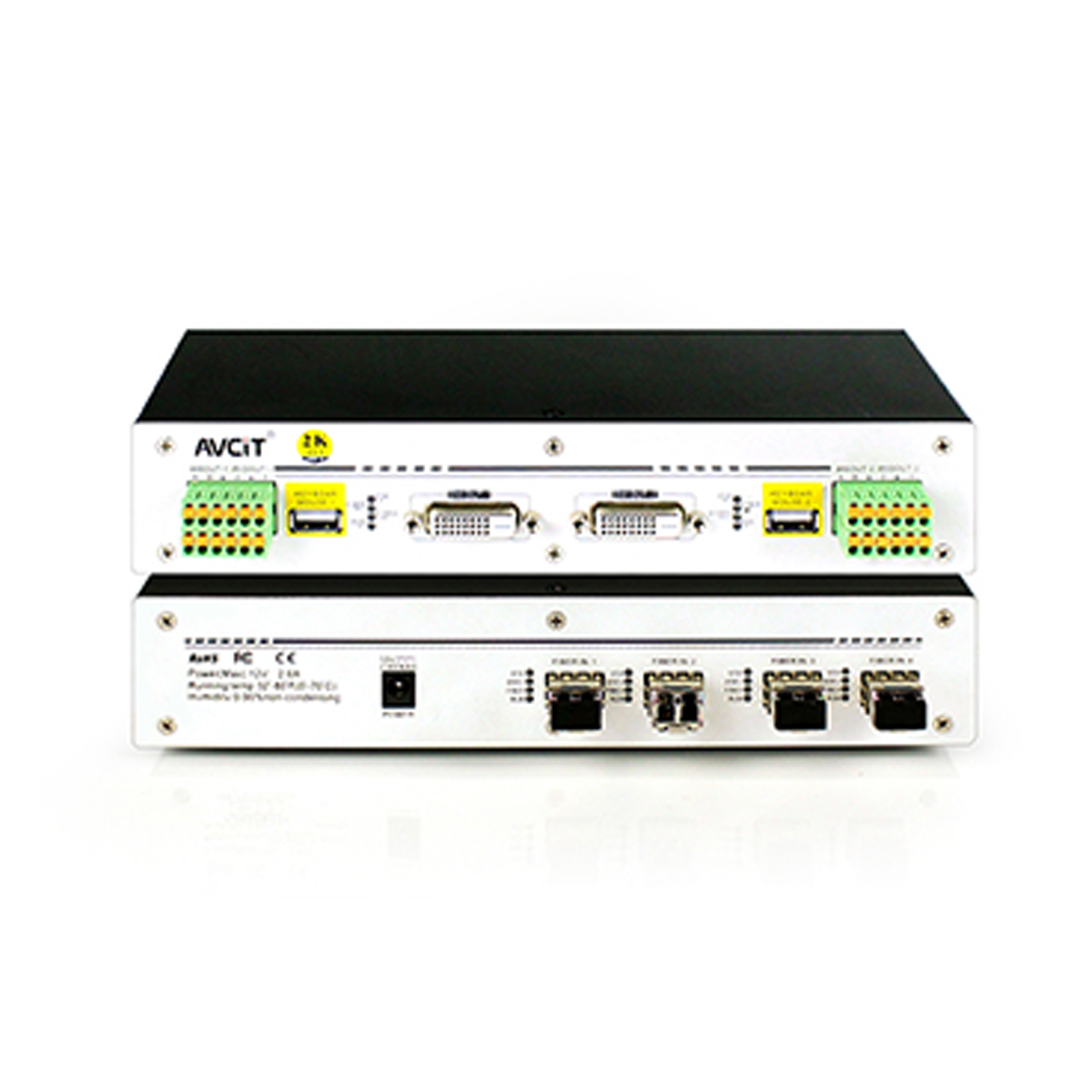 2K KVM Receiver-DVI
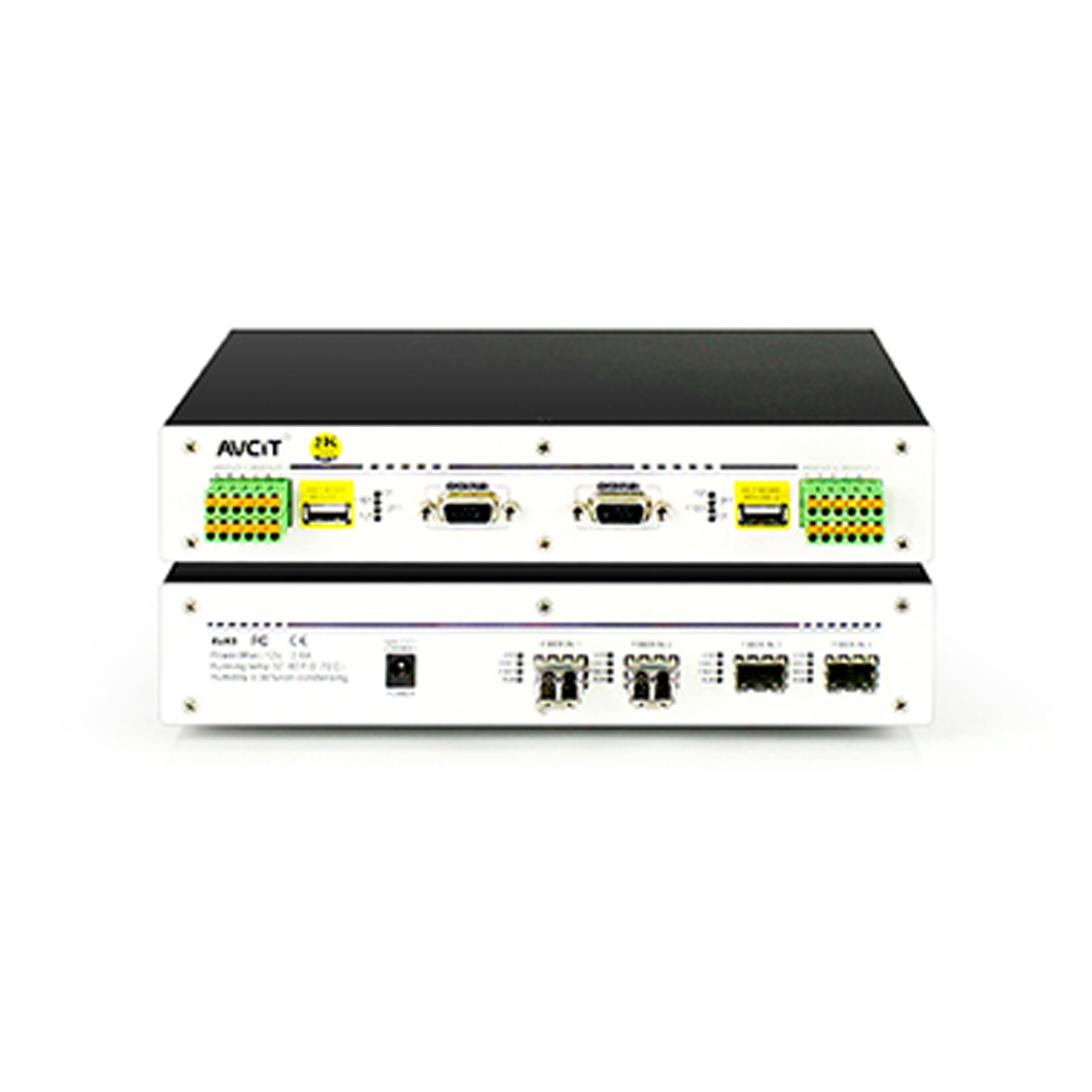 2K KVM Receiver-VGA
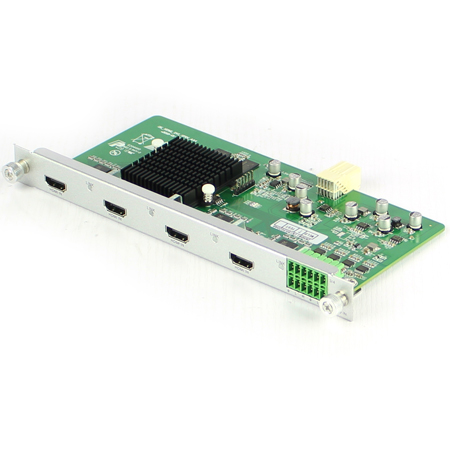 Mixing HD-2K HDMI Input Card
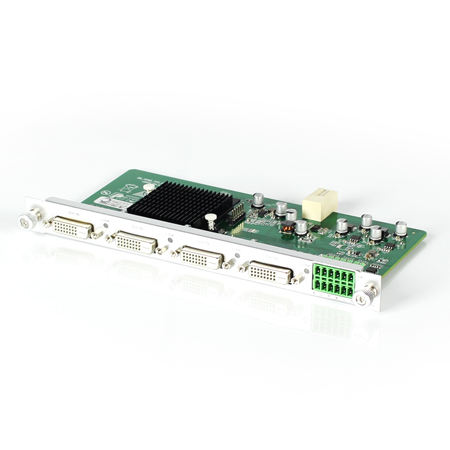 Mixing HD-2K DVI Input Card
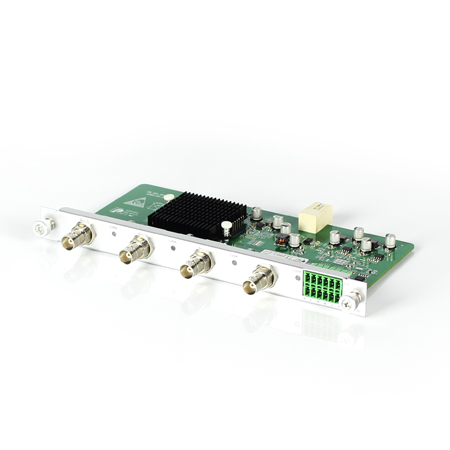 Mixing HD-2K SDI Input Card
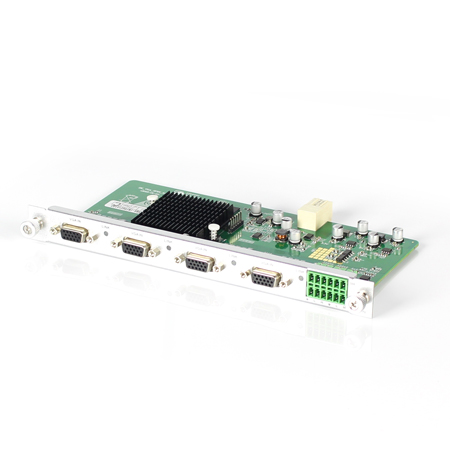 Mixing HD-2K VGA Input Card
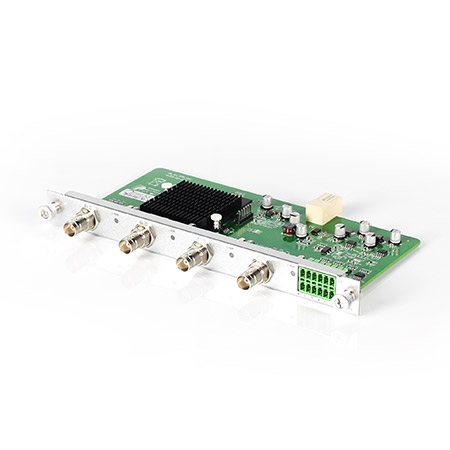 Mixing HD-2K AV Input Card
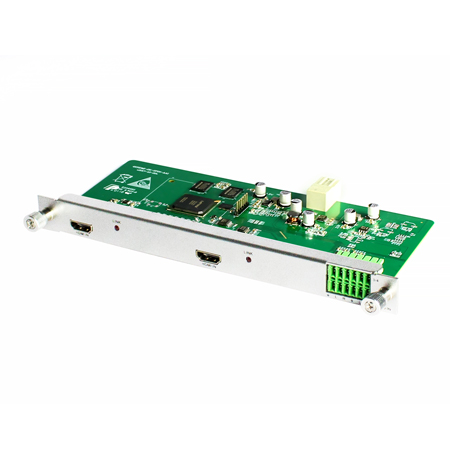 Mixing HD-HDMI UHD Input Card
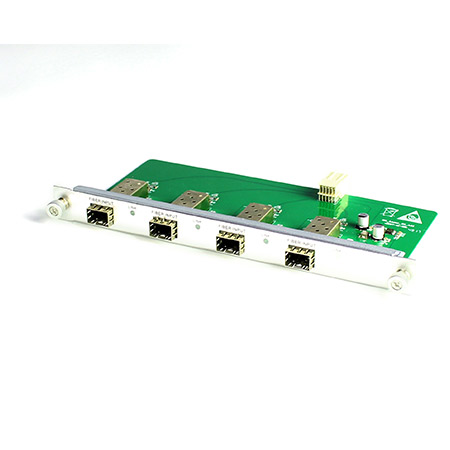 Mixing HD-Fiber Input Card
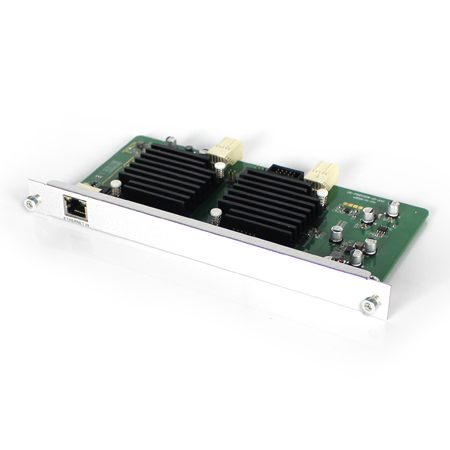 Mixing HD-IP Input Card
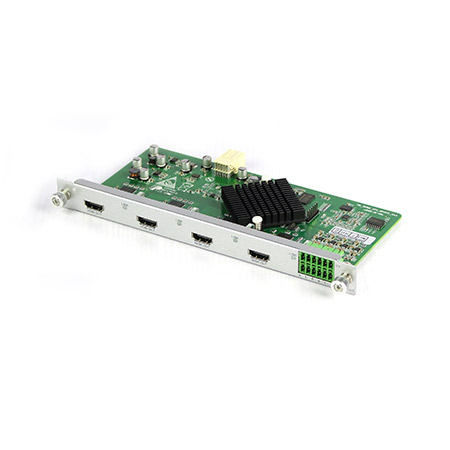 Mixing HD-HDMI Output Card
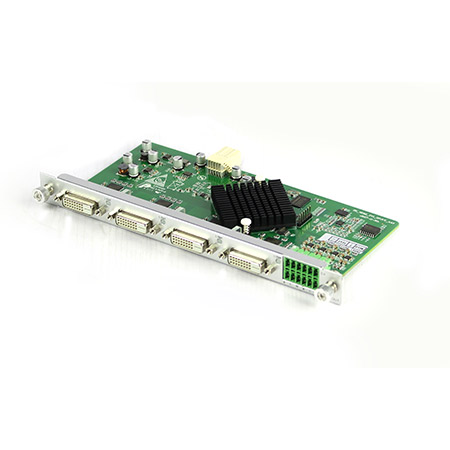 Mixing HD-DVI Output Card
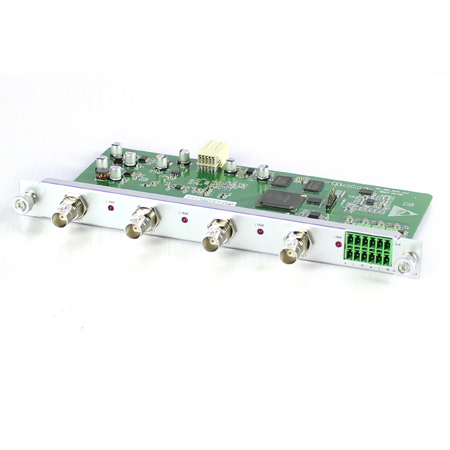 Mixing HD-SDI Output Card
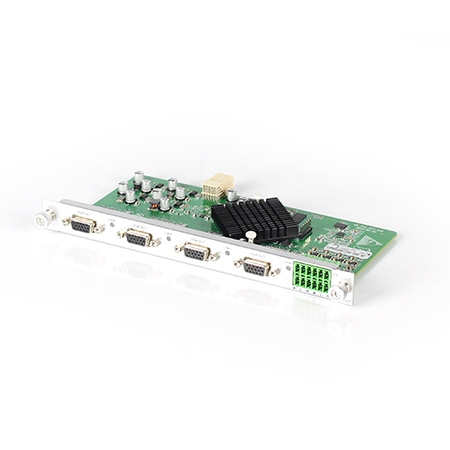 Mixing HD-VGA Output Card
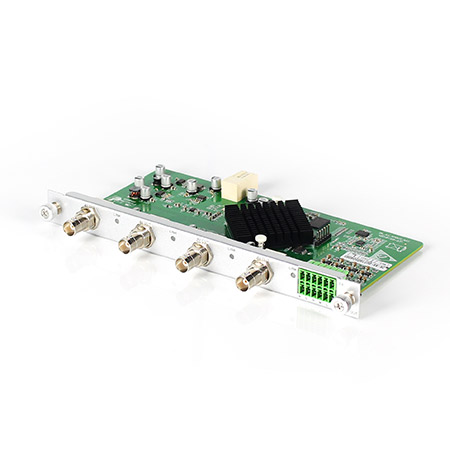 Mixing HD-AV Output Card
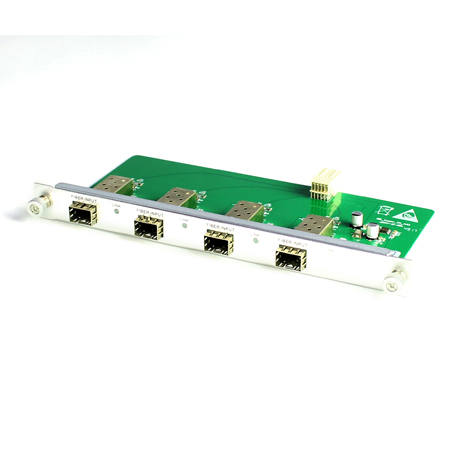 Mixing HD-Fiber Output Card
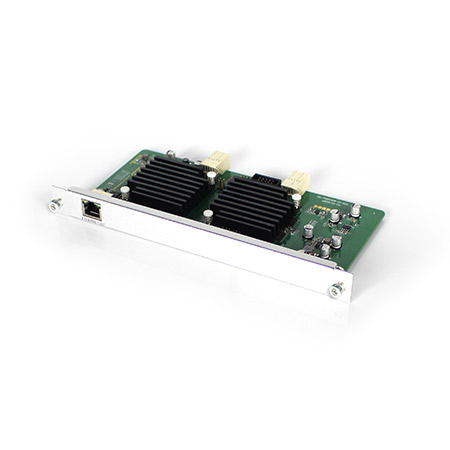 Mixing HD-IP Output Card
Mixing HD-HDMI Video Wall Control Card (2 channel)
Mixing HD-IP Output Card
Mixing HD-HDMI Video Wall Control Card (2 channel)
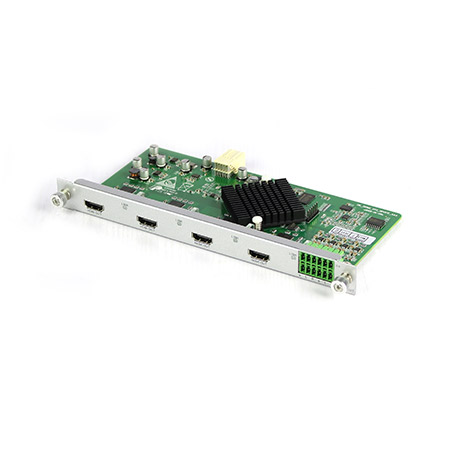 Mixing HD-HDMI Video Wall Control Card (1 channel)
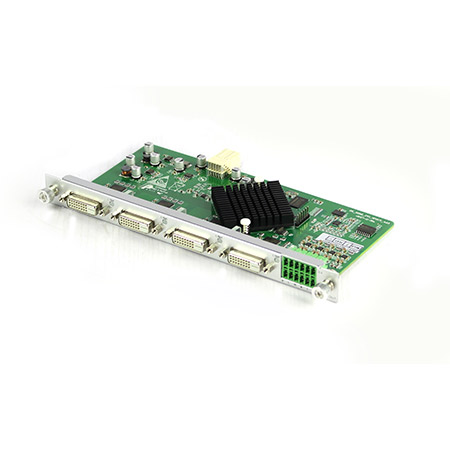 Mixing HD-DVI Video Wall Control Card (2 channel)
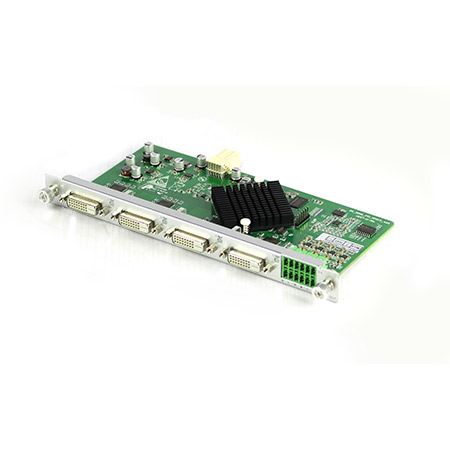 Mixing HD-DVI Video Wall Control Card (1 channel)
 Mixing UHD - HDMI Input Card
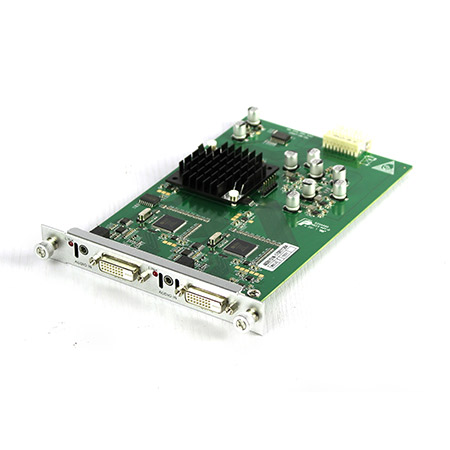 Mixing UHD - DVI Input Card
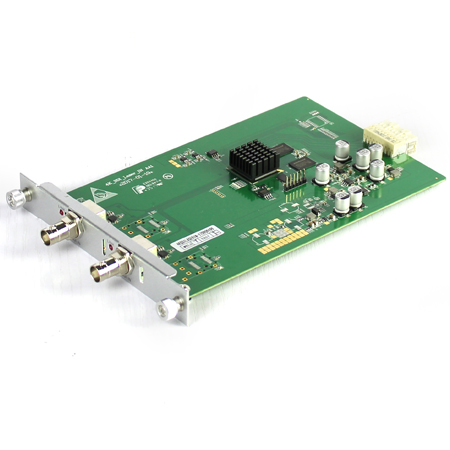 Mixing UHD - SDI Input Card
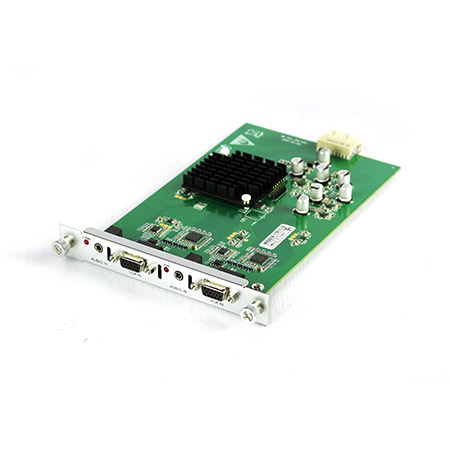 Mixing UHD - VGA Input Card
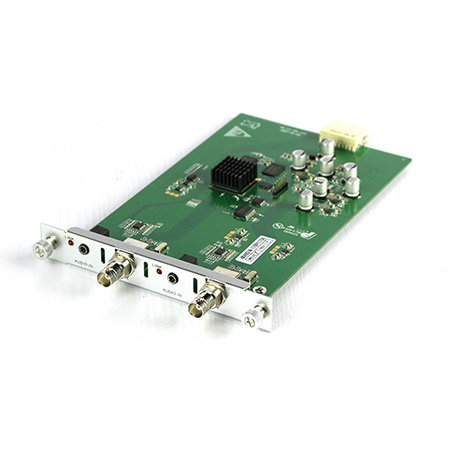 Mixing UHD - AV Input Card
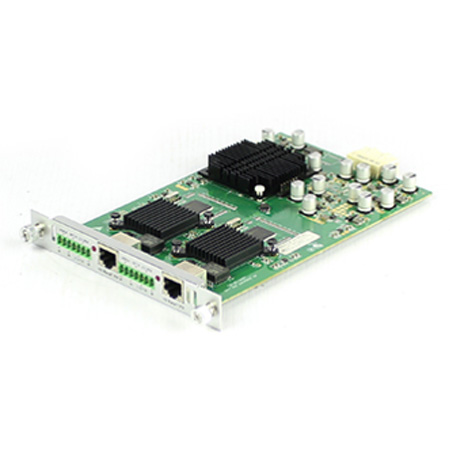 Mixing UHD - HDBT Input Card
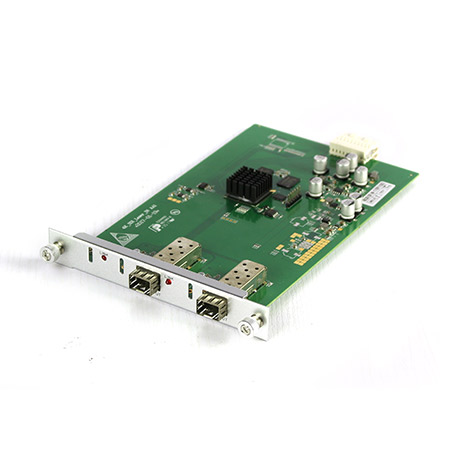 Mixing UHD - Fiber Input Card
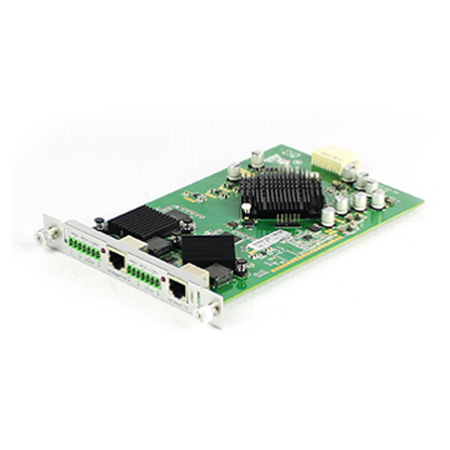 Mixing UHD - HDBT Output Card
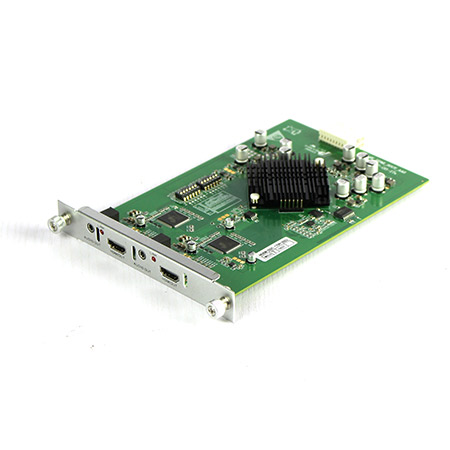 Mixing UHD - HDMI Output Card
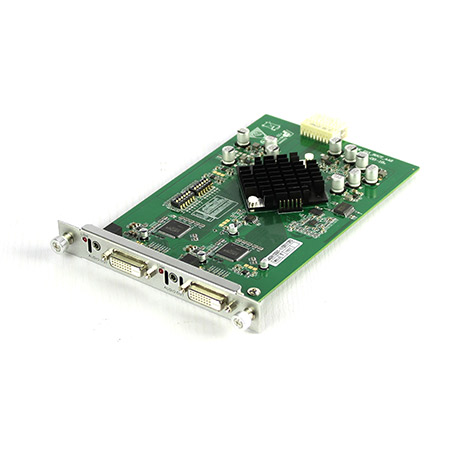 Mixing UHD - DVI Output Card
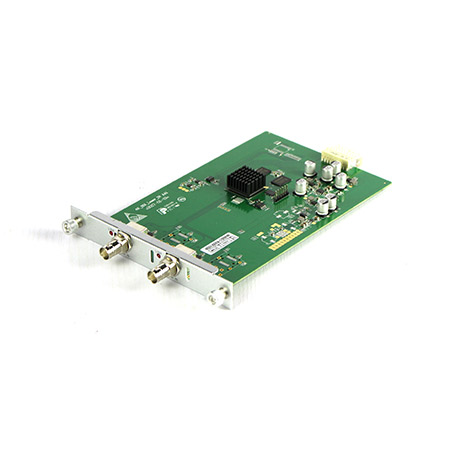 Mixing UHD - SDI Output Card
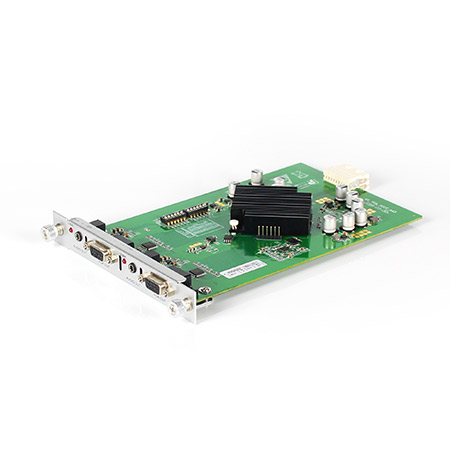 Mixing UHD - VGA Output Card
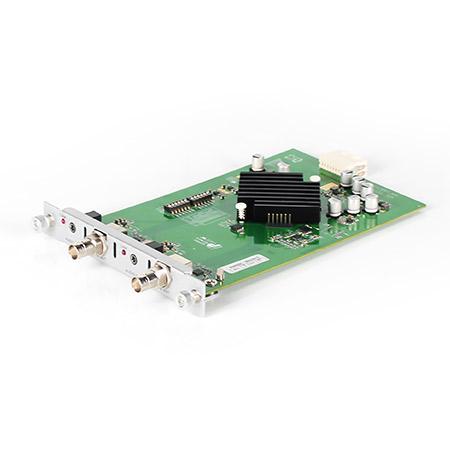 Mixing UHD - AV Output Card
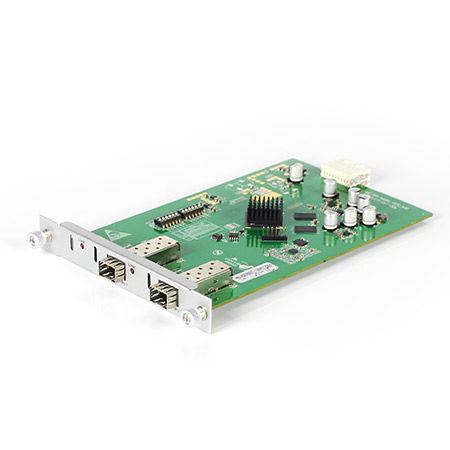 Mixing UHD - Fiber Output Card
When infection-prevention controls fail in a healthcare facility, the effects can extend beyond the immediate room or corridor. A crowded waiting area, a visible PPE exception in a staff space or uncontrolled movement through a restricted zone can disrupt operations and expose the organization to compliance concerns, accreditation pressure and reputational damage.
Healthcare teams manage these risks across entrances, waiting areas, corridors, staff spaces and restricted zones. Each area operates differently, and patients, visitors, clinicians, contractors and support staff move through them throughout the day. A crowded reception area may require action before congestion affects normal procedures. A corridor connecting controlled areas may need closer oversight during busy periods. Staff-only spaces can also carry PPE requirements that differ from those in public areas.
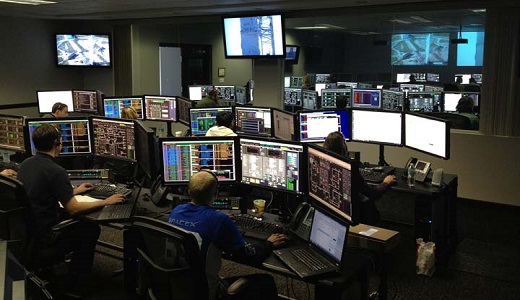
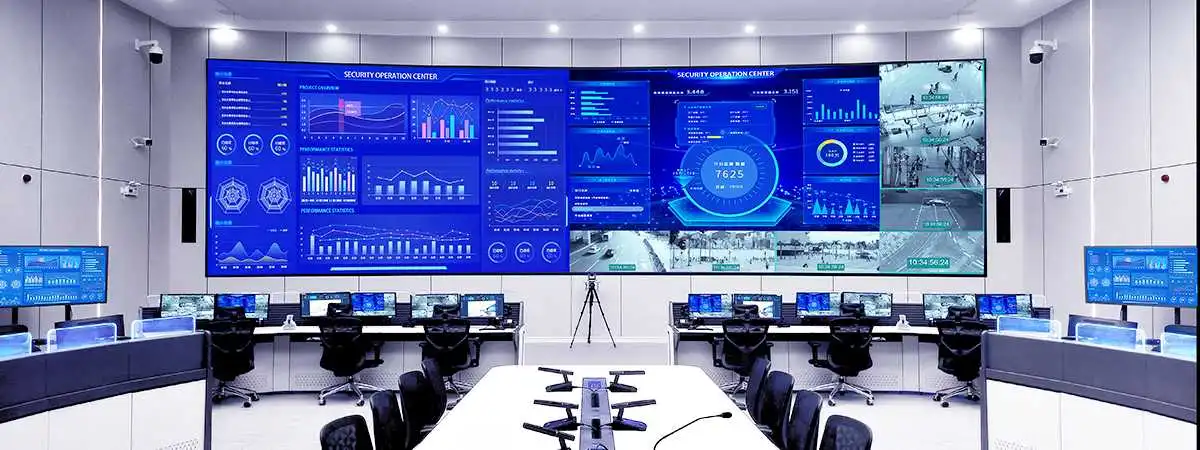
The central challenge is maintaining real-time visibility across these procedures during a working day. Security, facilities and clinical staff are already managing patient care, access, maintenance and incident response. Continuous oversight across every camera feed and every zone exceeds the capacity of any one team.
Visible exceptions can therefore remain unnoticed until a staff member spots them, a concern is reported or normal controls are affected. Existing camera coverage records activity, while timely visibility determines whether the event reaches the team responsible for review.
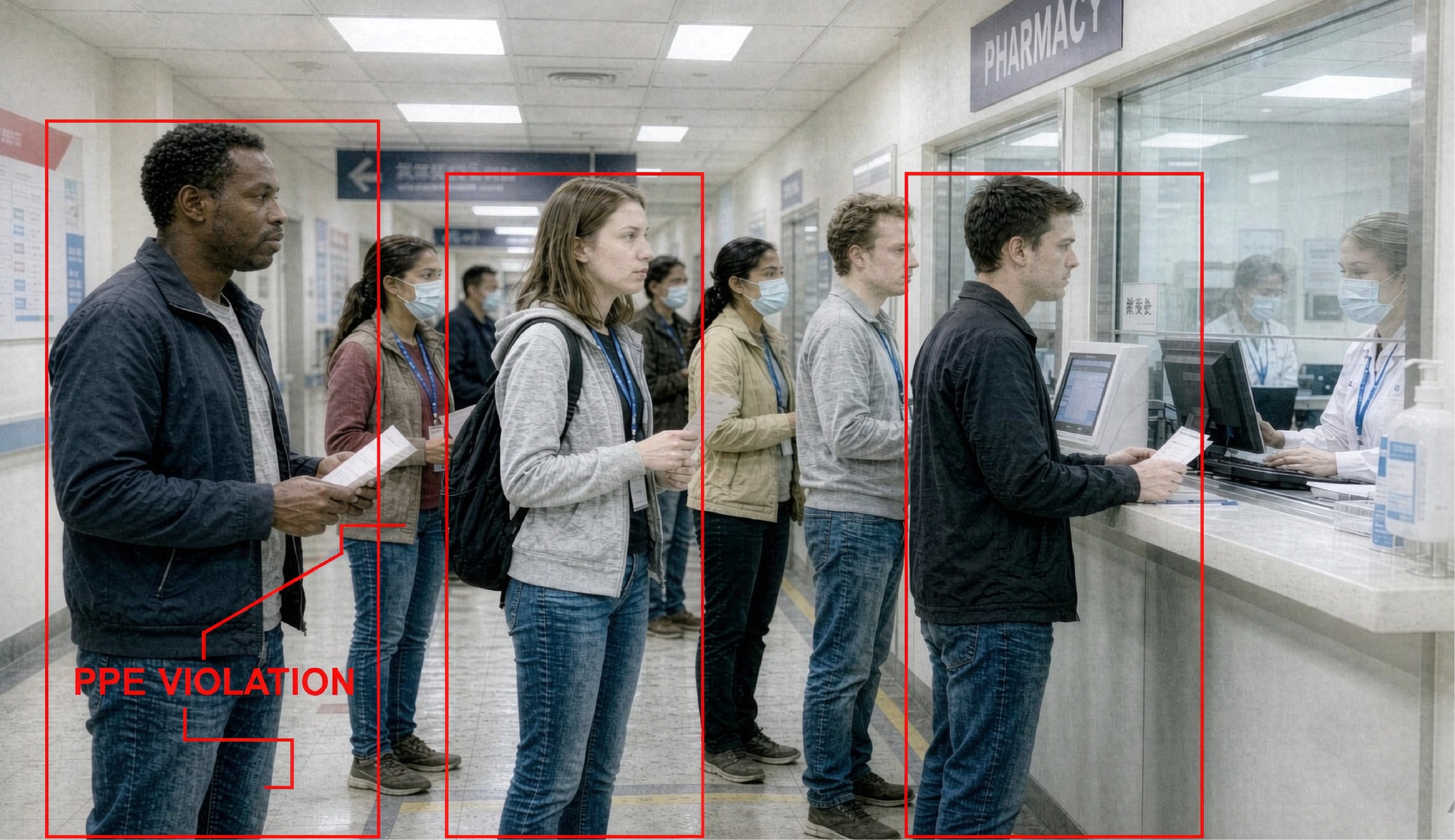
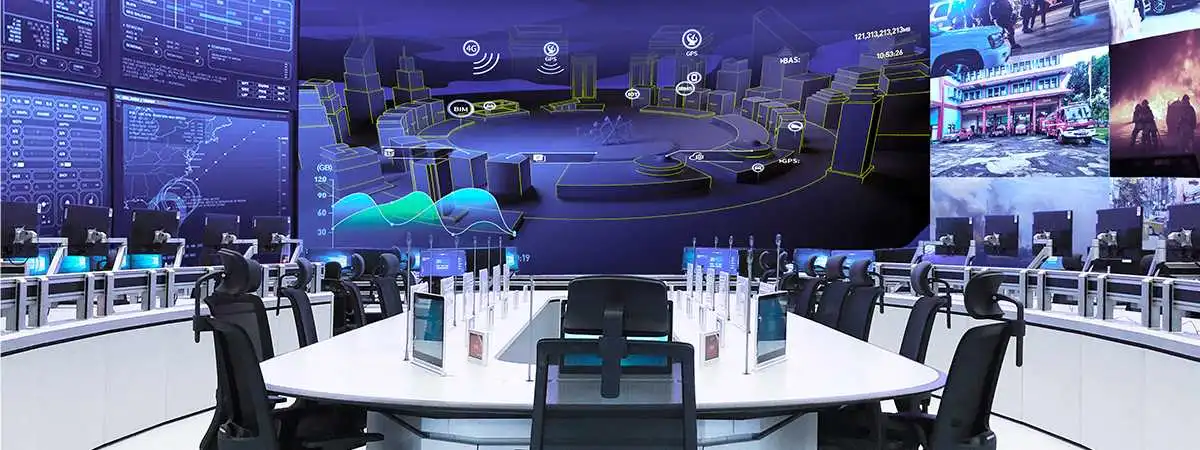
AVCiT's Edge AI Platform turns compatible camera feeds into a source of operational alerts. Facility teams can configure predefined visual events around their infection-prevention procedures, directing relevant footage to the people responsible for review while the event is still current.
Crowd gathering in shared areas and PPE-related exceptions in designated locations are examples of events that can be configured for monitoring. The same rules do not need to apply across the entire camera network. A waiting area can use a crowd-gathering threshold based on its layout and normal visitor levels. A controlled corridor can operate under separate criteria that reflect access and movement requirements. A staff workspace can apply PPE-related monitoring where those procedures are relevant.
This gives healthcare facilities control over how alerts are generated and where they are sent. Each area can be configured around the conditions that matter there, helping staff focus on the events that require assessment and response under the facility's procedures.
Many healthcare facilities already have camera systems covering public areas, staff spaces and controlled zones. Replacing the entire network to introduce AI monitoring adds cost and disruption, even when much of the existing infrastructure remains useful.
AVCiT AI Box adds edge AI capability to compatible cameras in priority locations. Facilities can begin with entrances, waiting areas or controlled corridors where direct oversight is limited and timely review matters most.
A focused first deployment gives teams the chance to test the rules against real operating conditions. Visitor flow may show that a crowd threshold needs adjustment at certain times of day. Staff may decide that one alert belongs with the security desk, while another should go to facilities management or the team responsible for the affected area.
The same process defines the response path. Teams establish who receives each alert, how footage is checked and when an event moves into the site's incident or escalation process. Once those steps are working in the first locations, the facility has a clear basis for extending coverage.
This staged model protects existing investment in video infrastructure while giving leaders practical evidence about where edge AI adds the most value.
AI-powered visibility gives healthcare teams earlier notice of observable exceptions while staff retain responsibility for verification and response.
Contact the AVCiT team today to discuss how AI Box and Edge AI Platform can support infection-prevention monitoring in your healthcare facility.