AIVC-16CH AI BOX
 32CH CSN AI NVR
 2K HDMI Video Codec
 2K DVI Video Codec
 2K SDI Video Codec
 2K HDMI Video Encoder
 2K DVI Video Encoder
 2K SDI Video Encoder
 2K VGA Video Encoder
 2K Video Wall Decoder (HDMI+DVI)
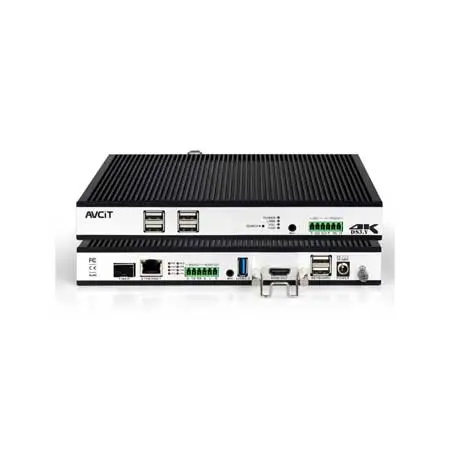
 4K HDMI Video Encoder
 4K HDMI Video Decoder
 4K HDMI Video Wall Decoder
 4K HDMI + DVI Video Wall Decoder
 4K HDMI Dual Channel Codec
 8K HDMI Decoder
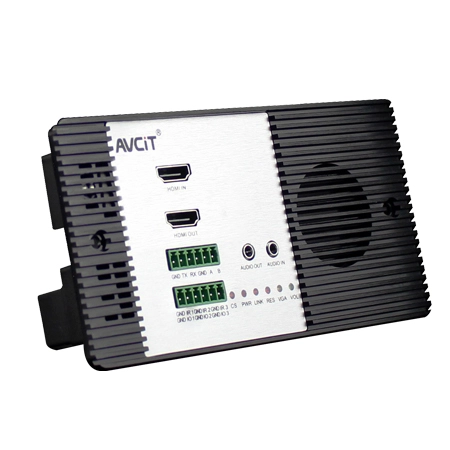
 2K KVM Encoder - HDMI
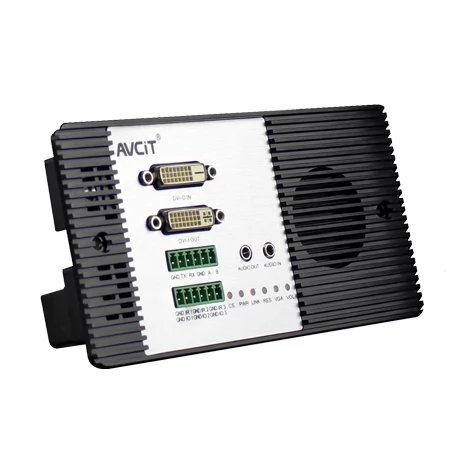
 2K KVM Encoder - DVI
 2K KVM Encoder - SDI
 2K KVM Encoder - DVI-I(VGA)
 2K KVM Decoder - HDMI
 4K KVM Encoder - HDMI + DP
 4K@60 KVM Encoder - HDMI
 4K KVM Encoder - HDMI + HDMI
 4K KVM Encoder - HDMI
 4K KVM Decoder - HDMI
 4K60 4:4:4 KVM Encoder - HDMI
 4K60 4:4:4 KVM Decoder-HDMI
 4K60 4:4:4 KVM Encoder - HDMI + SDI
 4K60 4:4:4 KVM Decoder - HDMI + SDI
 5K KVM Decoder - HDMI +DP
 Phinx-36 Ports Fiber KVM Matrix
 Phinx-72 Ports Fiber KVM Matrix
 Phinx-144 Ports Fiber KVM Matrix
 Phinx-288 Ports Fiber KVM Matrix
 Phinx-576 Ports Fiber KVM Matrix
 Phinx - I/O SFP Module Card
 Phinx - Video Wall Control Card
 Phinx- Video Wall & SFP Card
 Phinx- Video Card(6IN6OUT)
 2K Video Wall Matrix - 8x8
 2K Video Wall Matrix - 16x16
 2K Video Wall Matrix - 32x32
 2K Video Wall Matrix - 72x72
 2K Video Wall Matrix - 144x144
 4K Video Matrix Switcher - 8x8
 4K Video Matrix Switcher - 36x36
 4K Video Matrix Switcher - 72x72
 4K Video Matrix Switcher - 144x144
 Mixing UHD - 4K HDBT Extender
 Mixing UHD - 4K Fiber Extender
 Rack Mounting Kit
 Wall Mounting Kit


 EN
EN
 es
es  th
th
Blog
Join us
FAQs

 4K KVM Transmitter-HDMI
 4K KVM Transmitter-HDMI+HDMI LOOP
 4K KVM Transmitter-DVI
 4K KVM Transmitter-DVI+DVI LOOP
 4K60 KVM Transmitter - HDMI
 2K KVM Transmitter-VGA
 4K KVM Receiver-HDMI
 4K KVM Receiver-DVI
 Quad-view KVM Receiver-HDMI
 4K60 KVM Receiver - HDMI
 4K60 Quad-view KVM Receiver
 2K KVM Receiver-HDMI
 2K KVM Receiver-DVI
 2K KVM Receiver-VGA
 Mixing HD-2K HDMI Input Card
 Mixing HD-2K DVI Input Card
 Mixing HD-2K SDI Input Card
 Mixing HD-2K VGA Input Card
 Mixing HD-2K AV Input Card
 Mixing HD-HDMI UHD Input Card
 Mixing HD-Fiber Input Card
 Mixing HD-IP Input Card
 Mixing HD-HDMI Output Card
 Mixing HD-DVI Output Card
 Mixing HD-SDI Output Card
 Mixing HD-VGA Output Card
 Mixing HD-AV Output Card
 Mixing HD-Fiber Output Card
 Mixing HD-IP Output Card
Mixing HD-HDMI Video Wall Control Card (2 channel)
Mixing HD-IP Output Card
Mixing HD-HDMI Video Wall Control Card (2 channel)
 Mixing HD-HDMI Video Wall Control Card (1 channel)
 Mixing HD-DVI Video Wall Control Card (2 channel)
 Mixing HD-DVI Video Wall Control Card (1 channel)
 Mixing UHD - HDMI Input Card
 Mixing UHD - DVI Input Card
 Mixing UHD - SDI Input Card
 Mixing UHD - VGA Input Card
 Mixing UHD - AV Input Card
 Mixing UHD - HDBT Input Card
 Mixing UHD - Fiber Input Card
 Mixing UHD - HDBT Output Card
 Mixing UHD - HDMI Output Card
 Mixing UHD - DVI Output Card
 Mixing UHD - SDI Output Card
 Mixing UHD - VGA Output Card
 Mixing UHD - AV Output Card
 Mixing UHD - Fiber Output Card
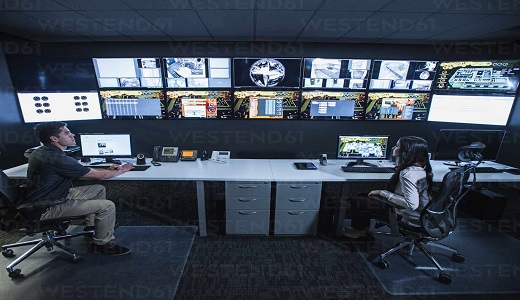
A Security Operations Center (SOC) is a dedicated team of cybersecurity professionals responsible for detecting, analyzing, and responding to security threats within an organization. The main goal of a SOC is to monitor networks, systems, and applications 24/7 to identify suspicious activity and mitigate potential threats.
SOCs use a range of tools and technologies, such as security information and event management (SIEM), Keyboard Video Mouse Tech (KVM Tech), intrusion detection and prevention systems (IDPS), and endpoint detection and response (EDR) solutions, to monitor and analyze network traffic and user behavior. These tools provide the SOC with real-time visibility into potential threats and enable quick response times to contain and mitigate incidents.
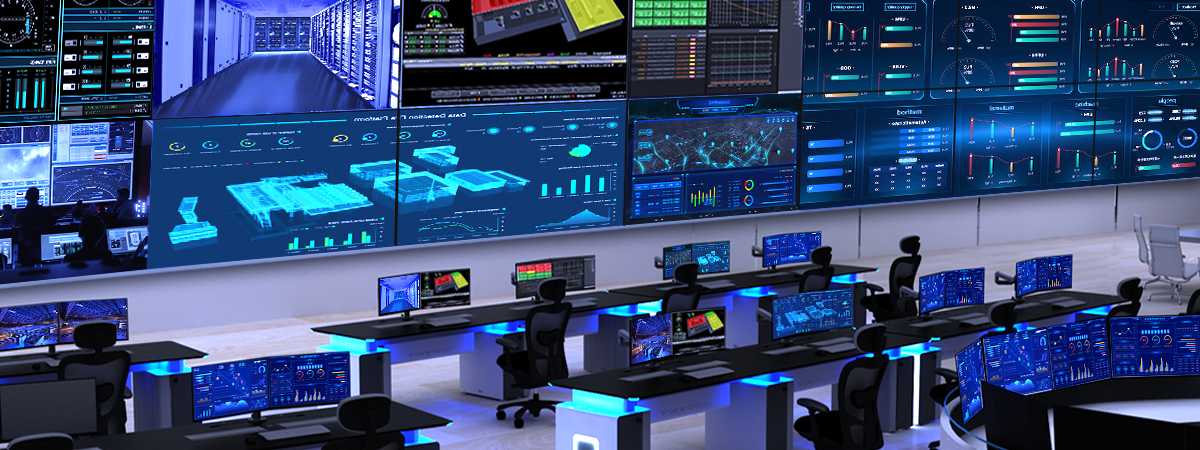
A SOC typically performs three key functions: monitoring, incident response, and threat intelligence.
Monitoring: SOC analysts constantly monitor the organization’s network, systems, and applications for security events, looking for signs of attempted or successful attacks. They use advanced technologies, such as SIEM, to collect and aggregate data from various sources and identify any anomalous activity that could indicate a security issue.
Incident Response: If a security incident does occur, such as a data breach or cyber-attack, the SOC is responsible for quickly responding and containing the threat. The SOC team’s goal is to minimize the potential impact of the breach or attack and restore normal operations as soon as possible.
Threat Intelligence: To stay ahead of potential threats, the SOC must also gather intelligence on any emerging attack vectors or vulnerabilities. They do this by analyzing industry trends, conducting risk assessments, and monitoring updated threat intelligence feeds. SOC analysts then use this information to develop and implement new strategies and protocols to fend off the latest threats.
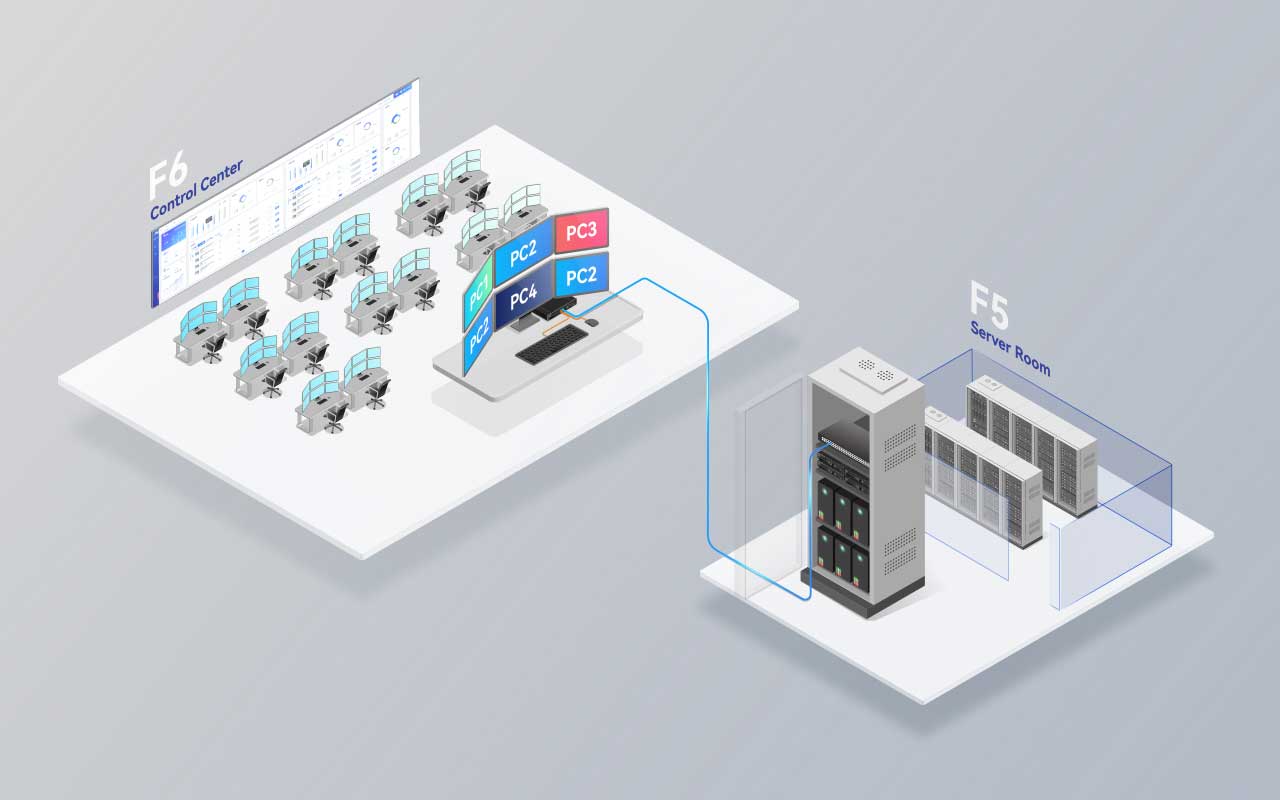
The role of a SOC is to provide the organization with security and peace of mind, as they monitor and mitigate the risks of cyber threats. SOC teams are responsible for detecting and responding to security incidents before they cause too much damage to the organization.
Specifically, their role includes:
1. Preventing security incidents: SOC analysts work proactively to identify threats and vulnerabilities before they are exploited. They conduct regular scanning and assessments to identify and mitigate weaknesses in the organization’s security posture.
2. Providing real-time monitoring and response: SOC analysts provide 24/7 security monitoring to detect and respond to critical security events in real-time. They work closely with the IT department to quickly respond to alerts and notify the appropriate stakeholders of potential threats.
3. Restoring services and mitigating risks: SOC teams aim to restore IT services as quickly as possible following a security incident. They develop and implement remediation plans to mitigate any associated risks and to prevent similar incidents from happening in the future.
In conclusion, a cyber Security Operations Center is an essential component of any organization's cybersecurity strategy. They play a key role in monitoring, detecting, and responding to potential security incidents, keeping the business protected from cyber threats. With the aid of advanced tools and technologies, and the expertise of trained professionals, a SOC ensures that the organization remains secure and safeguarded against the ever-evolving threat landscape. To enhance the effectiveness of a Security Operations Center (SOC), organizations can leverage advanced technologies such as KVM transmitter and receiver systems, which provide seamless control and monitoring capabilities. Additionally, integrating cutting-edge control room display solutions further strengthens the SOC's ability to detect and respond to cybersecurity threats efficiently and effectively.