
 AIVC-16CH AI BOX
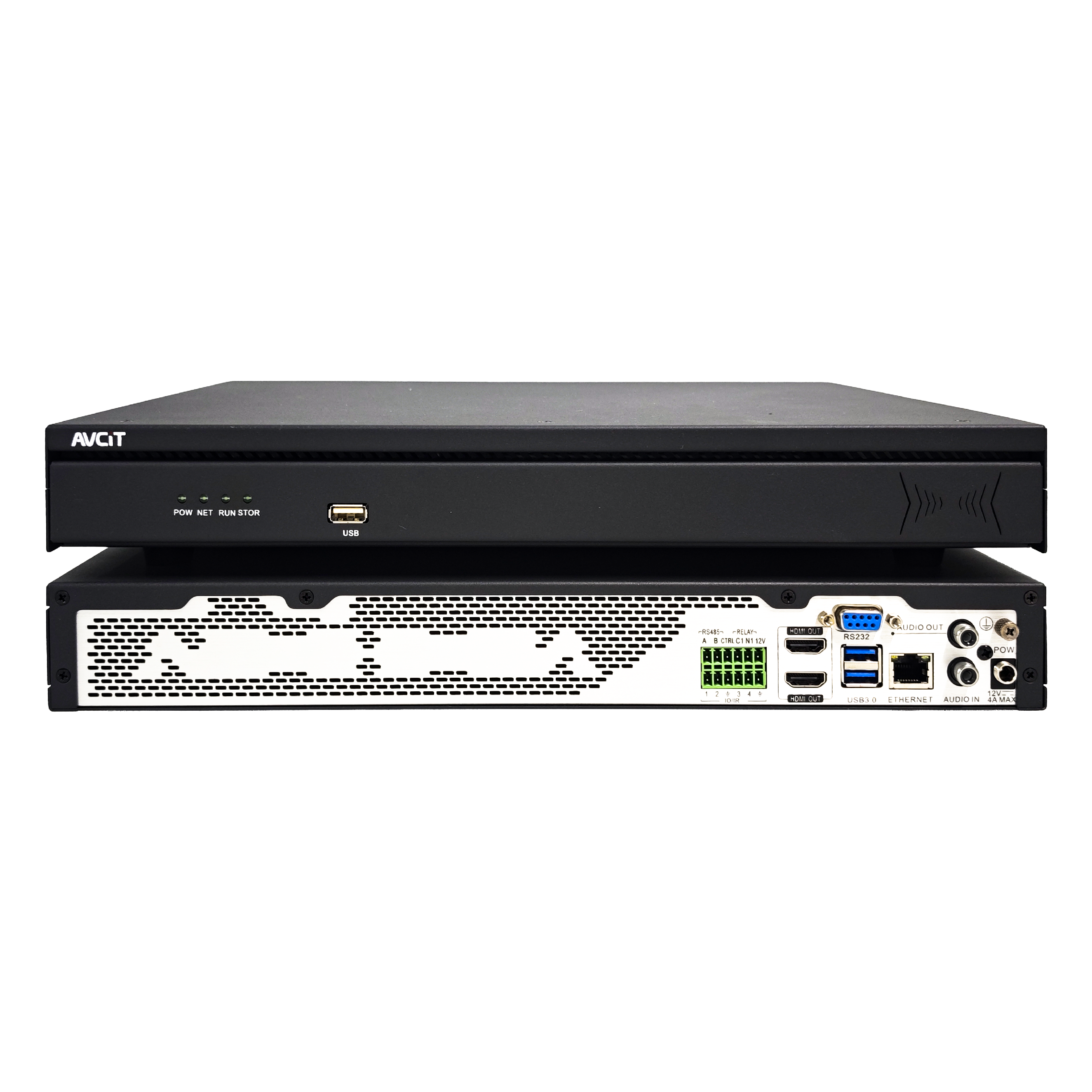 32CH CSN AI NVR
 2K HDMI Video Codec
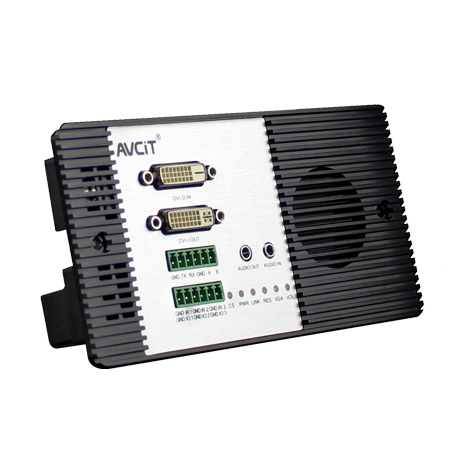 2K DVI Video Codec
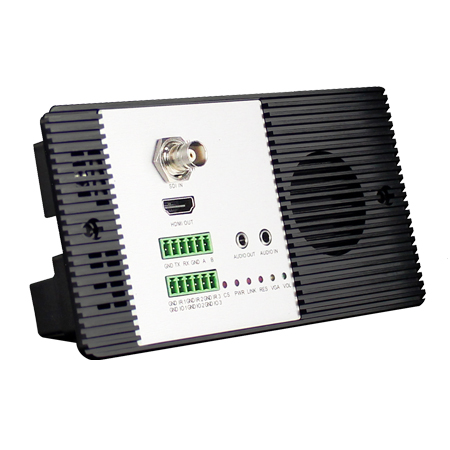 2K SDI Video Codec
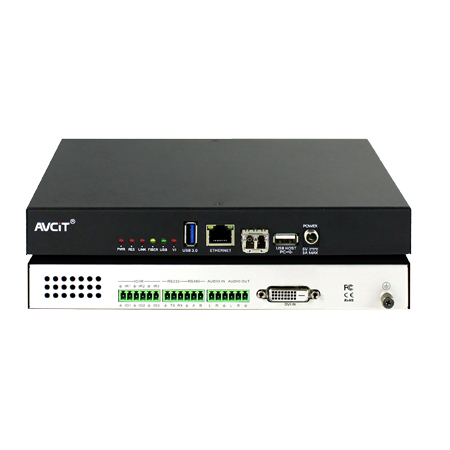 2K HDMI Video Encoder
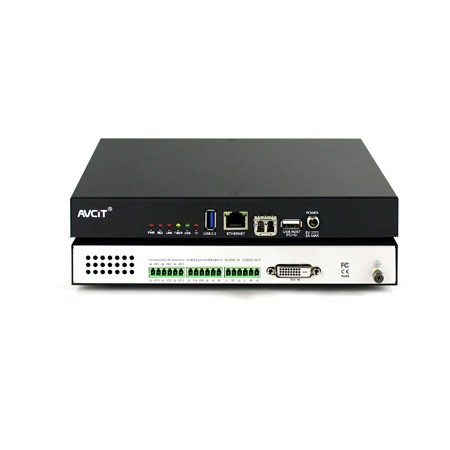 2K DVI Video Encoder
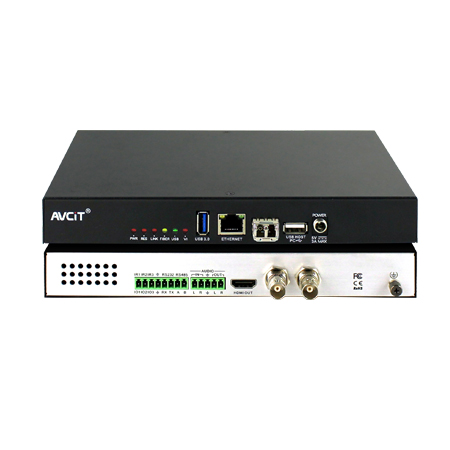 2K SDI Video Encoder
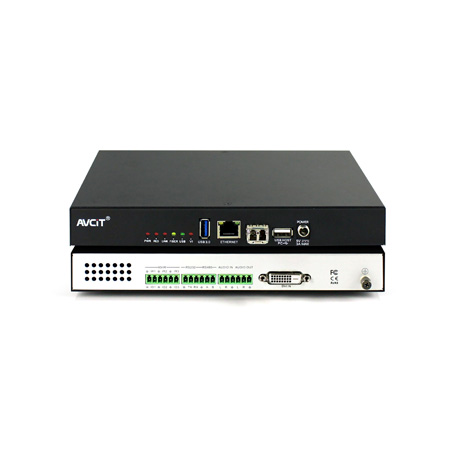 2K VGA Video Encoder
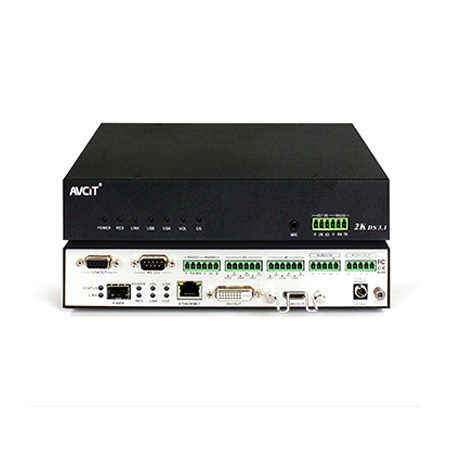 2K Video Wall Decoder (HDMI+DVI)
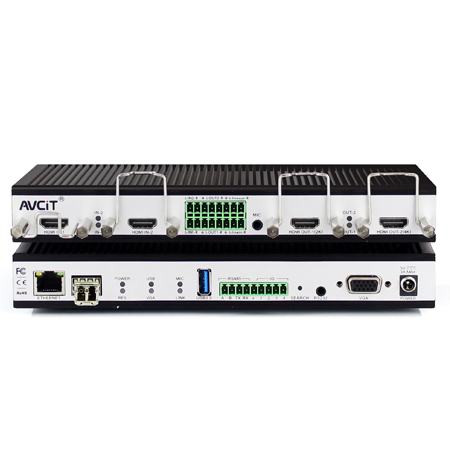 4K HDMI Video Encoder
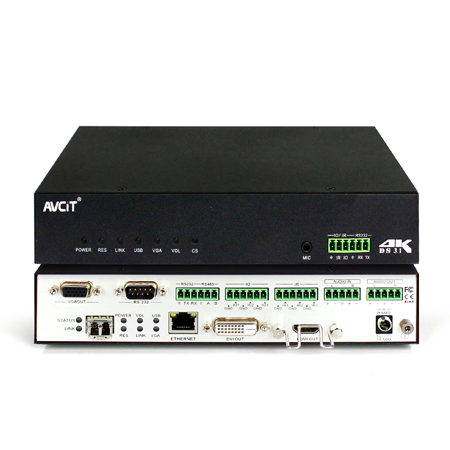 4K HDMI Video Decoder
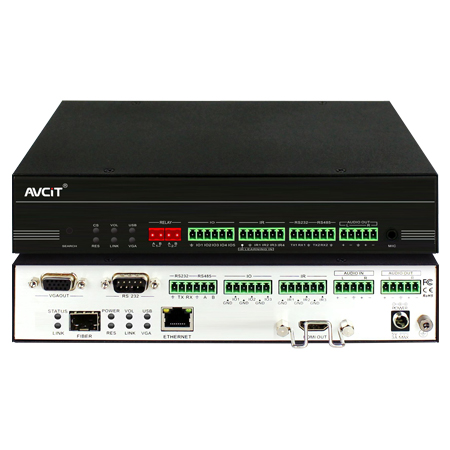 4K HDMI Video Wall Decoder
 4K HDMI + DVI Video Wall Decoder
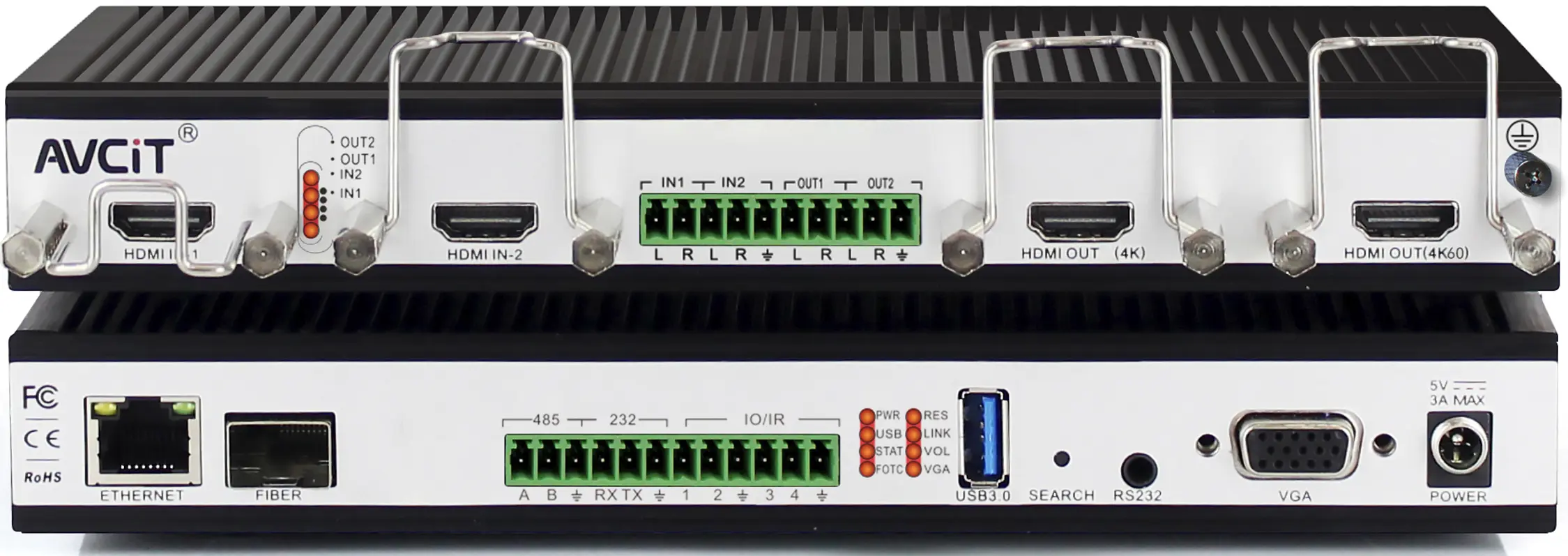 4K HDMI Dual Channel Codec
 8K HDMI Decoder
 2K KVM Encoder - HDMI
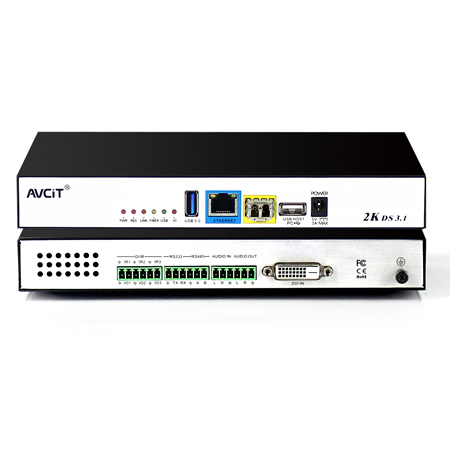 2K KVM Encoder - DVI
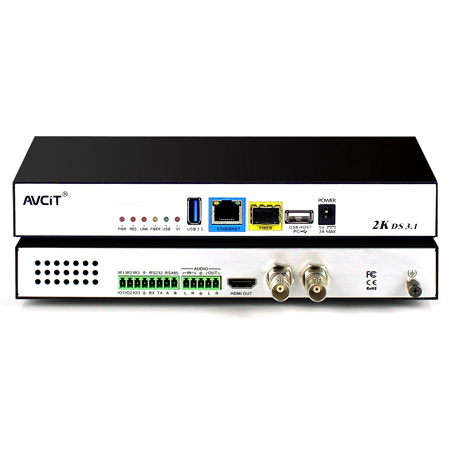 2K KVM Encoder - SDI
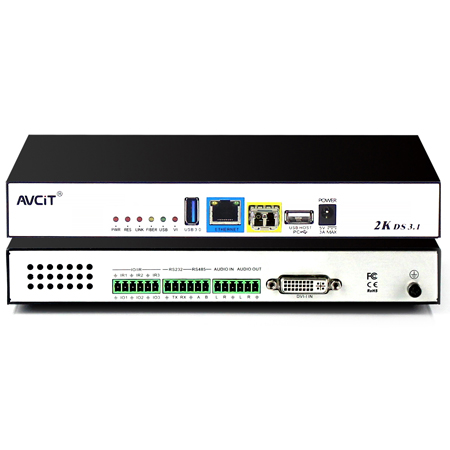 2K KVM Encoder - DVI-I(VGA)
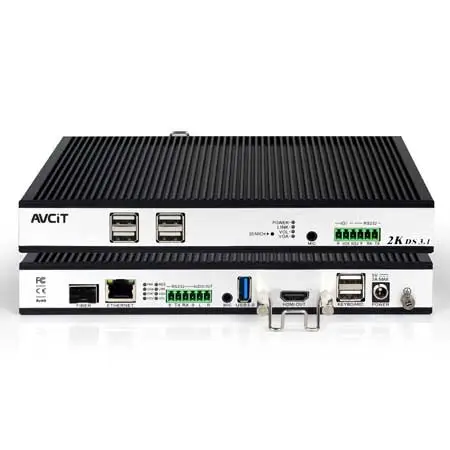 2K KVM Decoder - HDMI
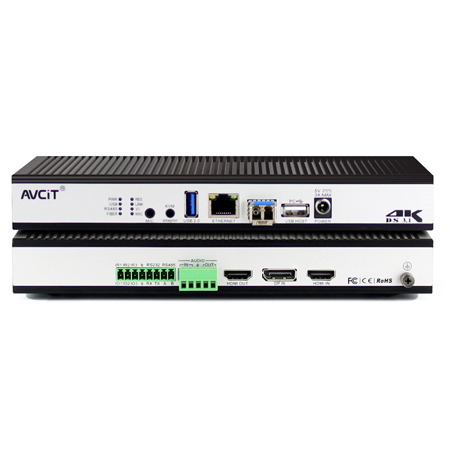 4K KVM Encoder - HDMI + DP
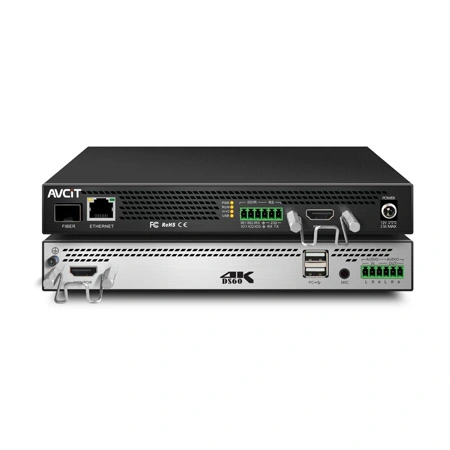 4K@60 KVM Encoder - HDMI
 4K KVM Encoder - HDMI + HDMI
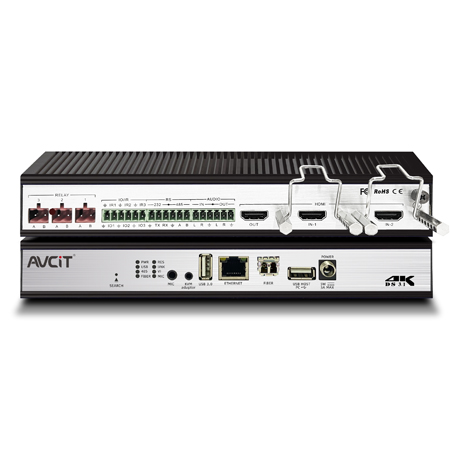 4K KVM Encoder - HDMI
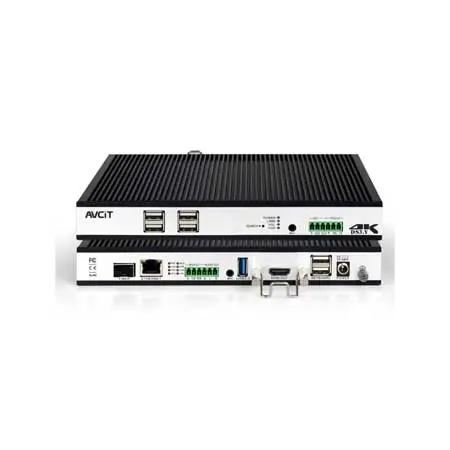 4K KVM Decoder - HDMI
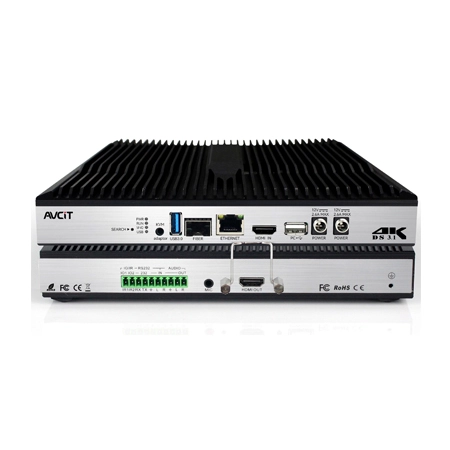 4K60 4:4:4 KVM Encoder - HDMI
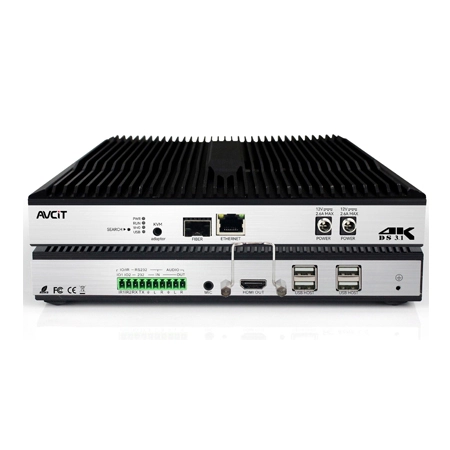 4K60 4:4:4 KVM Decoder-HDMI
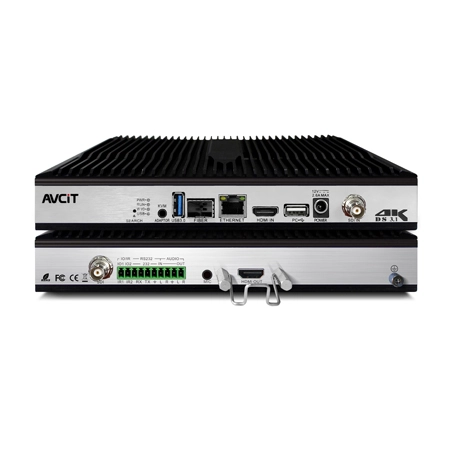 4K60 4:4:4 KVM Encoder - HDMI + SDI
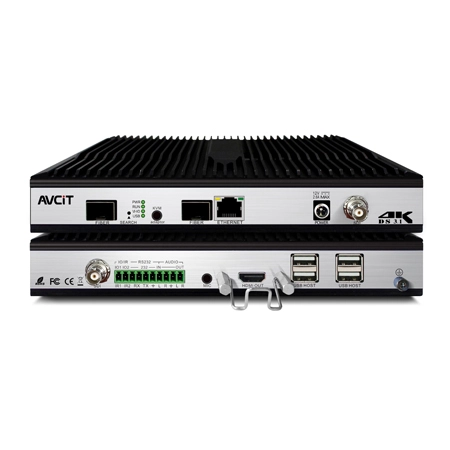 4K60 4:4:4 KVM Decoder - HDMI + SDI
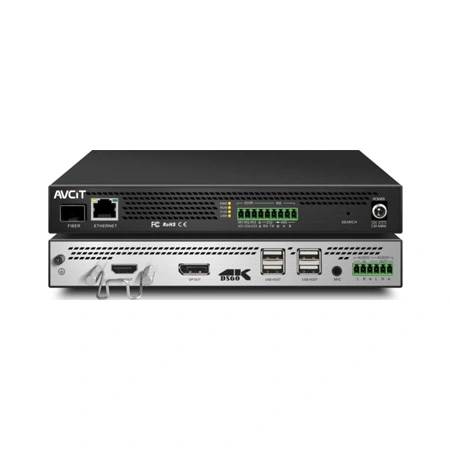 5K KVM Decoder - HDMI +DP
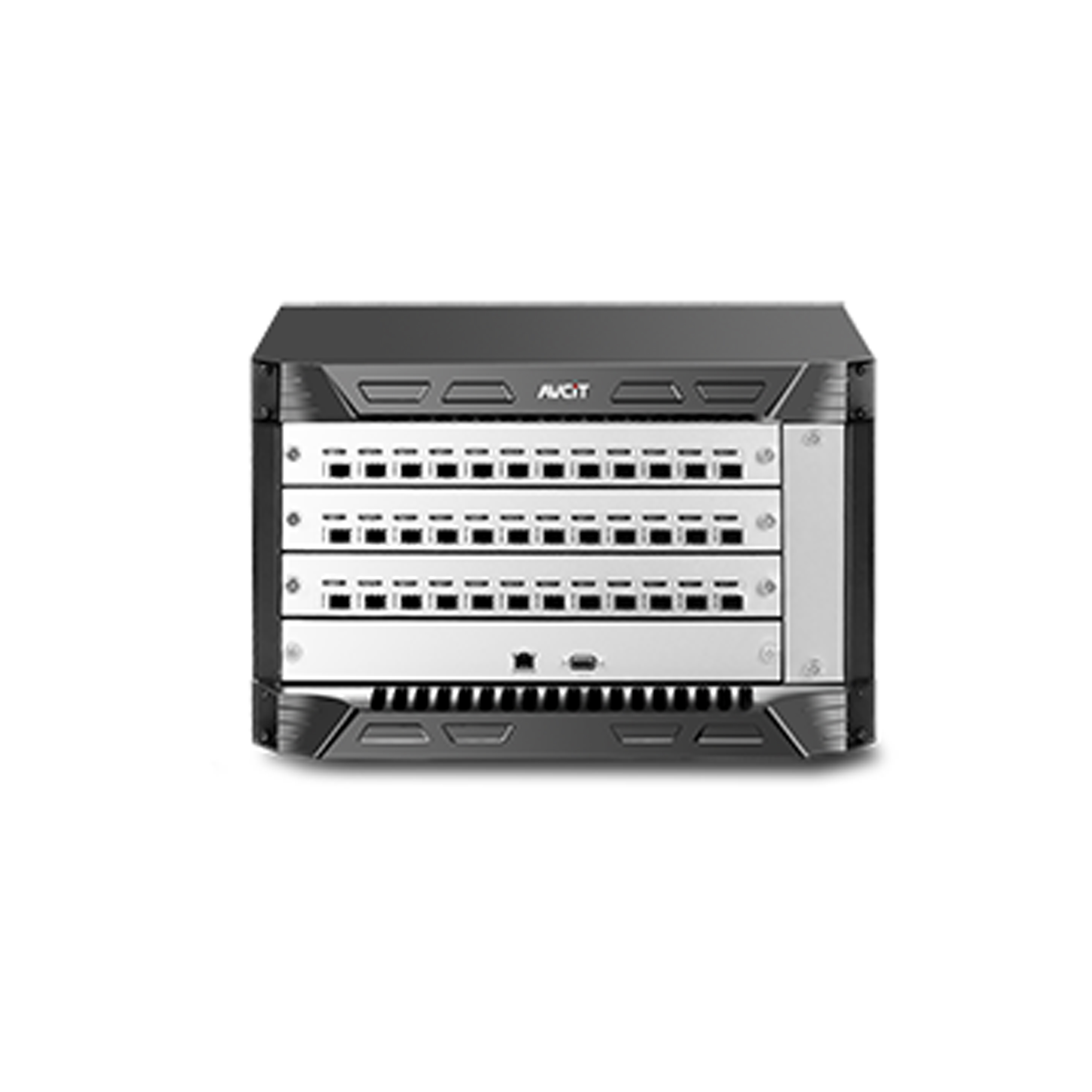 Phinx-36 Ports Fiber KVM Matrix
 Phinx-72 Ports Fiber KVM Matrix
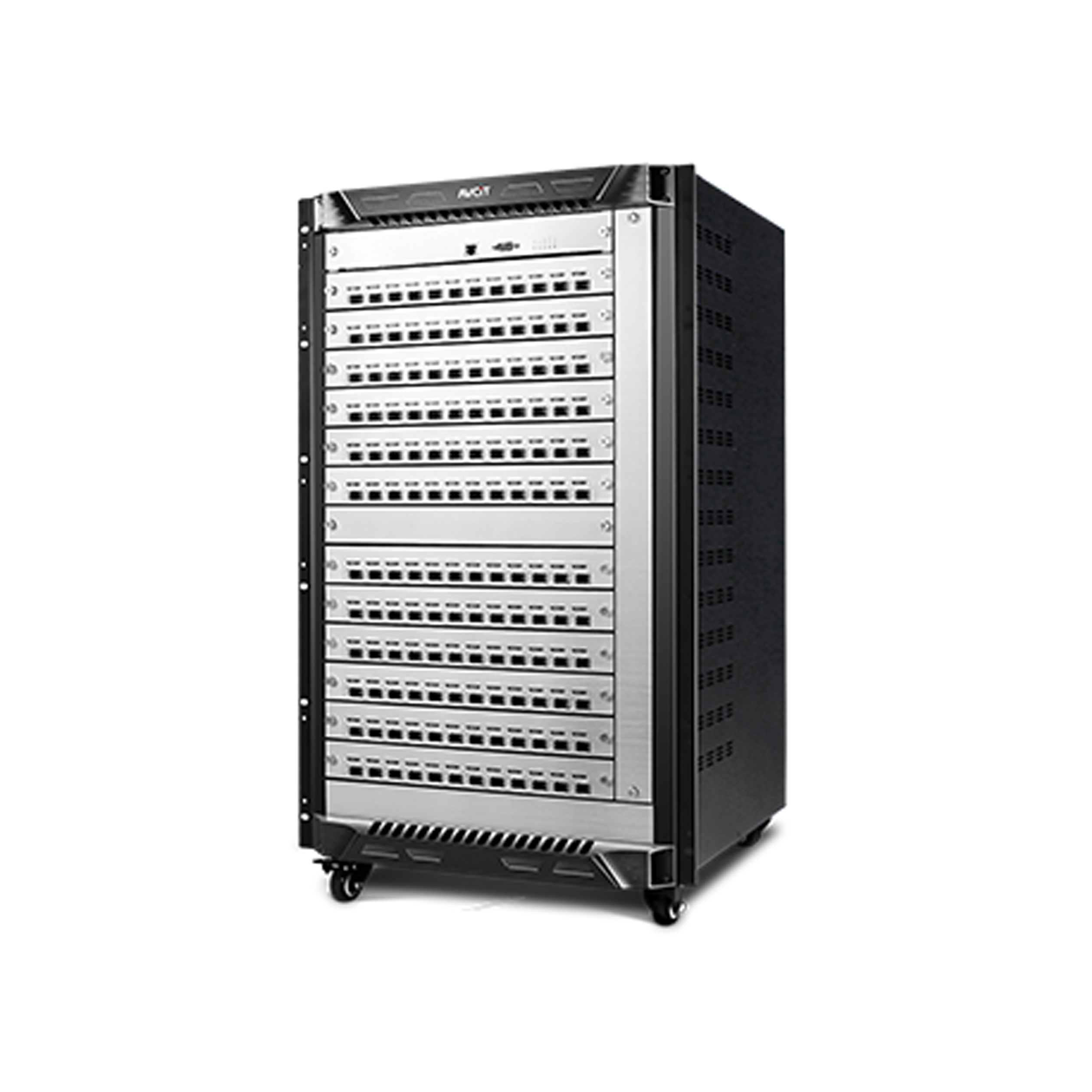 Phinx-144 Ports Fiber KVM Matrix
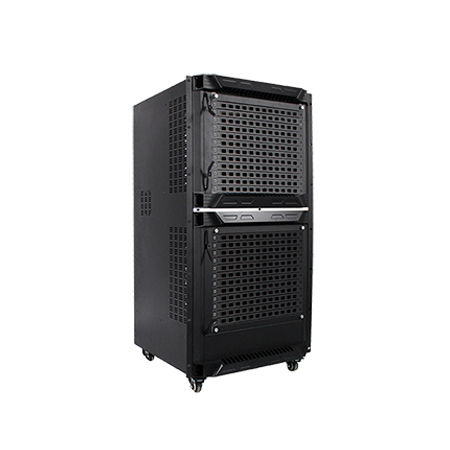 Phinx-288 Ports Fiber KVM Matrix
 Phinx-576 Ports Fiber KVM Matrix
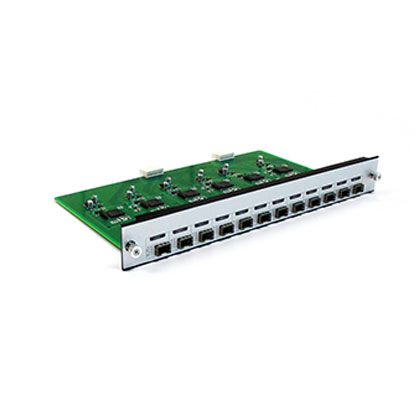 Phinx - I/O SFP Module Card
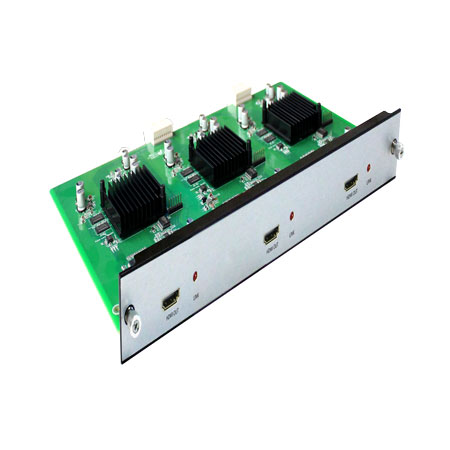 Phinx - Video Wall Control Card
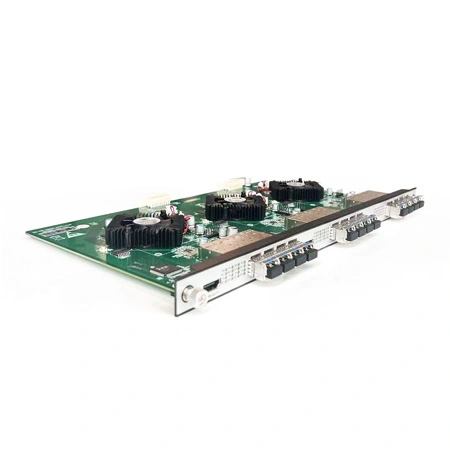 Phinx- Video Wall & SFP Card
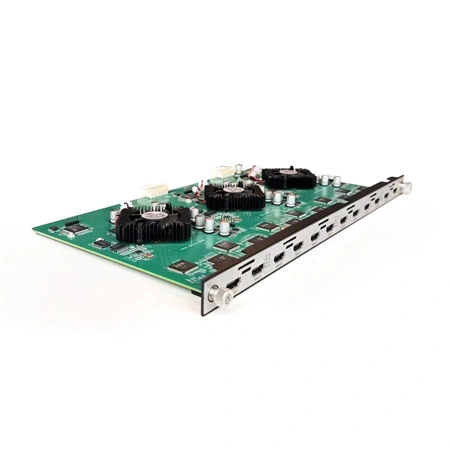 Phinx- Video Card(6IN6OUT)
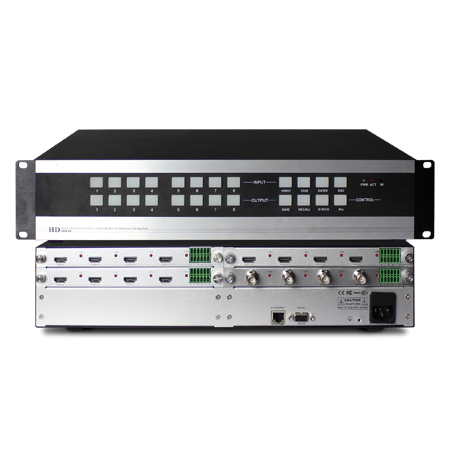 2K Video Wall Matrix - 8x8
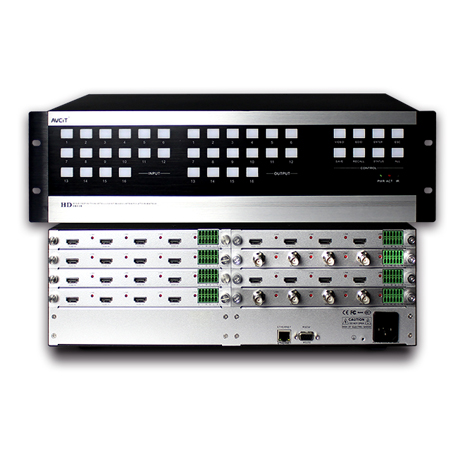 2K Video Wall Matrix - 16x16
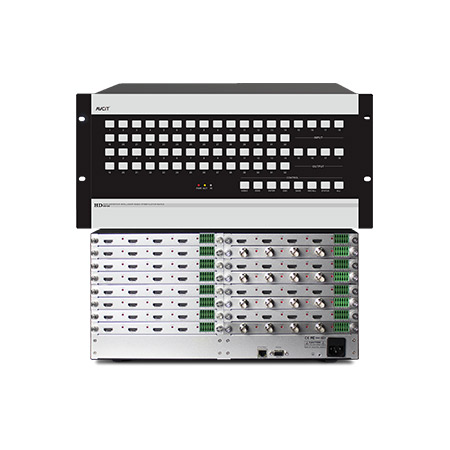 2K Video Wall Matrix - 32x32
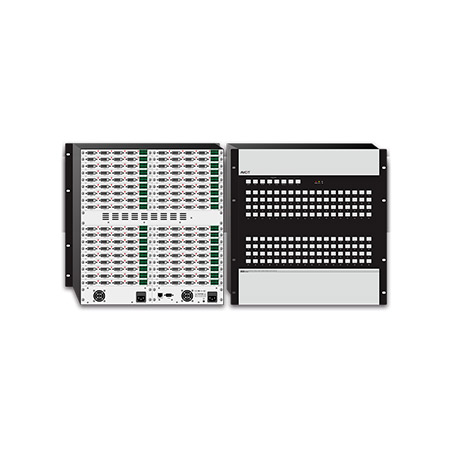 2K Video Wall Matrix - 72x72
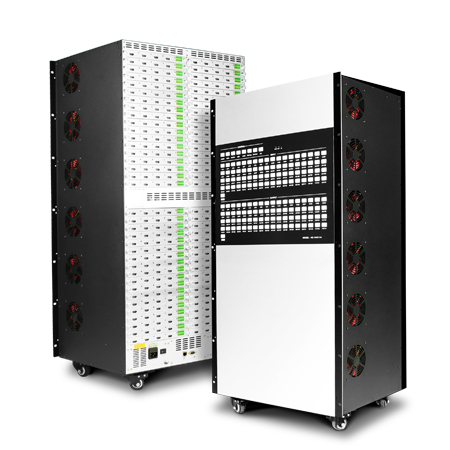 2K Video Wall Matrix - 144x144
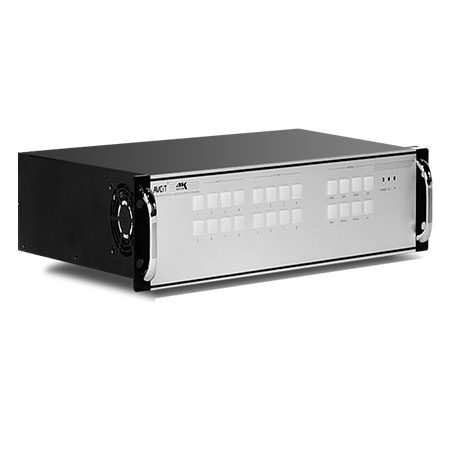 4K Video Matrix Switcher - 8x8
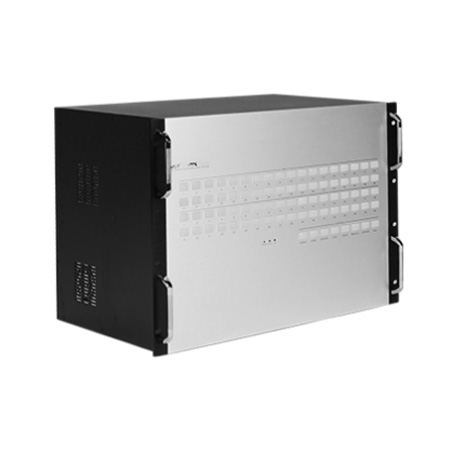 4K Video Matrix Switcher - 36x36
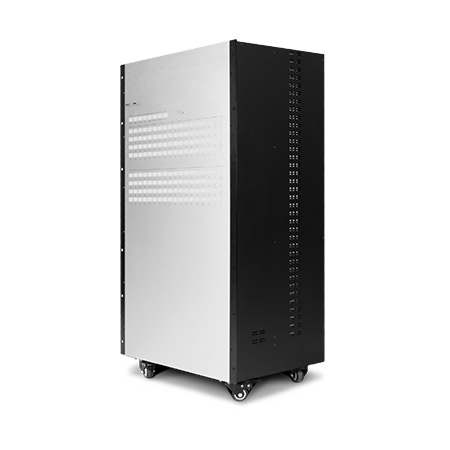 4K Video Matrix Switcher - 72x72
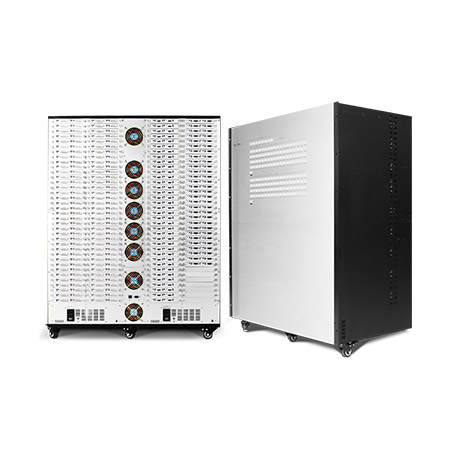 4K Video Matrix Switcher - 144x144
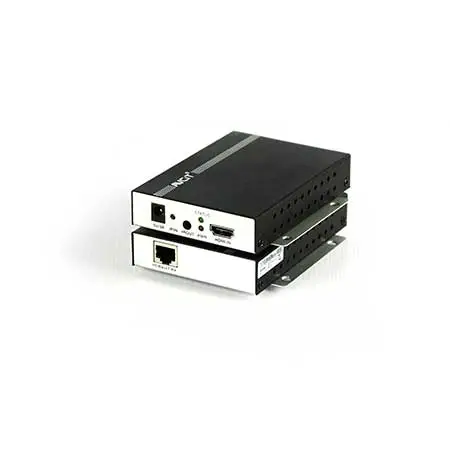 Mixing UHD - 4K HDBT Extender
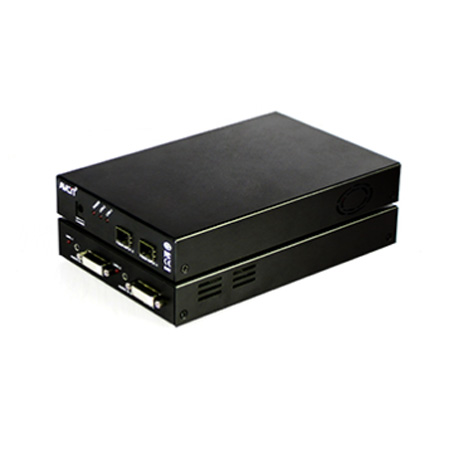 Mixing UHD - 4K Fiber Extender
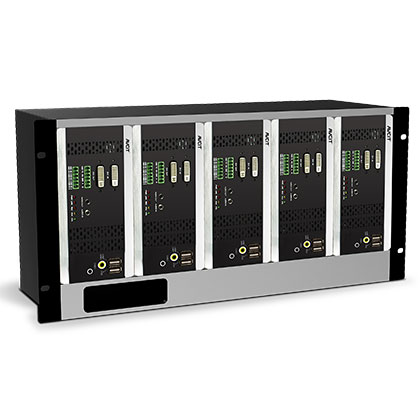 Rack Mounting Kit
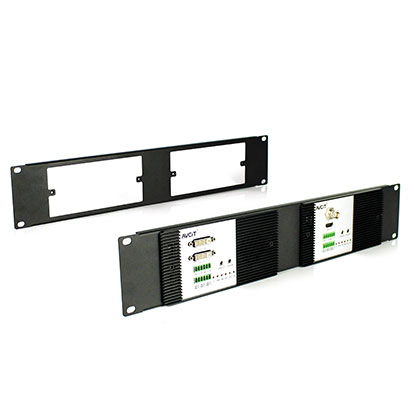 Wall Mounting Kit










 EN
EN
 es
es  th
th
Blog
Join us
FAQs

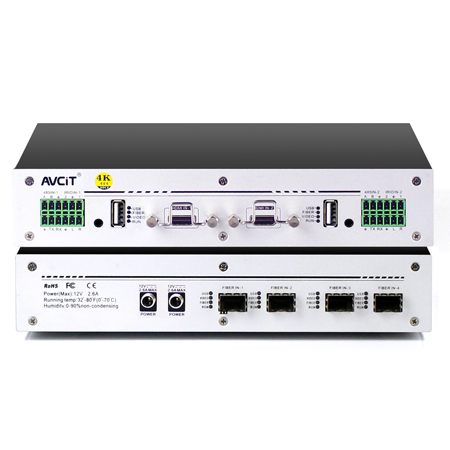 4K KVM Transmitter-HDMI
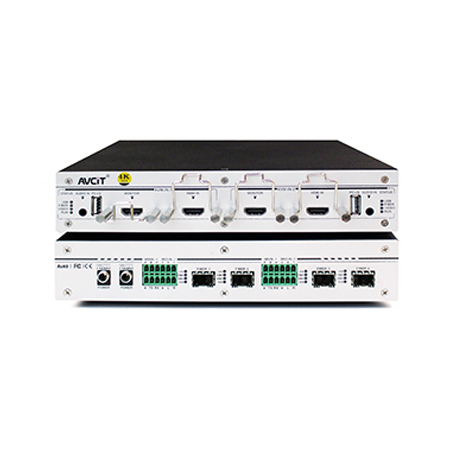 4K KVM Transmitter-HDMI+HDMI LOOP
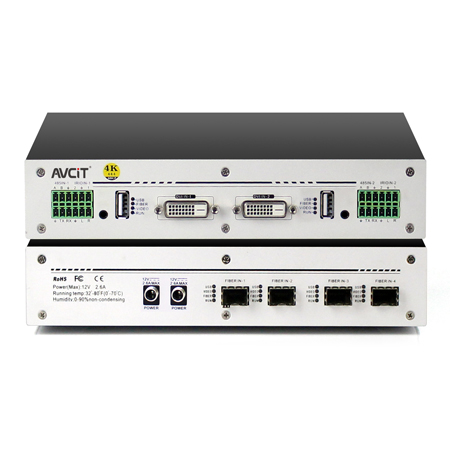 4K KVM Transmitter-DVI
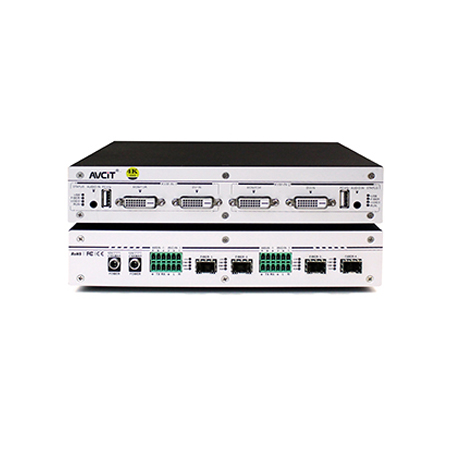 4K KVM Transmitter-DVI+DVI LOOP
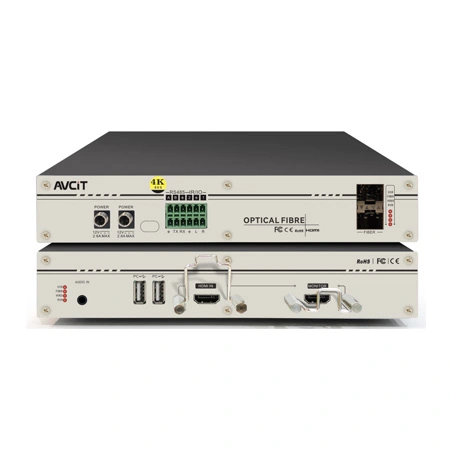 4K60 KVM Transmitter - HDMI
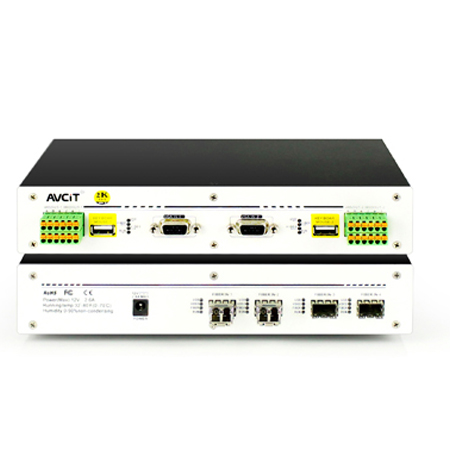 2K KVM Transmitter-VGA
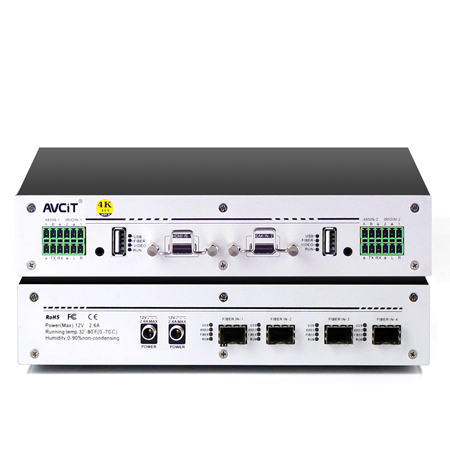 4K KVM Receiver-HDMI
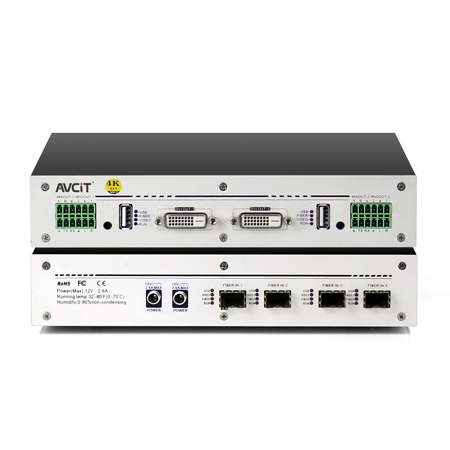 4K KVM Receiver-DVI
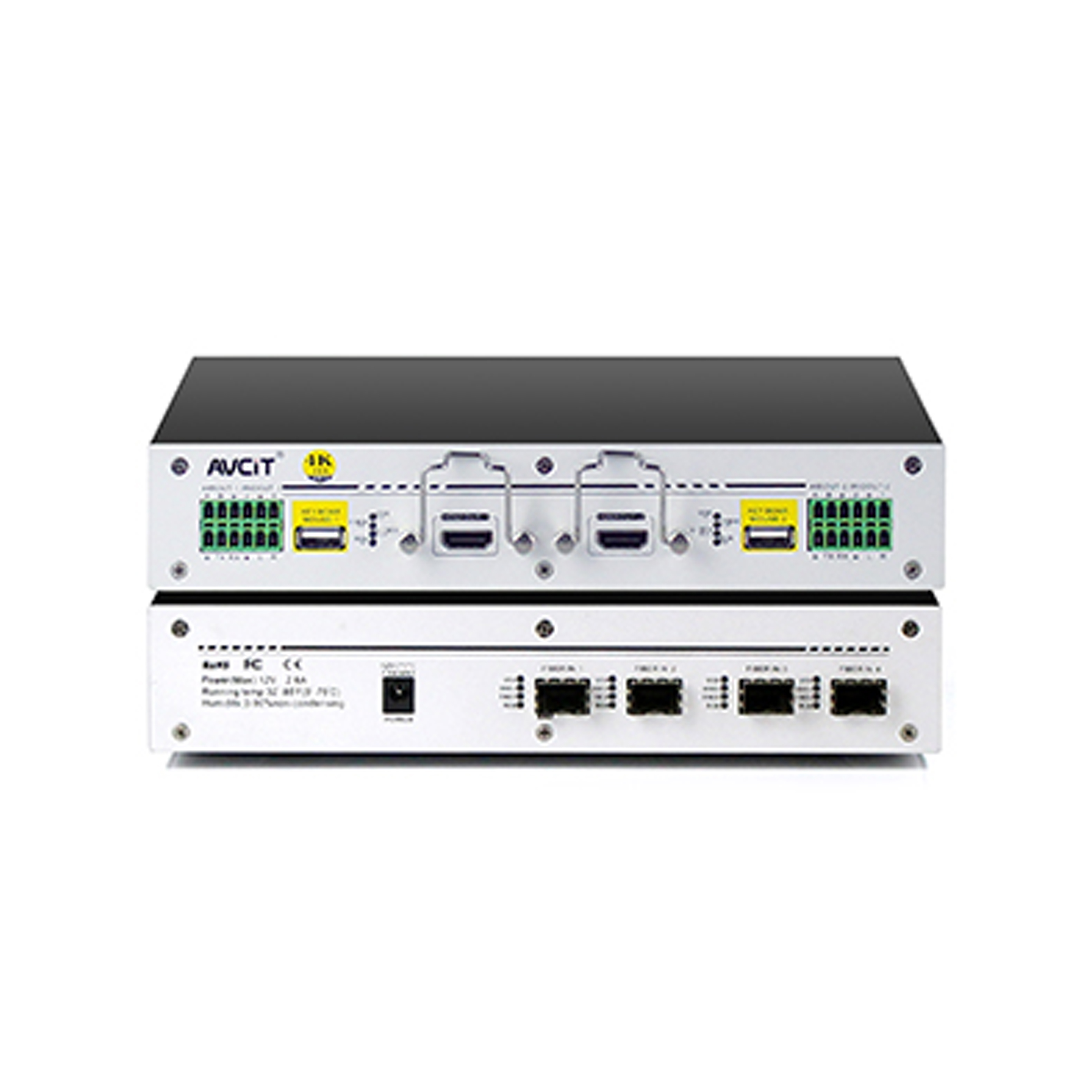 Quad-view KVM Receiver-HDMI
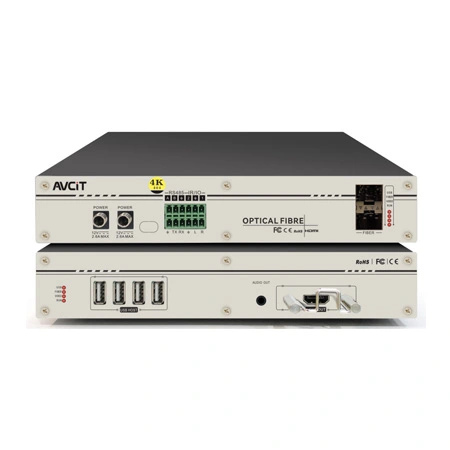 4K60 KVM Receiver - HDMI
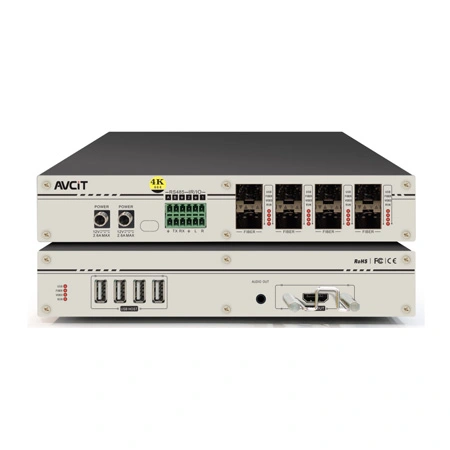 4K60 Quad-view KVM Receiver
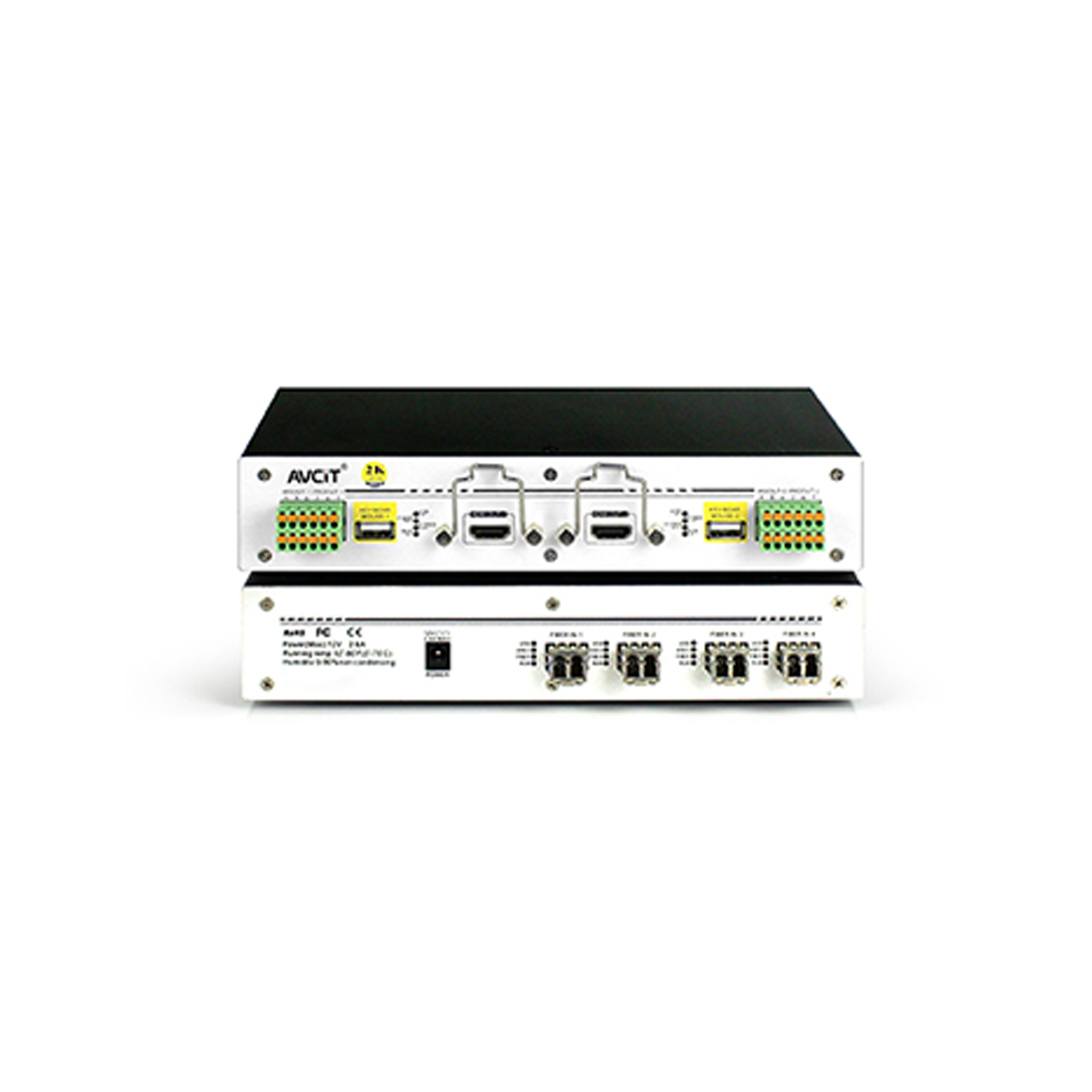 2K KVM Receiver-HDMI
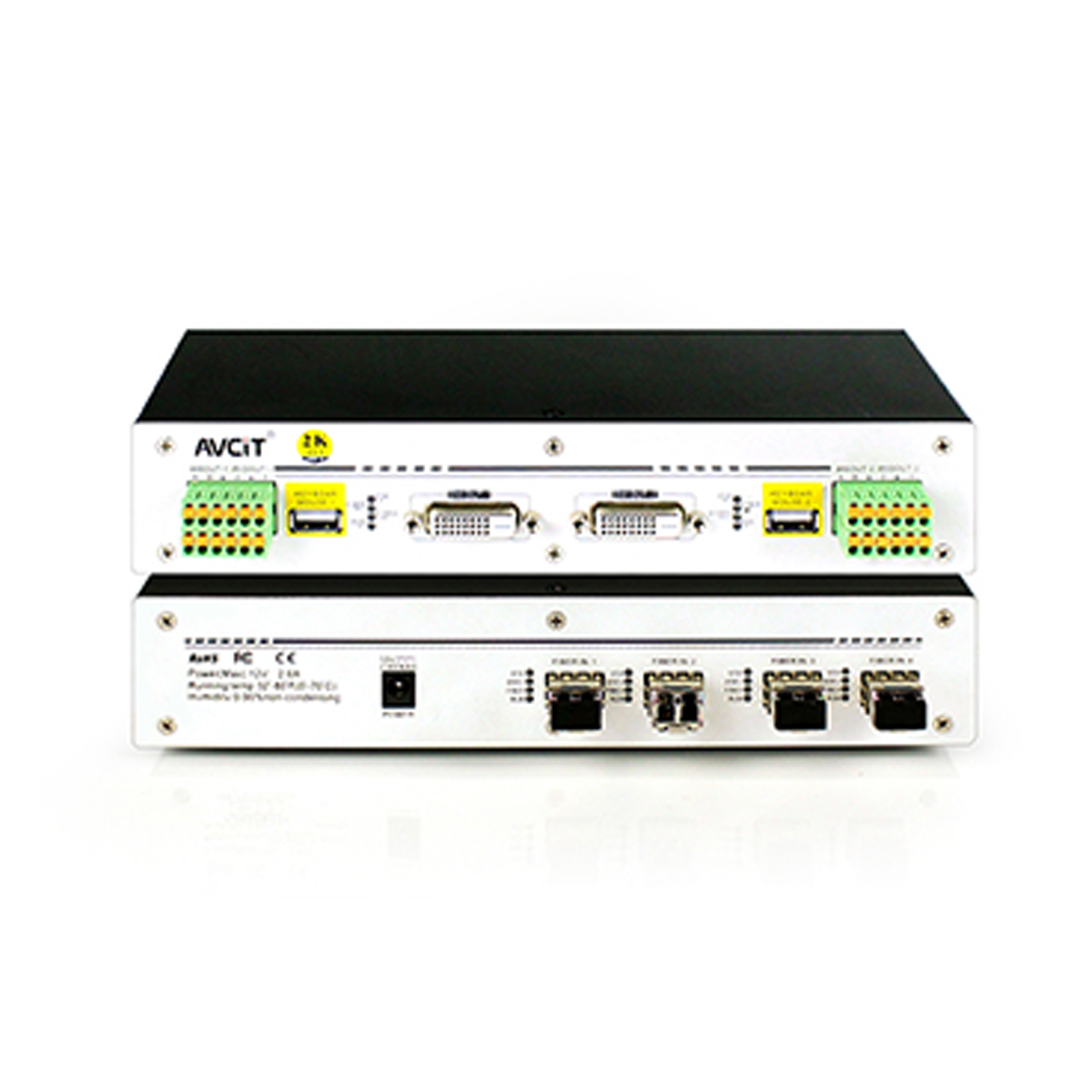 2K KVM Receiver-DVI
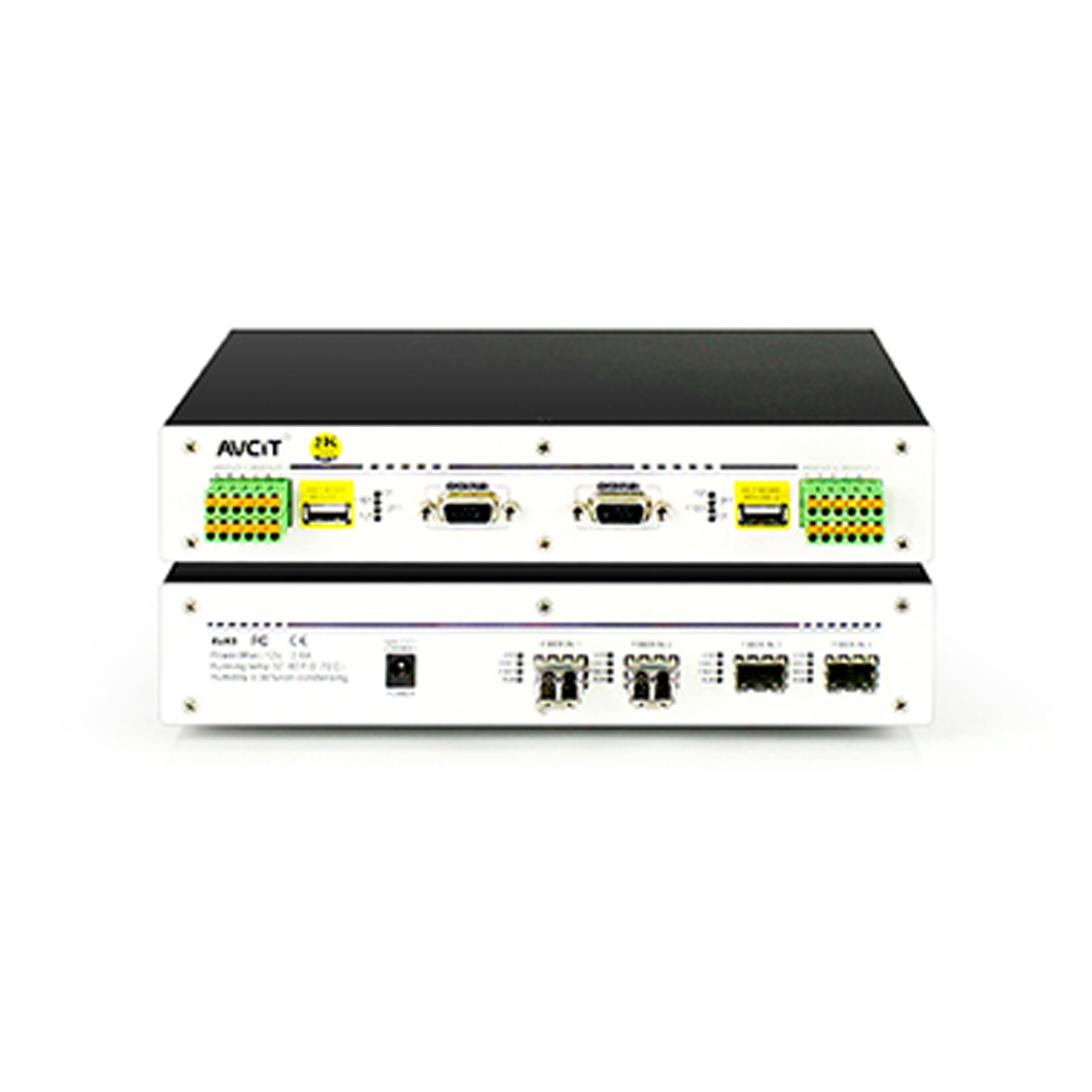 2K KVM Receiver-VGA
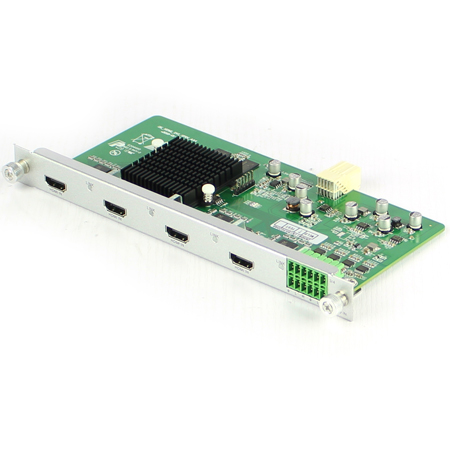 Mixing HD-2K HDMI Input Card
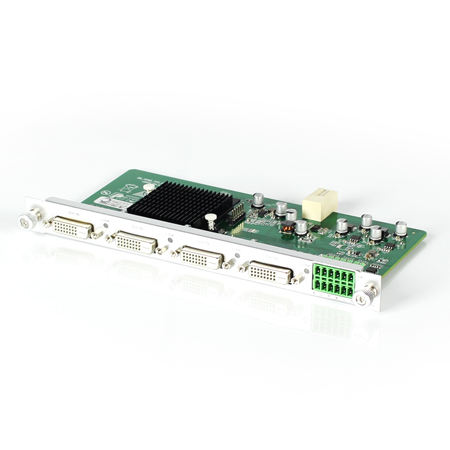 Mixing HD-2K DVI Input Card
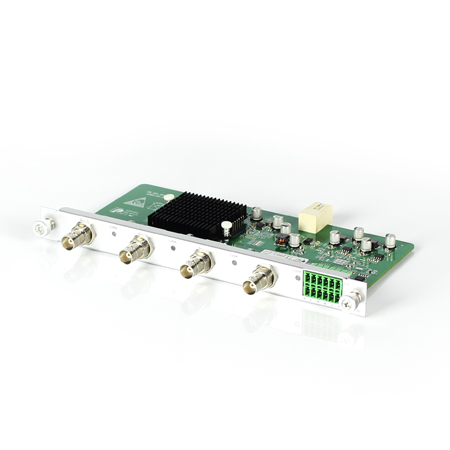 Mixing HD-2K SDI Input Card
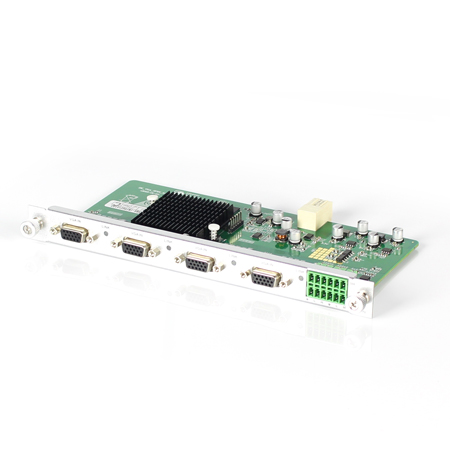 Mixing HD-2K VGA Input Card
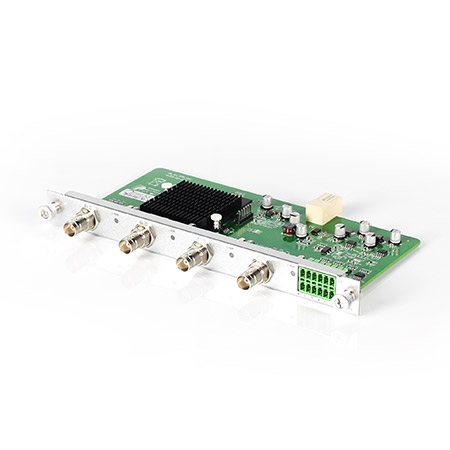 Mixing HD-2K AV Input Card
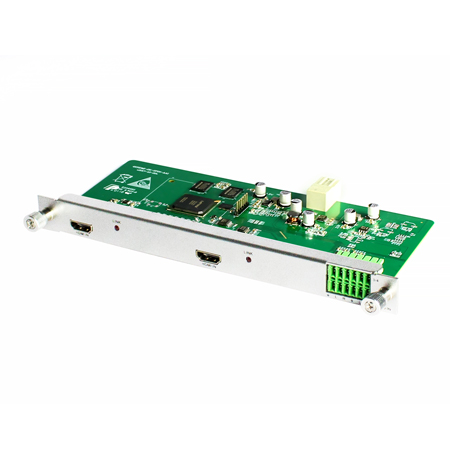 Mixing HD-HDMI UHD Input Card
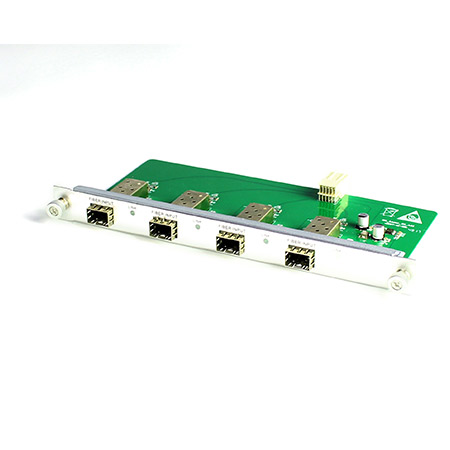 Mixing HD-Fiber Input Card
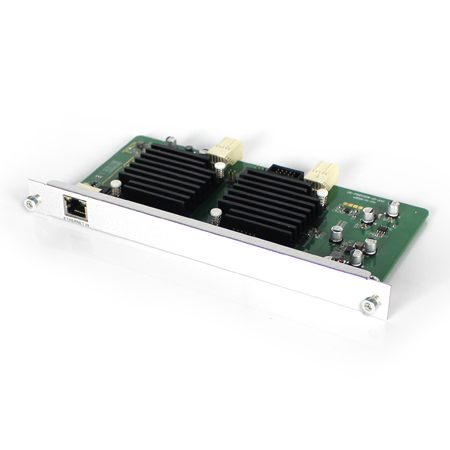 Mixing HD-IP Input Card
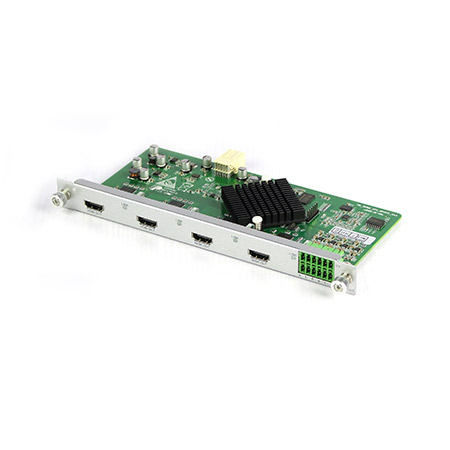 Mixing HD-HDMI Output Card
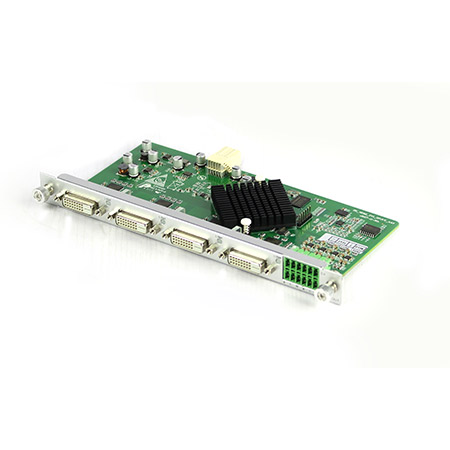 Mixing HD-DVI Output Card
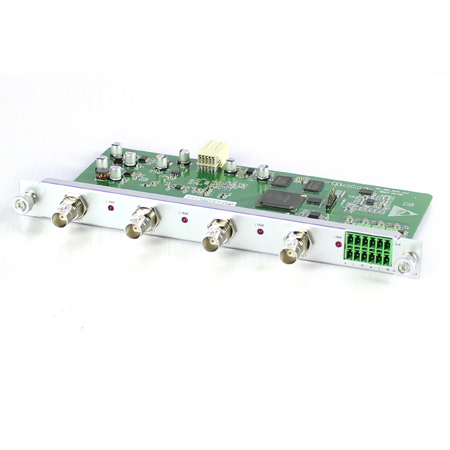 Mixing HD-SDI Output Card
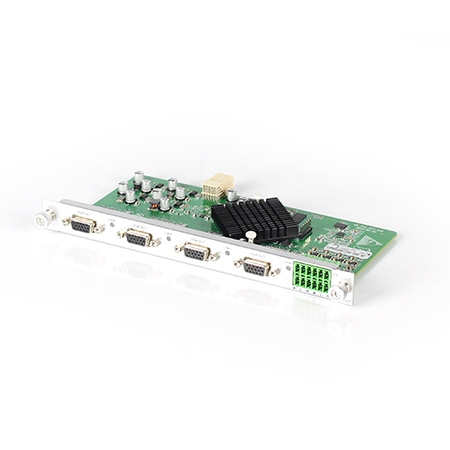 Mixing HD-VGA Output Card
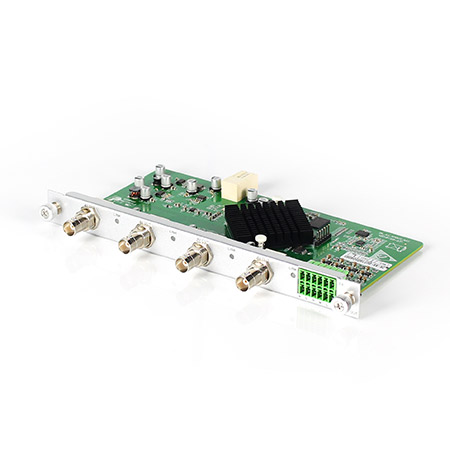 Mixing HD-AV Output Card
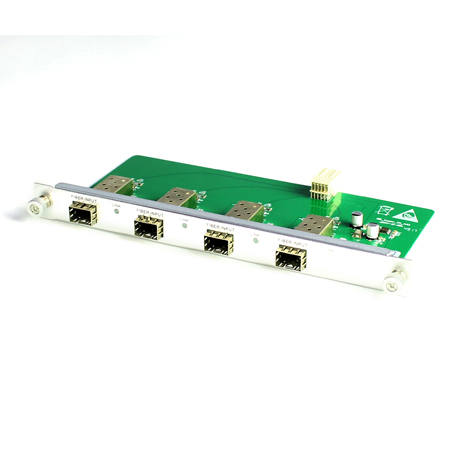 Mixing HD-Fiber Output Card
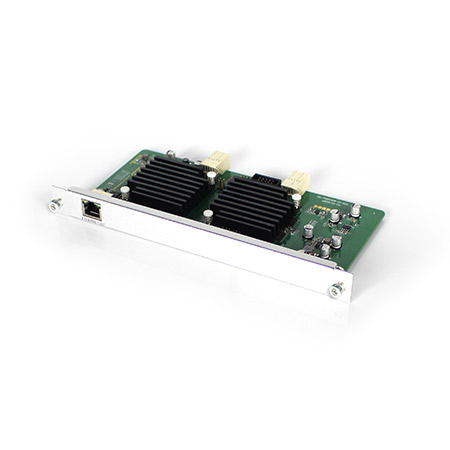 Mixing HD-IP Output Card
Mixing HD-HDMI Video Wall Control Card (2 channel)
Mixing HD-IP Output Card
Mixing HD-HDMI Video Wall Control Card (2 channel)
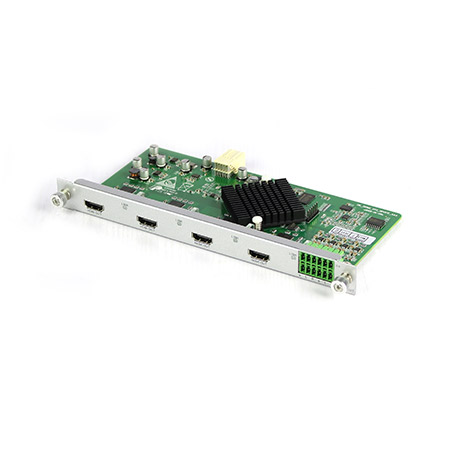 Mixing HD-HDMI Video Wall Control Card (1 channel)
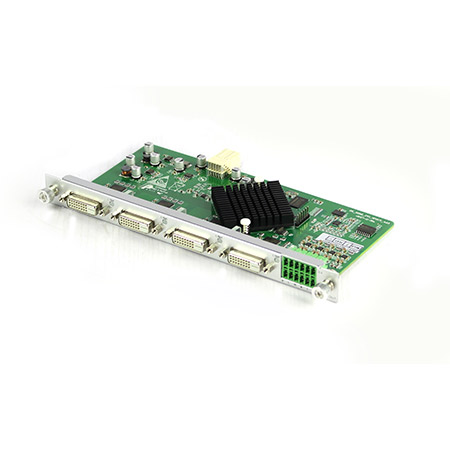 Mixing HD-DVI Video Wall Control Card (2 channel)
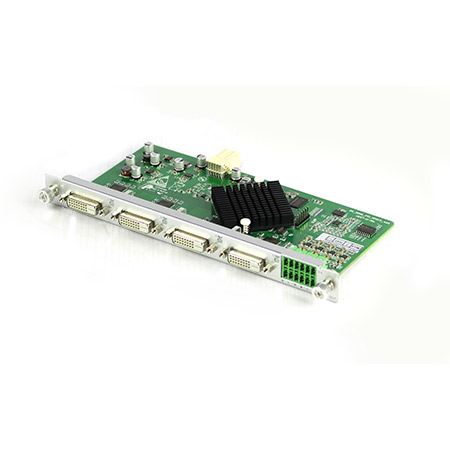 Mixing HD-DVI Video Wall Control Card (1 channel)
 Mixing UHD - HDMI Input Card
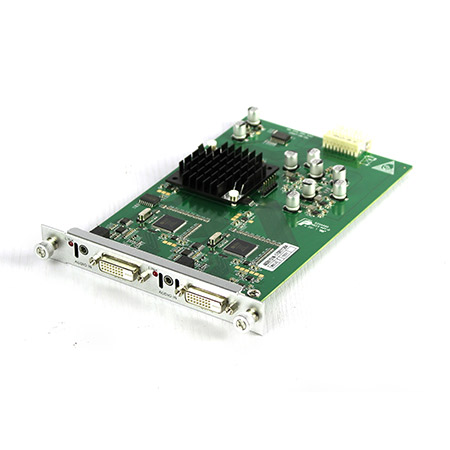 Mixing UHD - DVI Input Card
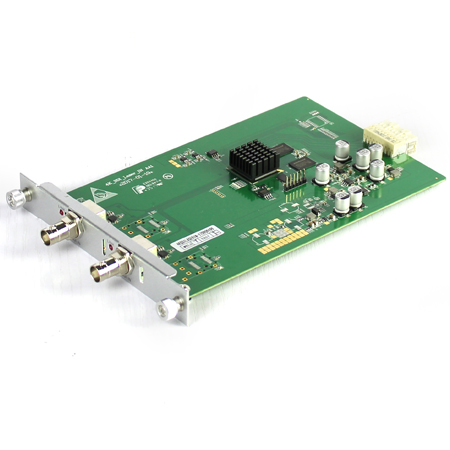 Mixing UHD - SDI Input Card
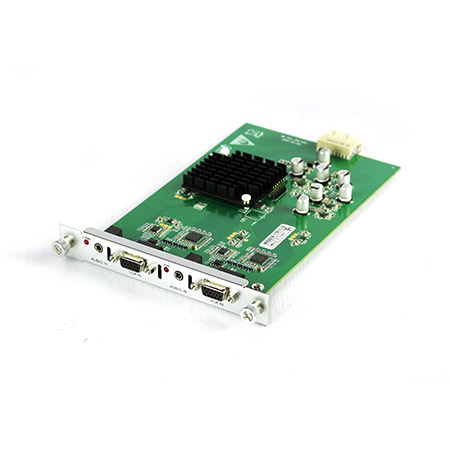 Mixing UHD - VGA Input Card
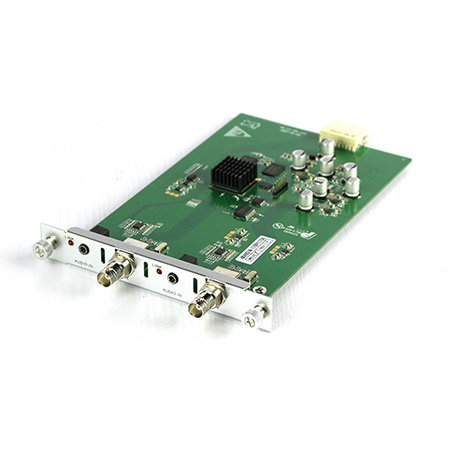 Mixing UHD - AV Input Card
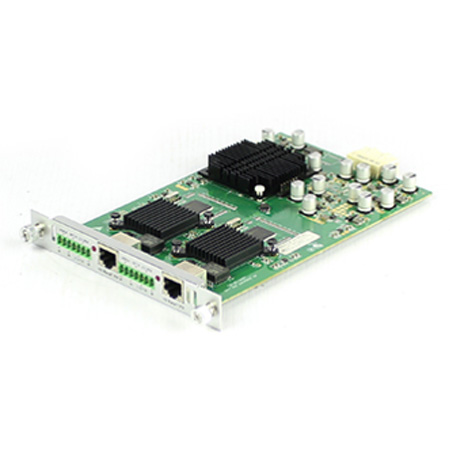 Mixing UHD - HDBT Input Card
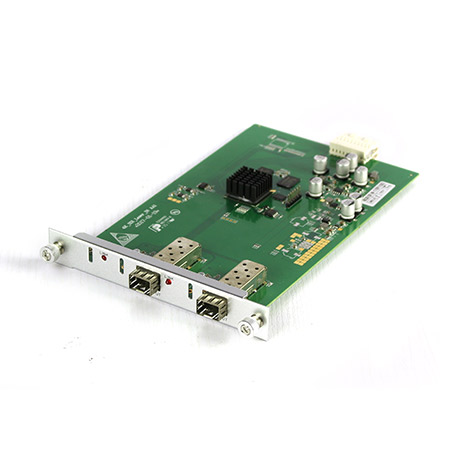 Mixing UHD - Fiber Input Card
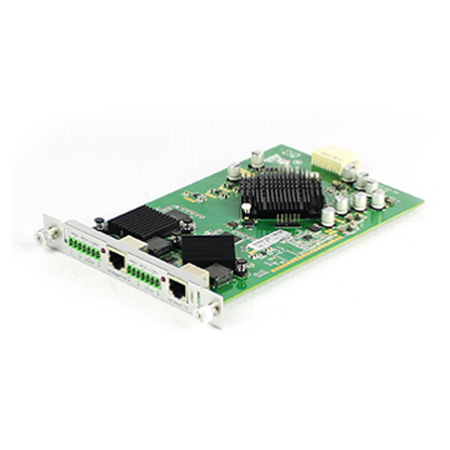 Mixing UHD - HDBT Output Card
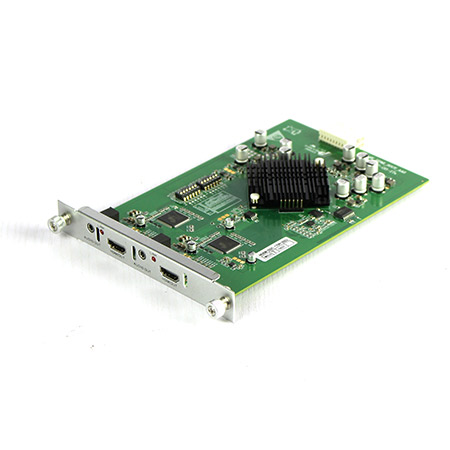 Mixing UHD - HDMI Output Card
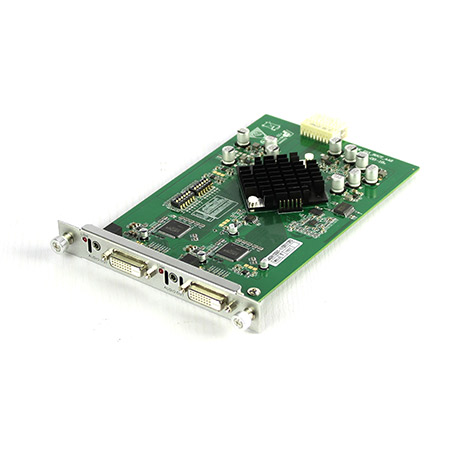 Mixing UHD - DVI Output Card
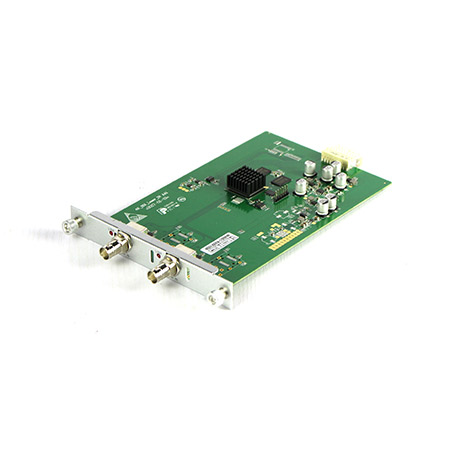 Mixing UHD - SDI Output Card
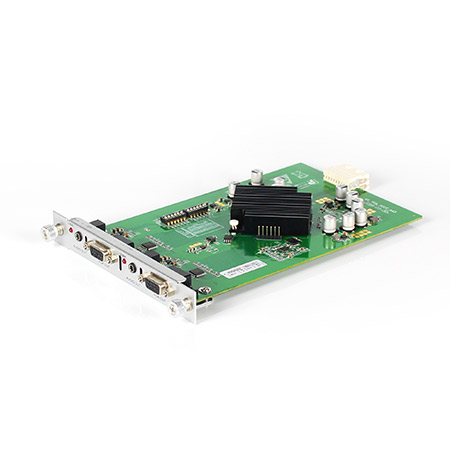 Mixing UHD - VGA Output Card
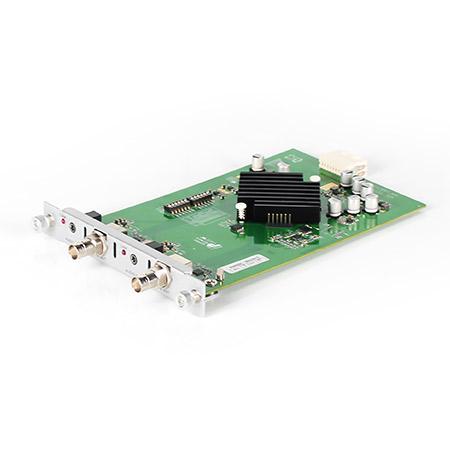 Mixing UHD - AV Output Card
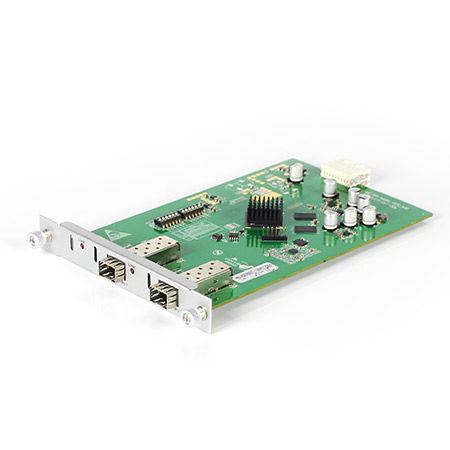 Mixing UHD - Fiber Output Card
Fire is unforgiving. Once it takes hold, the window for intervention narrows rapidly - and the cost of a delayed response is measured not just in assets and downtime, but in lives. For facility managers, security teams, and operations leaders, the question is no longer whether to invest in fire safety, but whether their current systems are genuinely equipped for early intervention.
Traditional fire alarms remain a critical baseline. They are mandated, reliable, and widely deployed. But they have a fundamental limitation: they activate after a fire is already present. By the time smoke reaches a sensor or heat triggers a detector, the incident has already progressed. In high-risk environments — warehouses storing flammable materials, hospitals with limited evacuation capacity, data centers housing irreplaceable infrastructure — that delay is unacceptable.
The challenge is compounded by the scale of modern facilities. A large commercial site may operate hundreds of surveillance cameras, yet no security team can monitor every feed simultaneously. Manual review is slow, error-prone, and does not scale. Incidents go undetected until they escalate. The gap between observation and action becomes the gap between containment and catastrophe.
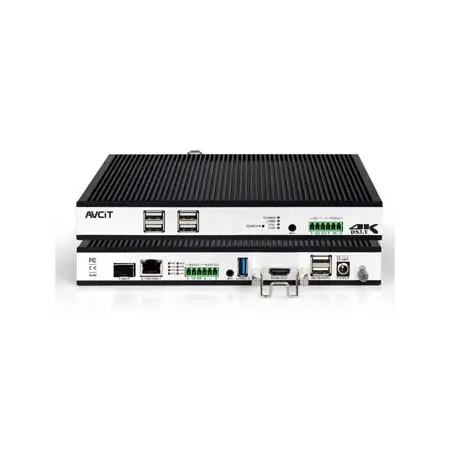
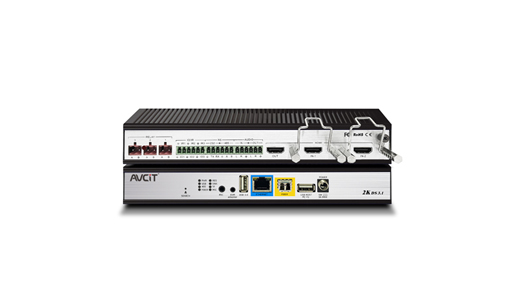
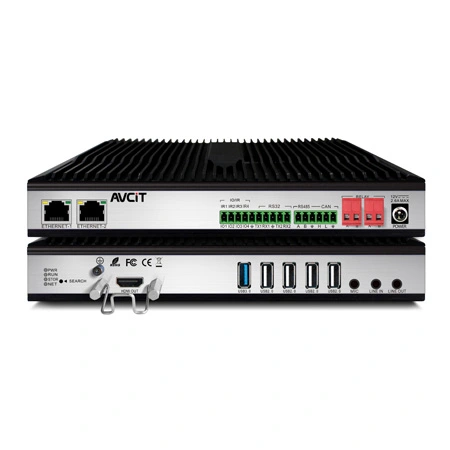
AVCiT's AI Box addresses this gap directly. Deployed on-site as an AI edge computing device, it runs continuously across multiple camera streams — detecting smoke, open flame, and a range of other safety risks in real time, without relying on cloud connectivity. Even in environments with unstable internet access, detection capability remains intact.
A single AI Box node runs up to eight detection algorithms simultaneously. Beyond fire and smoke, the system can identify intrusion, fire lane obstruction, PPE violations, fatigue, and more - all operating in parallel across the same camera infrastructure a facility already has in place. There is no need to replace existing cameras or overhaul surveillance networks. The AI Box integrates with non-AI camera infrastructure, making intelligent detection accessible without a full system rebuild.
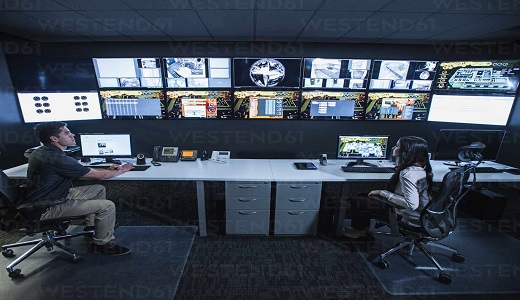
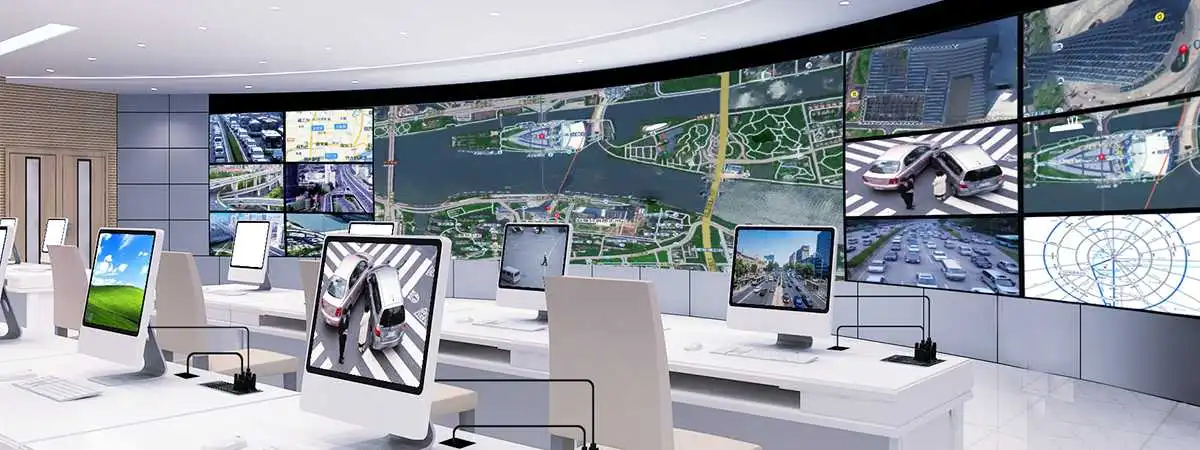
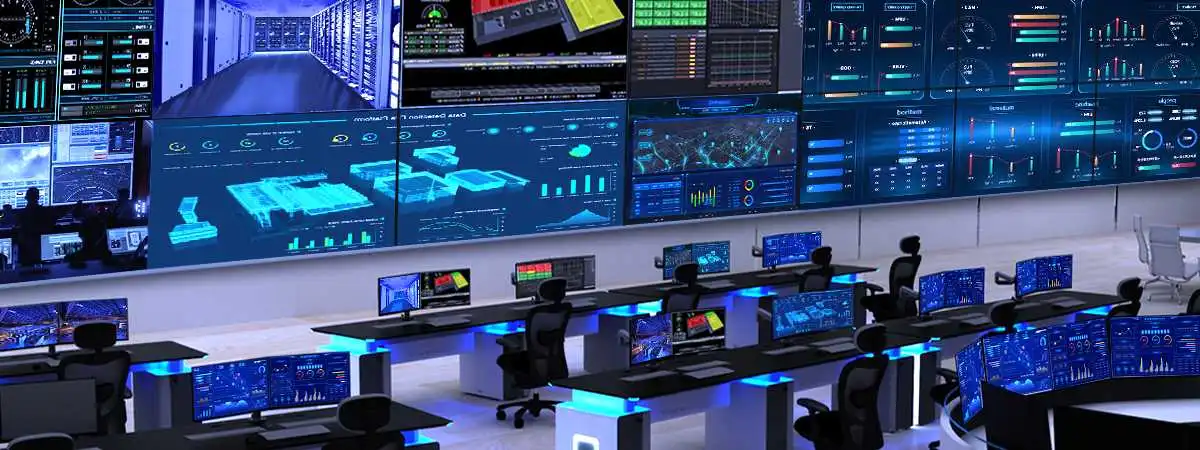
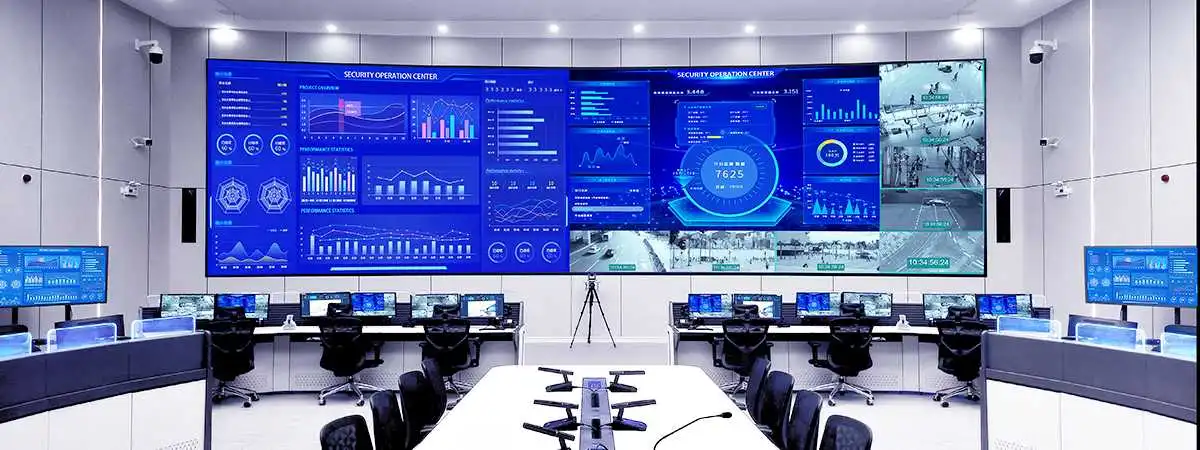
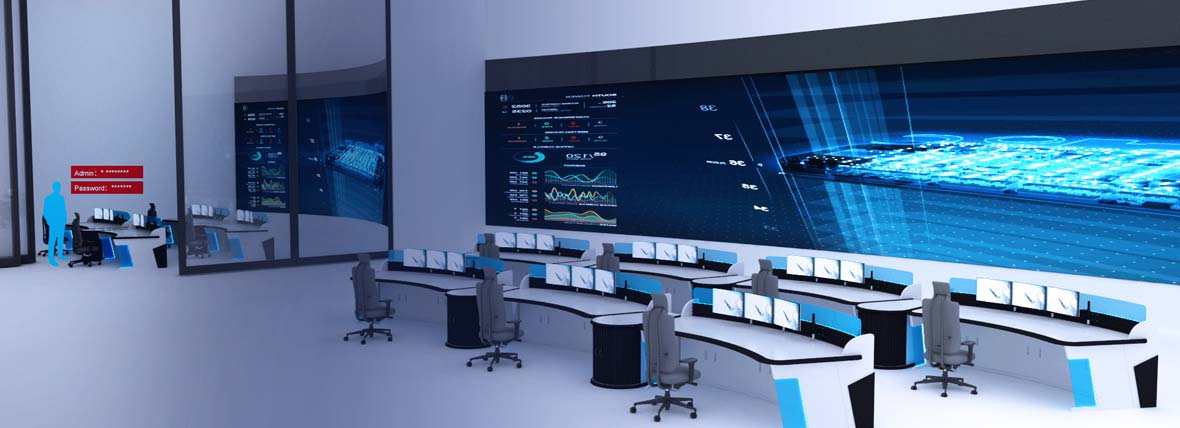
Detection, however, is only half the equation. Speed of response determines outcomes, and response speed depends on how quickly the right people receive the right information. This is where AVCiT's IP-based KVM and video wall system closes the loop. By bringing all camera feeds into a single centralized control room, operators can assess and act without switching between screens or systems. The 4K display quality and ultra-low latency ensure that nothing is missed - even in large-scale, multi-screen environments.
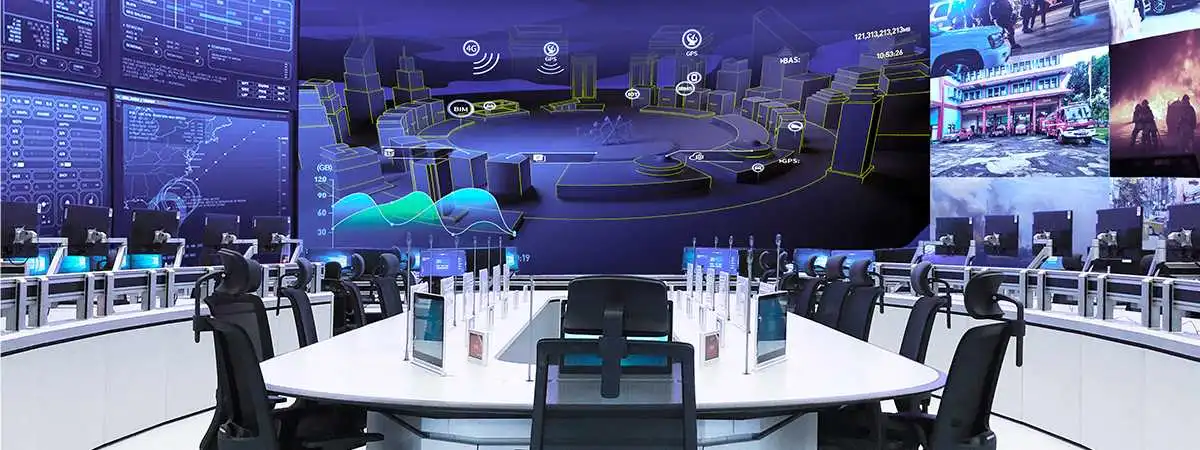
The workflow is direct. When the AI Box detects a threat — a developing flame, rising smoke, or a blocked fire lane — it triggers an alert instantly, without waiting for human review. That alert surfaces immediately on the video wall in the control room, giving operators a clear, real-time view of the affected area.
From a single station, the operations team can coordinate emergency response: notifying personnel, managing evacuation routes, and tracking the incident as it develops. There is no time lost navigating between systems or locating the relevant camera feed. Everything needed is visible and actionable from one place.
The speed advantage is significant. Rather than responding to a fire that has already taken hold, operators are acting on early signals — before the situation has the chance to escalate. That shift, from reactive response to proactive intervention, is the core value of combining AI detection with distributed AV infrastructure.
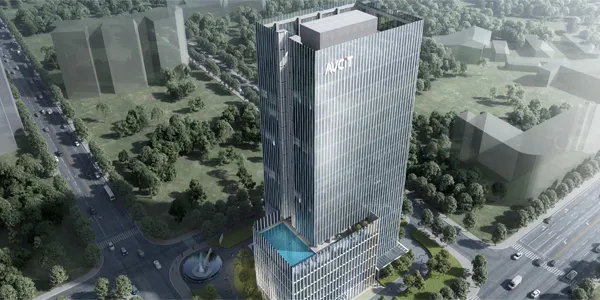
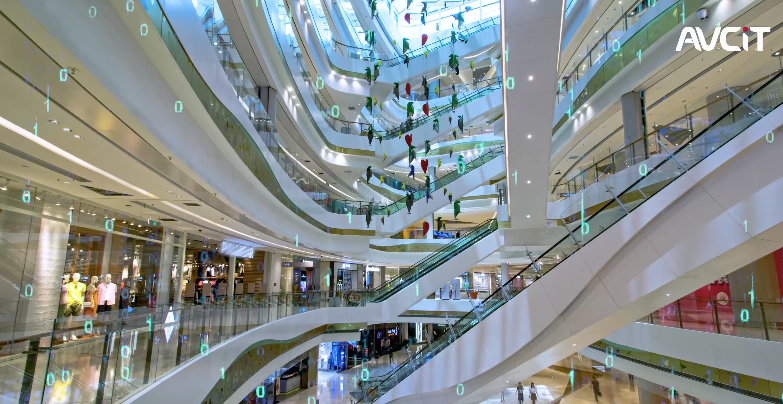
The real-world impact of this approach is well demonstrated by AVCiT's deployment across China Resources MixC shopping malls — one of China's largest commercial real estate portfolios. AVCiT upgraded more than 3,000 surveillance cameras across multiple major cities, integrating its AI edge computing system into the existing surveillance infrastructure.
The results were measurable and significant. Open flame and smoke detection accuracy reached 99%. Overall safety risk detection efficiency improved by nearly 80% compared to manual inspection. More fundamentally, the operations model shifted - from post-event response to real-time intelligent early warning.
In a high foot traffic environment, the operational and human stakes are considerable. The CR Land deployment demonstrates what is achievable when AI detection and distributed AV infrastructure work together at scale — and the model is directly applicable to warehouses, hospitals, data centers, and corporate campuses facing the same underlying challenge.
AI and AV technology does not replace traditional fire safety infrastructure - it strengthens it. Sprinkler systems, alarms, and evacuation protocols remain essential. But layering intelligent detection on top of existing surveillance infrastructure adds a capability that conventional systems cannot provide: the ability to detect risk earlier, alert operators faster, and keep response ahead of escalation.
For facilities where the cost of failure is high, that layer is not a luxury. It is the difference between a managed incident and a crisis.