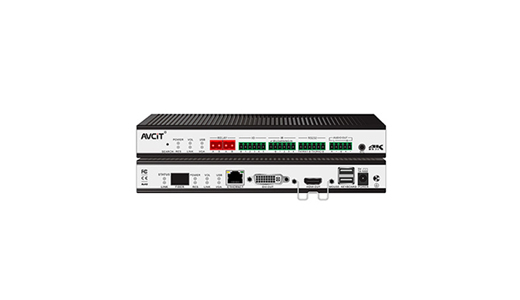

 AIVC-16CH AI BOX
 2K HDMI Video Codec
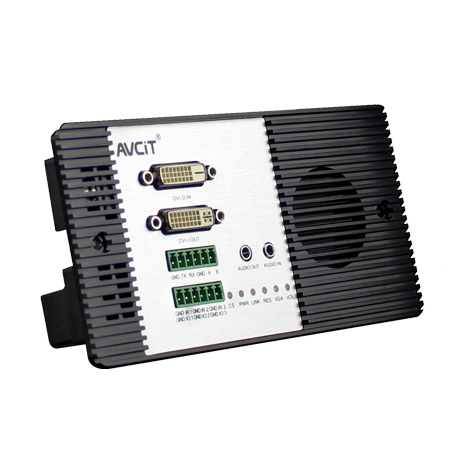 2K DVI Video Codec
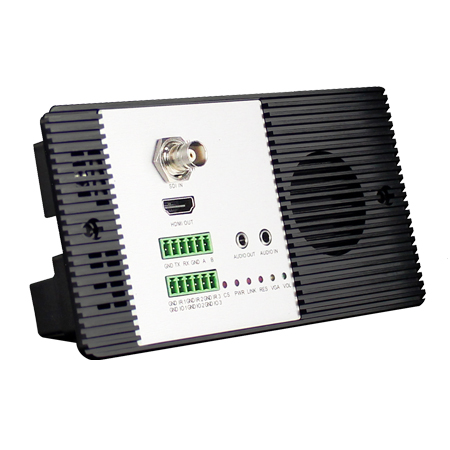 2K SDI Video Codec
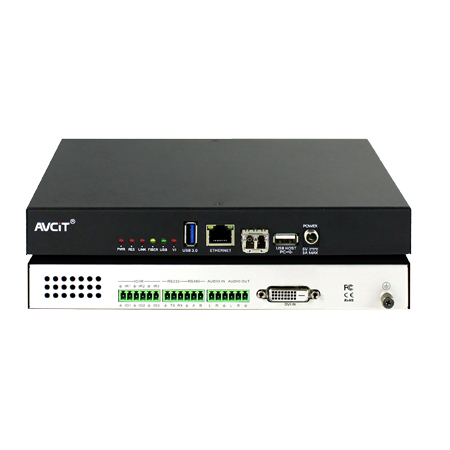 2K HDMI Video Encoder
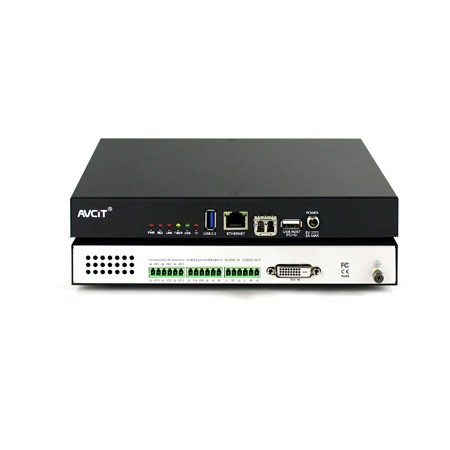 2K DVI Video Encoder
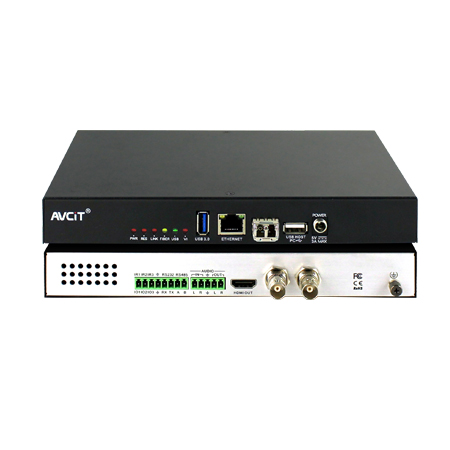 2K SDI Video Encoder
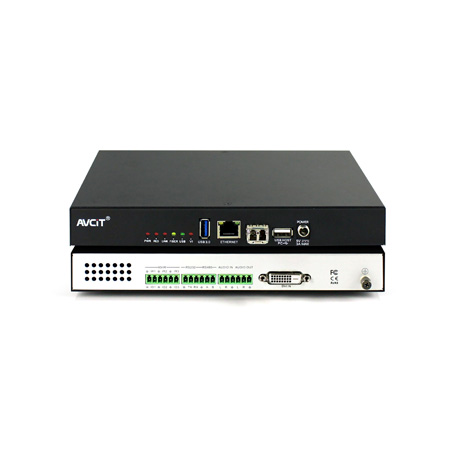 2K VGA Video Encoder
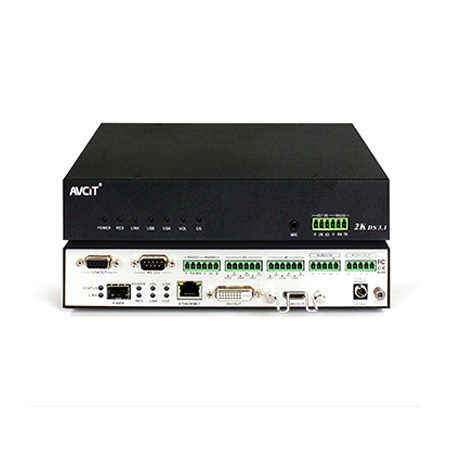 2K Video Wall Decoder (HDMI+DVI)
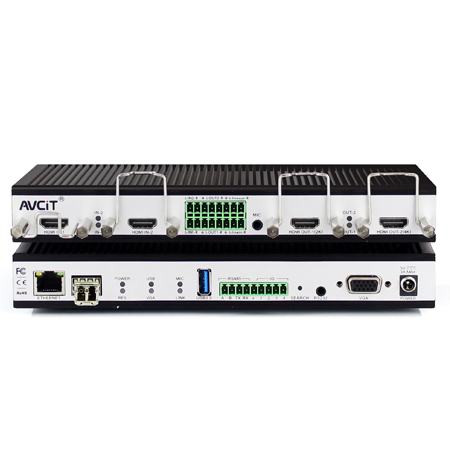 4K HDMI Video Encoder
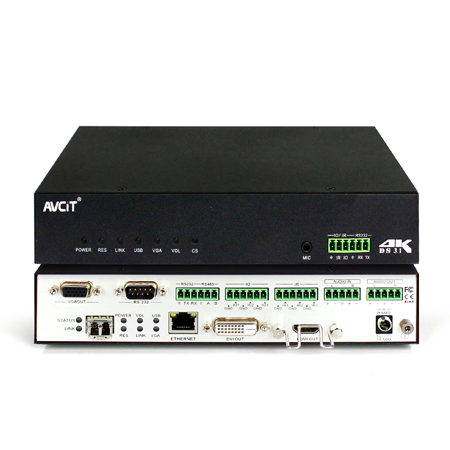 4K HDMI Video Decoder
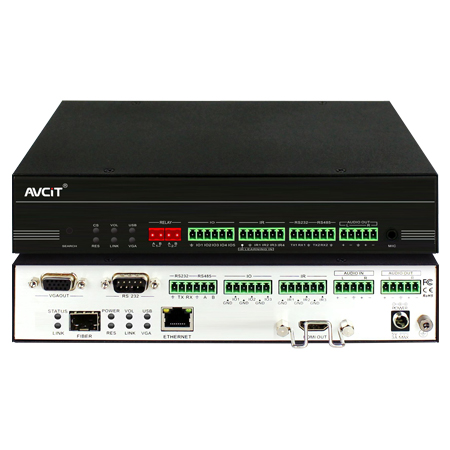 4K HDMI Video Wall Decoder
 4K HDMI + DVI Video Wall Decoder
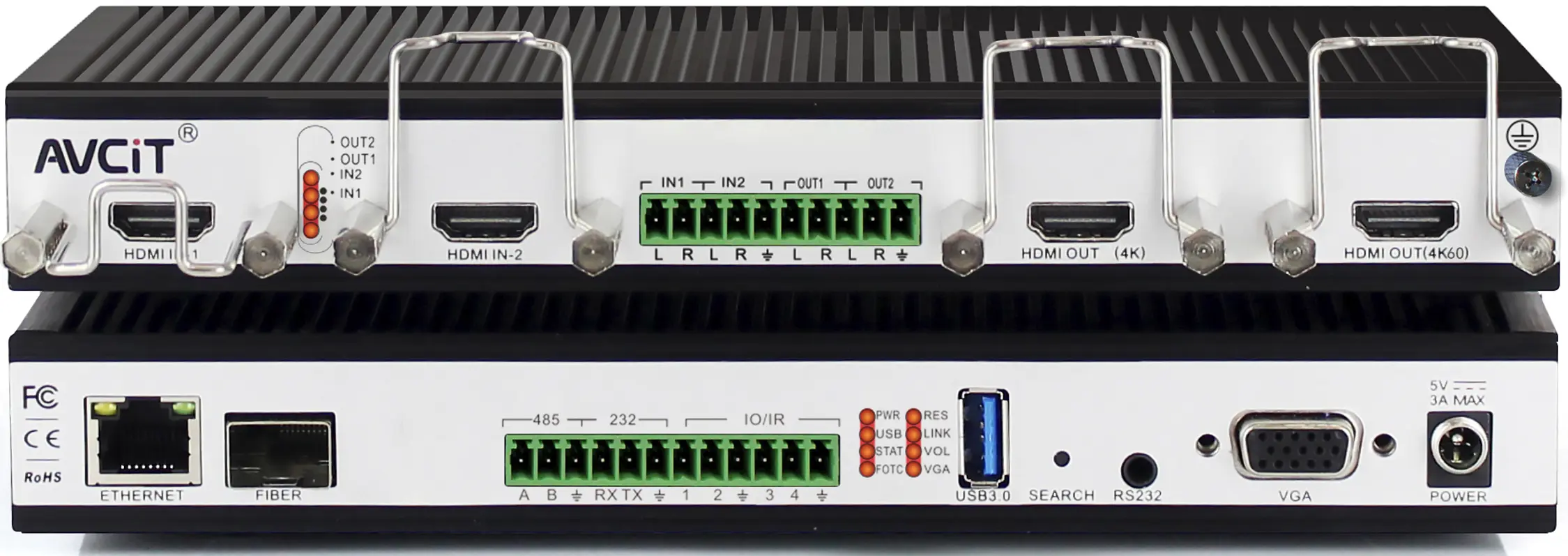 4K HDMI Dual Channel Codec
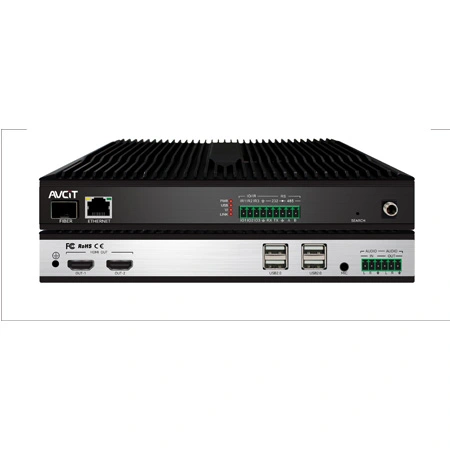 8K HDMI Decoder
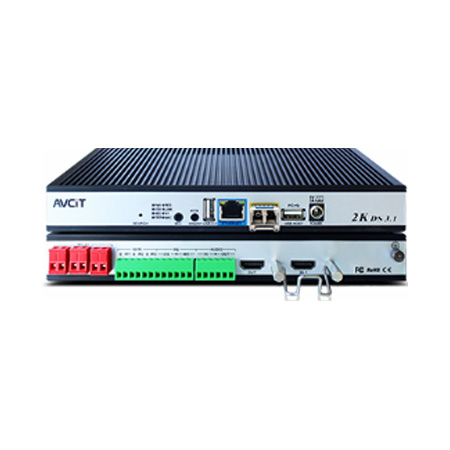 2K KVM Encoder - HDMI
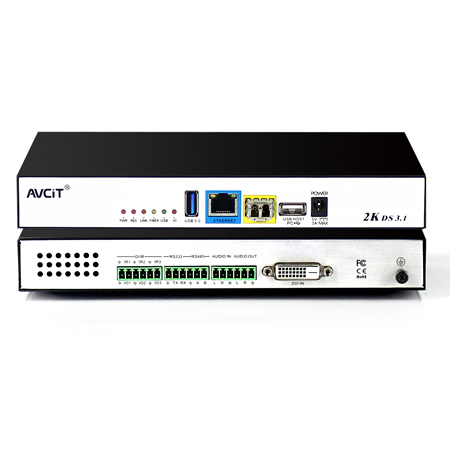 2K KVM Encoder - DVI
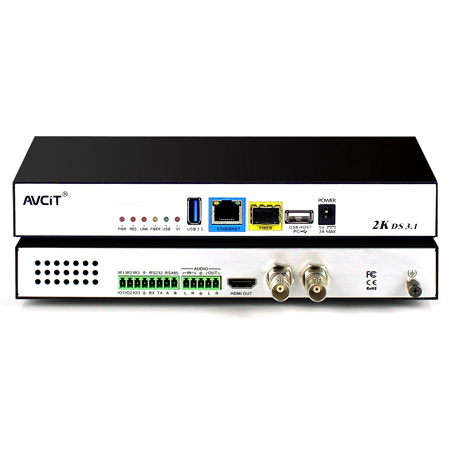 2K KVM Encoder - SDI
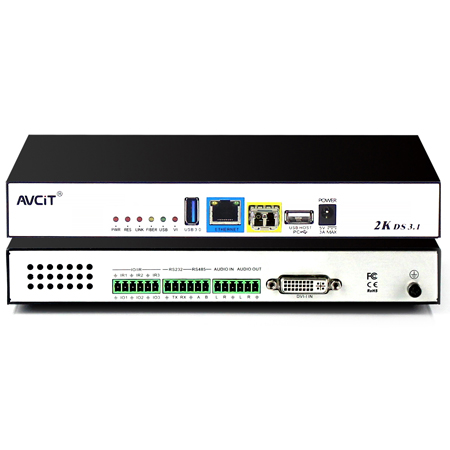 2K KVM Encoder - DVI-I(VGA)
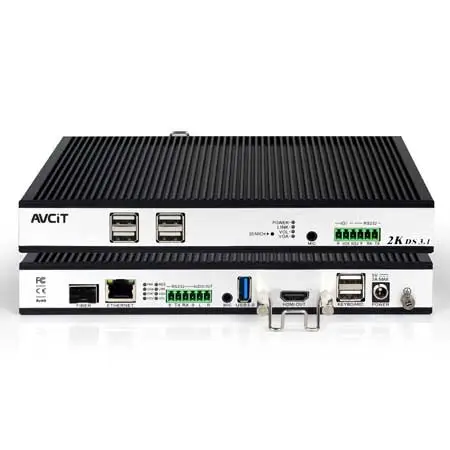 2K KVM Decoder - HDMI
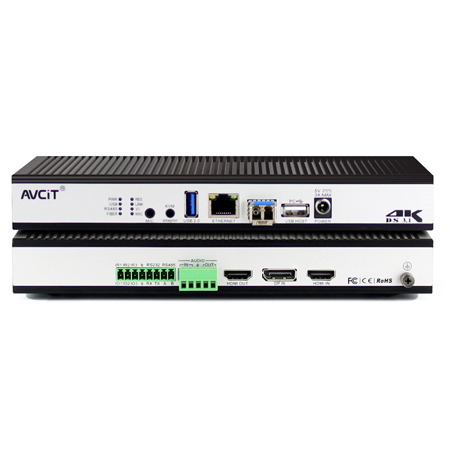 4K KVM Encoder - HDMI + DP
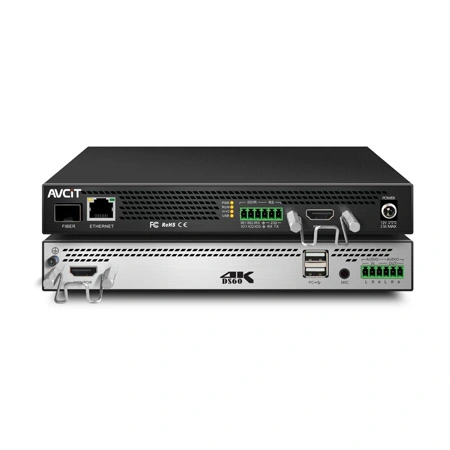 4K@60 KVM Encoder - HDMI
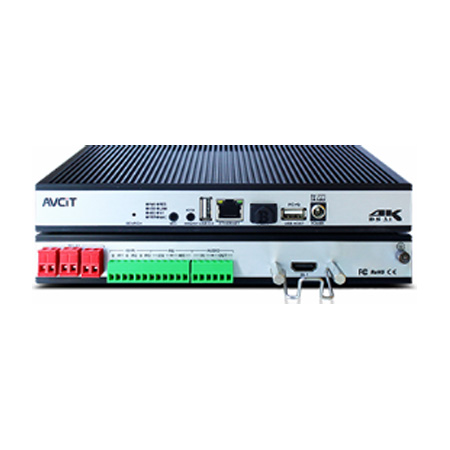 4K KVM Encoder - HDMI + HDMI
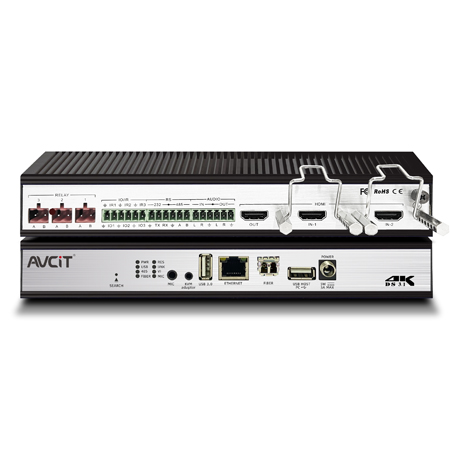 4K KVM Encoder - HDMI
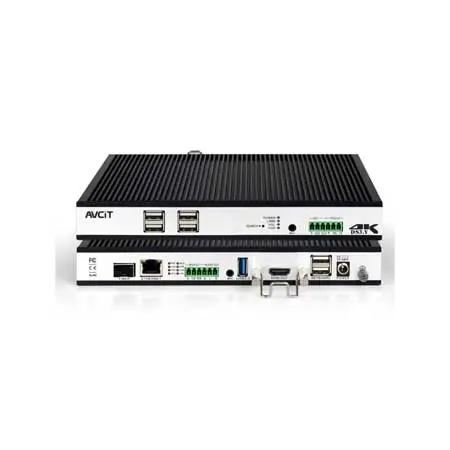 4K KVM Decoder - HDMI
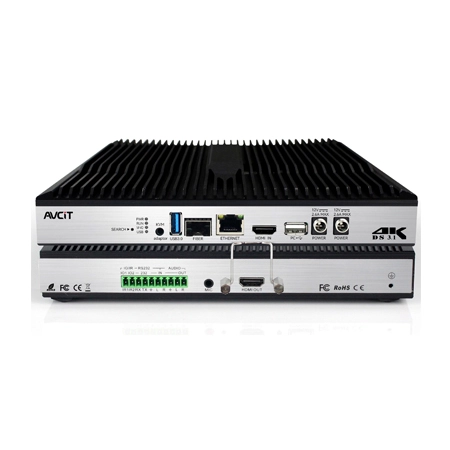 4K60 4:4:4 KVM Encoder - HDMI
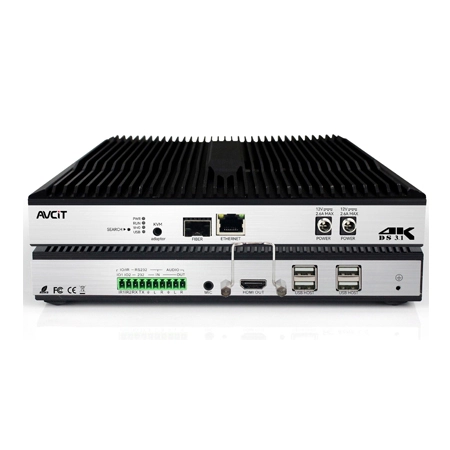 4K60 4:4:4 KVM Decoder-HDMI
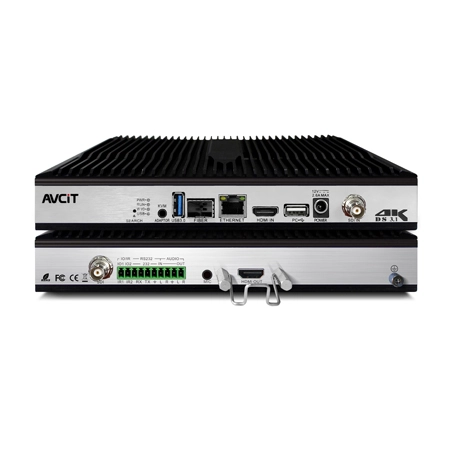 4K60 4:4:4 KVM Encoder - HDMI + SDI
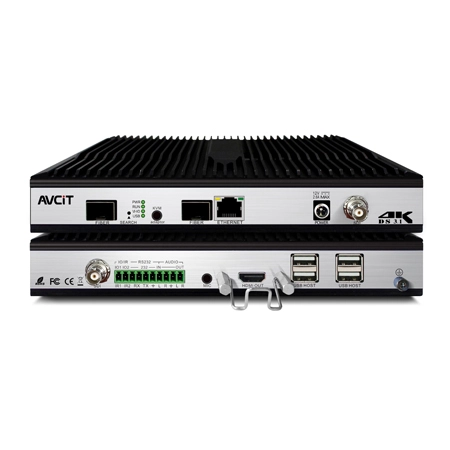 4K60 4:4:4 KVM Decoder - HDMI + SDI
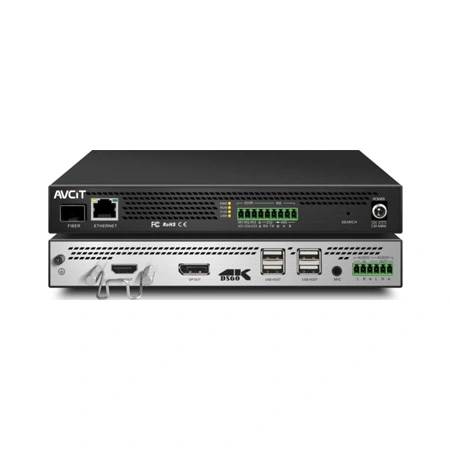 5K KVM Decoder - HDMI +DP
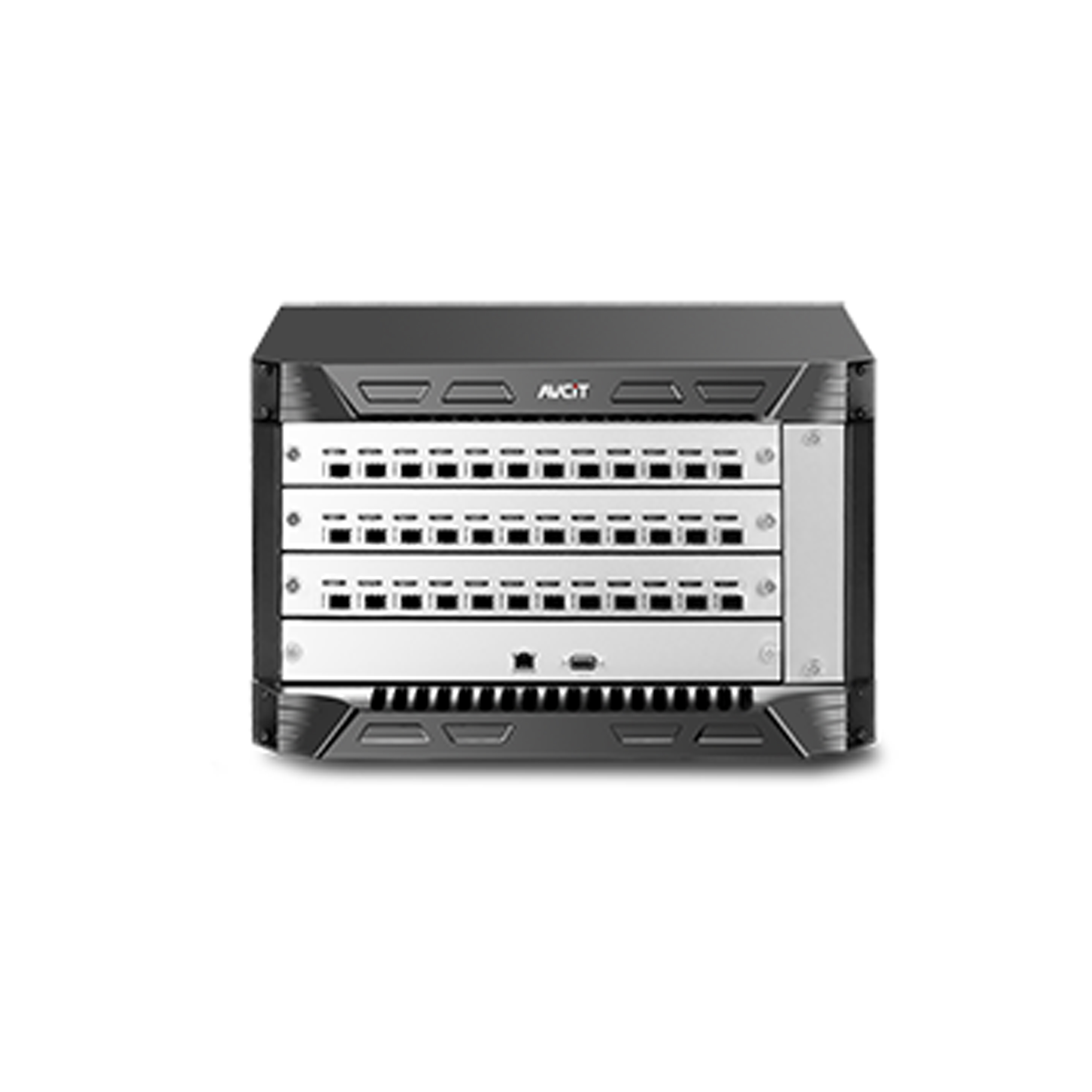 Phinx-36 Ports Fiber KVM Matrix
 Phinx-72 Ports Fiber KVM Matrix
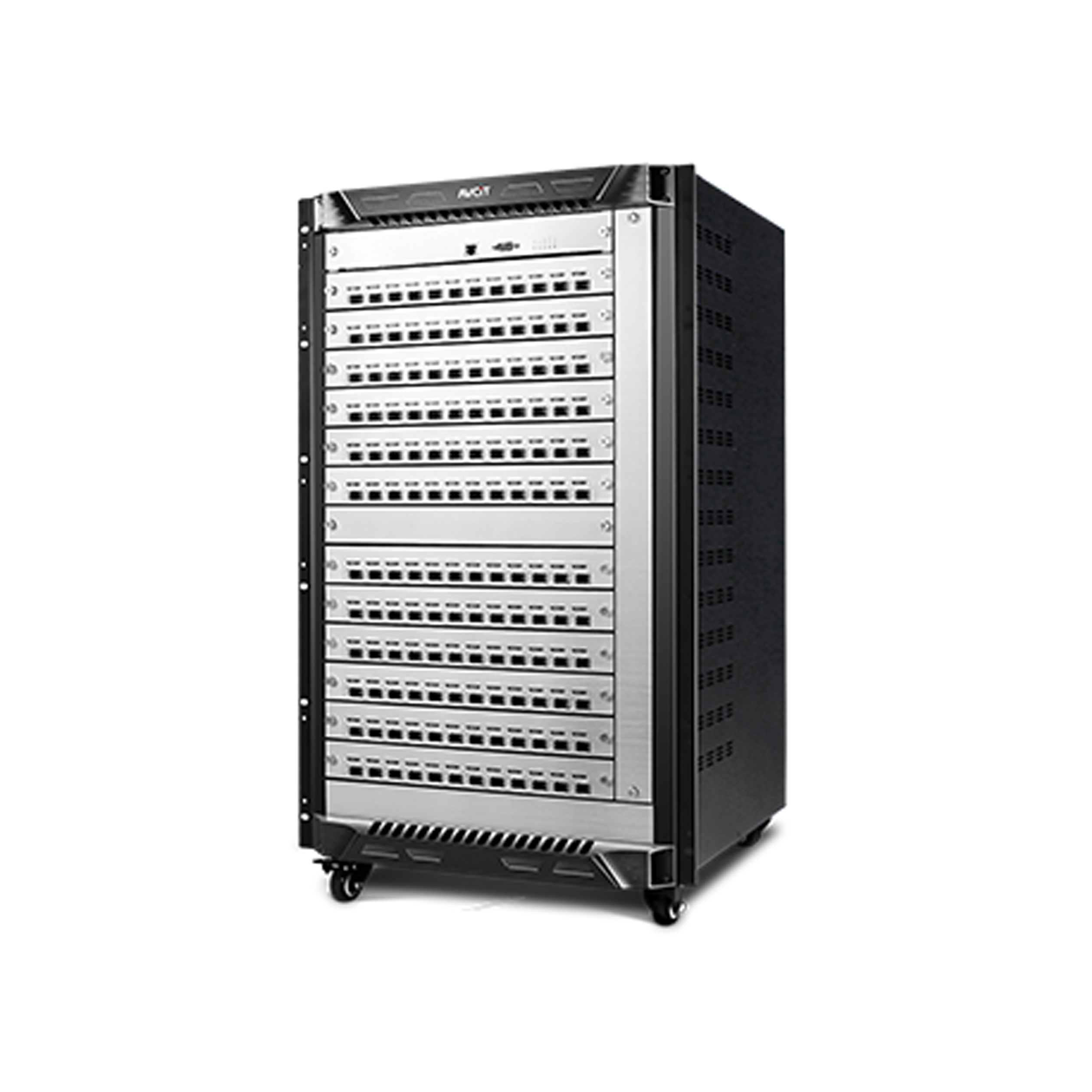 Phinx-144 Ports Fiber KVM Matrix
 Phinx-288 Ports Fiber KVM Matrix
 Phinx-576 Ports Fiber KVM Matrix
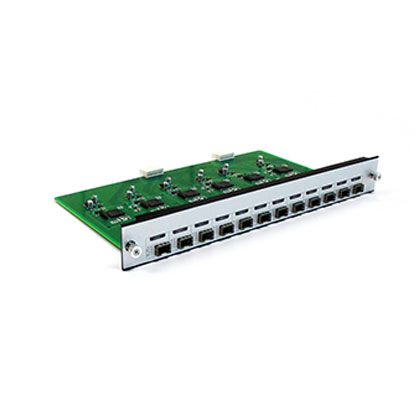 Phinx - I/O SFP Module Card
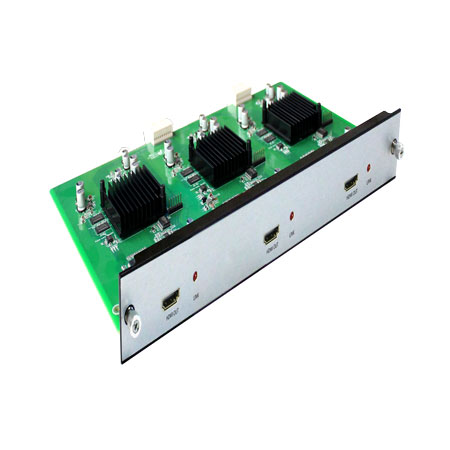 Phinx - Video Wall Control Card
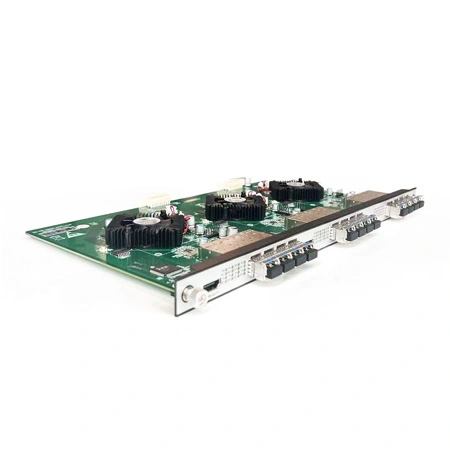 Phinx- Video Wall & SFP Card
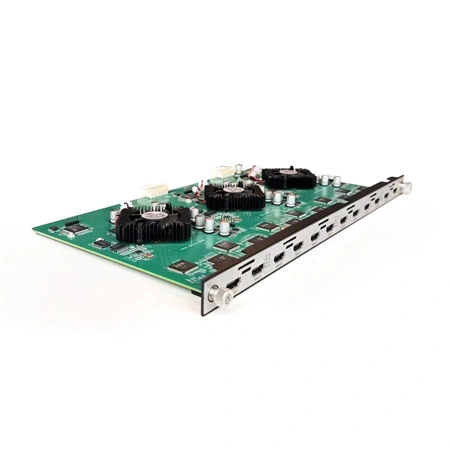 Phinx- Video Card(6IN6OUT)
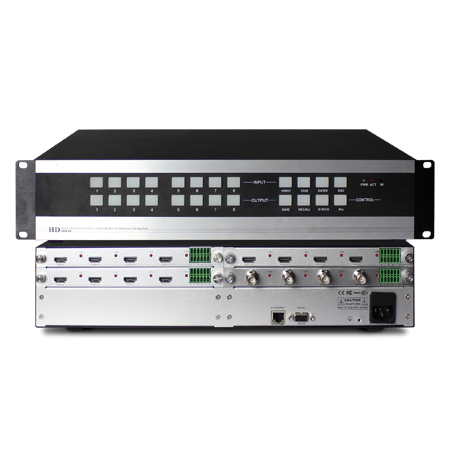 2K Video Wall Matrix - 8x8
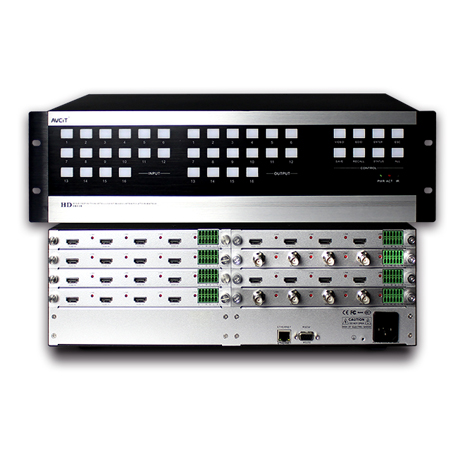 2K Video Wall Matrix - 16x16
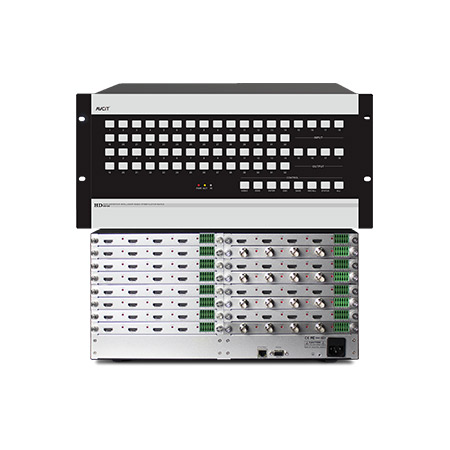 2K Video Wall Matrix - 32x32
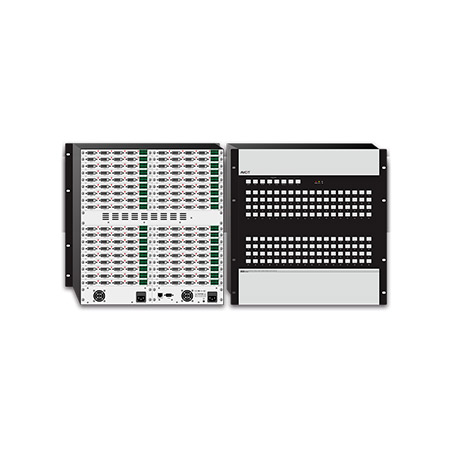 2K Video Wall Matrix - 72x72
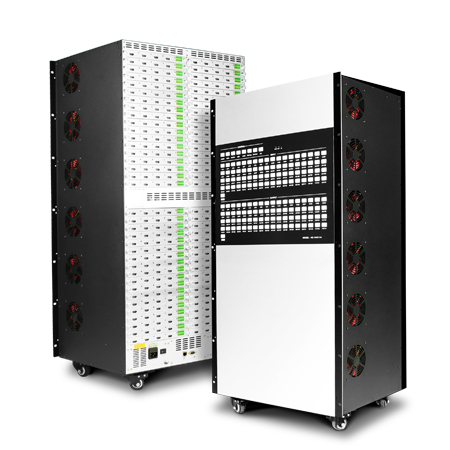 2K Video Wall Matrix - 144x144
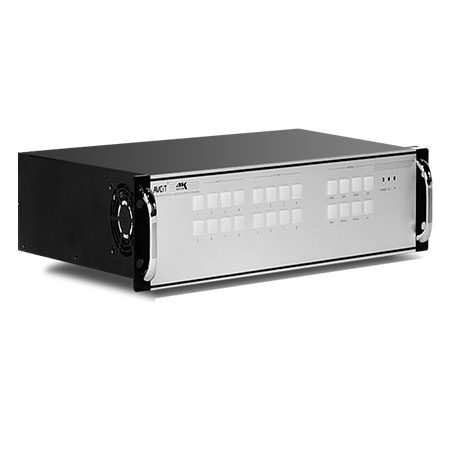 4K Video Matrix Switcher - 8x8
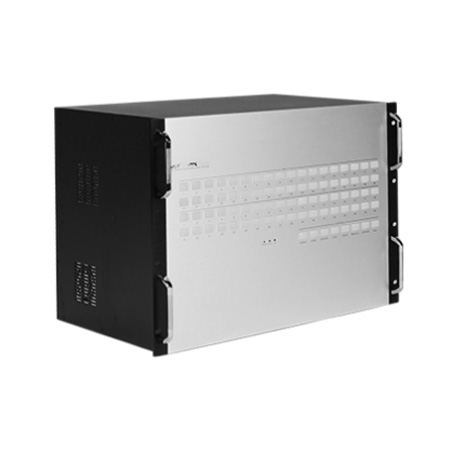 4K Video Matrix Switcher - 36x36
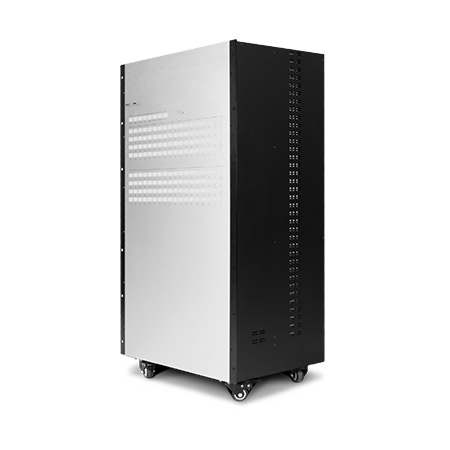 4K Video Matrix Switcher - 72x72
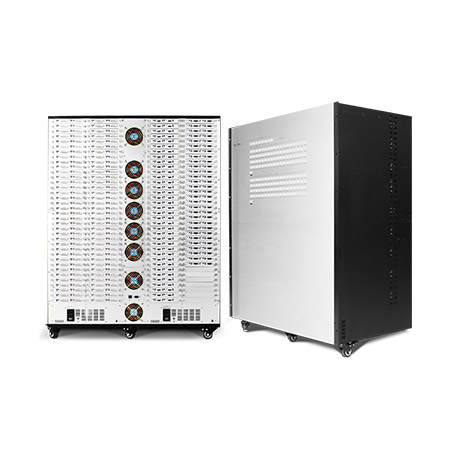 4K Video Matrix Switcher - 144x144
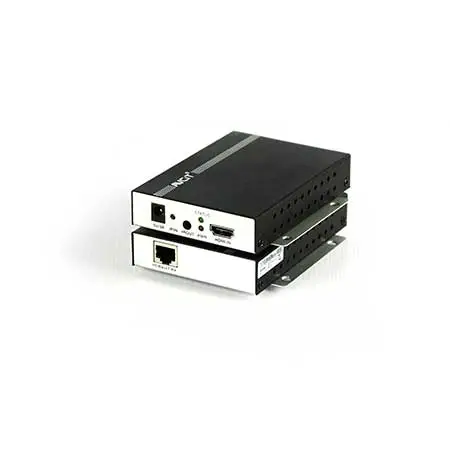 Mixing UHD - 4K HDBT Extender
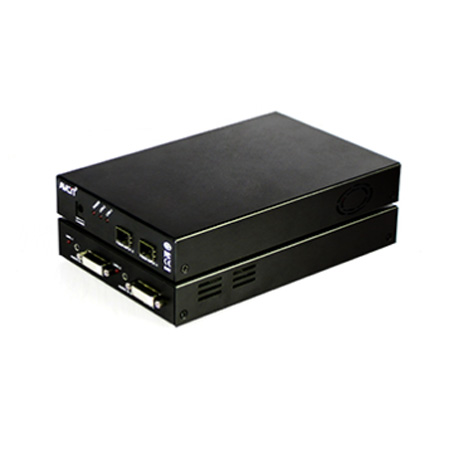 Mixing UHD - 4K Fiber Extender
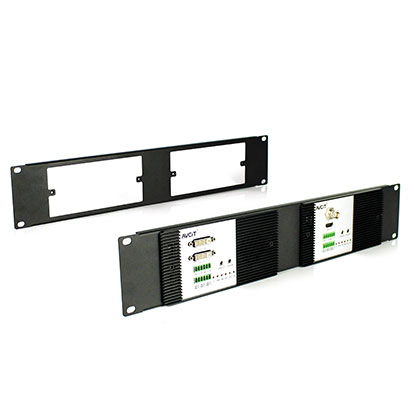
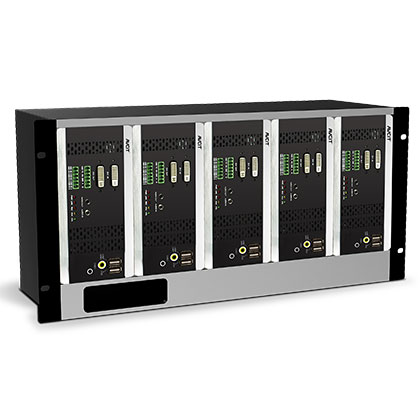 Rack Mounting Kit
 Wall Mounting Kit









 EN
EN
 es
es  th
th
Blog
Join us
FAQs

 4K KVM Transmitter-HDMI
 4K KVM Transmitter-HDMI+HDMI LOOP
 4K KVM Transmitter-DVI
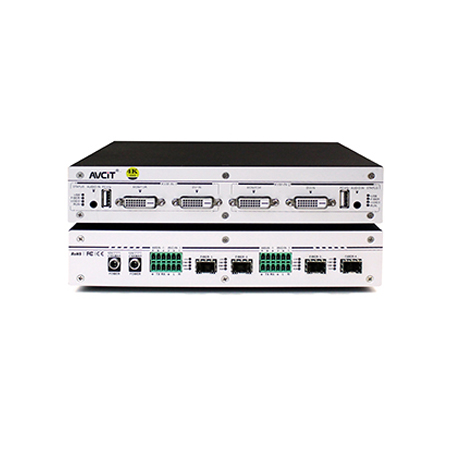 4K KVM Transmitter-DVI+DVI LOOP
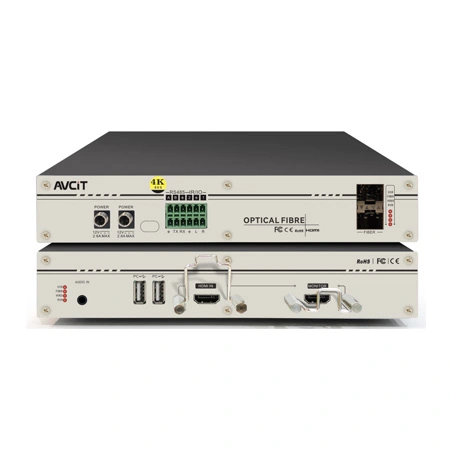 4K60 KVM Transmitter - HDMI
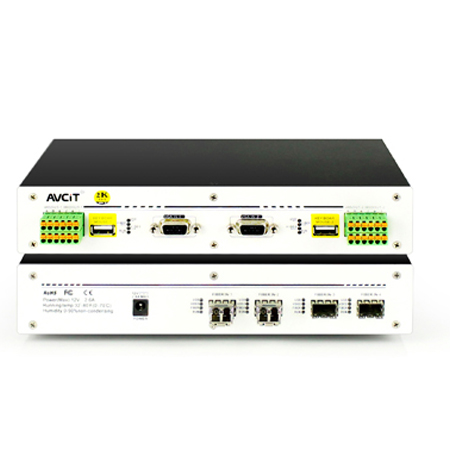 2K KVM Transmitter-VGA
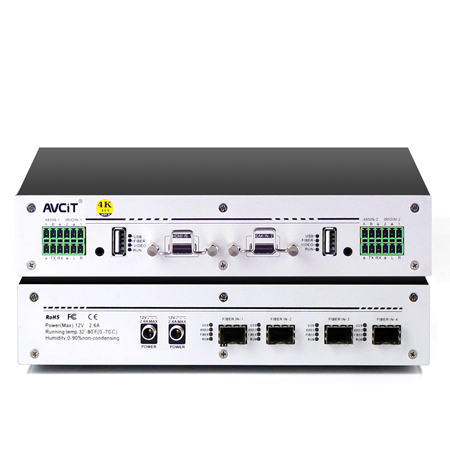 4K KVM Receiver-HDMI
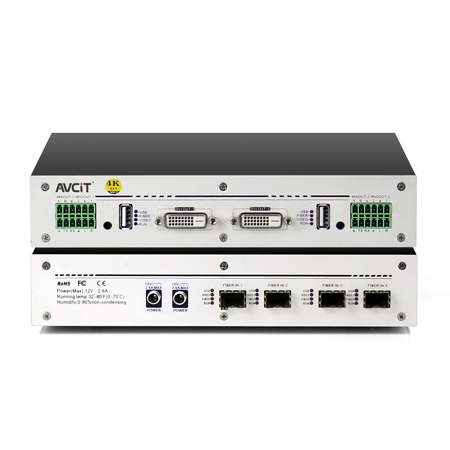 4K KVM Receiver-DVI
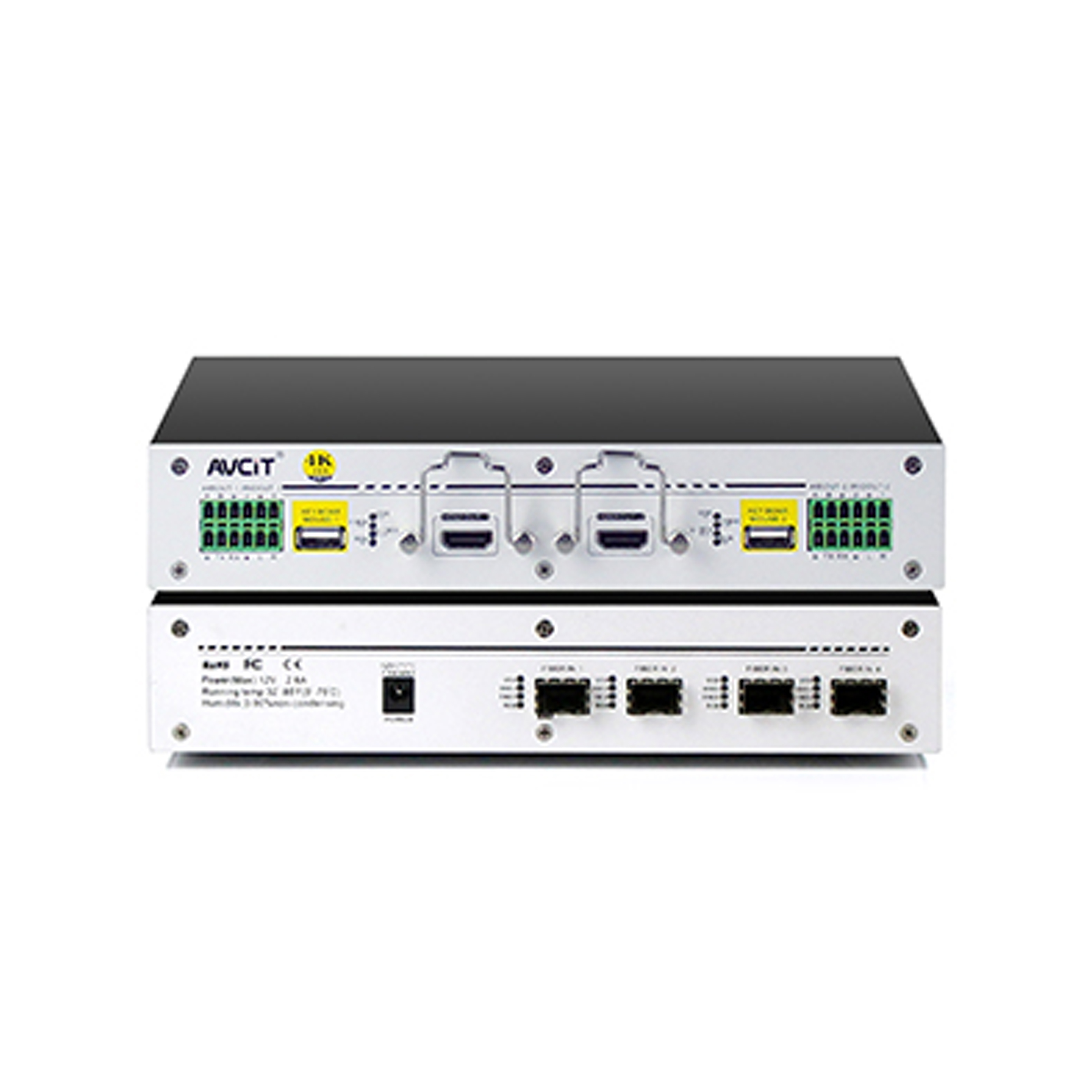 Quad-view KVM Receiver-HDMI
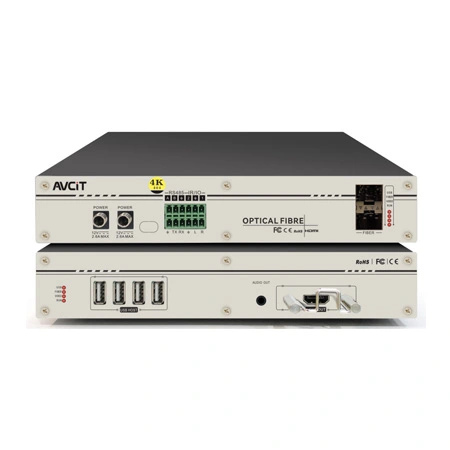 4K60 KVM Receiver - HDMI
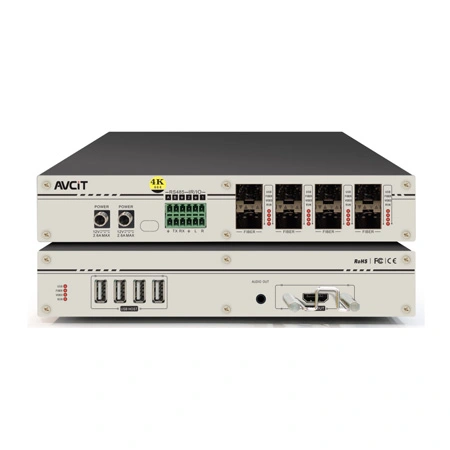 4K60 Quad-view KVM Receiver
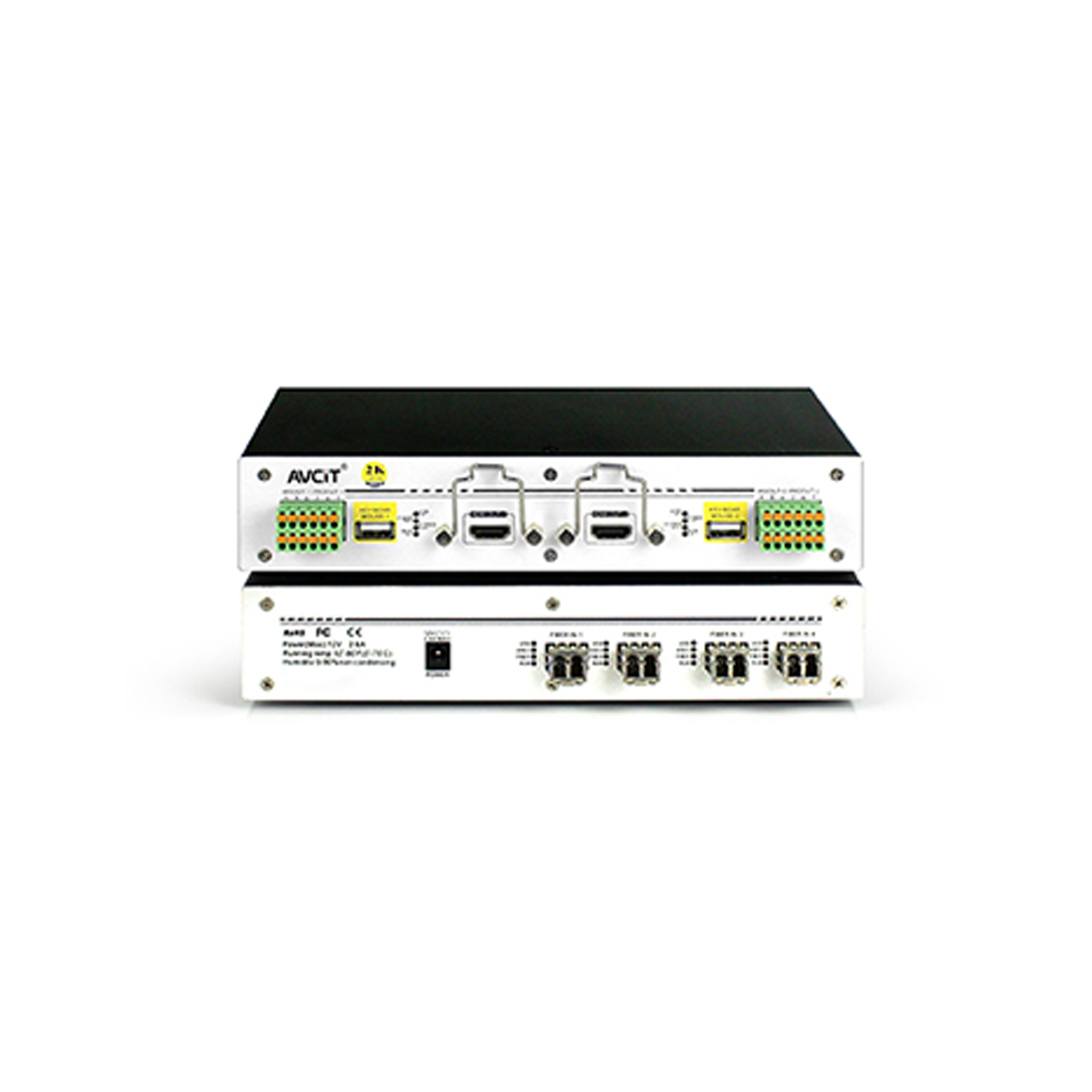 2K KVM Receiver-HDMI
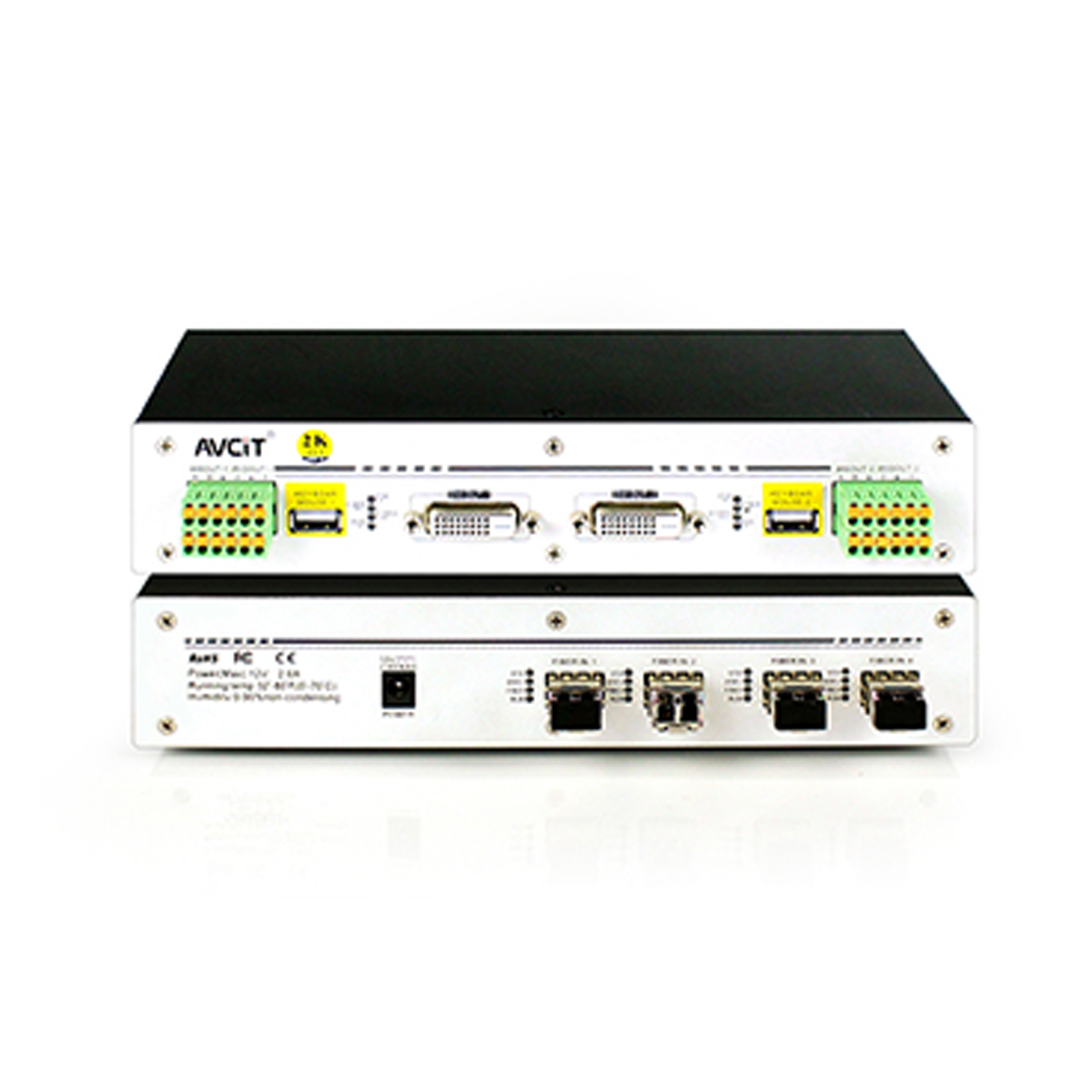 2K KVM Receiver-DVI
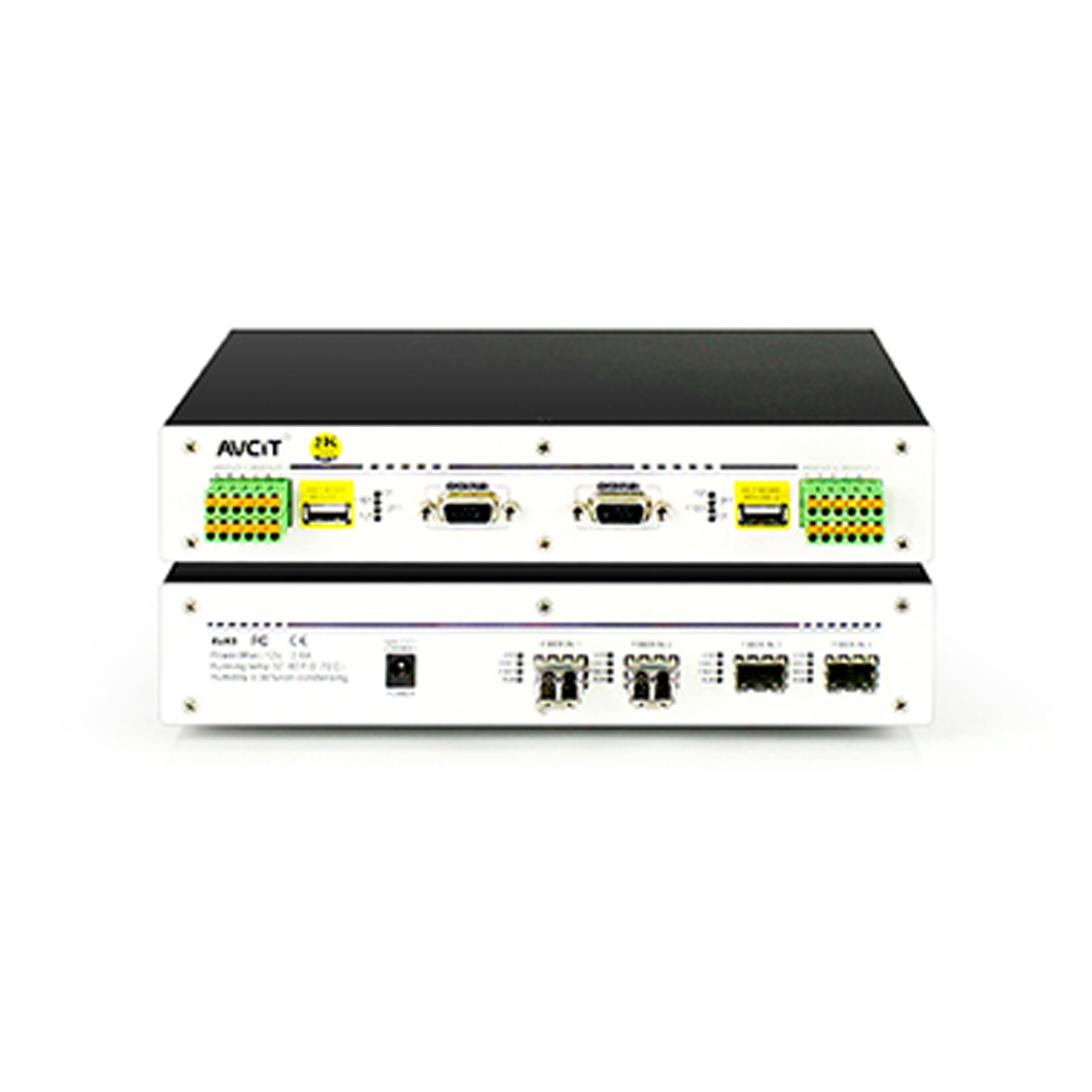 2K KVM Receiver-VGA
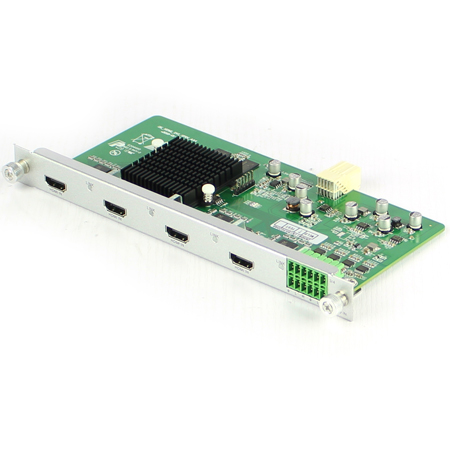 Mixing HD-2K HDMI Input Card
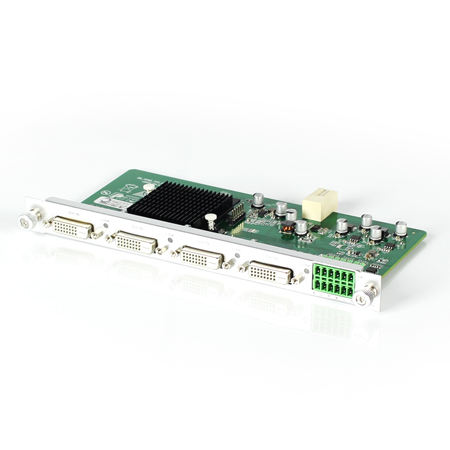 Mixing HD-2K DVI Input Card
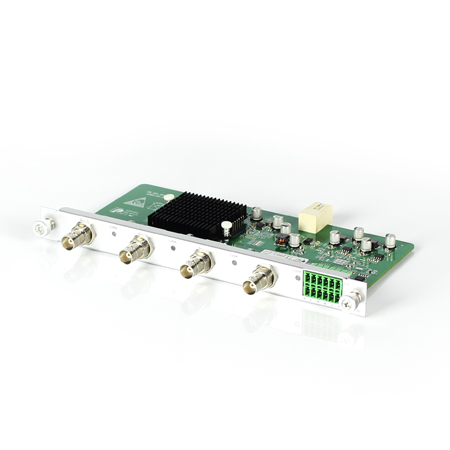 Mixing HD-2K SDI Input Card
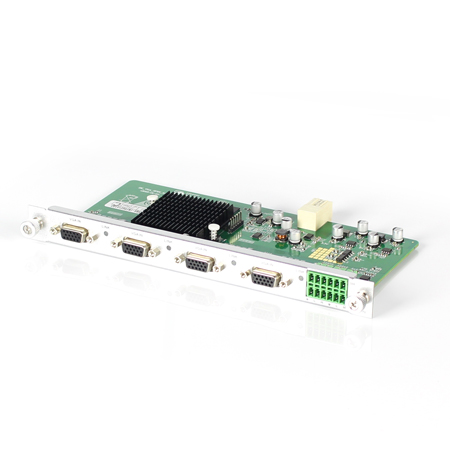 Mixing HD-2K VGA Input Card
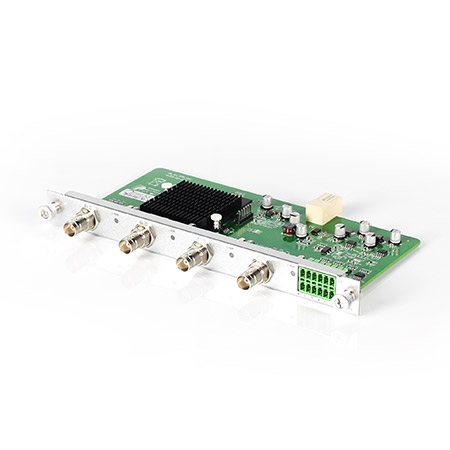 Mixing HD-2K AV Input Card
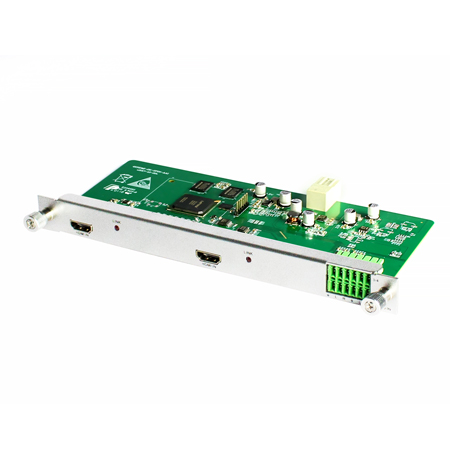 Mixing HD-HDMI UHD Input Card
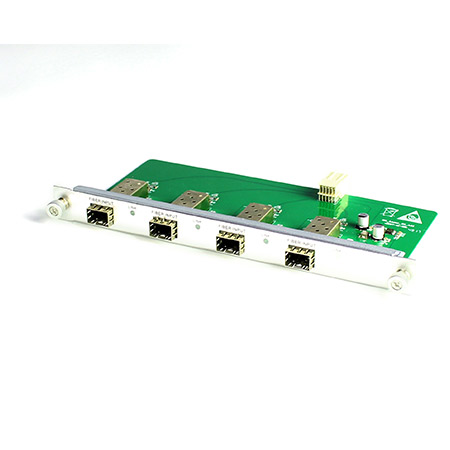 Mixing HD-Fiber Input Card
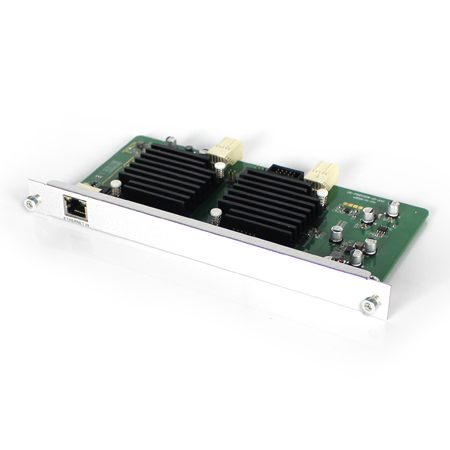 Mixing HD-IP Input Card
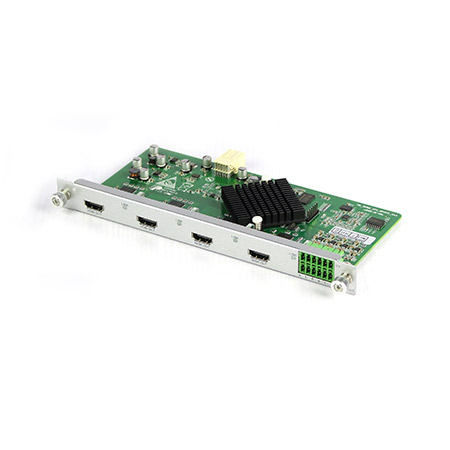 Mixing HD-HDMI Output Card
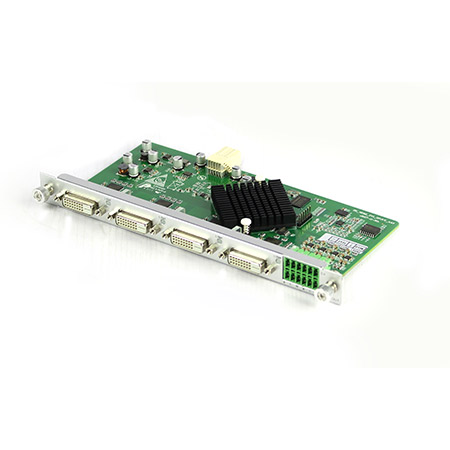 Mixing HD-DVI Output Card
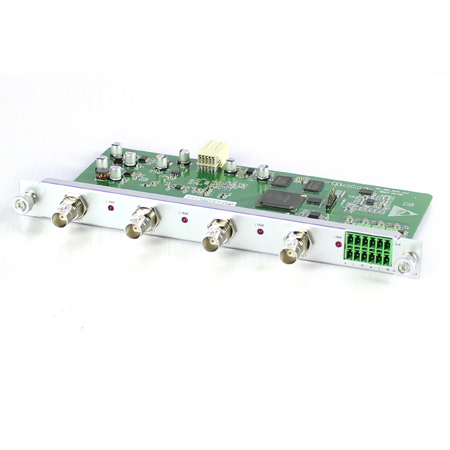 Mixing HD-SDI Output Card
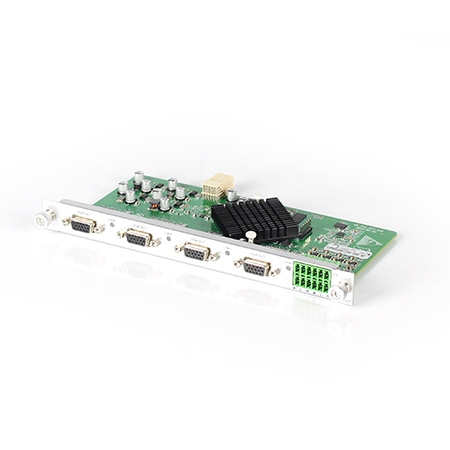 Mixing HD-VGA Output Card
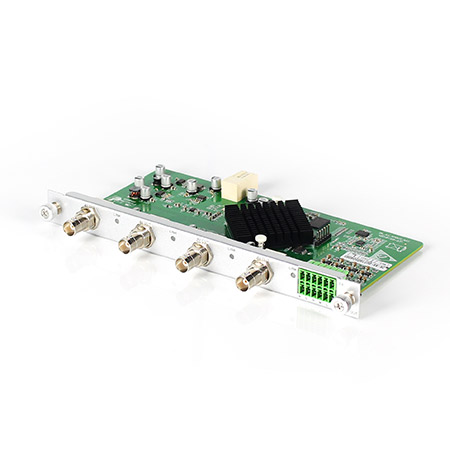 Mixing HD-AV Output Card
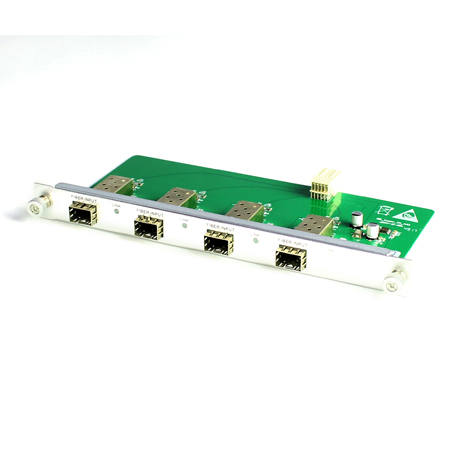 Mixing HD-Fiber Output Card
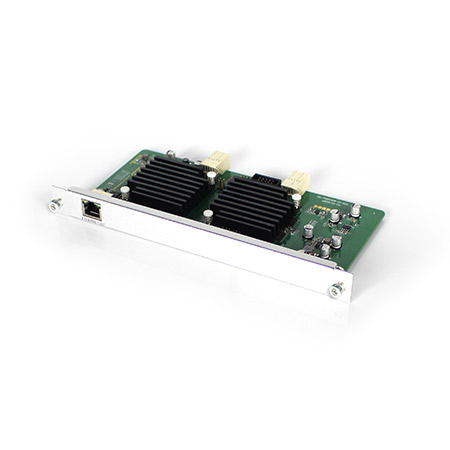 Mixing HD-IP Output Card
Mixing HD-HDMI Video Wall Control Card (2 channel)
Mixing HD-IP Output Card
Mixing HD-HDMI Video Wall Control Card (2 channel)
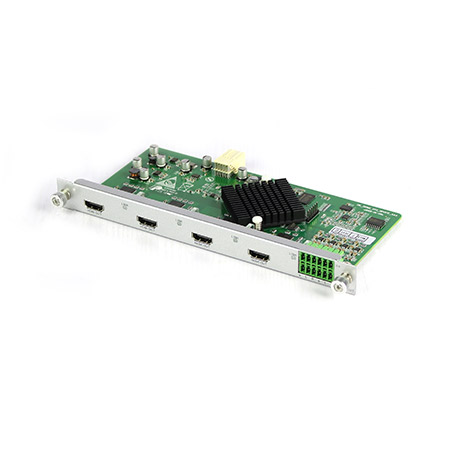 Mixing HD-HDMI Video Wall Control Card (1 channel)
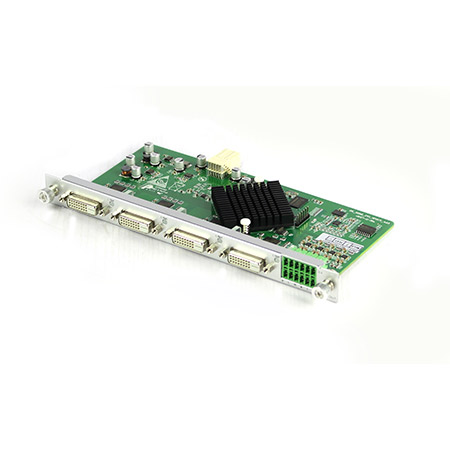 Mixing HD-DVI Video Wall Control Card (2 channel)
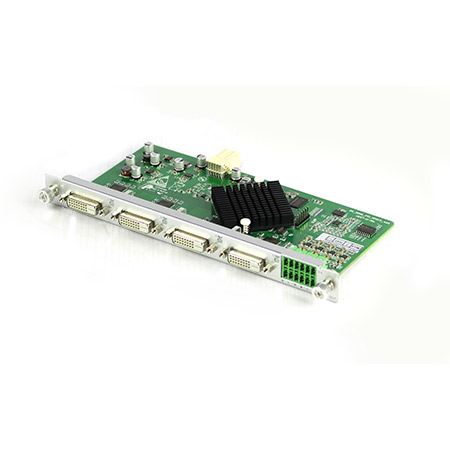 Mixing HD-DVI Video Wall Control Card (1 channel)
 Mixing UHD - HDMI Input Card
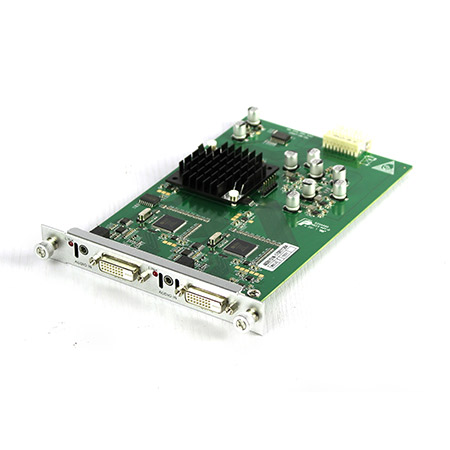 Mixing UHD - DVI Input Card
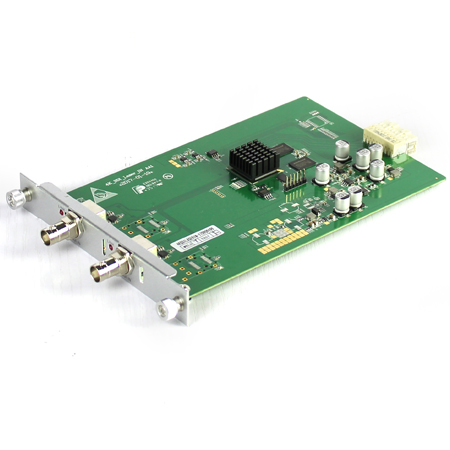 Mixing UHD - SDI Input Card
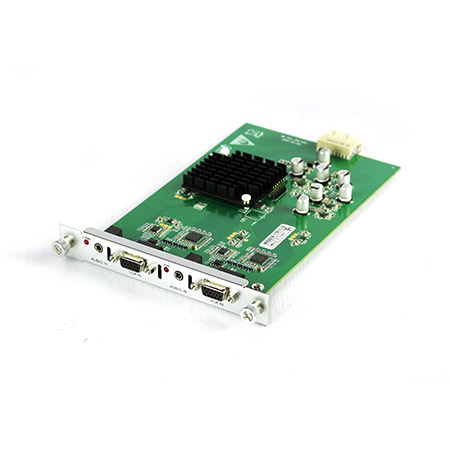 Mixing UHD - VGA Input Card
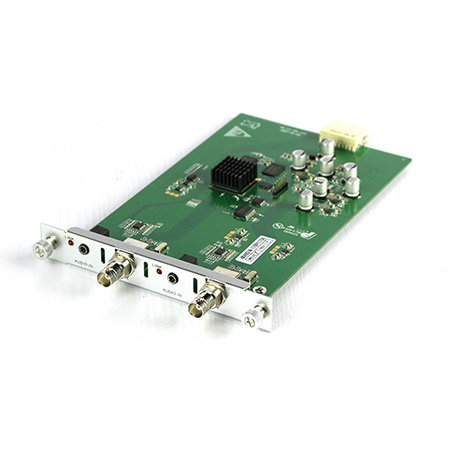 Mixing UHD - AV Input Card
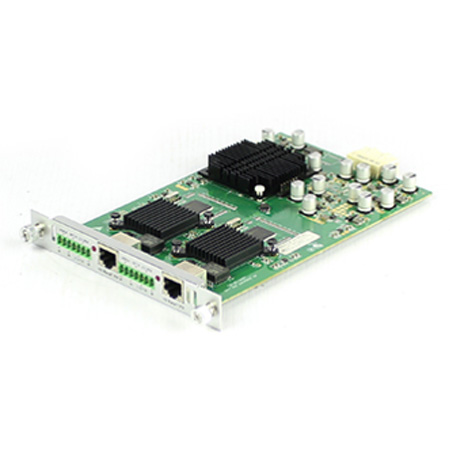 Mixing UHD - HDBT Input Card
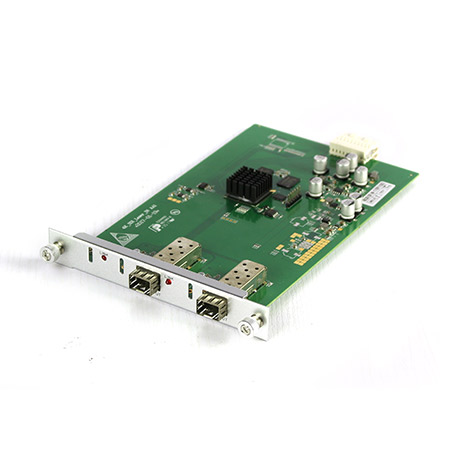 Mixing UHD - Fiber Input Card
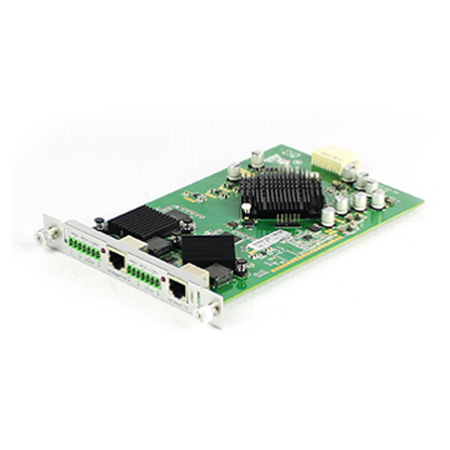 Mixing UHD - HDBT Output Card
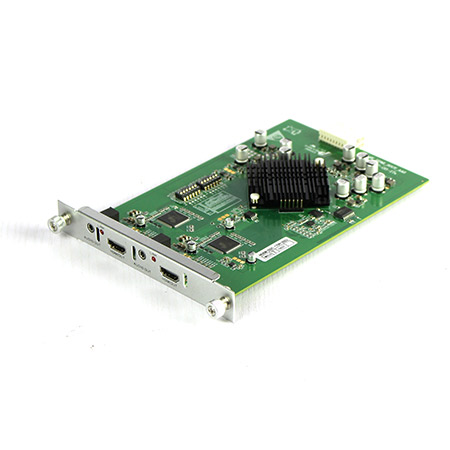 Mixing UHD - HDMI Output Card
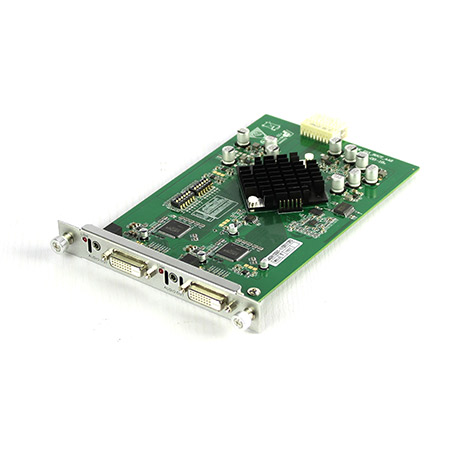 Mixing UHD - DVI Output Card
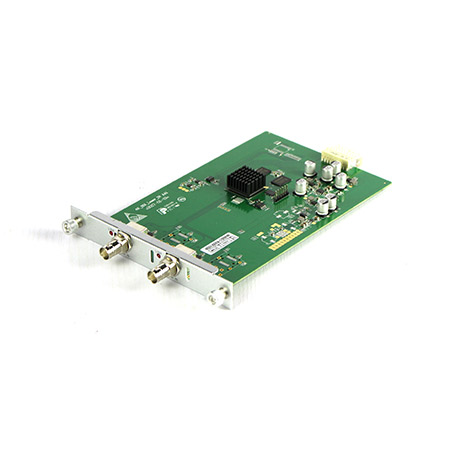 Mixing UHD - SDI Output Card
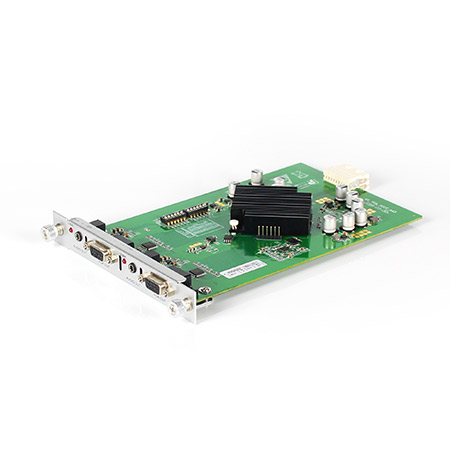 Mixing UHD - VGA Output Card
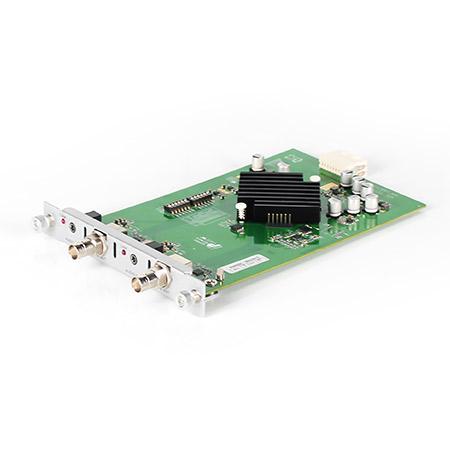 Mixing UHD - AV Output Card
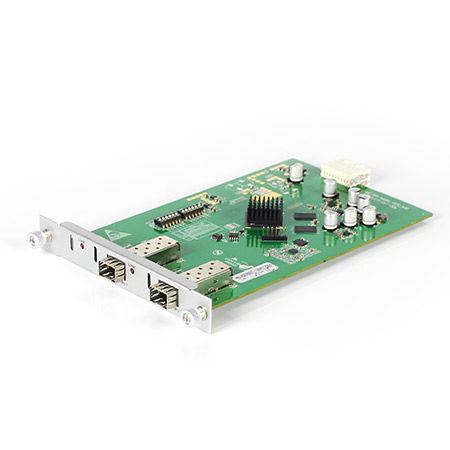 Mixing UHD - Fiber Output Card
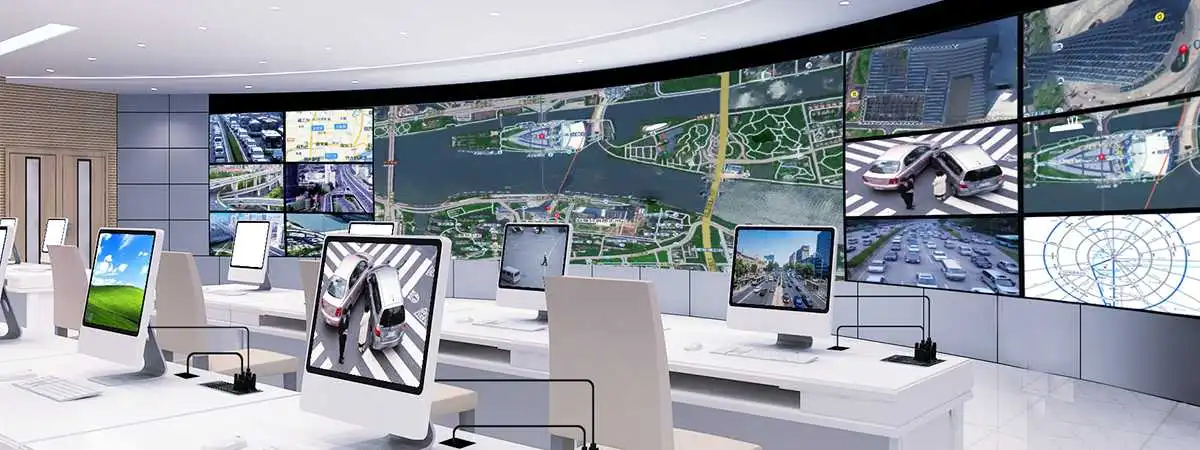
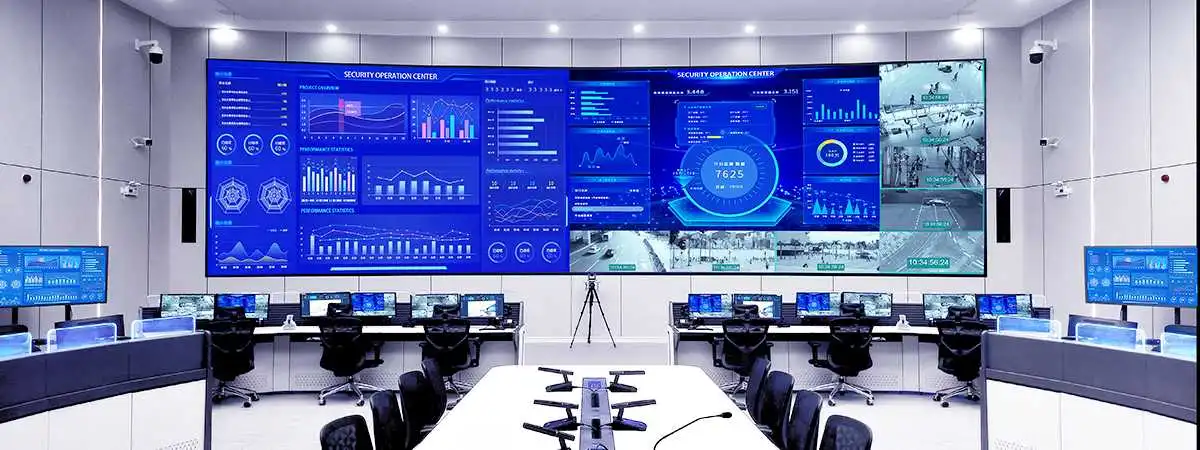
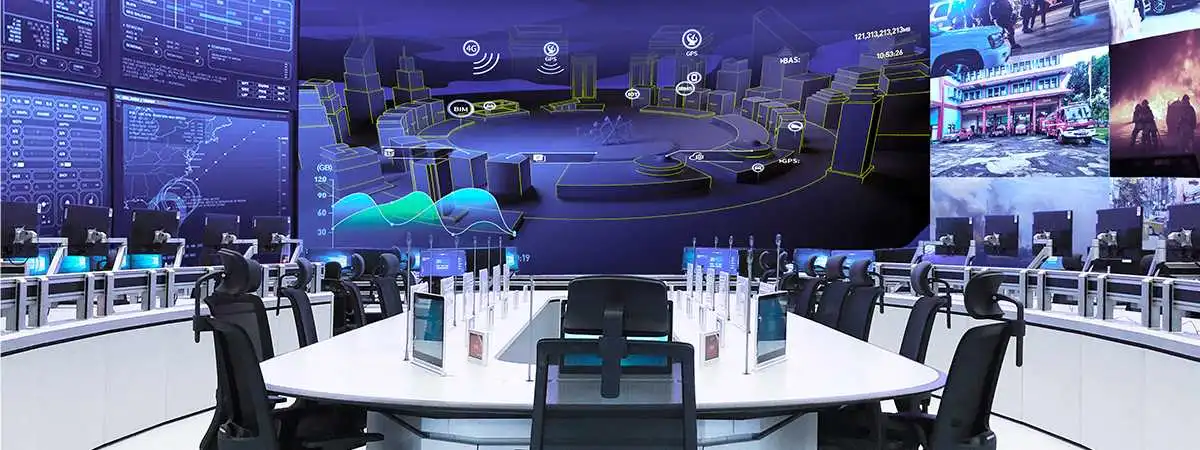
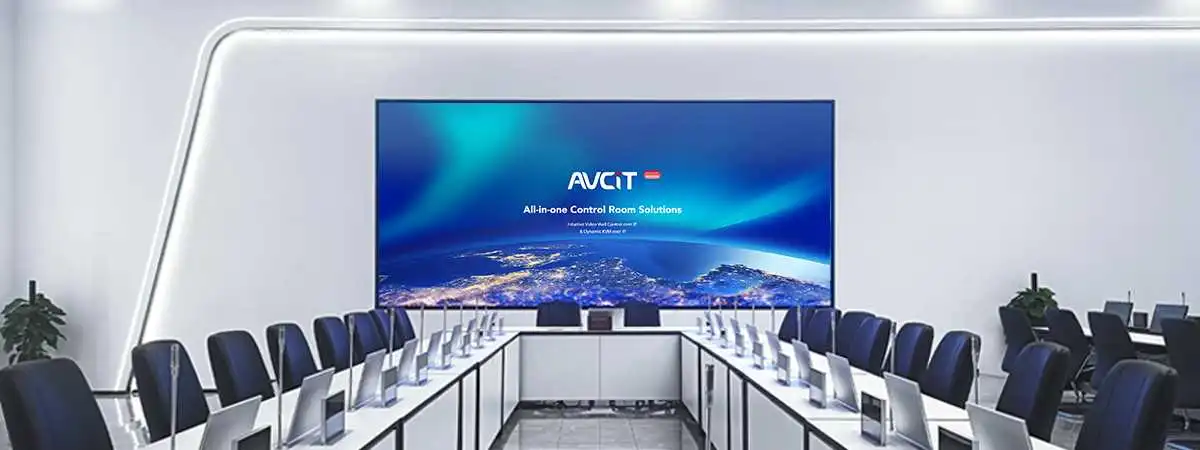
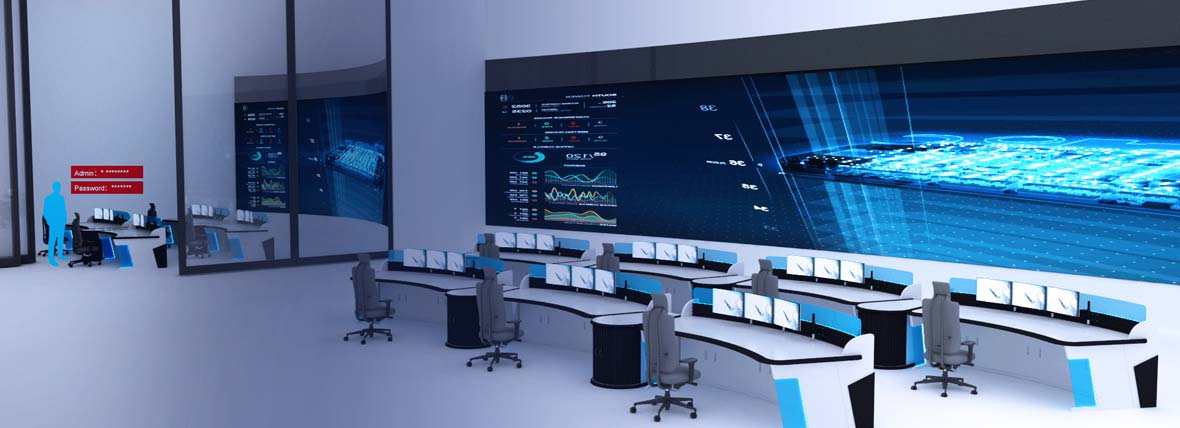
The growing popularity of video wall control technology is supported by a number of factors, including increased demand for large but cost-effective video walls, the need for flexible and scalable solutions, and the adoption of AV-over-IP technology. IP video wall controller promotes the development of scalability and flexibility compared to traditional video wall technologies. It offers the possibility to integrate multiple networked processing nodes or devices together to create a single canvas.
IP Based Video Wall Controller has many unique advantages than traditional video wall controller, such as Windows-based or FPGA-based technology. Let's take a closer look at these major advantages.
Flexible & Scalable. Traditional video walls are limited in size. It's based on the number of cards or modules an enclosure or chassis can hold; at the same time, controller video walls are incredibly scalable -- theoretically infinite in size. To expand a controller video wall, simply add another node to increase output or increase processing power, which is easy, more feasible, and more cost-effective.
High Stability and Reliability. Hardware failures in traditional video wall controllers can affect the entire video wall and cause the entire video wall to lose visibility. Fortunately, hardware failures in controller video wall deployments only affect that portion of the video wall powered by a particular node or device.
Cost-effectiveness. Due to the reduced hardware requirements, the overall cost of a controller video wall is greatly reduced. Controller video walls eliminate bulky hardware and reduce the need for cables and extenders, because the small size of the nodes allows them to be mounted directly behind monitors rather than in distant racks. These nodes only need to be connected to power and the network, which also eliminates the need for high-resolution video expanders.
While controller video walls have many advantages, there are still some challenges and perceptual limitations.
How to reduce bandwidth to reduce the IT infrastructure cost
There are several AV over IP coding technology, such as H.265, H.264, SDVoE, JPEG2000, V2C etc. SDVoE is no compression technology, whose video streaming bandwidth will be near to original, it means 4K@60Hz video could be up to 18 Gbps each streaming, which requires the 10 Gigabit Switch as access at least. However, it could be used for small system only rather than the large system requried multiple streaming or sites collaboration.
Therefore, it's important to reduce the streaming bandwidth to transmit the video for more flexible architecture and reducing IT infrastructure cost, as well as easier to integrate with 3rd party system, such as CCTV Platform, AI resource etc.
How to ensure Image Quality:
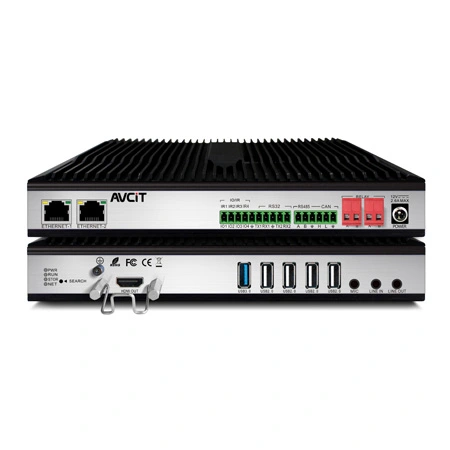
It's a huge challenges for AV over IP technology to ensure the image quality after compressing and transmit the video over low bandwidth network. AVCiT adopts H.265 (HEVC) coding technology with talented ASE image processing technology, which achieves 4:4:4 chroma to ensure the full color sampling, so that the image could be near original quality after high ratio compression and transmit over 4-20 Mbps Bandwidth.
How to ensure low latency:
It's another huge challenges to reduce the video latency when video is compressed and transmitted over low bandwith, especially over 1 Gigabit network. AVCiT unique ASE technology can ensure the video latency less than 28 ms and make operator visually zero latency.
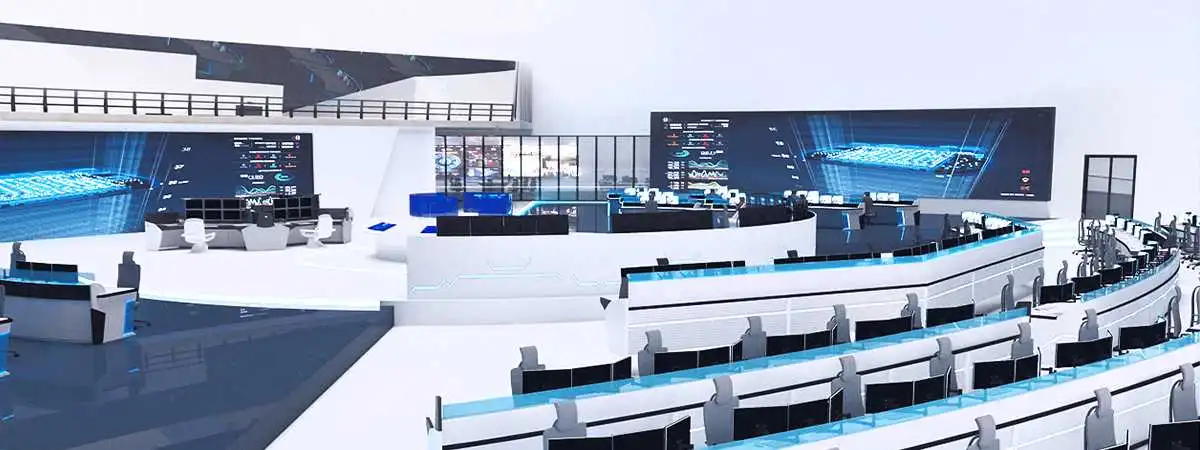
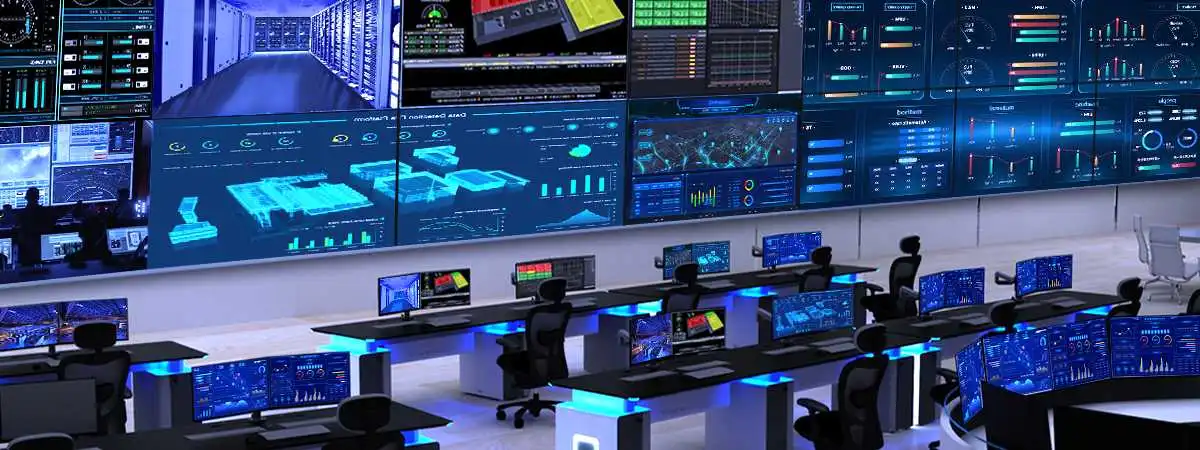
The progress of the AV-over-IP transition, the convergence of AV and IT, the affordability of the network, display and required equipment, and the market demand for more flexibility and interoperability have created a unique demand for controller video wall products, so as to meet and resolve all challenges and constraints. As the AV-over-IP transition continues to advance and AV and IT converge, the demand for IP video wall controller technology is on the rise. These controller products offer the flexibility, interoperability, and affordability required for video wall control room, effectively addressing the challenges and constraints faced in the market.