

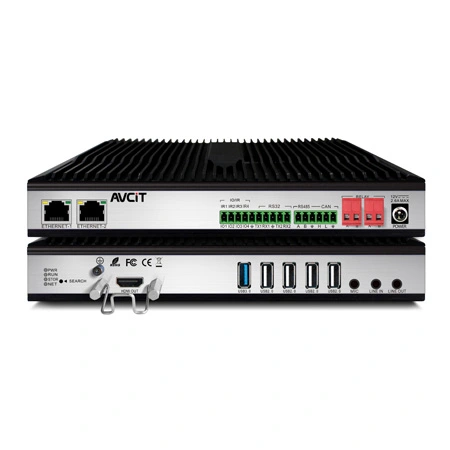
 AIVC-16CH AI BOX
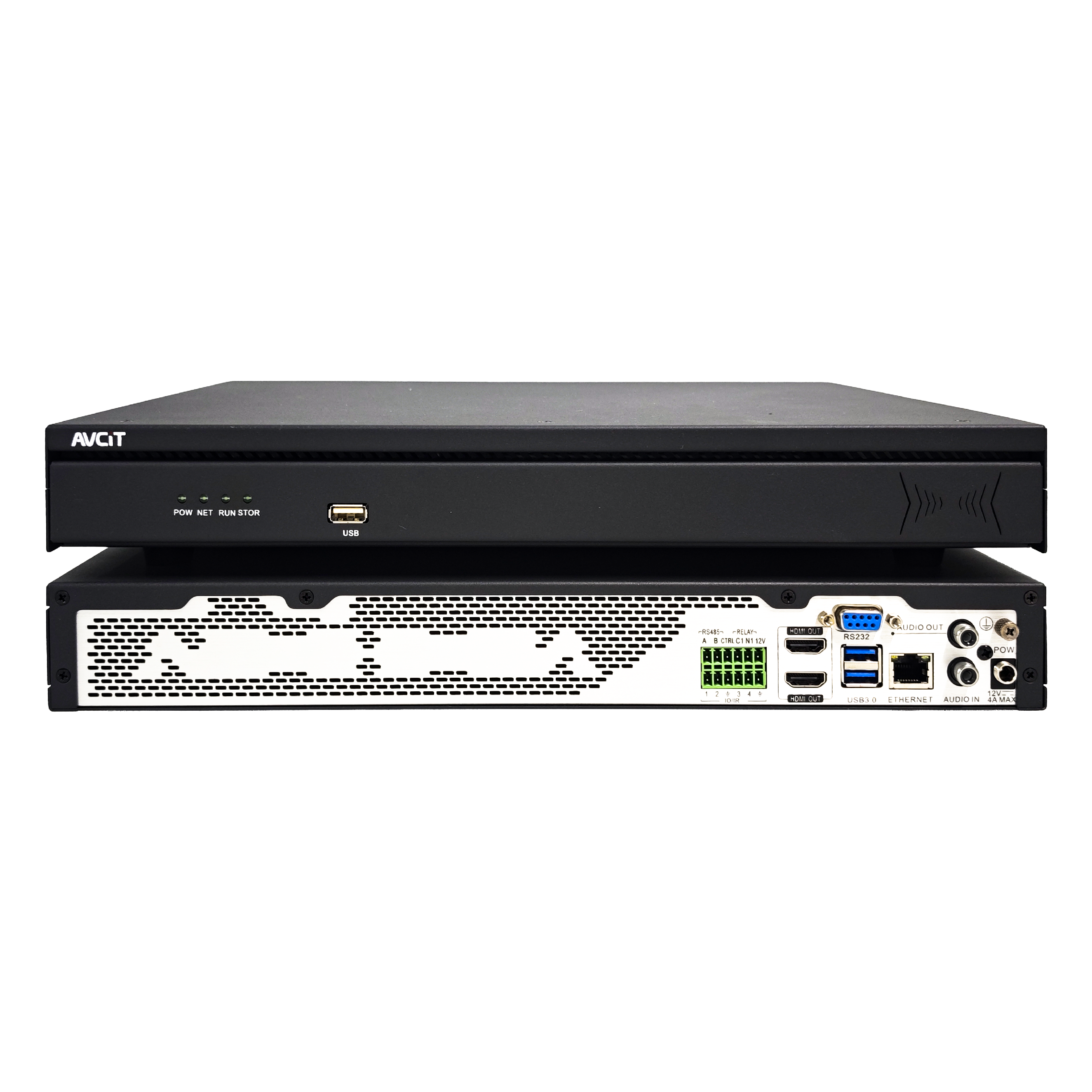 32CH CSN AI NVR
 2K HDMI Video Codec
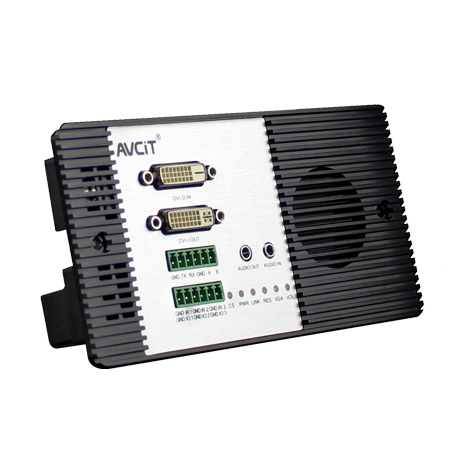 2K DVI Video Codec
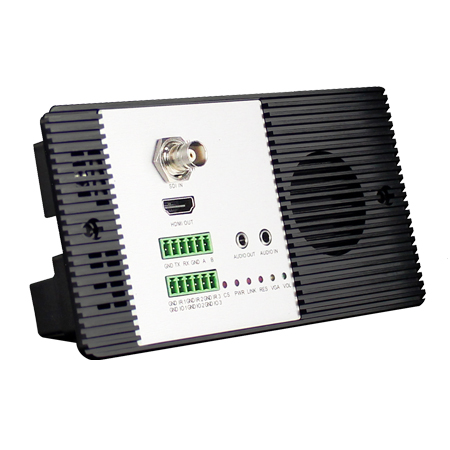 2K SDI Video Codec
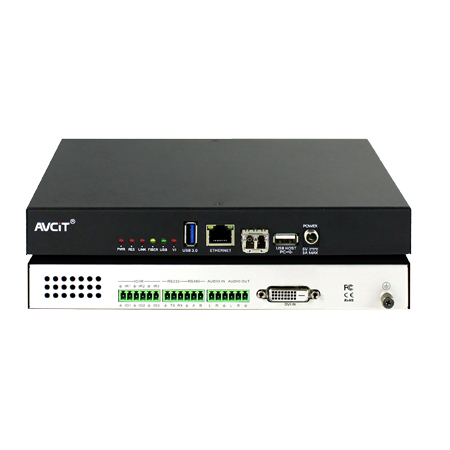 2K HDMI Video Encoder
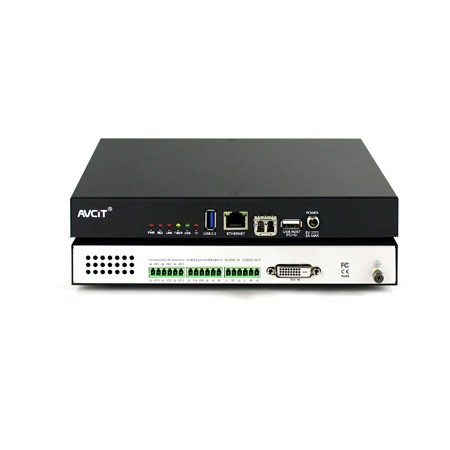 2K DVI Video Encoder
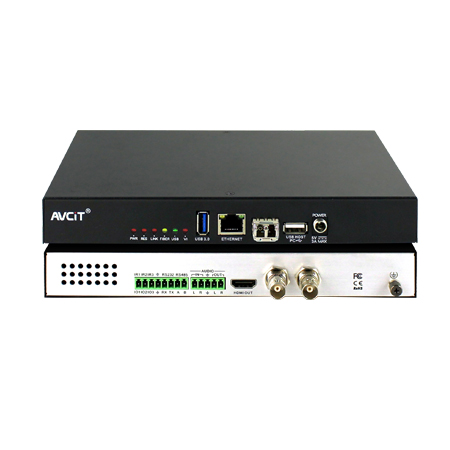 2K SDI Video Encoder
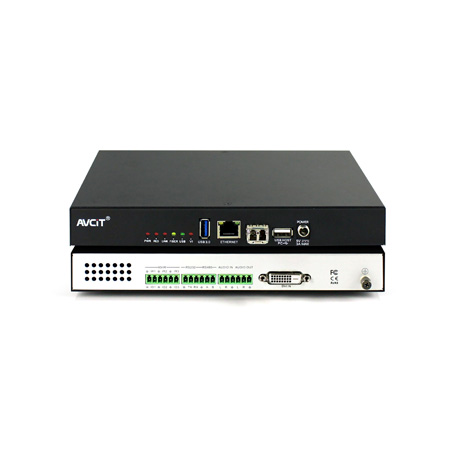 2K VGA Video Encoder
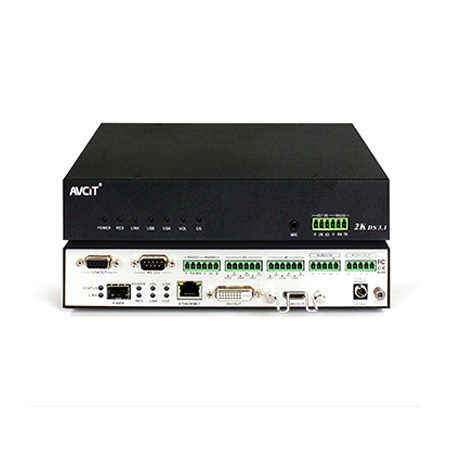 2K Video Wall Decoder (HDMI+DVI)
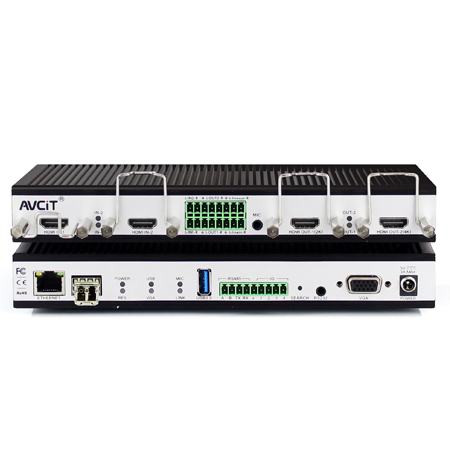 4K HDMI Video Encoder
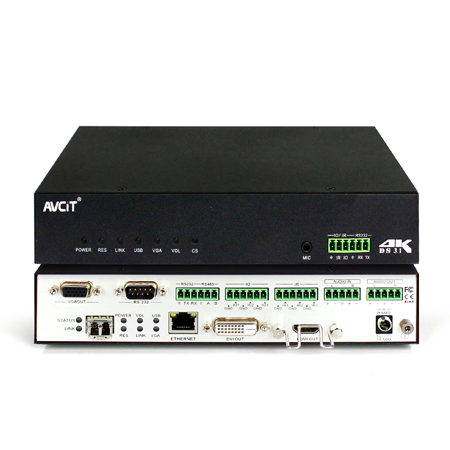 4K HDMI Video Decoder
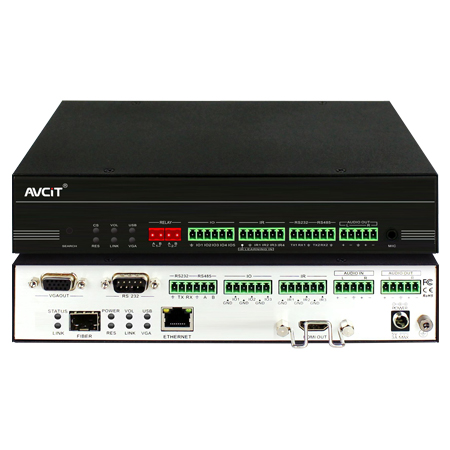 4K HDMI Video Wall Decoder
 4K HDMI + DVI Video Wall Decoder
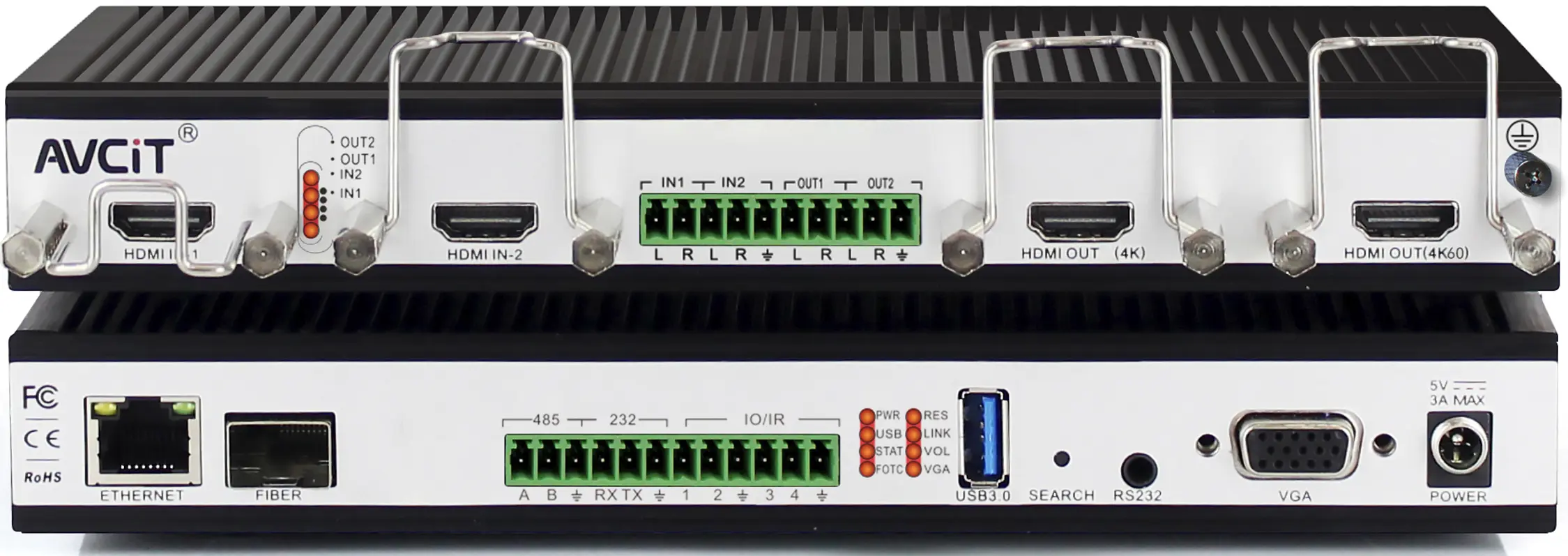 4K HDMI Dual Channel Codec
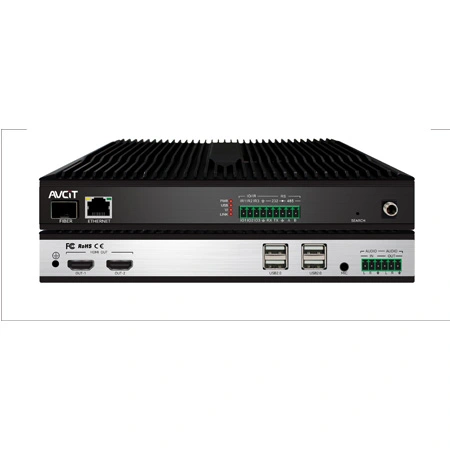 8K HDMI Decoder
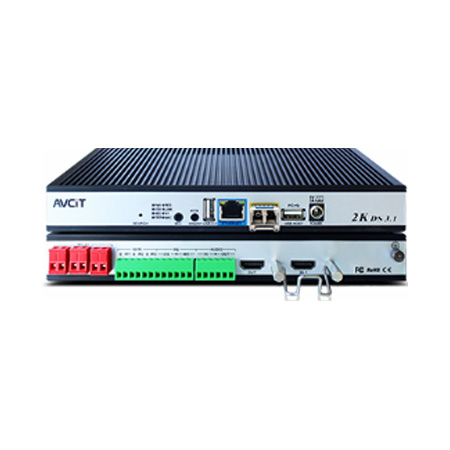 2K KVM Encoder - HDMI
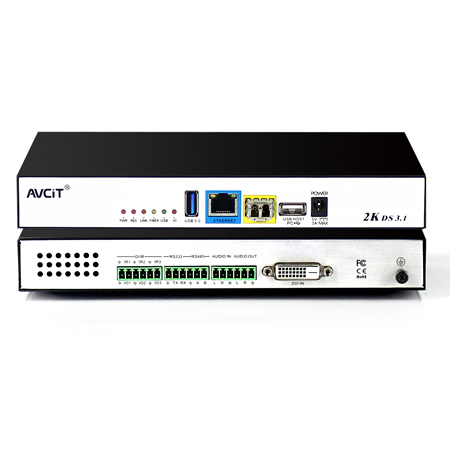 2K KVM Encoder - DVI
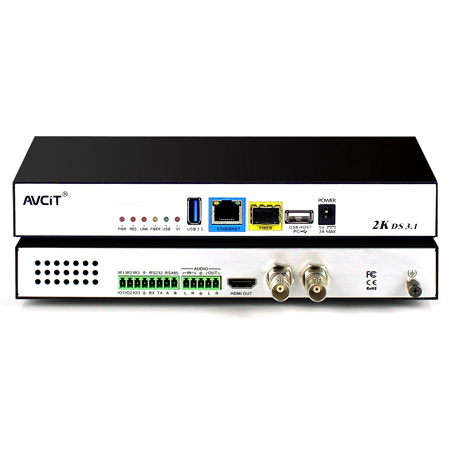 2K KVM Encoder - SDI
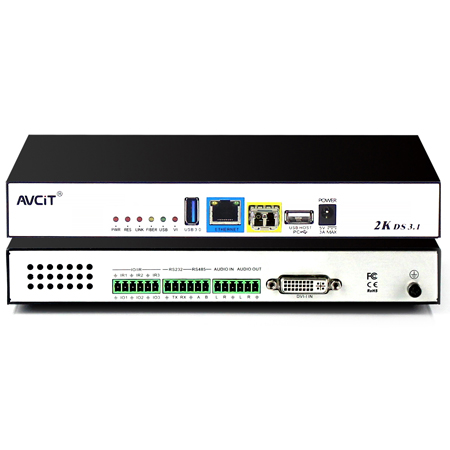 2K KVM Encoder - DVI-I(VGA)
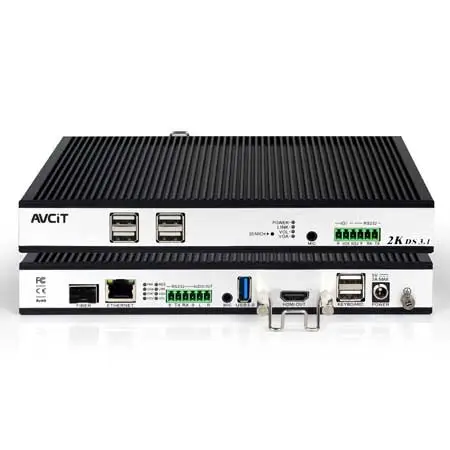 2K KVM Decoder - HDMI
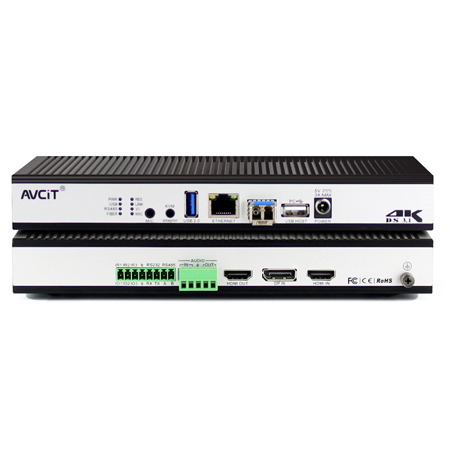 4K KVM Encoder - HDMI + DP
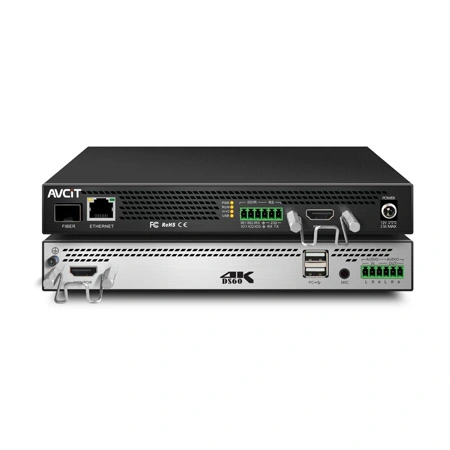 4K@60 KVM Encoder - HDMI
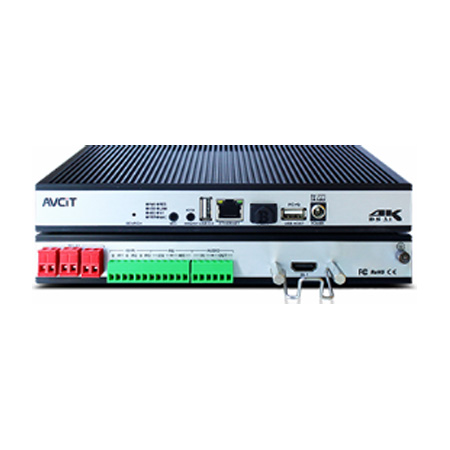 4K KVM Encoder - HDMI + HDMI
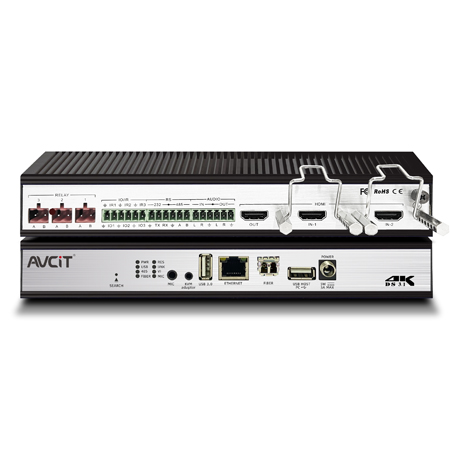 4K KVM Encoder - HDMI
 4K KVM Decoder - HDMI
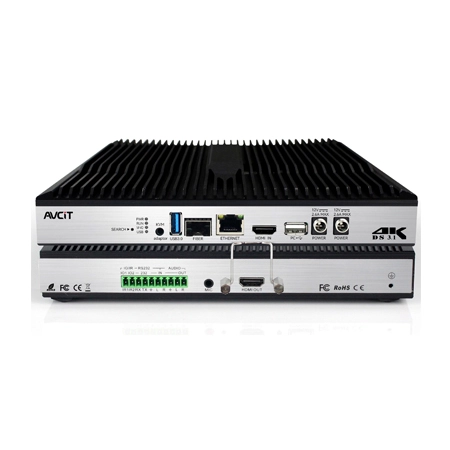 4K60 4:4:4 KVM Encoder - HDMI
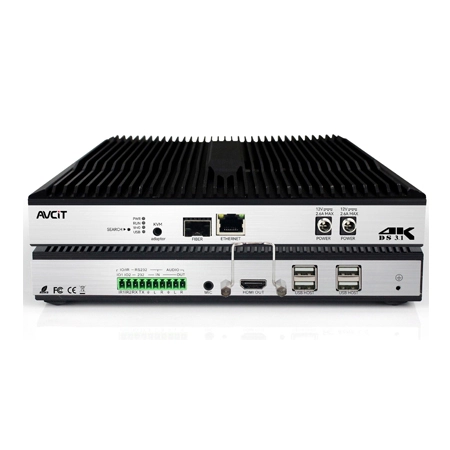 4K60 4:4:4 KVM Decoder-HDMI
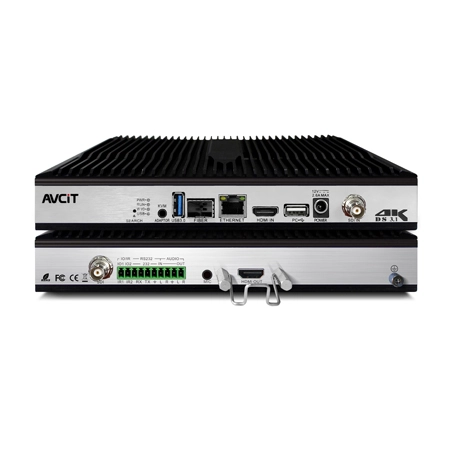 4K60 4:4:4 KVM Encoder - HDMI + SDI
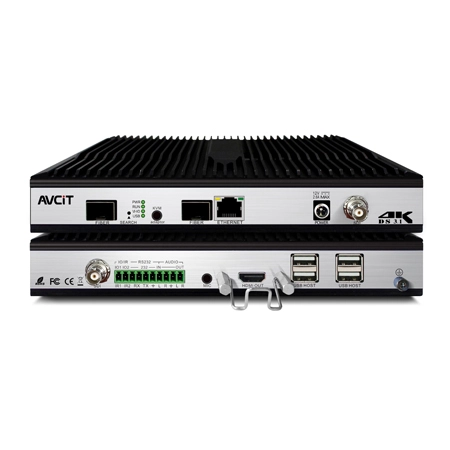 4K60 4:4:4 KVM Decoder - HDMI + SDI
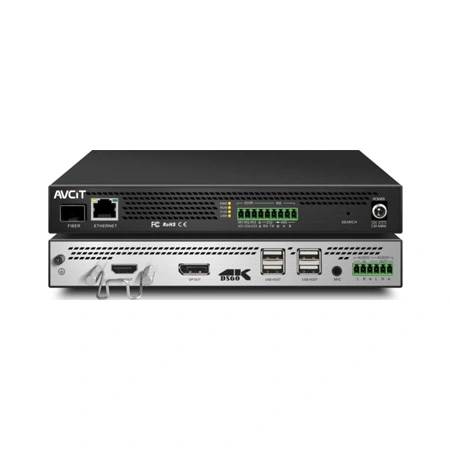 5K KVM Decoder - HDMI +DP
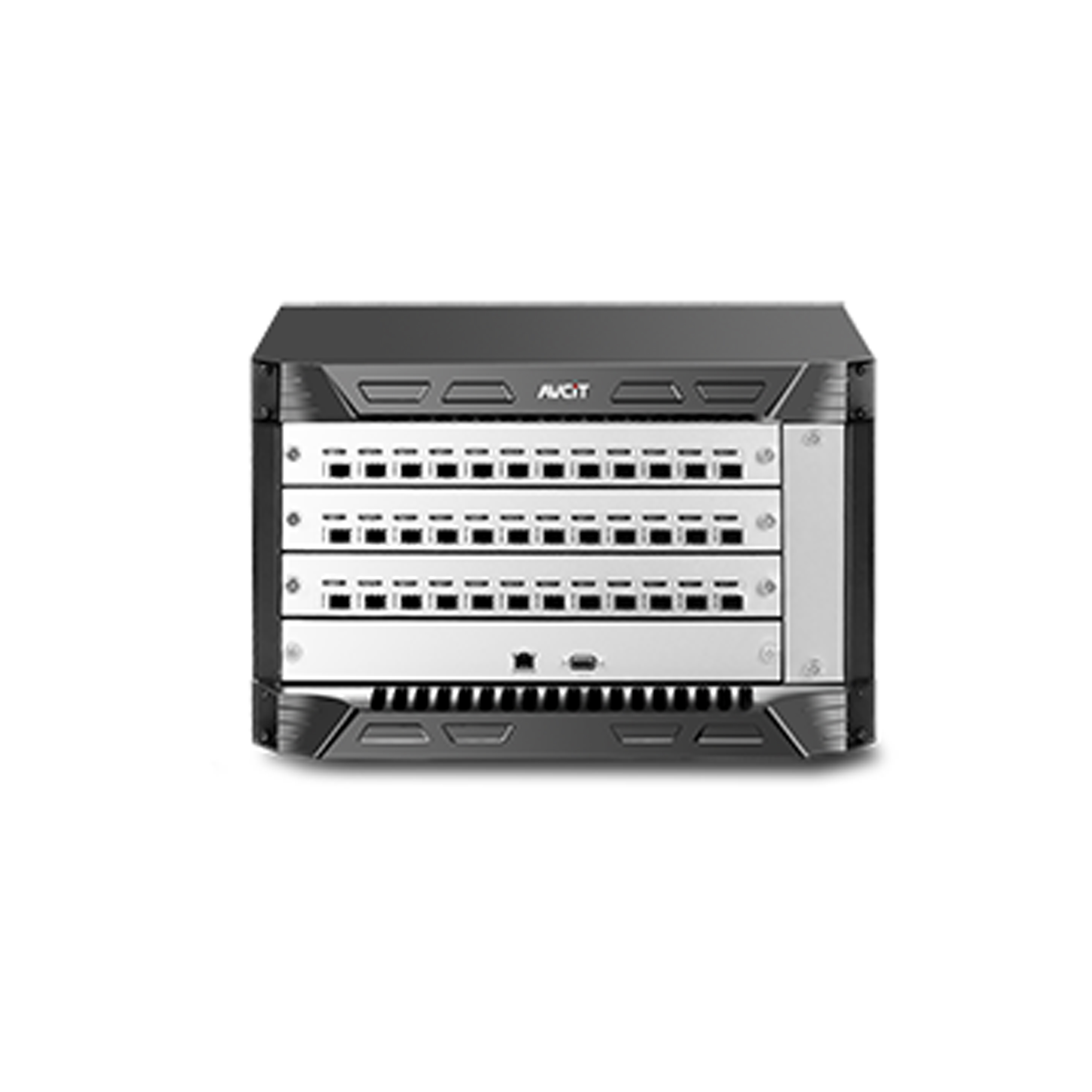 Phinx-36 Ports Fiber KVM Matrix
 Phinx-72 Ports Fiber KVM Matrix
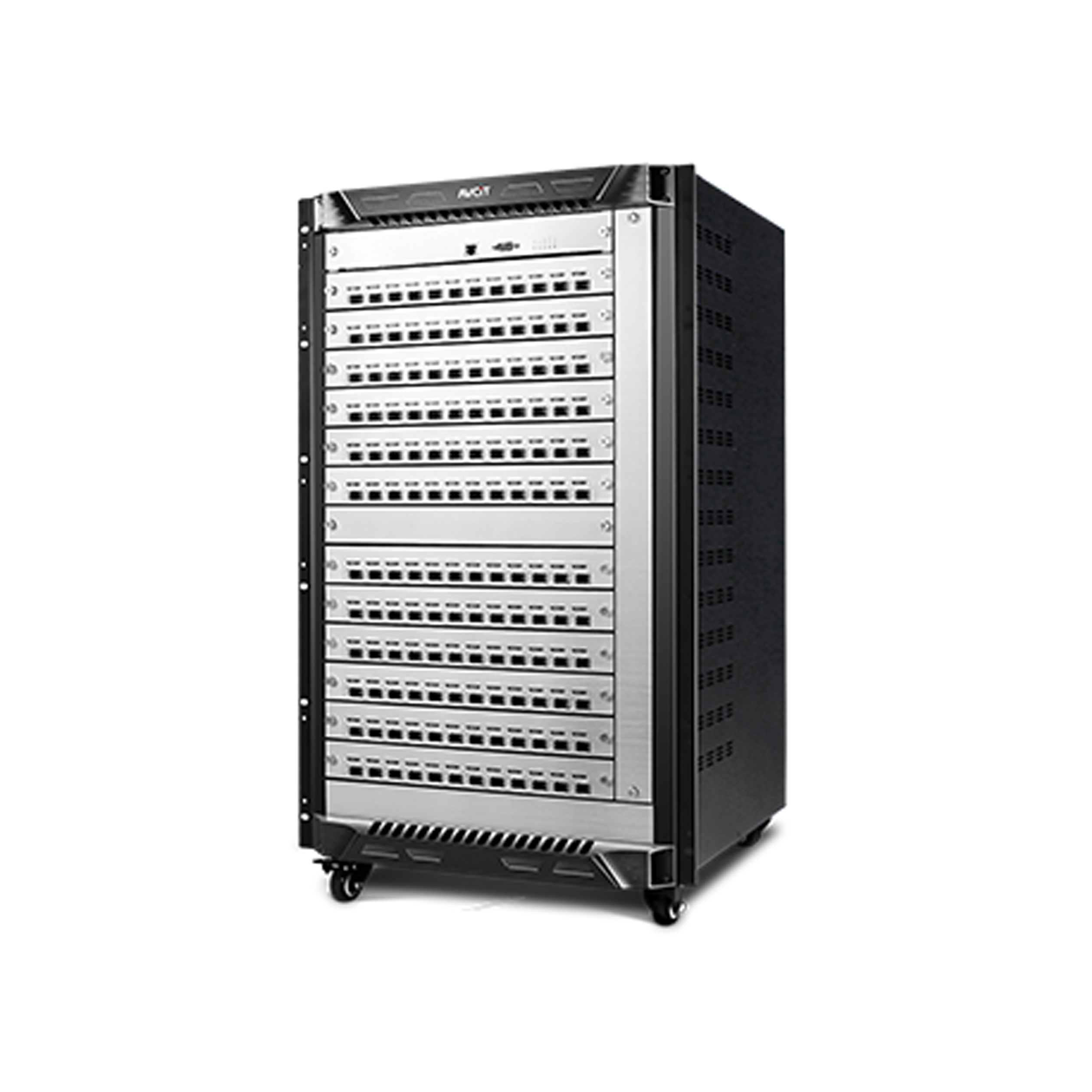 Phinx-144 Ports Fiber KVM Matrix
 Phinx-288 Ports Fiber KVM Matrix
 Phinx-576 Ports Fiber KVM Matrix
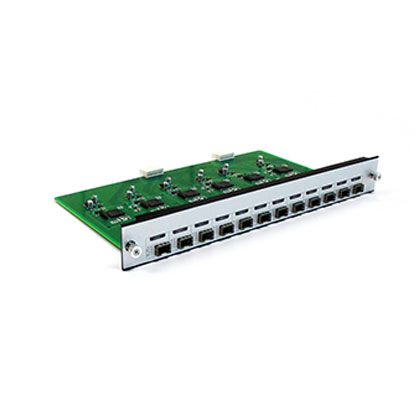 Phinx - I/O SFP Module Card
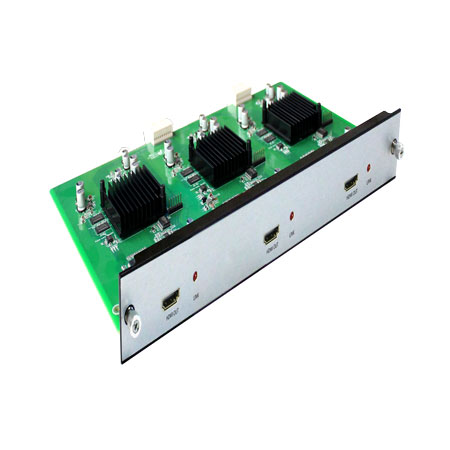 Phinx - Video Wall Control Card
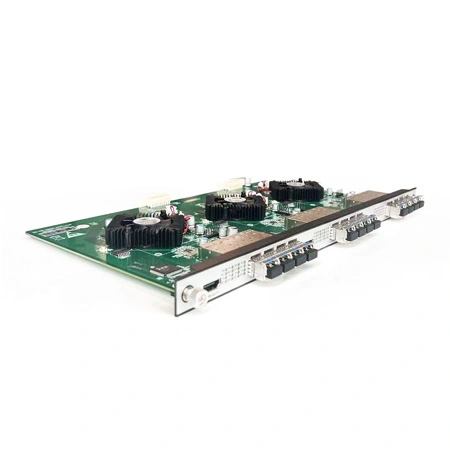 Phinx- Video Wall & SFP Card
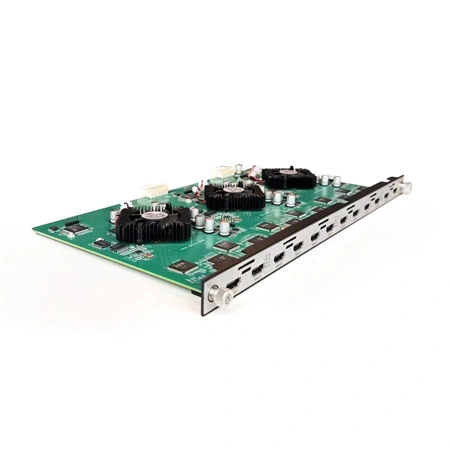 Phinx- Video Card(6IN6OUT)
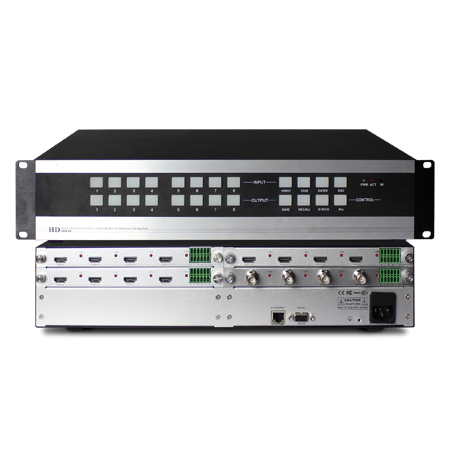 2K Video Wall Matrix - 8x8
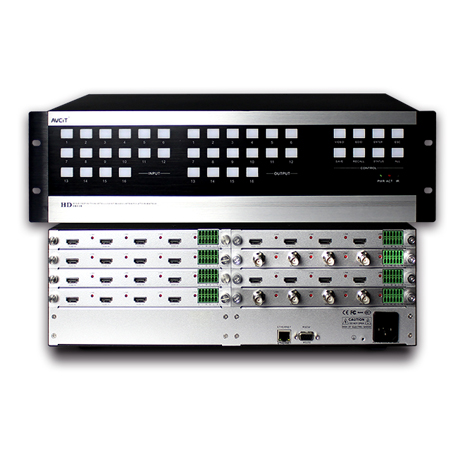 2K Video Wall Matrix - 16x16
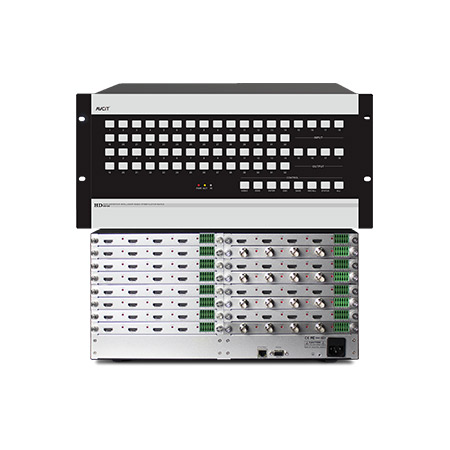 2K Video Wall Matrix - 32x32
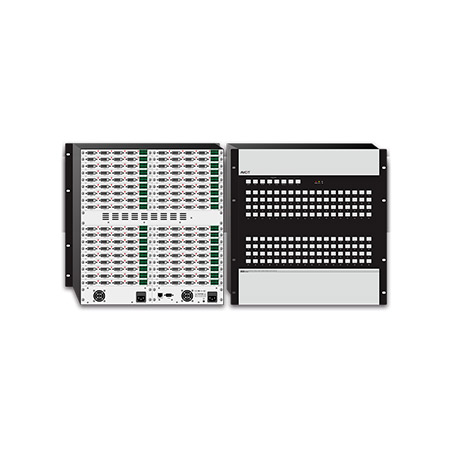 2K Video Wall Matrix - 72x72
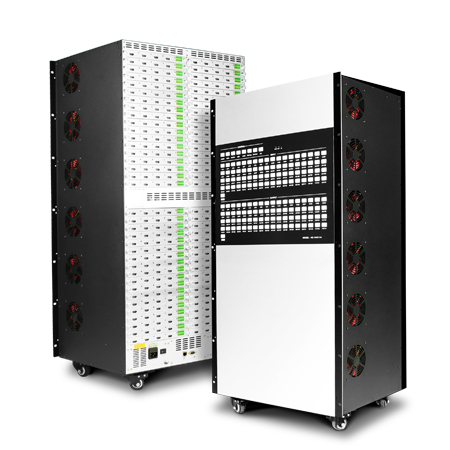 2K Video Wall Matrix - 144x144
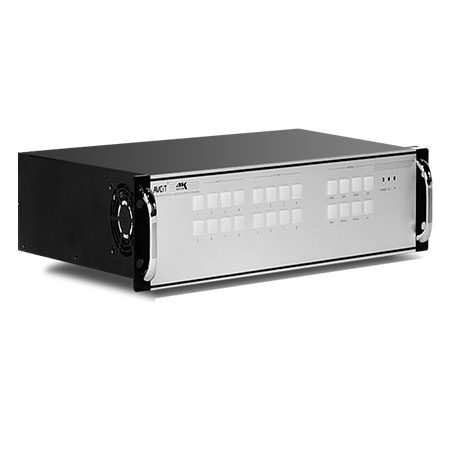 4K Video Matrix Switcher - 8x8
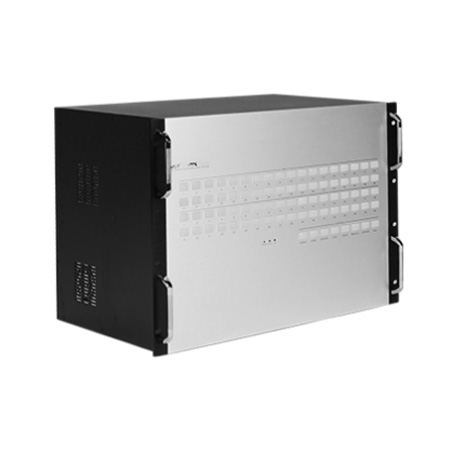 4K Video Matrix Switcher - 36x36
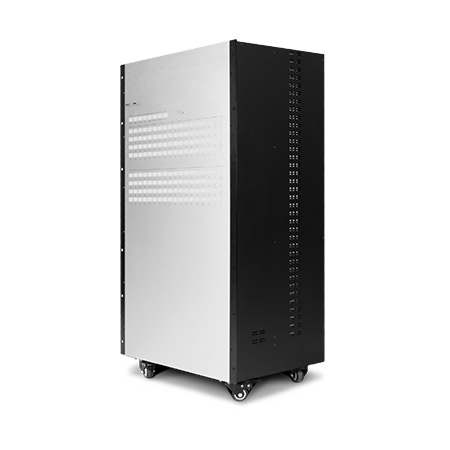 4K Video Matrix Switcher - 72x72
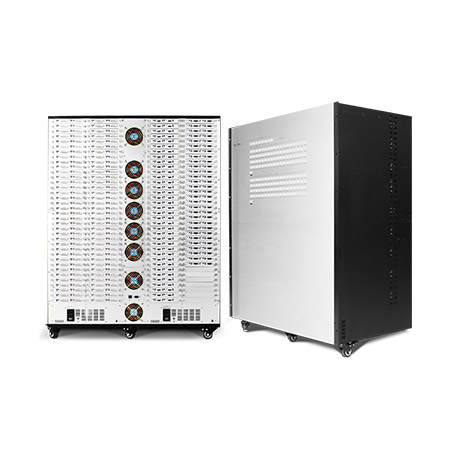 4K Video Matrix Switcher - 144x144
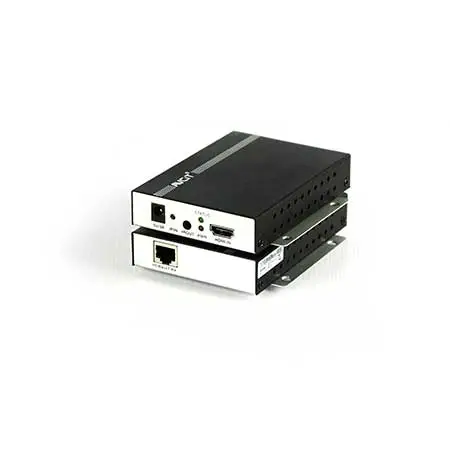 Mixing UHD - 4K HDBT Extender
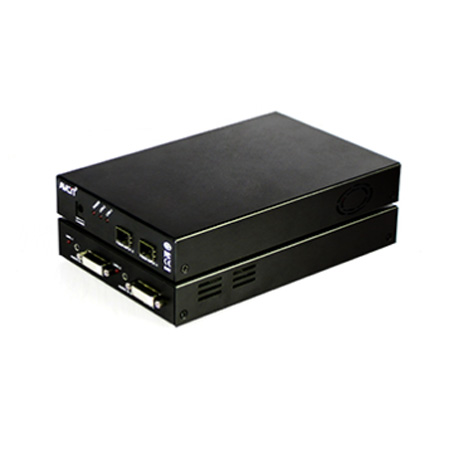 Mixing UHD - 4K Fiber Extender
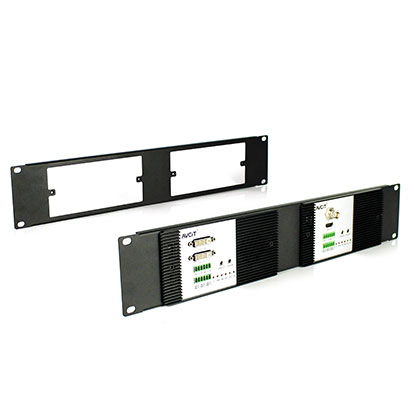
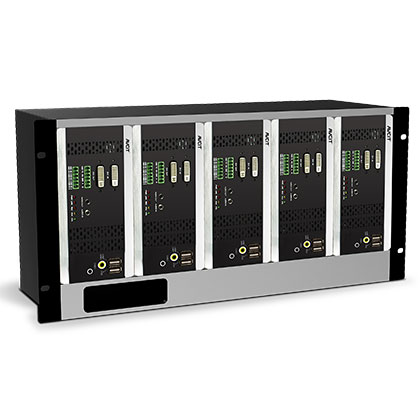 Rack Mounting Kit
 Wall Mounting Kit











 EN
EN
 es
es  th
th
Blog
Join us
FAQs

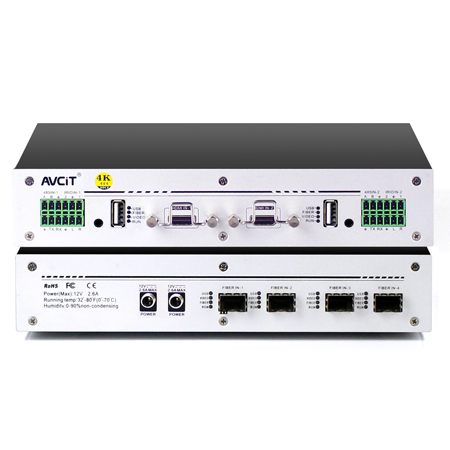 4K KVM Transmitter-HDMI
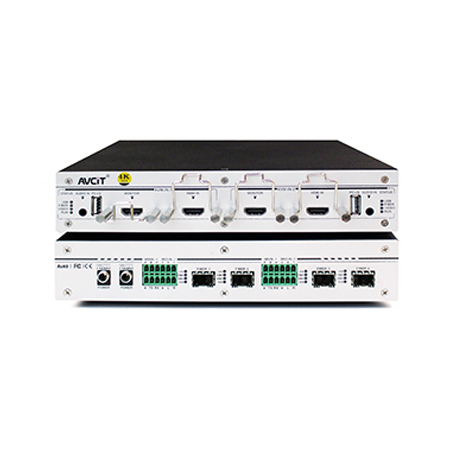 4K KVM Transmitter-HDMI+HDMI LOOP
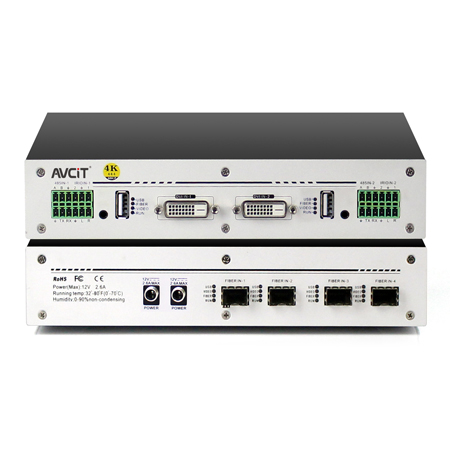 4K KVM Transmitter-DVI
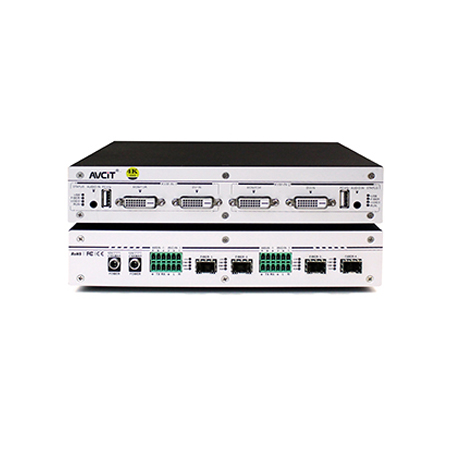 4K KVM Transmitter-DVI+DVI LOOP
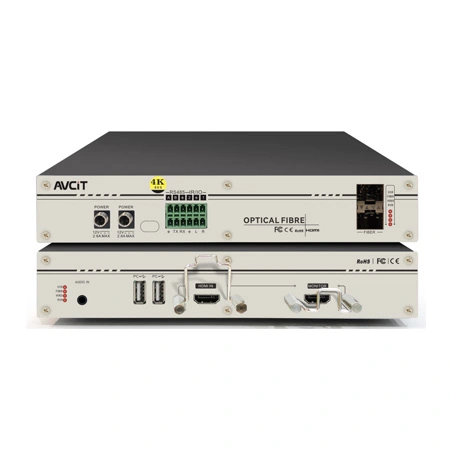 4K60 KVM Transmitter - HDMI
 2K KVM Transmitter-VGA
 4K KVM Receiver-HDMI
 4K KVM Receiver-DVI
 Quad-view KVM Receiver-HDMI
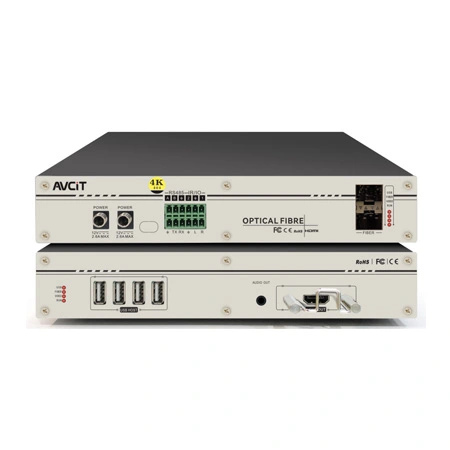 4K60 KVM Receiver - HDMI
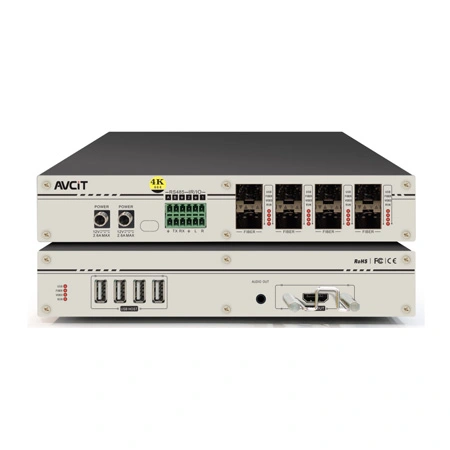 4K60 Quad-view KVM Receiver
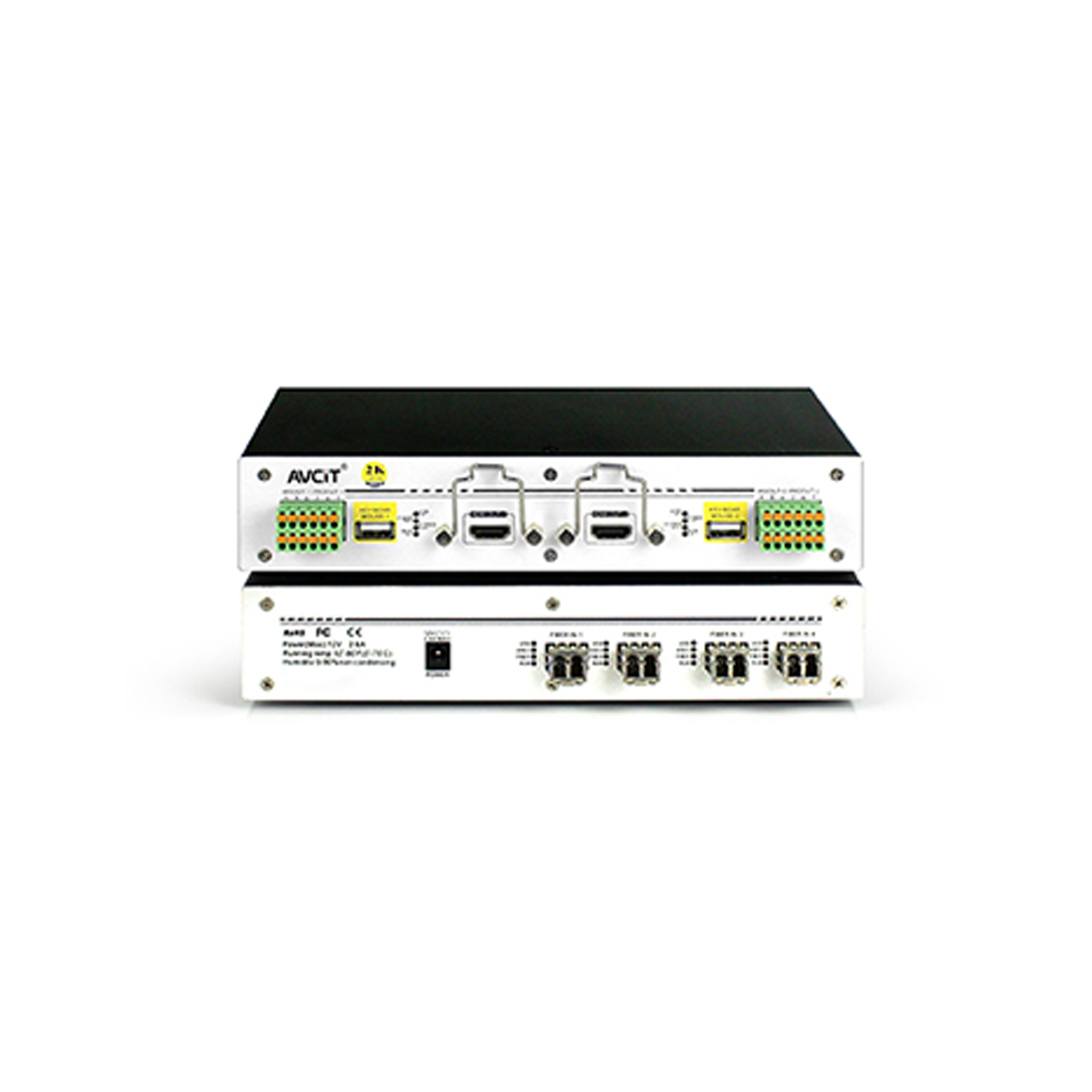 2K KVM Receiver-HDMI
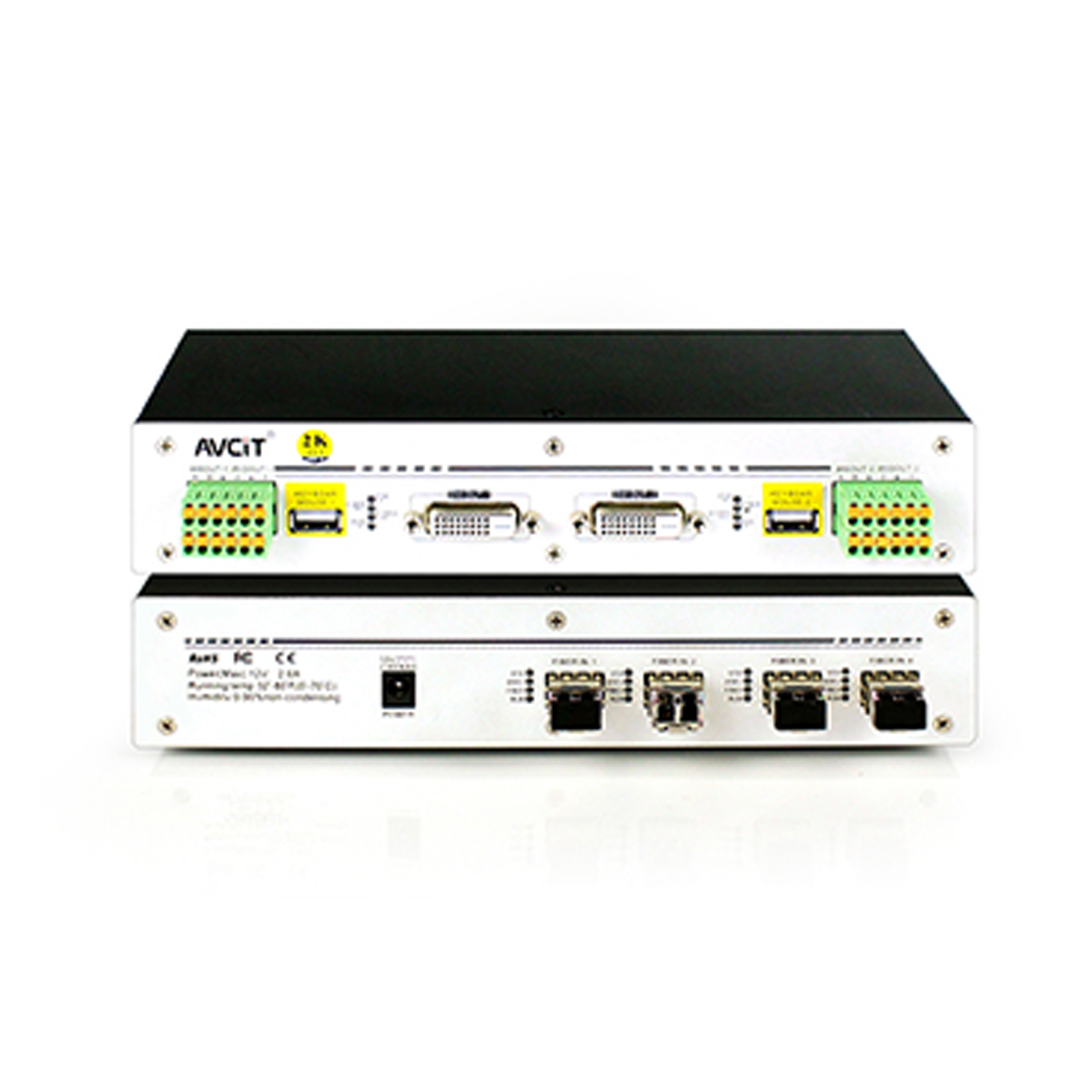 2K KVM Receiver-DVI
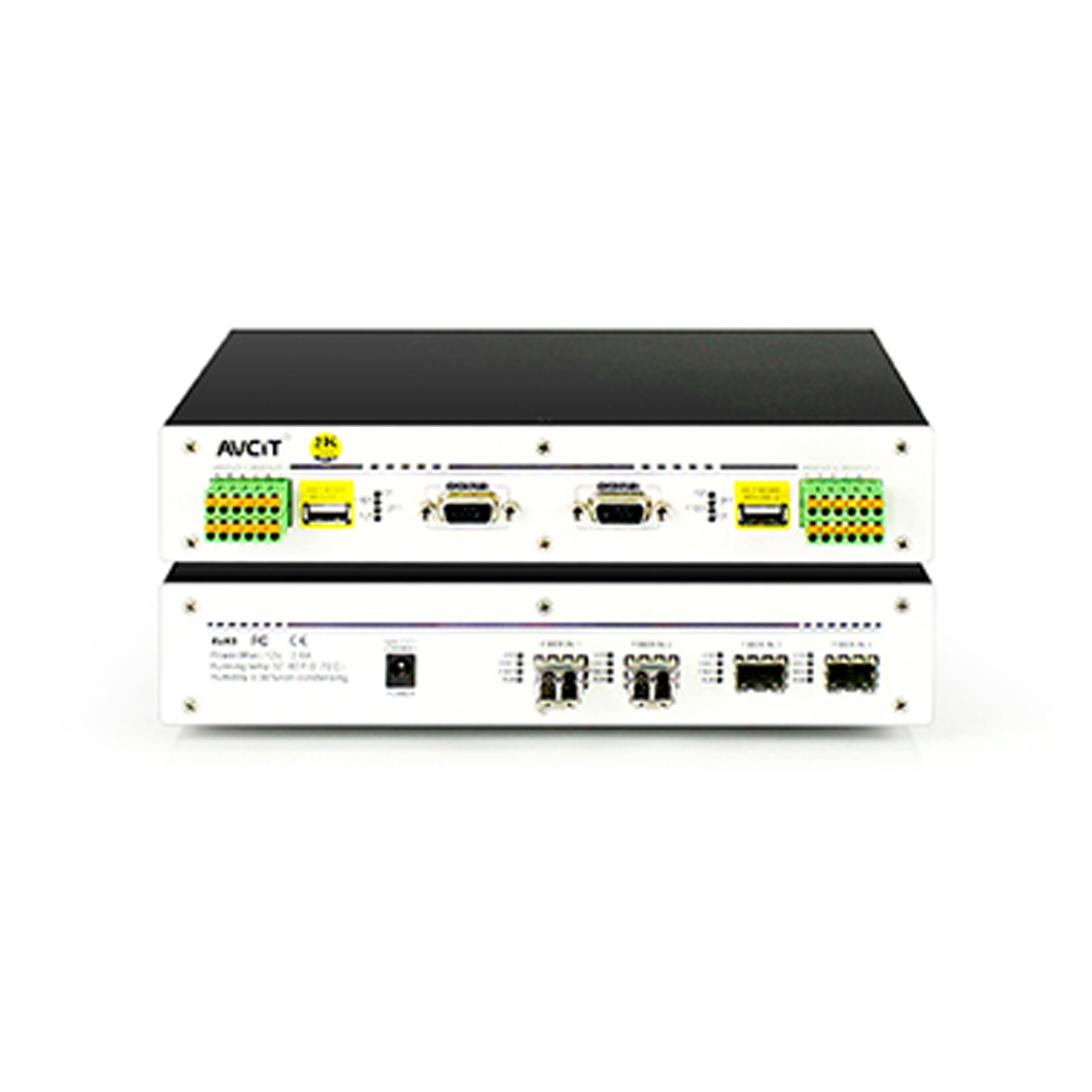 2K KVM Receiver-VGA
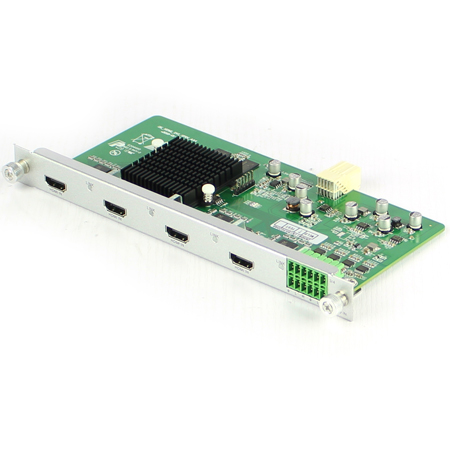 Mixing HD-2K HDMI Input Card
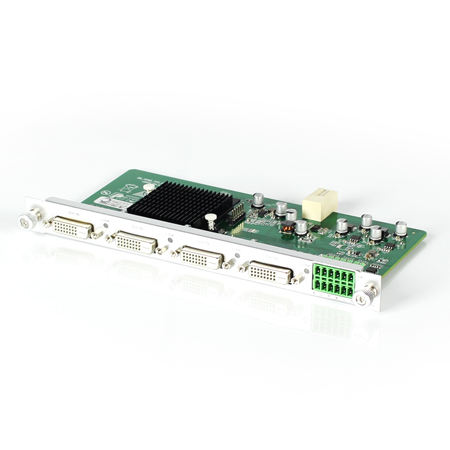 Mixing HD-2K DVI Input Card
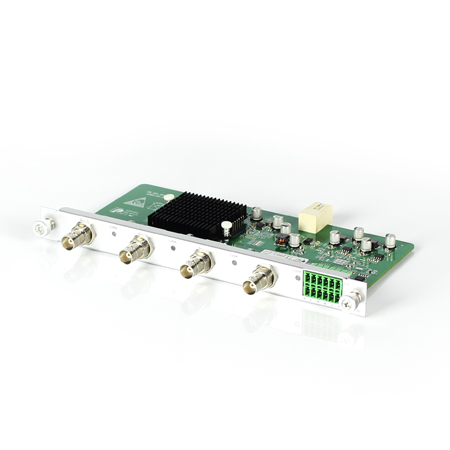 Mixing HD-2K SDI Input Card
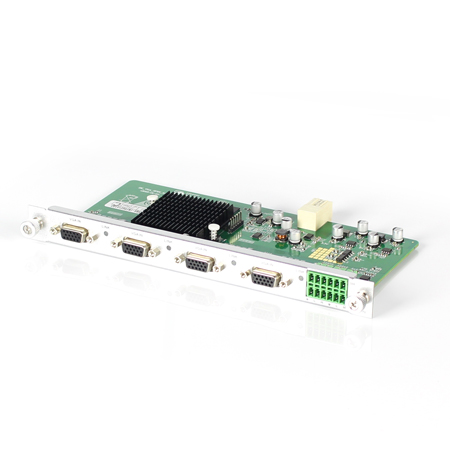 Mixing HD-2K VGA Input Card
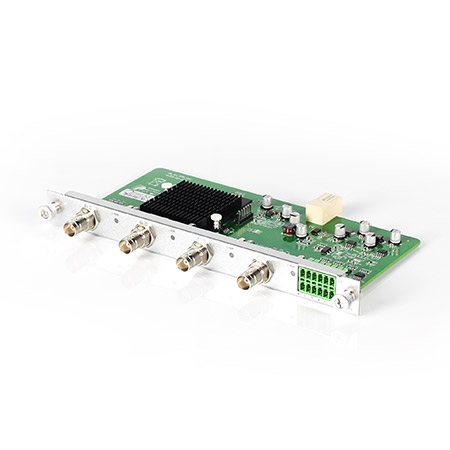 Mixing HD-2K AV Input Card
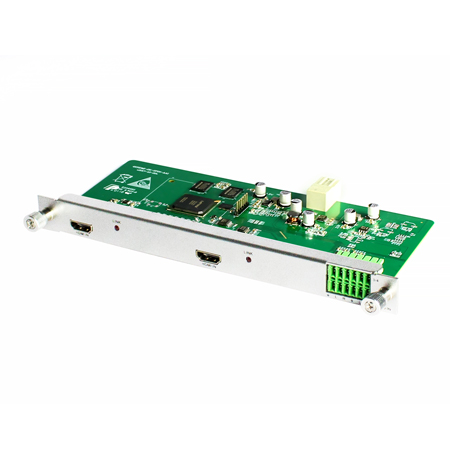 Mixing HD-HDMI UHD Input Card
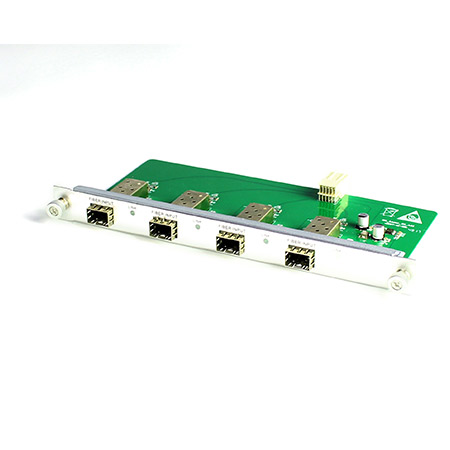 Mixing HD-Fiber Input Card
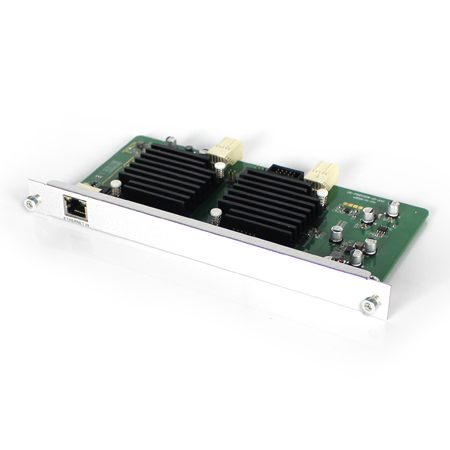 Mixing HD-IP Input Card
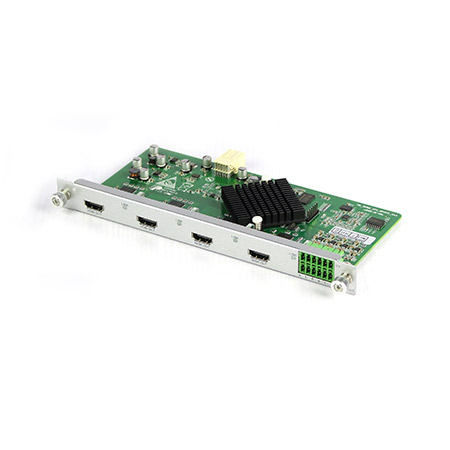 Mixing HD-HDMI Output Card
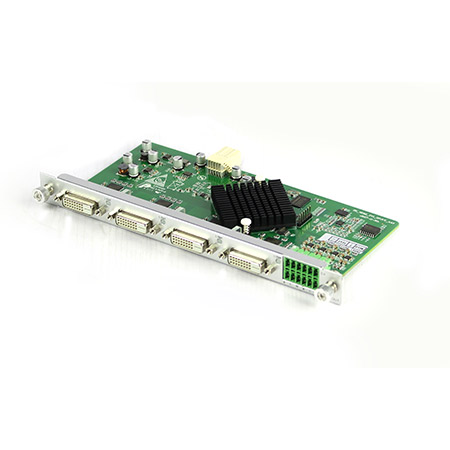 Mixing HD-DVI Output Card
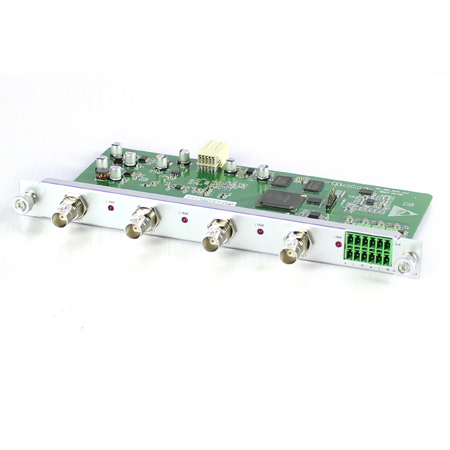 Mixing HD-SDI Output Card
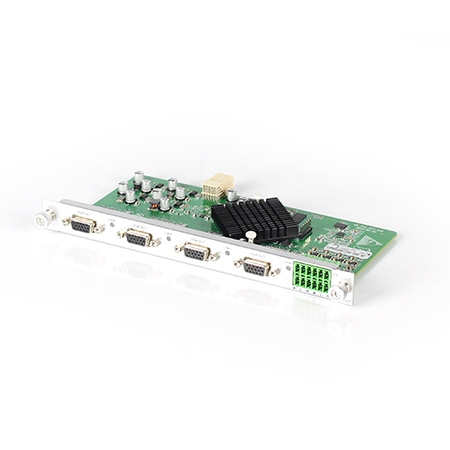 Mixing HD-VGA Output Card
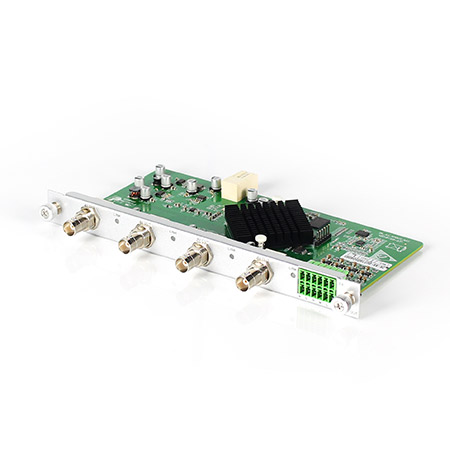 Mixing HD-AV Output Card
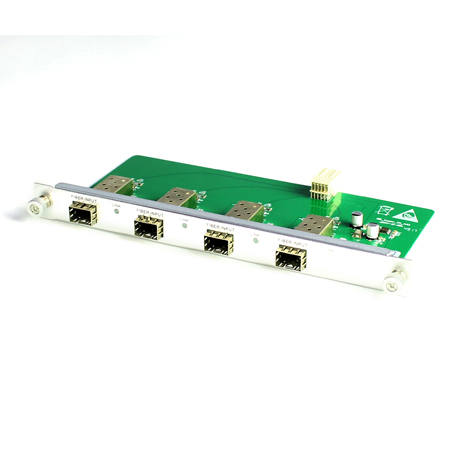 Mixing HD-Fiber Output Card
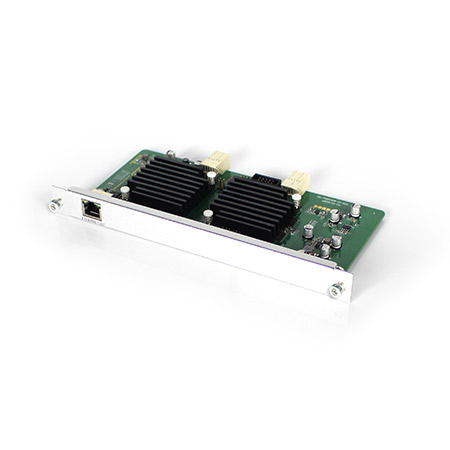 Mixing HD-IP Output Card
Mixing HD-HDMI Video Wall Control Card (2 channel)
Mixing HD-IP Output Card
Mixing HD-HDMI Video Wall Control Card (2 channel)
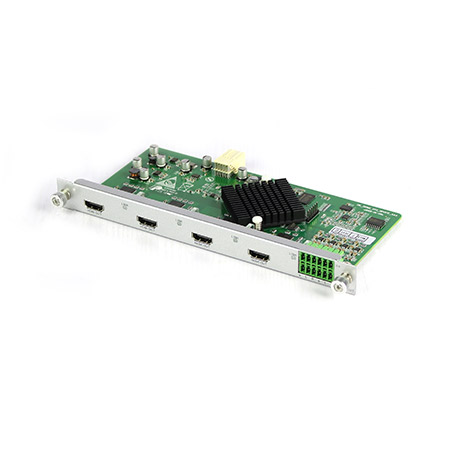 Mixing HD-HDMI Video Wall Control Card (1 channel)
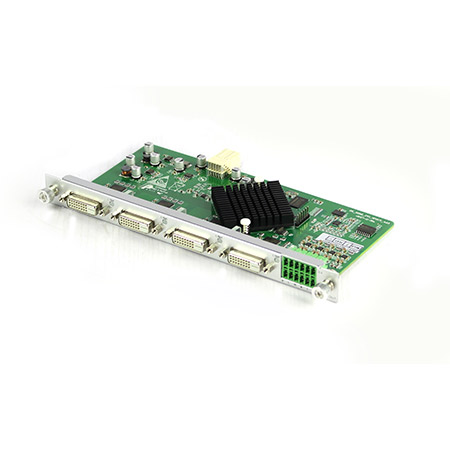 Mixing HD-DVI Video Wall Control Card (2 channel)
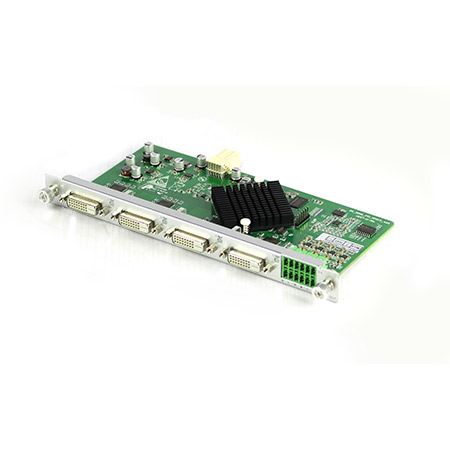 Mixing HD-DVI Video Wall Control Card (1 channel)
 Mixing UHD - HDMI Input Card
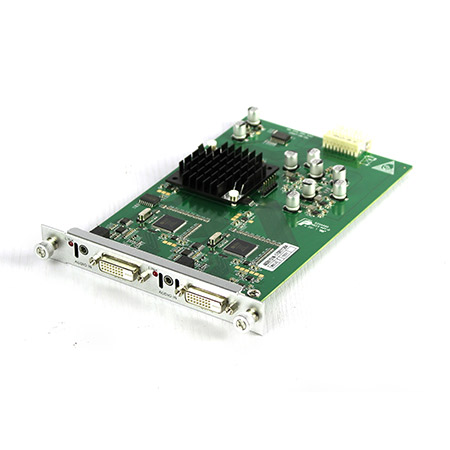 Mixing UHD - DVI Input Card
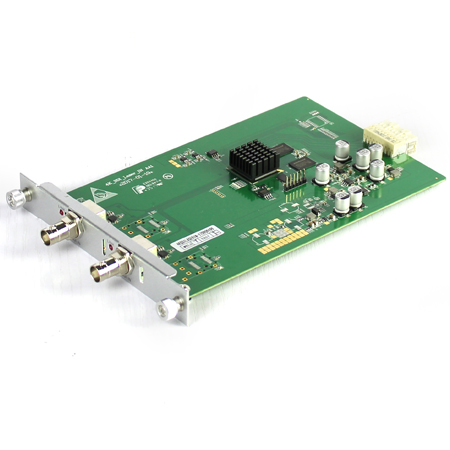 Mixing UHD - SDI Input Card
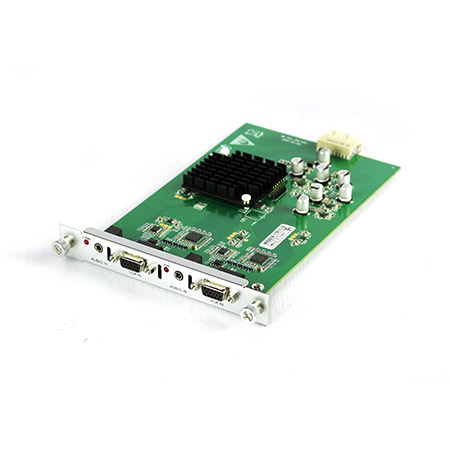 Mixing UHD - VGA Input Card
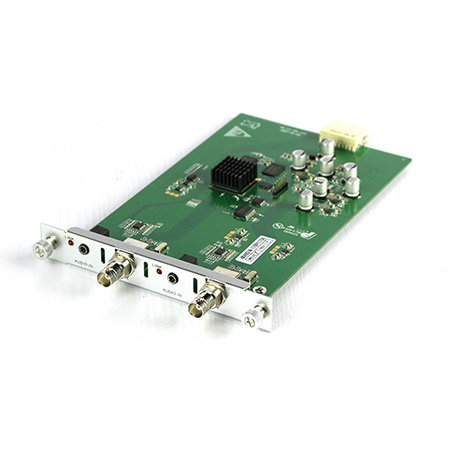 Mixing UHD - AV Input Card
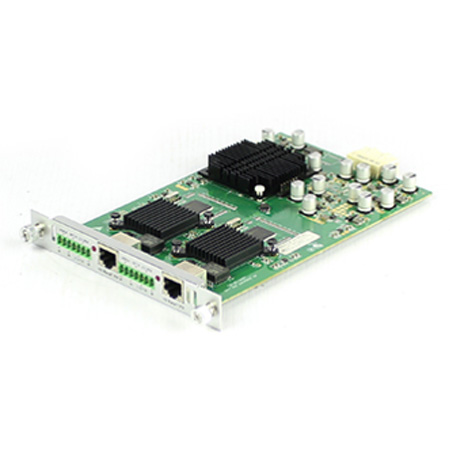 Mixing UHD - HDBT Input Card
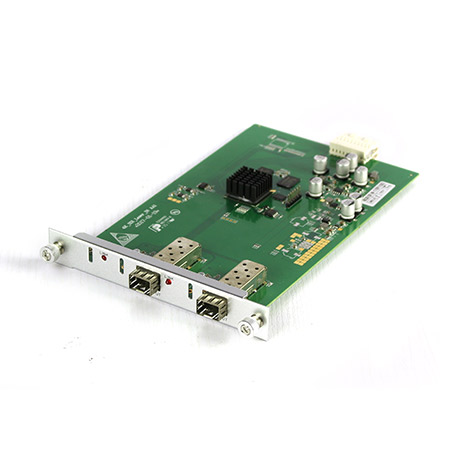 Mixing UHD - Fiber Input Card
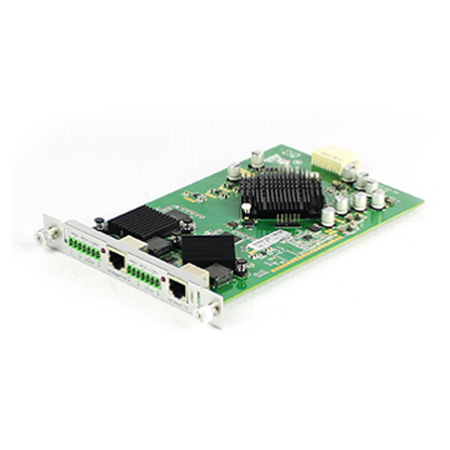 Mixing UHD - HDBT Output Card
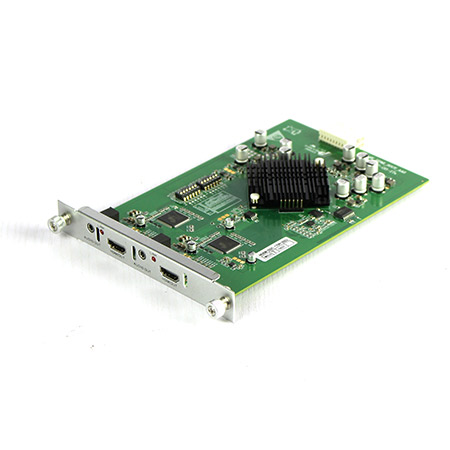 Mixing UHD - HDMI Output Card
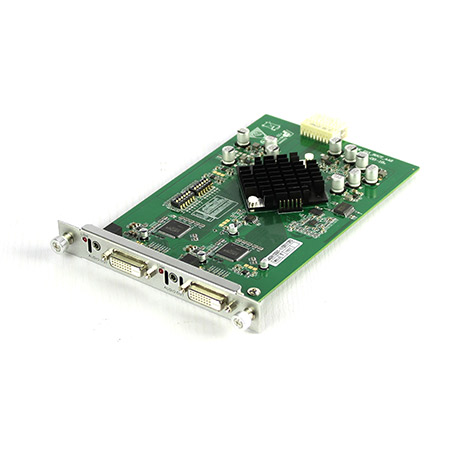 Mixing UHD - DVI Output Card
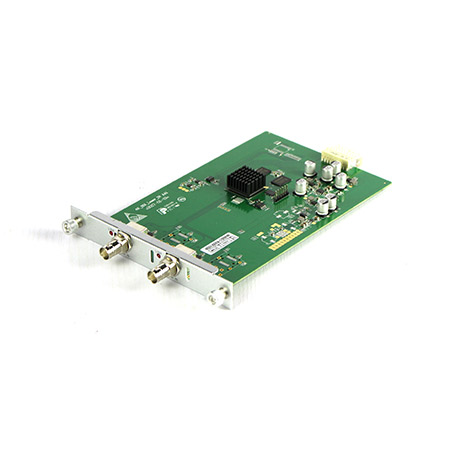 Mixing UHD - SDI Output Card
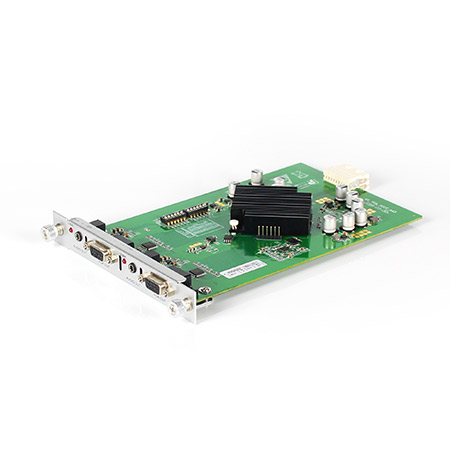 Mixing UHD - VGA Output Card
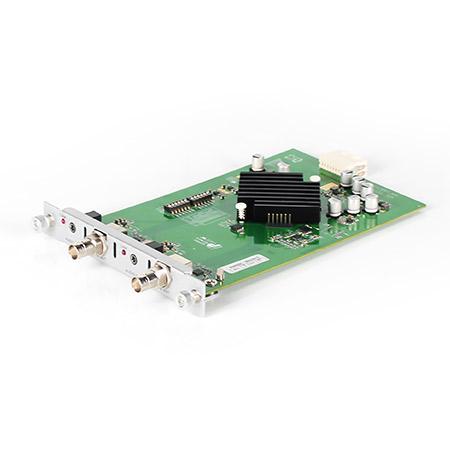 Mixing UHD - AV Output Card
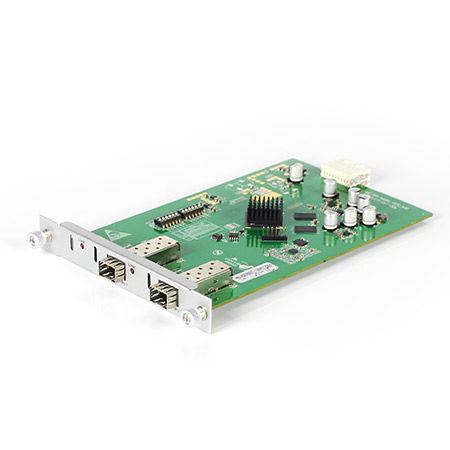 Mixing UHD - Fiber Output Card
Construction sites today operate under increasing complexity, stricter deadlines, and higher safety expectations. Stakeholders, including contractors, regulators, and development teams, require greater transparency and earlier detection of potential risks.
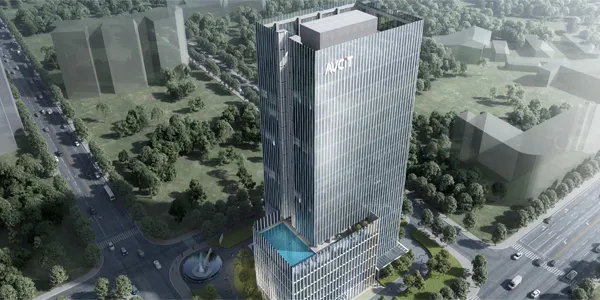
The construction of AVCiT's new headquarters reflected many of these industry-wide challenges. Due to the site's sheer scale and frequent operational changes, a more systematic approach to safety supervision was required. To address these needs, AVCiT adopted a smart-construction framework that incorporates its AI Box, an AI edge-computing solution that processes data directly on site. It was introduced to support a more structured approach to site oversight throughout the construction process.
As part of the project's distributed collaboration system, AVCiT's AI Box was integrated with other site technologies, including IoT sensors, cloud computing, and big data tools, to create a unified view of safety and operational conditions. Within this setup, each AI Box processes video streams locally to identify and handle safety-related events in real time. This structure supported efficient data flow and provided the analytical foundation for the system’s operational roles throughout the construction phase.
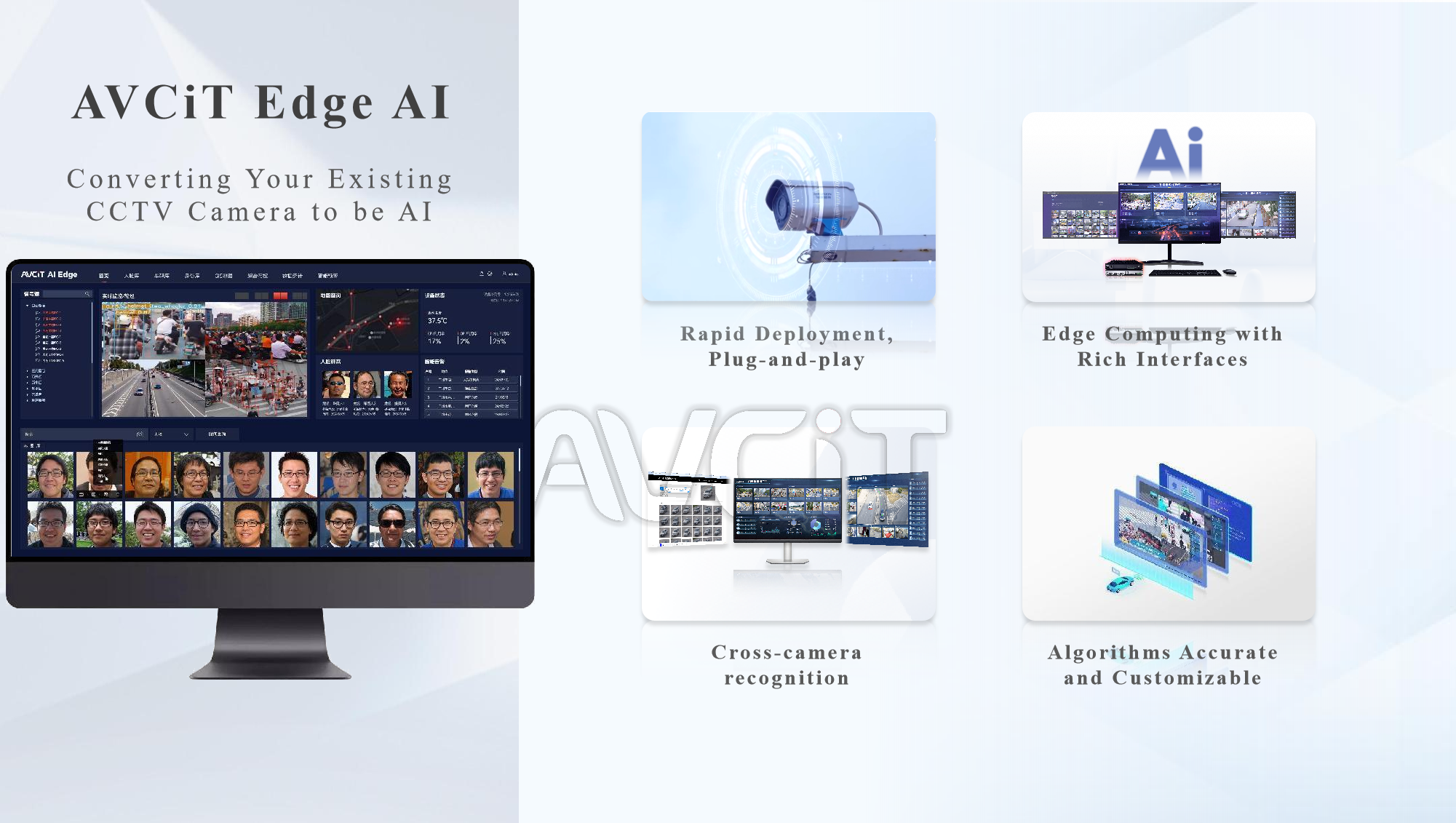
The AI Box supported several core functions during the construction phase, helping maintain consistent monitoring and daily oversight across the site.
AVCiT's AI Box device provides continuous, automated video analysis using a broad range of specialized algorithms. Together, these models provided detailed insight into daily activity and supported identification of potential safety risks.
*Personnel Management and Unsafe Behaviors
Algorithms monitored key aspects of worker safety and behavior, including helmet and reflective vest compliance, smoking in restricted areas and mobile phone use in hazardous zones. Additional models supported personnel counting and attendance tracking.
*Vehicle and Machinery Management
AI Box identified various types of construction vehicles, monitored truck-bed status such as uncovered or empty cargo beds, and tracked the movement of vehicles throughout the site. It also supported license plate recognition and inspection checks for large construction vehicles entering or exiting the area.
*Environmental and Material Monitoring
Environmental algorithms detected exposed soil piles, monitored materials placed around the site, and identified excessive dust generation, providing early awareness of conditions that could affect safety or regulatory compliance.
*Safety and Hazard Prevention
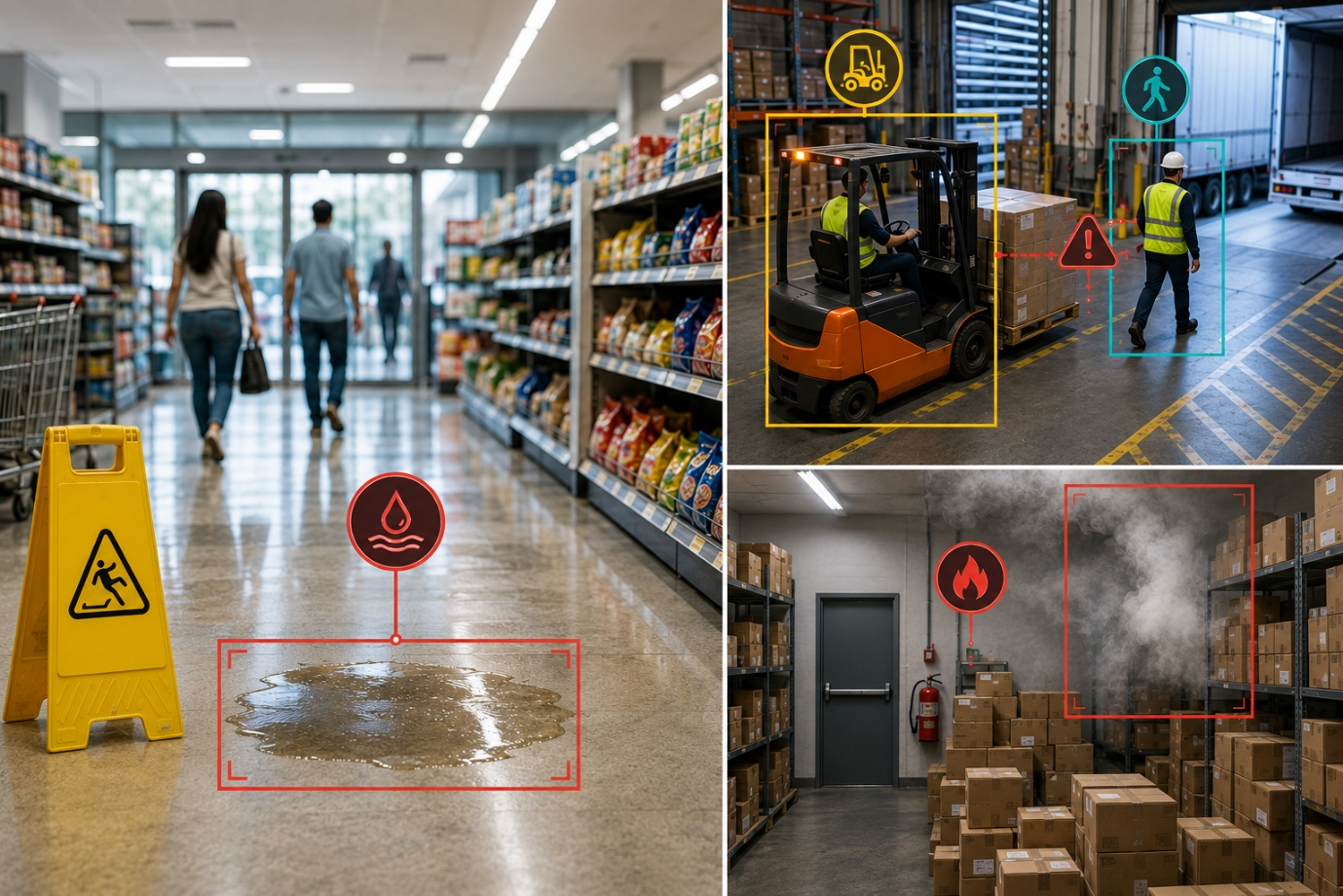
The system provided early detection of fire or smoke, liquid leaks from machinery or pipelines, and unauthorized intrusion into hazardous or restricted zones. These capabilities supported quicker awareness of safety hazards and strengthened overall site protection.
*Specialized Equipment Monitoring
For equipment such as tower cranes and cargo elevators, algorithms monitored parameters including amplitude, lifting height, rotation angle, door status, load conditions, and the presence of people or obstacles. These models supported safer operation of high-risk machinery.
With analysis performed directly at the edge, the AI Box identified unsafe behaviors and hazardous conditions the moment they occurred and automatically pushed alerts to supervisors through AVCiT’s distributed platform.
As construction progressed, additional monitoring points were required. AI Box could be installed with minimal setup, allowing the network to scale easily alongside project milestones. This kept the system adaptable and made it simple to extend coverage as new structures, access points, or temporary work areas were introduced.
The distributed architecture of the AI Box reduced dependency on a single processing point. Video analysis occurred locally on each node, and the system continued functioning even if individual devices experienced temporary downtime. This helped maintain stability during busy periods, network disruptions, or changes to the site layout.
AVCiT's AI Box operated alongside other digital systems on the construction site, allowing data from multiple sources to be combined and reviewed together. Its IP-based design made it flexible and easy to integrate, and the consolidated information supported supervision and safety management across different phases of the project.
Collectively, these functions ensured reliable and effective monitoring across all stages of construction and directly contributed to the results observed by the end of the project.
The use of AI Box enabled more consistent and precise detection of safety-related behaviors and vehicle activity. Automated classification reduced the variability associated with manual observation, resulting in a clearer understanding of the site's conditions. This improved accuracy supported more reliable incident identification and contributed to a more stable safety-management process.
Real-time analysis at the edge allowed supervisors to receive alerts immediately when unsafe actions or hazardous conditions were detected. Earlier notifications supported quicker intervention and reduced the likelihood that minor issues would develop into more significant events. This benefit was observed across multiple stages of the construction timeline, particularly during periods of high activity.
By reducing the need for routine manual checks, the system allowed personnel to focus on higher-value tasks. Automated monitoring also supported more efficient allocation of supervisory resources as the site expanded. The decreased dependence on manual supervision contributed to smoother day-to-day operations and helped maintain better oversight during peak work periods.
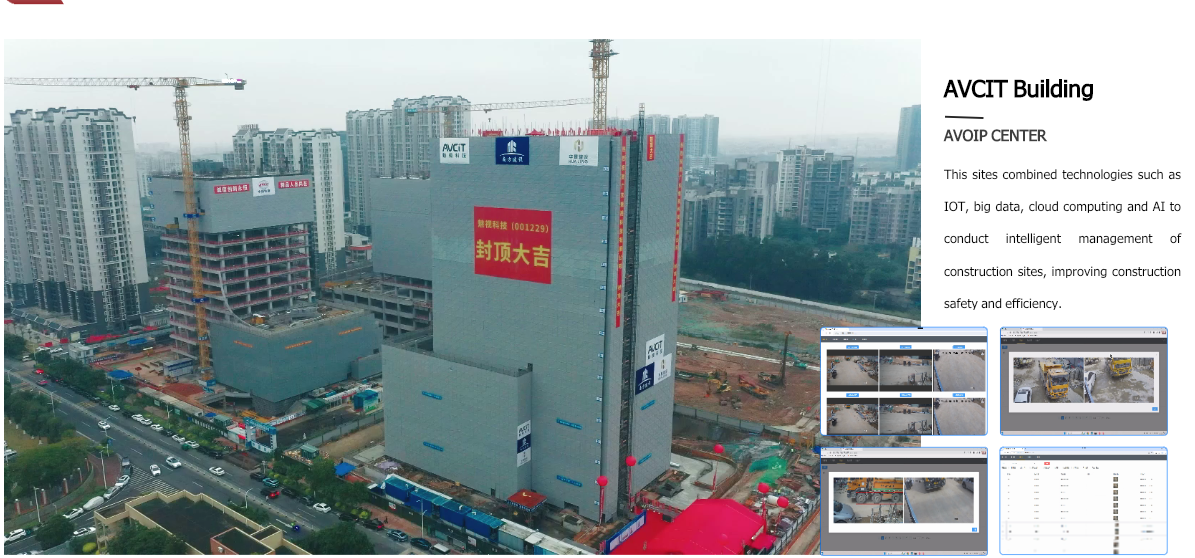
As construction environments continue to evolve and adopt more digital technologies, edge-based AI systems offer a practical way to enhance visibility, support quicker on-site decision-making, and maintain stable operations across complex project phases.
The deployment of AI Box during the construction of AVCiT's new headquarters demonstrated the value of distributed AI edge computing in supporting real-time safety oversight and operational coordination. The system provided consistent monitoring across a large and frequently changing site, improved the speed and precision of hazard detection, and helped streamline routine supervisory tasks.
Discover how edge-based intelligence can improve visibility, responsiveness, and safety performance on complex worksites. Reach out to AVCiT to explore how our AI Edge Computing platform can assist your operations.
· Email: inquiry@avcit.com
· Phone: +86-20-8930-1184
· LinkedIn: AVCiT Technology
· YouTube: www.youtube.com/@avcittechnology