

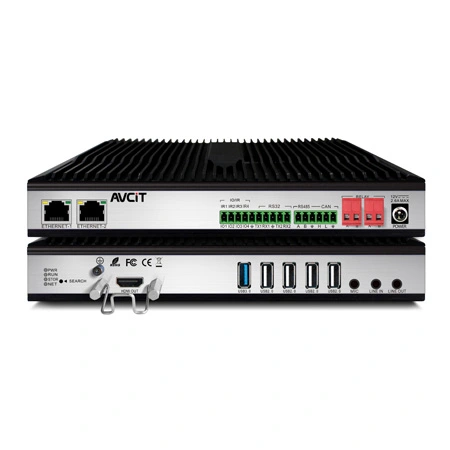
 AIVC-16CH AI BOX
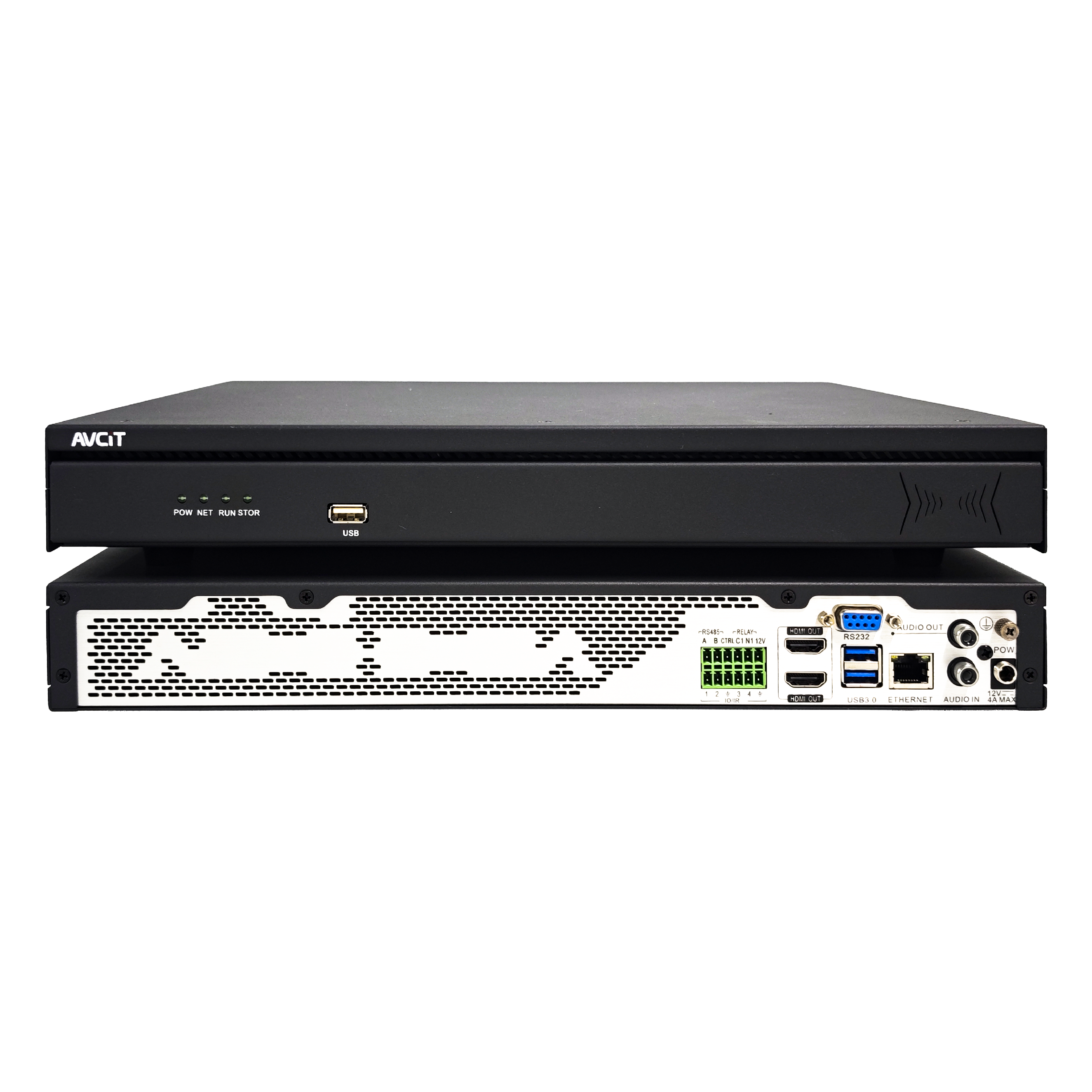 32CH CSN AI NVR
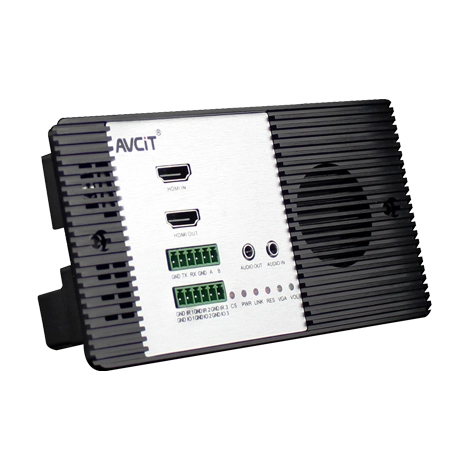
 2K HDMI Video Codec
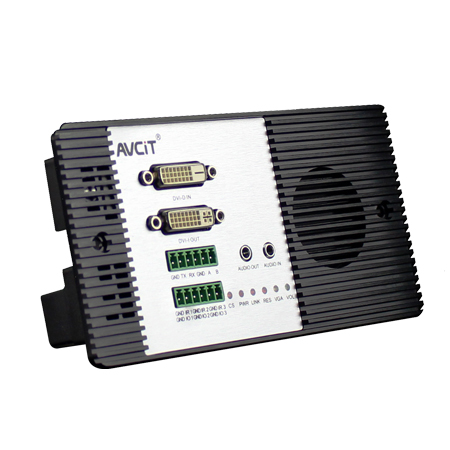
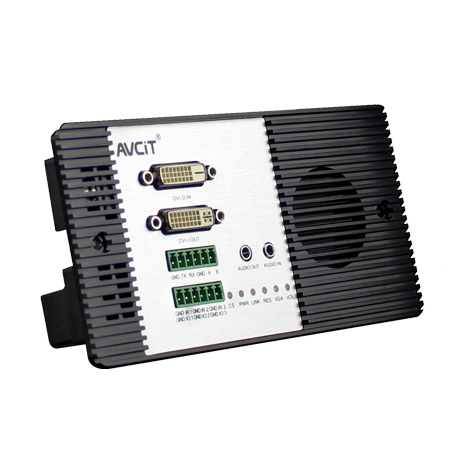 2K DVI Video Codec
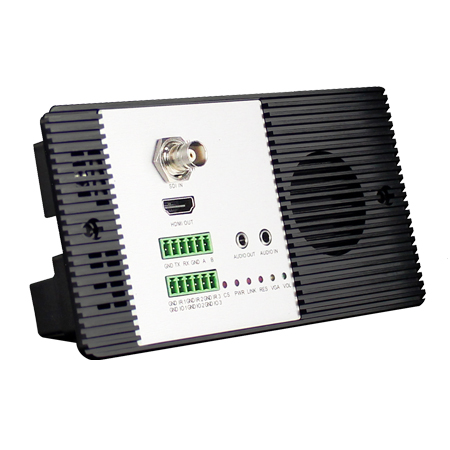 2K SDI Video Codec
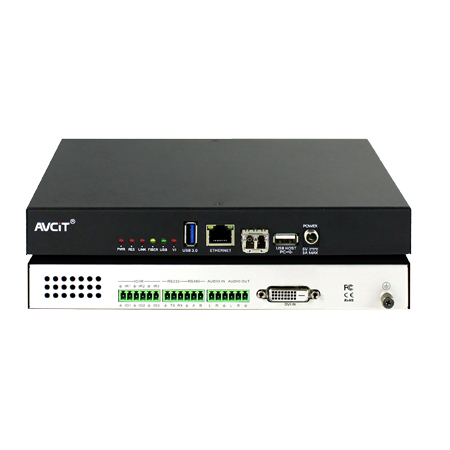 2K HDMI Video Encoder
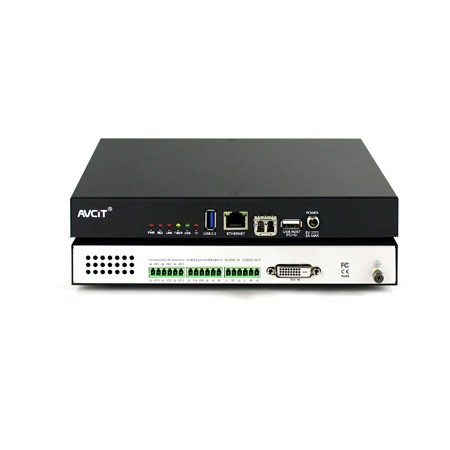 2K DVI Video Encoder
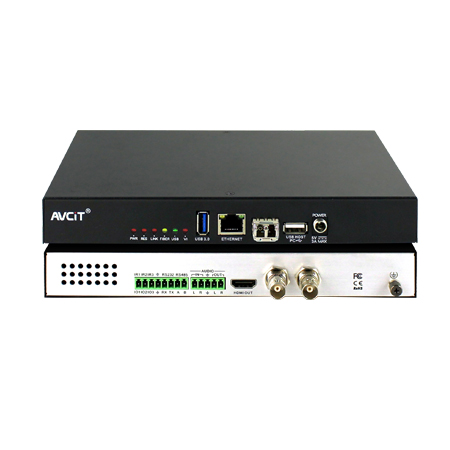 2K SDI Video Encoder
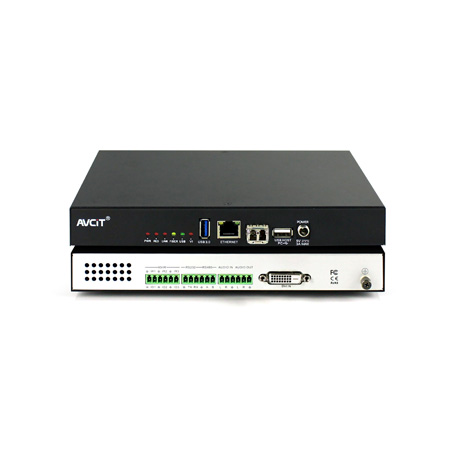 2K VGA Video Encoder
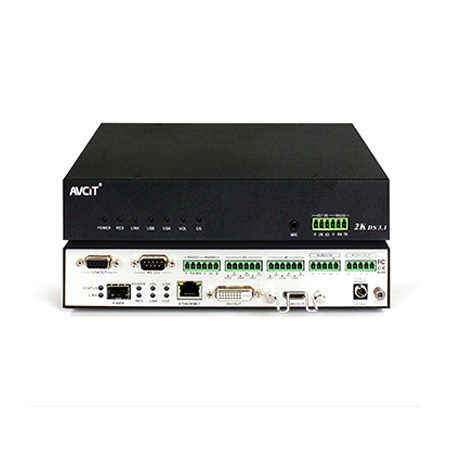 2K Video Wall Decoder (HDMI+DVI)
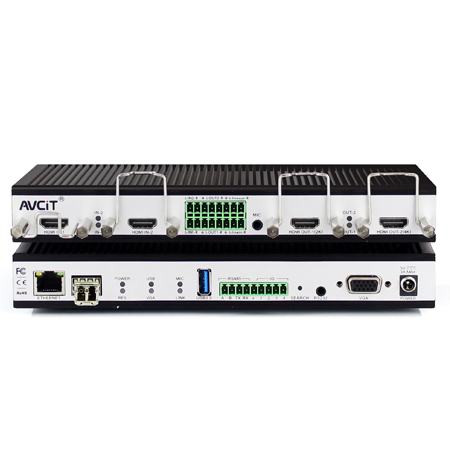 4K HDMI Video Encoder
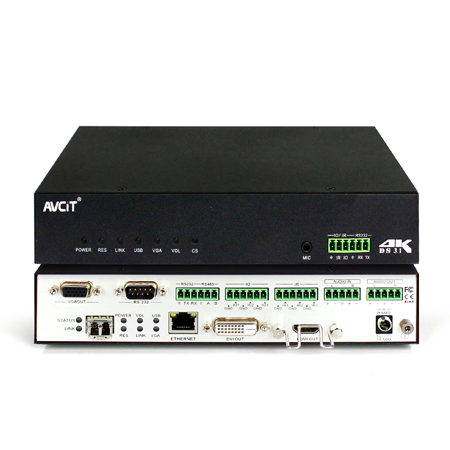 4K HDMI Video Decoder
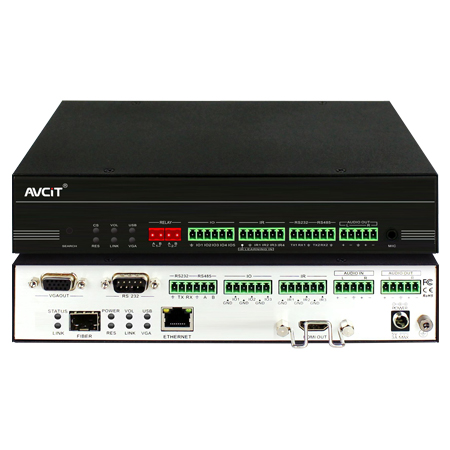 4K HDMI Video Wall Decoder
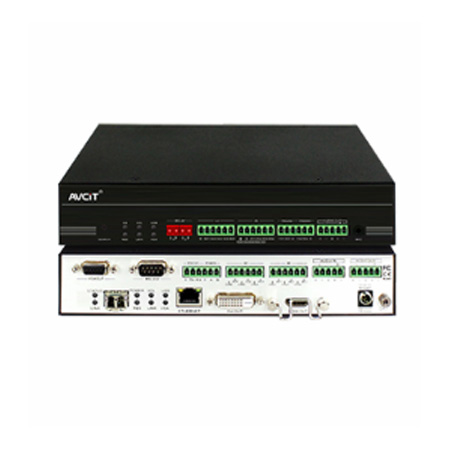 4K HDMI + DVI Video Wall Decoder
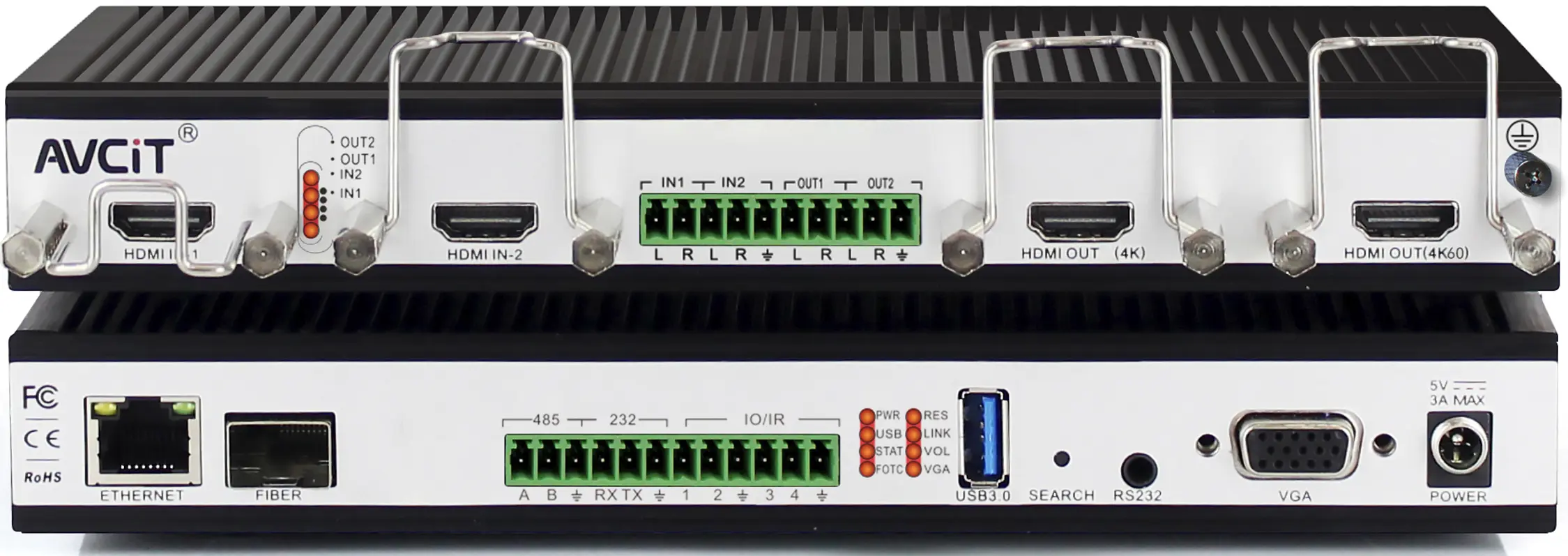 4K HDMI Dual Channel Codec
 8K HDMI Decoder
 2K KVM Encoder - HDMI
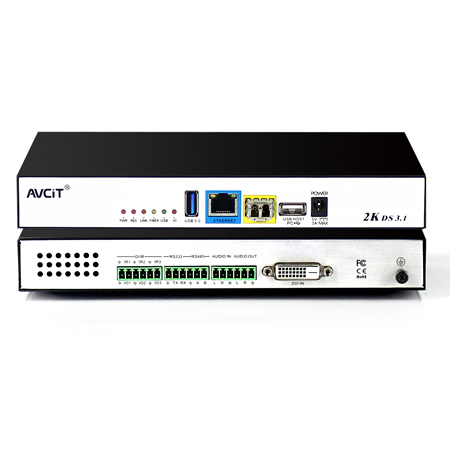 2K KVM Encoder - DVI
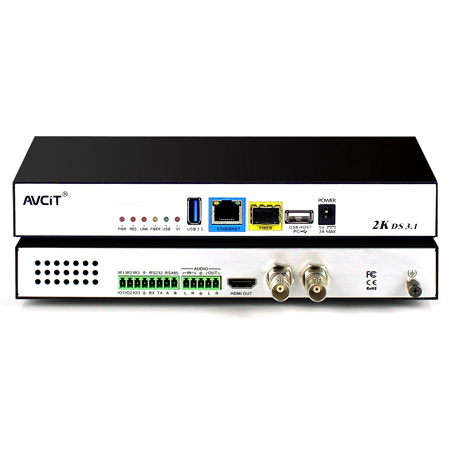 2K KVM Encoder - SDI
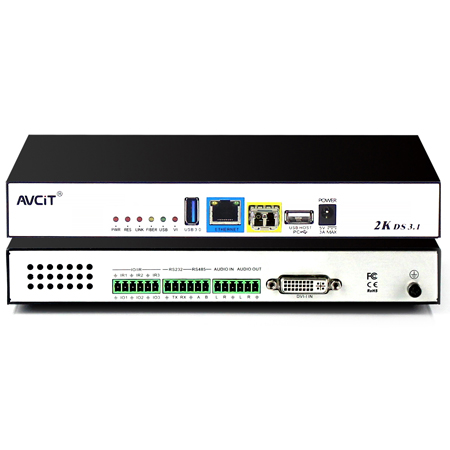 2K KVM Encoder - DVI-I(VGA)
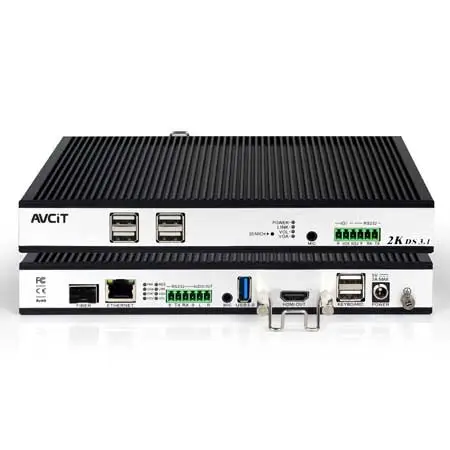 2K KVM Decoder - HDMI
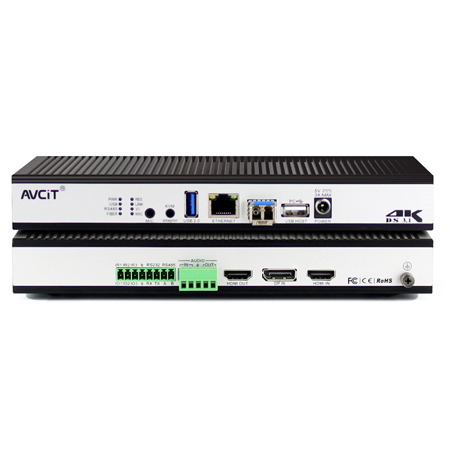 4K KVM Encoder - HDMI + DP
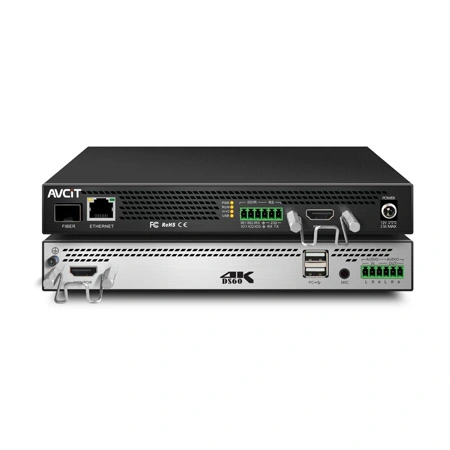 4K@60 KVM Encoder - HDMI
 4K KVM Encoder - HDMI + HDMI
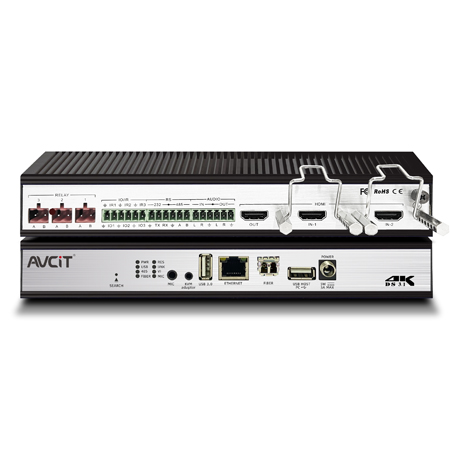 4K KVM Encoder - HDMI
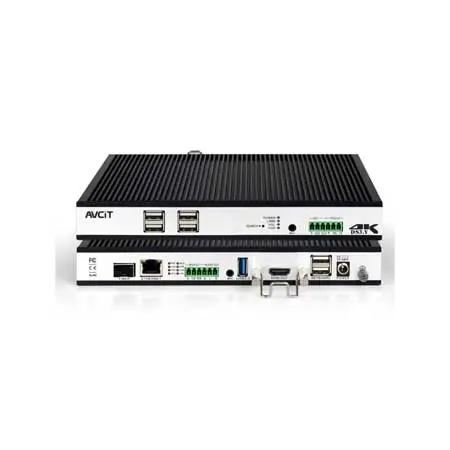 4K KVM Decoder - HDMI
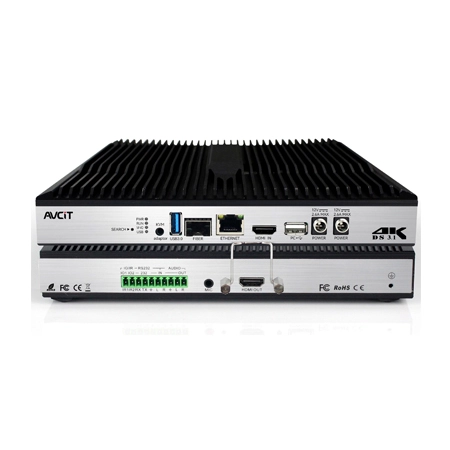 4K60 4:4:4 KVM Encoder - HDMI
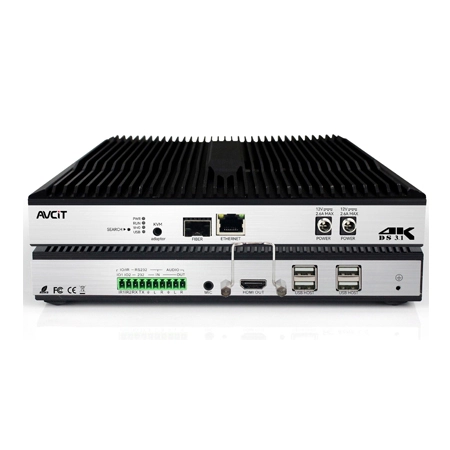 4K60 4:4:4 KVM Decoder-HDMI
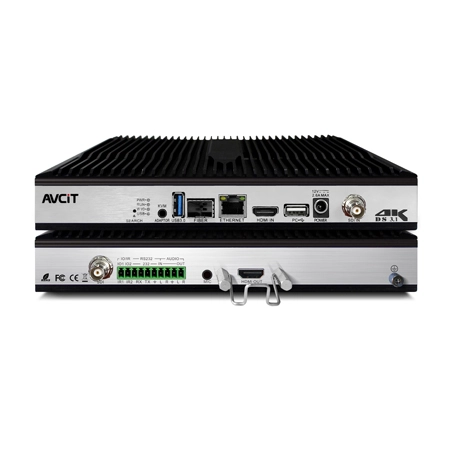 4K60 4:4:4 KVM Encoder - HDMI + SDI
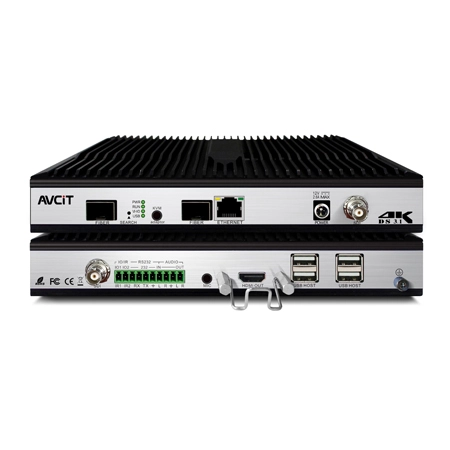 4K60 4:4:4 KVM Decoder - HDMI + SDI
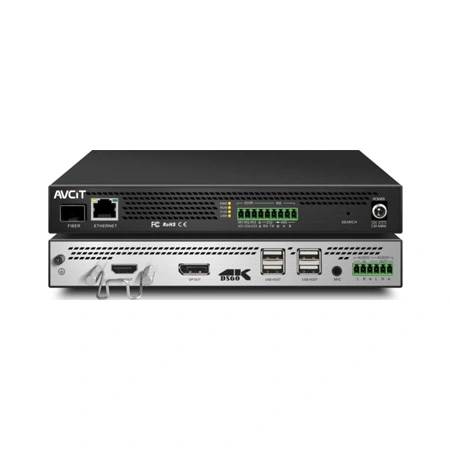 5K KVM Decoder - HDMI +DP
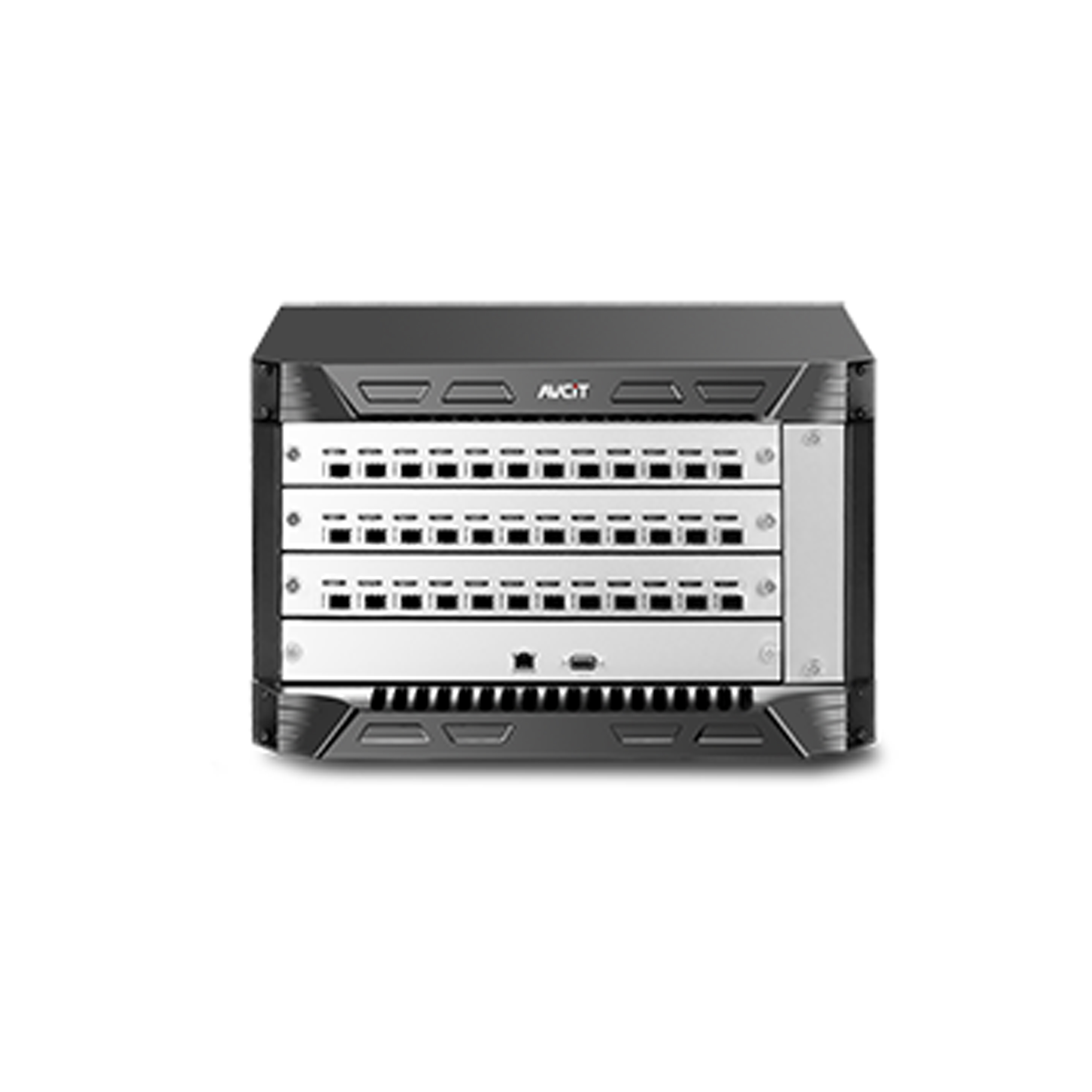 Phinx-36 Ports Fiber KVM Matrix
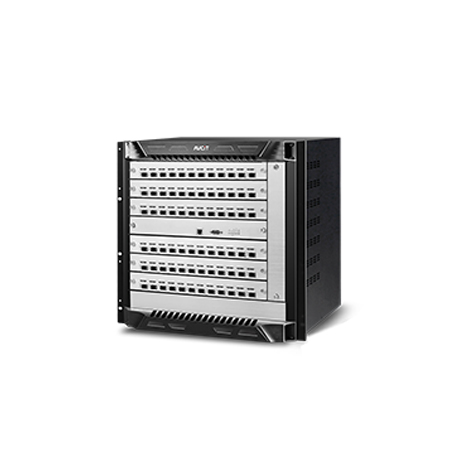 Phinx-72 Ports Fiber KVM Matrix
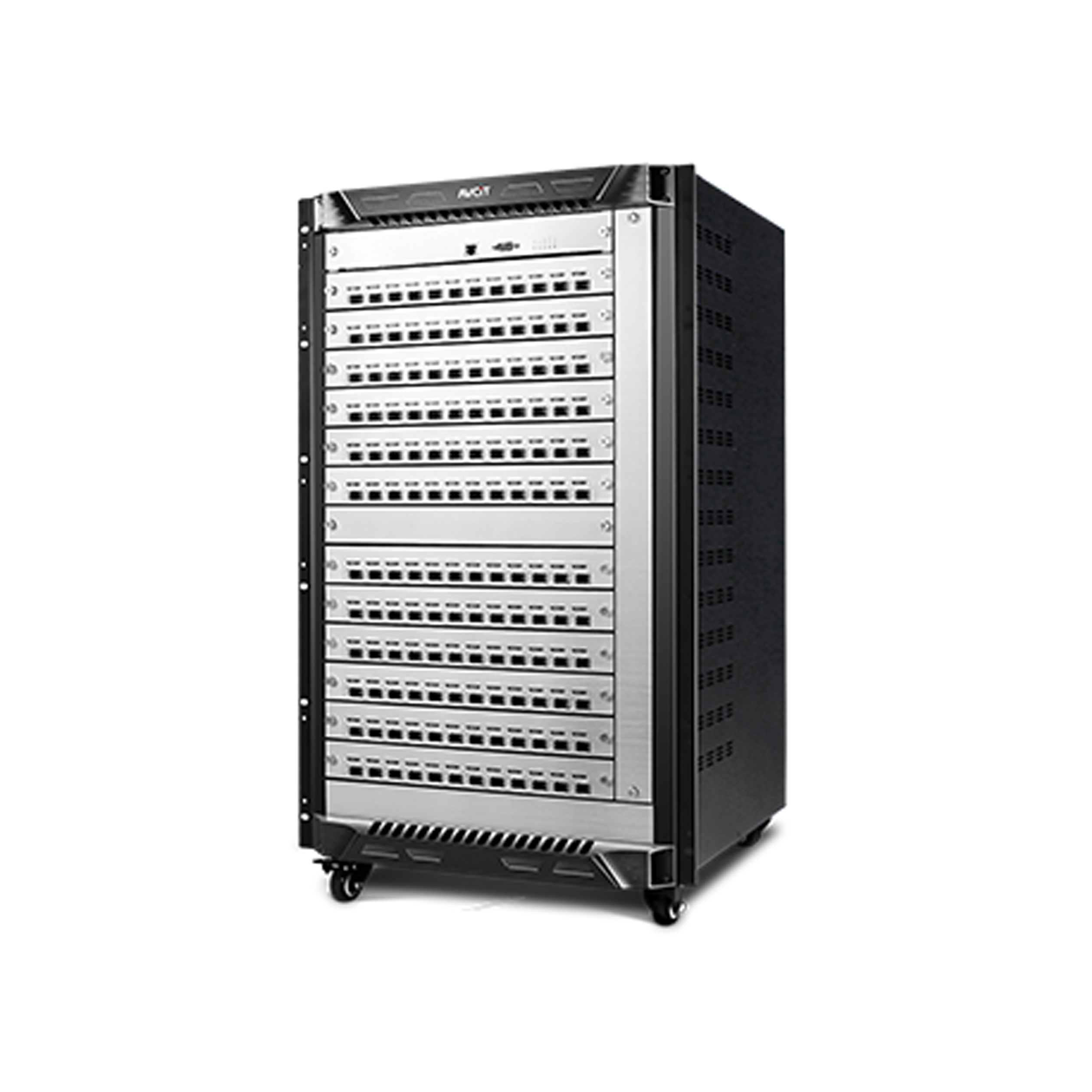 Phinx-144 Ports Fiber KVM Matrix
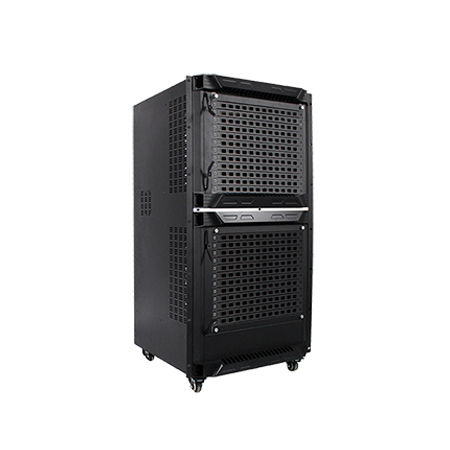 Phinx-288 Ports Fiber KVM Matrix
 Phinx-576 Ports Fiber KVM Matrix
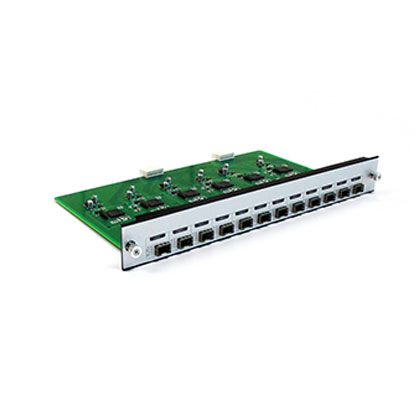 Phinx - I/O SFP Module Card
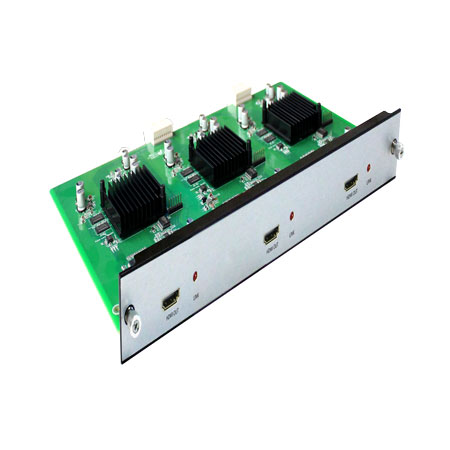 Phinx - Video Wall Control Card
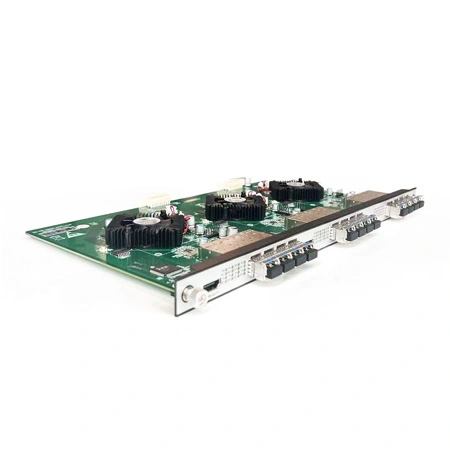 Phinx- Video Wall & SFP Card
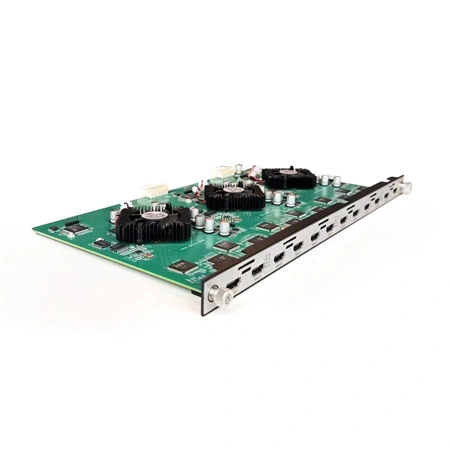 Phinx- Video Card(6IN6OUT)
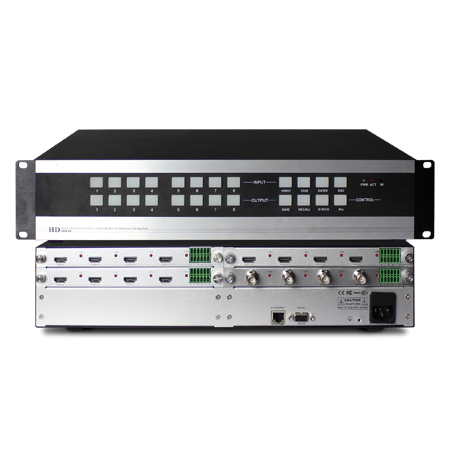 2K Video Wall Matrix - 8x8
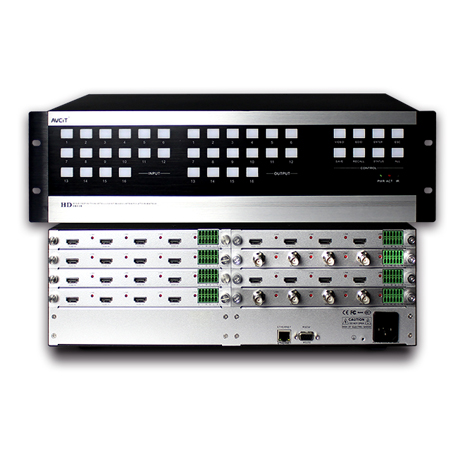 2K Video Wall Matrix - 16x16
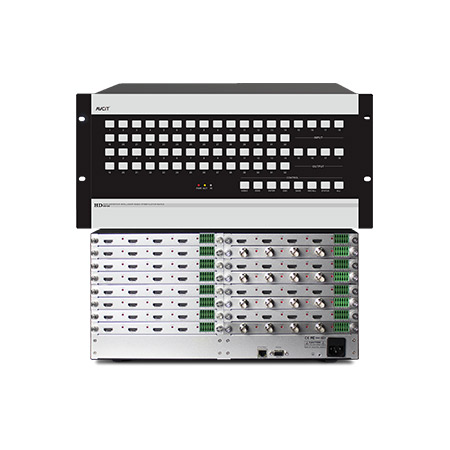 2K Video Wall Matrix - 32x32
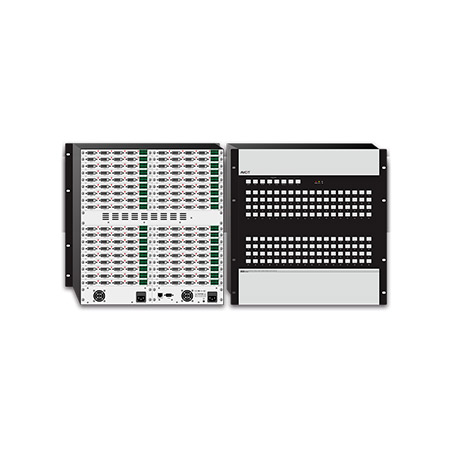 2K Video Wall Matrix - 72x72
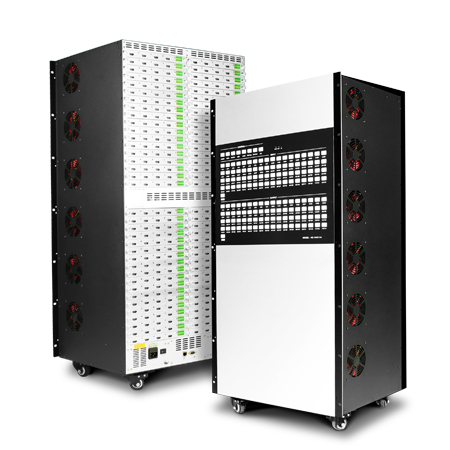 2K Video Wall Matrix - 144x144
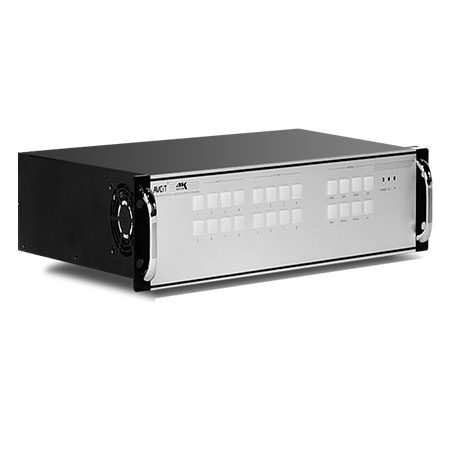 4K Video Matrix Switcher - 8x8
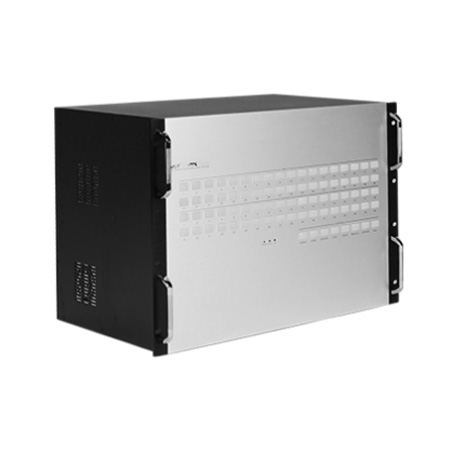 4K Video Matrix Switcher - 36x36
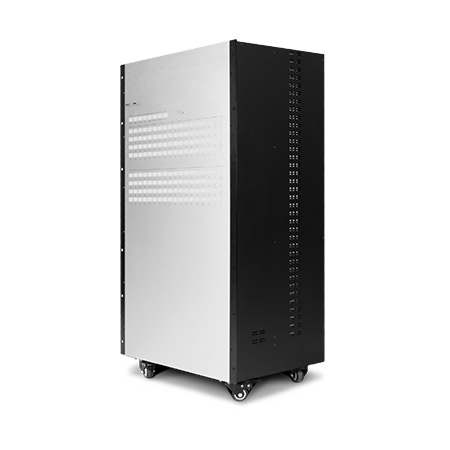 4K Video Matrix Switcher - 72x72
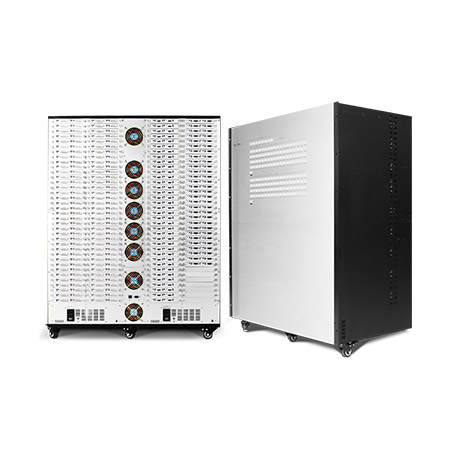 4K Video Matrix Switcher - 144x144
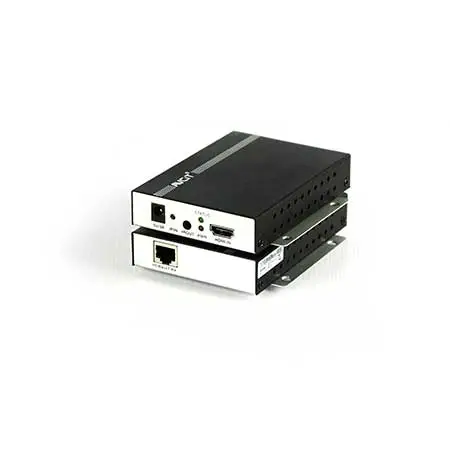 Mixing UHD - 4K HDBT Extender
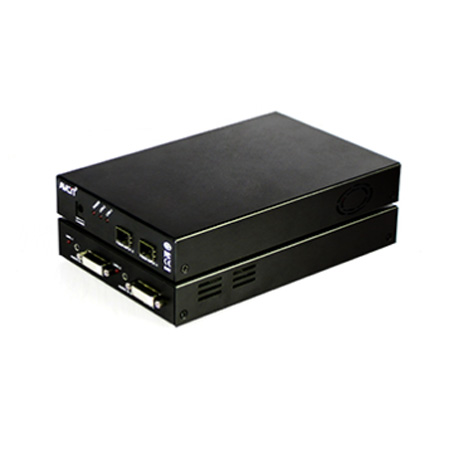 Mixing UHD - 4K Fiber Extender
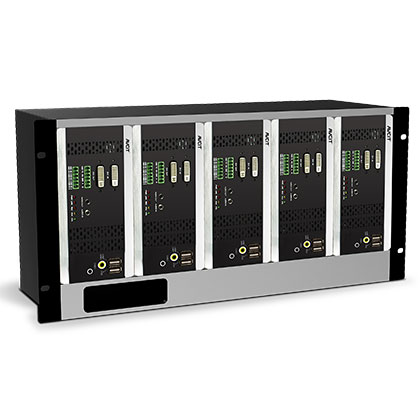 Rack Mounting Kit
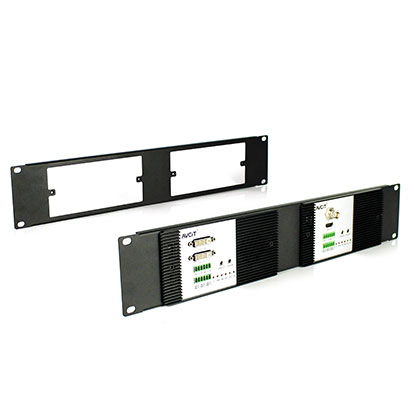 Wall Mounting Kit










 EN
EN
 es
es  th
th
Blog
Join us
FAQs

 4K KVM Transmitter-HDMI
 4K KVM Transmitter-HDMI+HDMI LOOP
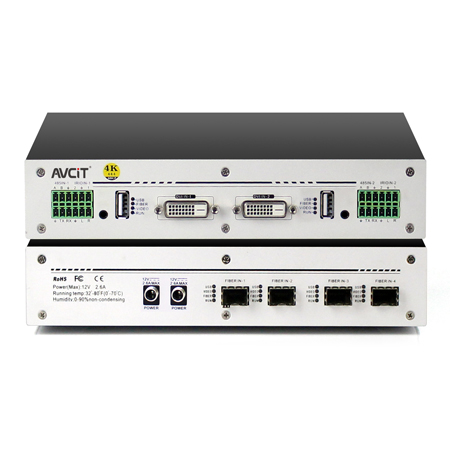 4K KVM Transmitter-DVI
 4K KVM Transmitter-DVI+DVI LOOP
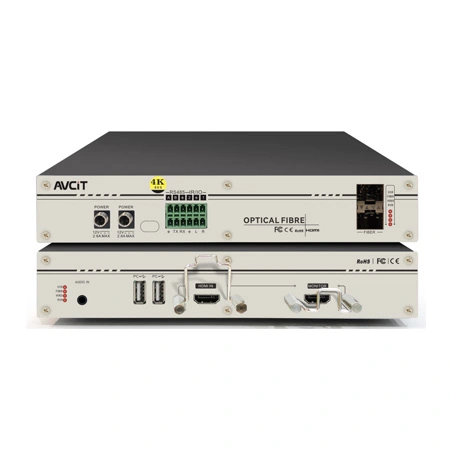 4K60 KVM Transmitter - HDMI
 2K KVM Transmitter-VGA
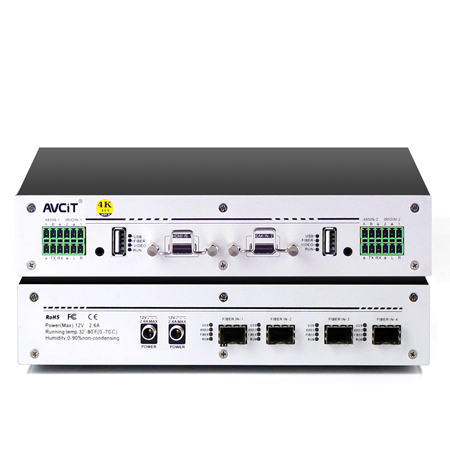 4K KVM Receiver-HDMI
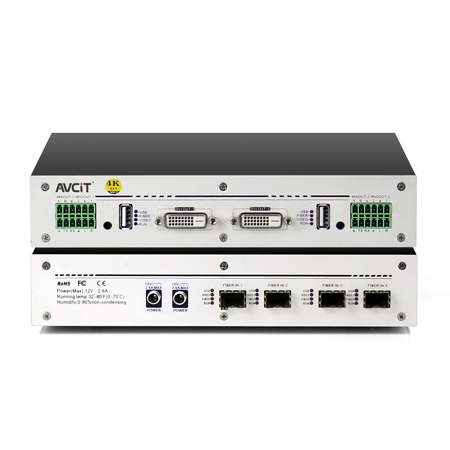 4K KVM Receiver-DVI
 Quad-view KVM Receiver-HDMI
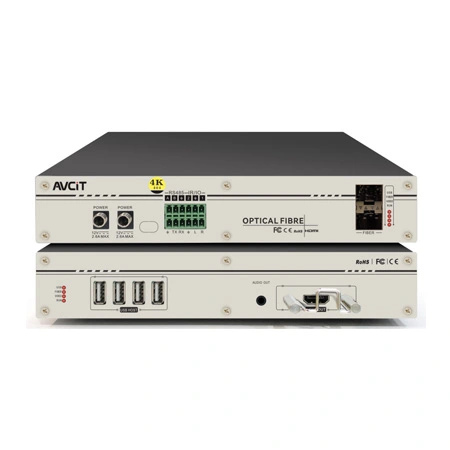 4K60 KVM Receiver - HDMI
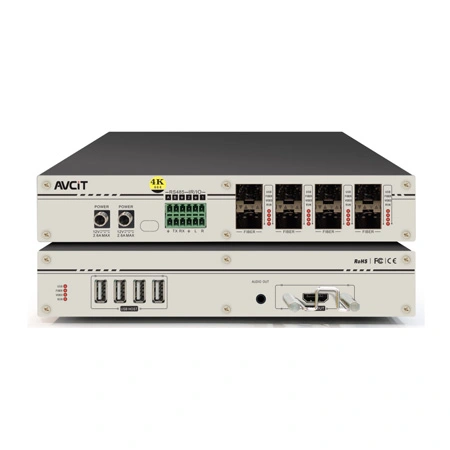 4K60 Quad-view KVM Receiver
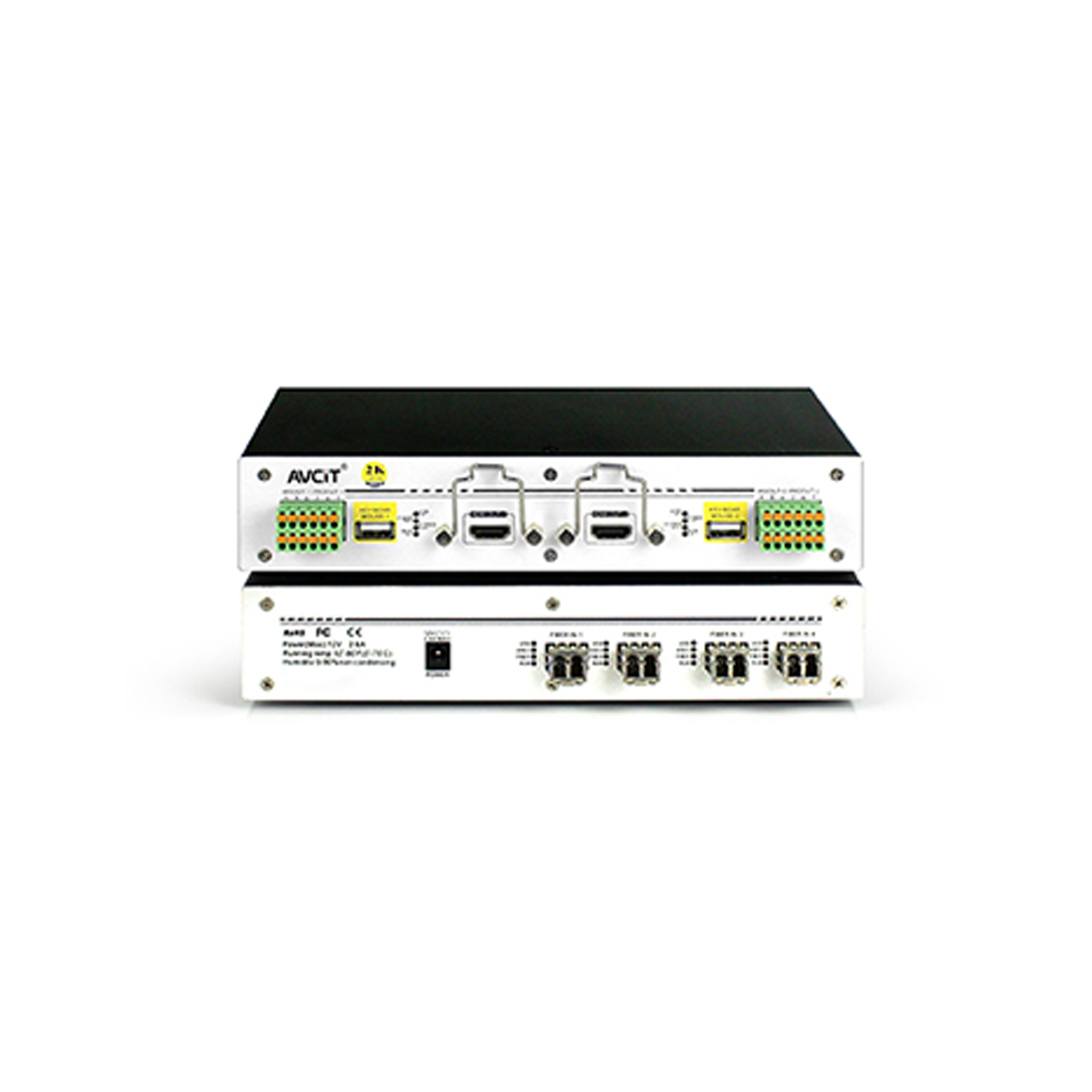 2K KVM Receiver-HDMI
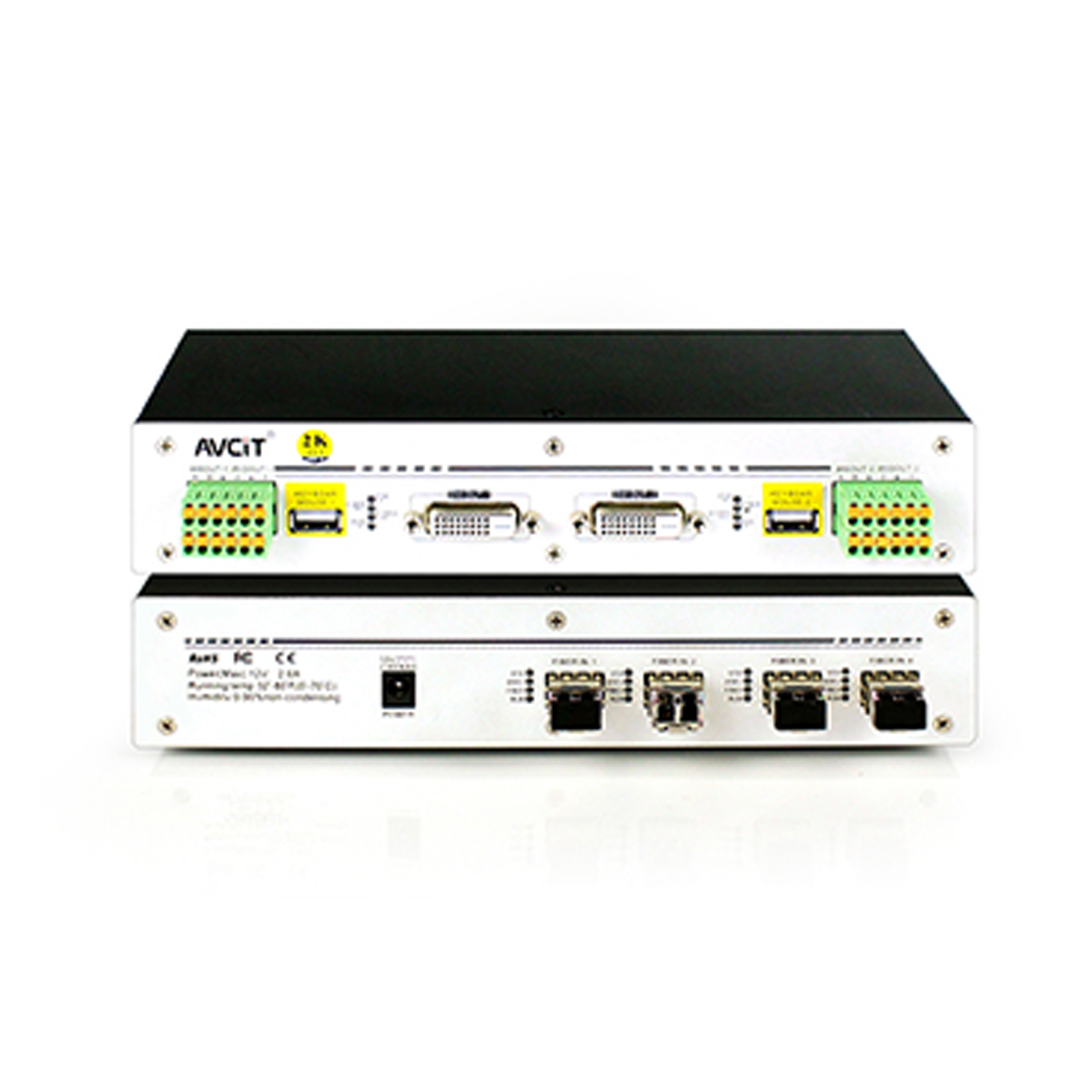 2K KVM Receiver-DVI
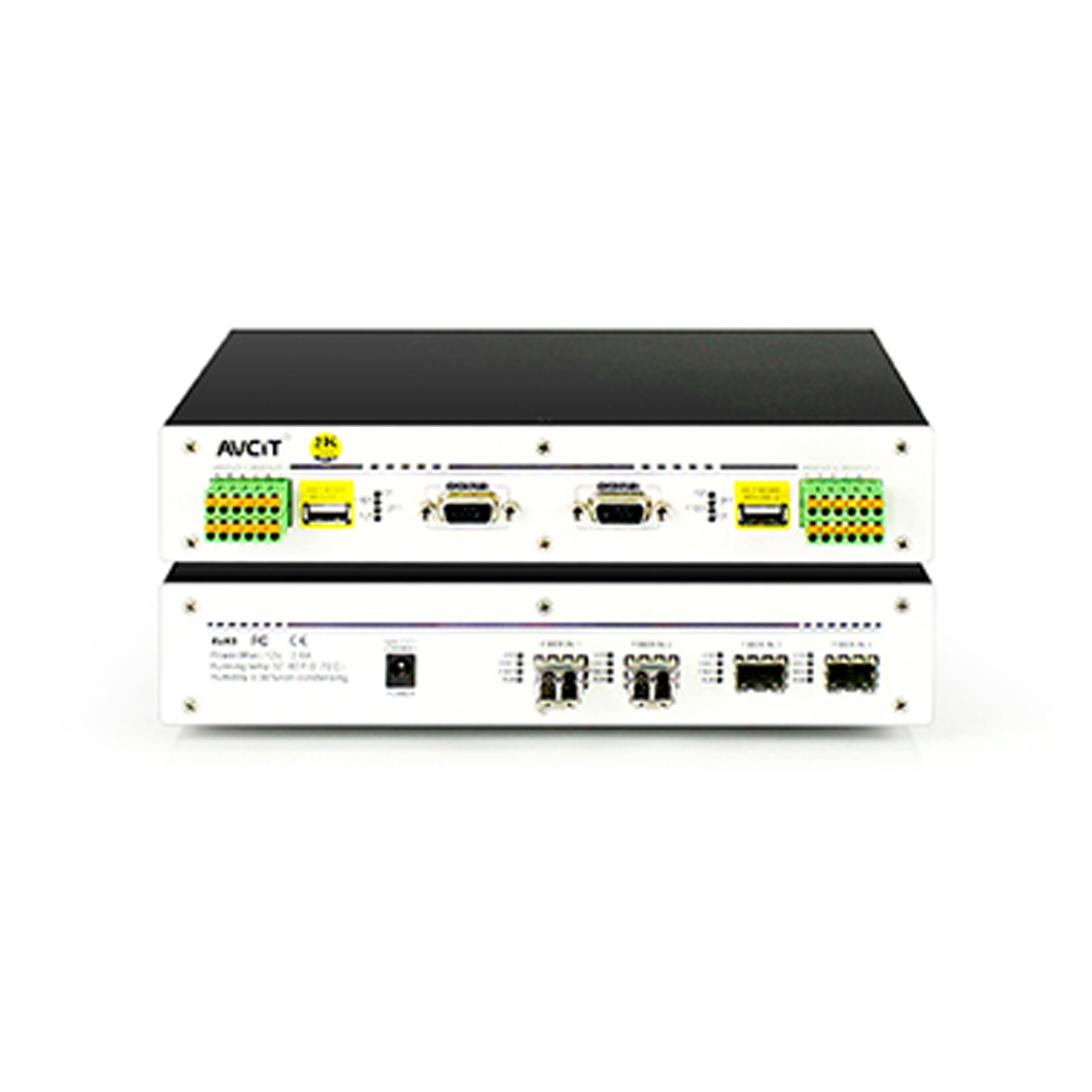 2K KVM Receiver-VGA
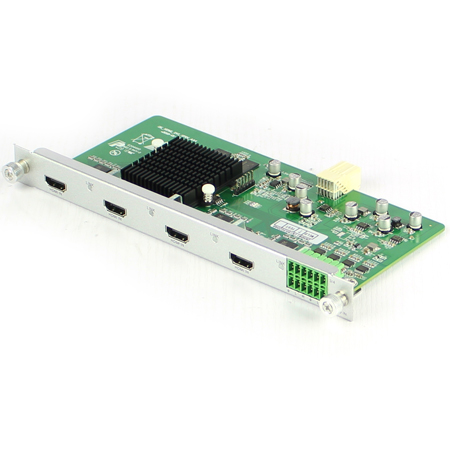 Mixing HD-2K HDMI Input Card
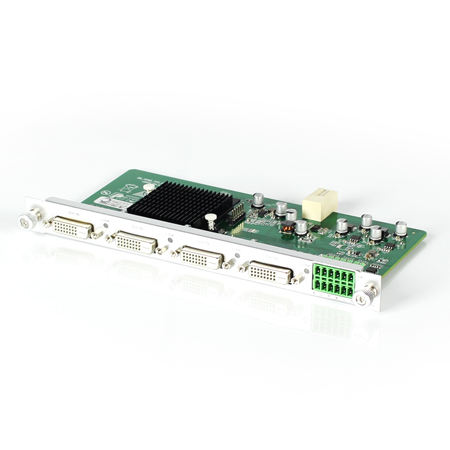 Mixing HD-2K DVI Input Card
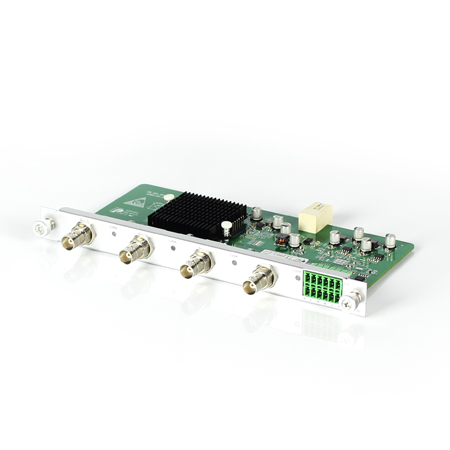 Mixing HD-2K SDI Input Card
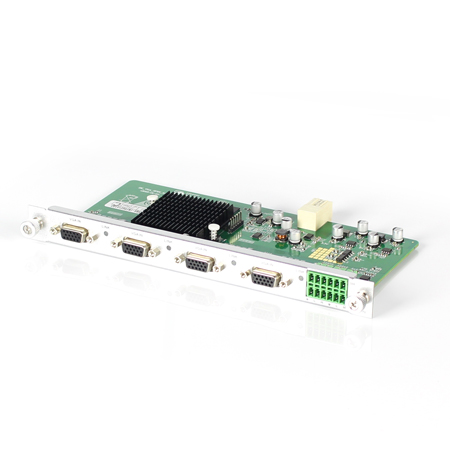 Mixing HD-2K VGA Input Card
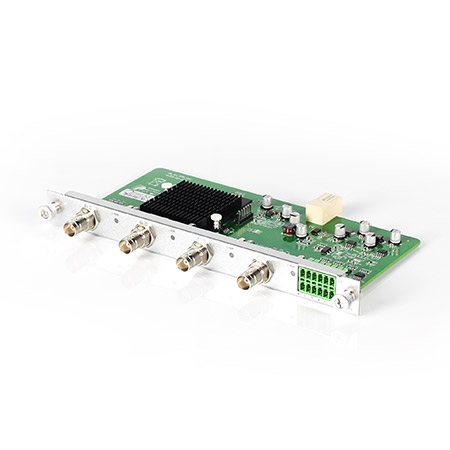 Mixing HD-2K AV Input Card
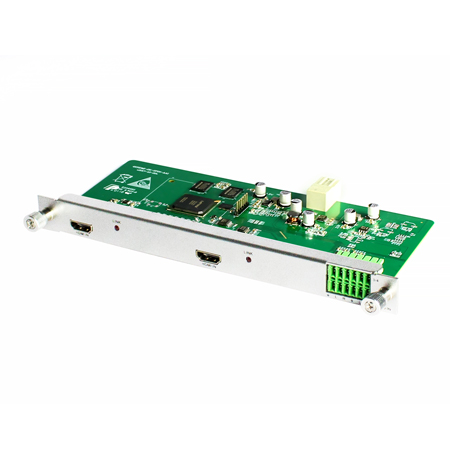 Mixing HD-HDMI UHD Input Card
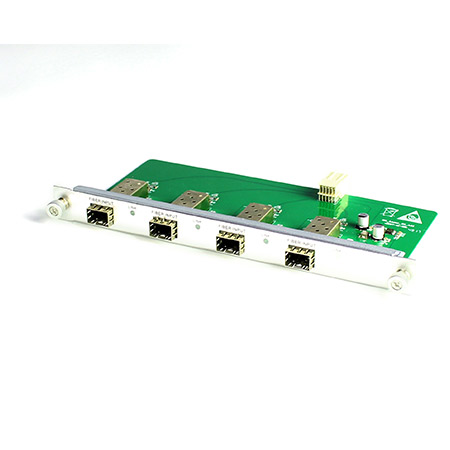 Mixing HD-Fiber Input Card
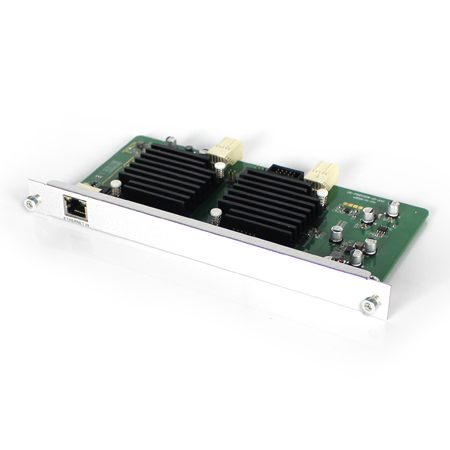 Mixing HD-IP Input Card
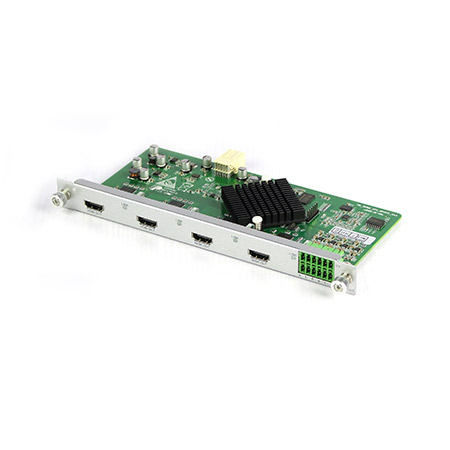 Mixing HD-HDMI Output Card
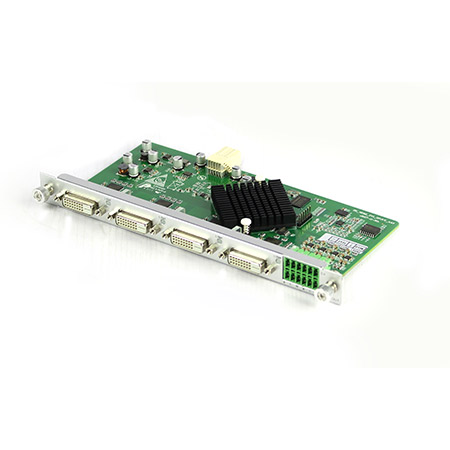 Mixing HD-DVI Output Card
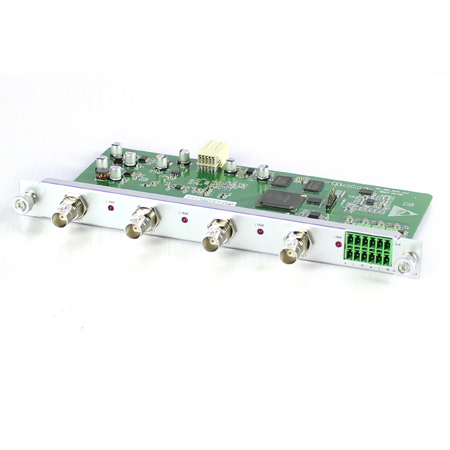 Mixing HD-SDI Output Card
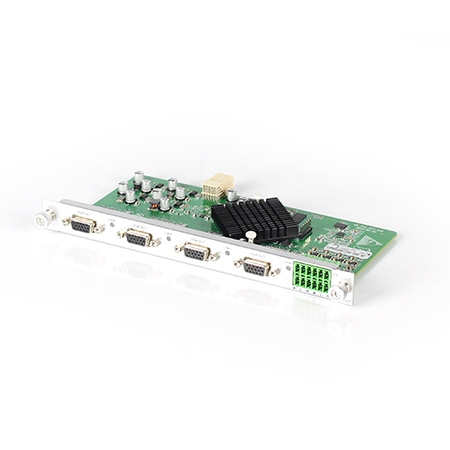 Mixing HD-VGA Output Card
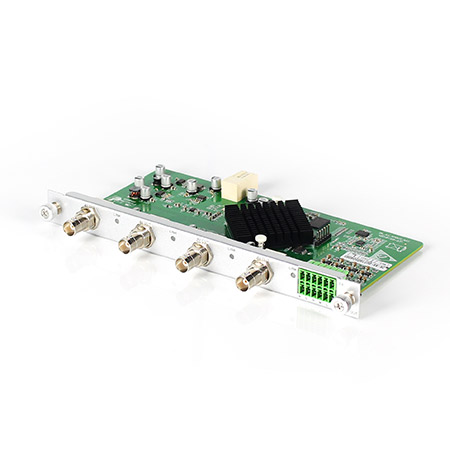 Mixing HD-AV Output Card
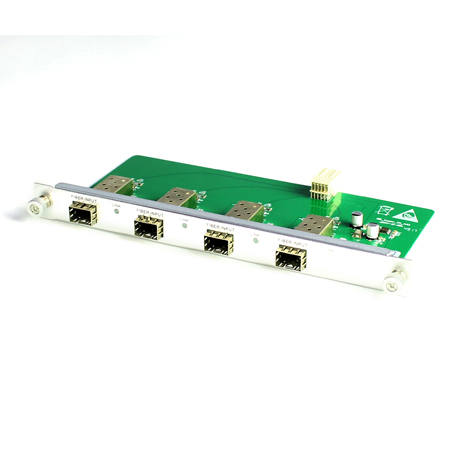 Mixing HD-Fiber Output Card
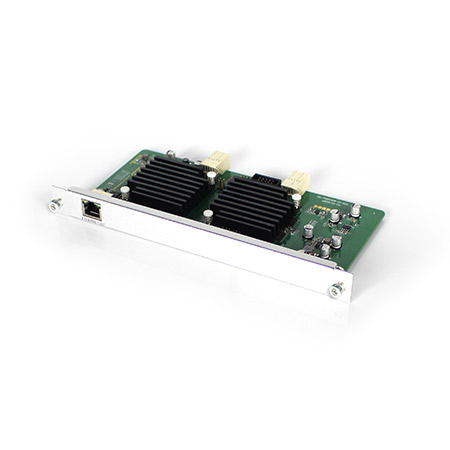 Mixing HD-IP Output Card
Mixing HD-HDMI Video Wall Control Card (2 channel)
Mixing HD-IP Output Card
Mixing HD-HDMI Video Wall Control Card (2 channel)
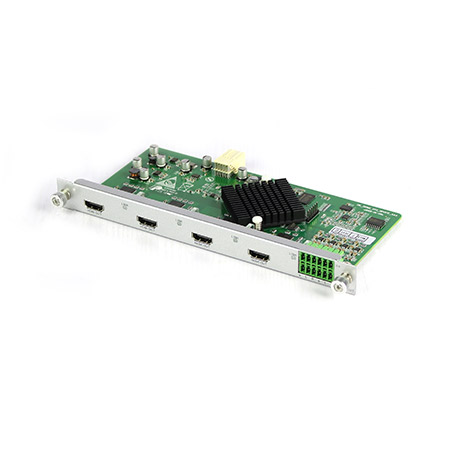 Mixing HD-HDMI Video Wall Control Card (1 channel)
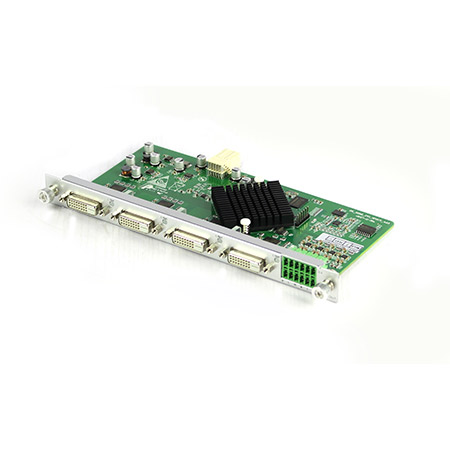 Mixing HD-DVI Video Wall Control Card (2 channel)
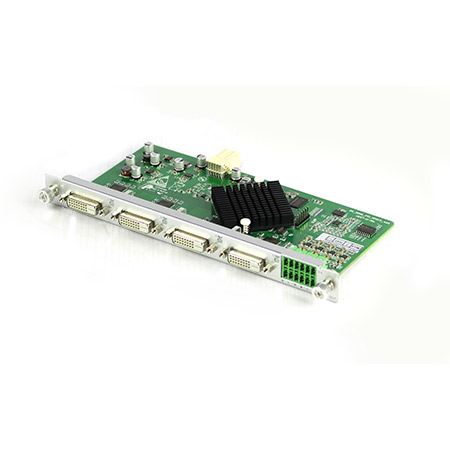 Mixing HD-DVI Video Wall Control Card (1 channel)
 Mixing UHD - HDMI Input Card
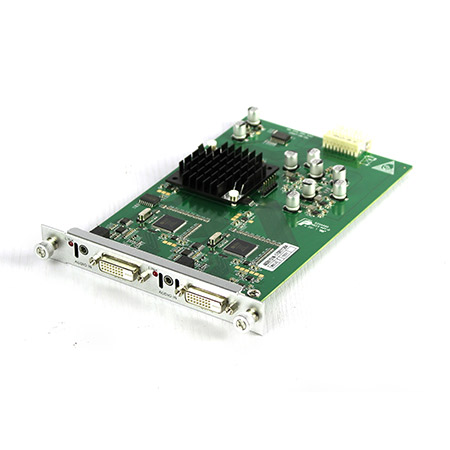 Mixing UHD - DVI Input Card
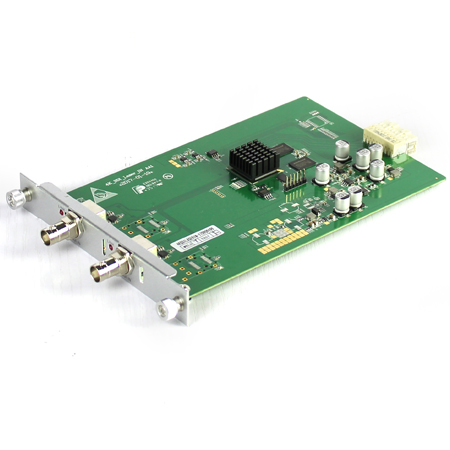 Mixing UHD - SDI Input Card
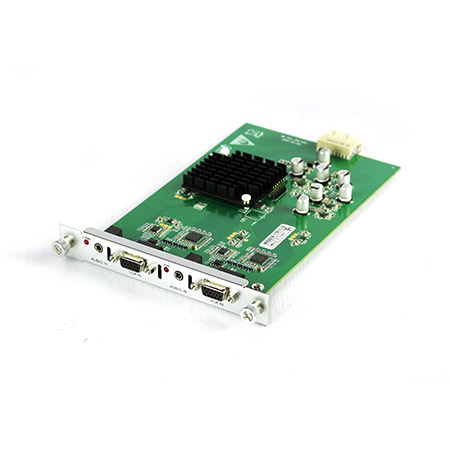 Mixing UHD - VGA Input Card
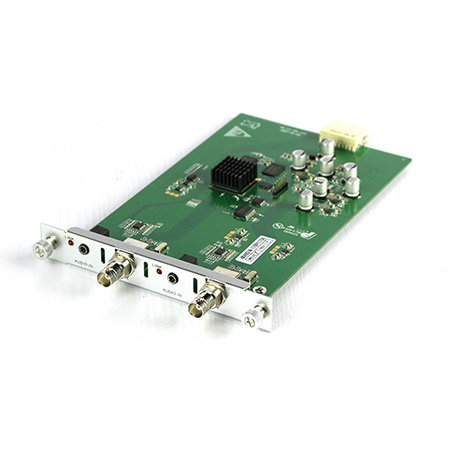 Mixing UHD - AV Input Card
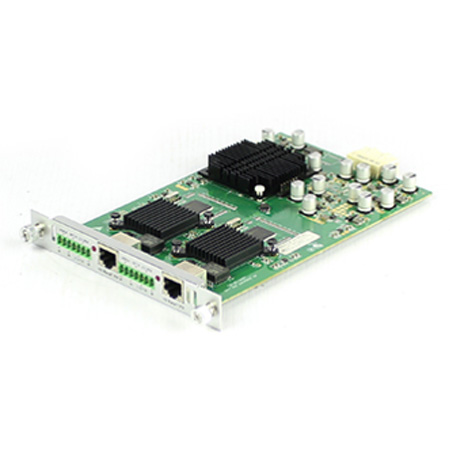 Mixing UHD - HDBT Input Card
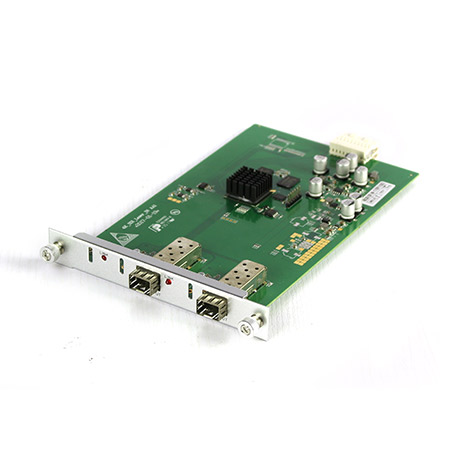 Mixing UHD - Fiber Input Card
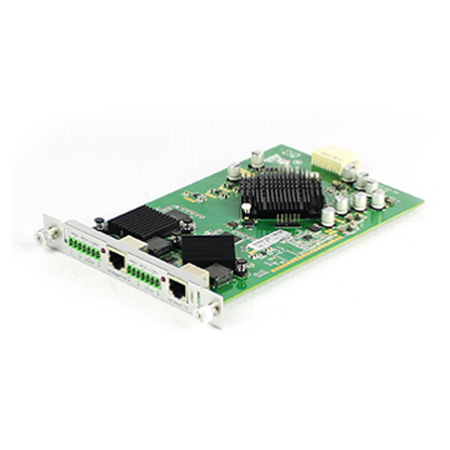 Mixing UHD - HDBT Output Card
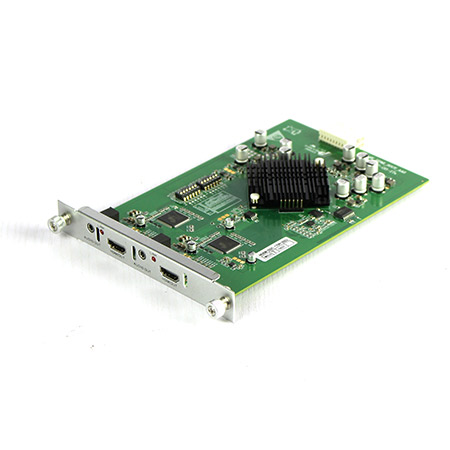 Mixing UHD - HDMI Output Card
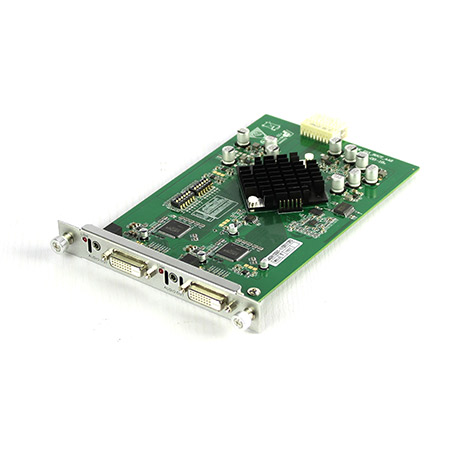 Mixing UHD - DVI Output Card
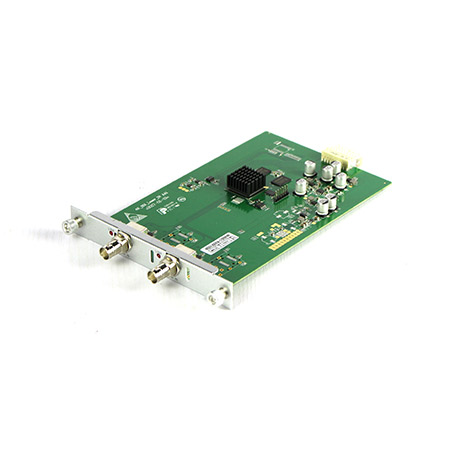 Mixing UHD - SDI Output Card
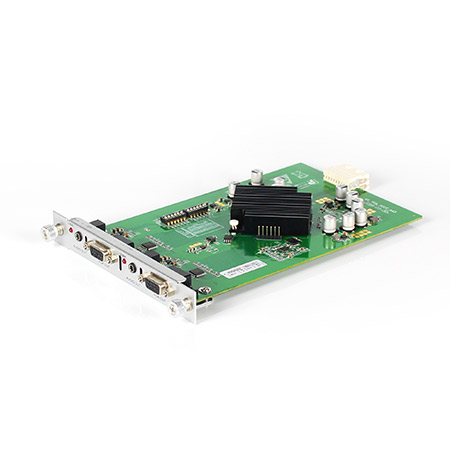 Mixing UHD - VGA Output Card
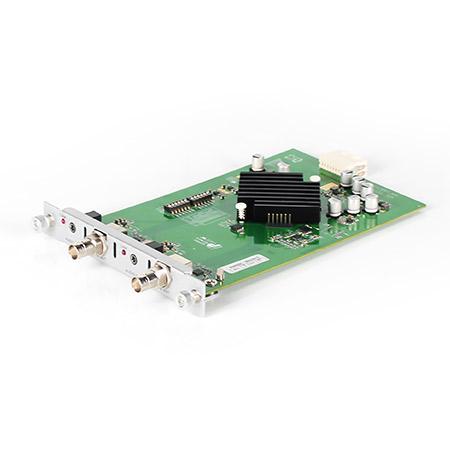 Mixing UHD - AV Output Card
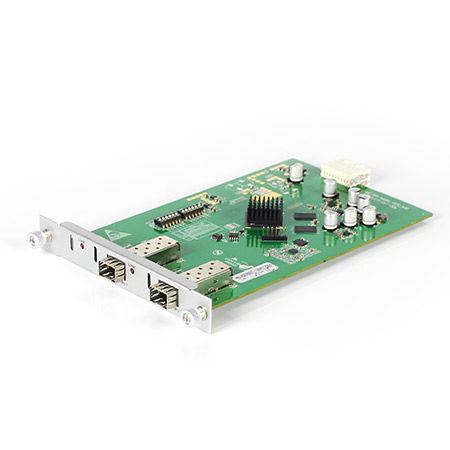 Mixing UHD - Fiber Output Card
Global demand for data continues to accelerate as emerging technologies such as artificial intelligence (AI), cloud computing, and edge applications reshape the digital landscape. With this growth comes an equally rapid expansion of data center capacity along with a significant rise in energy consumption.
Sustainability has therefore become a strategic priority for businesses, as improving energy efficiency supports both environmental responsibility and long-term cost control. Because data centers operate around the clock, their core systems consume significant amounts of energy to ensure continuous, reliable performance. Building greener, more efficient control infrastructure has become essential to achieving carbon-reduction goals without compromising performance.
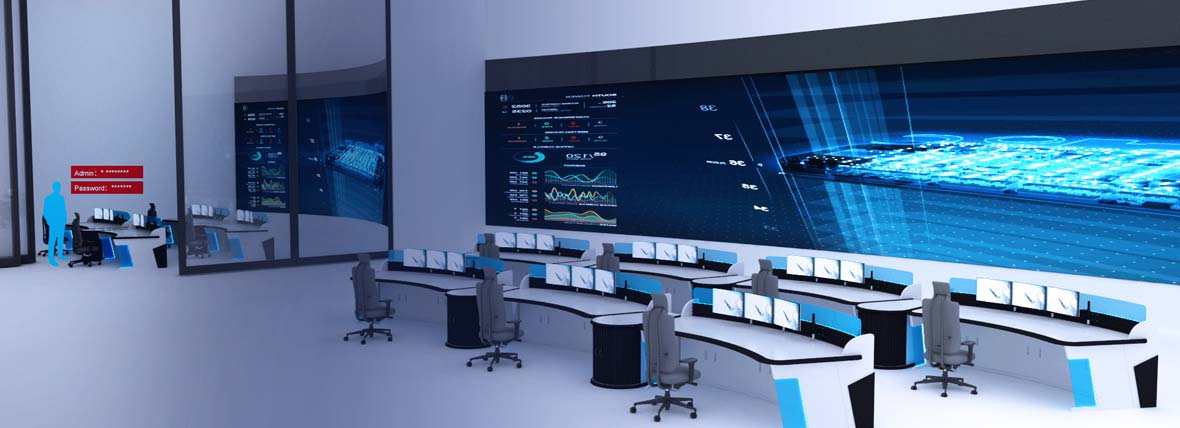
To address these challenges, organizations are increasingly turning to systems such as AVCiT's IP-based KVM solution which supports real-time control operations while helping reduce power usage in data center environments.
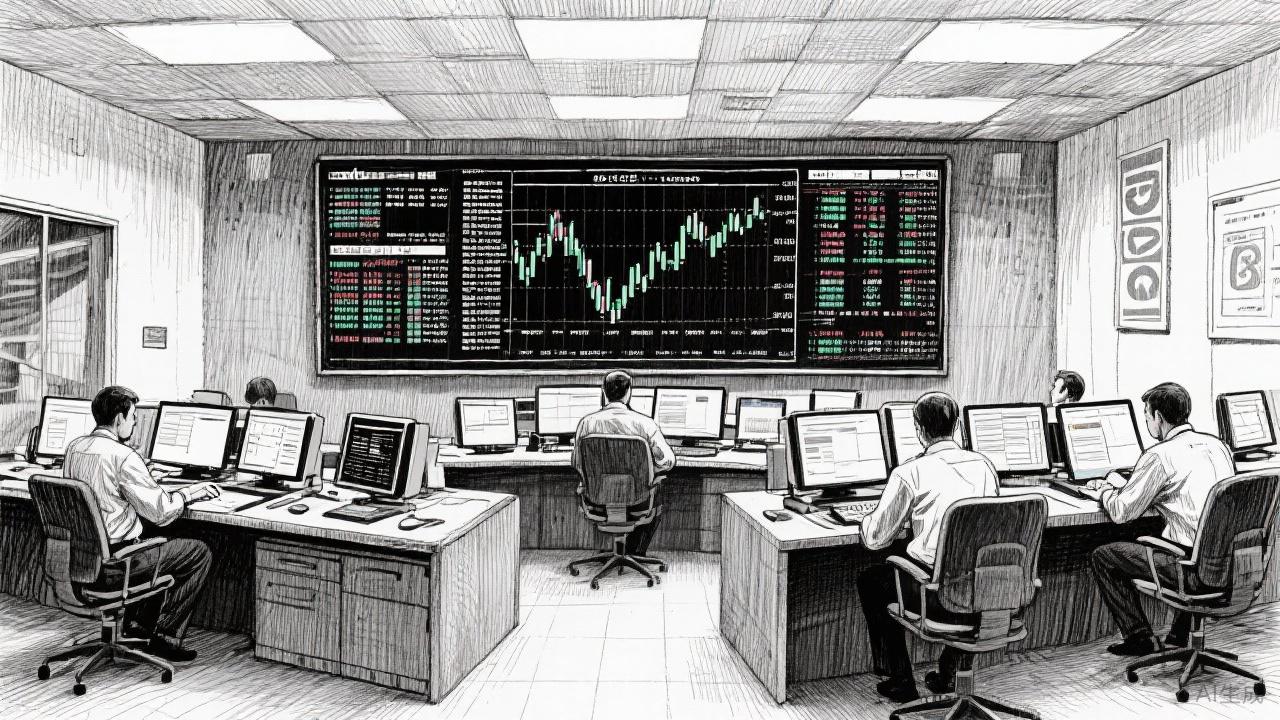
Traditional KVM (Keyboard, Video, Mouse) systems are typically built around centralized matrix switchers that remain powered continuously, consuming electricity and generating heat even when workloads are low.
As data centers expand, each additional port or extension requires more hardware, cabling, and cooling, compounding the overall energy footprint. Centralized designs also introduce hardware redundancy, where multiple components must stay active to maintain connectivity, even if only a small portion of the system is in use.
These ongoing power demands, along with the cooling required to offset heat from always-on equipment, create a control infrastructure that is dependable but rigid and energy-intensive. Hence, these limitations highlight the need for a more flexible and energy-efficient control architecture.
AVCiT's IP-based KVM solution combines advanced encoding, distributed processing, and over-IP connectivity to form a more efficient control architecture. This approach reduces power consumption, simplifies scalability, and supports sustainability without compromising performance or reliability.
Centralized systems run continuously, drawing power whether actively in use or not. AVCiT's distributed design activates nodes only on demand, lowering baseline energy use, reducing heat output, and decreasing cooling requirements.
AVCiT's ASE + H.265 encoding technology delivers high-quality visuals while using significantly less bandwidth. Lower data transmission requirements reduce network traffic and decrease processing load on switches and endpoints. These effects can help data centers maintain real-time responsiveness while using less energy across the network.
With IP-based connectivity, operators can control multiple computers from a single workstation. Fewer terminals, monitors, and peripherals translate into a smaller control-room footprint and a more efficient, simplified workspace with fewer redundant devices. Together, these factors contribute to a more sustainable operating model.
AVCiT's modular design allows organizations to add or remove nodes quickly as operational needs evolve. This flexibility reduces over-provisioning and limits idle hardware, lowering background power use and electronic waste as the data center scales.
AVCiT's IP-based KVM solution allows data centers to adjust capacity and manage operations across the network with reduced idle power use. This approach is currently implemented in several industry sectors.
Around the world, financial institutions are among the earliest adopters of green data center technologies. Continuous trading, real-time analytics, and strict uptime requirements make efficiency and reliability essential for daily operations.
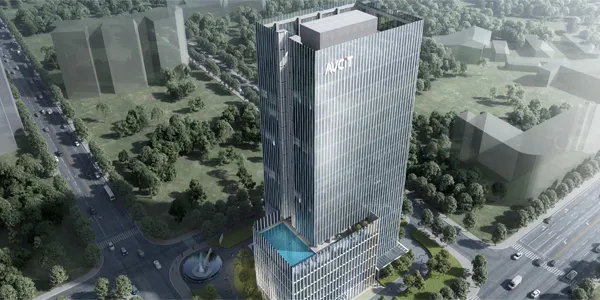
The National Bank of Kuwait (NBK) sought to modernize its data center control infrastructure, which previously relied on matrix-based KVM systems that generated unnecessary heat output and energy waste.
NBK deployed AVCiT's IP-based KVM solution, implementing a distributed, over-IP control architecture that provided centralized visibility and remote access while reducing reliance on bulky matrix hardware. This enabled them to:
● Lower baseline energy use: By activating only the devices required for each session, NBK reduced unnecessary power draw and avoided heat generated from always-on hardware.
● Lower operational and maintenance costs: Removing bulky matrix equipment simplified cable management and cut down on redundant energy consumption.
● Strengthen sustainability and ESG performance: Better align with sustainability and ESG objectives, helping the bank meet its corporate low-carbon commitments.
This case illustrates how AVCiT's IP-based KVM solution supports financial institutions in modernizing their data centers while achieving measurable improvements in sustainability, reliability, and operational performance.

Data centers are the backbone of today's digital economy and will remain essential as demand for data, cloud services, and AI continues to grow. Yet this growth brings environmental challenges, including rising energy consumption and increasing carbon emissions.
AVCiT's IP-based KVM solution offers a direct pathway to low-carbon, energy-efficient data centers. It empowers operators to cut unnecessary energy load while maintaining the high performance and reliability modern facilities require. By balancing operational growth with environmental responsibility, data centers can remain both powerful and sustainable, supporting a greener digital future across industries.
Partner with AVCiT to build greener, smarter data centers with an IP KVM solution that unites efficiency, sustainability, and performance at every level of operation.
Phone: +86-20-8930-1184
LinkedIn: AVCiT Technology
YouTube: www.youtube.com/@avcittechnology