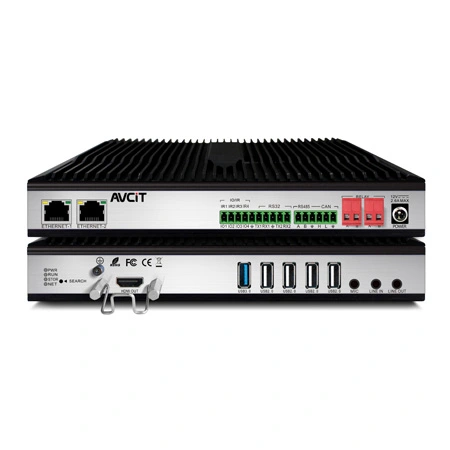
 AIVC-16CH AI BOX
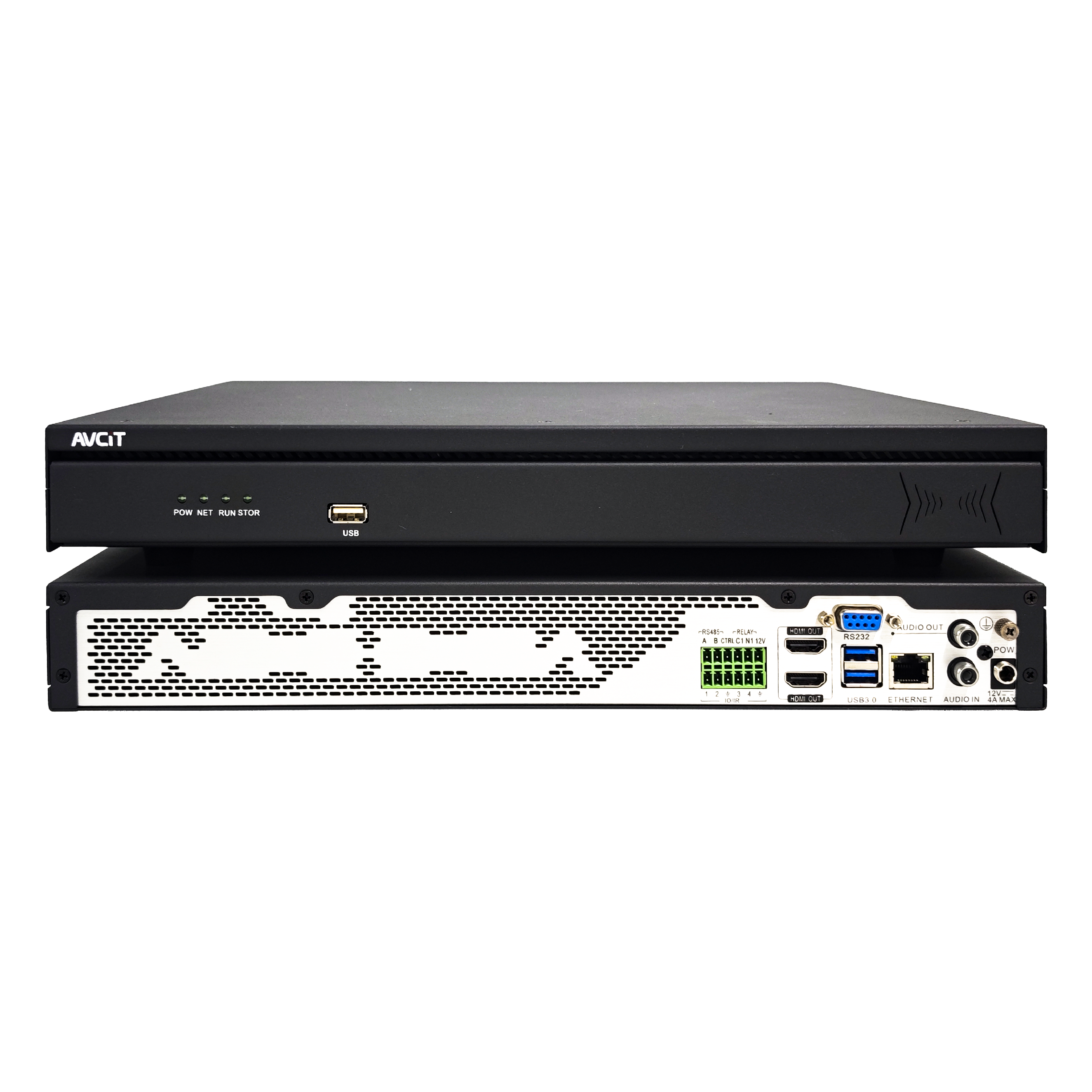 32CH CSN AI NVR
 2K HDMI Video Codec
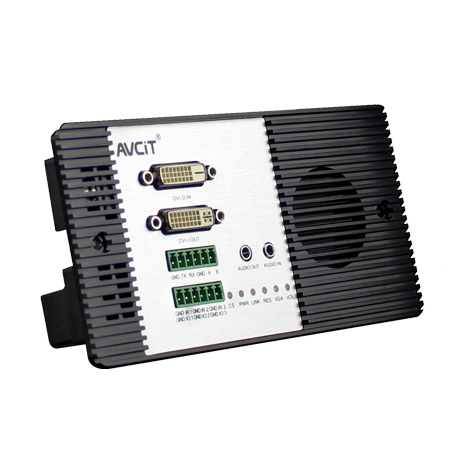 2K DVI Video Codec
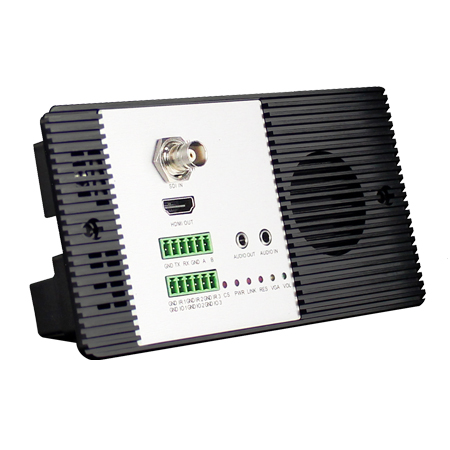 2K SDI Video Codec
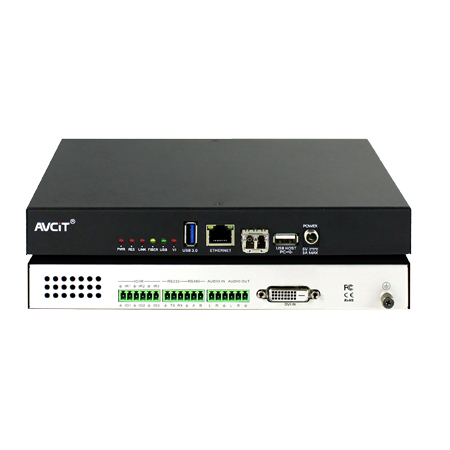 2K HDMI Video Encoder
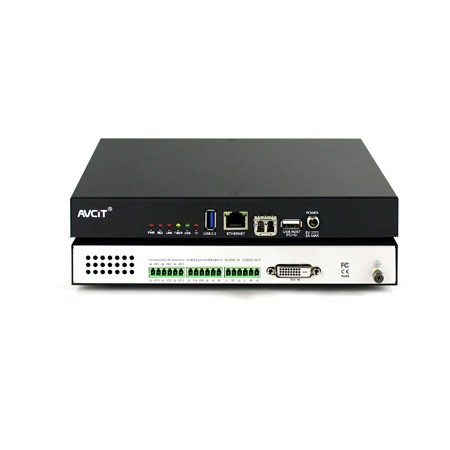 2K DVI Video Encoder
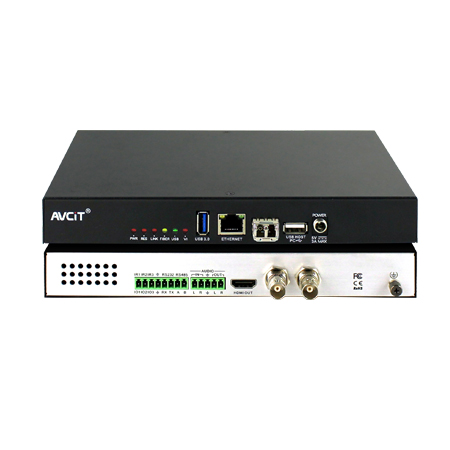 2K SDI Video Encoder
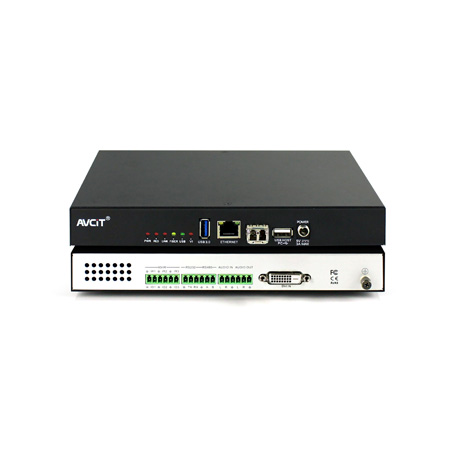 2K VGA Video Encoder
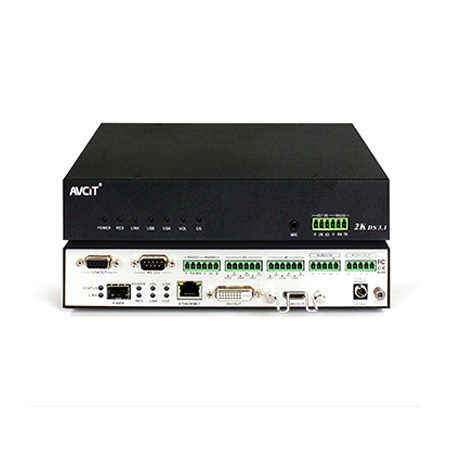 2K Video Wall Decoder (HDMI+DVI)
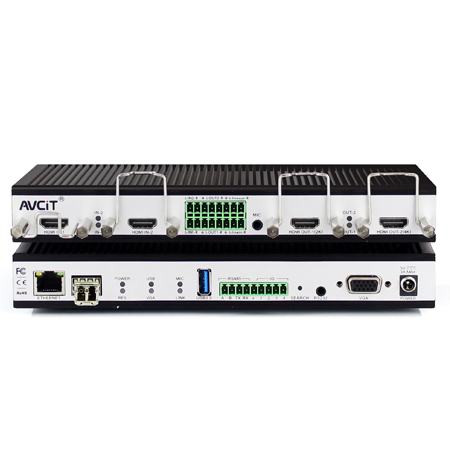 4K HDMI Video Encoder
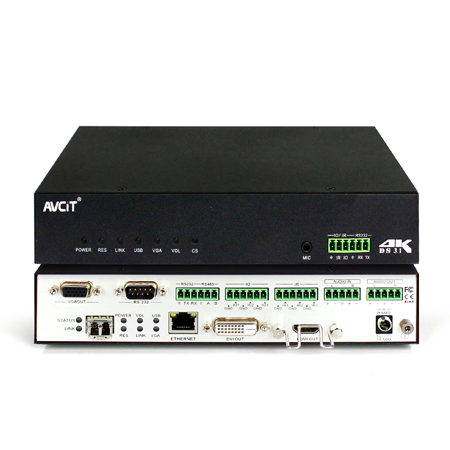 4K HDMI Video Decoder
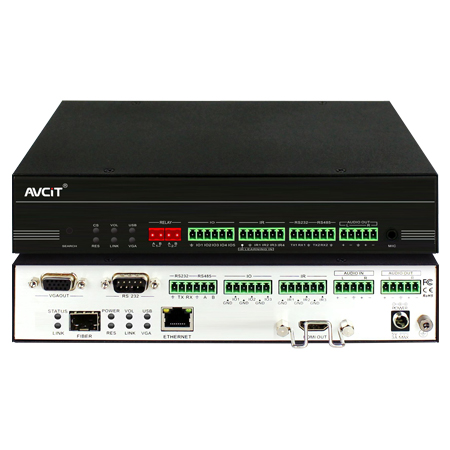 4K HDMI Video Wall Decoder
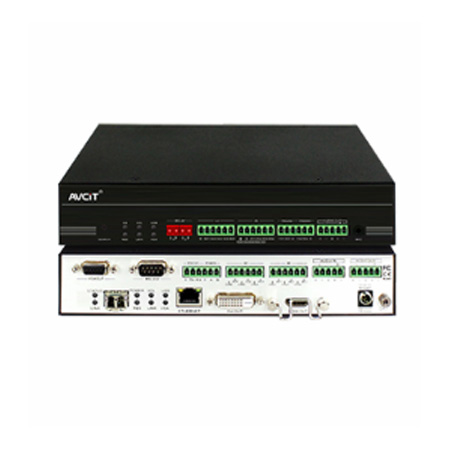 4K HDMI + DVI Video Wall Decoder
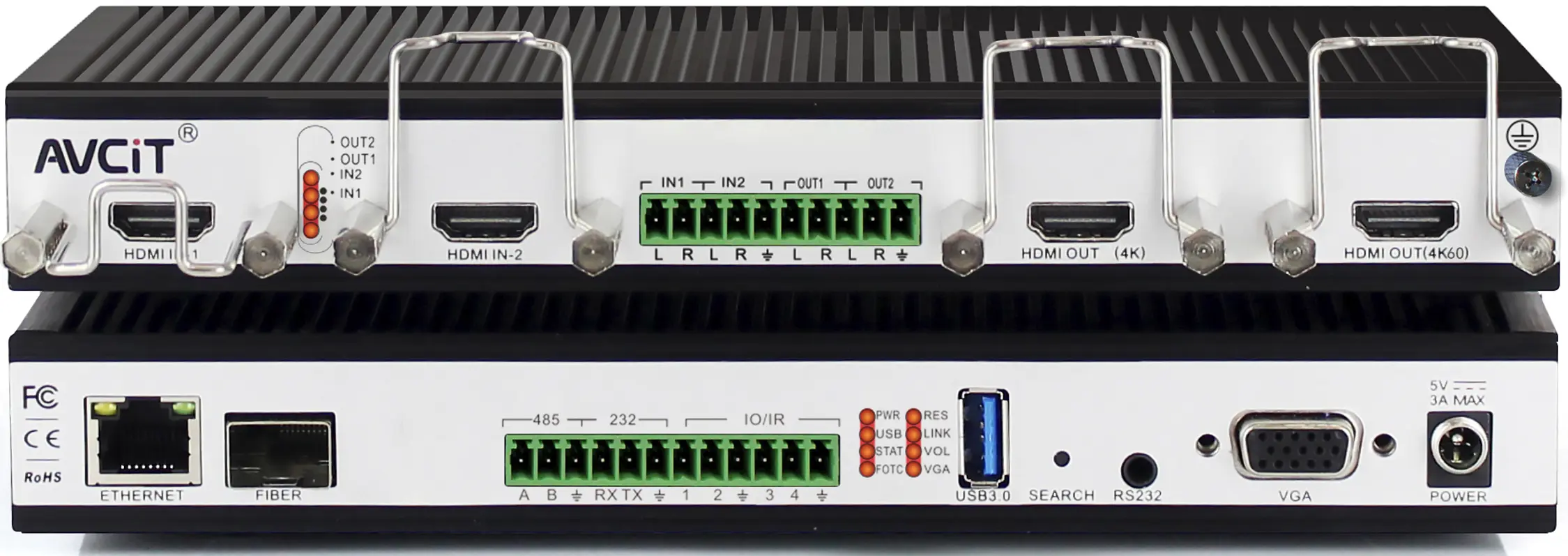 4K HDMI Dual Channel Codec
 8K HDMI Decoder
 2K KVM Encoder - HDMI
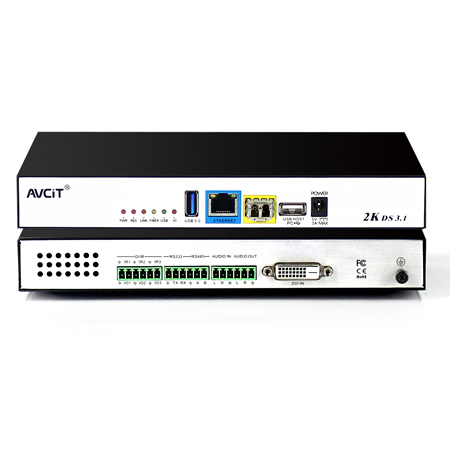 2K KVM Encoder - DVI
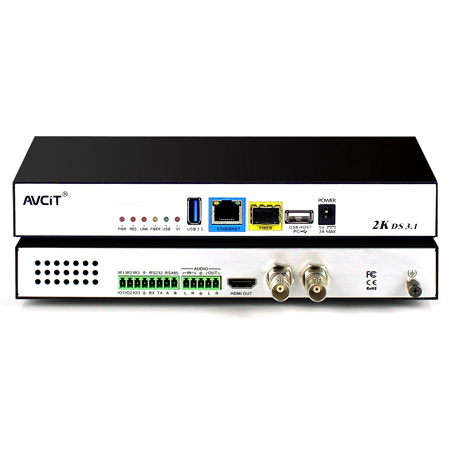 2K KVM Encoder - SDI
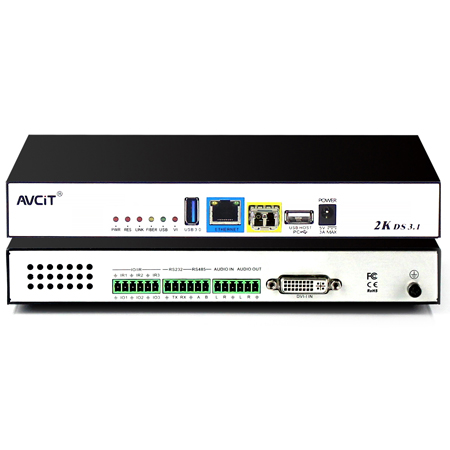 2K KVM Encoder - DVI-I(VGA)
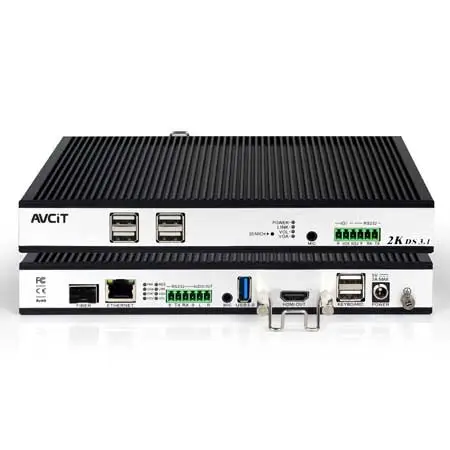 2K KVM Decoder - HDMI
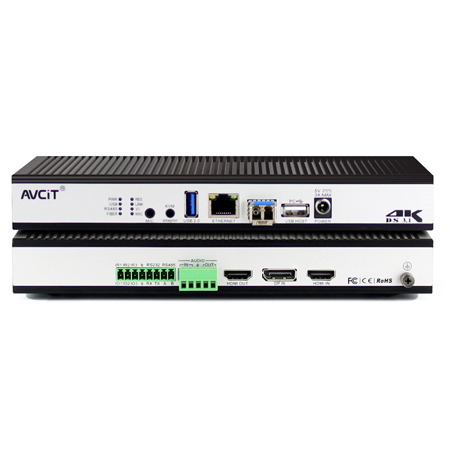 4K KVM Encoder - HDMI + DP
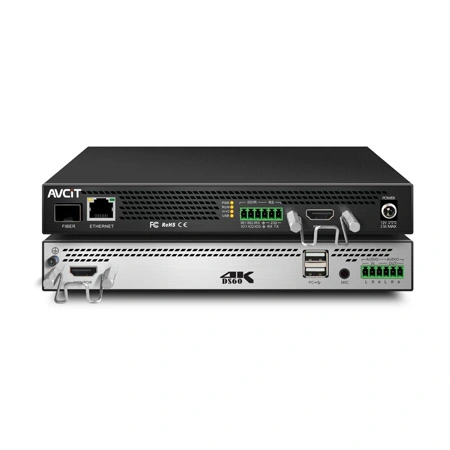 4K@60 KVM Encoder - HDMI
 4K KVM Encoder - HDMI + HDMI
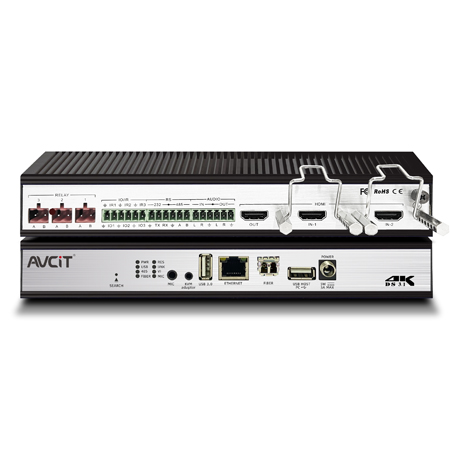 4K KVM Encoder - HDMI
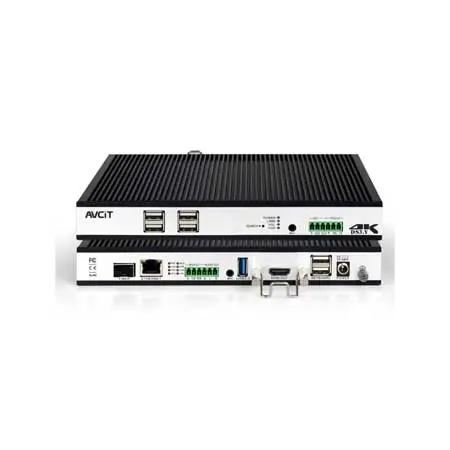 4K KVM Decoder - HDMI
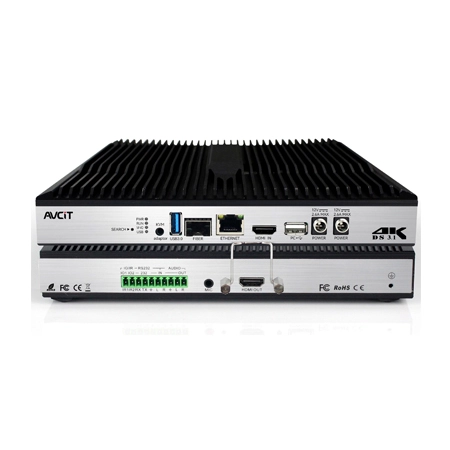 4K60 4:4:4 KVM Encoder - HDMI
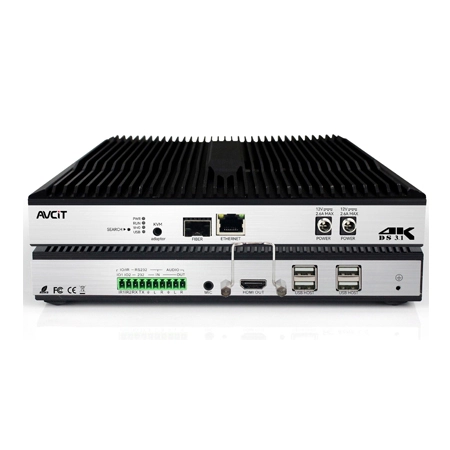 4K60 4:4:4 KVM Decoder-HDMI
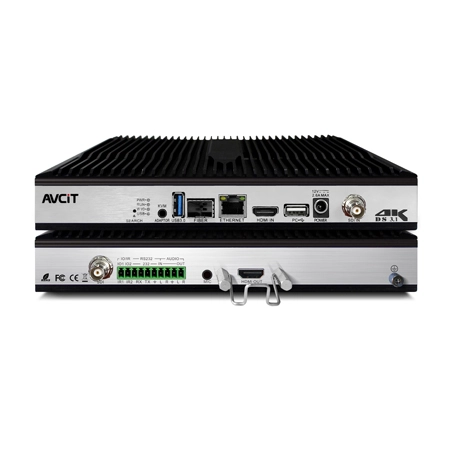 4K60 4:4:4 KVM Encoder - HDMI + SDI
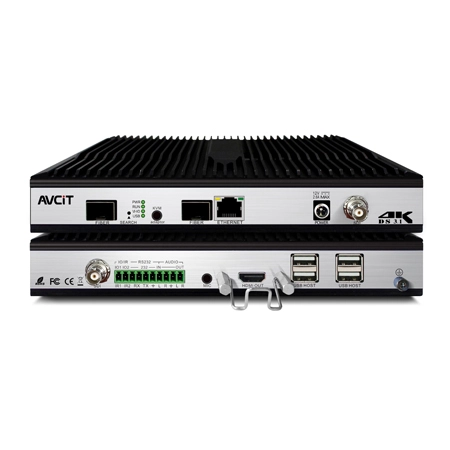 4K60 4:4:4 KVM Decoder - HDMI + SDI
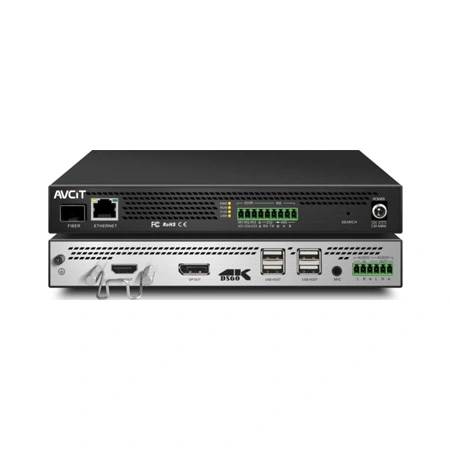 5K KVM Decoder - HDMI +DP
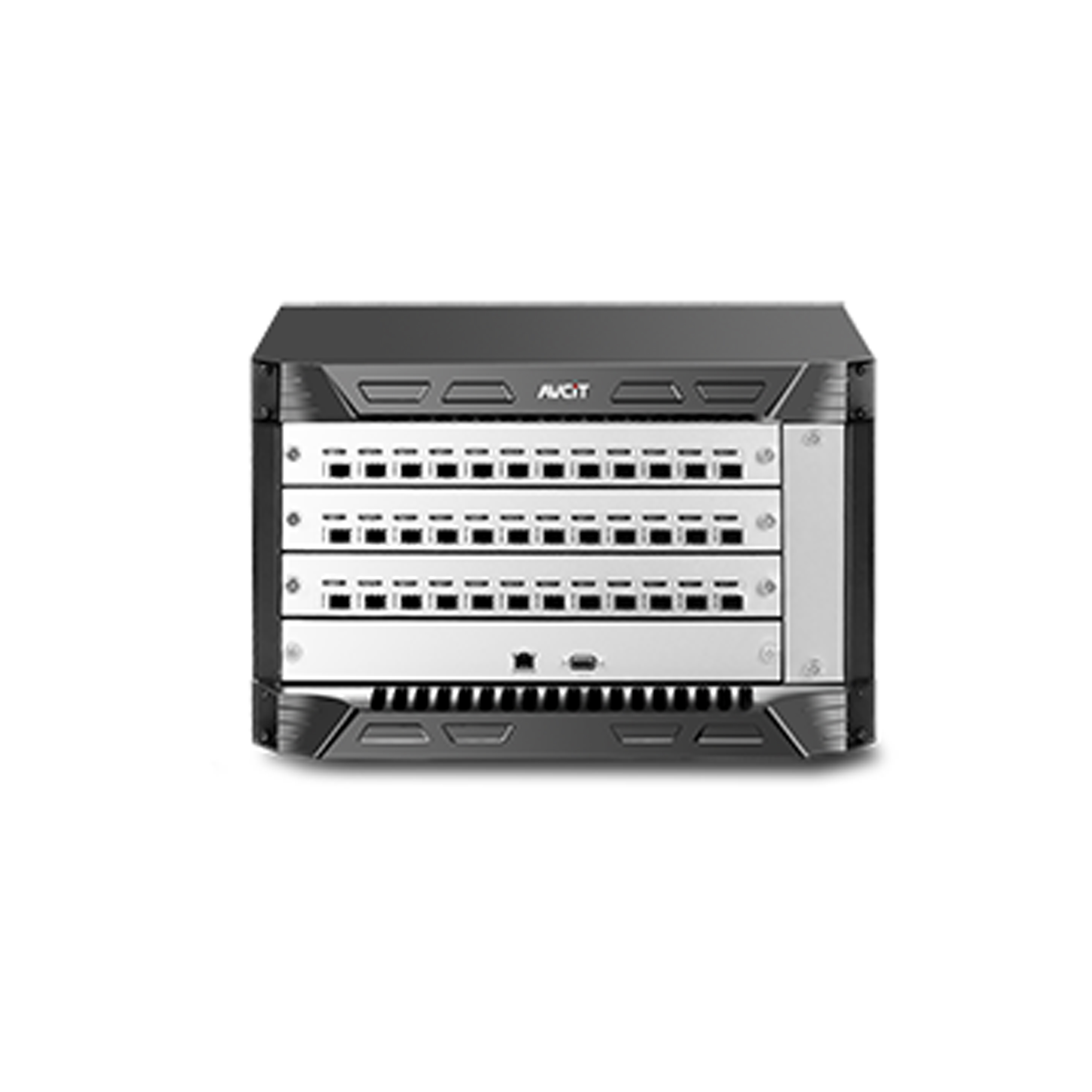 Phinx-36 Ports Fiber KVM Matrix
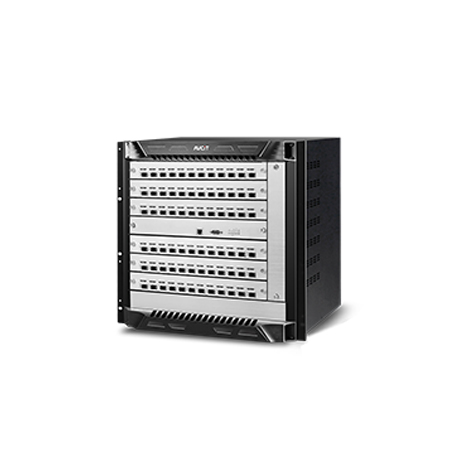 Phinx-72 Ports Fiber KVM Matrix
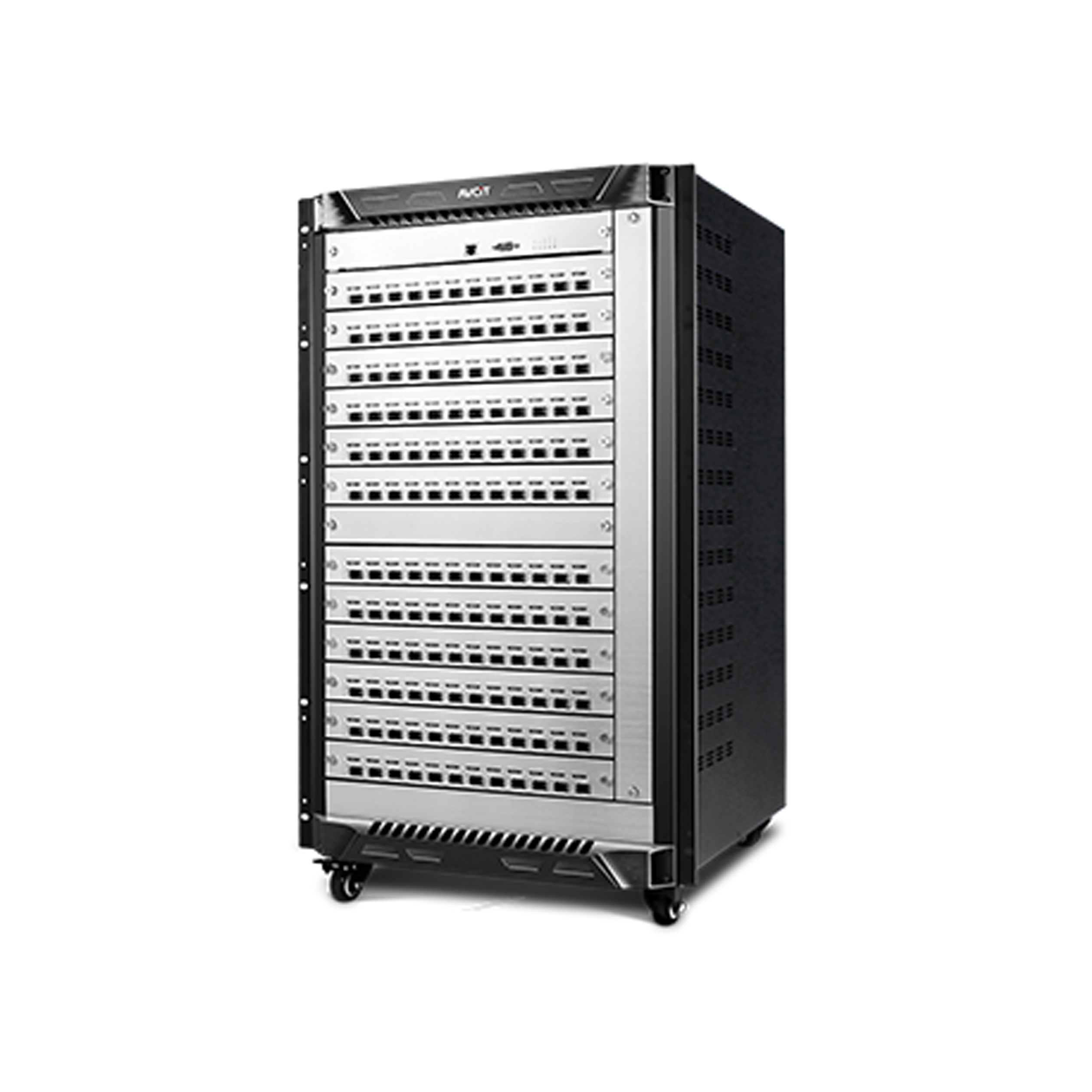 Phinx-144 Ports Fiber KVM Matrix
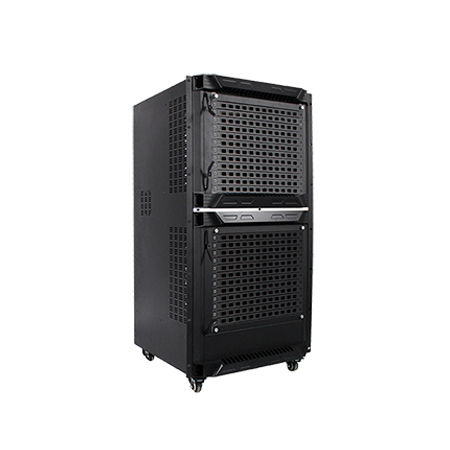 Phinx-288 Ports Fiber KVM Matrix
 Phinx-576 Ports Fiber KVM Matrix
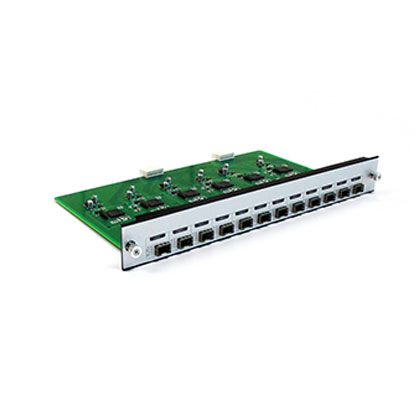 Phinx - I/O SFP Module Card
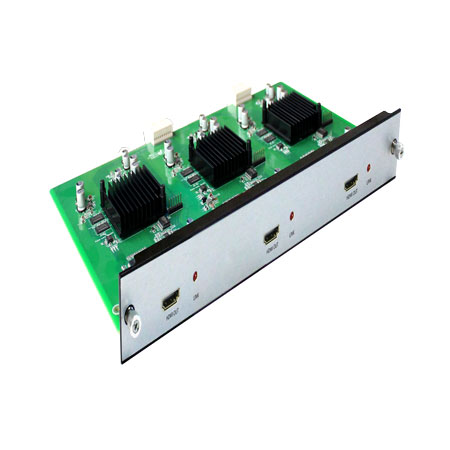 Phinx - Video Wall Control Card
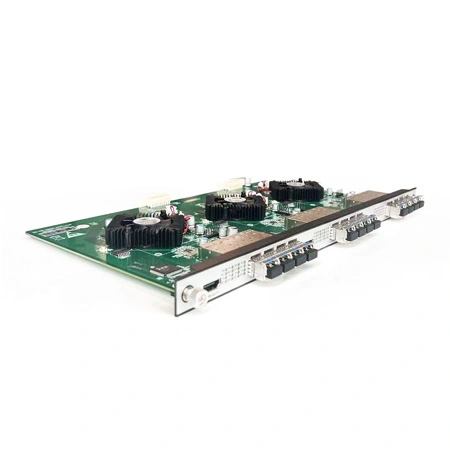 Phinx- Video Wall & SFP Card
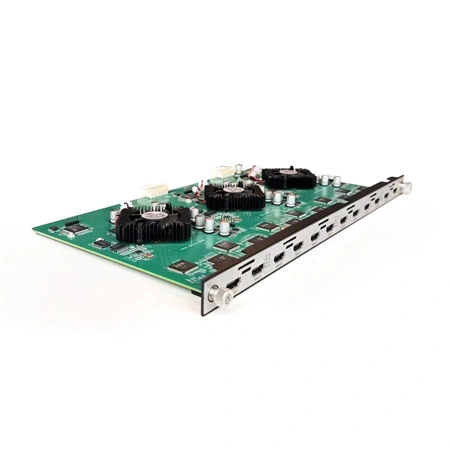 Phinx- Video Card(6IN6OUT)
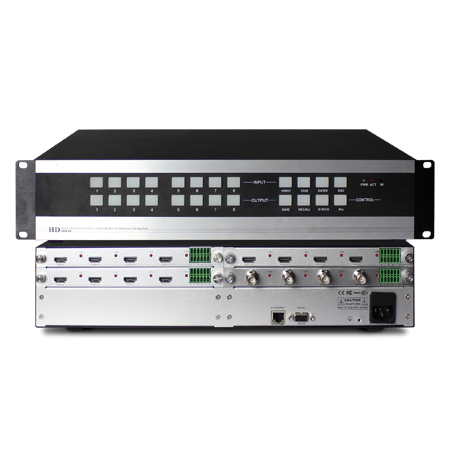 2K Video Wall Matrix - 8x8
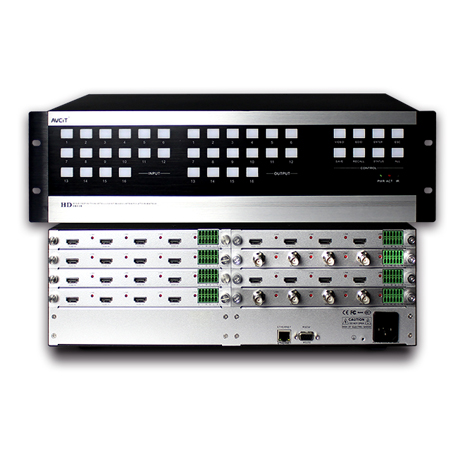 2K Video Wall Matrix - 16x16
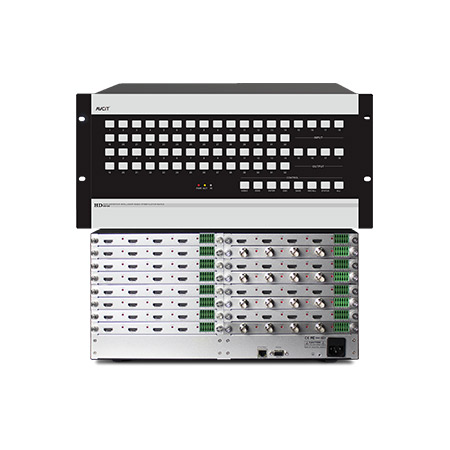 2K Video Wall Matrix - 32x32
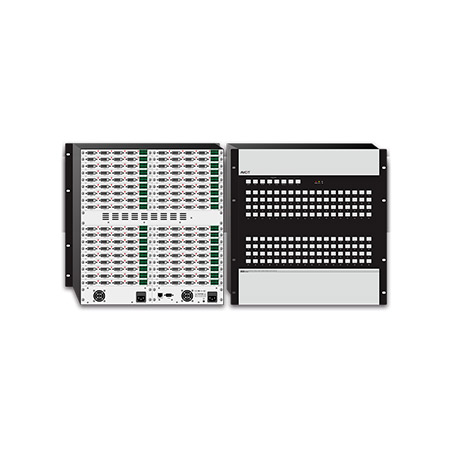 2K Video Wall Matrix - 72x72
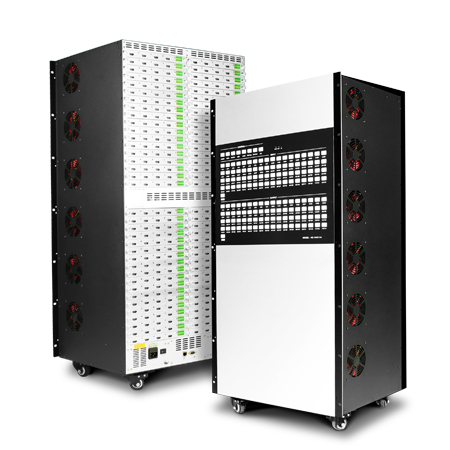 2K Video Wall Matrix - 144x144
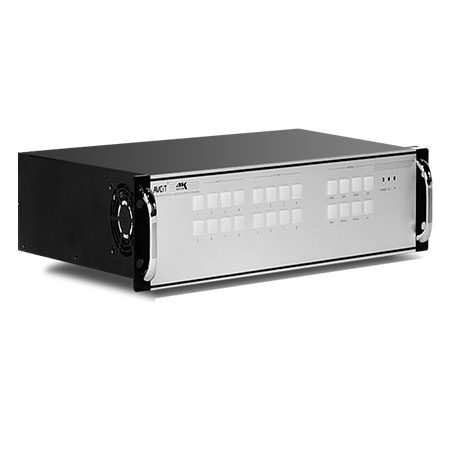 4K Video Matrix Switcher - 8x8
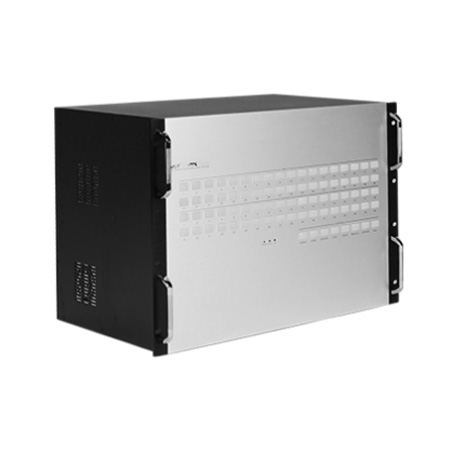 4K Video Matrix Switcher - 36x36
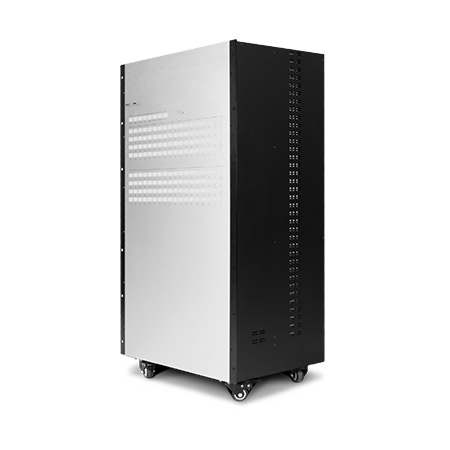 4K Video Matrix Switcher - 72x72
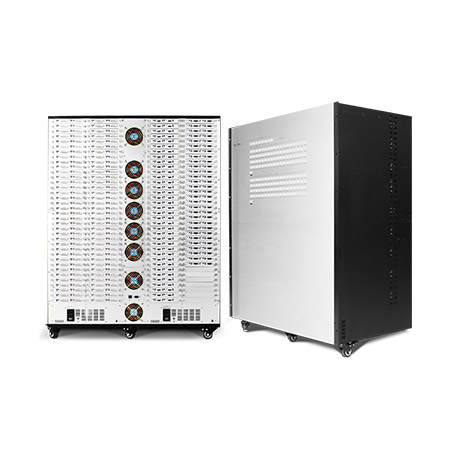 4K Video Matrix Switcher - 144x144
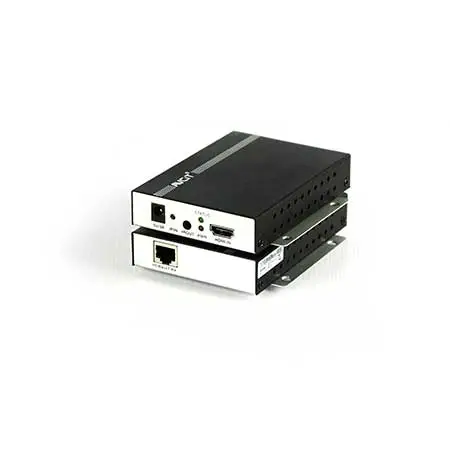 Mixing UHD - 4K HDBT Extender
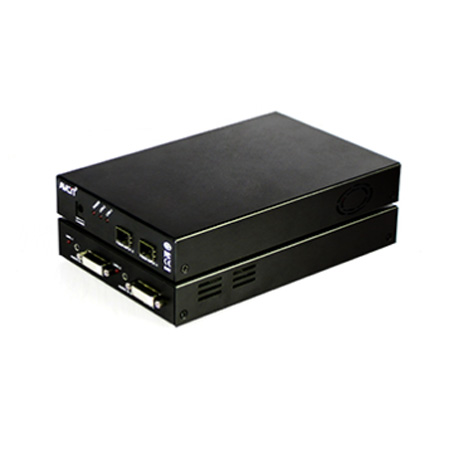 Mixing UHD - 4K Fiber Extender
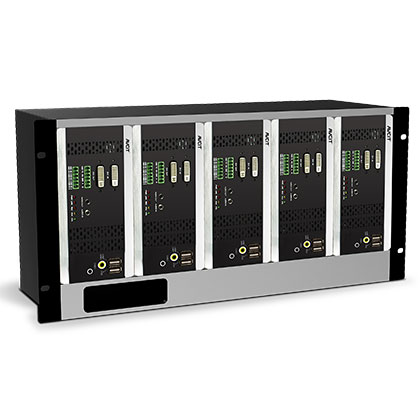 Rack Mounting Kit
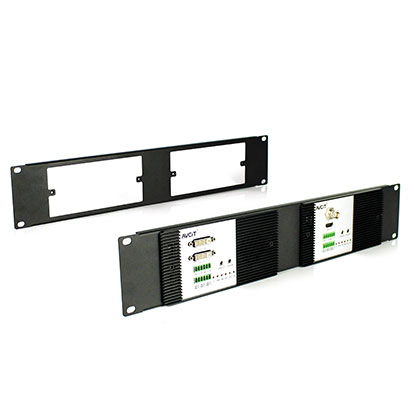 Wall Mounting Kit







 EN
EN
 es
es  th
th
Blog
Join us
FAQs

 4K KVM Transmitter-HDMI
 4K KVM Transmitter-HDMI+HDMI LOOP
 4K KVM Transmitter-DVI
 4K KVM Transmitter-DVI+DVI LOOP
 4K60 KVM Transmitter - HDMI
 2K KVM Transmitter-VGA
 4K KVM Receiver-HDMI
 4K KVM Receiver-DVI
 Quad-view KVM Receiver-HDMI
 4K60 KVM Receiver - HDMI
 4K60 Quad-view KVM Receiver
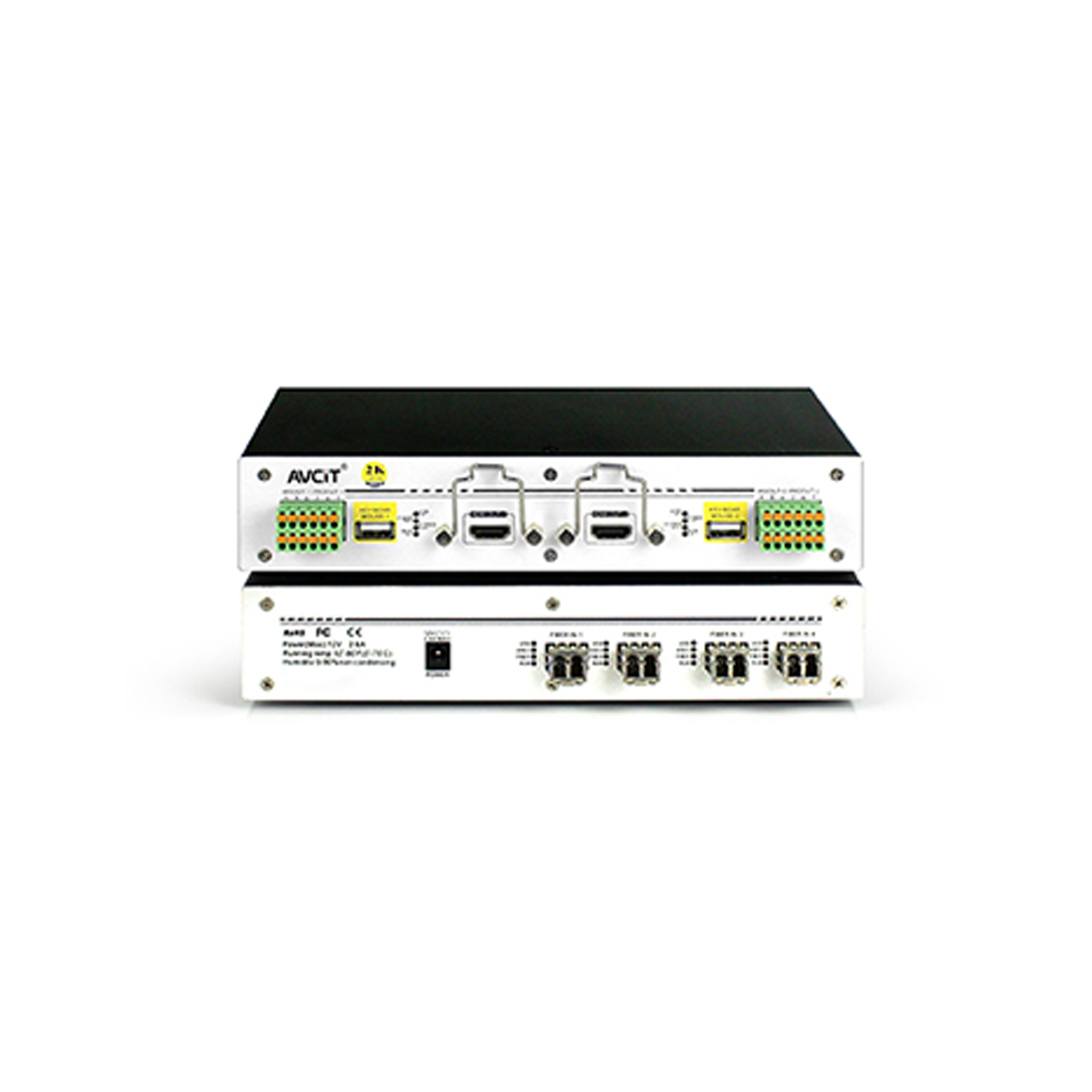 2K KVM Receiver-HDMI
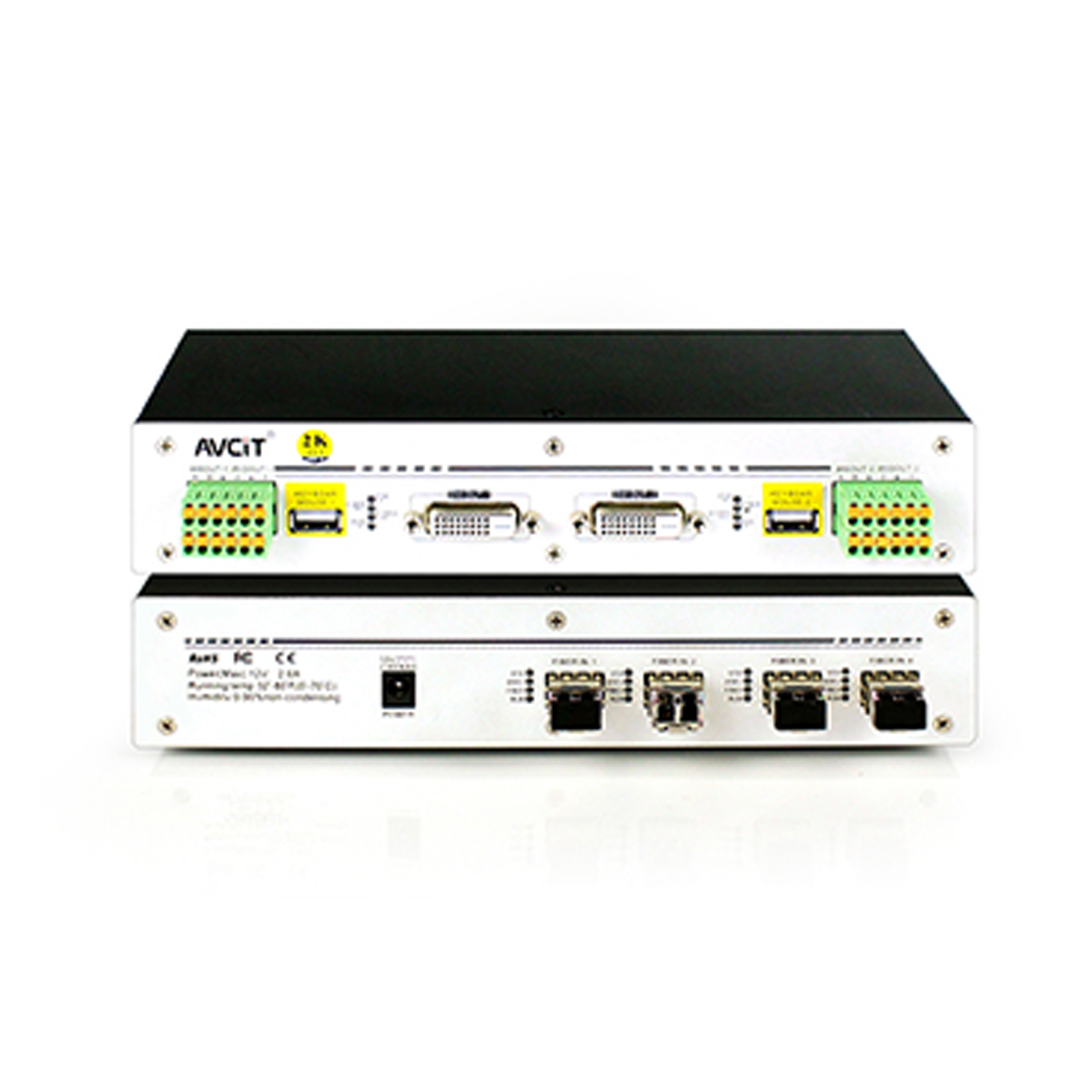 2K KVM Receiver-DVI
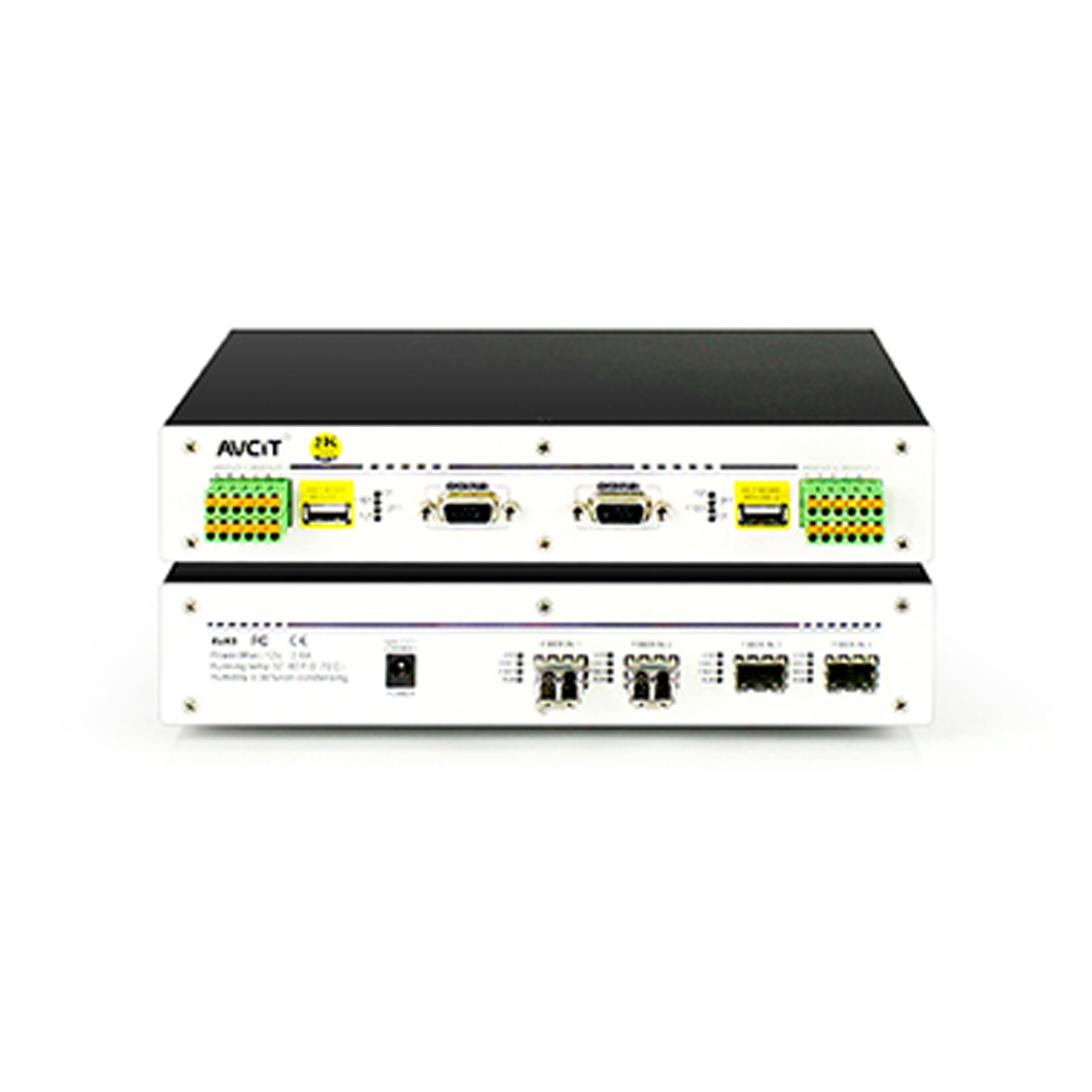 2K KVM Receiver-VGA
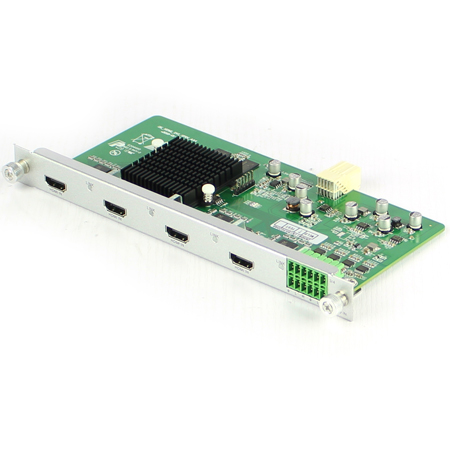 Mixing HD-2K HDMI Input Card
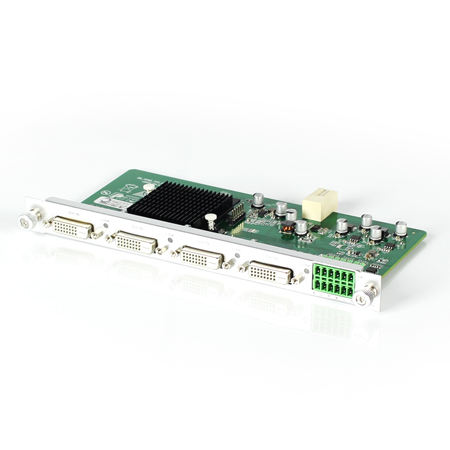 Mixing HD-2K DVI Input Card
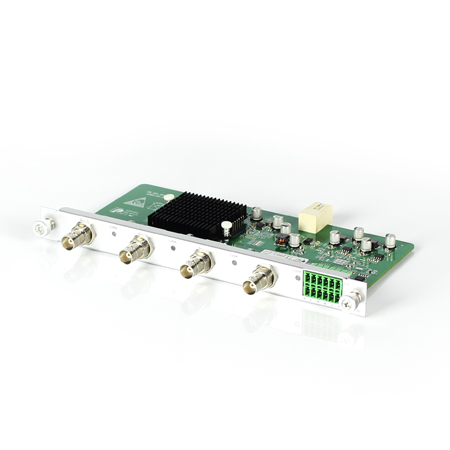 Mixing HD-2K SDI Input Card
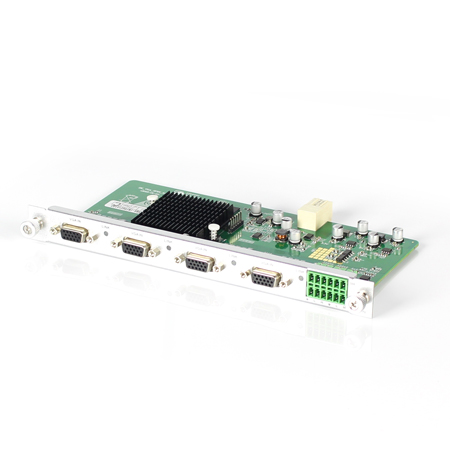 Mixing HD-2K VGA Input Card
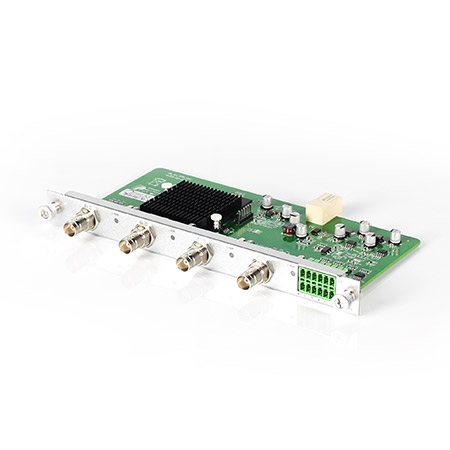 Mixing HD-2K AV Input Card
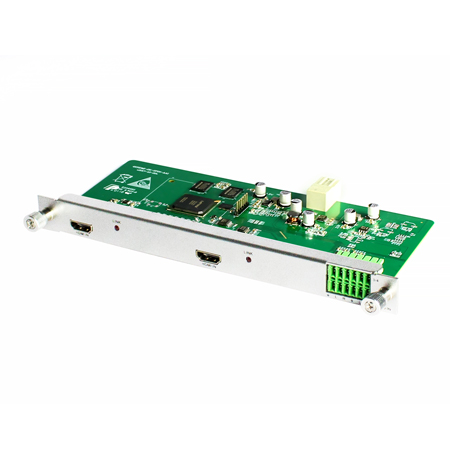 Mixing HD-HDMI UHD Input Card
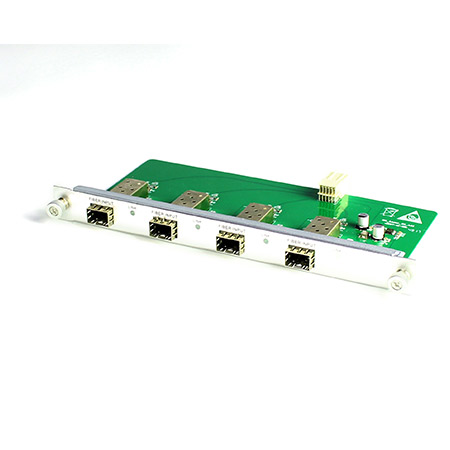 Mixing HD-Fiber Input Card
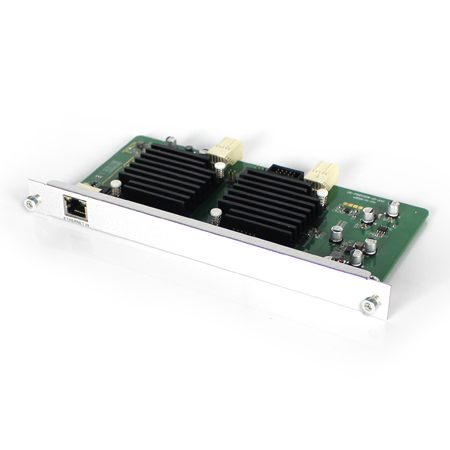 Mixing HD-IP Input Card
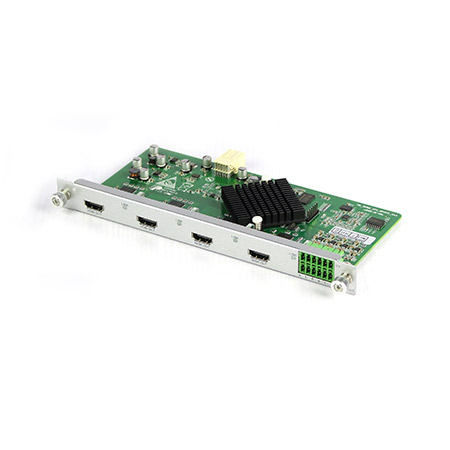 Mixing HD-HDMI Output Card
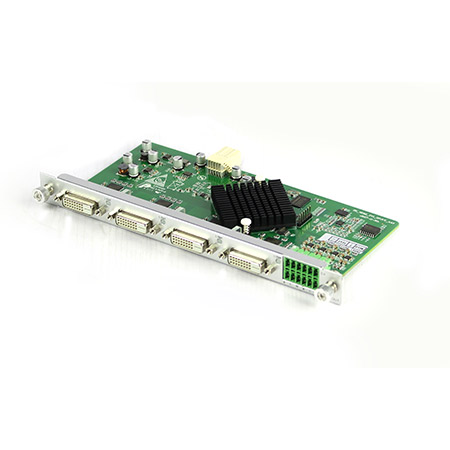 Mixing HD-DVI Output Card
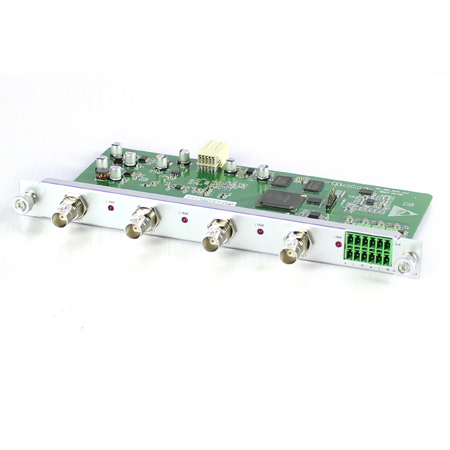 Mixing HD-SDI Output Card
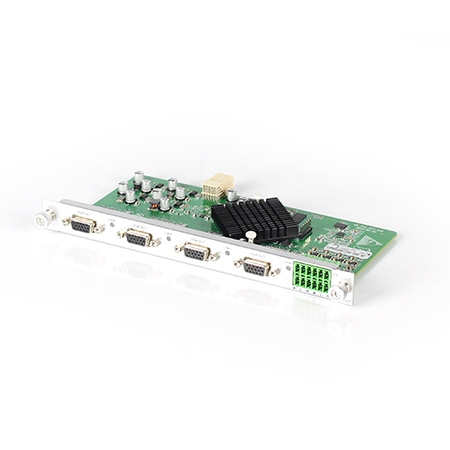 Mixing HD-VGA Output Card
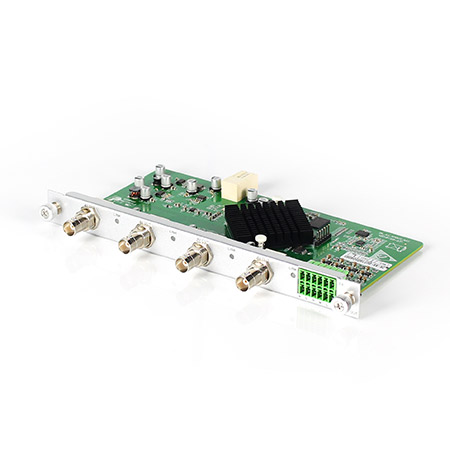 Mixing HD-AV Output Card
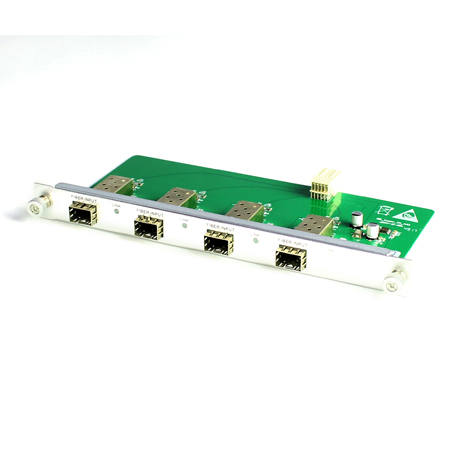 Mixing HD-Fiber Output Card
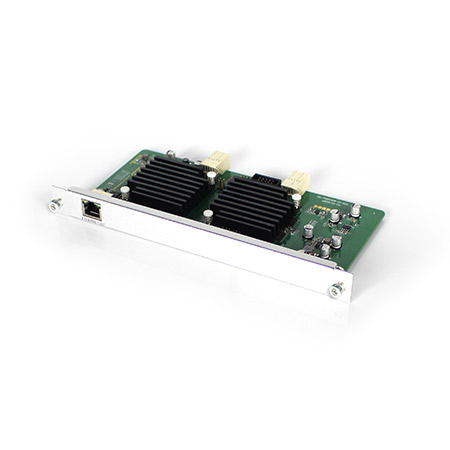 Mixing HD-IP Output Card
Mixing HD-HDMI Video Wall Control Card (2 channel)
Mixing HD-IP Output Card
Mixing HD-HDMI Video Wall Control Card (2 channel)
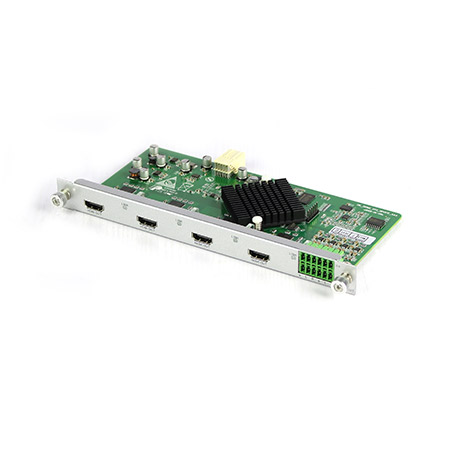 Mixing HD-HDMI Video Wall Control Card (1 channel)
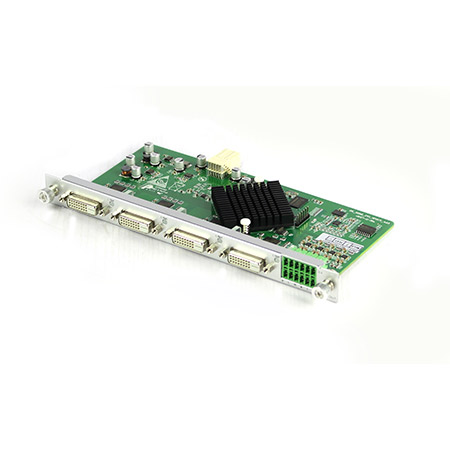 Mixing HD-DVI Video Wall Control Card (2 channel)
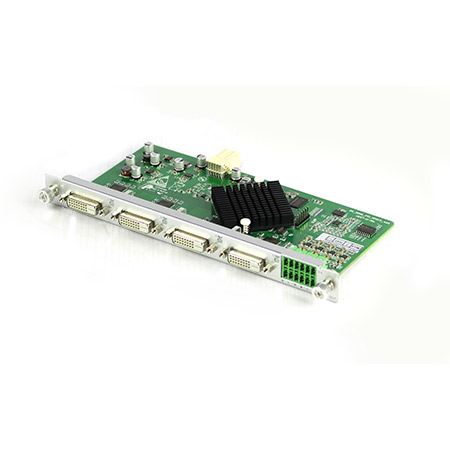 Mixing HD-DVI Video Wall Control Card (1 channel)
 Mixing UHD - HDMI Input Card
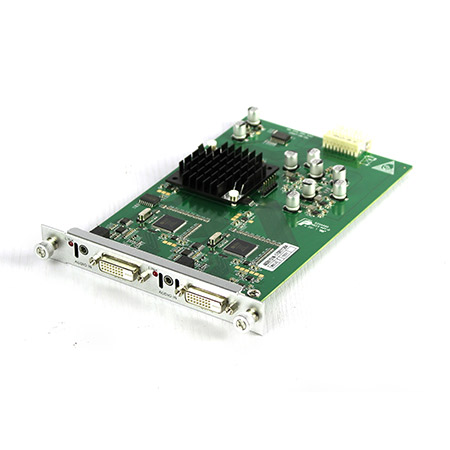 Mixing UHD - DVI Input Card
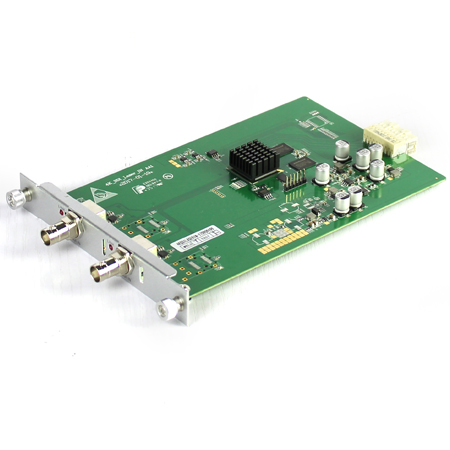 Mixing UHD - SDI Input Card
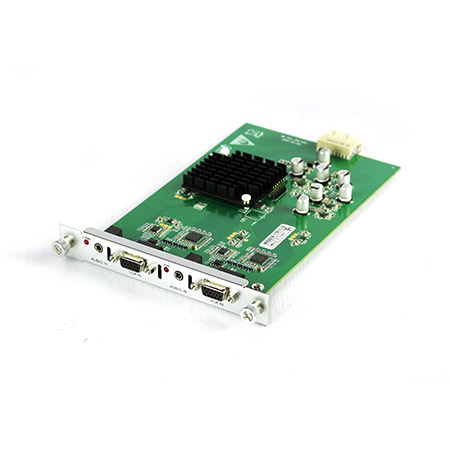 Mixing UHD - VGA Input Card
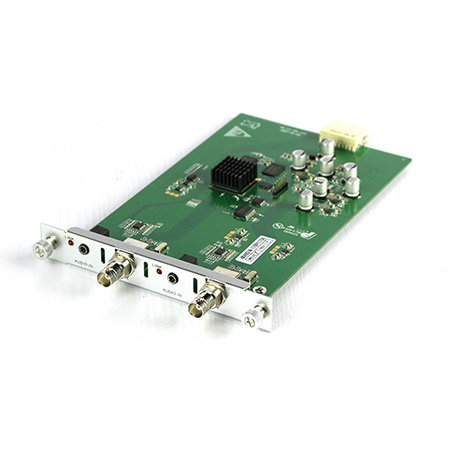 Mixing UHD - AV Input Card
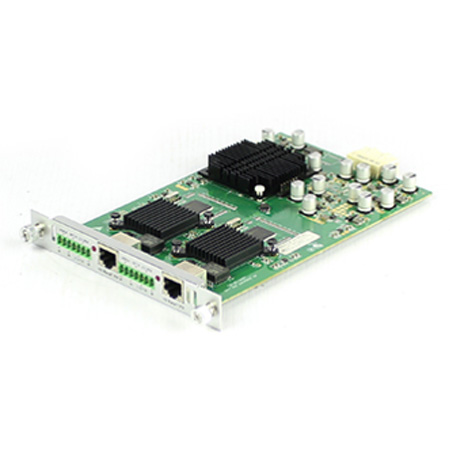 Mixing UHD - HDBT Input Card
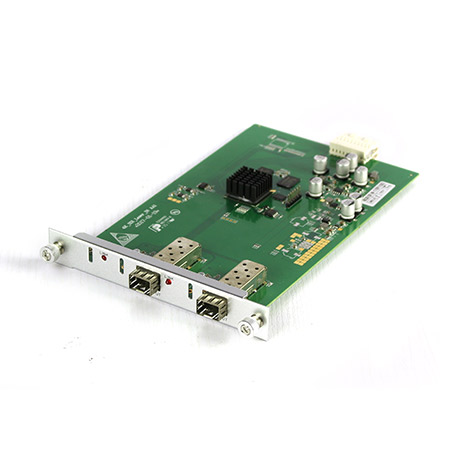 Mixing UHD - Fiber Input Card
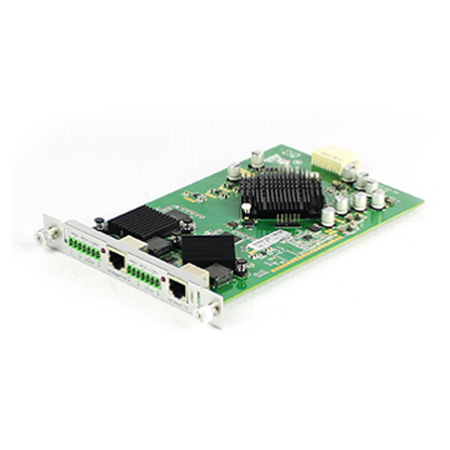 Mixing UHD - HDBT Output Card
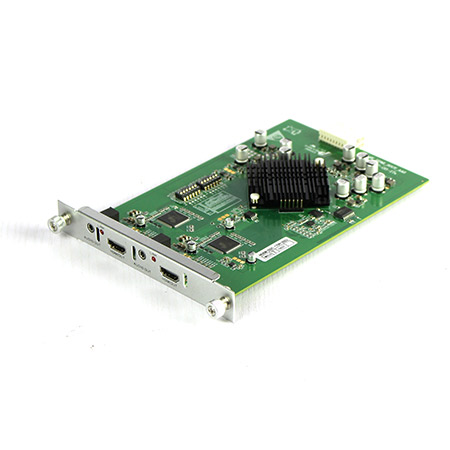 Mixing UHD - HDMI Output Card
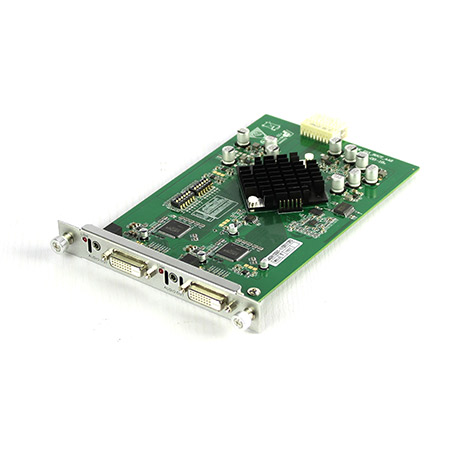 Mixing UHD - DVI Output Card
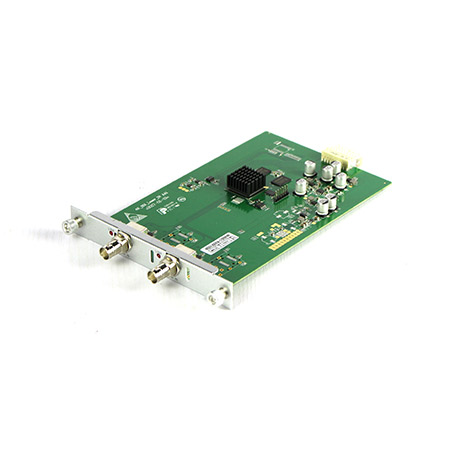 Mixing UHD - SDI Output Card
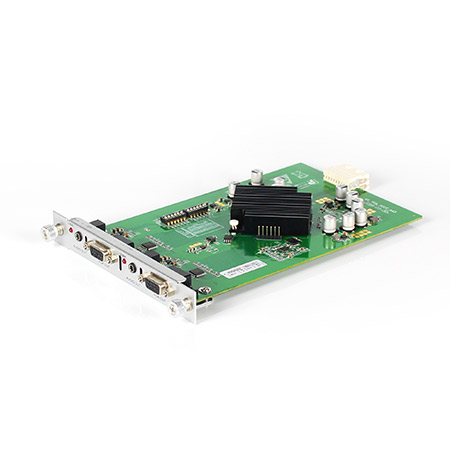 Mixing UHD - VGA Output Card
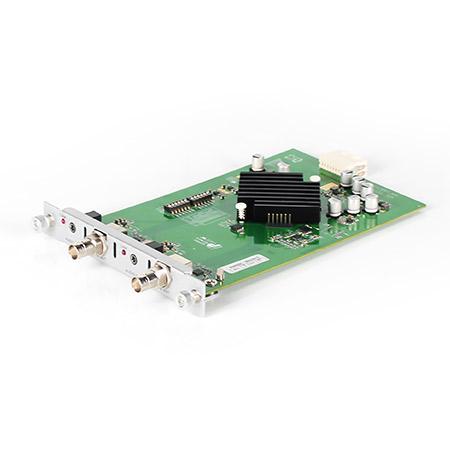 Mixing UHD - AV Output Card
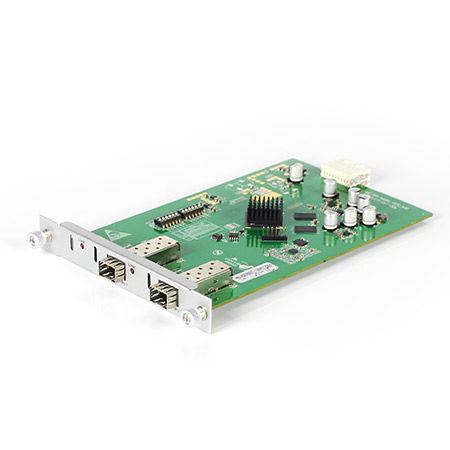 Mixing UHD - Fiber Output Card
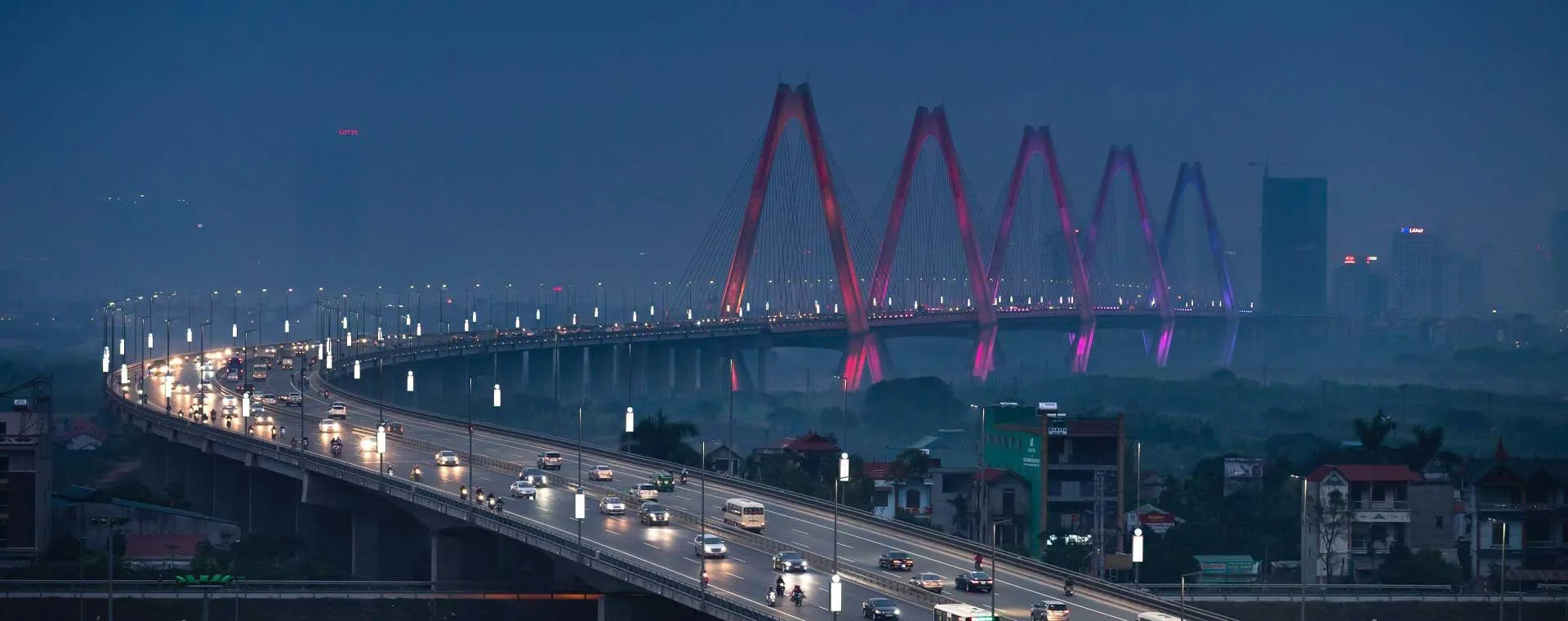
Water utilities manage treatment plants, pumping stations, reservoirs and other remote assets. These sites require continuous oversight, often from a central control room responsible for several locations.
The information operators rely on may come from several systems. SCADA, water-quality data, equipment alarms, CCTV and maintenance records can all appear on different screens or workstations. Each system provides useful information, but operators still need to bring the details together.
When an incident occurs, the operator must locate the relevant data, identify the correct camera feed and compare the available information before deciding what to do. Separate systems make this process slower, particularly when the operator is managing several sites at once. The time spent gathering information can delay assessment and the wider response.
A control-room team cannot watch every camera continuously across several plants, reservoirs and pumping stations. Operators must divide their attention between camera feeds, alarms and other operational systems. An abnormal condition may therefore remain unnoticed until it becomes more serious or triggers another warning.
Slow detection gives the problem more time to develop. A leak may damage equipment or lead to an environmental incident. Abnormal water levels or debris may interrupt operations. Fire or intrusion can place critical assets at risk. These events may also lead to regulatory exposure or service interruption.
Earlier identification gives operators more time to assess the situation and decide how it should be handled. It also provides a clearer picture before staff are sent to the affected site.
AVCiT's AI Edge Computing Platform adds real-time edge AI video analytics to compatible CCTV cameras. Utilities can use cameras already installed across their sites, avoiding the need to replace the entire network with AI-enabled models.
Water-related algorithms can measure water levels shown on gauges, identify floating objects in reservoirs or waterways and detect liquid leakage around pipes and treatment tanks. The same camera network can also monitor for smoke, fire, site intrusion and PPE non-compliance.
These analytics allow selected cameras to watch for defined conditions. When the system detects one of those conditions, it generates an alert for the control-room team. This reduces the reliance on an operator noticing the event during routine camera monitoring.
The alert must also reach the operator quickly and provide enough information for an initial assessment. The relevant camera feed and event details help the operator identify where the issue has occurred and review what is happening.
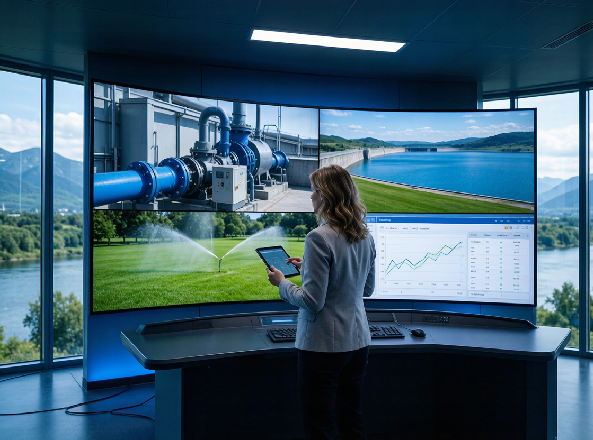
Detected events can be sent to an operator workstation or video wall with millisecond-level response. This brings the event into the control environment where operators already manage the utility's systems.
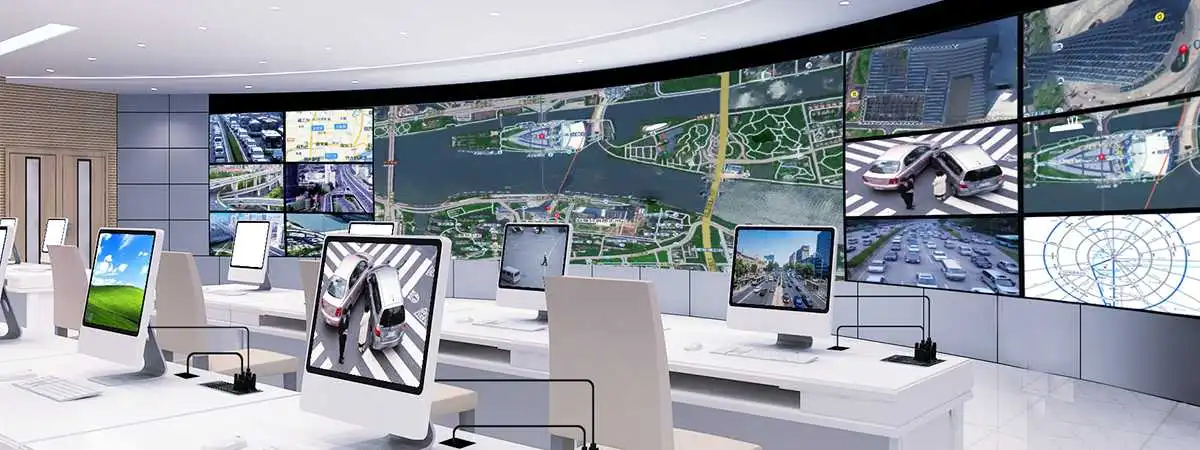
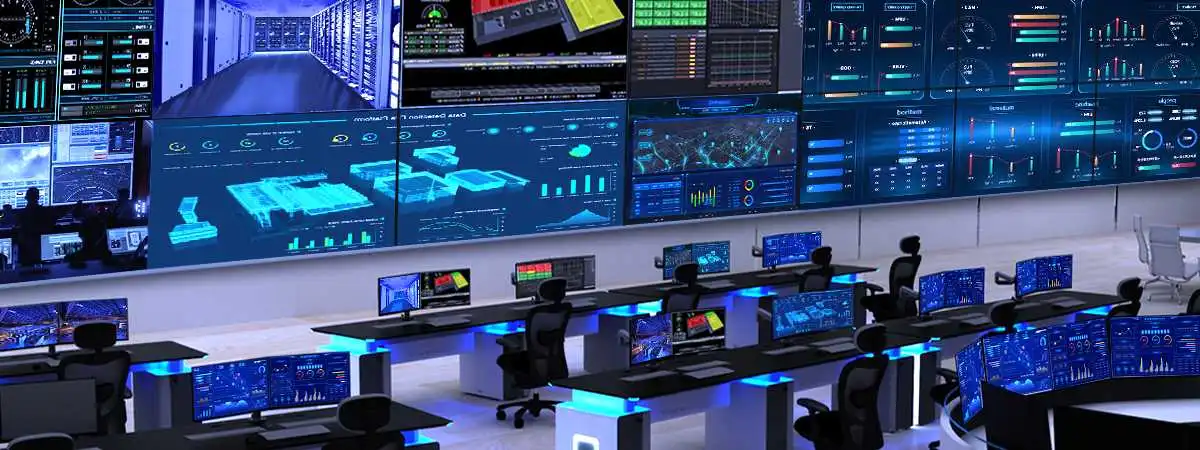
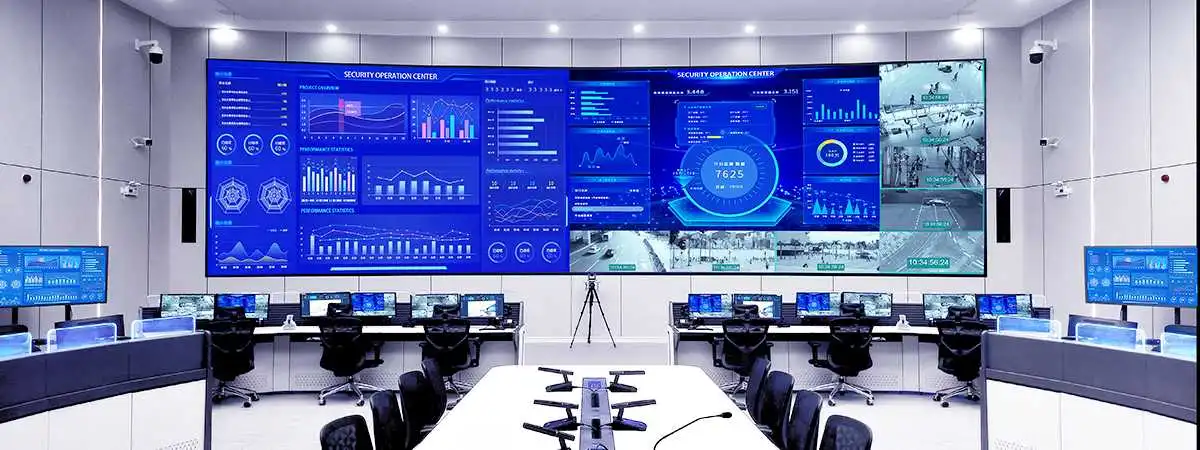
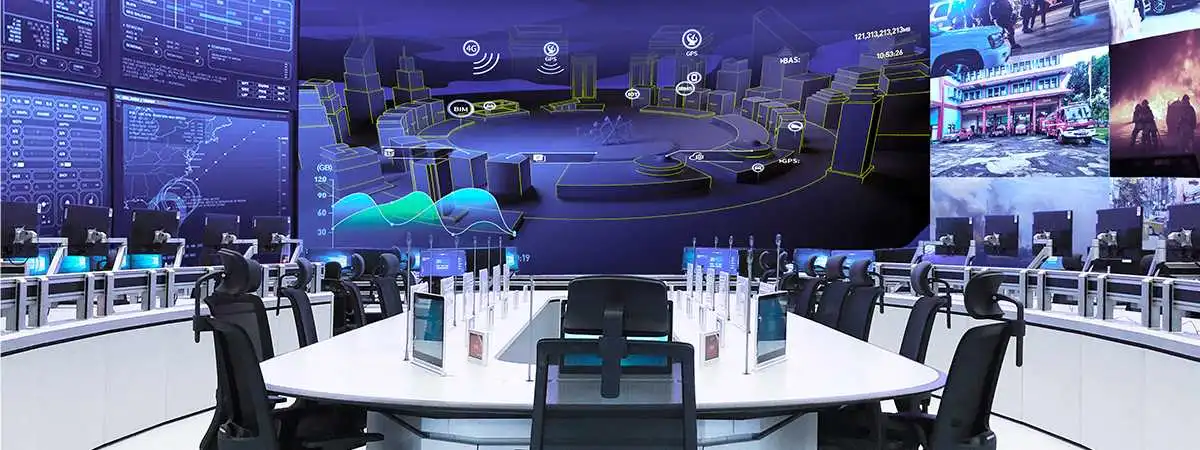
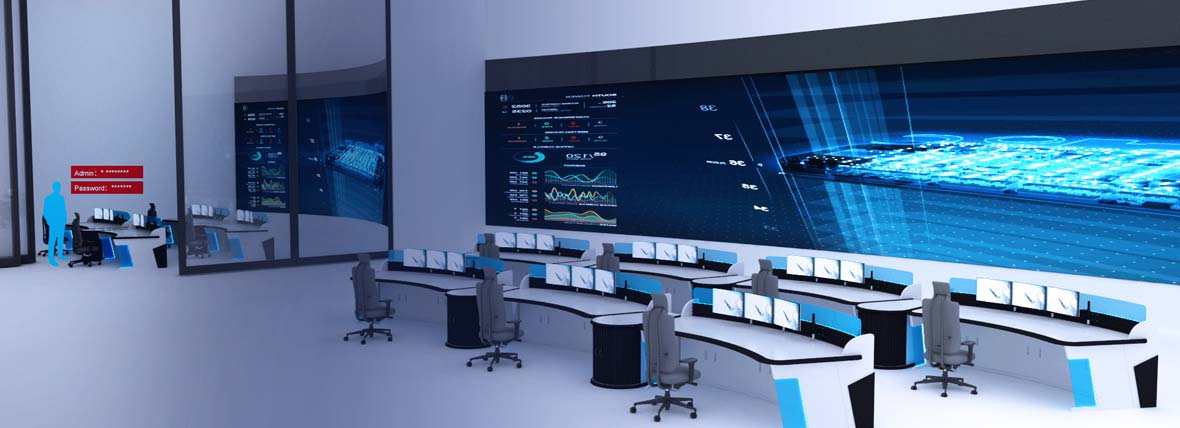
AVCiT's Video Wall Controller can place the relevant camera feed alongside SCADA, equipment alarms and operational dashboards. The operator can compare the footage with the available system data and develop a clearer view of the event.
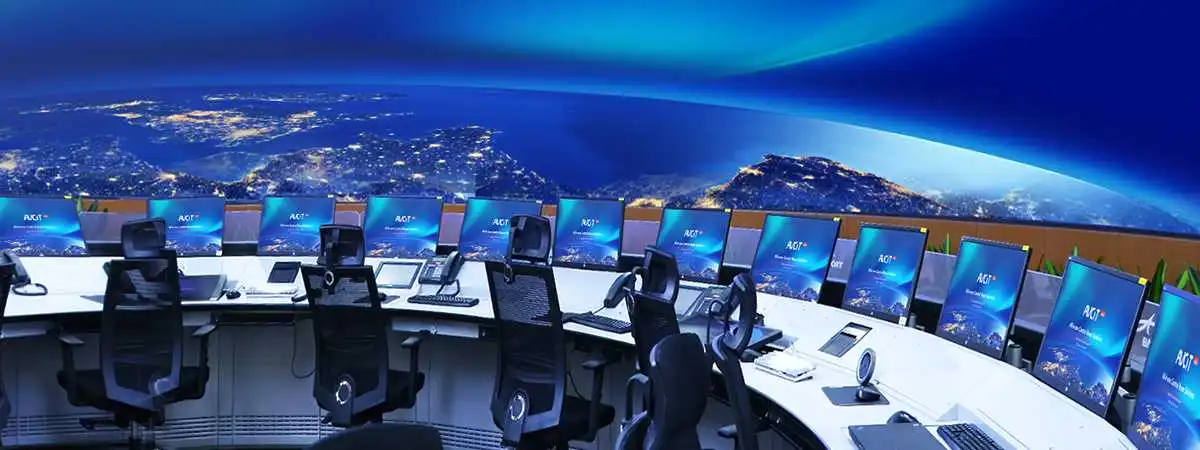
AVCiT's KVM over IP system also gives authorised operators access to multiple systems from one workstation. They can open the required application and move between operational sources without changing computers or relocating to another console.
This connected view reduces the time spent locating information during an incident. Operators can review the alert, compare the available data and decide on the appropriate response from the same control environment.
Video from treatment plants, pumping stations and reservoirs may contain sensitive operational information. Utilities need to control where that footage is processed and how it moves through the network.
AVCiT's edge AI video analytics platform processes video at the utility facility. Sensitive footage can remain within the organization's network while the system performs real-time detection.
Keeping the footage on site supports data-sovereignty requirements and avoids the routine transmission of video to an external cloud service. Utility leaders retain greater control over operational data while still receiving alerts when the system detects a defined condition.
AVCiT allows utilities to improve monitoring in stages, using compatible cameras and operational systems already in place. Existing infrastructure can remain in service as AI video analytics, video wall control and KVM over IP capabilities are introduced across more locations.
Adding AI video analytics to compatible cameras is generally more cost-effective than replacing conventional cameras with models that have built-in AI. It also reduces the amount of infrastructure that must be changed at each site.
For utilities managing several plants, reservoirs and pumping stations, this provides a practical way to improve detection, control-room visibility and response. Monitoring can be extended across the network without turning every site into a complete rebuild.
Contact the AVCiT team to discuss how edge AI video analytics and connected control room systems could support monitoring across your water utility network.