

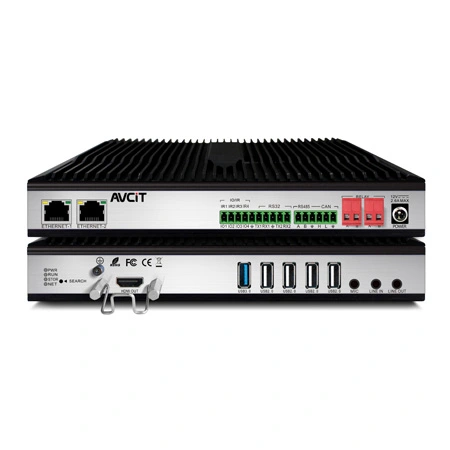
 AIVC-16CH AI BOX
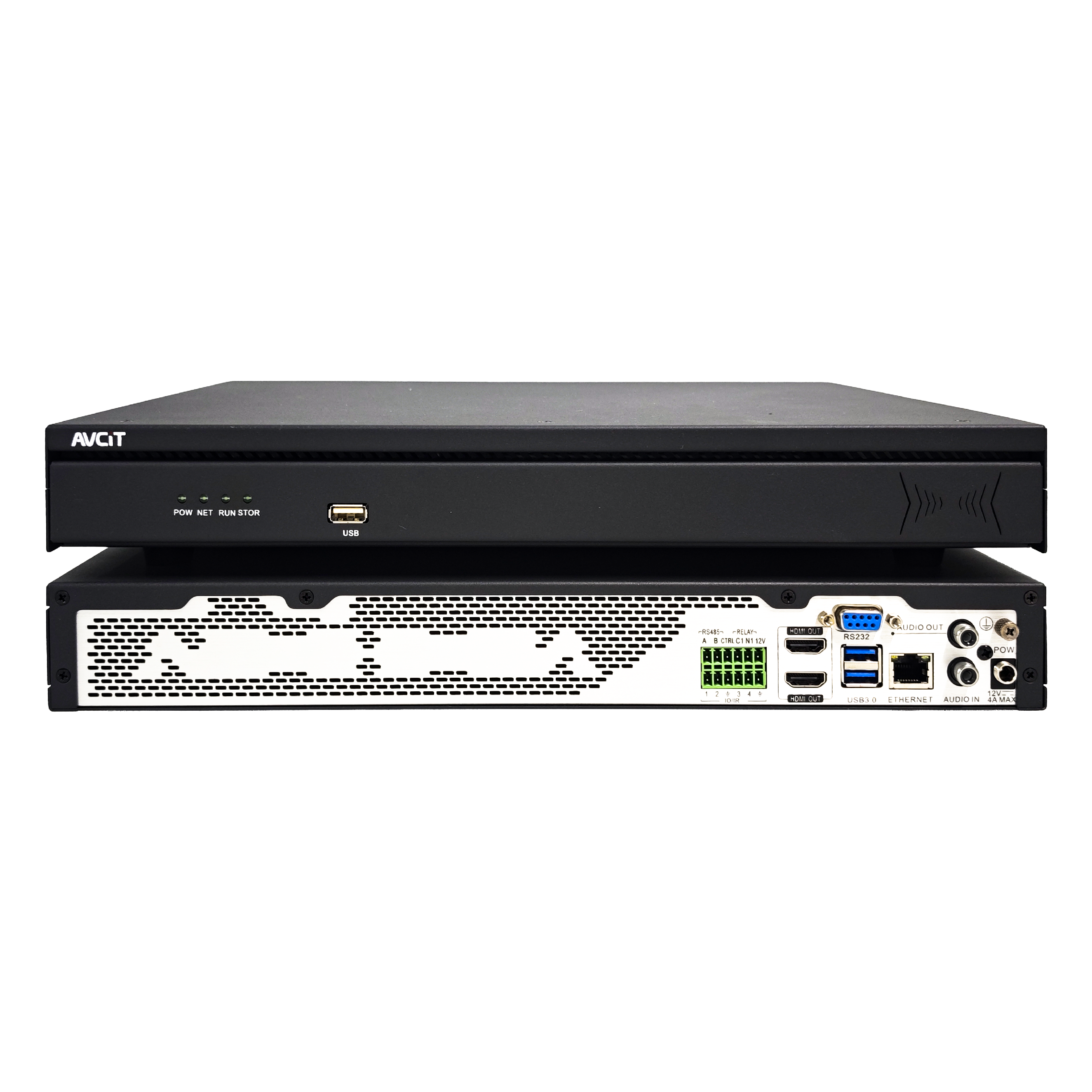 32CH CSN AI NVR
 2K HDMI Video Codec
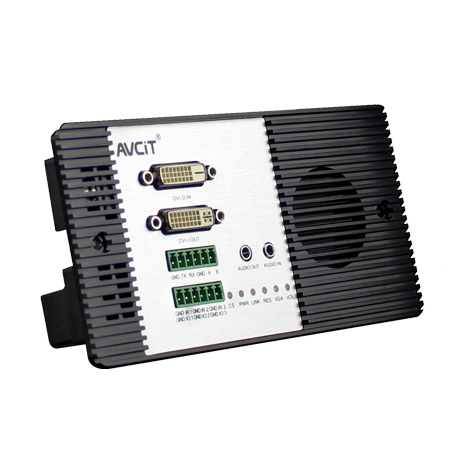 2K DVI Video Codec
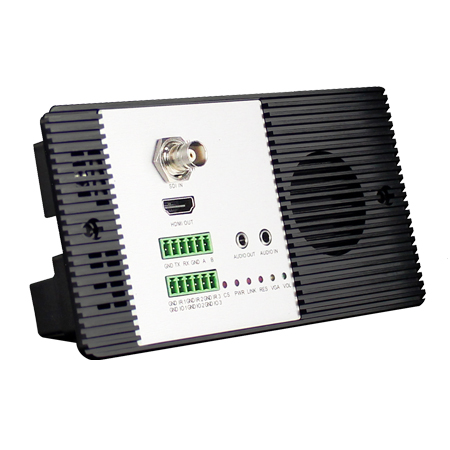 2K SDI Video Codec
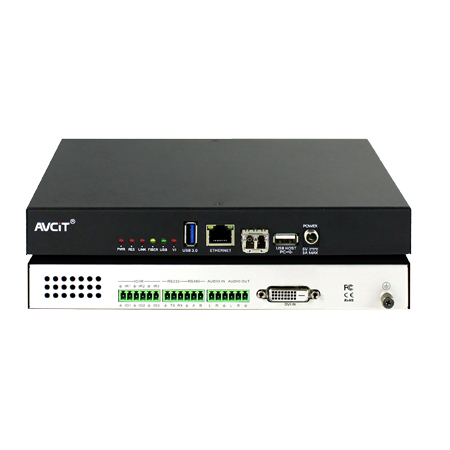 2K HDMI Video Encoder
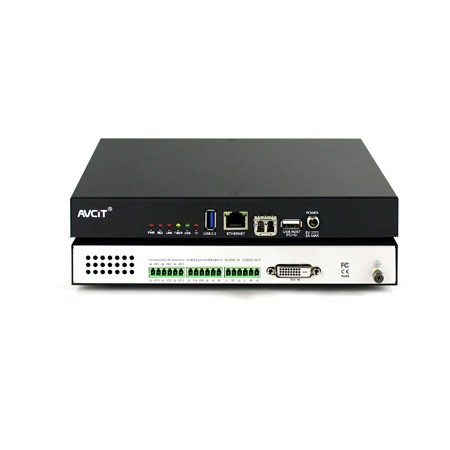 2K DVI Video Encoder
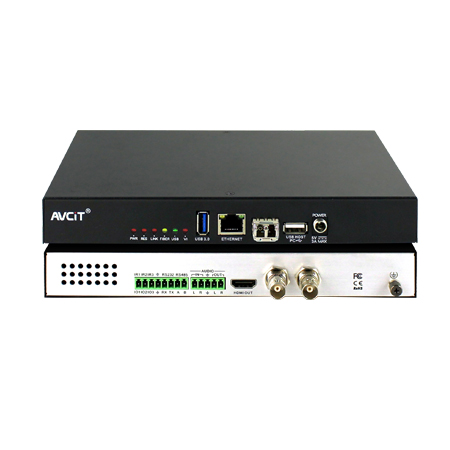 2K SDI Video Encoder
 2K VGA Video Encoder
 2K Video Wall Decoder (HDMI+DVI)
 4K HDMI Video Encoder
 4K HDMI Video Decoder
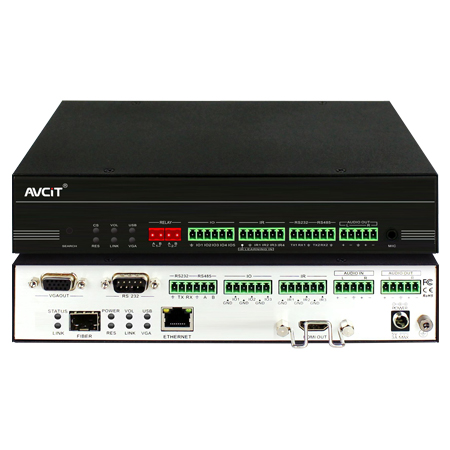 4K HDMI Video Wall Decoder
 4K HDMI + DVI Video Wall Decoder
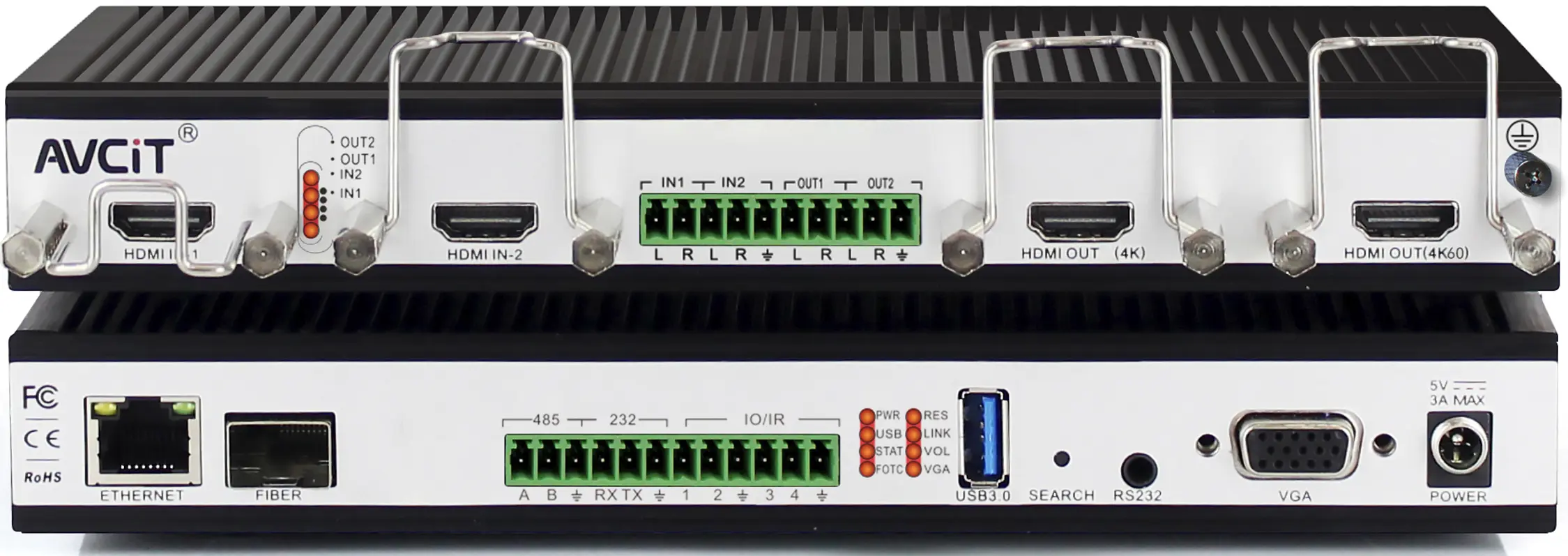 4K HDMI Dual Channel Codec
 8K HDMI Decoder
 2K KVM Encoder - HDMI
 2K KVM Encoder - DVI
 2K KVM Encoder - SDI
 2K KVM Encoder - DVI-I(VGA)
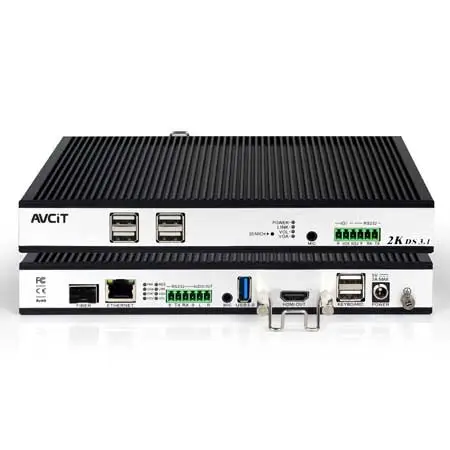 2K KVM Decoder - HDMI
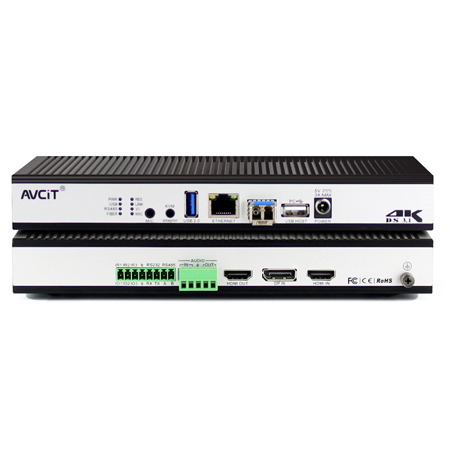 4K KVM Encoder - HDMI + DP
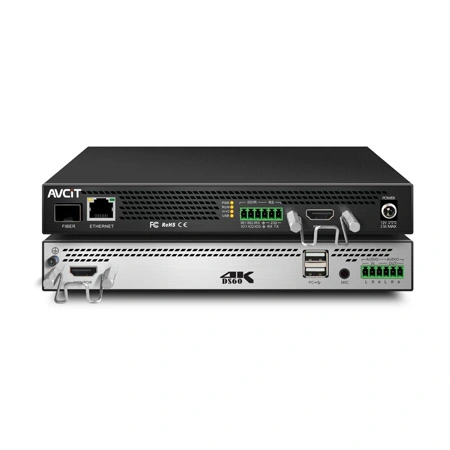 4K@60 KVM Encoder - HDMI
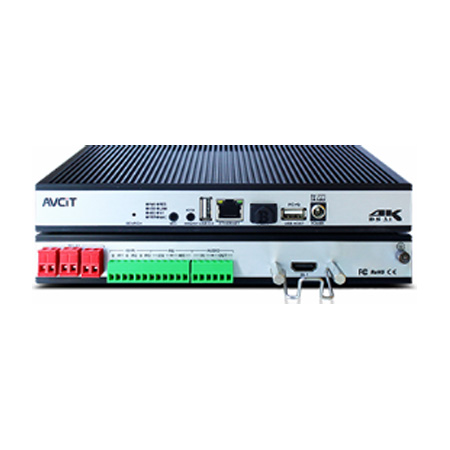 4K KVM Encoder - HDMI + HDMI
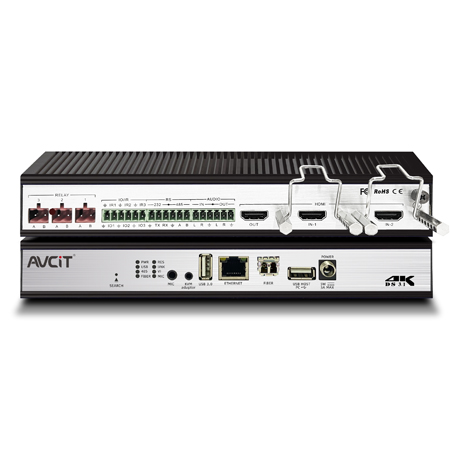 4K KVM Encoder - HDMI
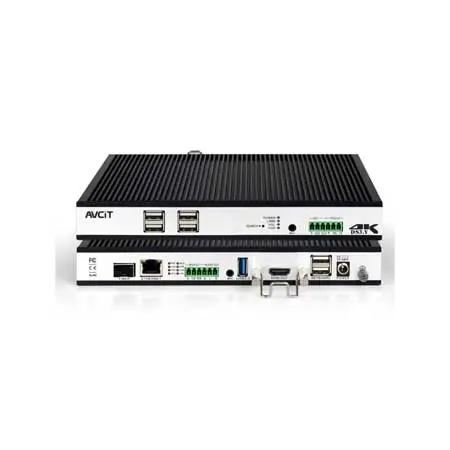 4K KVM Decoder - HDMI
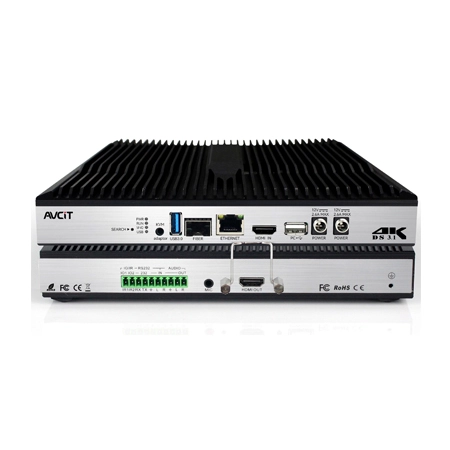 4K60 4:4:4 KVM Encoder - HDMI
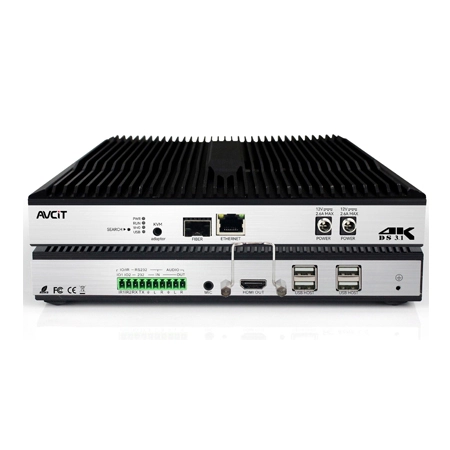 4K60 4:4:4 KVM Decoder-HDMI
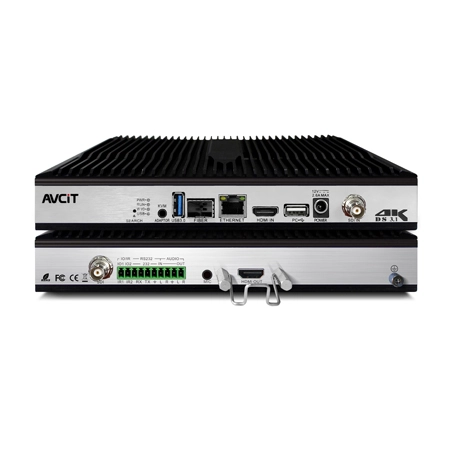 4K60 4:4:4 KVM Encoder - HDMI + SDI
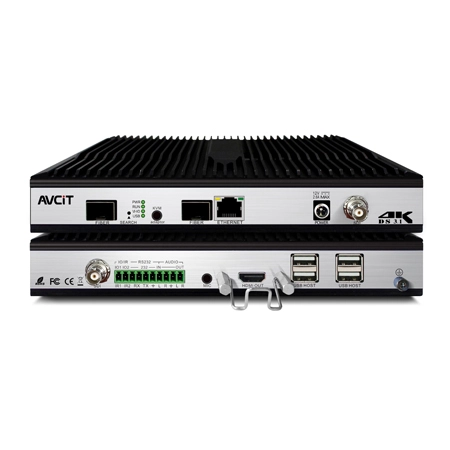 4K60 4:4:4 KVM Decoder - HDMI + SDI
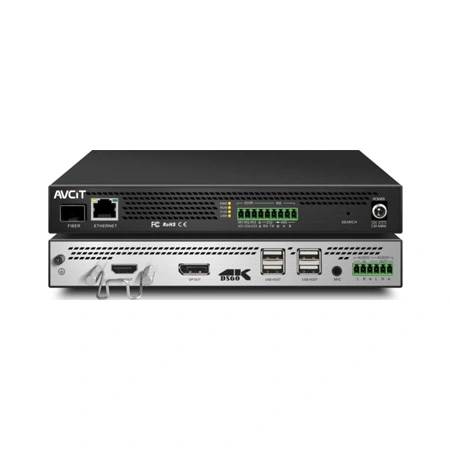 5K KVM Decoder - HDMI +DP
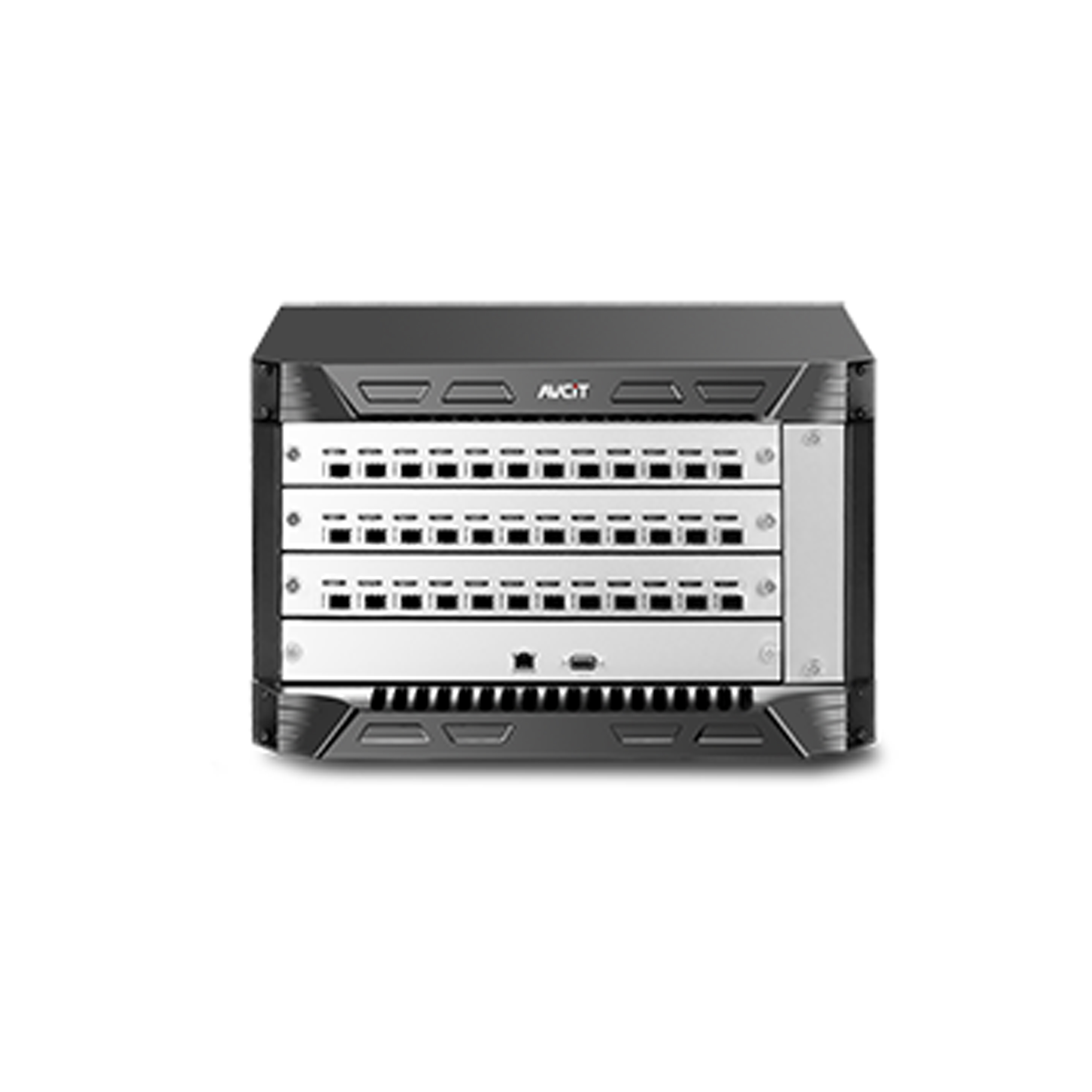 Phinx-36 Ports Fiber KVM Matrix
 Phinx-72 Ports Fiber KVM Matrix
 Phinx-144 Ports Fiber KVM Matrix
 Phinx-288 Ports Fiber KVM Matrix
 Phinx-576 Ports Fiber KVM Matrix
 Phinx - I/O SFP Module Card
 Phinx - Video Wall Control Card
 Phinx- Video Wall & SFP Card
 Phinx- Video Card(6IN6OUT)
 2K Video Wall Matrix - 8x8
 2K Video Wall Matrix - 16x16
 2K Video Wall Matrix - 32x32
 2K Video Wall Matrix - 72x72
 2K Video Wall Matrix - 144x144
 4K Video Matrix Switcher - 8x8
 4K Video Matrix Switcher - 36x36
 4K Video Matrix Switcher - 72x72
 4K Video Matrix Switcher - 144x144
 Mixing UHD - 4K HDBT Extender
 Mixing UHD - 4K Fiber Extender
 Rack Mounting Kit
 Wall Mounting Kit












 EN
EN
 es
es  th
th
Blog
Join us
FAQs

 4K KVM Transmitter-HDMI
 4K KVM Transmitter-HDMI+HDMI LOOP
 4K KVM Transmitter-DVI
 4K KVM Transmitter-DVI+DVI LOOP
 4K60 KVM Transmitter - HDMI
 2K KVM Transmitter-VGA
 4K KVM Receiver-HDMI
 4K KVM Receiver-DVI
 Quad-view KVM Receiver-HDMI
 4K60 KVM Receiver - HDMI
 4K60 Quad-view KVM Receiver
 2K KVM Receiver-HDMI
 2K KVM Receiver-DVI
 2K KVM Receiver-VGA
 Mixing HD-2K HDMI Input Card
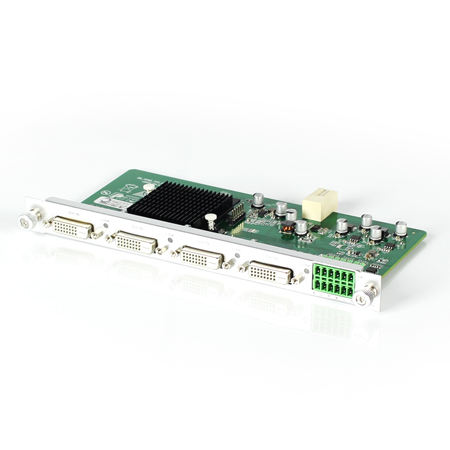 Mixing HD-2K DVI Input Card
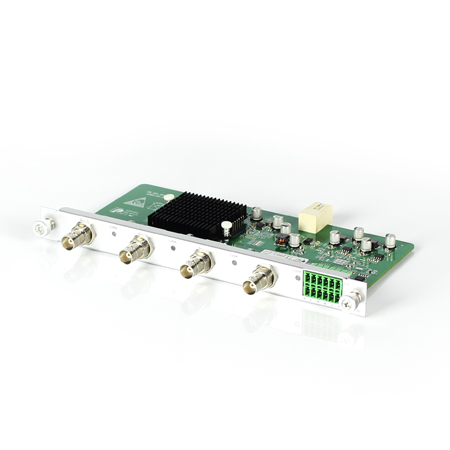 Mixing HD-2K SDI Input Card
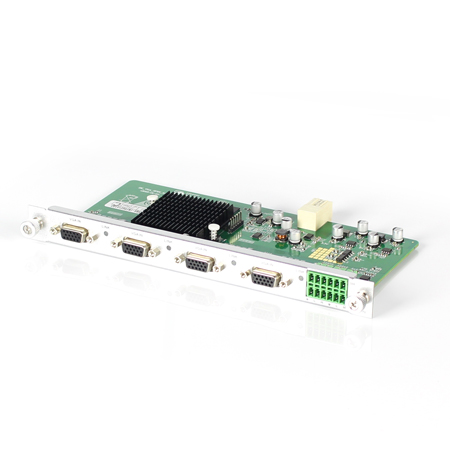 Mixing HD-2K VGA Input Card
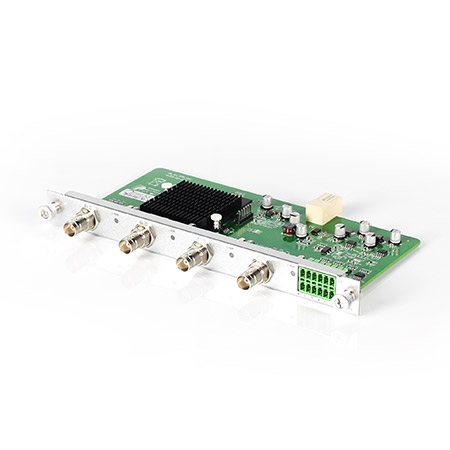 Mixing HD-2K AV Input Card
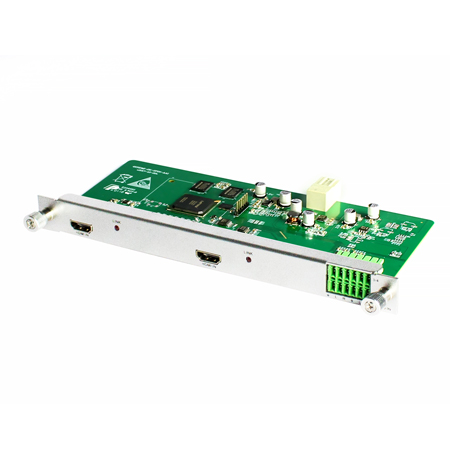 Mixing HD-HDMI UHD Input Card
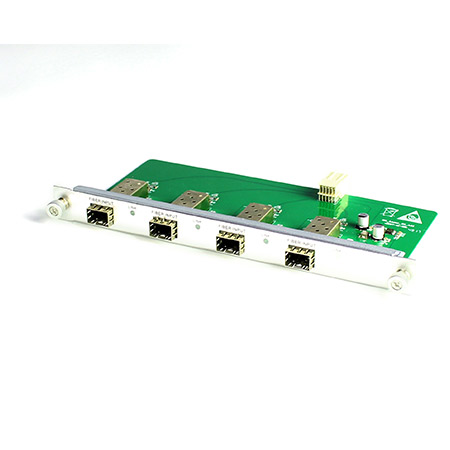 Mixing HD-Fiber Input Card
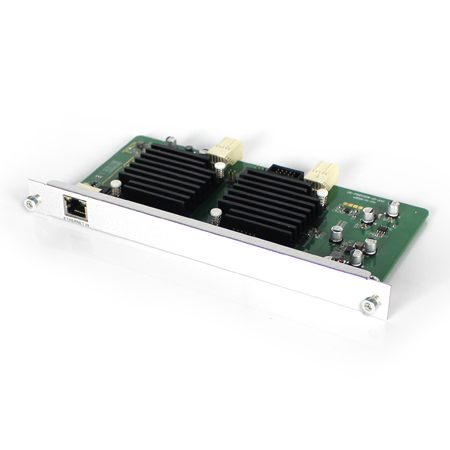 Mixing HD-IP Input Card
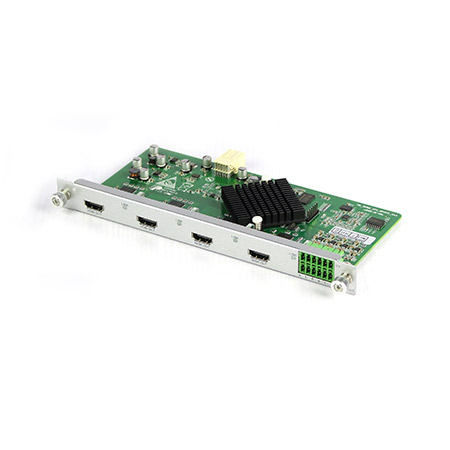 Mixing HD-HDMI Output Card
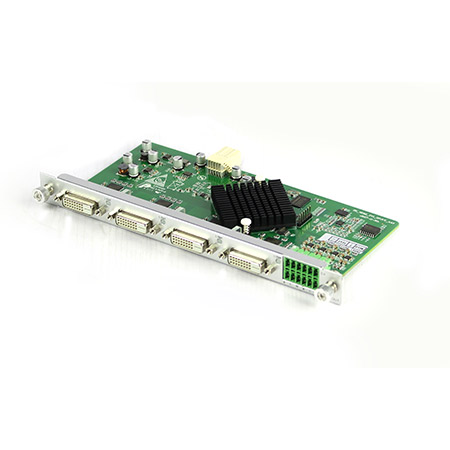 Mixing HD-DVI Output Card
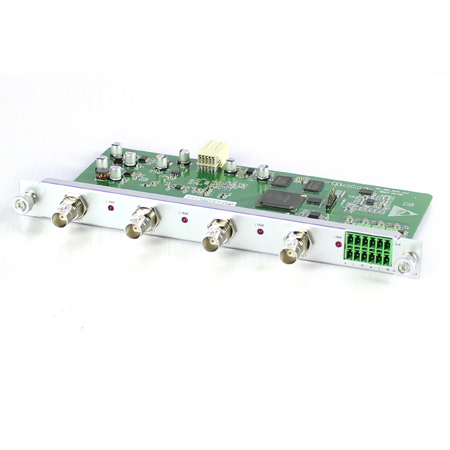 Mixing HD-SDI Output Card
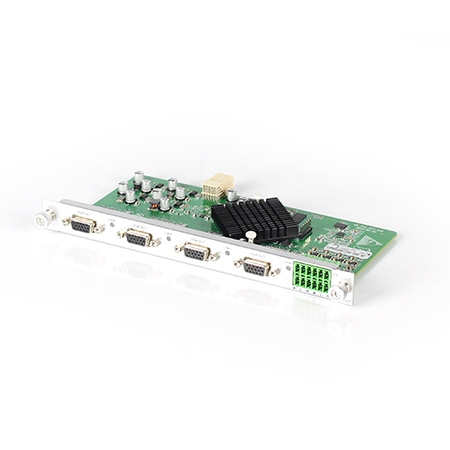 Mixing HD-VGA Output Card
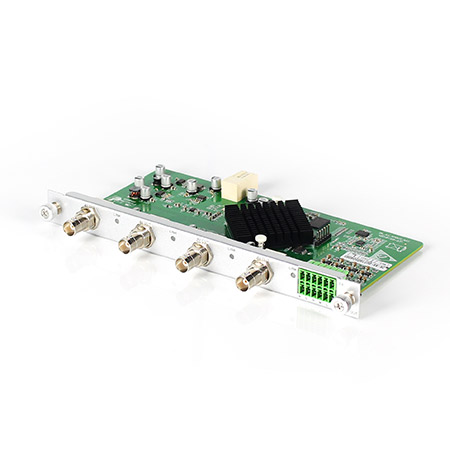 Mixing HD-AV Output Card
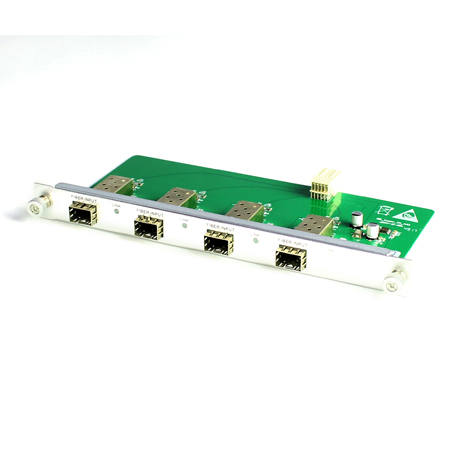 Mixing HD-Fiber Output Card
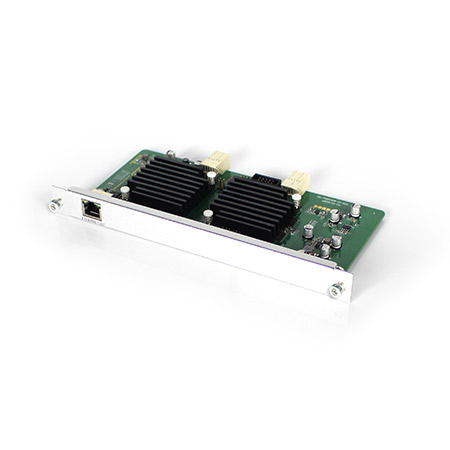 Mixing HD-IP Output Card
Mixing HD-HDMI Video Wall Control Card (2 channel)
Mixing HD-IP Output Card
Mixing HD-HDMI Video Wall Control Card (2 channel)
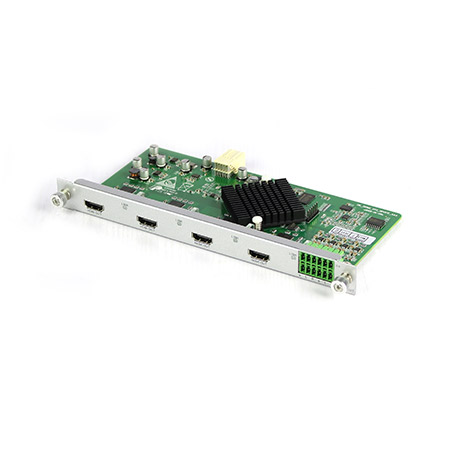 Mixing HD-HDMI Video Wall Control Card (1 channel)
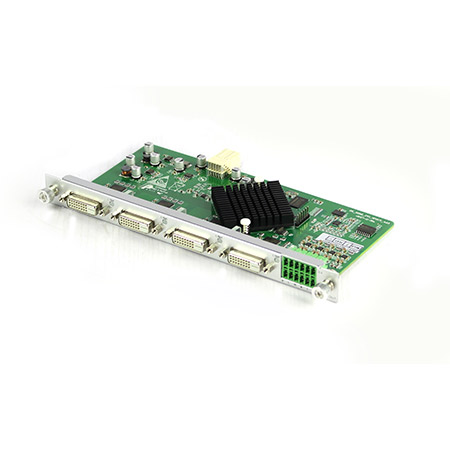 Mixing HD-DVI Video Wall Control Card (2 channel)
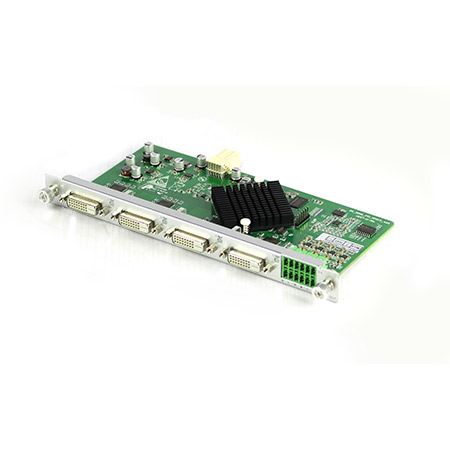 Mixing HD-DVI Video Wall Control Card (1 channel)
 Mixing UHD - HDMI Input Card
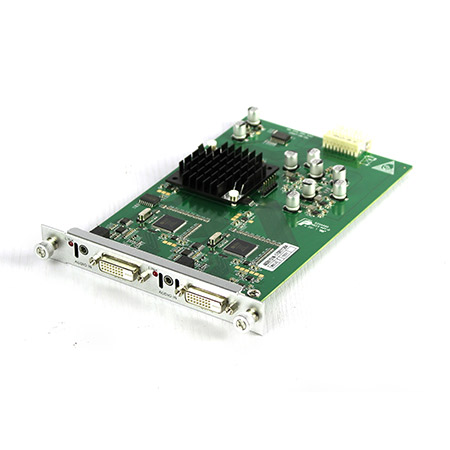 Mixing UHD - DVI Input Card
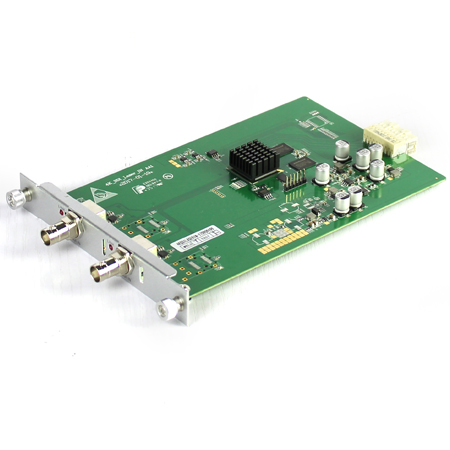 Mixing UHD - SDI Input Card
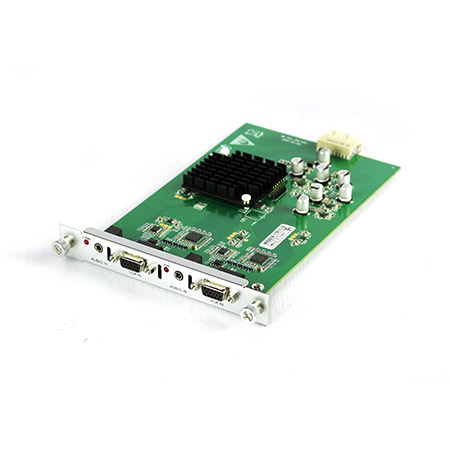 Mixing UHD - VGA Input Card
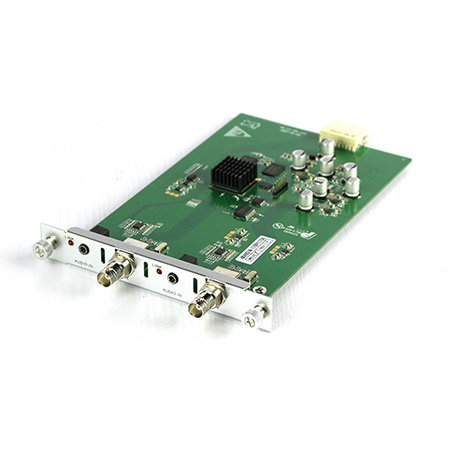 Mixing UHD - AV Input Card
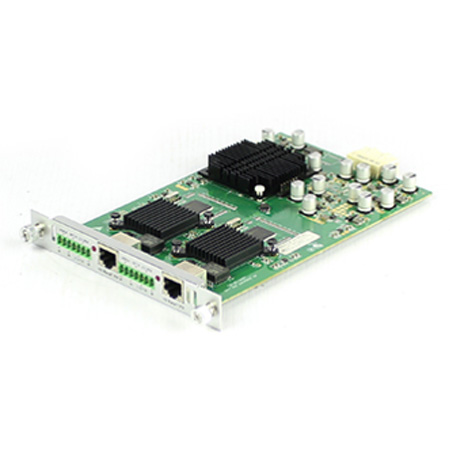 Mixing UHD - HDBT Input Card
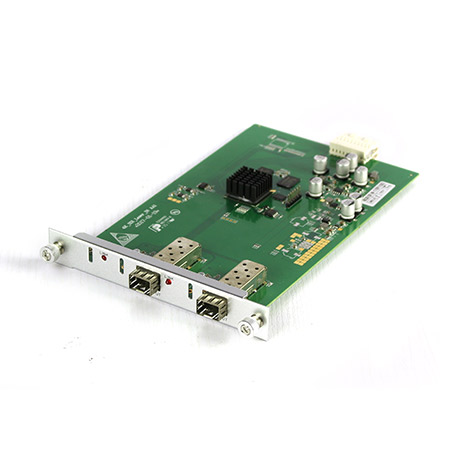 Mixing UHD - Fiber Input Card
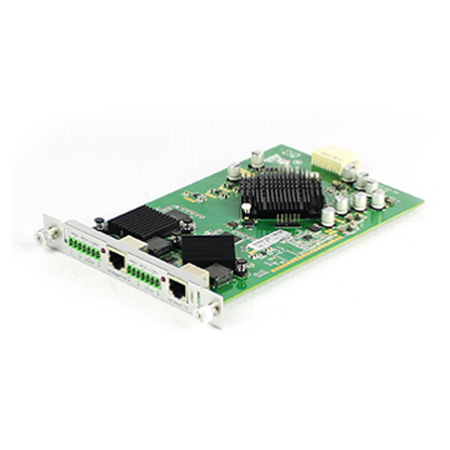 Mixing UHD - HDBT Output Card
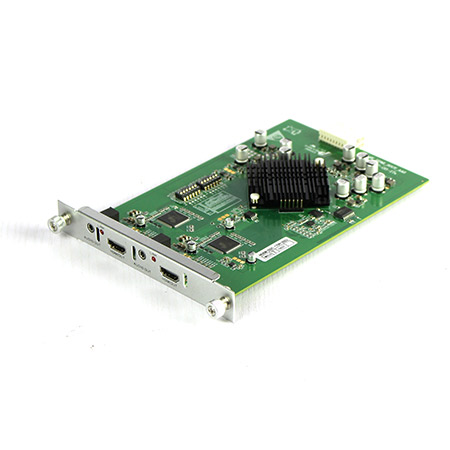 Mixing UHD - HDMI Output Card
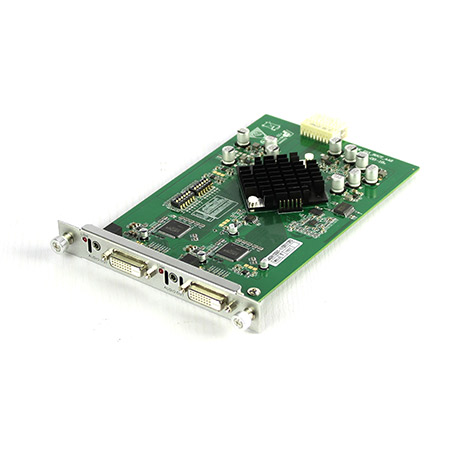 Mixing UHD - DVI Output Card
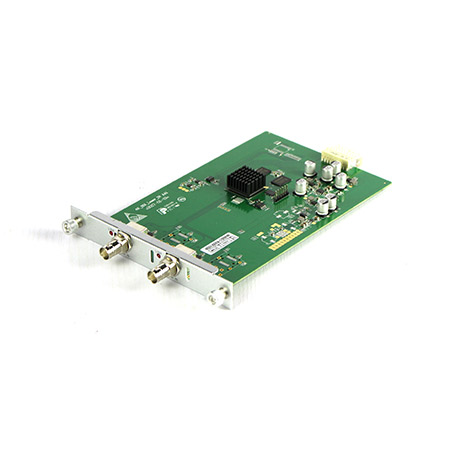 Mixing UHD - SDI Output Card
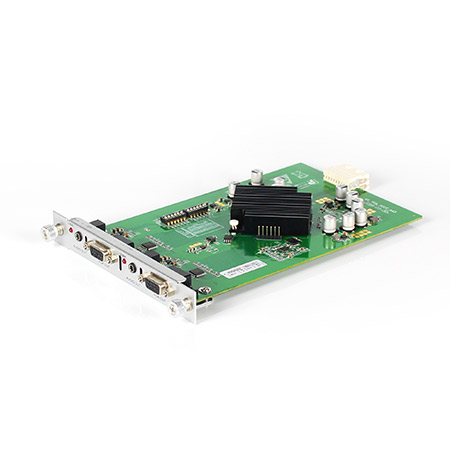 Mixing UHD - VGA Output Card
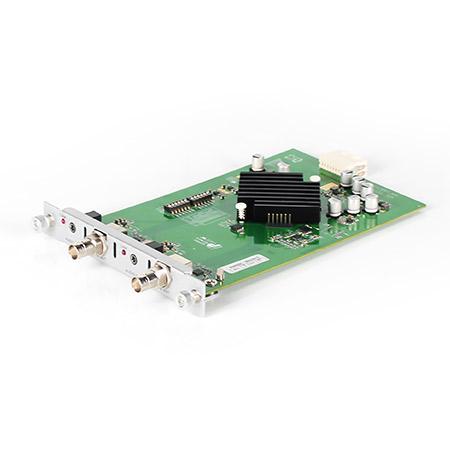 Mixing UHD - AV Output Card
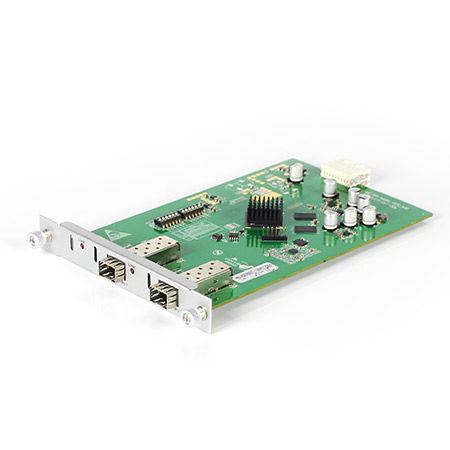 Mixing UHD - Fiber Output Card
University campuses present some of the most demanding security challenges in the built environment. Open access, high foot traffic, and distributed physical infrastructure create conditions that traditional security systems were never designed to address. Edge computing, powered by artificial intelligence, offers a fundamentally different model.
Most campus security systems were not built all at once. They accumulated over time as different technologies were integrated throughout the years, and these were rarely designed to work with one another. The result is a fragmented environment where security, operations, and facilities teams often work from incomplete information.
That fragmentation has a direct cost. When an incident occurs, security teams are left reviewing footage after the fact, piecing together what happened across multiple systems that do not share data. By the time a clear picture forms, the moment to intervene has already passed.
The instinct to add more security staff does not solve the underlying problem either. Human attention has limits, and on a large or growing campus, those limits will always be reached before full coverage is achieved.
Edge computing is the practice of processing data at or near the source where it is generated, rather than routing it to a centralized cloud server for analysis. Applied to campus security, this means video feeds are analyzed locally on a nearby edge node, delivering actionable insights in milliseconds.
The operational advantages for institutions are substantial:
• Faster response times: Threat detection occurs in real time, enabling security teams to act before an incident can escalate.
• Reduced bandwidth consumption: Local video processing significantly reduces the data load on campus networks.
• Enhanced data privacy: Sensitive footage remains on-site, removing the interception and corruption risks associated with transmitting video across external networks.
• Built-in resilience: The decentralized architecture eliminates single points of failure. If one node goes offline, the rest of the system continues operating without interruption.
For institutions that require continuous, campus-wide surveillance, these are not optional features. They are foundational requirements.
AVCiT's AI Edge Computing Platform makes this digital transformation practical and scalable for university environments — including those running older camera systems or a mix of hardware from different vendors.
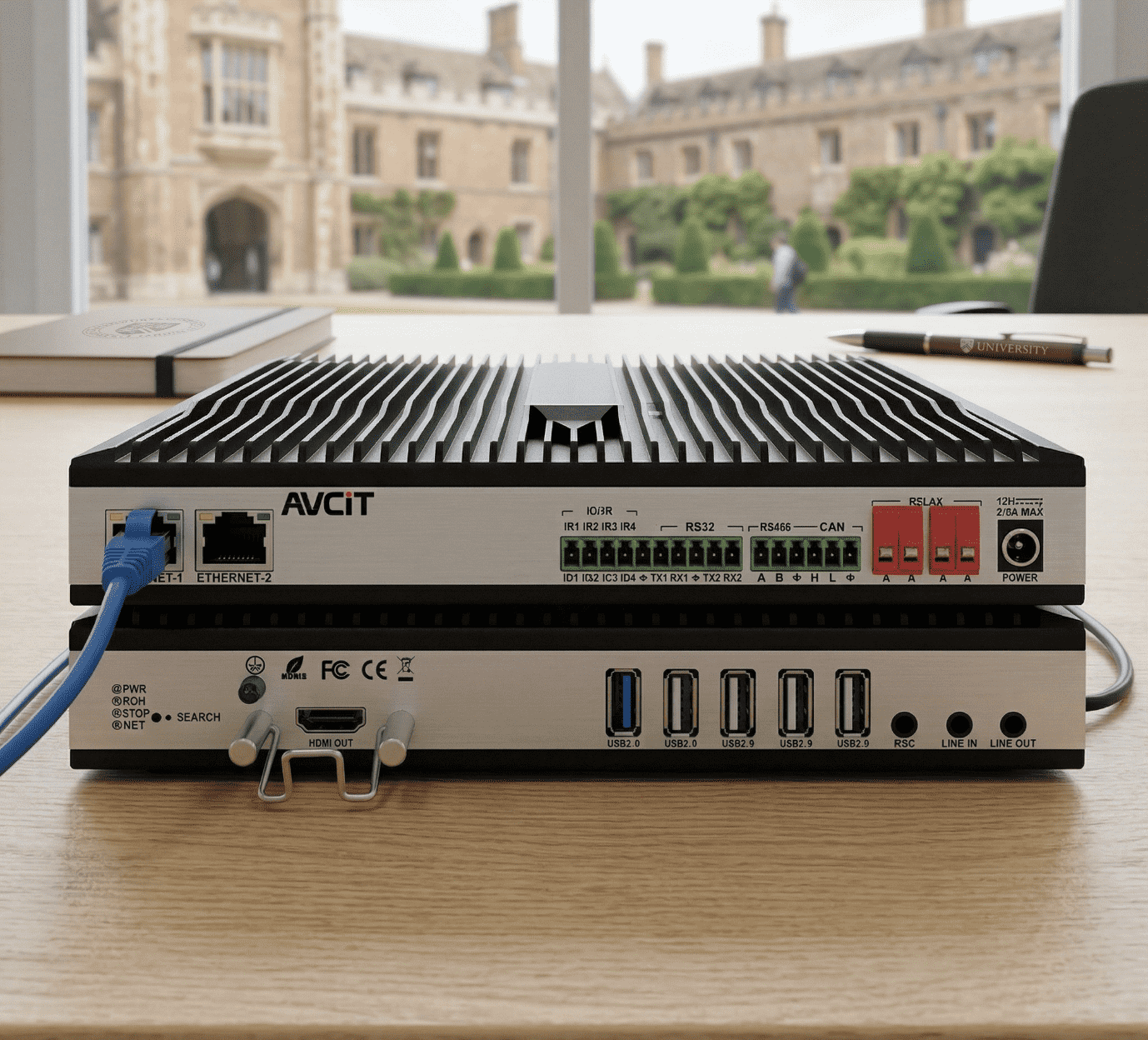
Replacing an entire camera network is a significant investment, and for many institutions, that cost alone is enough to delay adoption. AVCiT removes that barrier. AVCiT's AI Box device adds intelligent detection capability to existing non-AI IP cameras without requiring hardware replacement. It functions as an upgrade layer that brings AI-powered analysis to infrastructure already in place.
Additionally, the AI Edge Computing Node connects via RTSP, ONVIF, and RTMP protocols, ensuring compatibility with virtually any camera system. Whether a campus runs cameras from a single manufacturer or has accumulated different systems over the years, integration requires no significant modification to existing infrastructure.
Campus environments vary considerably in scale and complexity. AVCiT is designed to accommodate both. AVCiT's Computing AI Box supports up to 32 camera channels, with larger deployments handled through cascading configurations or server-based setups.
Institutions can begin with a targeted deployment in a single building or zone and expand coverage incrementally as requirements evolve, without rearchitecting the underlying system.
At the core of the platform is a library of more than 50 AI detection algorithms, covering scenarios from physical altercations and unauthorized intrusion to fire detection and perimeter breaches. Each algorithm is fully configurable, allowing institutions to prioritize the detection scenarios most relevant to their specific environment and risk profile.
A research university with open public grounds may prioritize perimeter monitoring and after-hours intrusion detection. A residential college may focus on corridor behavior and common area safety. AVCiT's configuration flexibility ensures the platform reflects institutional priorities rather than a generic default.
The platform's interface reinforces operational efficiency. Detected events are automatically tagged with metadata, allowing security personnel to locate specific incidents quickly without manually reviewing hours of footage.
The most consequential shift AVCiT enables is operational rather than technological. Campus security teams move from reactive investigation to proactive intervention.
AVCiT's AI detection runs continuously, maintaining consistent vigilance regardless of the time of day. There is no fatigue and gap in coverage. Every camera feed is monitored to the same high standard, around the clock.
When the system detects an anomaly, the response is immediate. Security monitors receive automatic alerts, creating a coordinated response across the campus. Faster detection directly compresses the window of risk, limiting the potential impact of an incident before it can escalate further.
Every detected event is automatically logged, providing administrators with a timestamped audit trail for incident investigations, insurance purposes, and compliance reporting. As universities face increasing regulatory scrutiny around campus safety obligations, this documentation capability has become a core operational requirement.
The impact extends beyond the security function itself. When threats are identified and communicated in real time, students, staff, and faculty operate with greater confidence. For prospective students, parents, and institutional partners, a campus that invests in proactive safety sends a clear message about what it values.

Campus security cannot be resolved by adding more cameras or expanding headcount. The scale and complexity of modern university environments require a different approach, one grounded in intelligence, speed, and the capacity to act before incidents become crises.
AVCiT's AI Edge Computing Platform meets each of these requirements. By bringing AI-powered detection to existing camera infrastructure, enabling fully customizable threat scenarios, and delivering real-time alerting alongside automated documentation, AVCiT transforms campus security from a reactive function into a proactive one.
Whether the deployment spans a single building or a multi-site university system, AVCiT scales to meet the requirement without the cost or disruption of replacing existing infrastructure.
To learn how edge computing can transform security at your institution, contact AVCiT today.