

 AIVC-16CH AI BOX
 32CH CSN AI NVR
 2K HDMI Video Codec
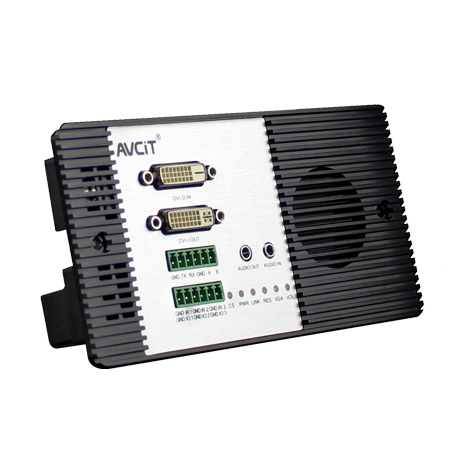 2K DVI Video Codec
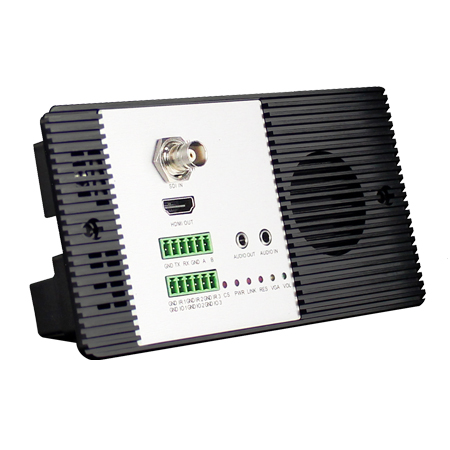 2K SDI Video Codec
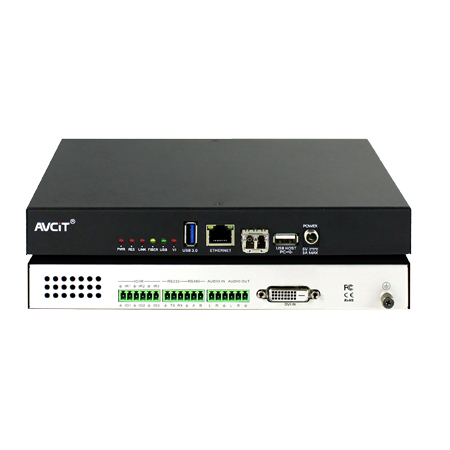 2K HDMI Video Encoder
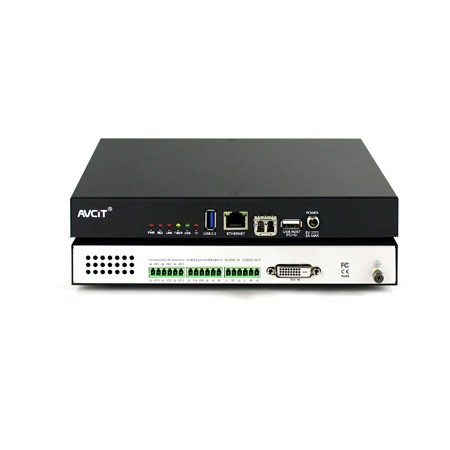 2K DVI Video Encoder
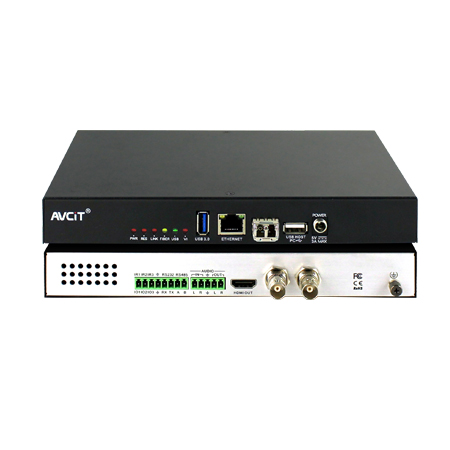 2K SDI Video Encoder
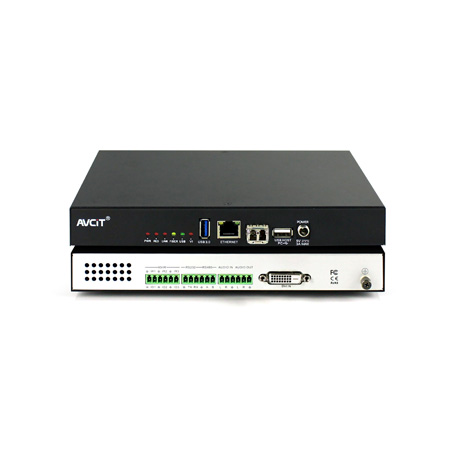 2K VGA Video Encoder
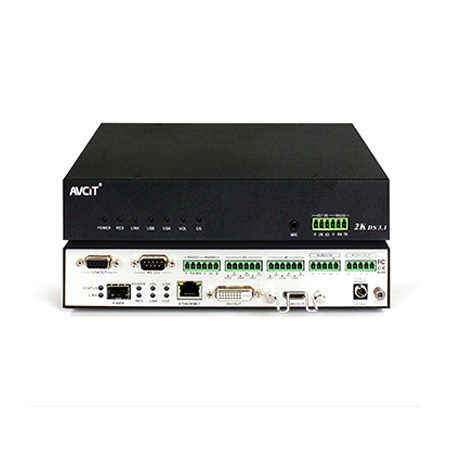 2K Video Wall Decoder (HDMI+DVI)
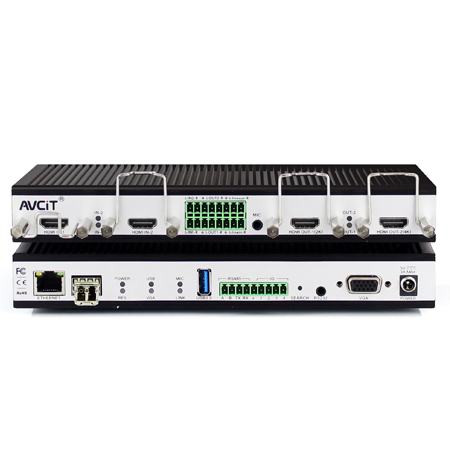 4K HDMI Video Encoder
 4K HDMI Video Decoder
 4K HDMI Video Wall Decoder
 4K HDMI + DVI Video Wall Decoder
 4K HDMI Dual Channel Codec
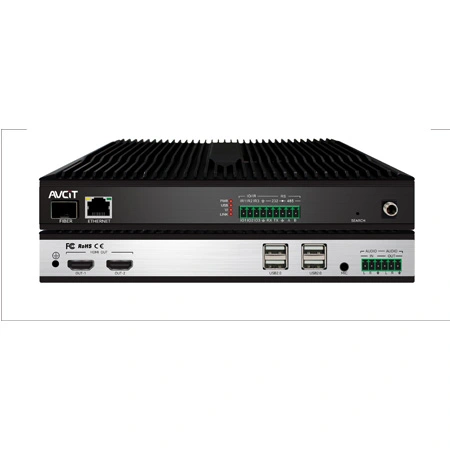 8K HDMI Decoder
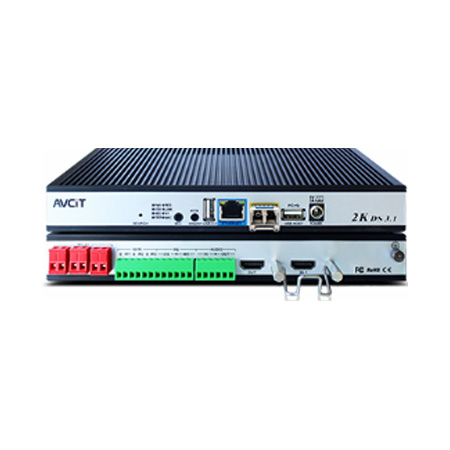 2K KVM Encoder - HDMI
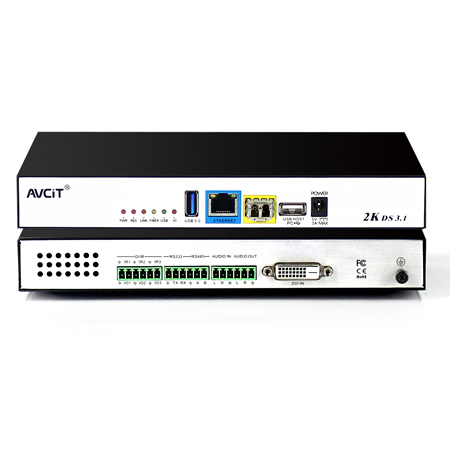 2K KVM Encoder - DVI
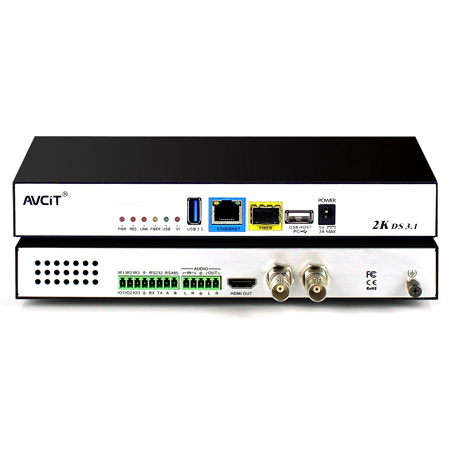 2K KVM Encoder - SDI
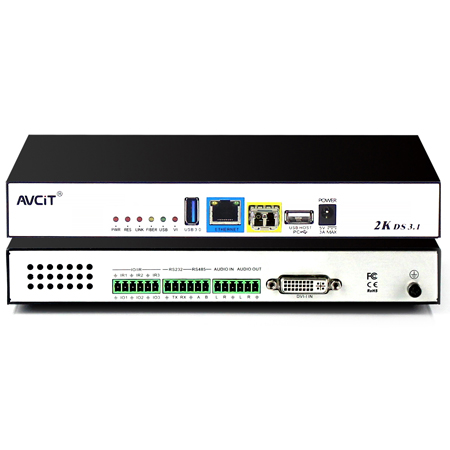 2K KVM Encoder - DVI-I(VGA)
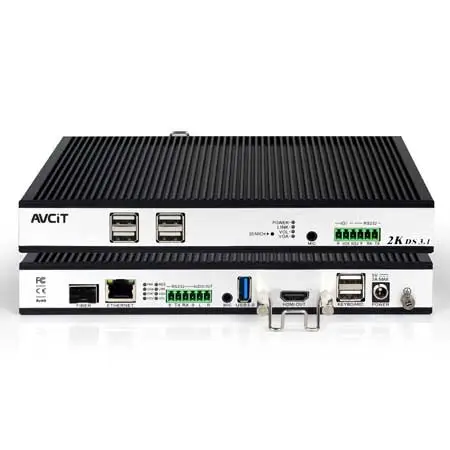 2K KVM Decoder - HDMI
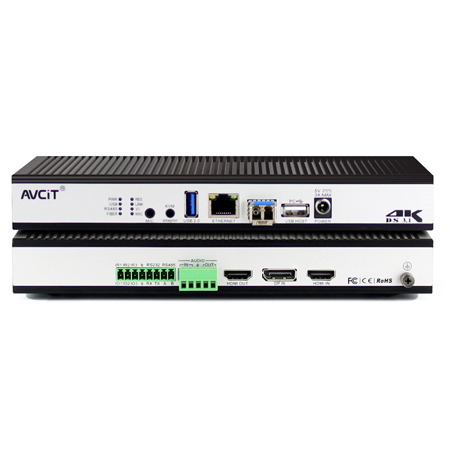 4K KVM Encoder - HDMI + DP
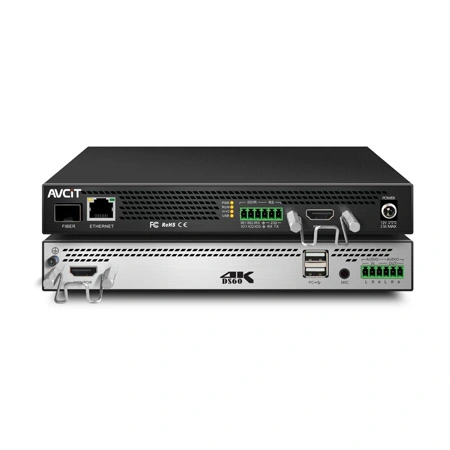 4K@60 KVM Encoder - HDMI
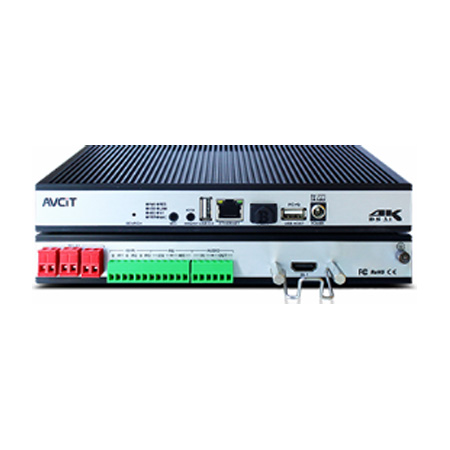 4K KVM Encoder - HDMI + HDMI
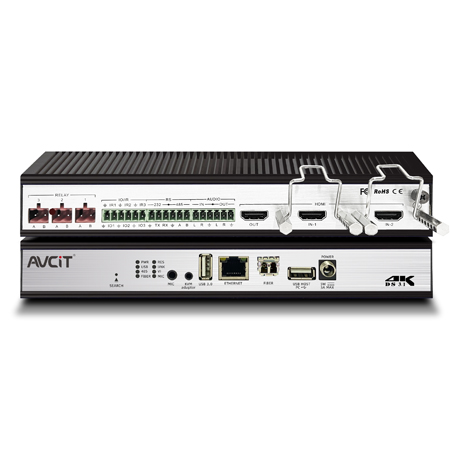 4K KVM Encoder - HDMI
 4K KVM Decoder - HDMI
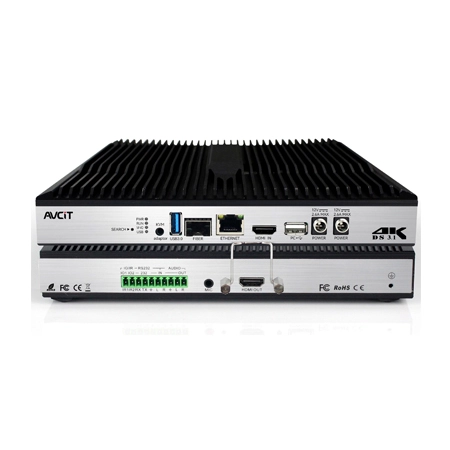 4K60 4:4:4 KVM Encoder - HDMI
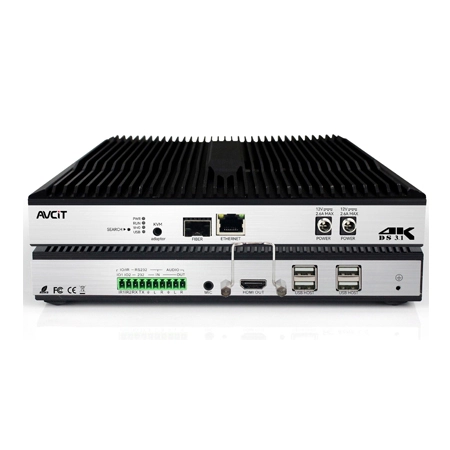 4K60 4:4:4 KVM Decoder-HDMI
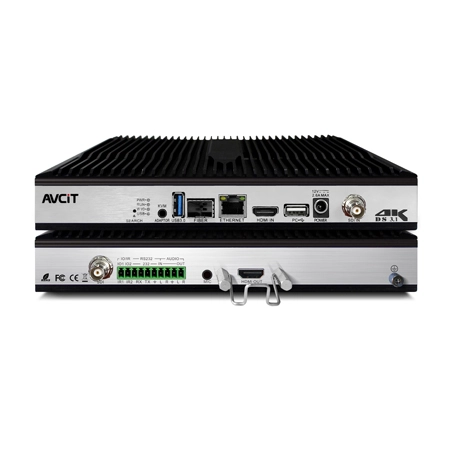 4K60 4:4:4 KVM Encoder - HDMI + SDI
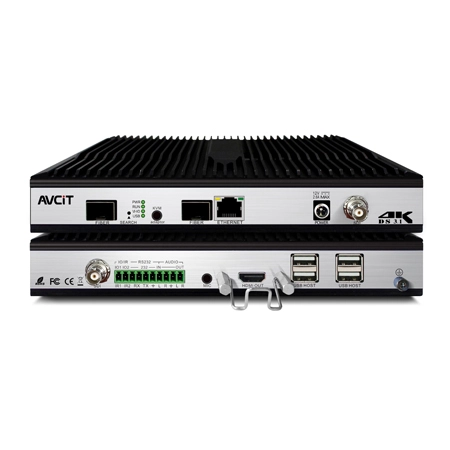 4K60 4:4:4 KVM Decoder - HDMI + SDI
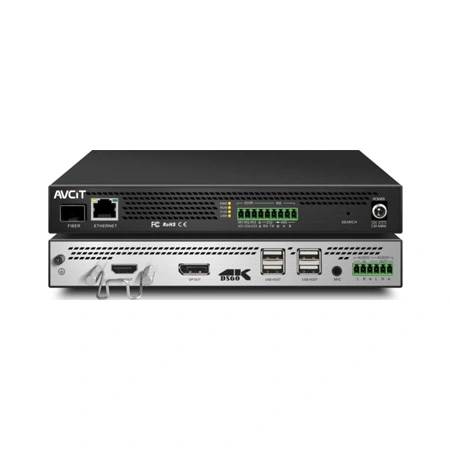 5K KVM Decoder - HDMI +DP
 Phinx-36 Ports Fiber KVM Matrix
 Phinx-72 Ports Fiber KVM Matrix
 Phinx-144 Ports Fiber KVM Matrix
 Phinx-288 Ports Fiber KVM Matrix
 Phinx-576 Ports Fiber KVM Matrix
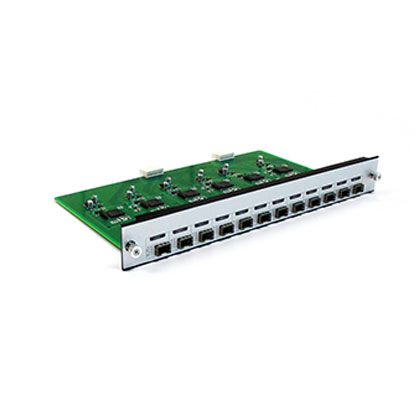 Phinx - I/O SFP Module Card
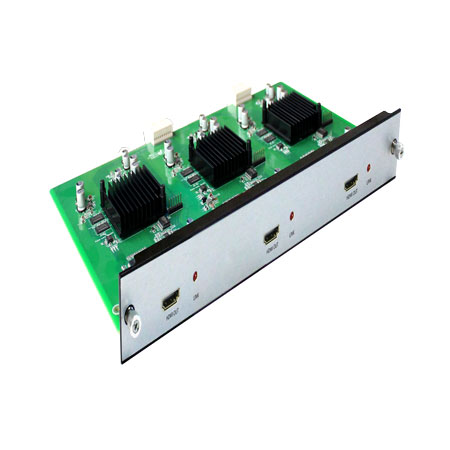 Phinx - Video Wall Control Card
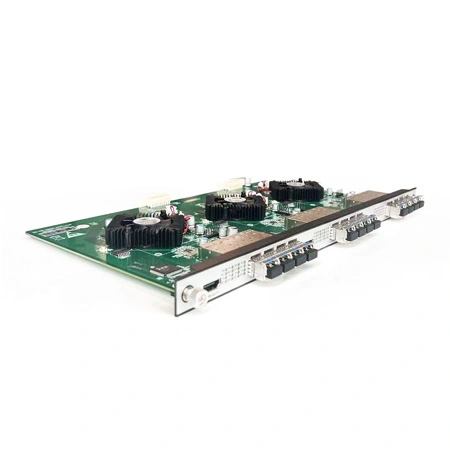 Phinx- Video Wall & SFP Card
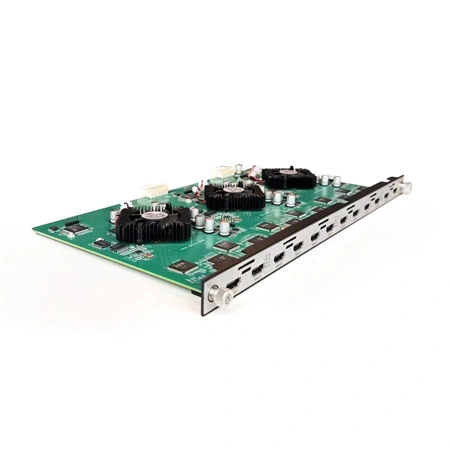 Phinx- Video Card(6IN6OUT)
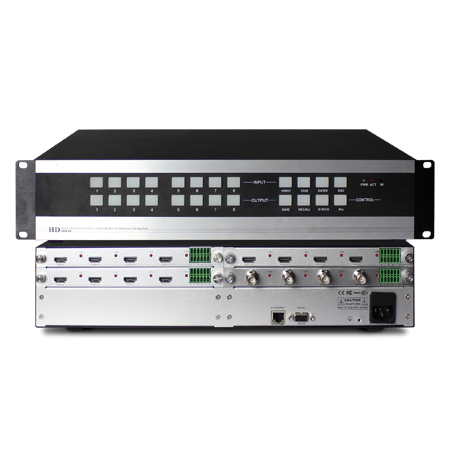 2K Video Wall Matrix - 8x8
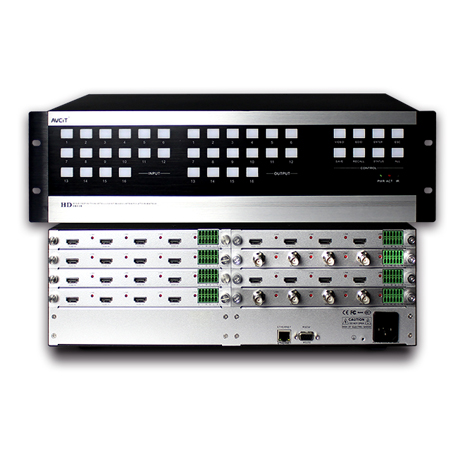 2K Video Wall Matrix - 16x16
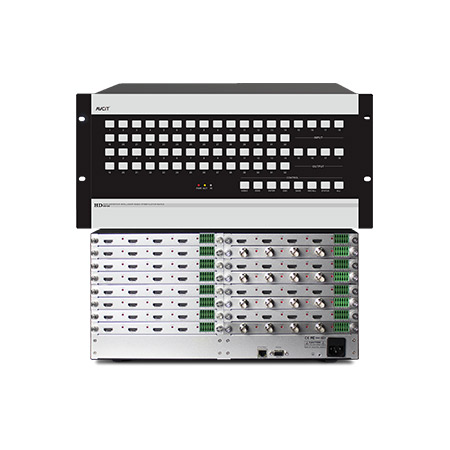 2K Video Wall Matrix - 32x32
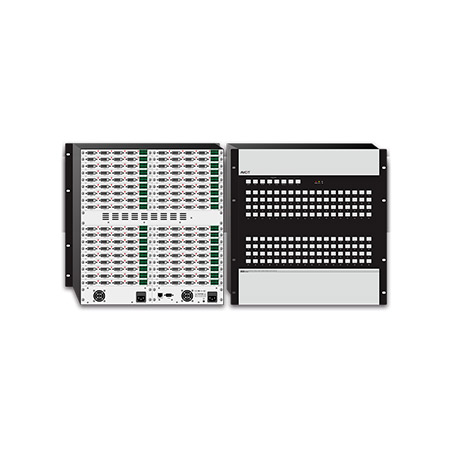 2K Video Wall Matrix - 72x72
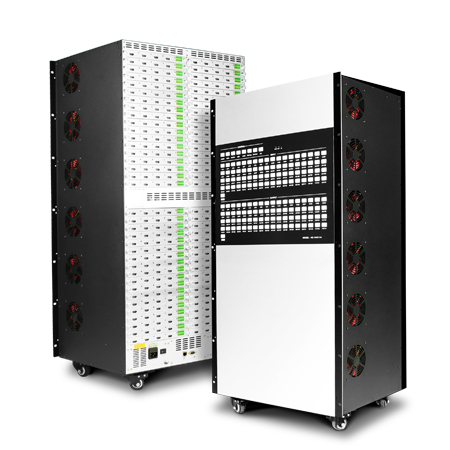 2K Video Wall Matrix - 144x144
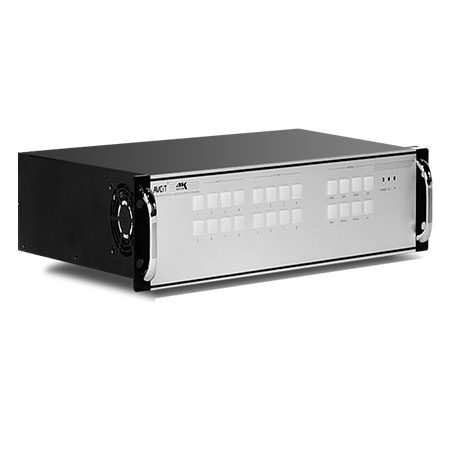 4K Video Matrix Switcher - 8x8
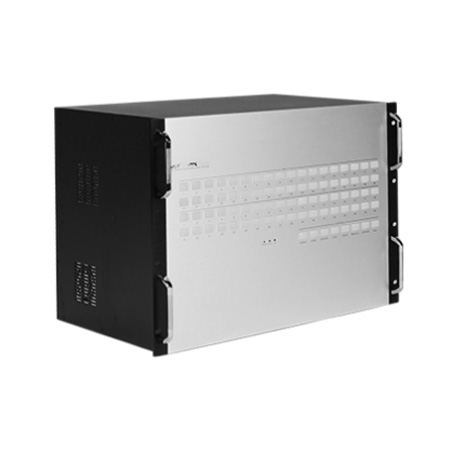 4K Video Matrix Switcher - 36x36
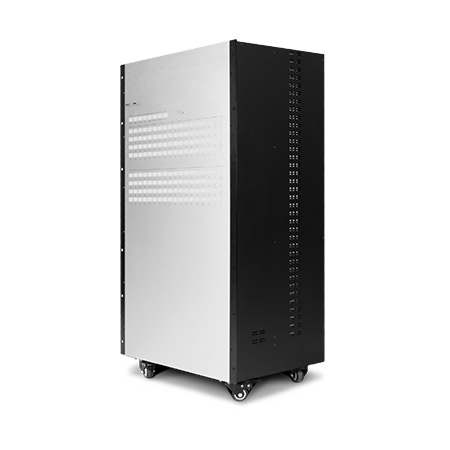 4K Video Matrix Switcher - 72x72
 4K Video Matrix Switcher - 144x144
 Mixing UHD - 4K HDBT Extender
 Mixing UHD - 4K Fiber Extender
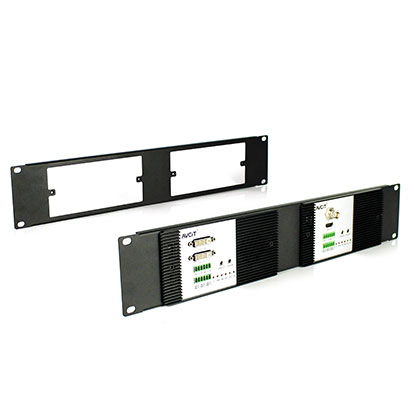
 Rack Mounting Kit
 Wall Mounting Kit












 EN
EN
 es
es  th
th
Blog
Join us
FAQs

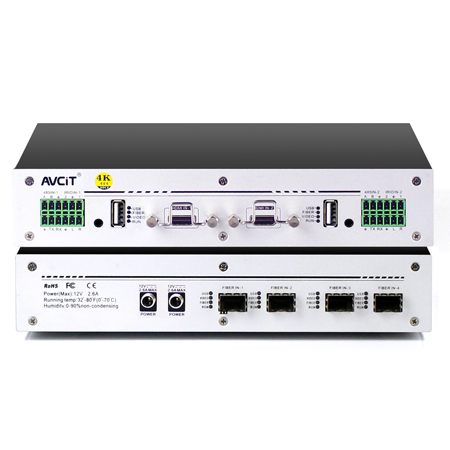 4K KVM Transmitter-HDMI
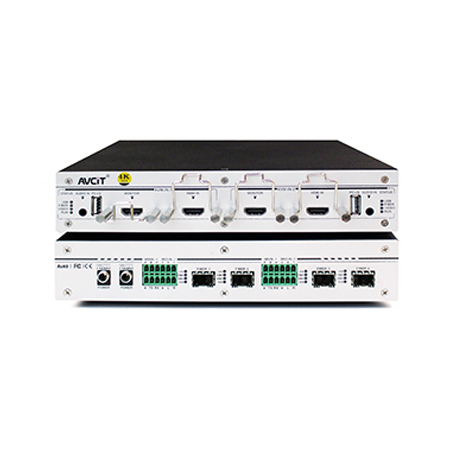 4K KVM Transmitter-HDMI+HDMI LOOP
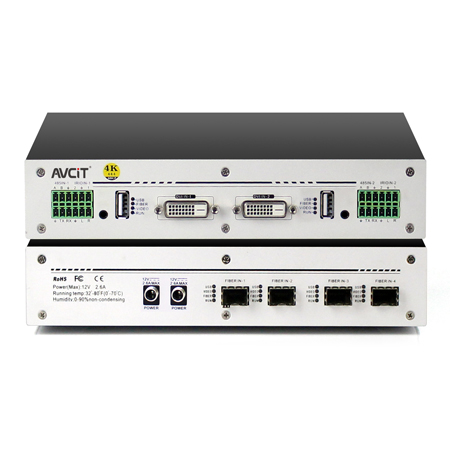 4K KVM Transmitter-DVI
 4K KVM Transmitter-DVI+DVI LOOP
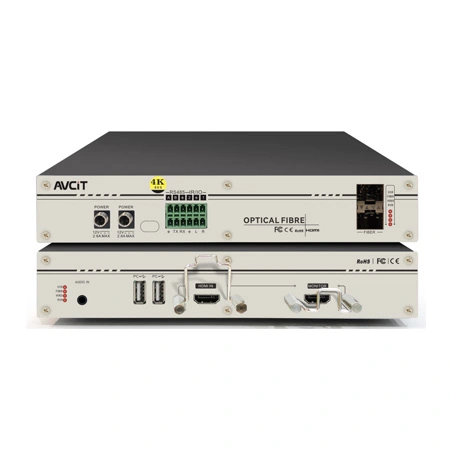 4K60 KVM Transmitter - HDMI
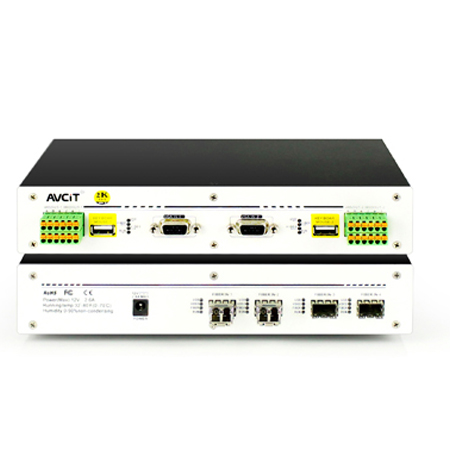 2K KVM Transmitter-VGA
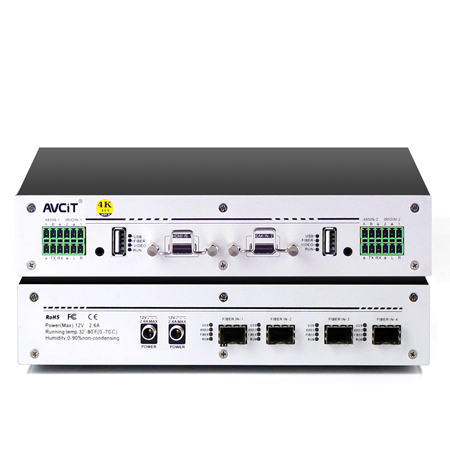 4K KVM Receiver-HDMI
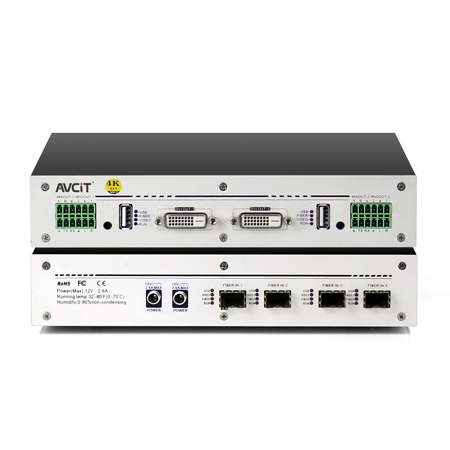 4K KVM Receiver-DVI
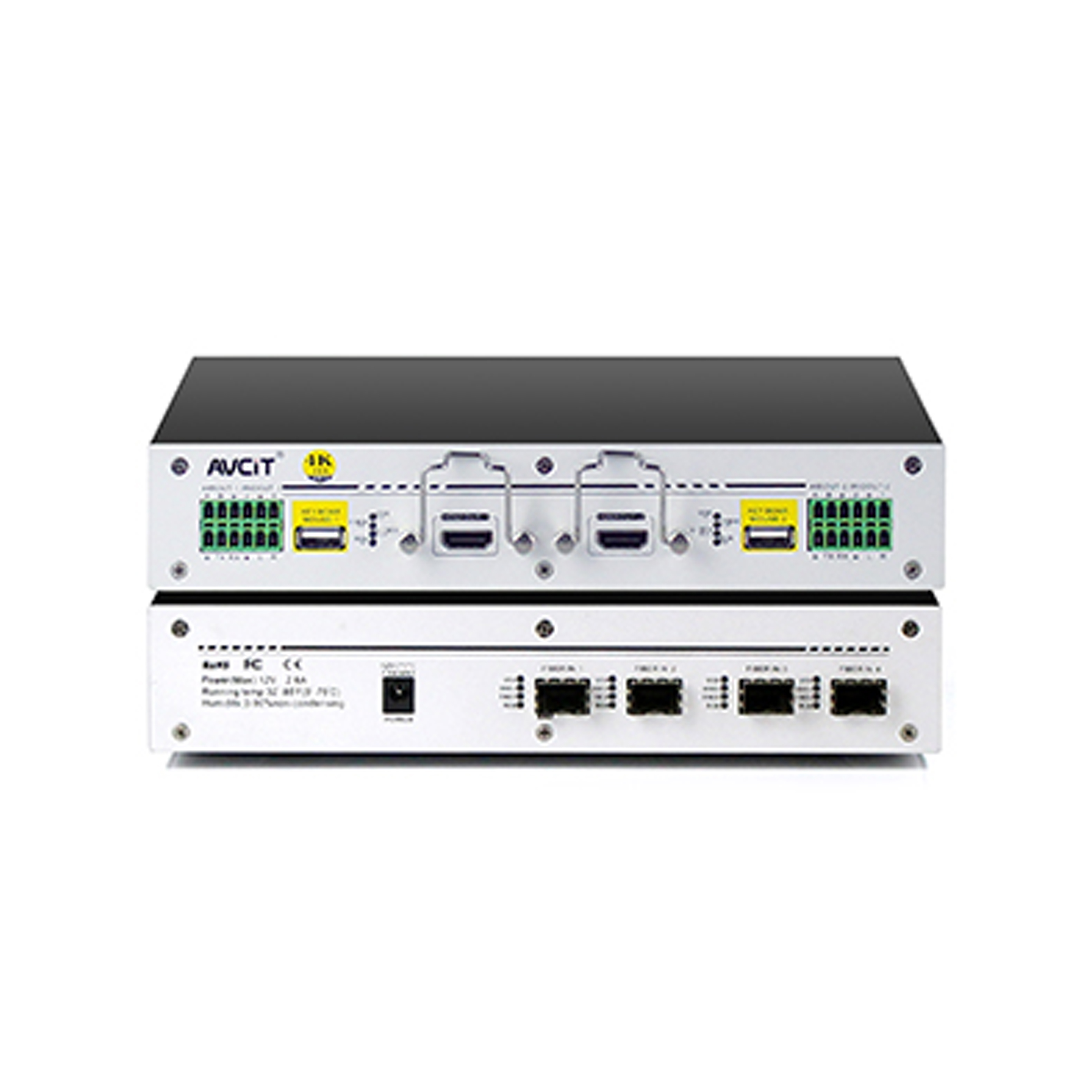 Quad-view KVM Receiver-HDMI
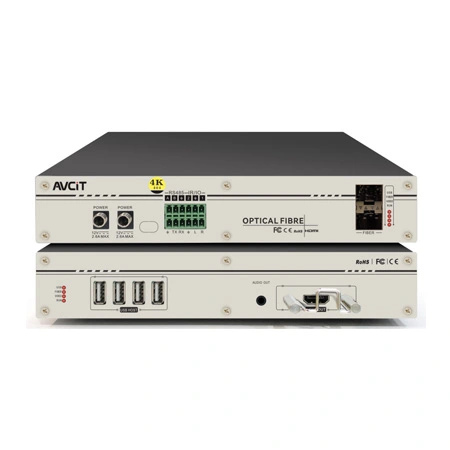 4K60 KVM Receiver - HDMI
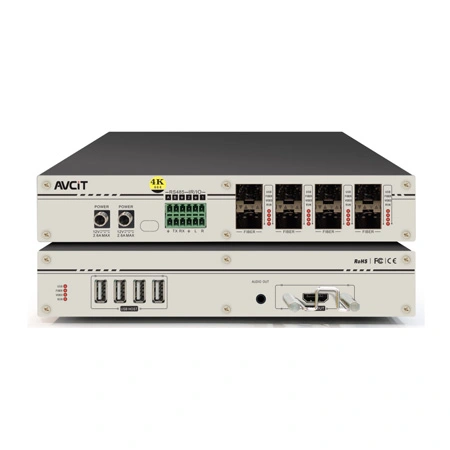 4K60 Quad-view KVM Receiver
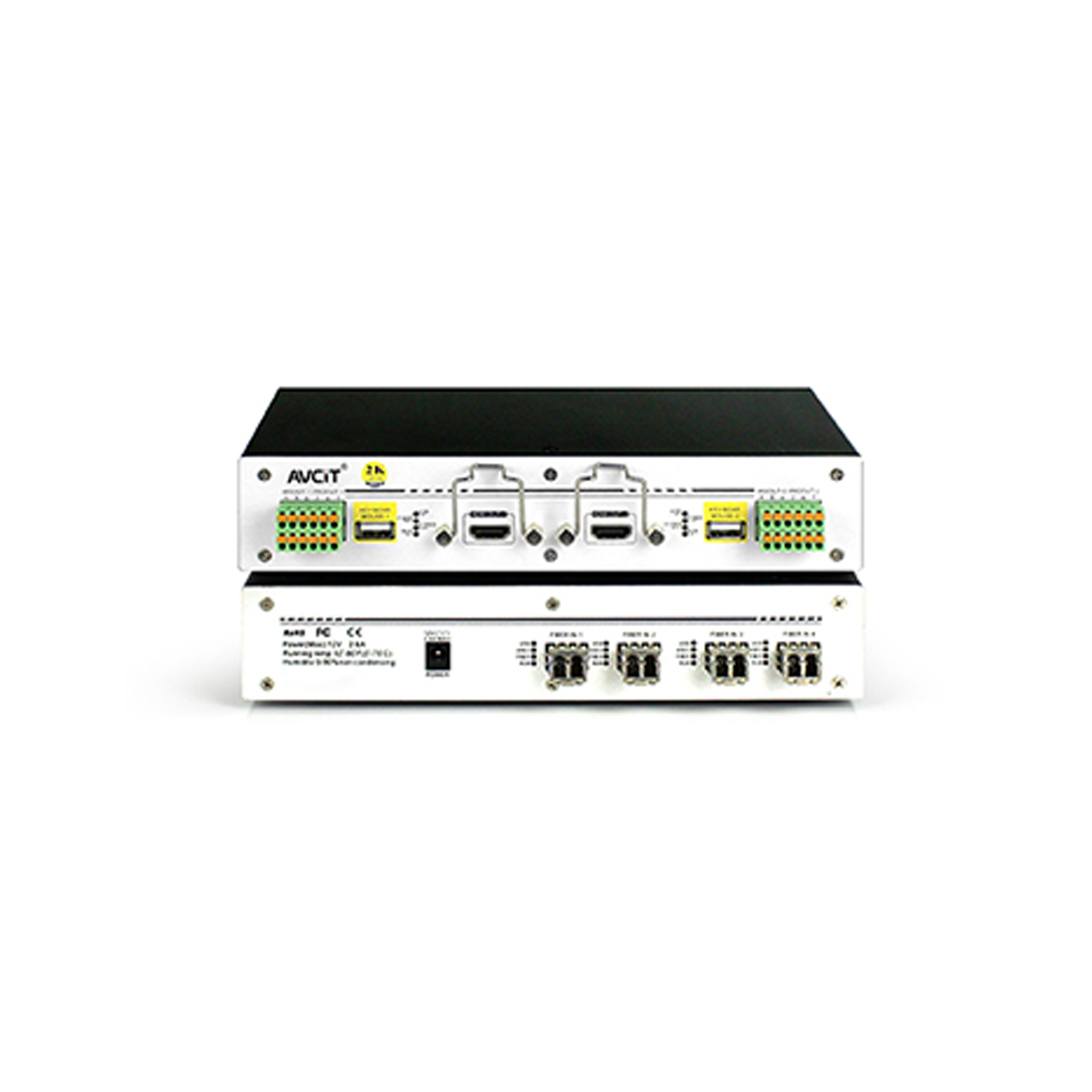 2K KVM Receiver-HDMI
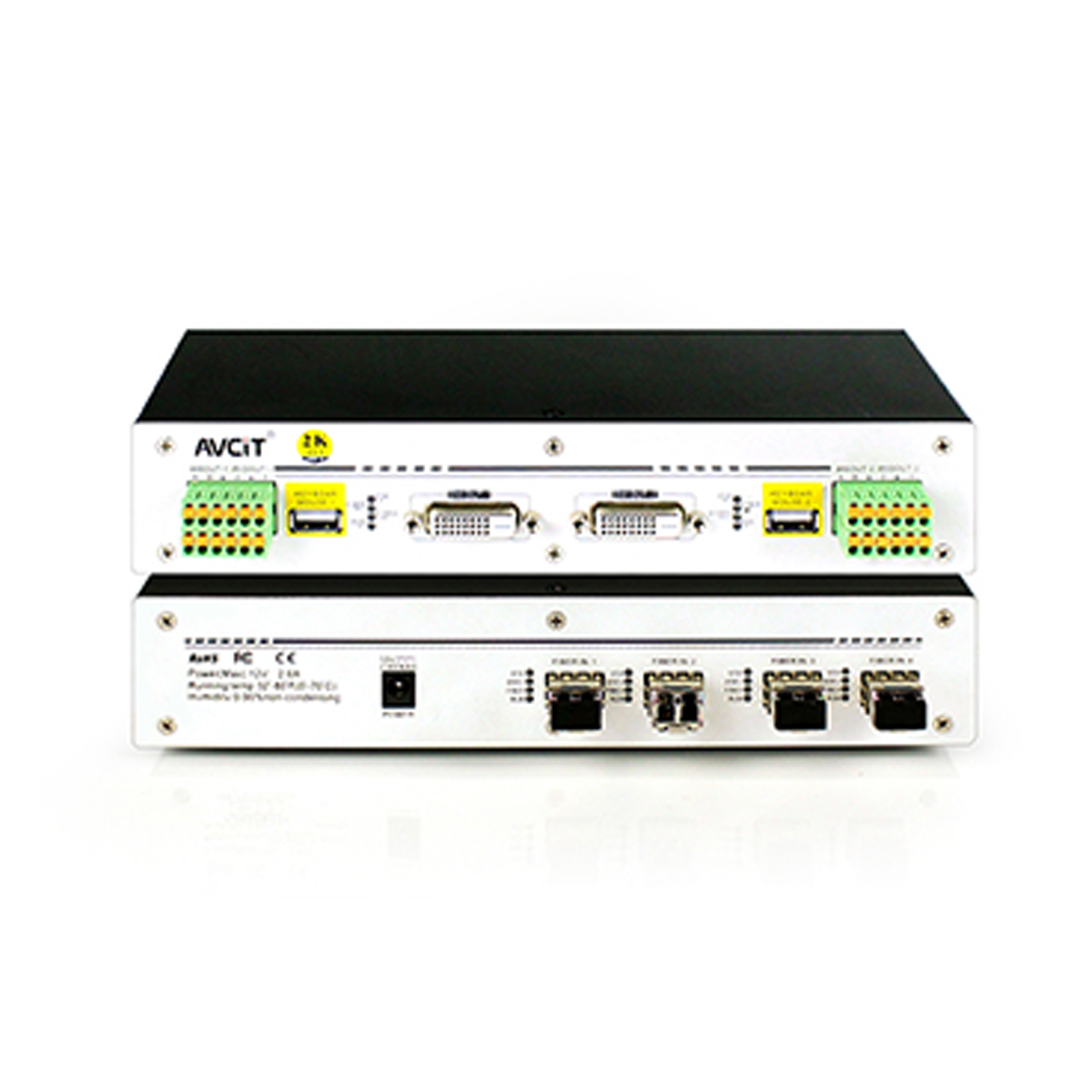 2K KVM Receiver-DVI
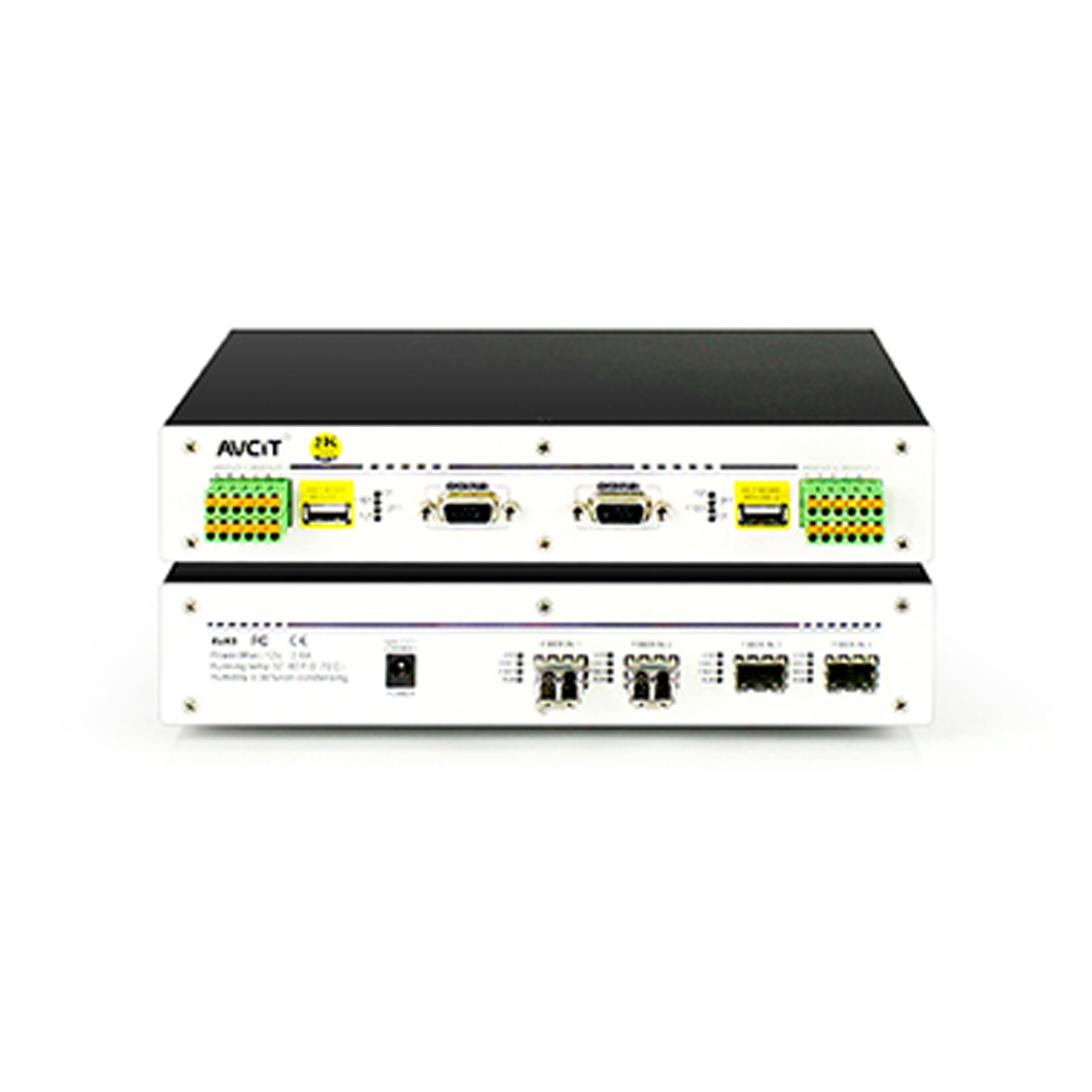 2K KVM Receiver-VGA
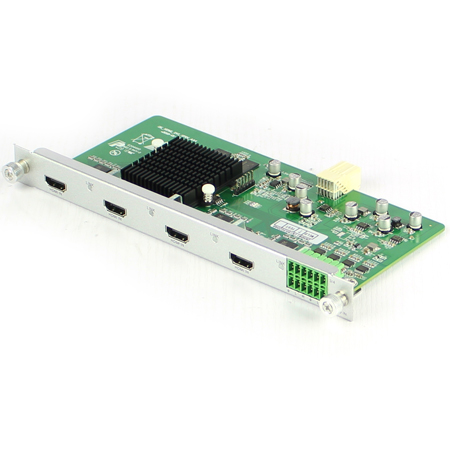 Mixing HD-2K HDMI Input Card
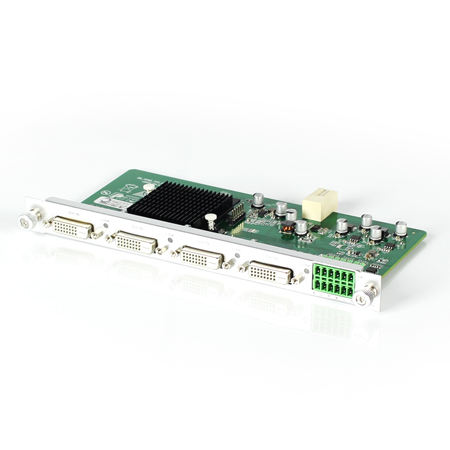 Mixing HD-2K DVI Input Card
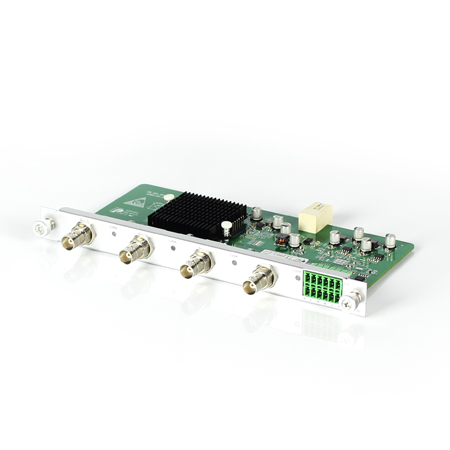 Mixing HD-2K SDI Input Card
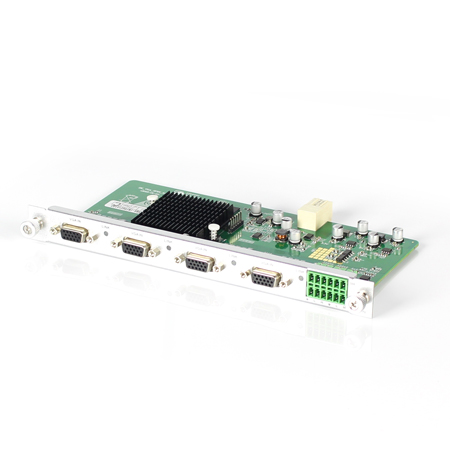 Mixing HD-2K VGA Input Card
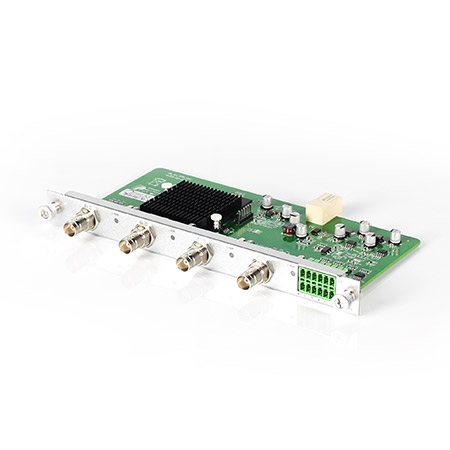 Mixing HD-2K AV Input Card
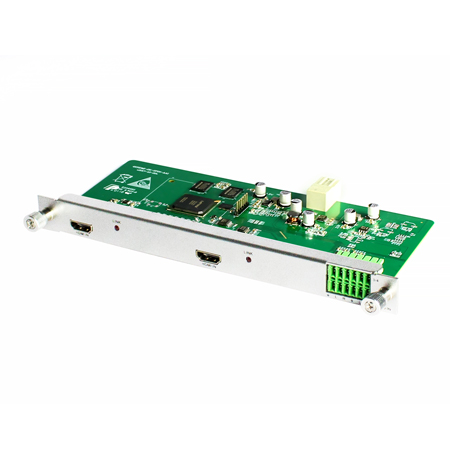 Mixing HD-HDMI UHD Input Card
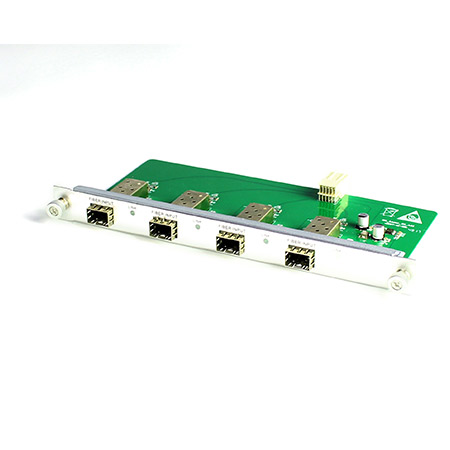 Mixing HD-Fiber Input Card
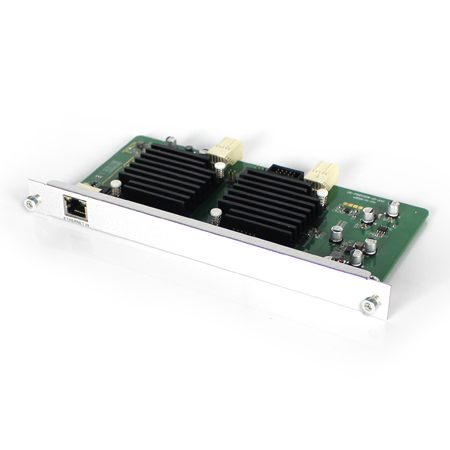 Mixing HD-IP Input Card
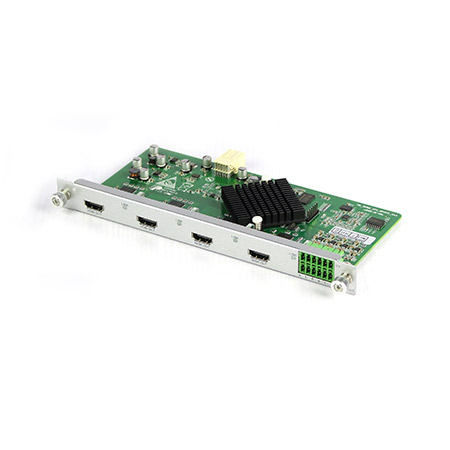 Mixing HD-HDMI Output Card
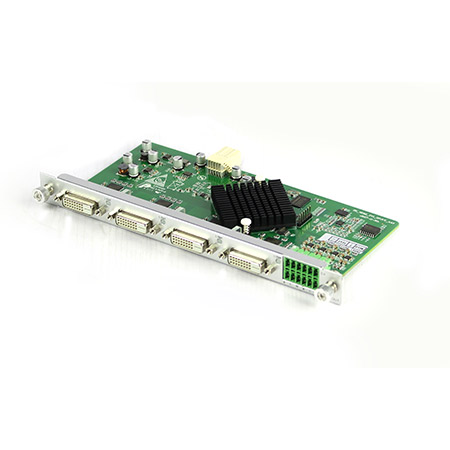 Mixing HD-DVI Output Card
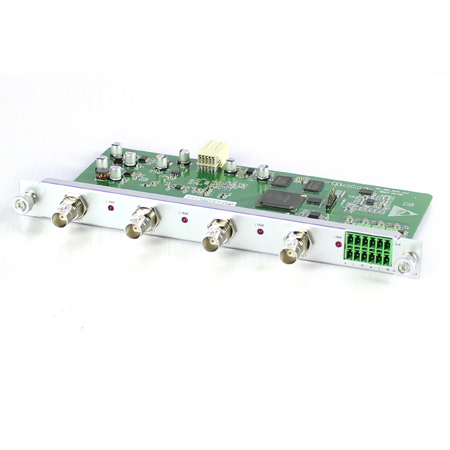 Mixing HD-SDI Output Card
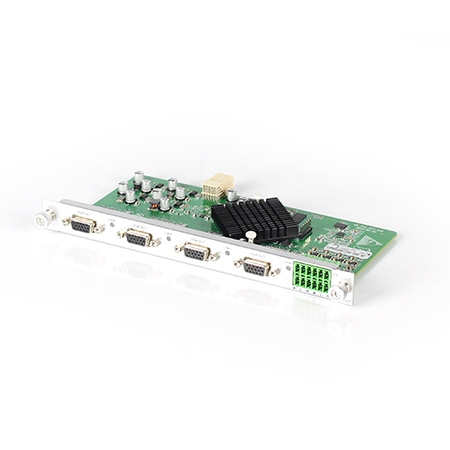 Mixing HD-VGA Output Card
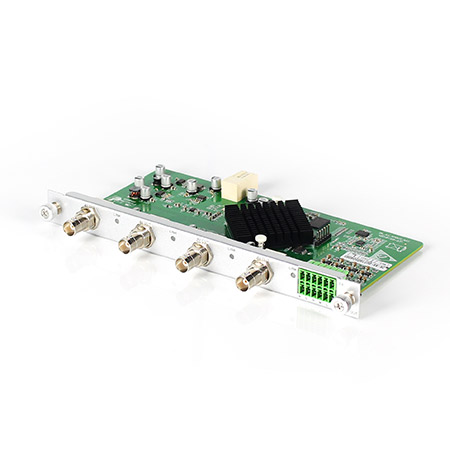 Mixing HD-AV Output Card
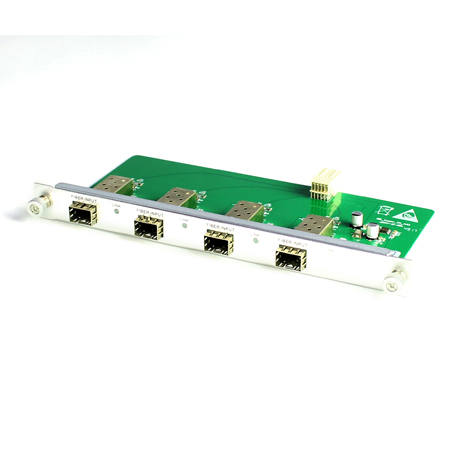 Mixing HD-Fiber Output Card
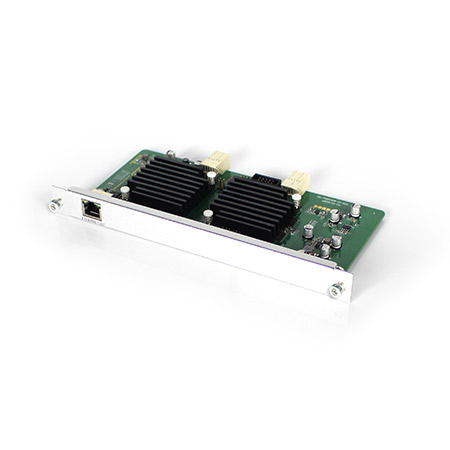 Mixing HD-IP Output Card
Mixing HD-HDMI Video Wall Control Card (2 channel)
Mixing HD-IP Output Card
Mixing HD-HDMI Video Wall Control Card (2 channel)
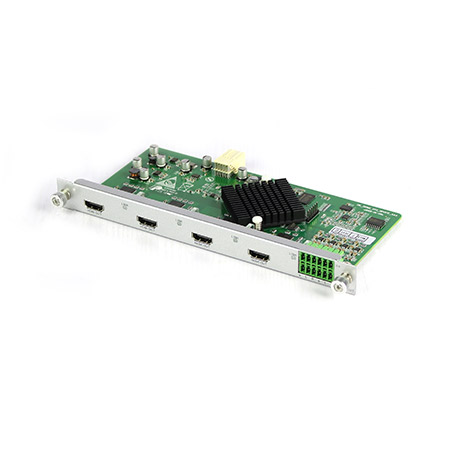 Mixing HD-HDMI Video Wall Control Card (1 channel)
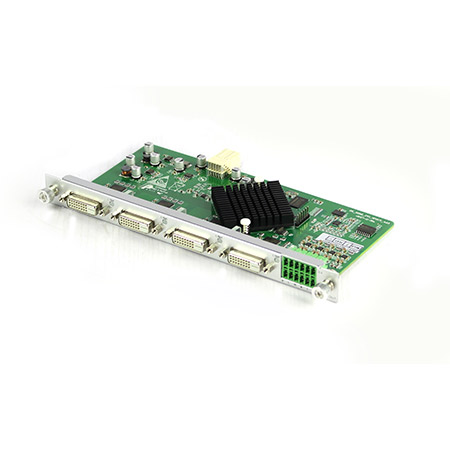 Mixing HD-DVI Video Wall Control Card (2 channel)
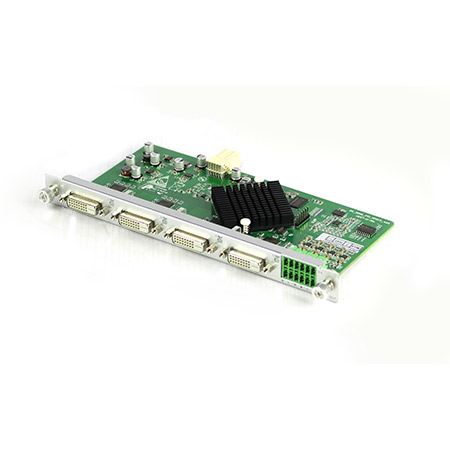 Mixing HD-DVI Video Wall Control Card (1 channel)
 Mixing UHD - HDMI Input Card
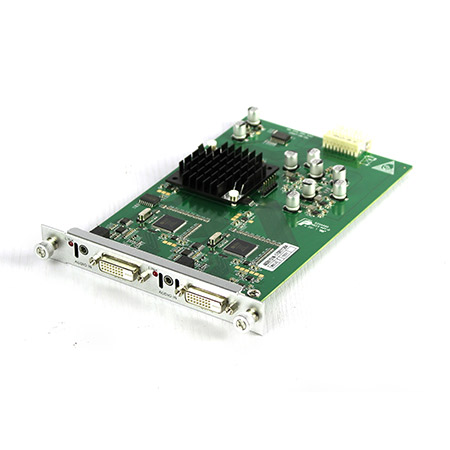 Mixing UHD - DVI Input Card
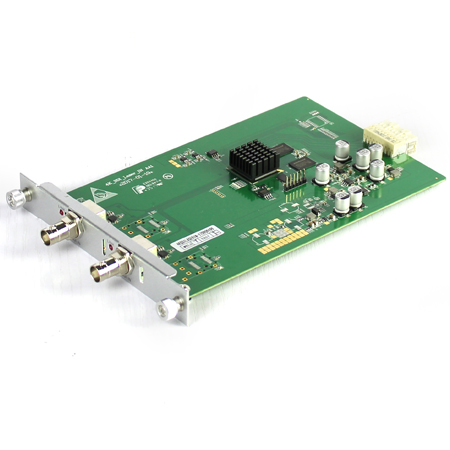 Mixing UHD - SDI Input Card
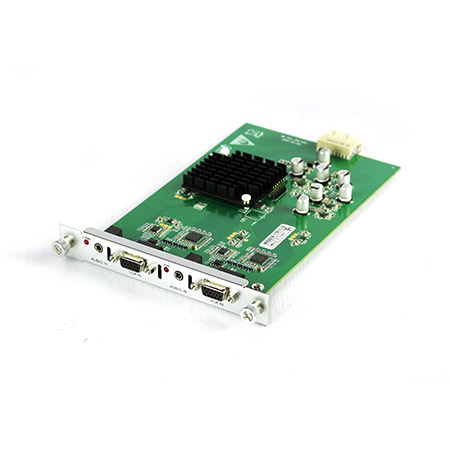 Mixing UHD - VGA Input Card
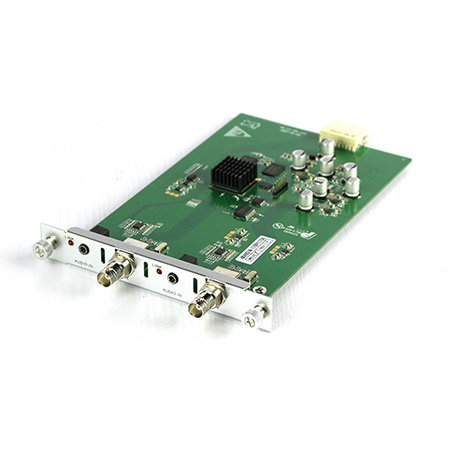 Mixing UHD - AV Input Card
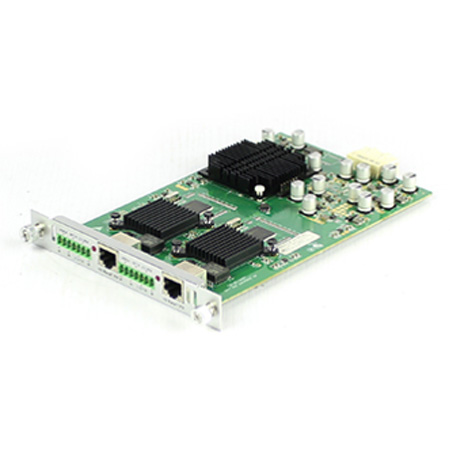 Mixing UHD - HDBT Input Card
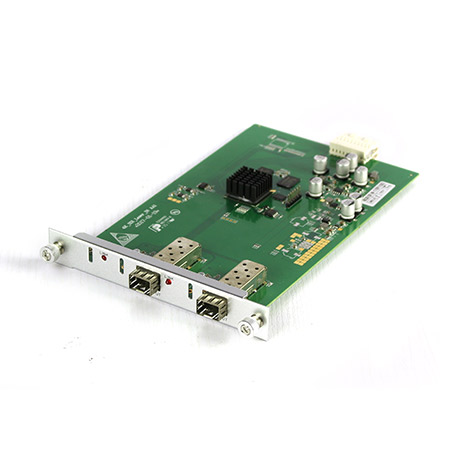 Mixing UHD - Fiber Input Card
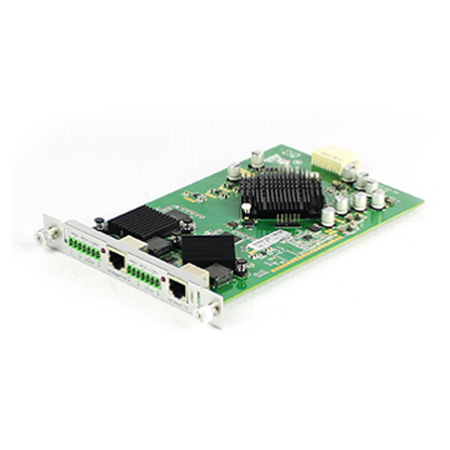 Mixing UHD - HDBT Output Card
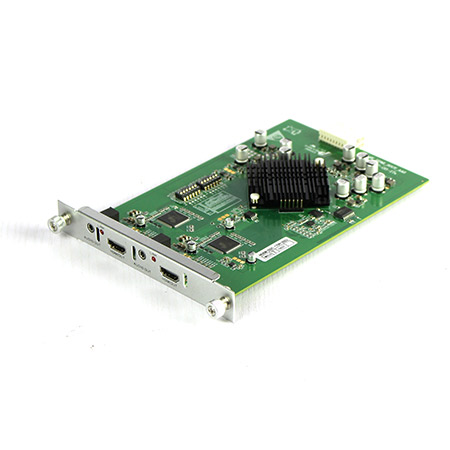 Mixing UHD - HDMI Output Card
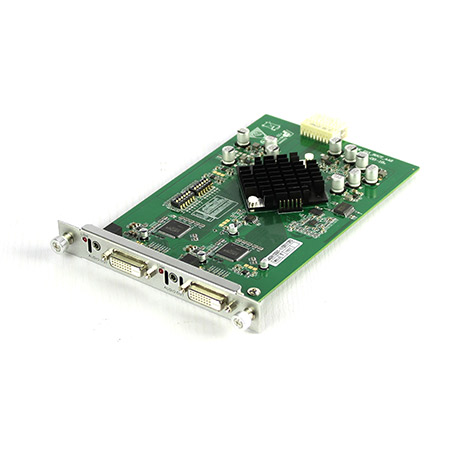 Mixing UHD - DVI Output Card
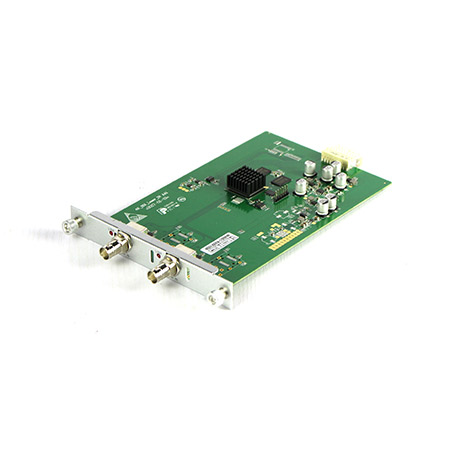 Mixing UHD - SDI Output Card
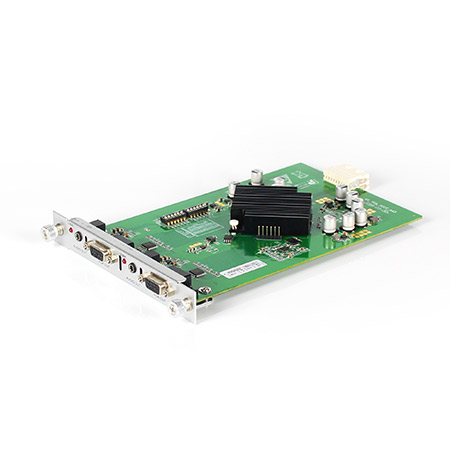 Mixing UHD - VGA Output Card
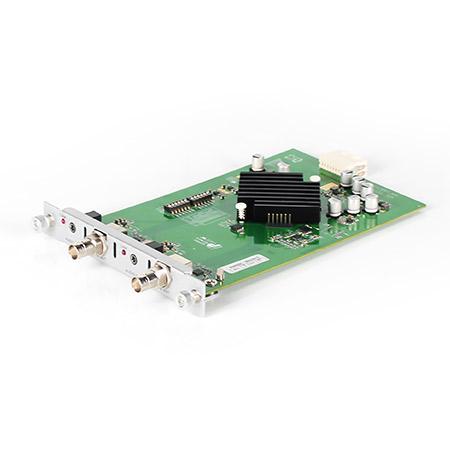 Mixing UHD - AV Output Card
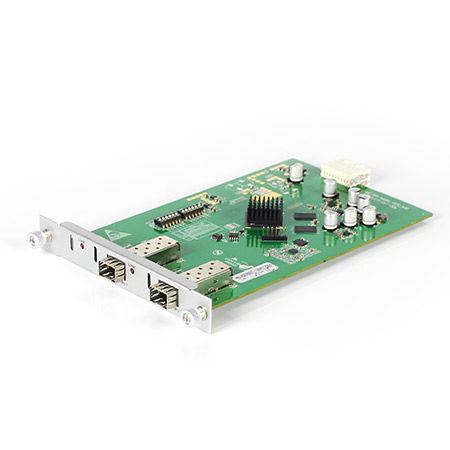 Mixing UHD - Fiber Output Card
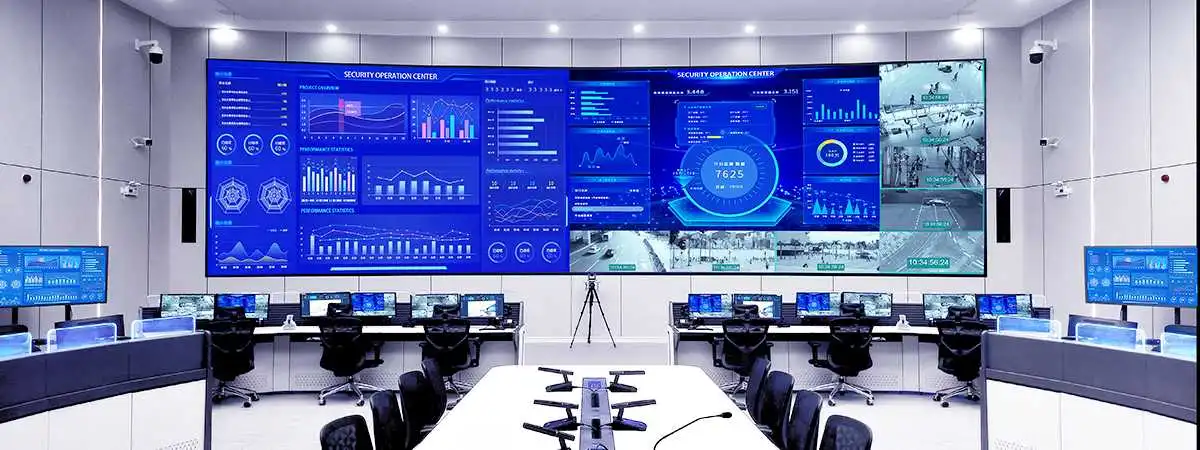
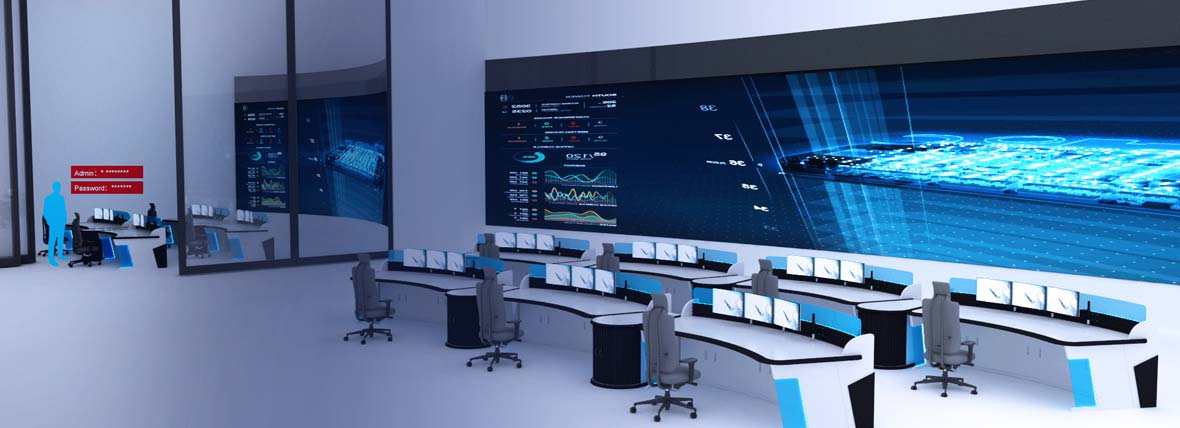
Emergency Operations Centers (EOCs) serve as the central coordination hubs for public safety and emergency response across cities and regions. They bring together multiple agencies, including traffic management authorities, law enforcement, and emergency services, to monitor events, manage incidents, and coordinate responses in real time. From natural disasters and major public events to security incidents and infrastructure failures, EOCs are responsible for supporting rapid, high-stakes decision-making under pressure.
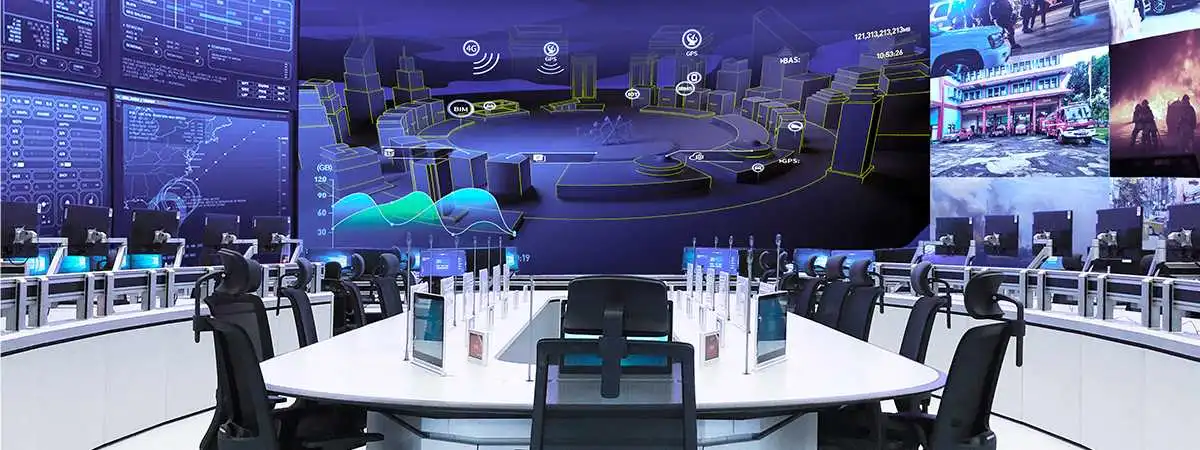
To perform this role effectively, modern EOCs must aggregate and visualize large volumes of real-time data, live video feeds, and mission-critical systems within a single operational environment. Operators and decision-makers rely on clear situational awareness, fast access to information, and seamless collaboration across departments and locations to respond efficiently and minimize risk to the public.
As operational complexity increases, traditional centralized control room designs are challenged by limitations in flexibility, resilience, and scalability. In response, many organizations are re-evaluating how emergency control rooms are designed and operated. Technology providers such as AVCiT are helping drive this shift by enabling distributed control room architectures built on IP-based KVM and video wall control technologies. These approaches support more resilient, collaborative, and future-ready Emergency Operations Centers capable of adapting to evolving public safety demands.
Conventional EOC designs were built around centralized hardware, fixed operator consoles, and tightly coupled infrastructure. While functional in the past, this model introduces several operational challenges today.
Centralized systems often segregate data by department or system type. Traffic management, law enforcement, emergency services, and utilities may operate on platforms with limited interoperability. This fragmentation slows down collaboration and reduces situational awareness during complex incidents.
Modern emergency response heavily relies on first responders and operations teams. Centralized control rooms struggle to securely extend access beyond a physical location, limiting operational flexibility.
When processing, control, and visualization are concentrated in a single physical environment, failures can have cascading consequences. Hardware faults, network outages, or local incidents can disrupt mission-critical operations.
Legacy control rooms are often difficult and expensive to expand. Adding new data sources, higher-resolution video, or emerging technologies typically requires significant infrastructure upgrades and downtime.
To support today's operational realities, EOCs must evolve beyond centralized architectures. A comprehensive EOC design should have the following core requirements.
Emergency response depends on seamless coordination between multiple agencies and response teams. Control room systems must allow traffic authorities, police, fire services, medical teams, and government leaders to access shared information regardless of physical location.
Public safety operations run 24/7. City-scale systems must be designed without single points of failure, ensuring continuity even during hardware faults, maintenance, or network disruptions.
Operators working under pressure need immediate access to critical data. Control interfaces must allow users to switch sources, share content, and reconfigure displays within seconds.
Emergency environments handle sensitive data. Mission-critical systems require strict access control to ensure information is only available to authorized personnel.
EOCs must accommodate new technologies, higher data volumes, and evolving operational needs without disruptive redesigns. Scalability should be built into the system architecture.
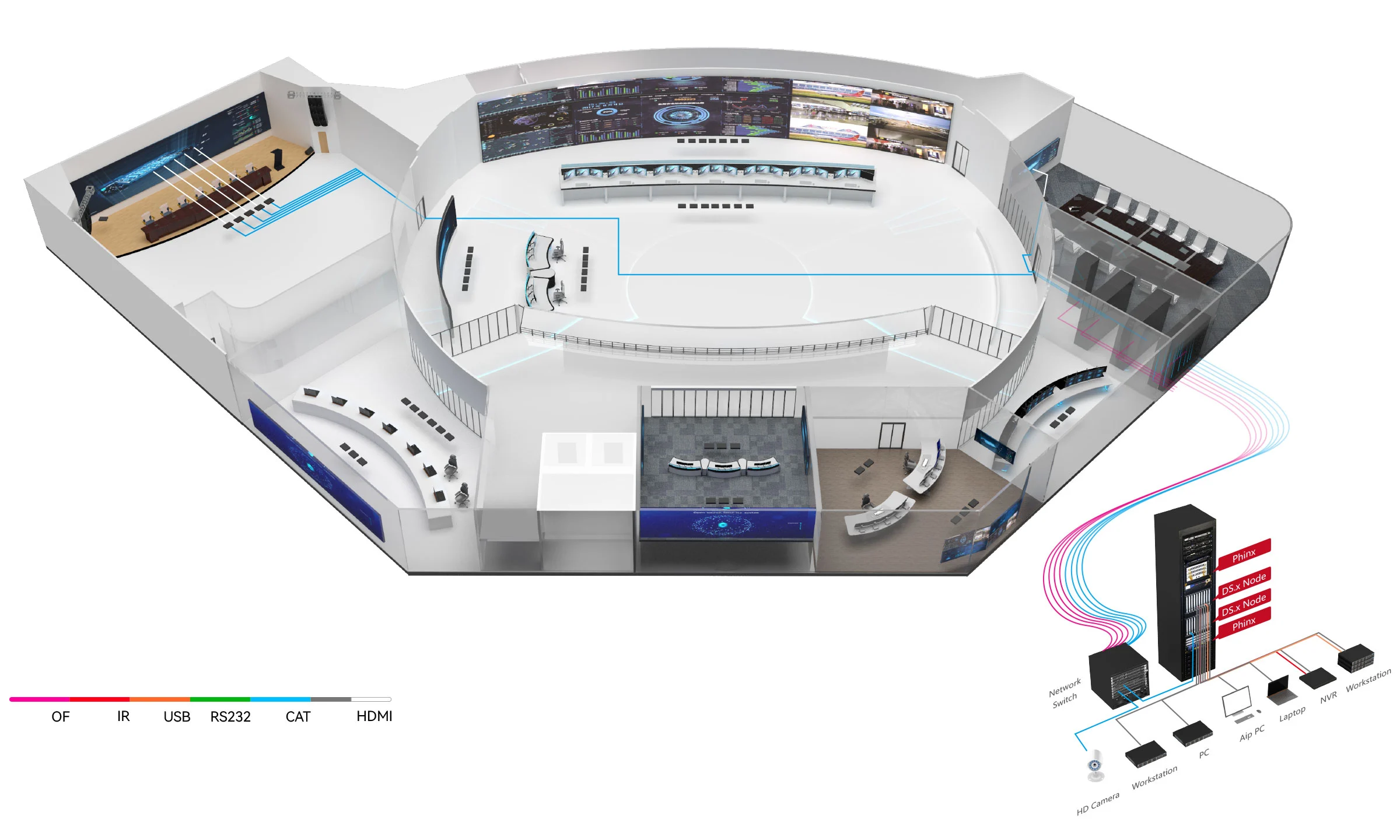
Distributed control room solutions are built on AV-over-IP technologies, where video, control signals, and system access are transmitted over standard IP networks rather than centralized hardware matrices. This architecture decentralizes processing and control, enabling flexibility, resilience, and scalability while maintaining high performance and security.
● Plug-and-Play Deployment: IP-based systems allow EOCs to be deployed and expanded rapidly. New operator stations, video sources, or display endpoints can be added without major infrastructure changes.
● High-Quality Video with Efficient Bandwidth Use: AVCiT's flagship advanced encoding technologies deliver clear, sharp images suitable for surveillance, GIS mapping, and operational dashboards, while minimizing network load.
● Seamless Integration with Existing Systems: Distributed AV-over-IP platforms integrate directly with third-party devices such as IP cameras, NVRs and DVRs. This avoids the need for additional converters or system replacements.
● Decentralized, Network-Based Design: Video processing, control, and distribution are handled at the network edge rather than through a central matrix or processor. Each encoder, decoder, and operator node functions independently on the IP network, ensuring that the failure of a single device does not disrupt the rest of the distributed system.
KVM (Keyboard, Video, Mouse) technology is central to how operators interact with mission-critical systems. In a distributed EOC, KVM evolves from a simple switching tool into a flexible operational platform.
● Follow-Me User Profiles: Operators can log in at any workstation and instantly access their personalized layouts, permissions, and authorized systems. This supports shift changes, role-based access, and rapid redeployment during incidents.
● Multi-View Workstations: Distributed KVM allows multiple systems to be viewed and controlled on a single monitor. Operators can consolidate inputs from traffic systems, CCTV feeds, emergency dispatch software, and GIS platforms into one unified workspace.
● One-Touch Operational Presets: Preset layouts can be created for specific incident scenarios such as floods, fires, or security events. With one action, operators can recall predefined system configurations, reducing response time and cognitive load.
While KVM enhances individual operator efficiency, video walls provide shared situational awareness for the entire command team.
● Intuitive, Visualized Control: AVCiT's video wall controllers use real-time preview interfaces on PCs or tablets. Operators can drag, resize, overlap, and arrange windows on a virtual canvas that mirrors the physical video wall.
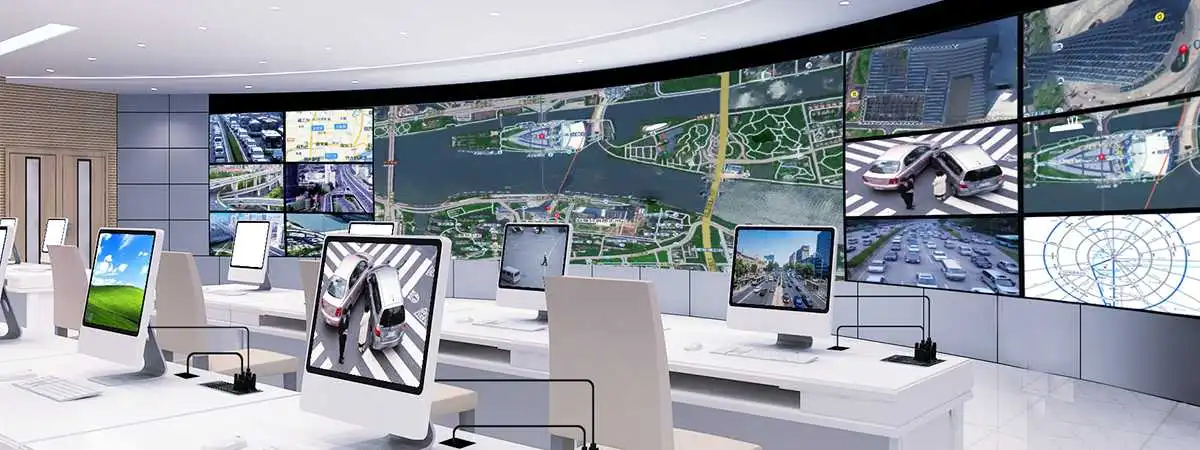
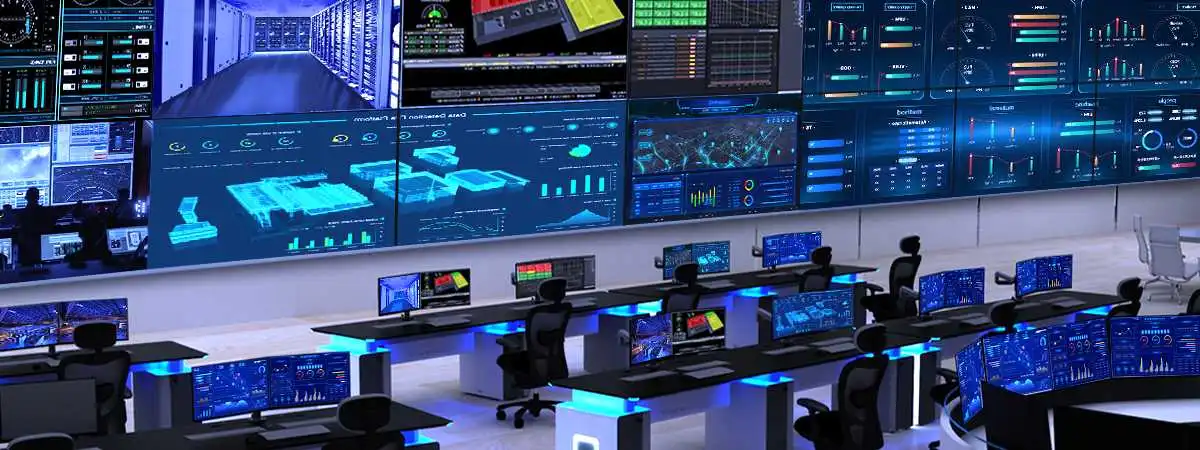
● Unified Display Environment: The video wall becomes a central visual reference, displaying live camera feeds, high-resolution maps, dashboards, and alerts simultaneously. This shared view supports coordinated decision-making across agencies.
● Scenario-Based Preset Layouts: Video wall layouts can be saved and recalled instantly for different operational states. This ensures consistent information presentation during critical moments.
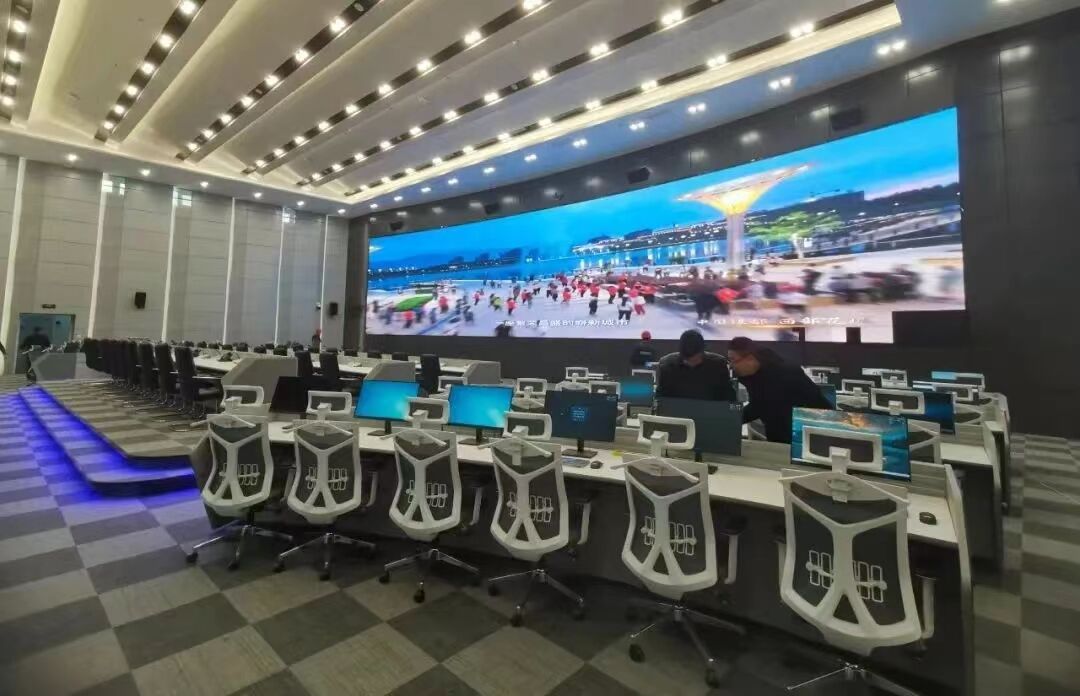
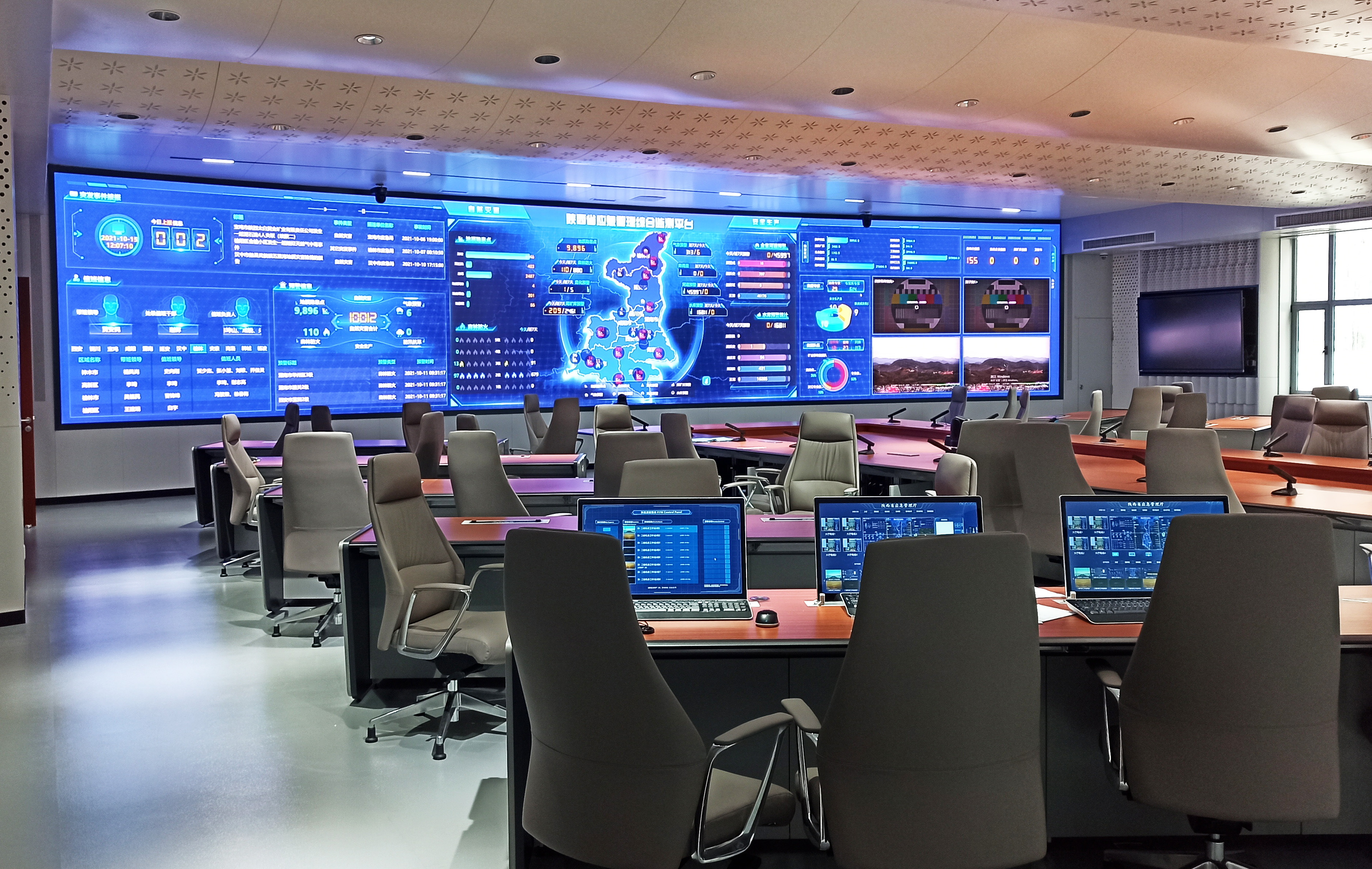
AVCiT's IP-based KVM and video wall control solutions have been implemented within a government Emergency Operations Center in Jakarta as part of a control room modernization initiative. The deployment serves as a real-world reference for how IP-based control room technologies can be applied in public sector emergency management environments.
Within the Jakarta EOC, AVCiT's distributed architecture enables operators and decision-makers to access and manage multiple mission-critical systems, including video feeds, mapping platforms, and operational dashboards, through a unified control environment. By decentralizing control and leveraging standard IP networks, the deployment provides a practical reference for how government EOCs can improve flexibility, resilience, and scalability while maintaining secure and efficient operations.
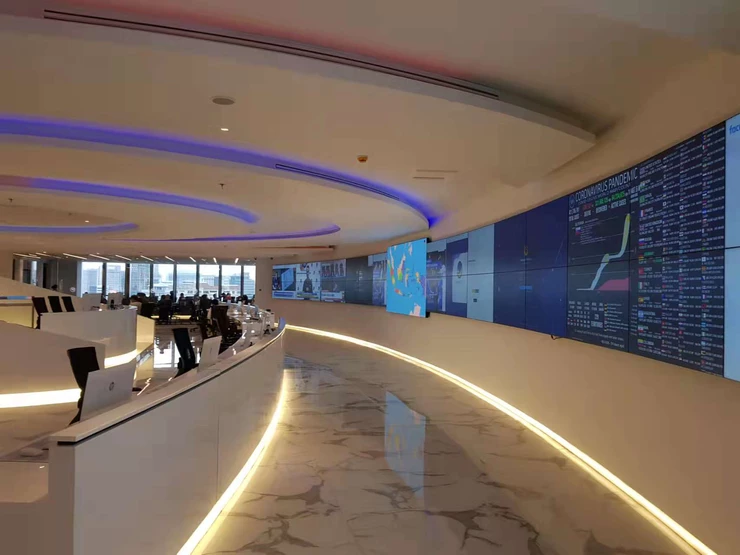
Emergency Operations Centers are evolving from static, centralized facilities into dynamic, distributed environments. As incidents grow in complexity and scale, control room technology must enable faster collaboration, greater resilience, and seamless scalability.
Distributed KVM and video wall control systems provide the technological foundation for this transformation. By decentralizing control, unifying information, and simplifying operator workflows, contemporary EOCs can respond more effectively to the challenges of public safety.
For governments and agencies planning the next generation of emergency operations infrastructure, distributed control room solutions are becoming a critical enabler of resilient, responsive, and future-ready public safety operations.
Reach out to AVCiT to learn how distributed control room architectures are designed, deployed, and operated in real-world emergency and public safety environments.
● LinkedIn: AVCiT Technology
● YouTube: www.youtube.com/@avcittechnology