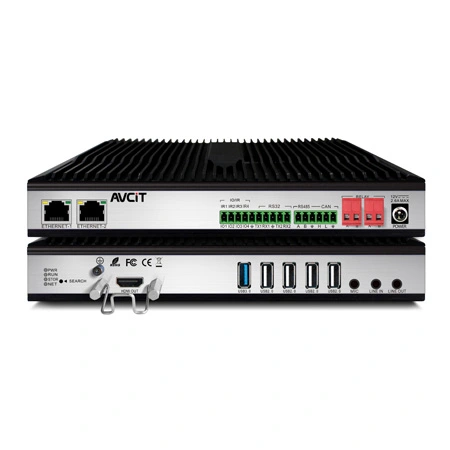
 AIVC-16CH AI BOX
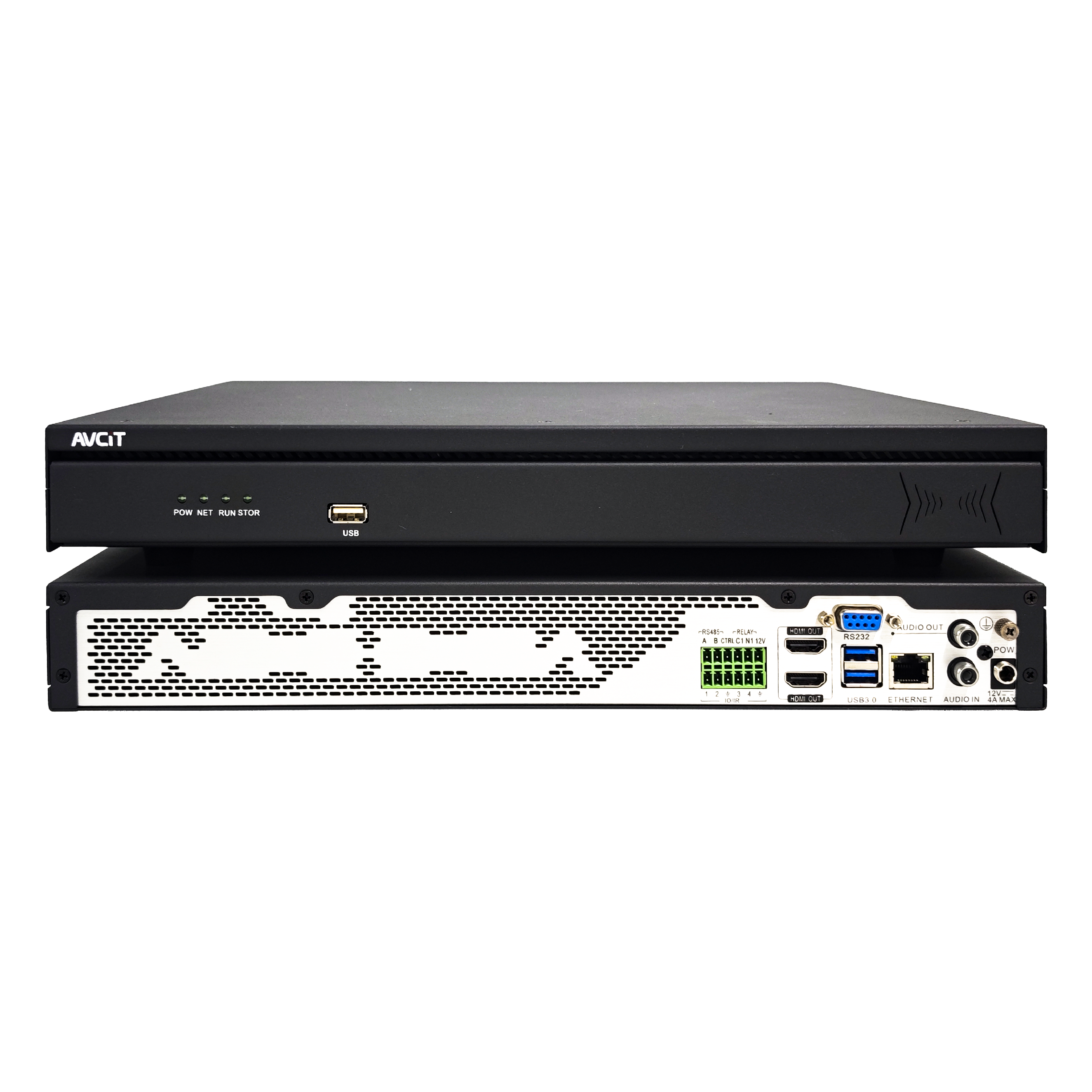 32CH CSN AI NVR
 2K HDMI Video Codec
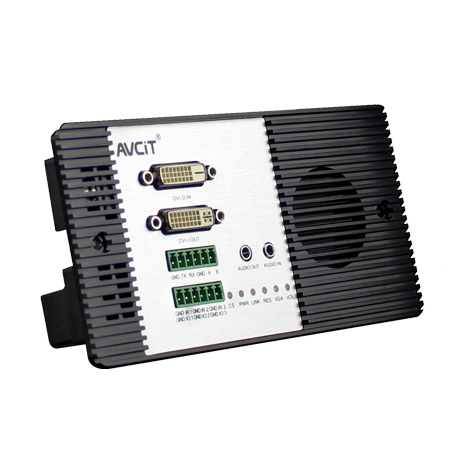 2K DVI Video Codec
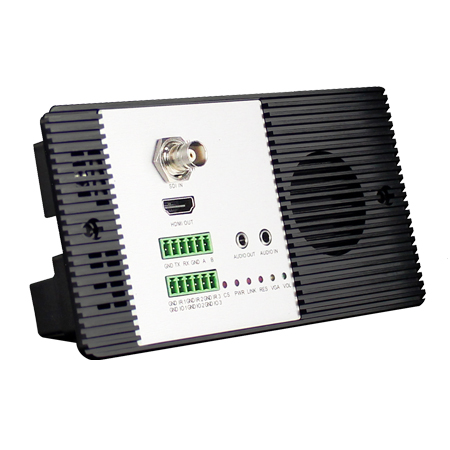 2K SDI Video Codec
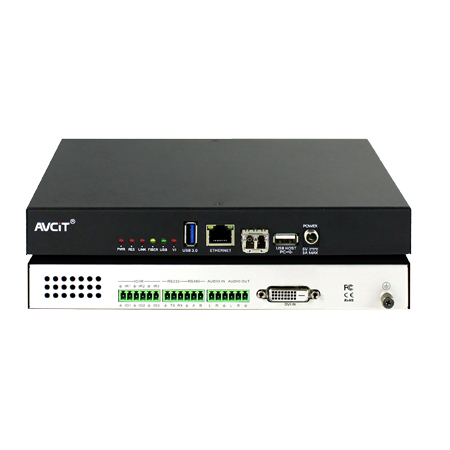 2K HDMI Video Encoder
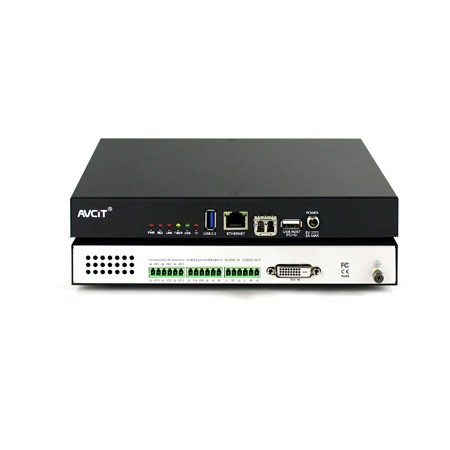 2K DVI Video Encoder
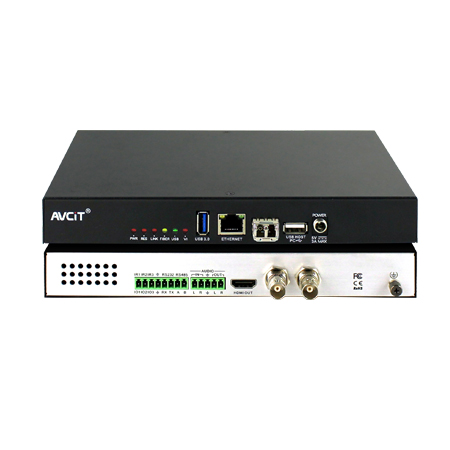 2K SDI Video Encoder
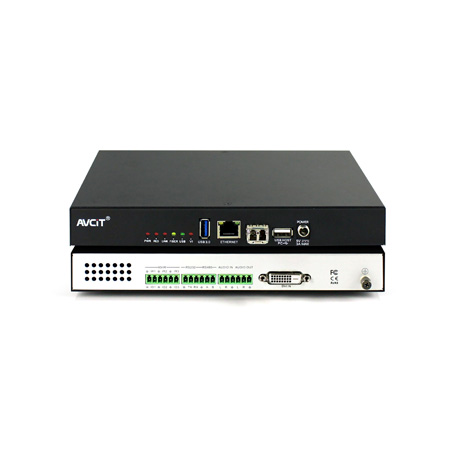 2K VGA Video Encoder
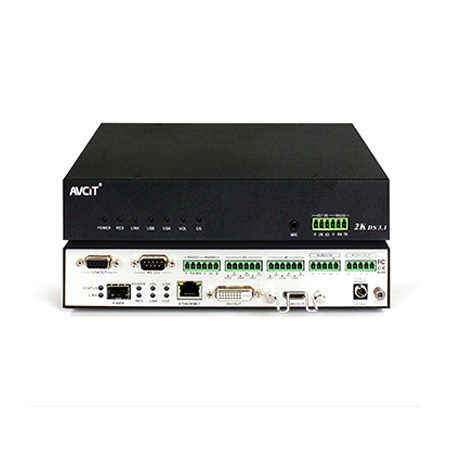 2K Video Wall Decoder (HDMI+DVI)
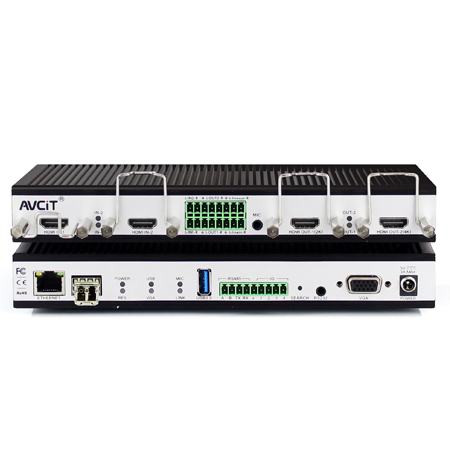 4K HDMI Video Encoder
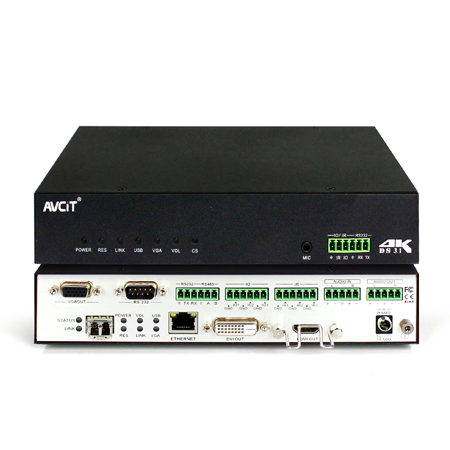 4K HDMI Video Decoder
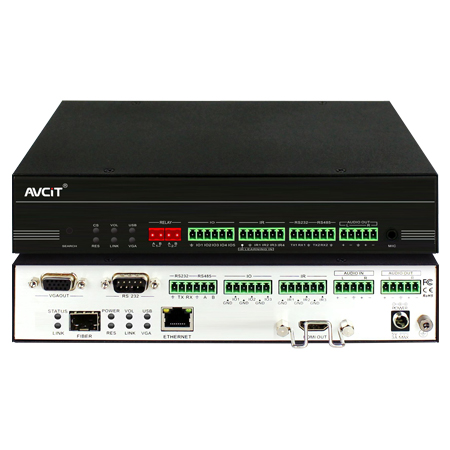 4K HDMI Video Wall Decoder
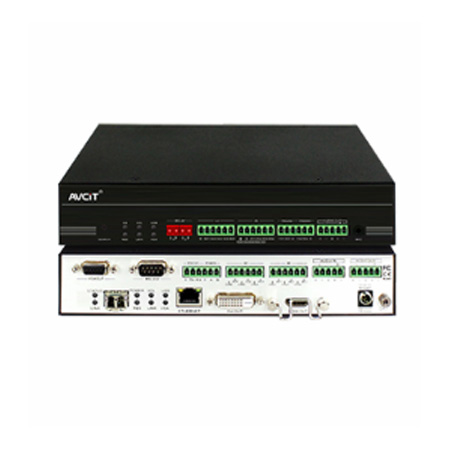 4K HDMI + DVI Video Wall Decoder
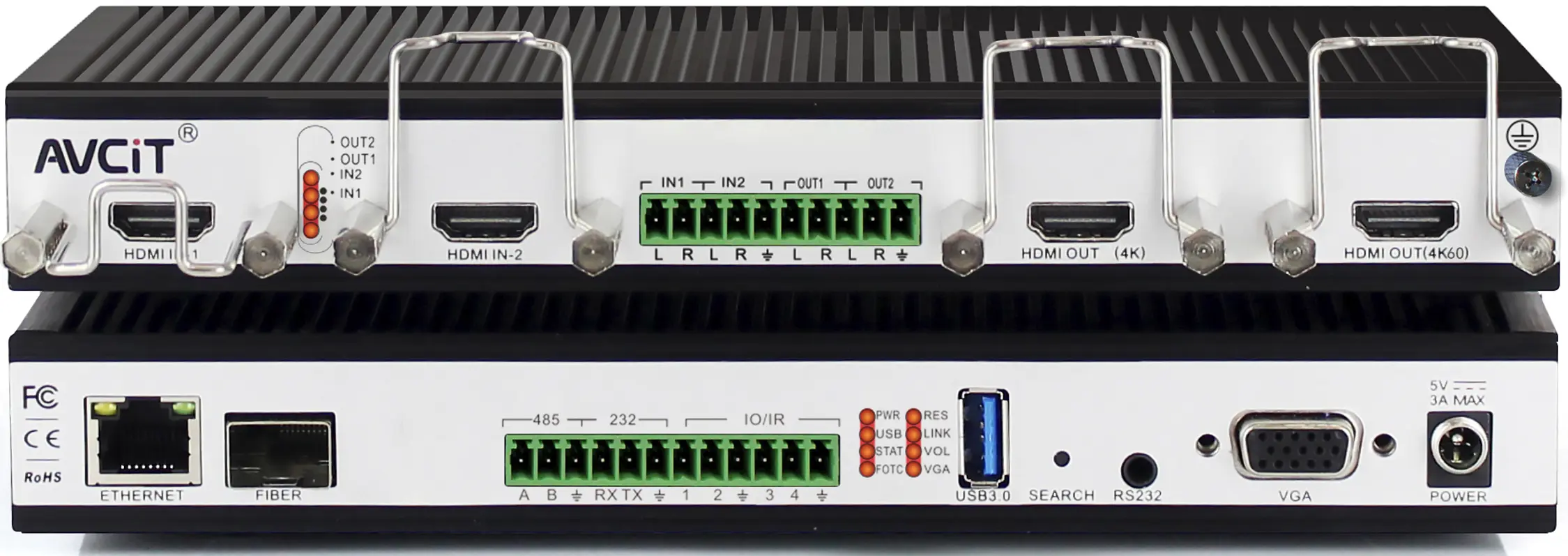 4K HDMI Dual Channel Codec
 8K HDMI Decoder
 2K KVM Encoder - HDMI
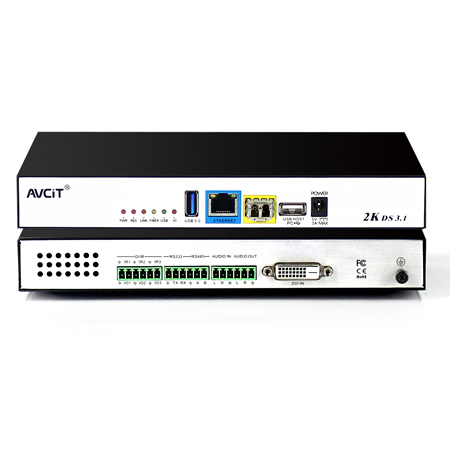 2K KVM Encoder - DVI
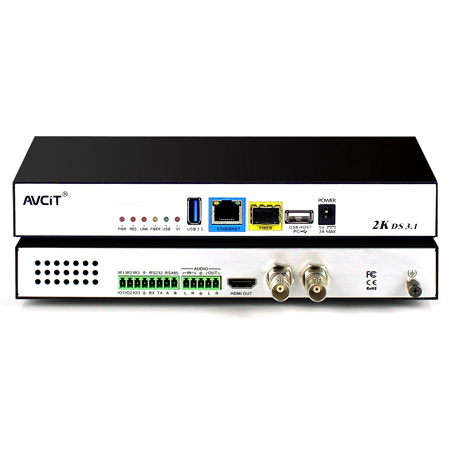 2K KVM Encoder - SDI
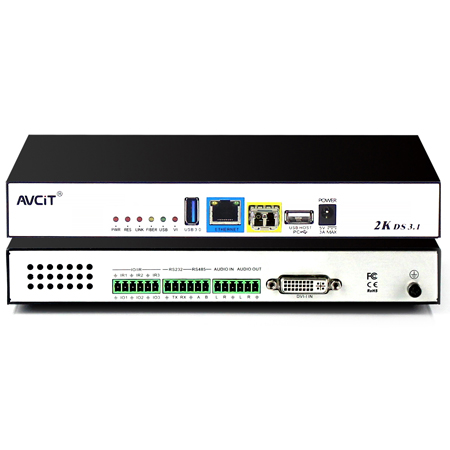 2K KVM Encoder - DVI-I(VGA)
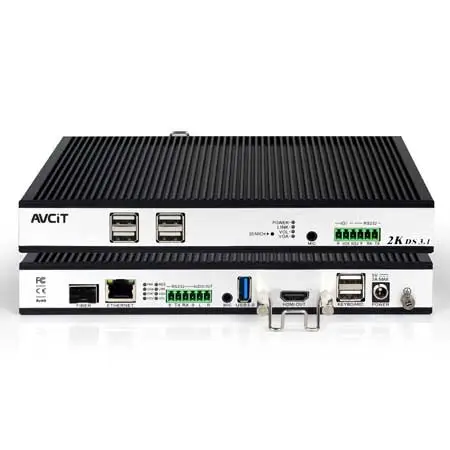 2K KVM Decoder - HDMI
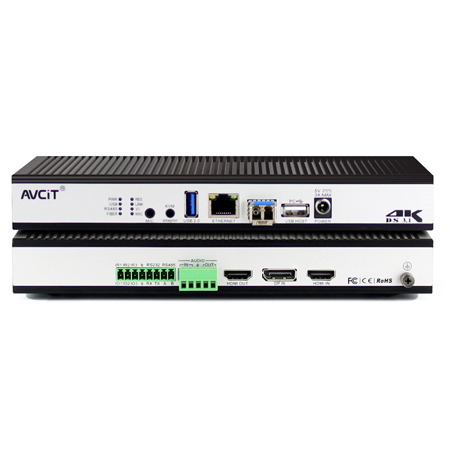 4K KVM Encoder - HDMI + DP
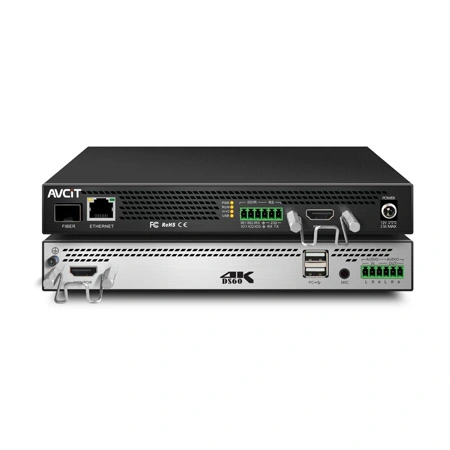 4K@60 KVM Encoder - HDMI
 4K KVM Encoder - HDMI + HDMI
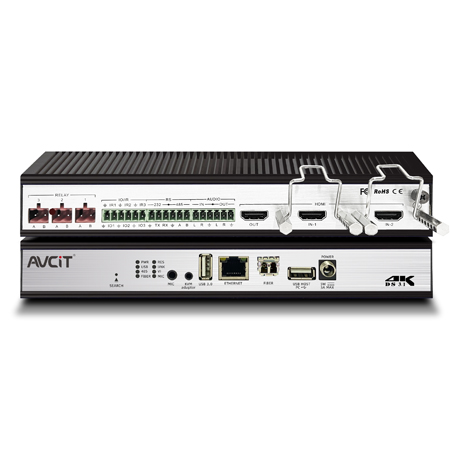 4K KVM Encoder - HDMI
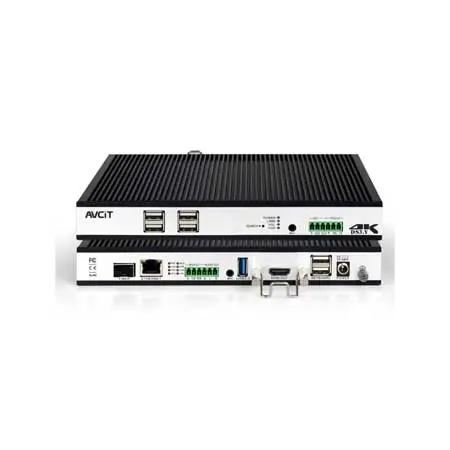 4K KVM Decoder - HDMI
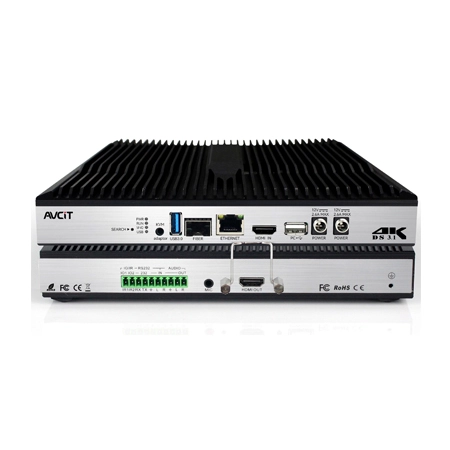 4K60 4:4:4 KVM Encoder - HDMI
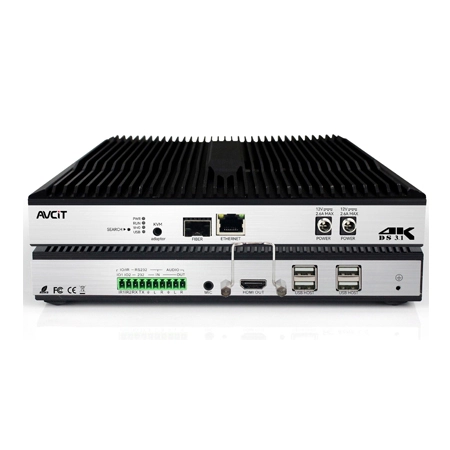 4K60 4:4:4 KVM Decoder-HDMI
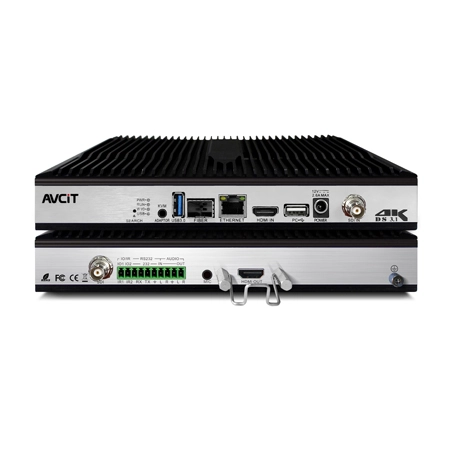 4K60 4:4:4 KVM Encoder - HDMI + SDI
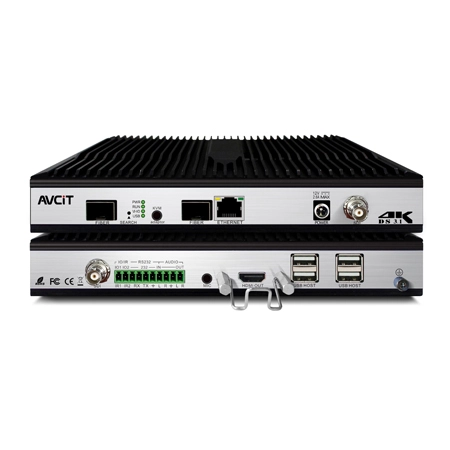 4K60 4:4:4 KVM Decoder - HDMI + SDI
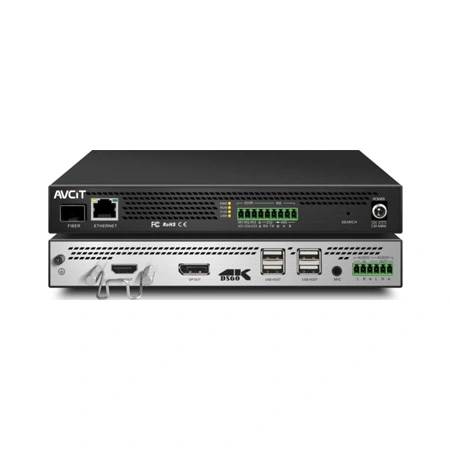 5K KVM Decoder - HDMI +DP
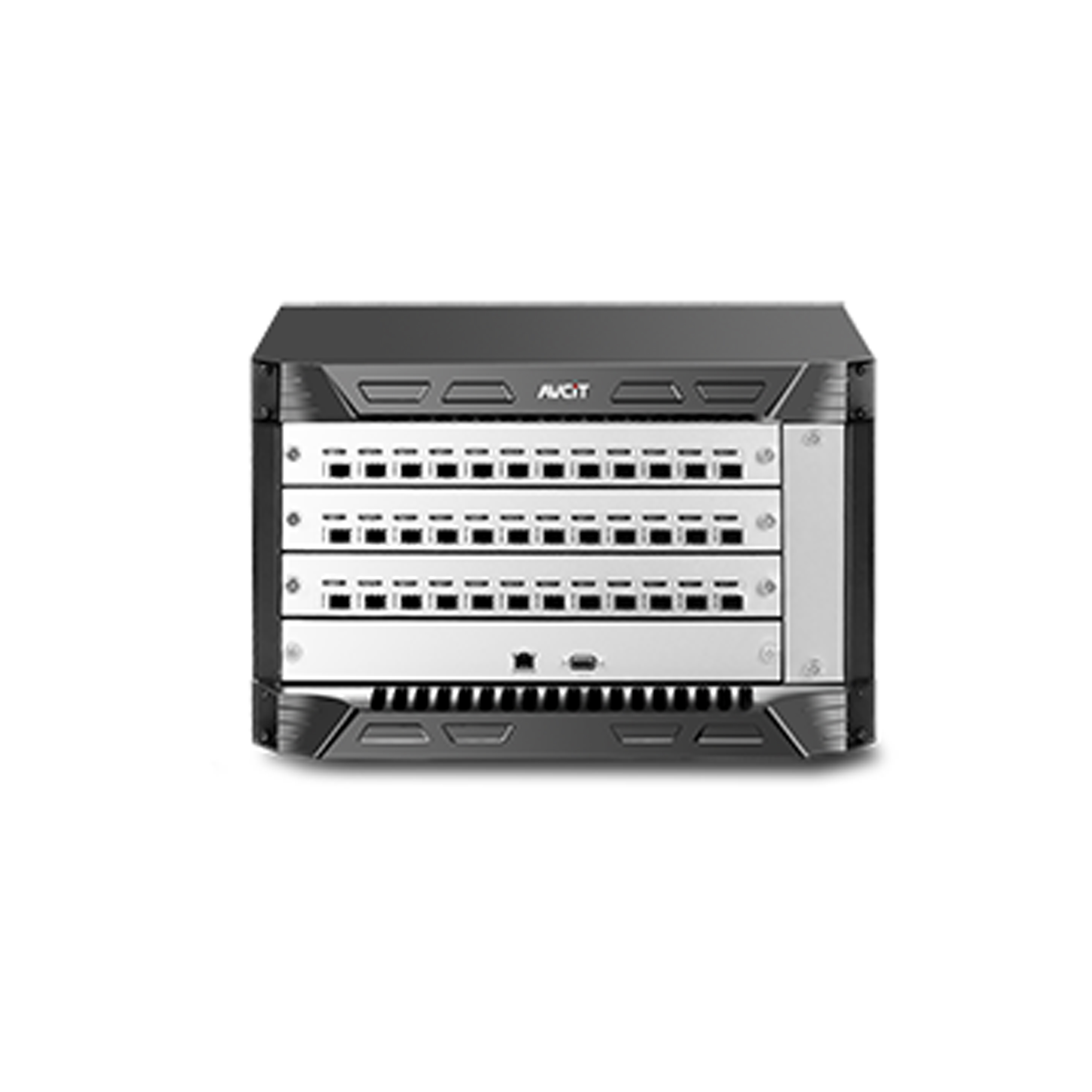 Phinx-36 Ports Fiber KVM Matrix
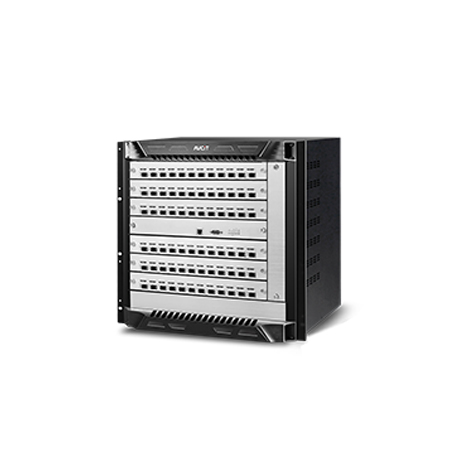 Phinx-72 Ports Fiber KVM Matrix
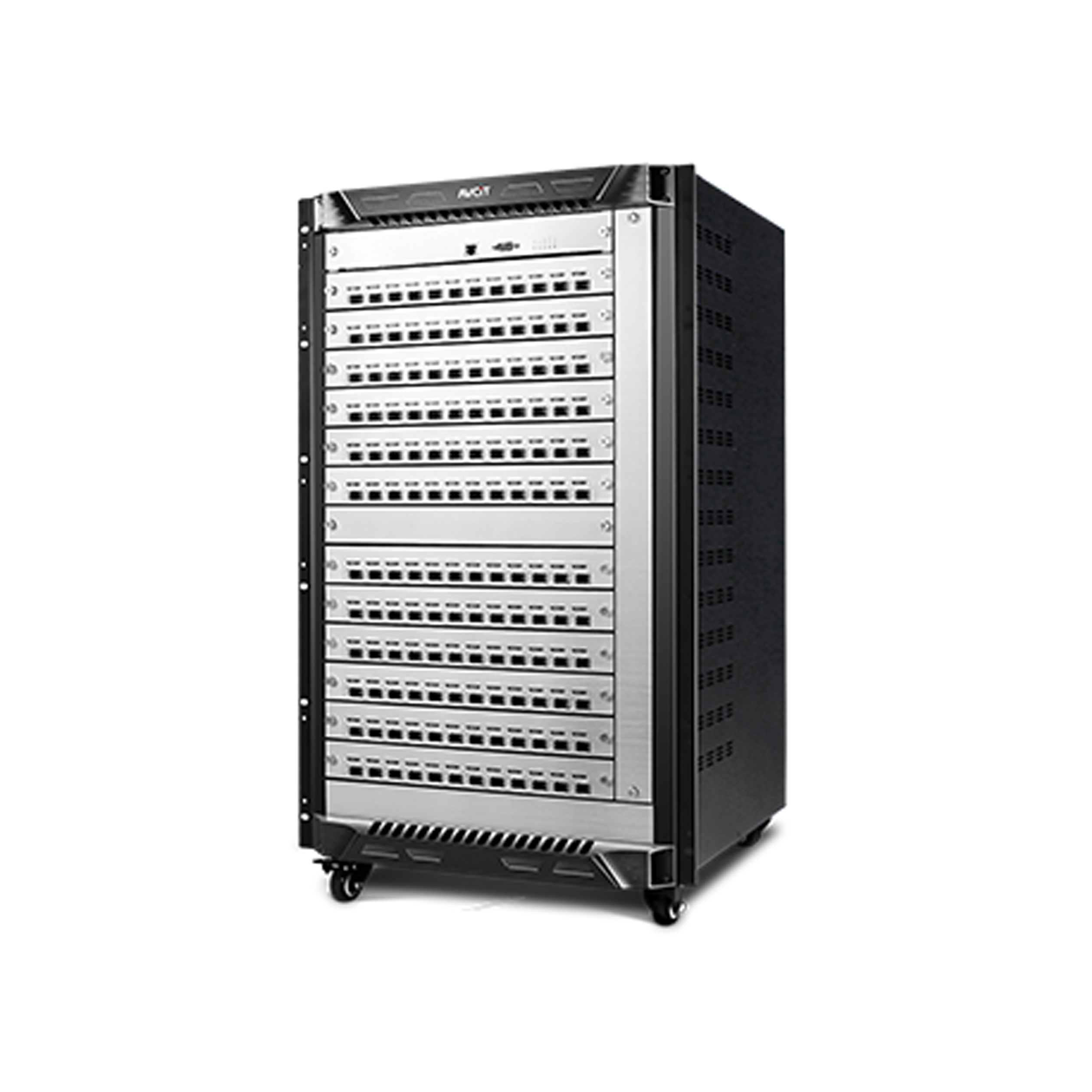 Phinx-144 Ports Fiber KVM Matrix
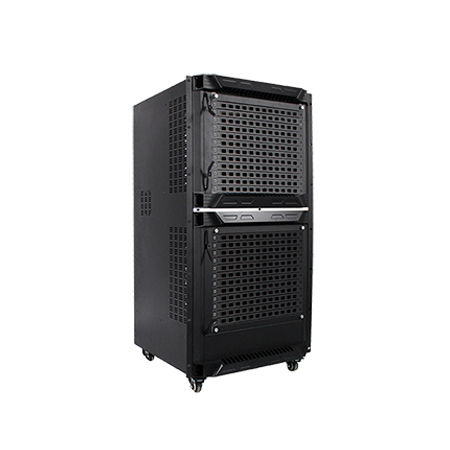 Phinx-288 Ports Fiber KVM Matrix
 Phinx-576 Ports Fiber KVM Matrix
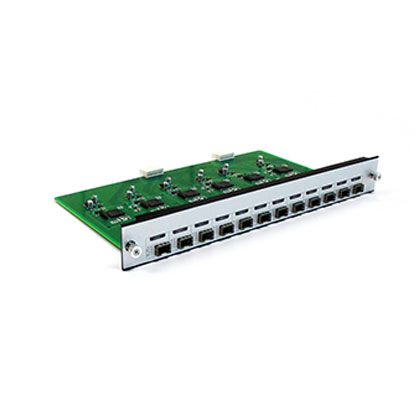 Phinx - I/O SFP Module Card
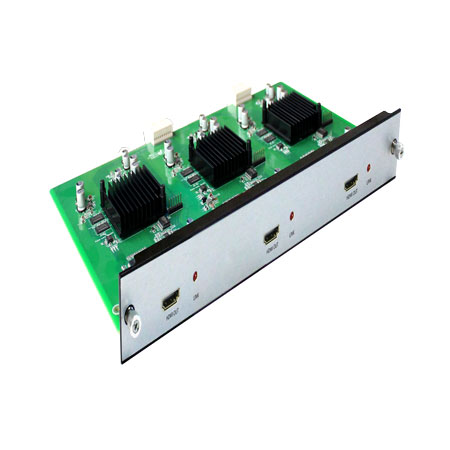 Phinx - Video Wall Control Card
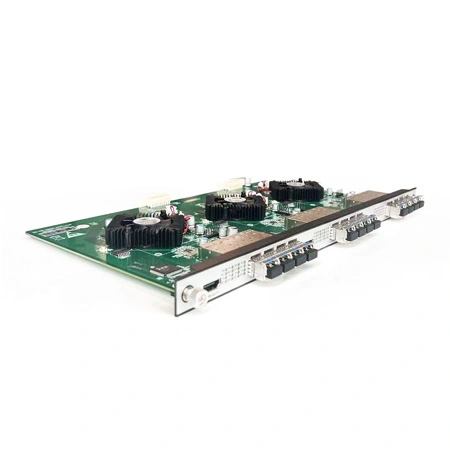 Phinx- Video Wall & SFP Card
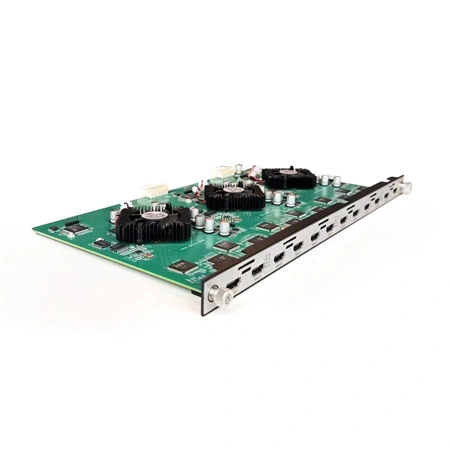 Phinx- Video Card(6IN6OUT)
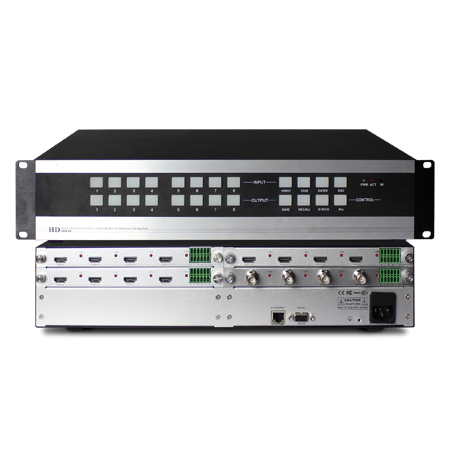 2K Video Wall Matrix - 8x8
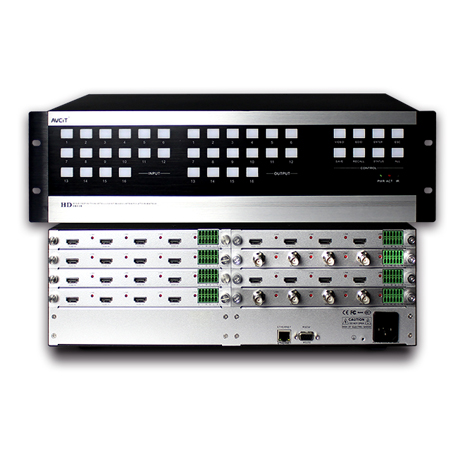 2K Video Wall Matrix - 16x16
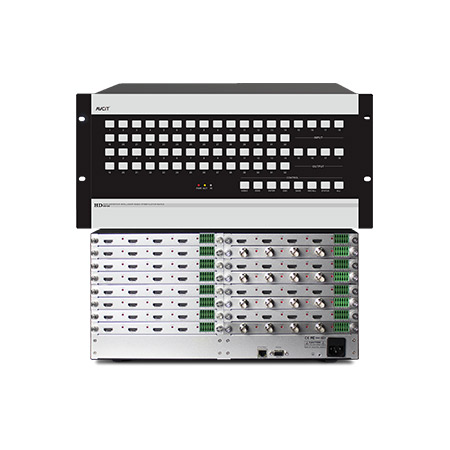 2K Video Wall Matrix - 32x32
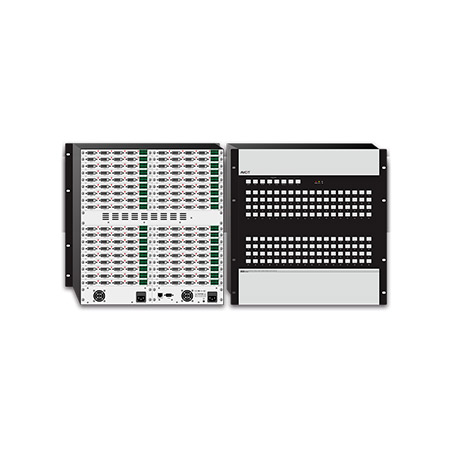 2K Video Wall Matrix - 72x72
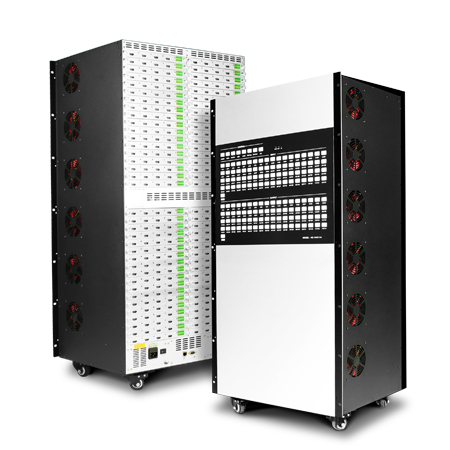 2K Video Wall Matrix - 144x144
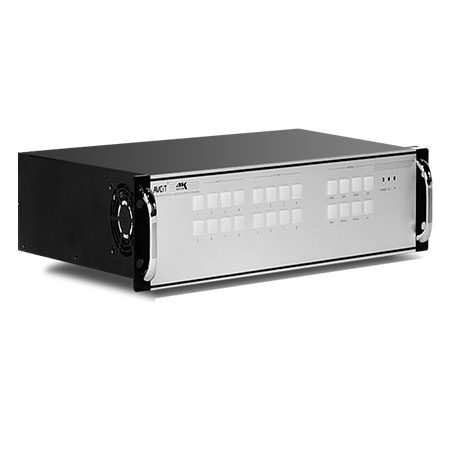 4K Video Matrix Switcher - 8x8
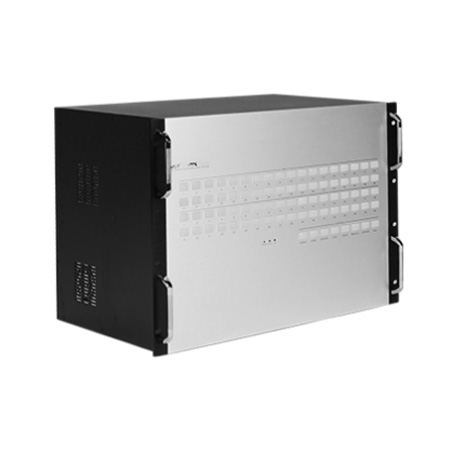 4K Video Matrix Switcher - 36x36
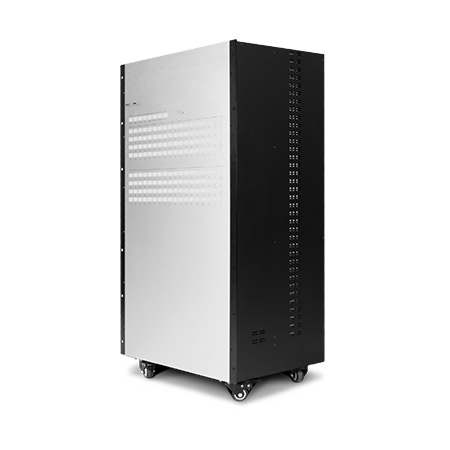 4K Video Matrix Switcher - 72x72
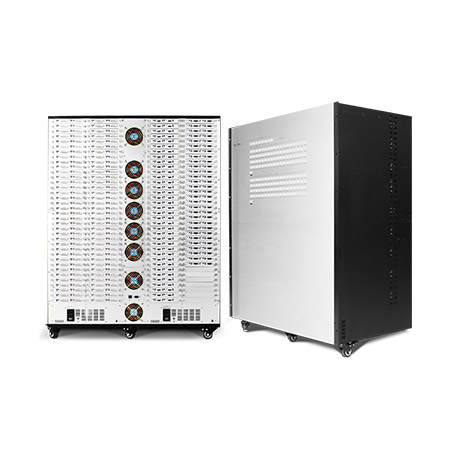 4K Video Matrix Switcher - 144x144
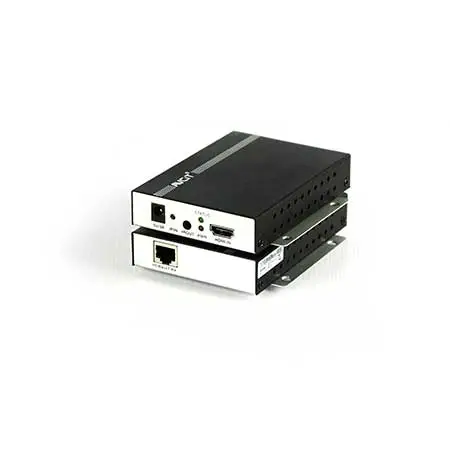 Mixing UHD - 4K HDBT Extender
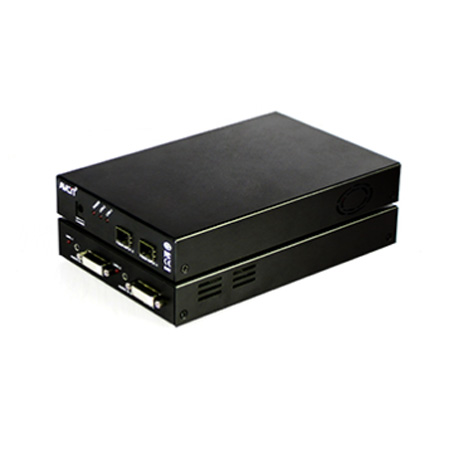 Mixing UHD - 4K Fiber Extender
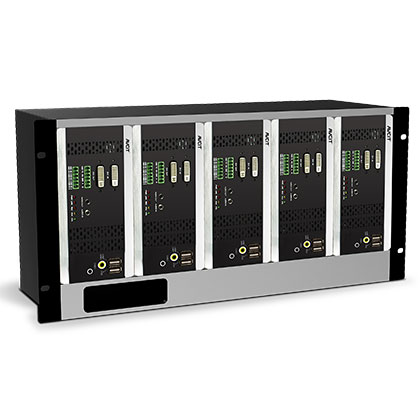 Rack Mounting Kit
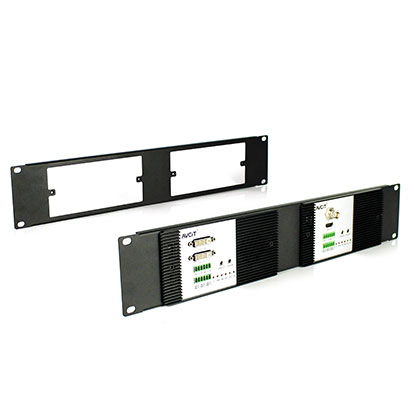 Wall Mounting Kit











 EN
EN
 es
es  th
th
Blog
Join us
FAQs

 4K KVM Transmitter-HDMI
 4K KVM Transmitter-HDMI+HDMI LOOP
 4K KVM Transmitter-DVI
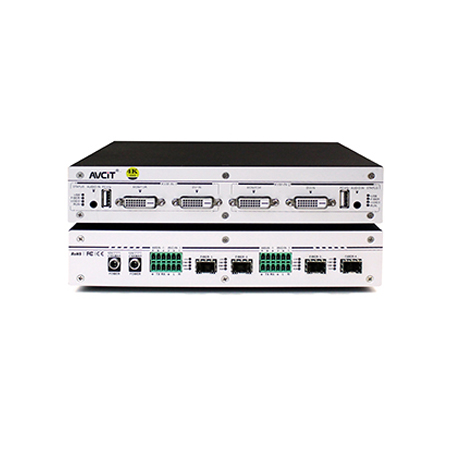 4K KVM Transmitter-DVI+DVI LOOP
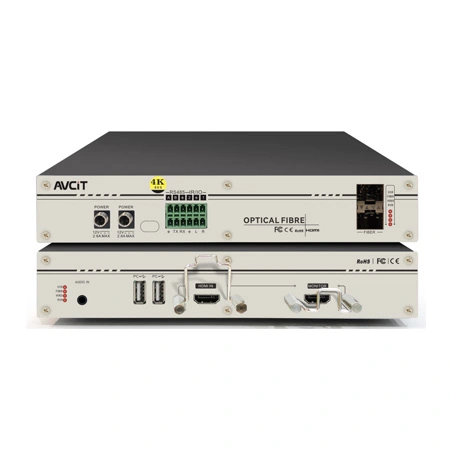 4K60 KVM Transmitter - HDMI
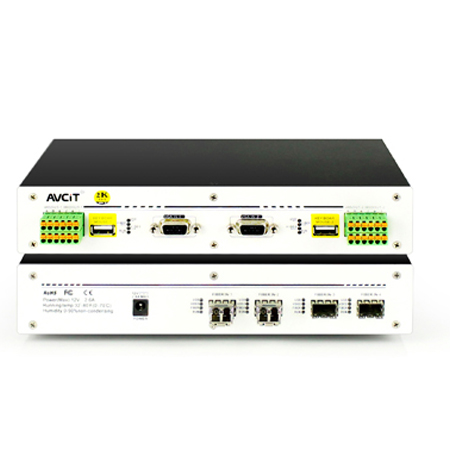 2K KVM Transmitter-VGA
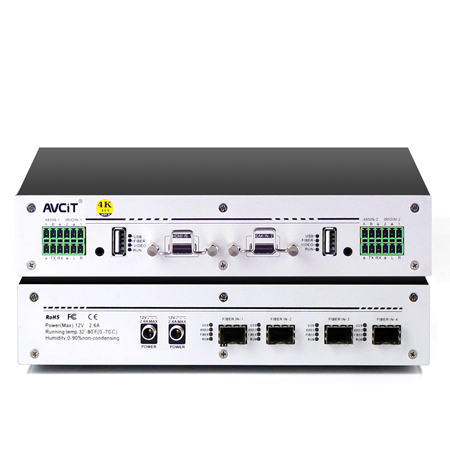 4K KVM Receiver-HDMI
 4K KVM Receiver-DVI
 Quad-view KVM Receiver-HDMI
 4K60 KVM Receiver - HDMI
 4K60 Quad-view KVM Receiver
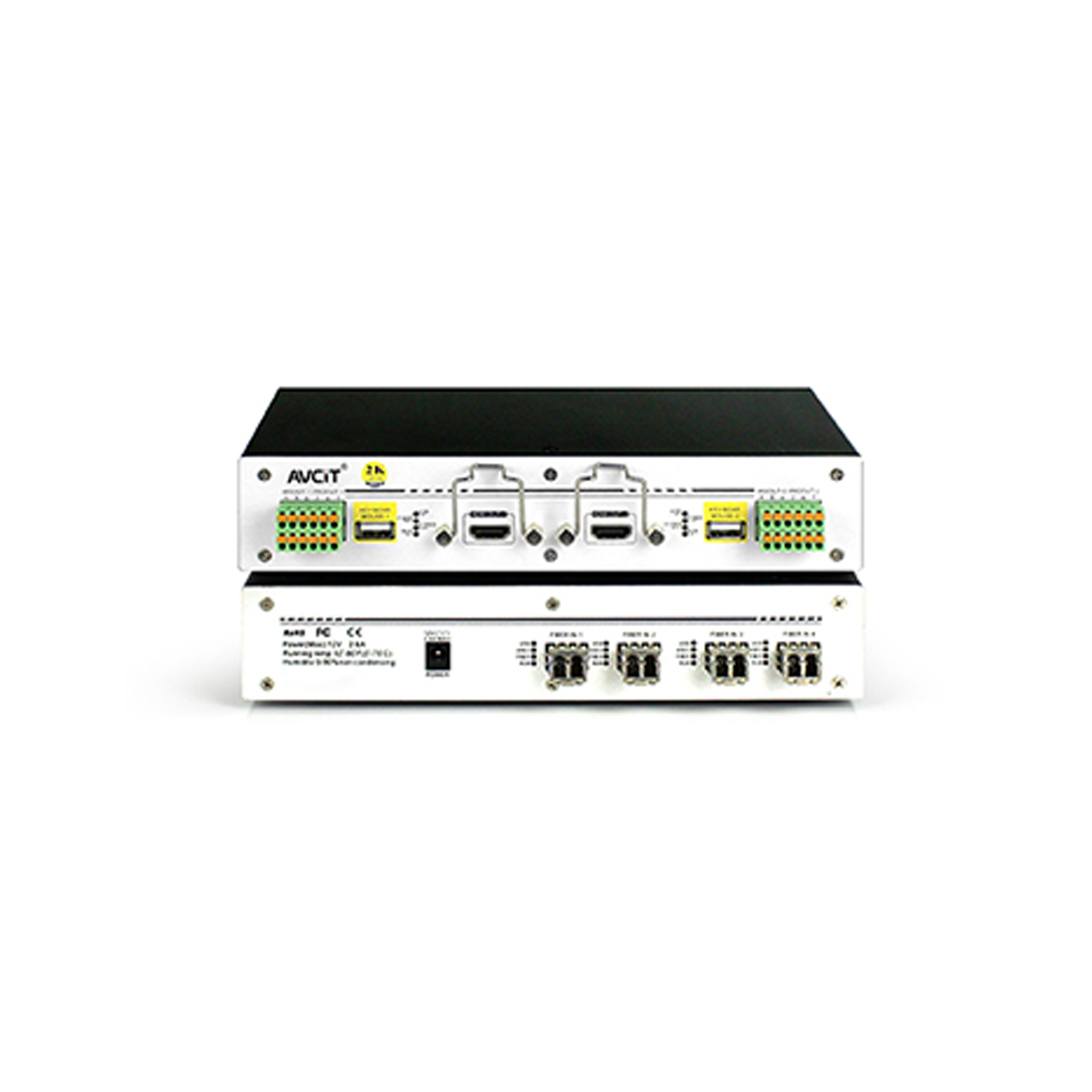 2K KVM Receiver-HDMI
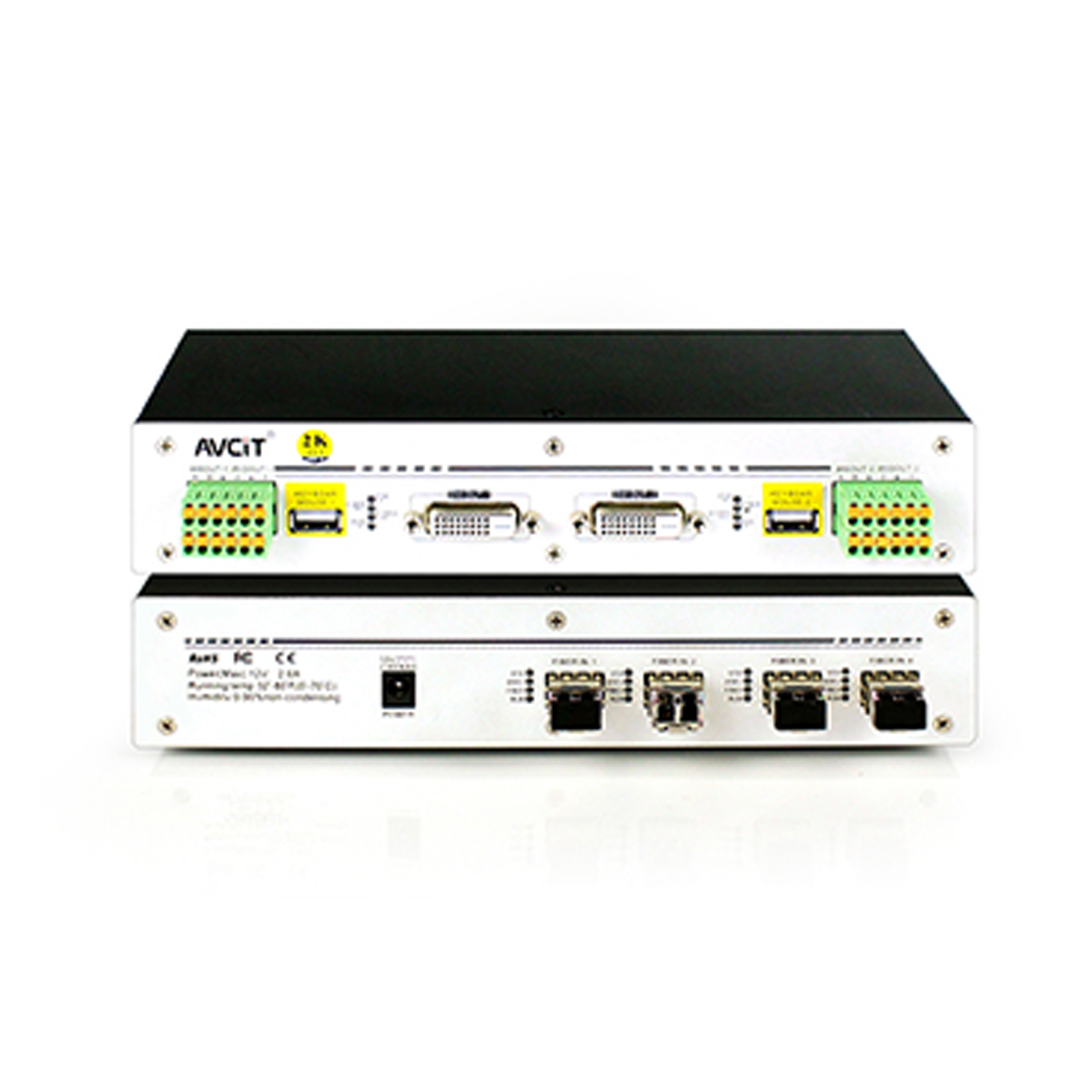 2K KVM Receiver-DVI
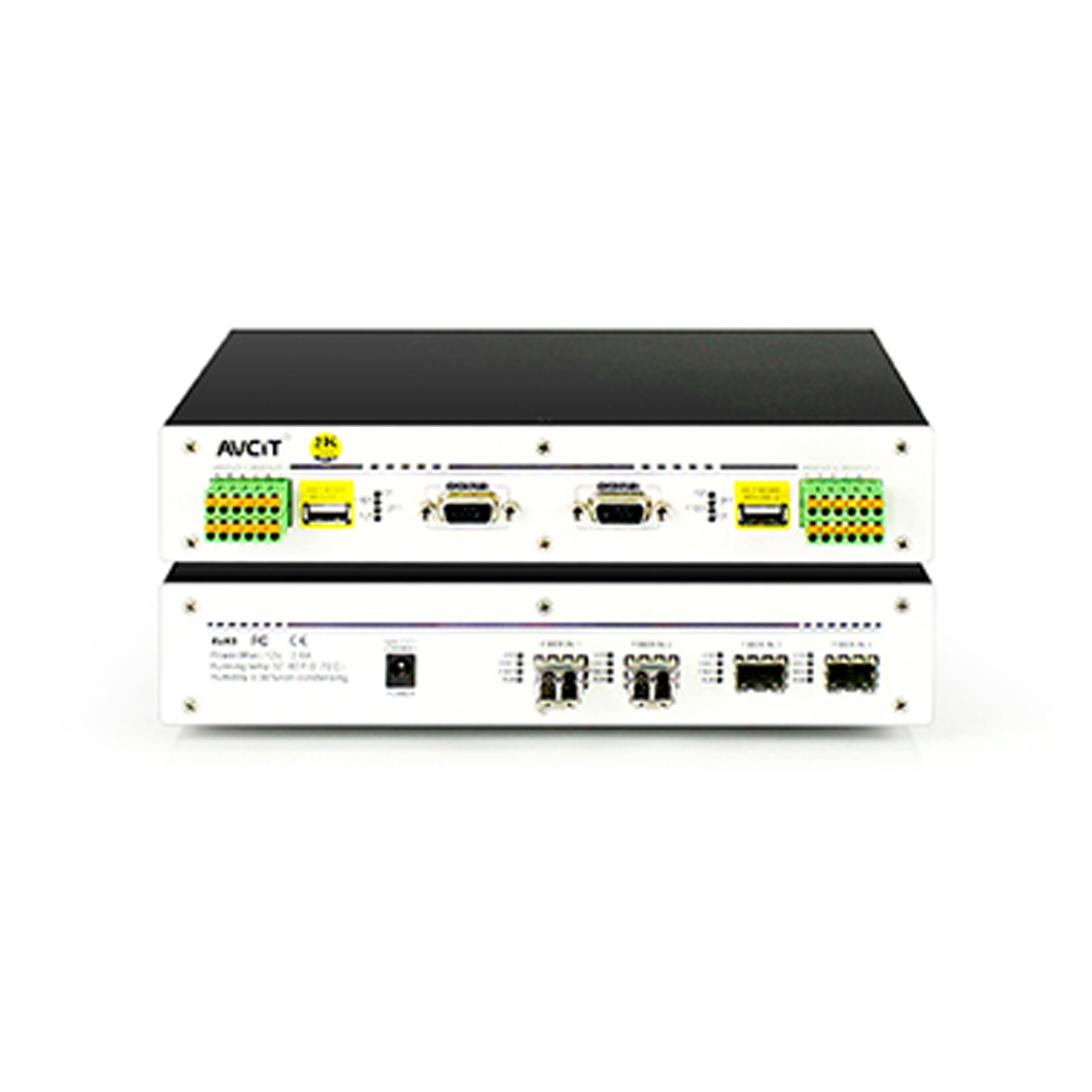 2K KVM Receiver-VGA
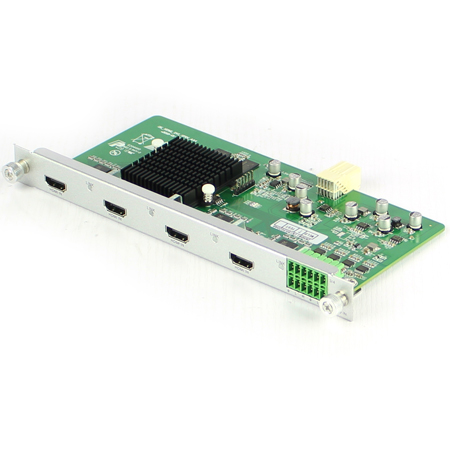 Mixing HD-2K HDMI Input Card
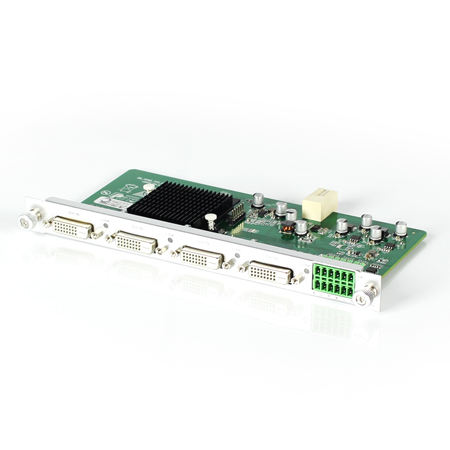 Mixing HD-2K DVI Input Card
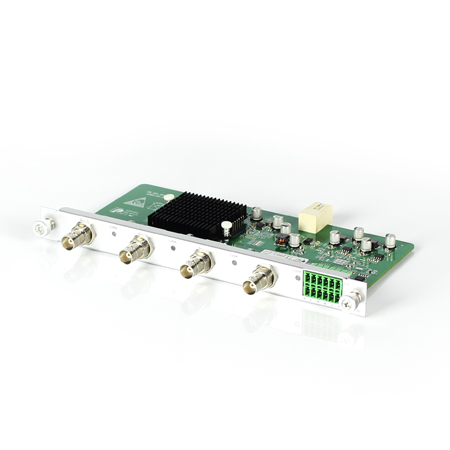 Mixing HD-2K SDI Input Card
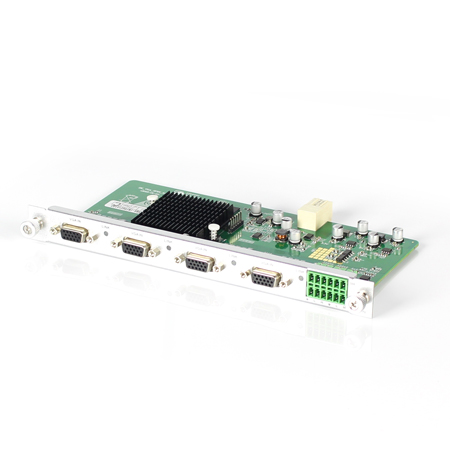 Mixing HD-2K VGA Input Card
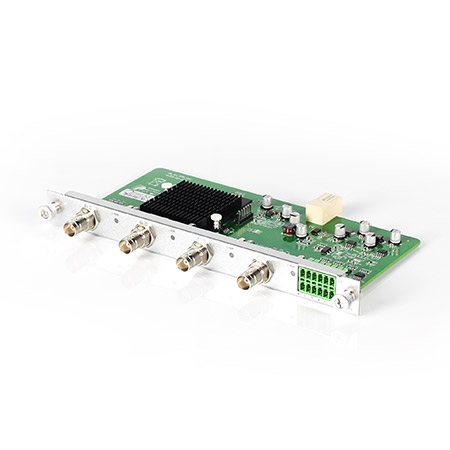 Mixing HD-2K AV Input Card
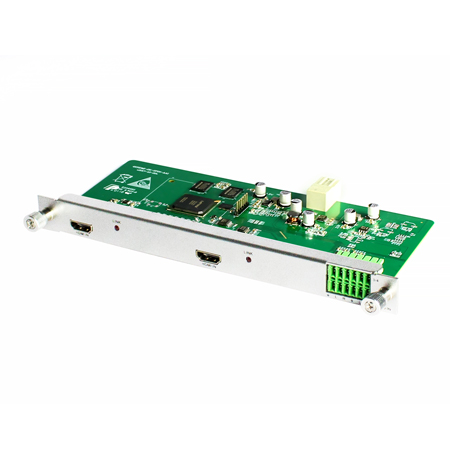 Mixing HD-HDMI UHD Input Card
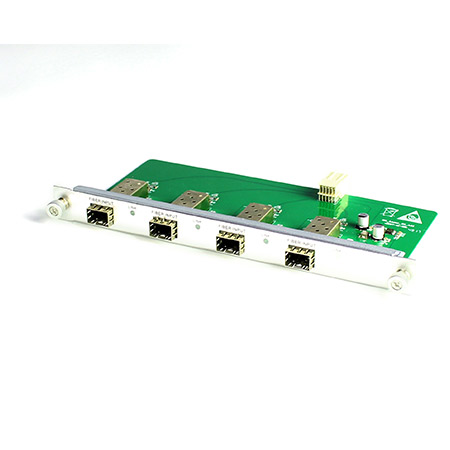 Mixing HD-Fiber Input Card
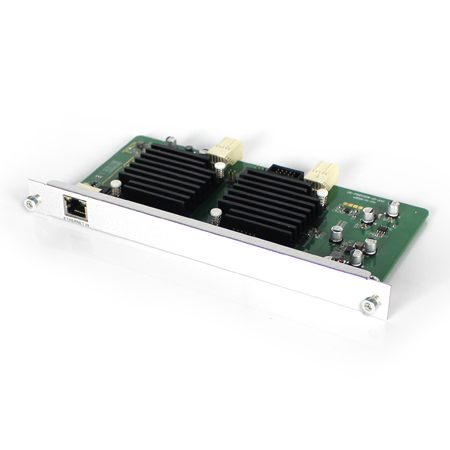 Mixing HD-IP Input Card
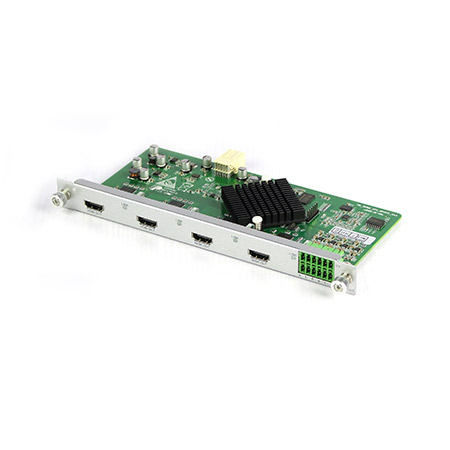 Mixing HD-HDMI Output Card
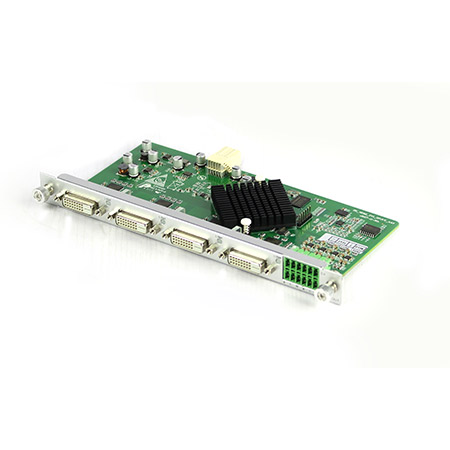 Mixing HD-DVI Output Card
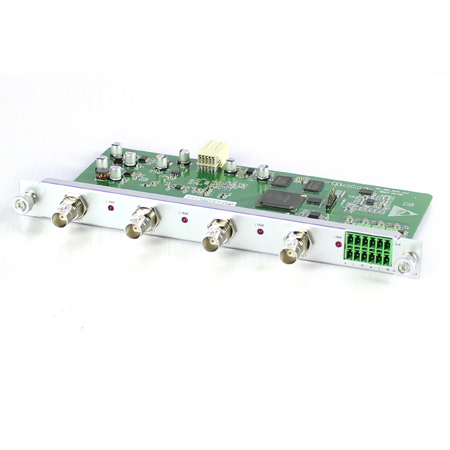 Mixing HD-SDI Output Card
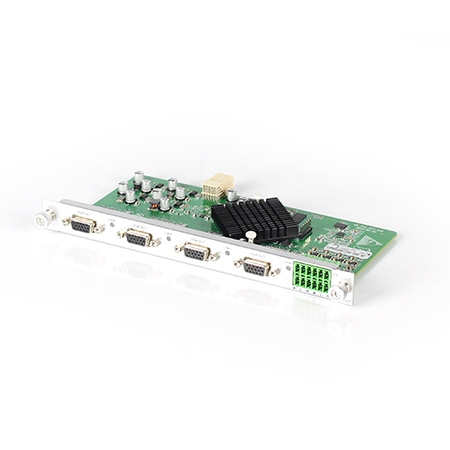 Mixing HD-VGA Output Card
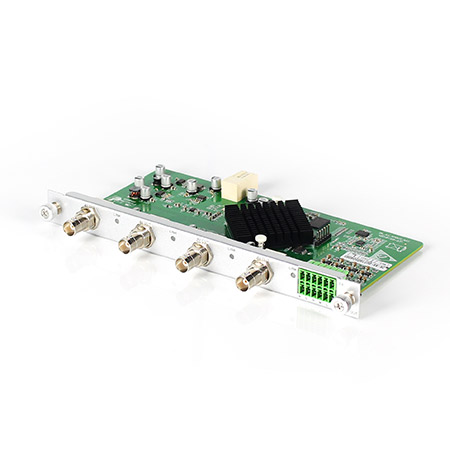 Mixing HD-AV Output Card
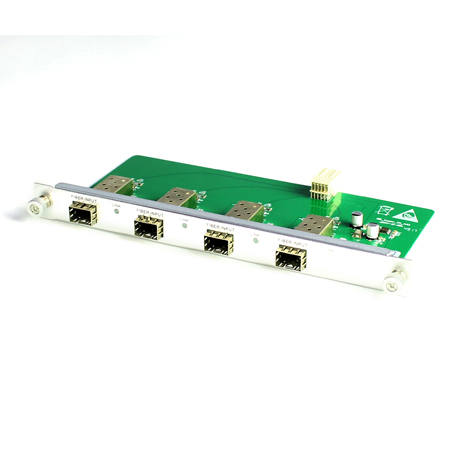 Mixing HD-Fiber Output Card
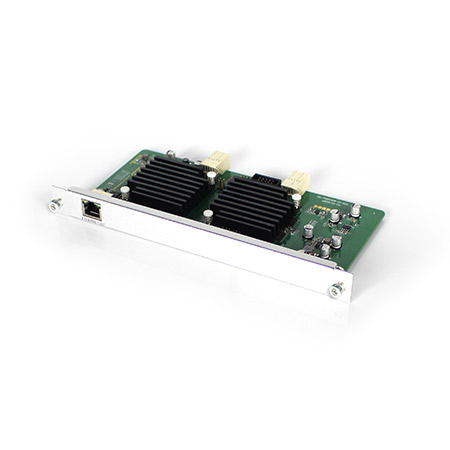 Mixing HD-IP Output Card
Mixing HD-HDMI Video Wall Control Card (2 channel)
Mixing HD-IP Output Card
Mixing HD-HDMI Video Wall Control Card (2 channel)
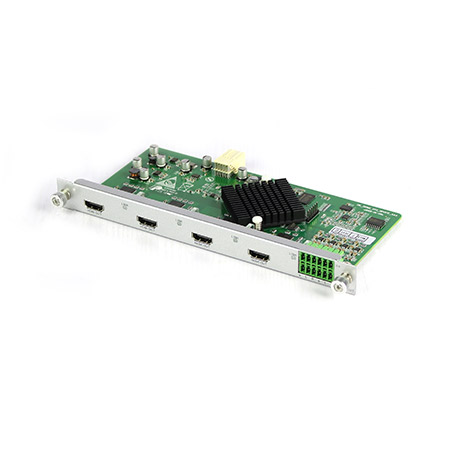 Mixing HD-HDMI Video Wall Control Card (1 channel)
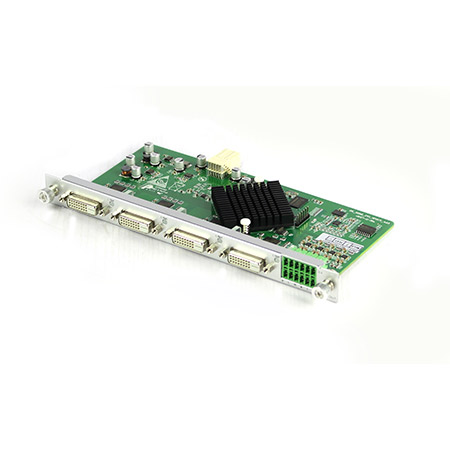 Mixing HD-DVI Video Wall Control Card (2 channel)
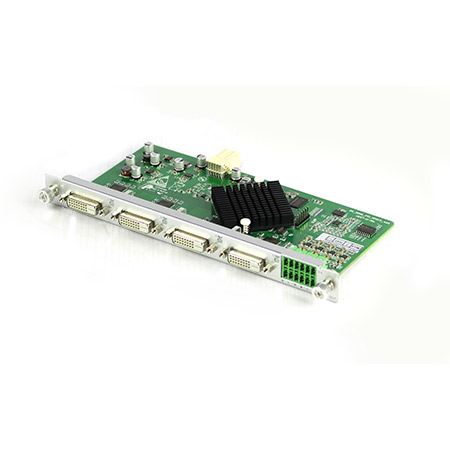 Mixing HD-DVI Video Wall Control Card (1 channel)
 Mixing UHD - HDMI Input Card
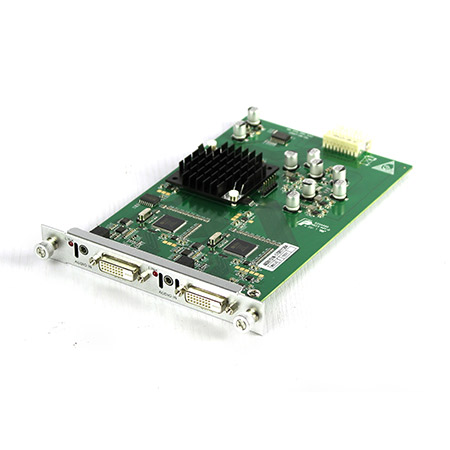 Mixing UHD - DVI Input Card
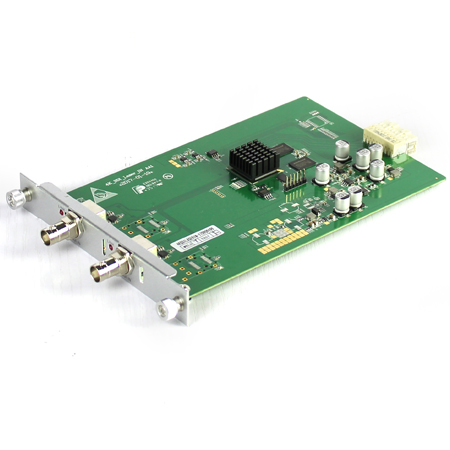 Mixing UHD - SDI Input Card
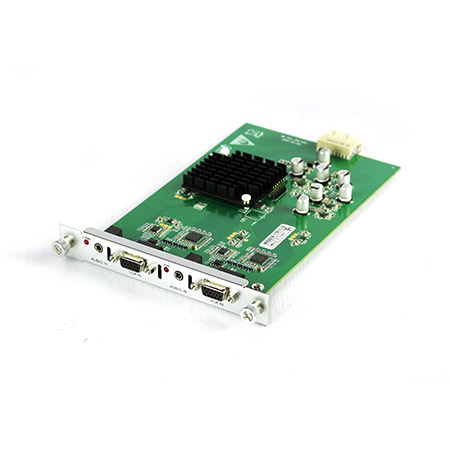 Mixing UHD - VGA Input Card
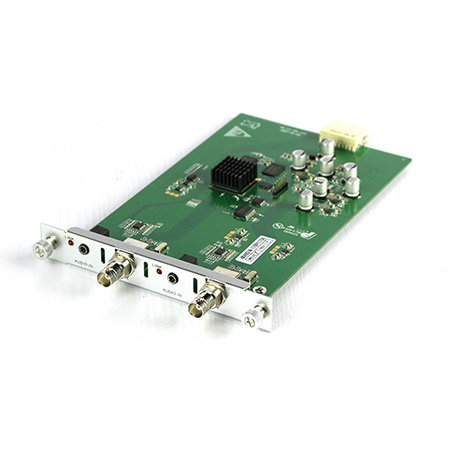 Mixing UHD - AV Input Card
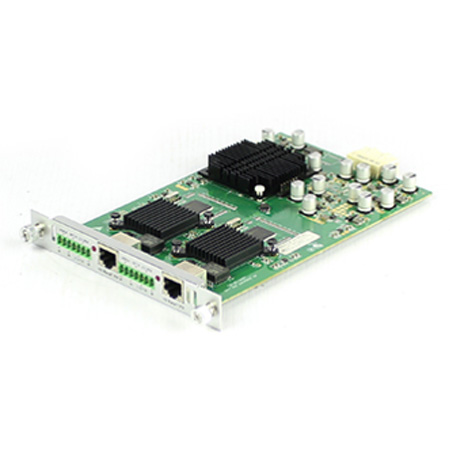 Mixing UHD - HDBT Input Card
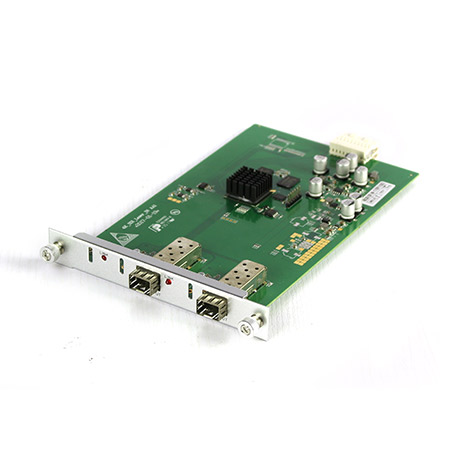 Mixing UHD - Fiber Input Card
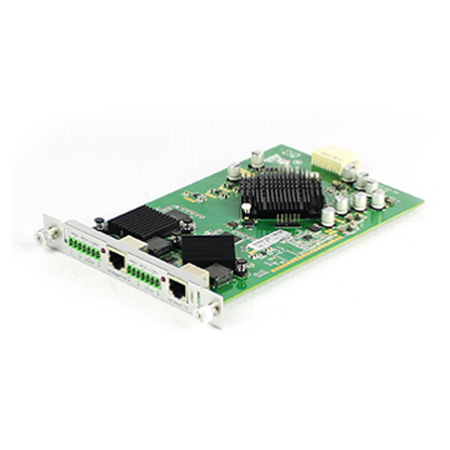 Mixing UHD - HDBT Output Card
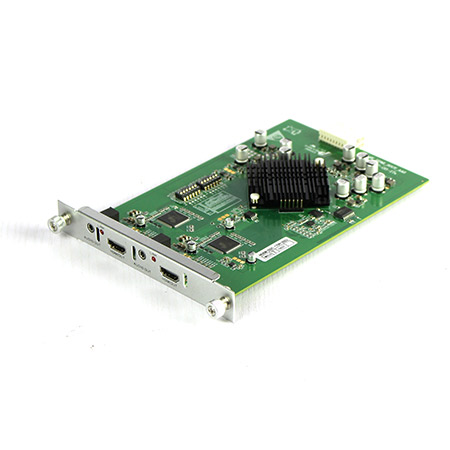 Mixing UHD - HDMI Output Card
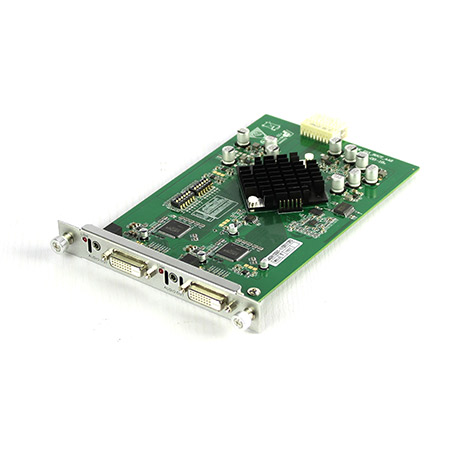 Mixing UHD - DVI Output Card
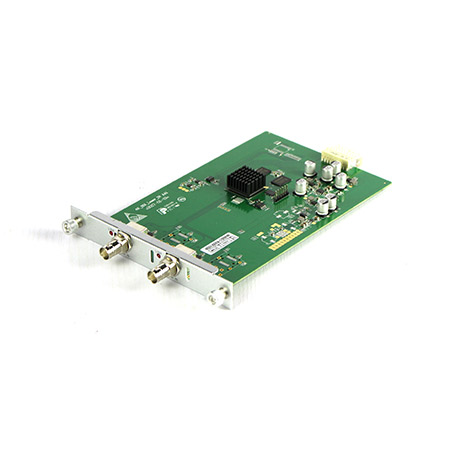 Mixing UHD - SDI Output Card
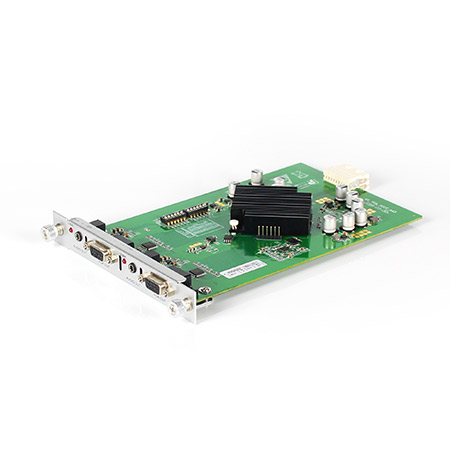 Mixing UHD - VGA Output Card
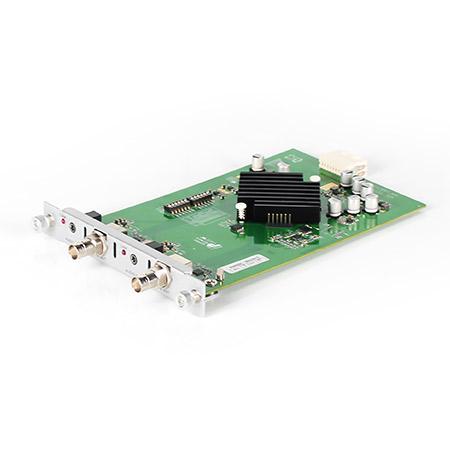 Mixing UHD - AV Output Card
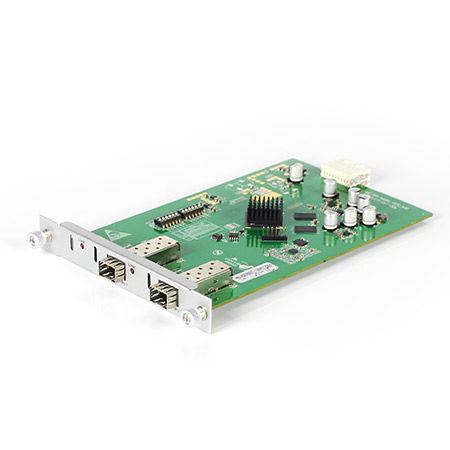 Mixing UHD - Fiber Output Card
The switching principle of video matrix switcher is basically the selection. There are many ways to select, and the easiest is to directly connect the signal wires together. The second method is to use the relay. The on-off of the relay can be controlled by the level, which can complete the disconnection and connection between the output and the input signal, and the selection of the signal. The third method is based on the circuit. The principle is to use the on-off of the internal circuit of the chip to switch on-off, and can control the level to complete the selection of the signal.
Video matrix switchers require different technical indicators according to different application fields. Taking the broadcasting industry as an example, in order to ensure the display quality of the terminal, it assigns technical indicators throughout the entire signal transmission process, from the camera to the TV.
For the switching and distribution of analog matrix, the technical indicators set are as follows: GB/T14236-93 instance index generally refers to the case of multiple inputs with multiple output options to form the matrix structure. And the structure formed by M×N is called matrix switcher, the M×1 structure called switcher or selector while the 1×M structure called a distributor. The principle of the matrix is to use the internal circuit to turn on and off, and can be controlled by the level to complete the signal selection.
In a project, the signal of audio, video, and VGA should be regarded as three different media. Audio signals are generally input in a large number, such as microphones, CDs, and audio from disc players. However, considering that there is ususally only one set of power amplifiers and speakers, at most, a mixer is added before the power amplifier for mixing, so it may needs several signals. Therefore, the output of the video matrix switcher will not be very large, such as 32×8 or 64×8, but there is no need to choose 32×32 or 64×64. Unless it is broadcast and video conference transmission, each channel will certainly have sync transmission.
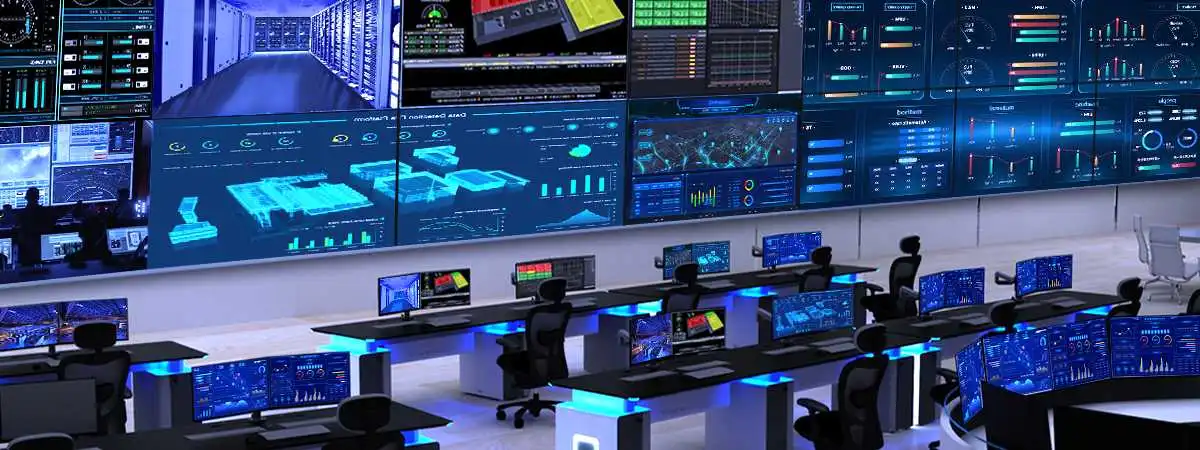
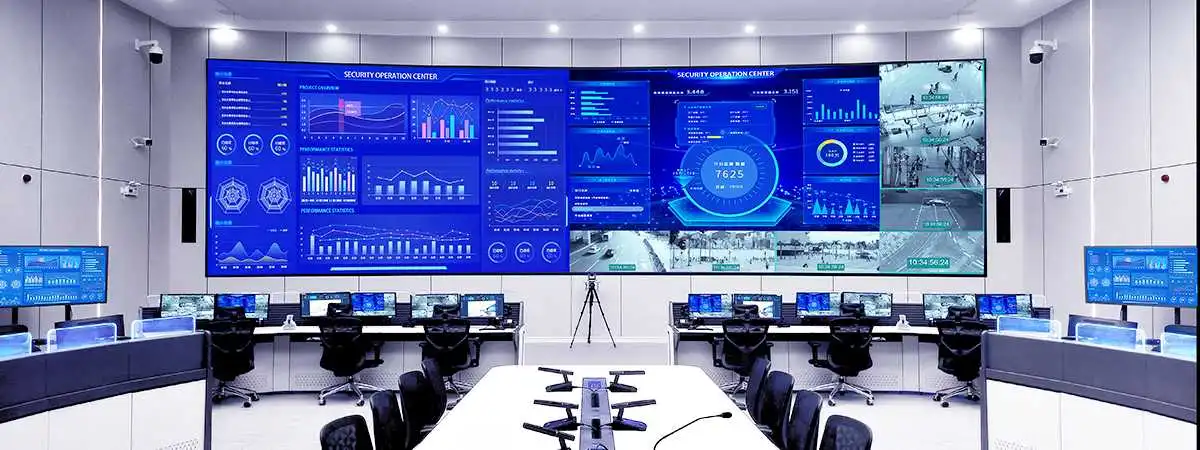
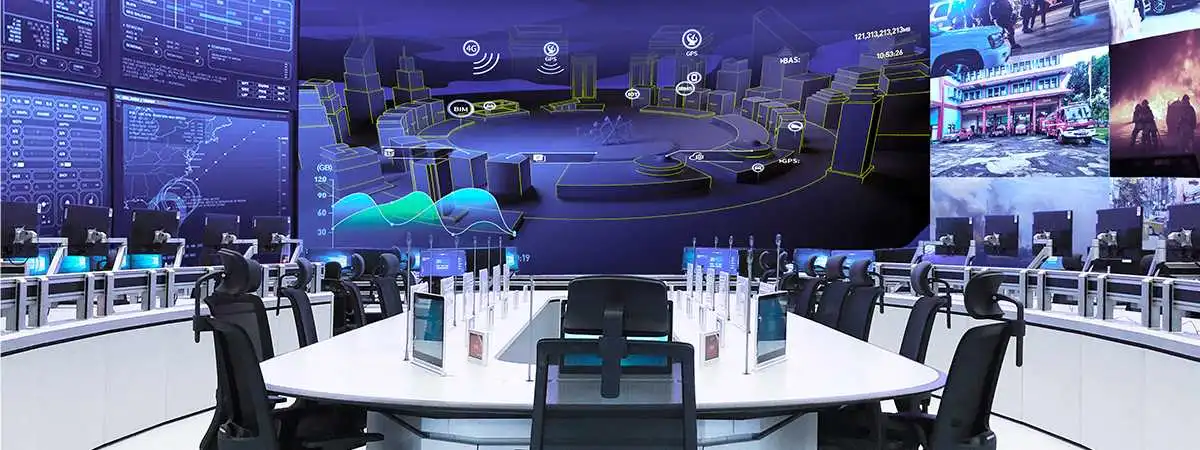
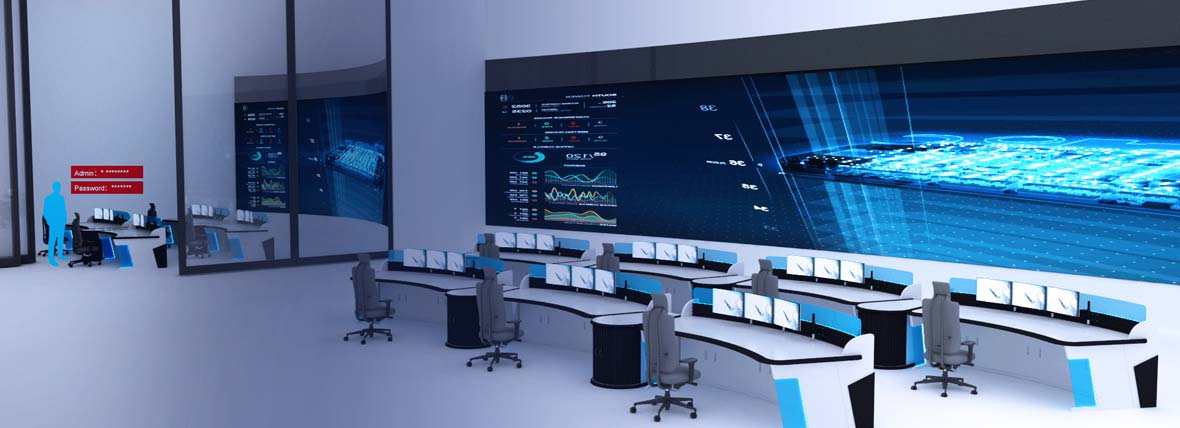
The video matrix switcher in the design of the project, the number of signal sources is relatively easy to determine. See how many signal sources there are, and the number of inputs to the matrix is determined, but the number of independent output channels must be considered, which is based on the operation mode of the system. Sometimes there may be only a distribution relationship between several display devices (always consistent with each other, not independent), then you can consider occupying an output port and adding a distributor. If these devices may be independent, then it's better to have a separate output port for each. When designing a project for a control room video wall, it is crucial to consider the number of independent output channels required based on the operation mode of the system. By utilizing a video wall controller for multi screen display, each device can have its dedicated output port, ensuring flexibility and independent control.