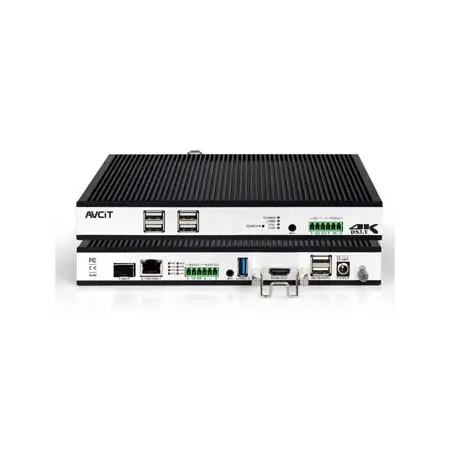

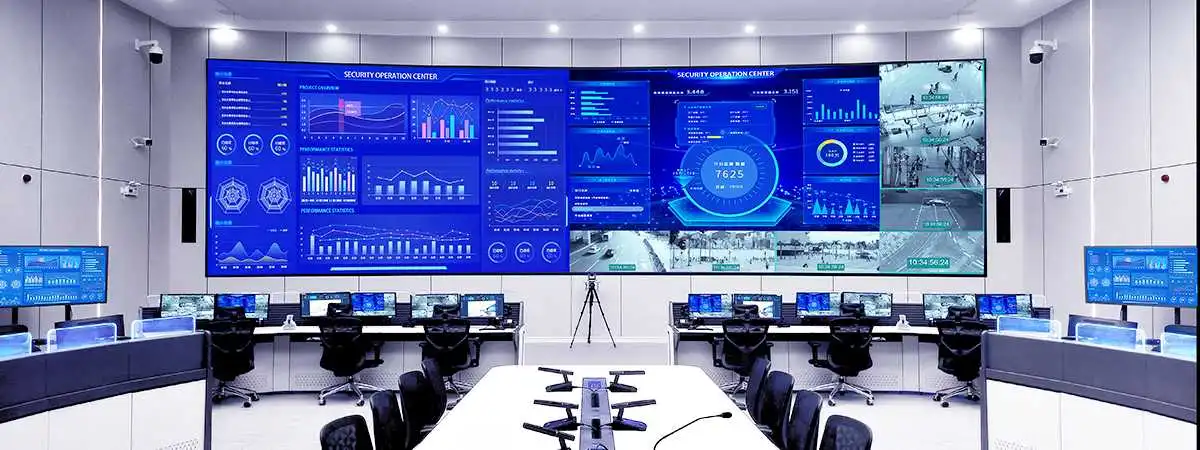
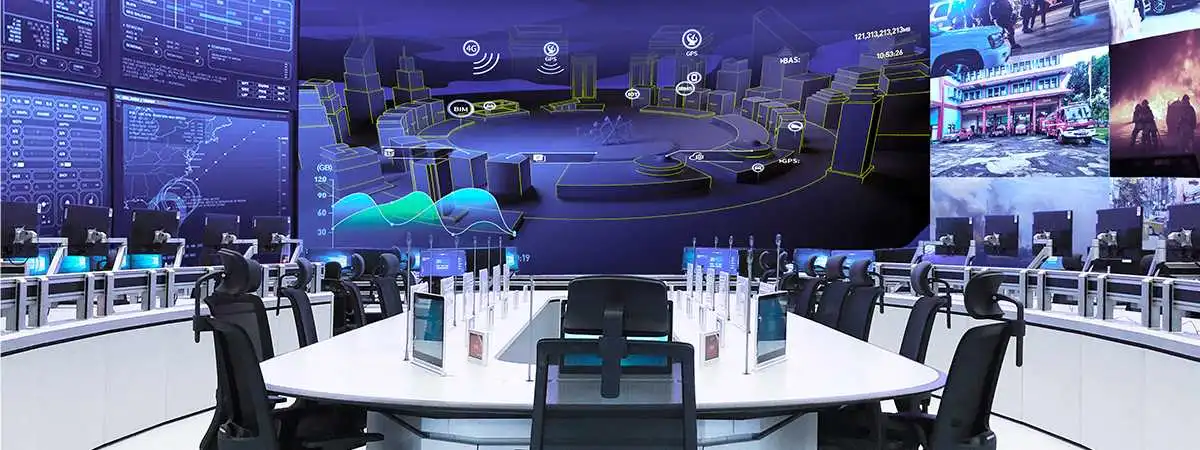

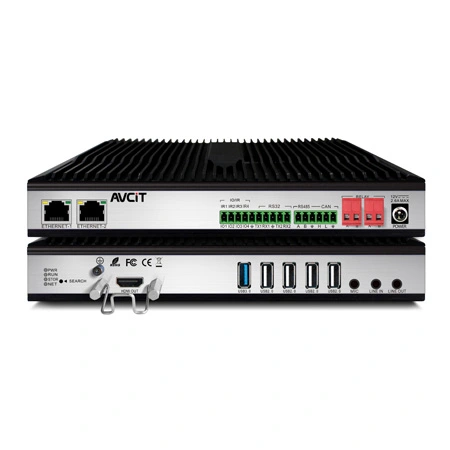
 AIVC-16CH AI BOX
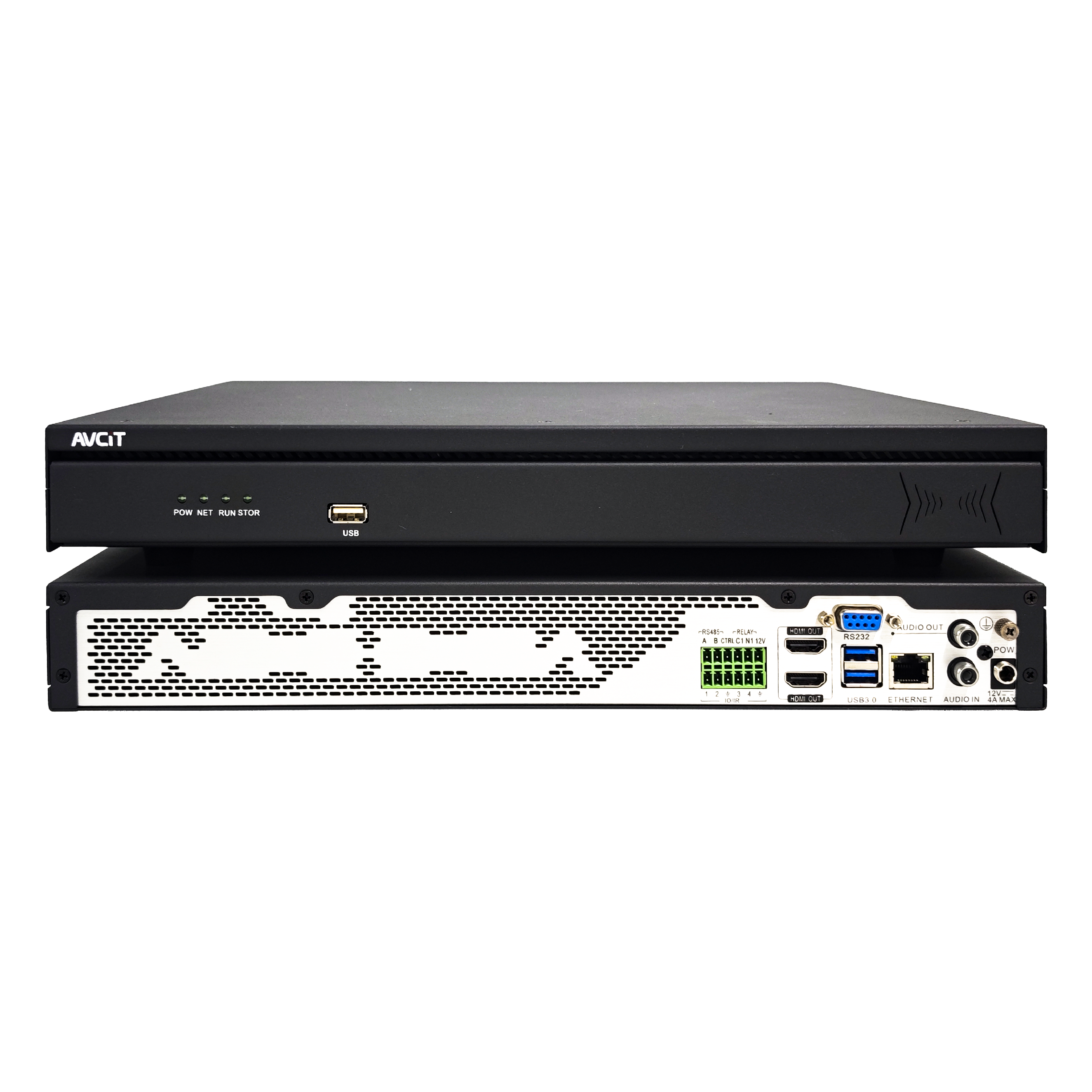 32CH CSN AI NVR
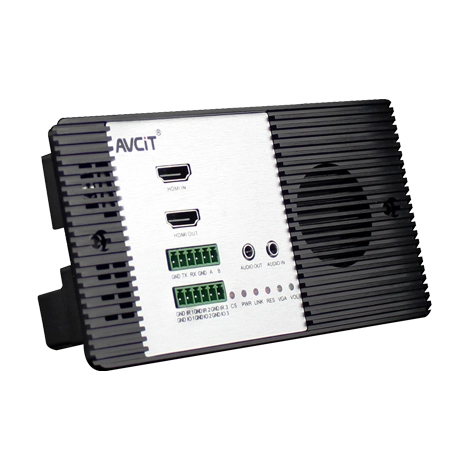
 2K HDMI Video Codec
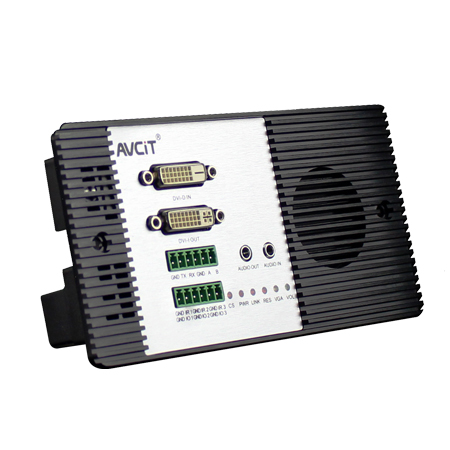
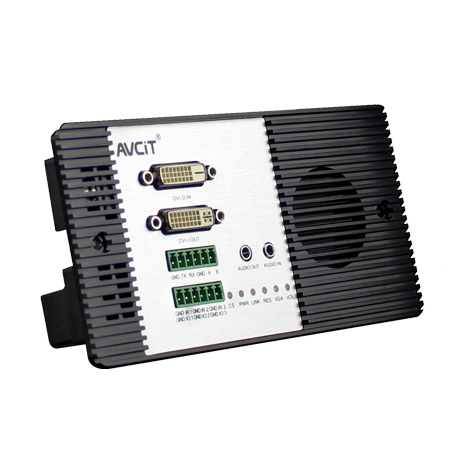 2K DVI Video Codec
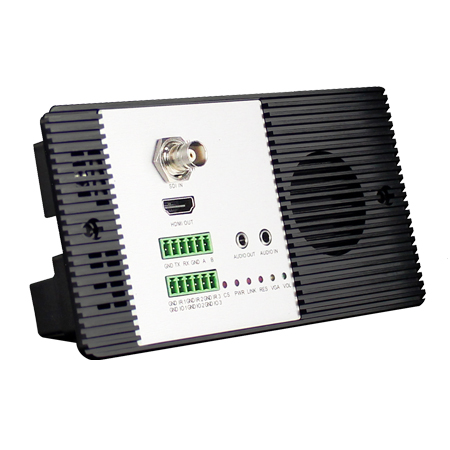 2K SDI Video Codec
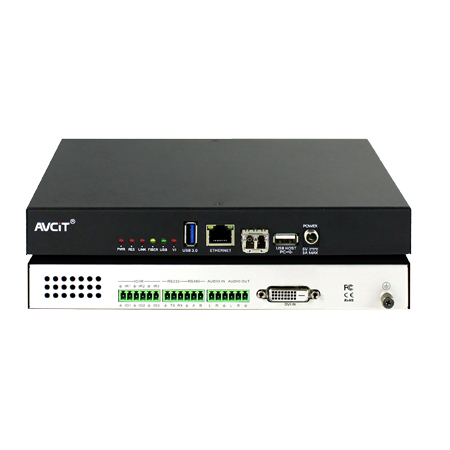 2K HDMI Video Encoder
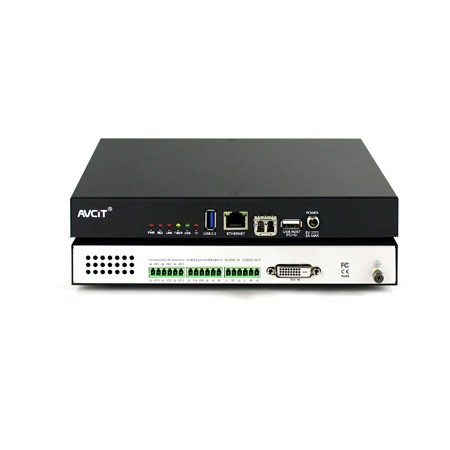 2K DVI Video Encoder
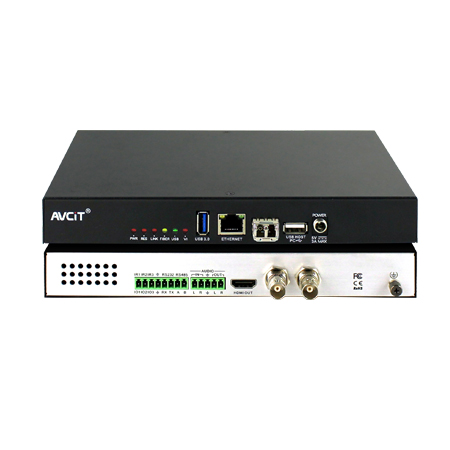 2K SDI Video Encoder
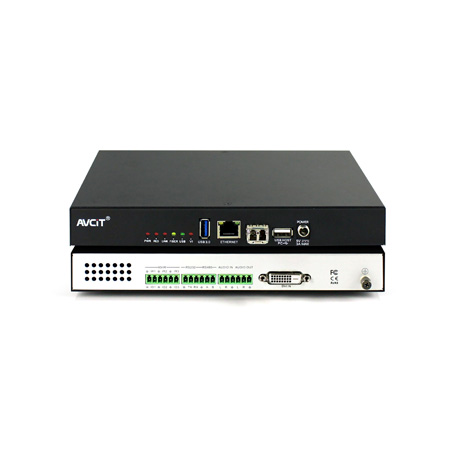 2K VGA Video Encoder
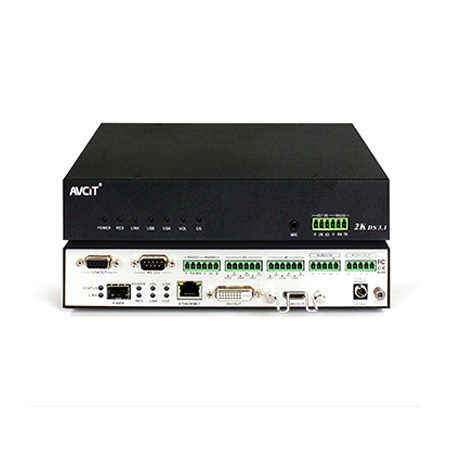 2K Video Wall Decoder (HDMI+DVI)
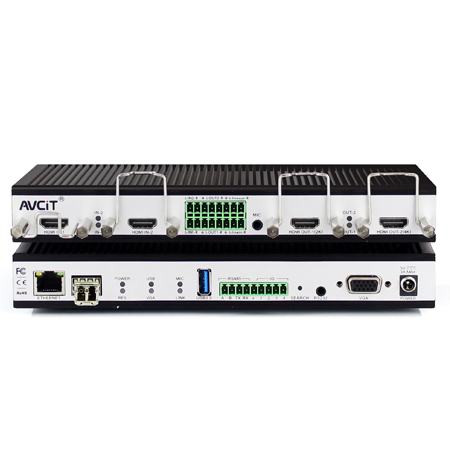 4K HDMI Video Encoder
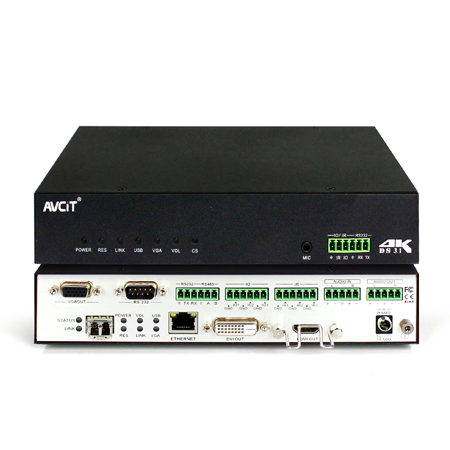 4K HDMI Video Decoder
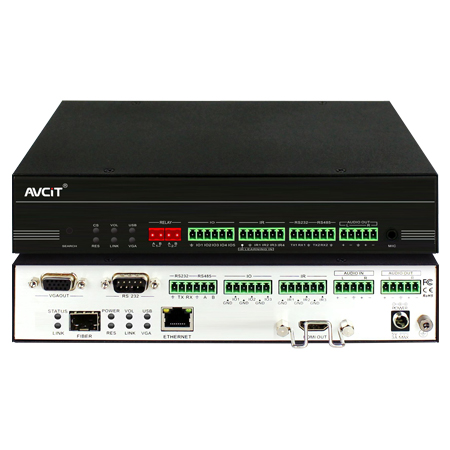 4K HDMI Video Wall Decoder
 4K HDMI + DVI Video Wall Decoder
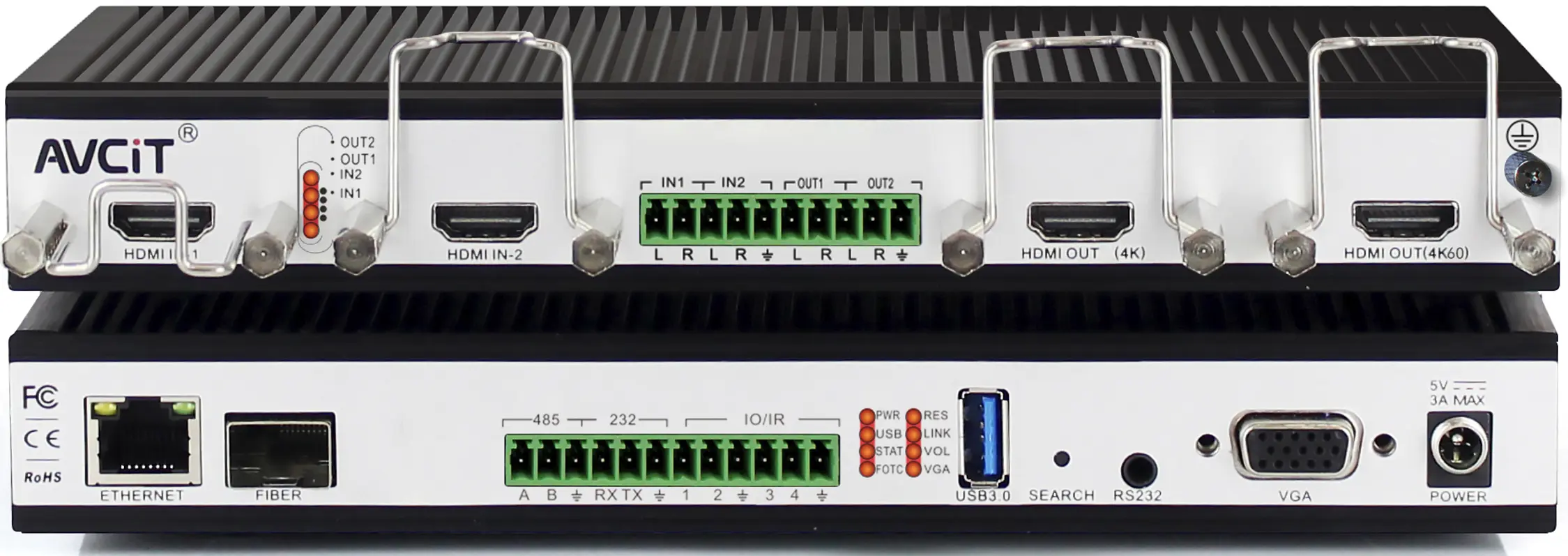 4K HDMI Dual Channel Codec
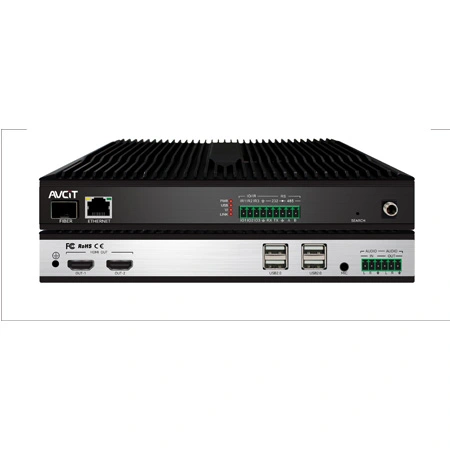 8K HDMI Decoder
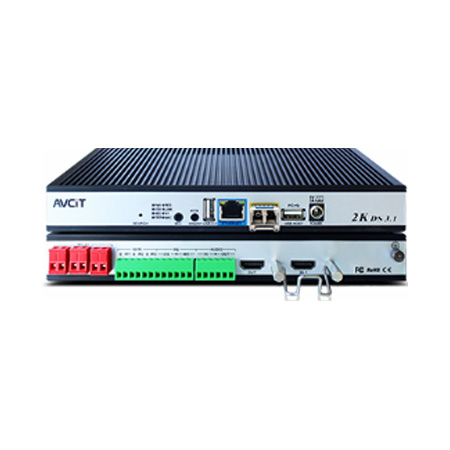 2K KVM Encoder - HDMI
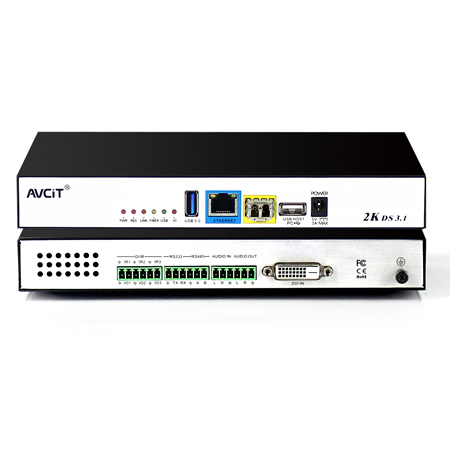 2K KVM Encoder - DVI
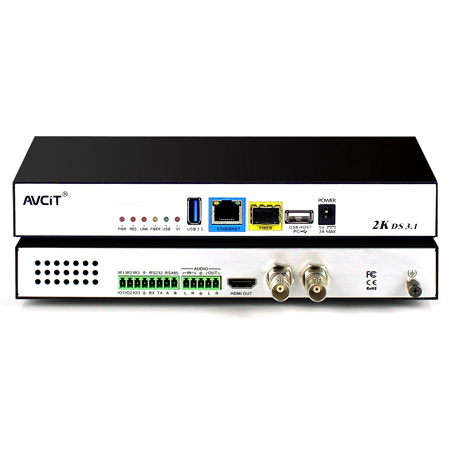 2K KVM Encoder - SDI
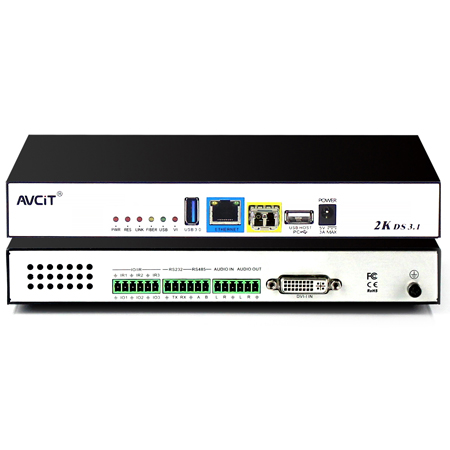 2K KVM Encoder - DVI-I(VGA)
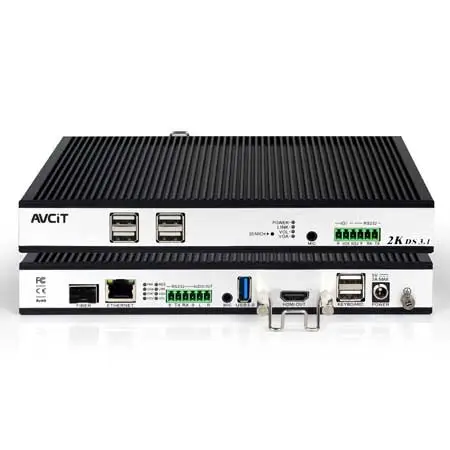 2K KVM Decoder - HDMI
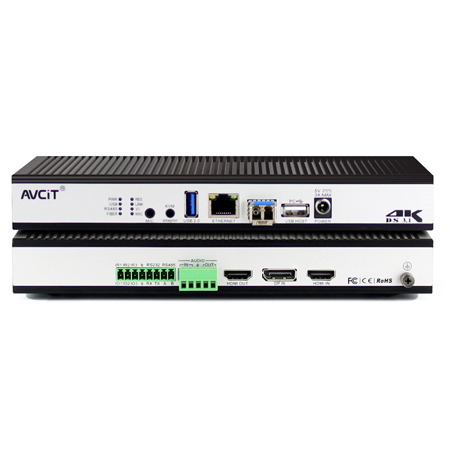 4K KVM Encoder - HDMI + DP
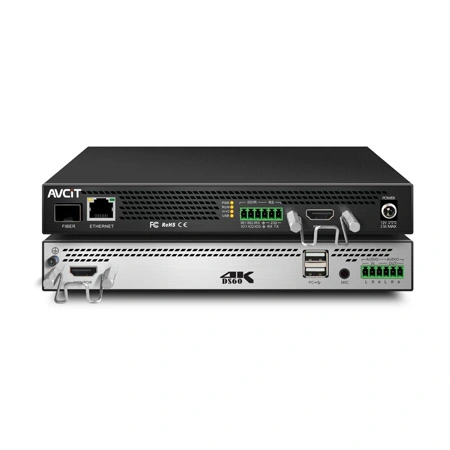 4K@60 KVM Encoder - HDMI
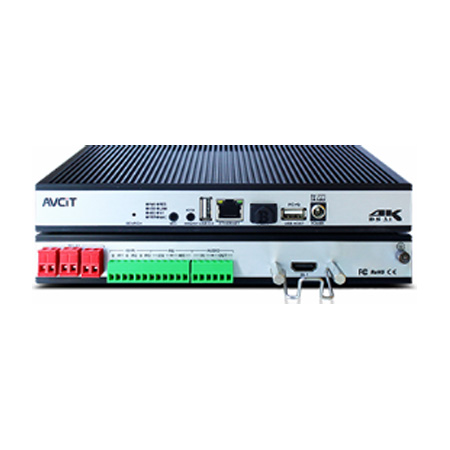 4K KVM Encoder - HDMI + HDMI
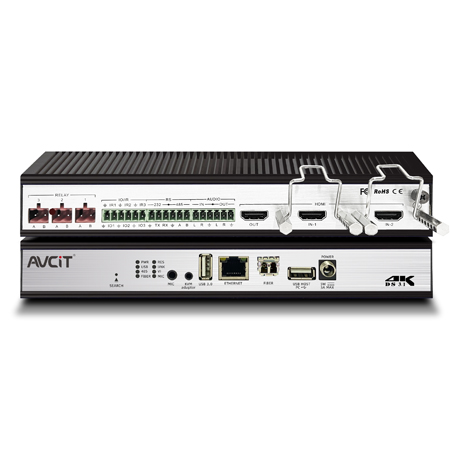 4K KVM Encoder - HDMI
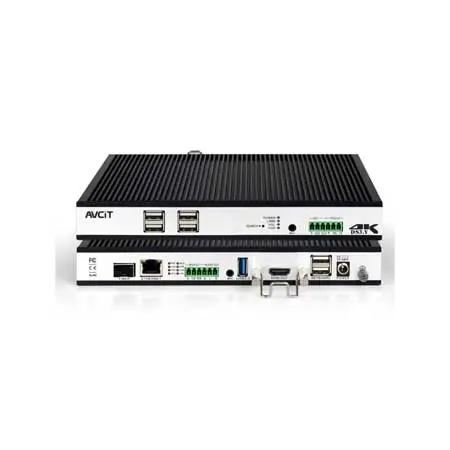 4K KVM Decoder - HDMI
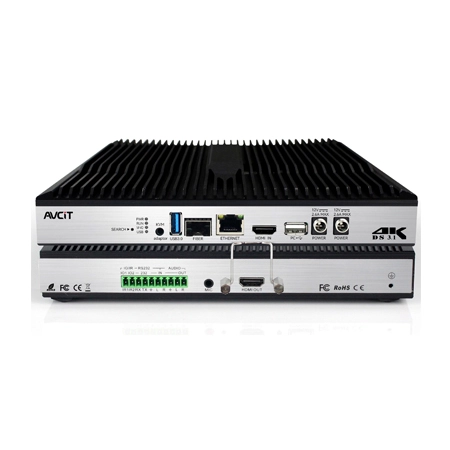 4K60 4:4:4 KVM Encoder - HDMI
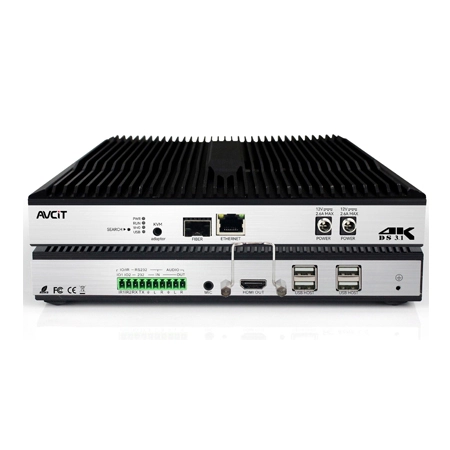 4K60 4:4:4 KVM Decoder-HDMI
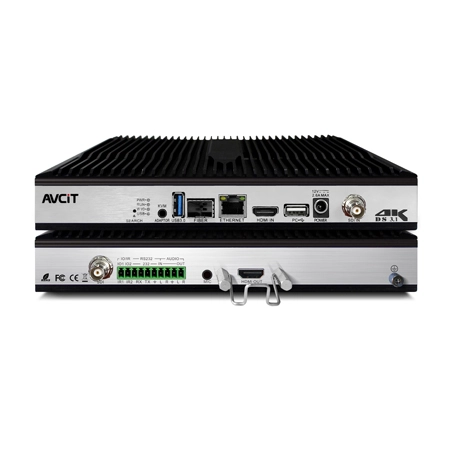 4K60 4:4:4 KVM Encoder - HDMI + SDI
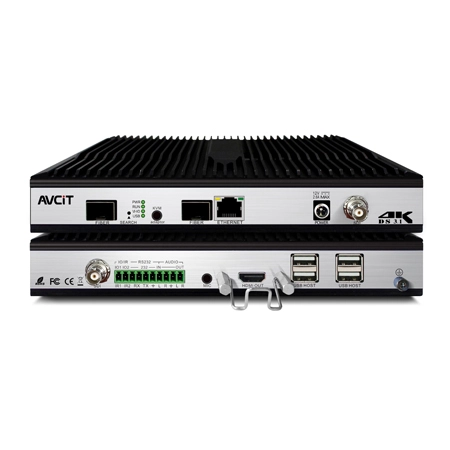 4K60 4:4:4 KVM Decoder - HDMI + SDI
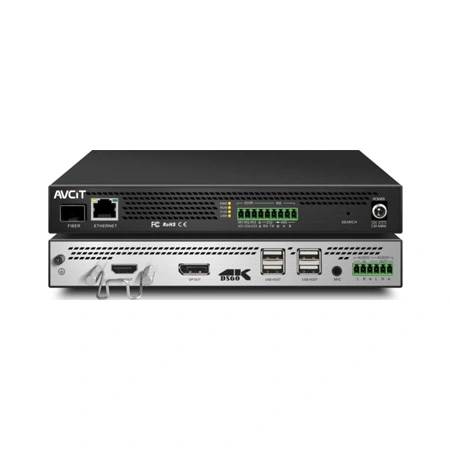 5K KVM Decoder - HDMI +DP
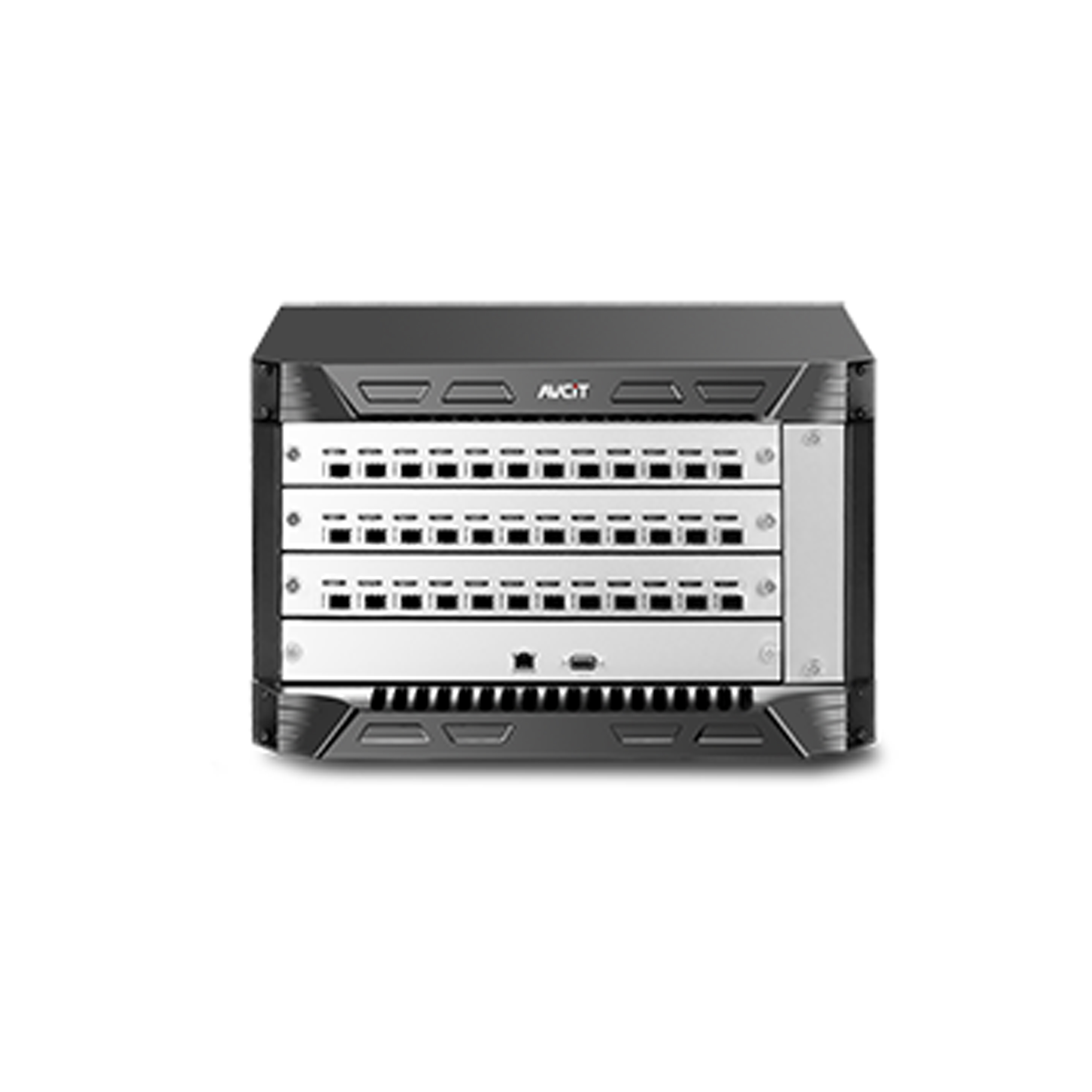 Phinx-36 Ports Fiber KVM Matrix
 Phinx-72 Ports Fiber KVM Matrix
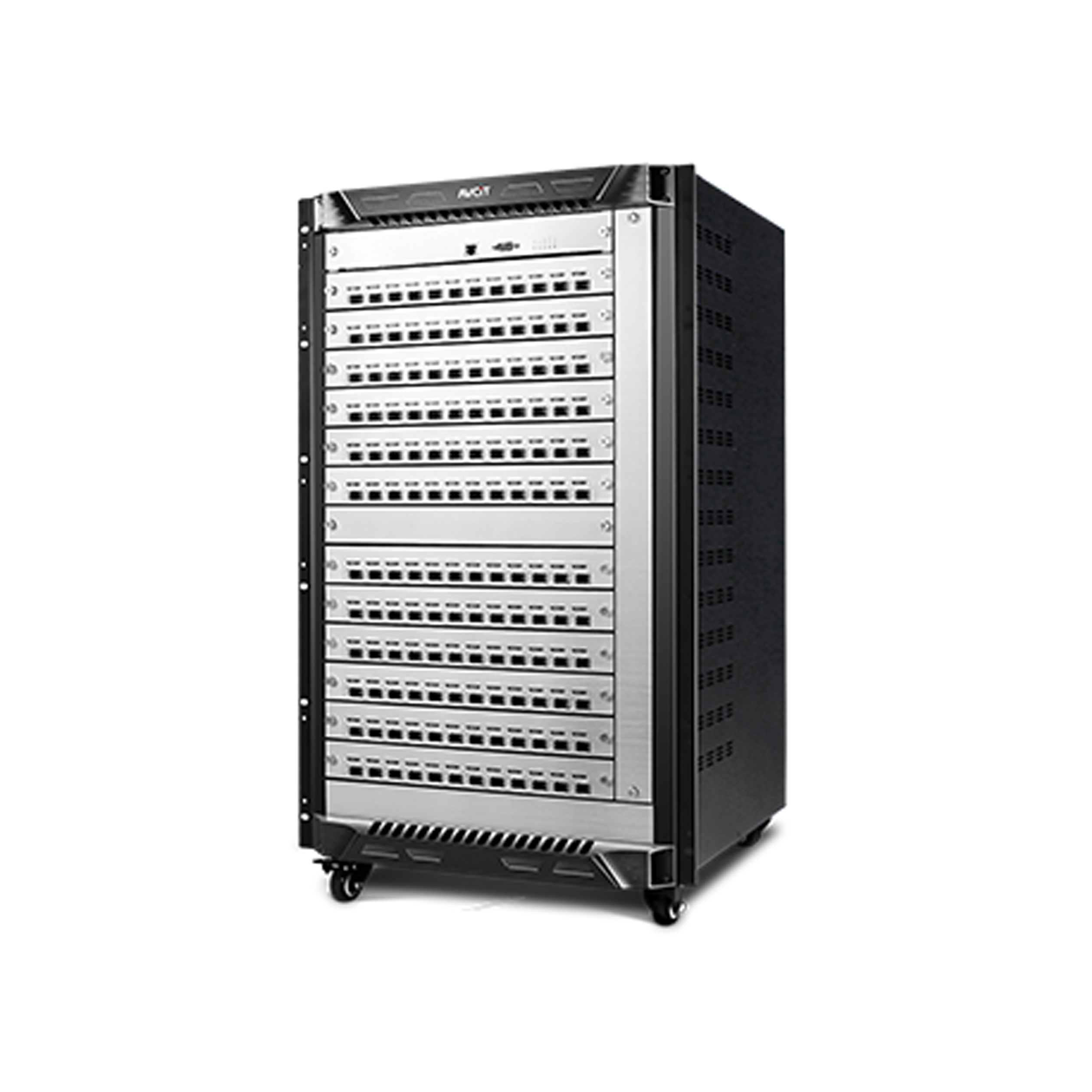 Phinx-144 Ports Fiber KVM Matrix
 Phinx-288 Ports Fiber KVM Matrix
 Phinx-576 Ports Fiber KVM Matrix
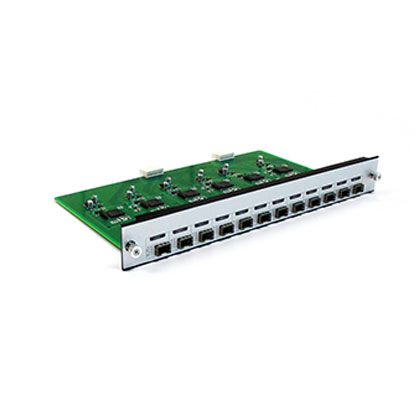 Phinx - I/O SFP Module Card
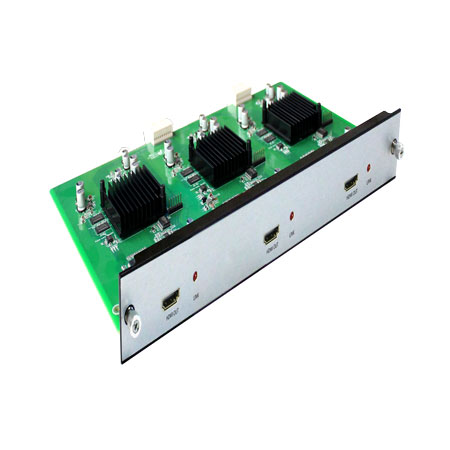 Phinx - Video Wall Control Card
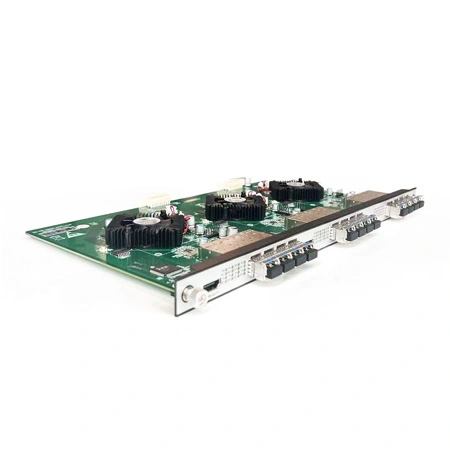 Phinx- Video Wall & SFP Card
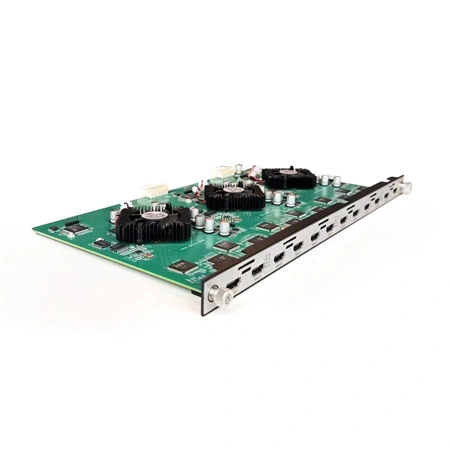 Phinx- Video Card(6IN6OUT)
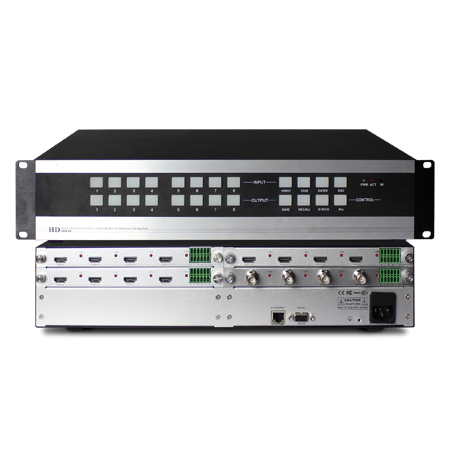 2K Video Wall Matrix - 8x8
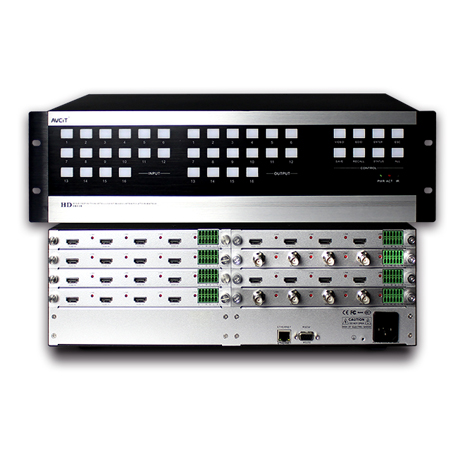 2K Video Wall Matrix - 16x16
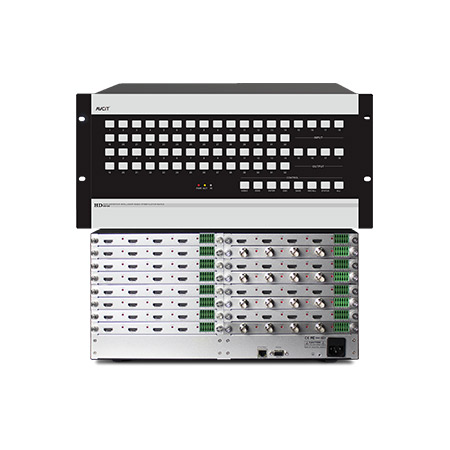 2K Video Wall Matrix - 32x32
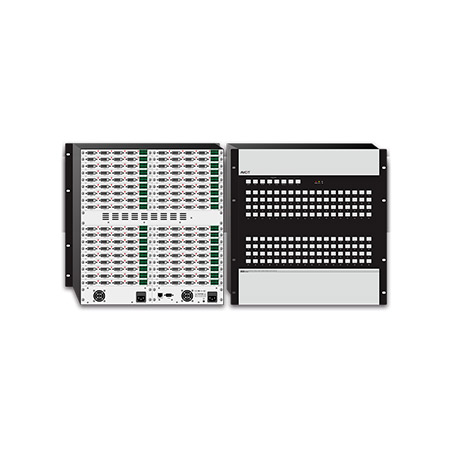 2K Video Wall Matrix - 72x72
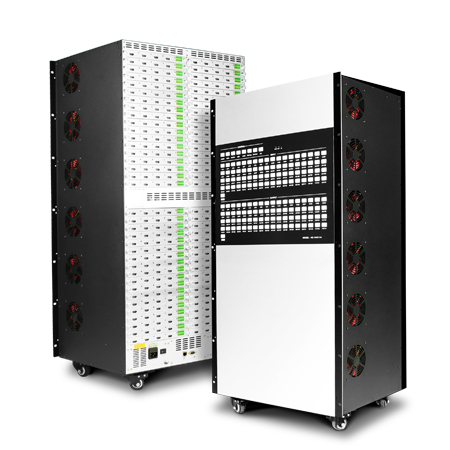 2K Video Wall Matrix - 144x144
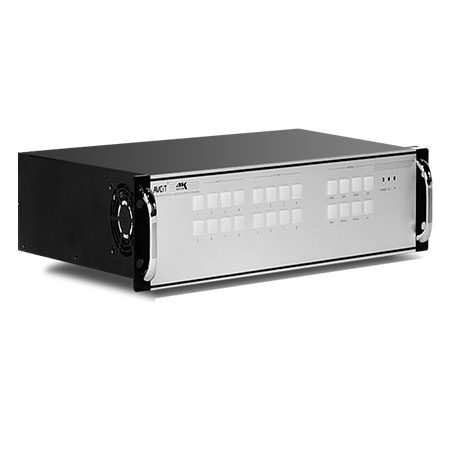 4K Video Matrix Switcher - 8x8
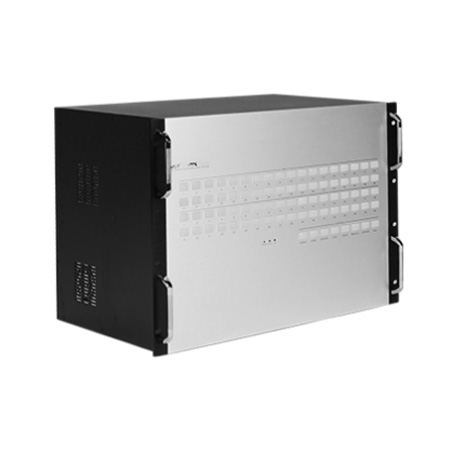 4K Video Matrix Switcher - 36x36
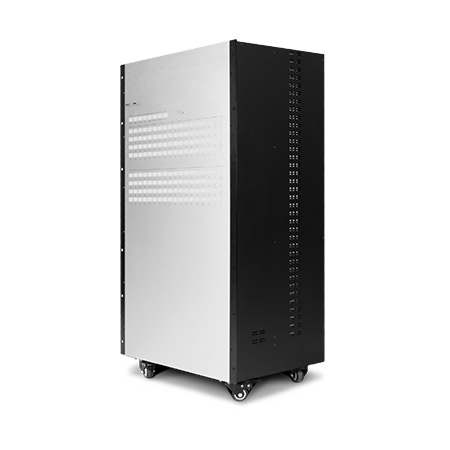 4K Video Matrix Switcher - 72x72
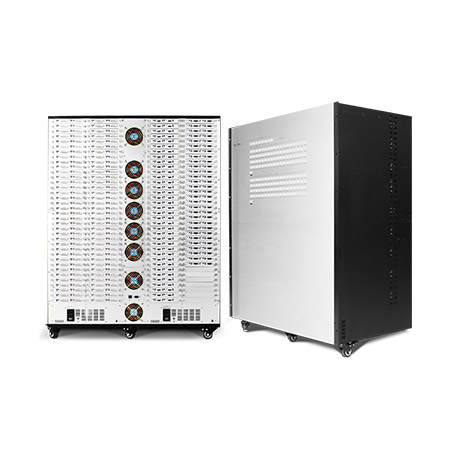 4K Video Matrix Switcher - 144x144
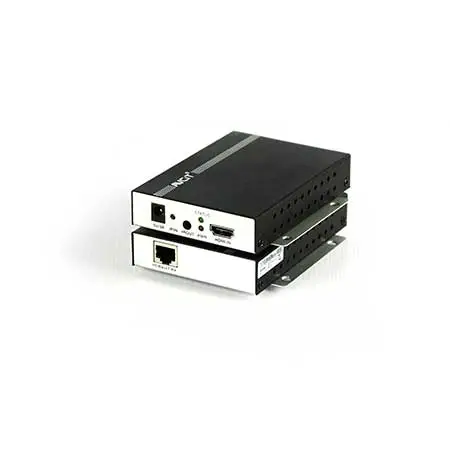 Mixing UHD - 4K HDBT Extender
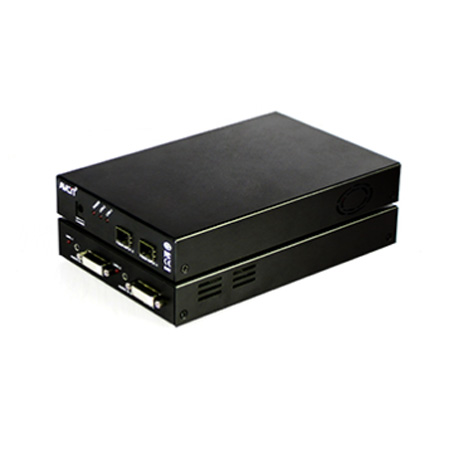 Mixing UHD - 4K Fiber Extender
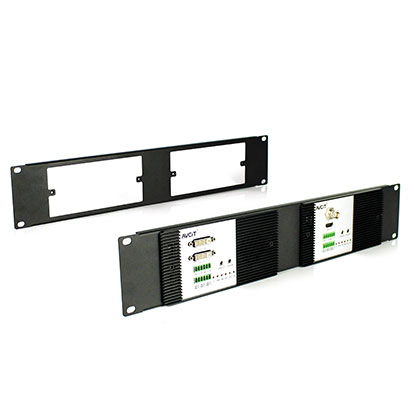
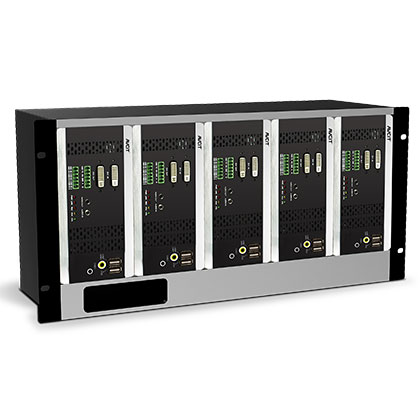 Rack Mounting Kit
 Wall Mounting Kit











 EN
EN
 es
es  th
th
Blog
Join us
FAQs

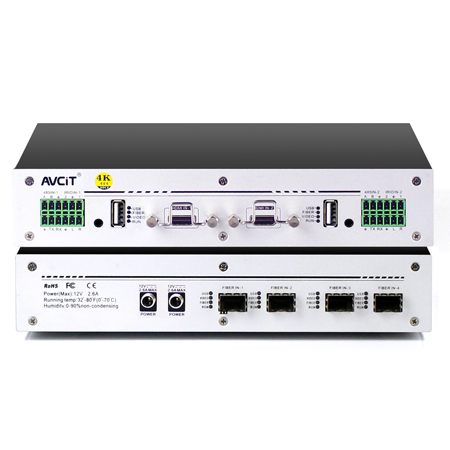 4K KVM Transmitter-HDMI
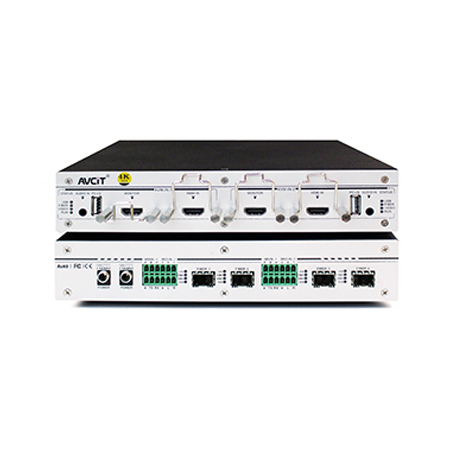 4K KVM Transmitter-HDMI+HDMI LOOP
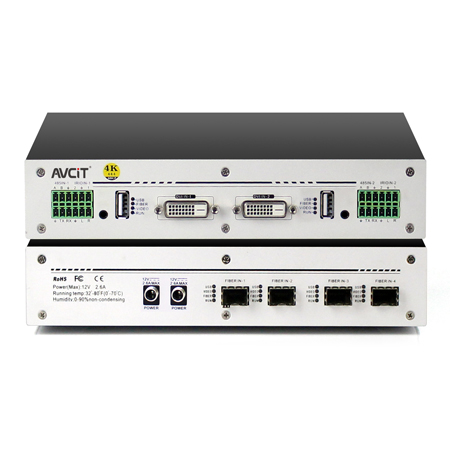 4K KVM Transmitter-DVI
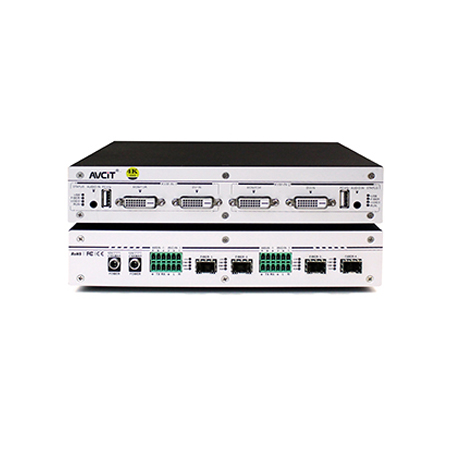 4K KVM Transmitter-DVI+DVI LOOP
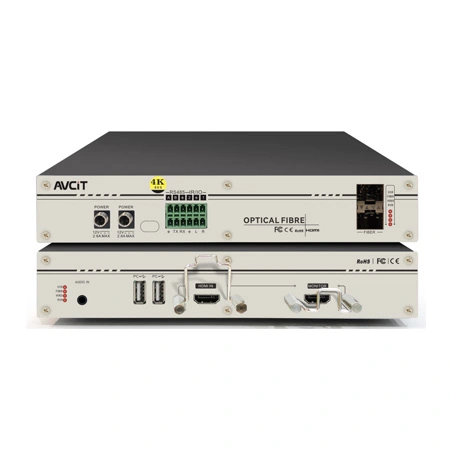 4K60 KVM Transmitter - HDMI
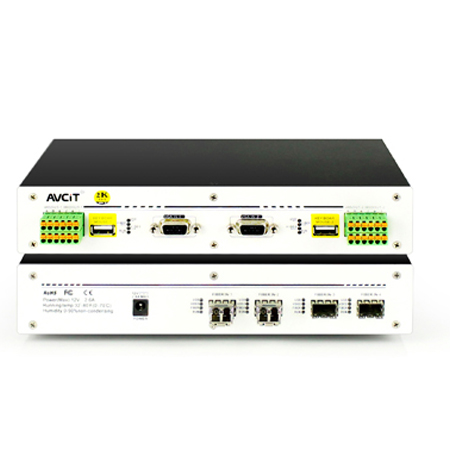 2K KVM Transmitter-VGA
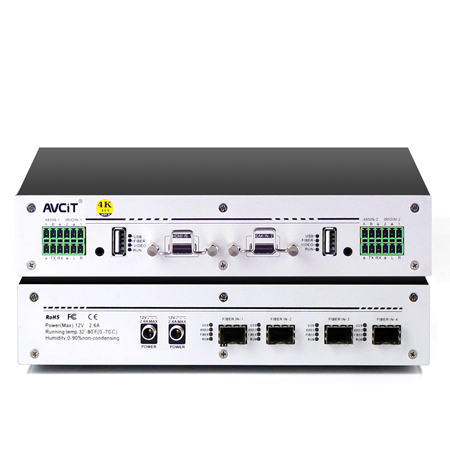 4K KVM Receiver-HDMI
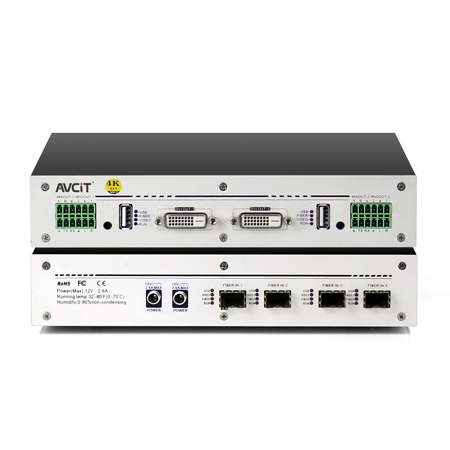 4K KVM Receiver-DVI
 Quad-view KVM Receiver-HDMI
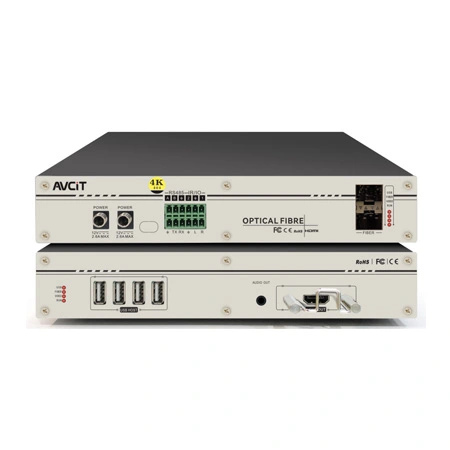 4K60 KVM Receiver - HDMI
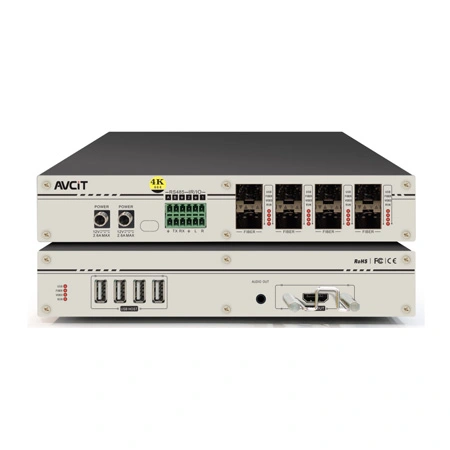 4K60 Quad-view KVM Receiver
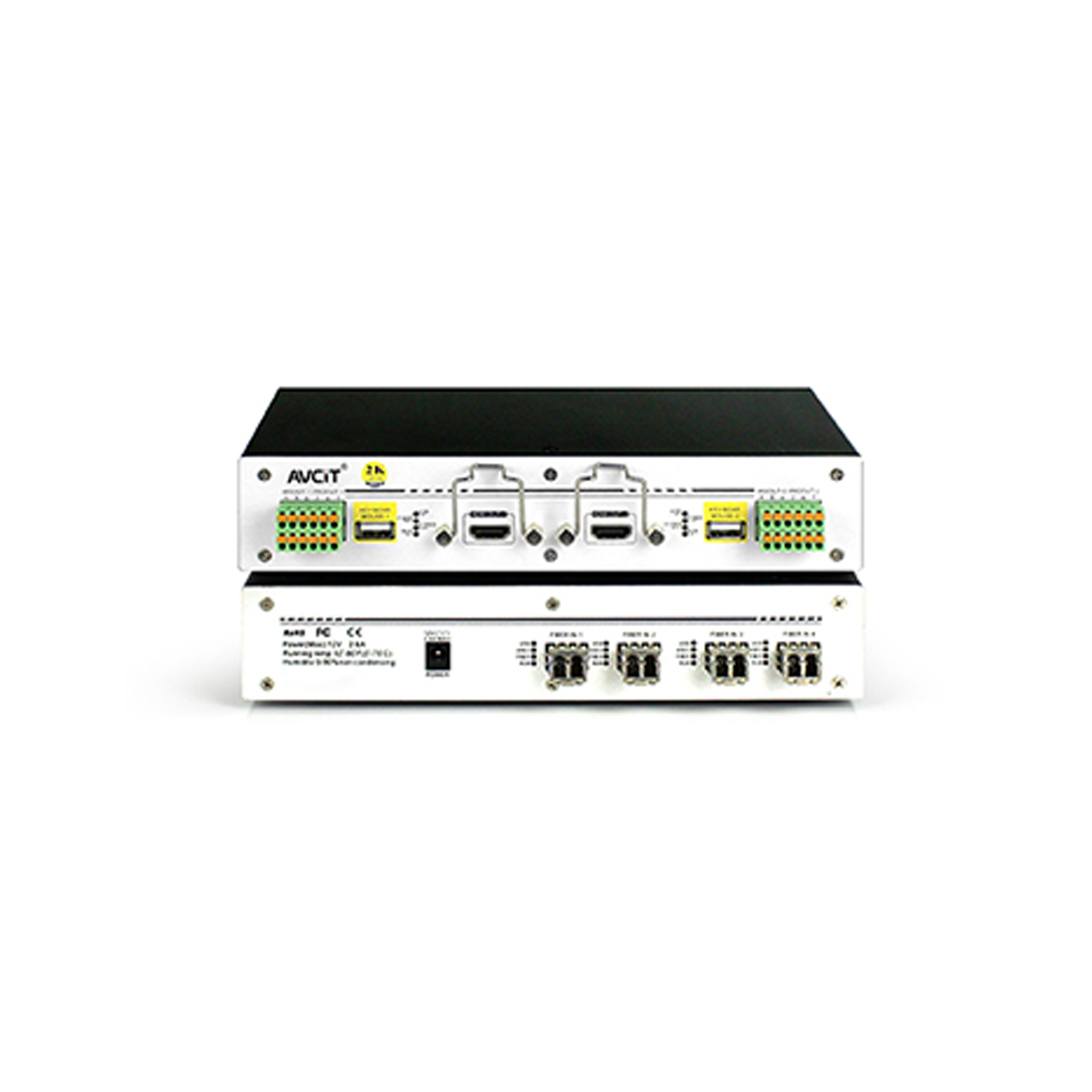 2K KVM Receiver-HDMI
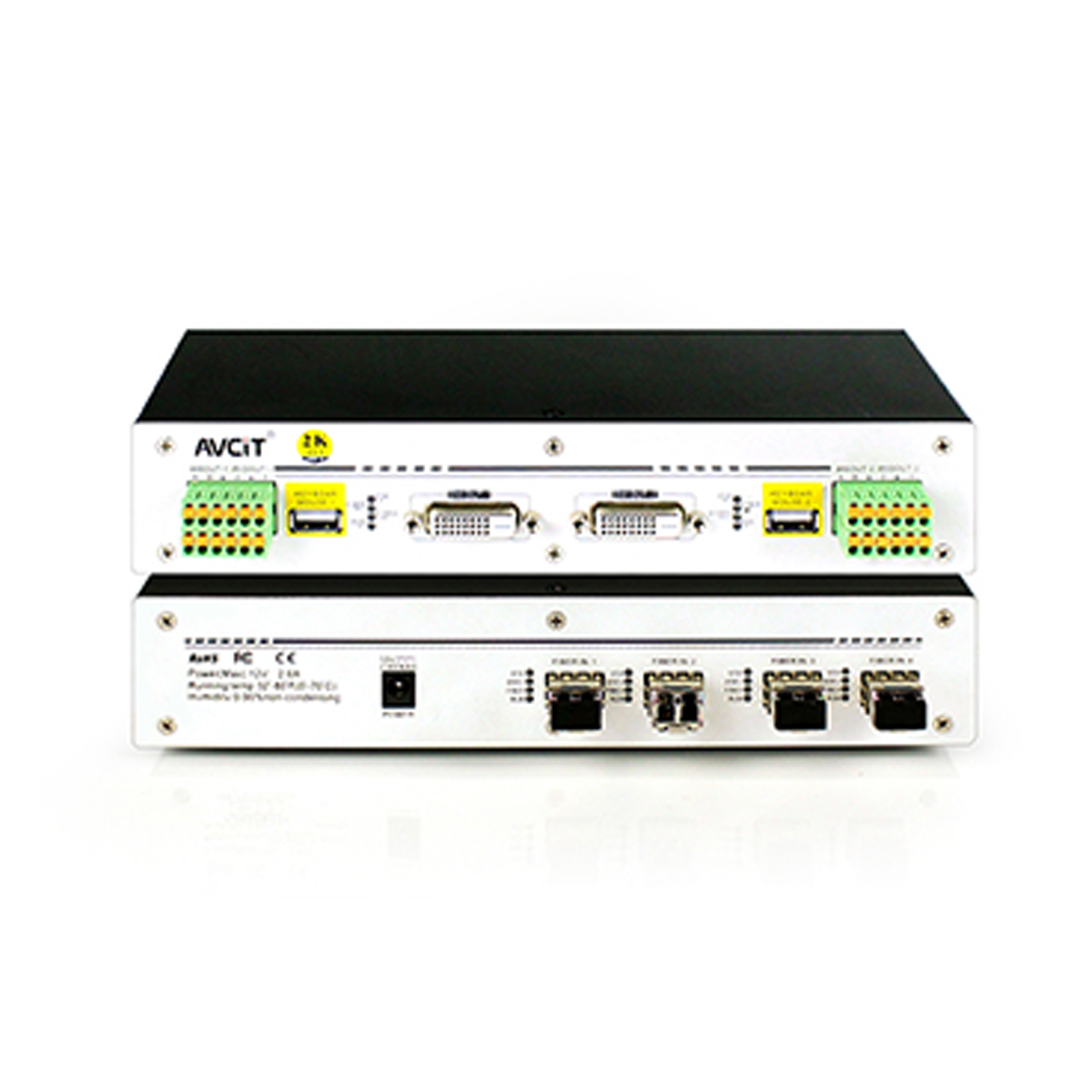 2K KVM Receiver-DVI
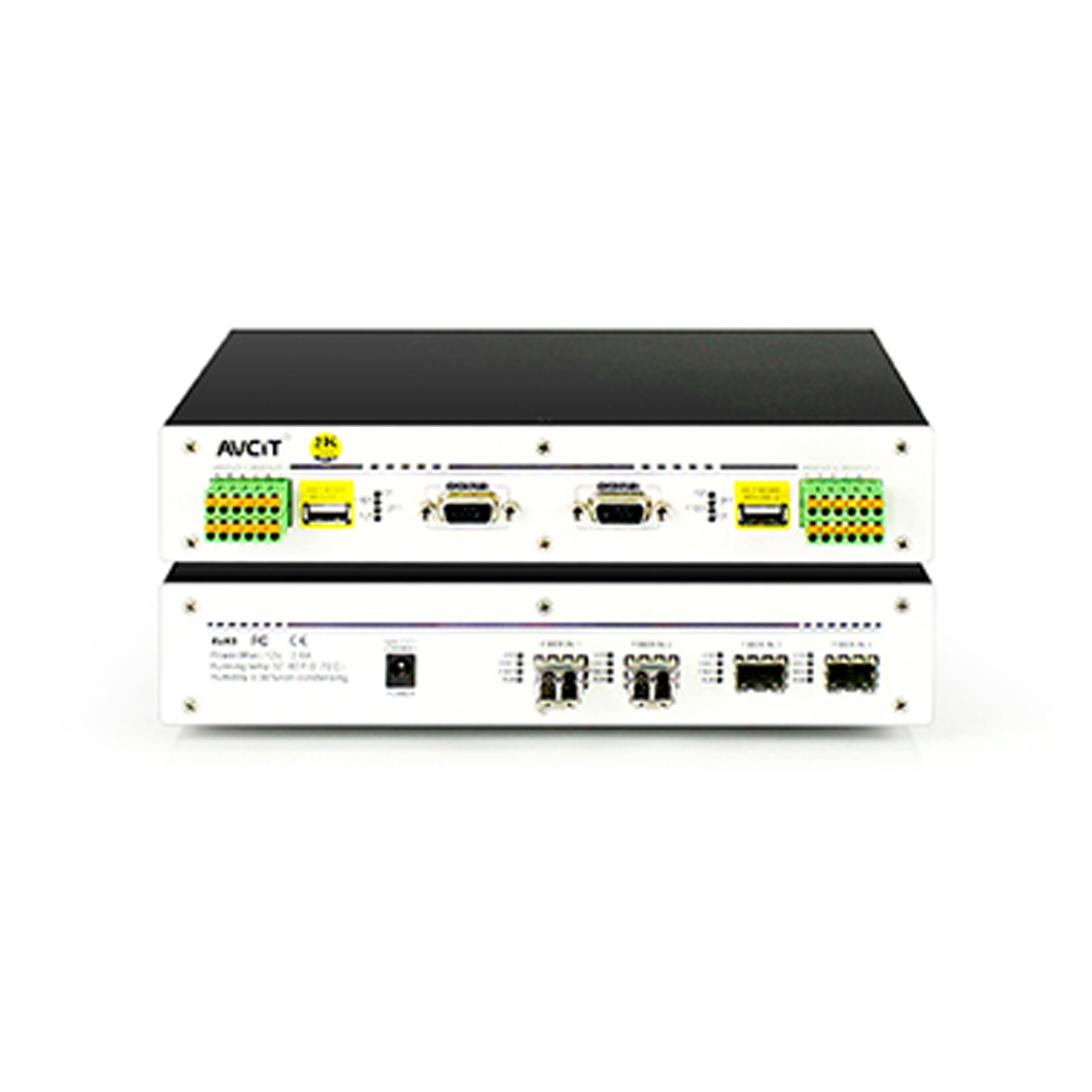 2K KVM Receiver-VGA
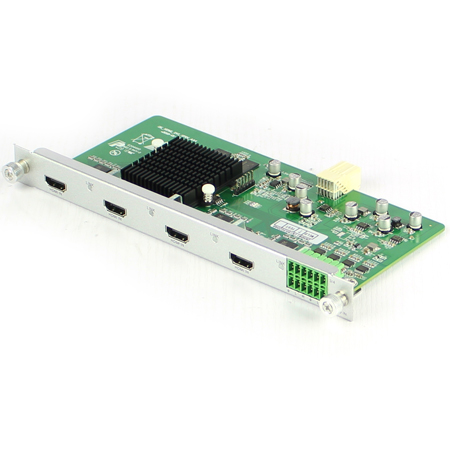 Mixing HD-2K HDMI Input Card
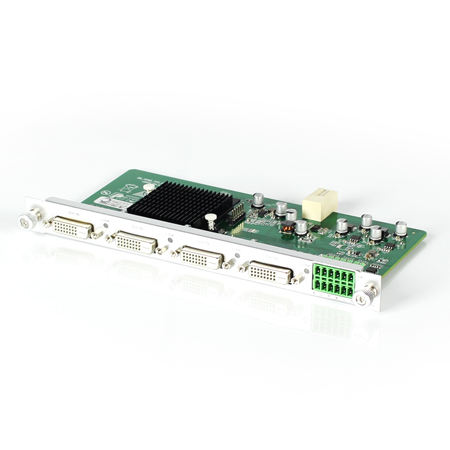 Mixing HD-2K DVI Input Card
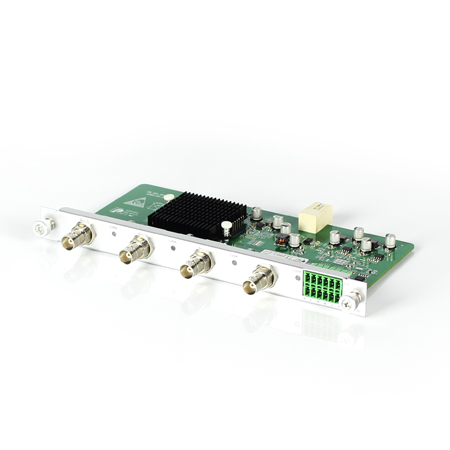 Mixing HD-2K SDI Input Card
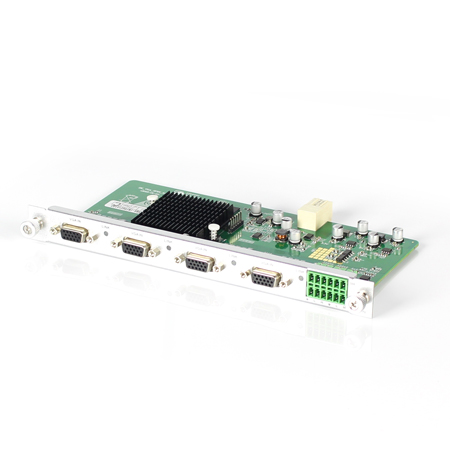 Mixing HD-2K VGA Input Card
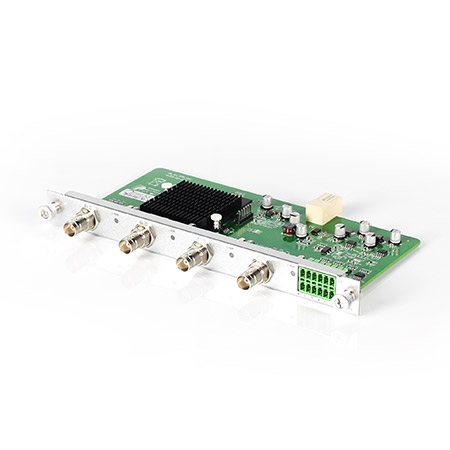 Mixing HD-2K AV Input Card
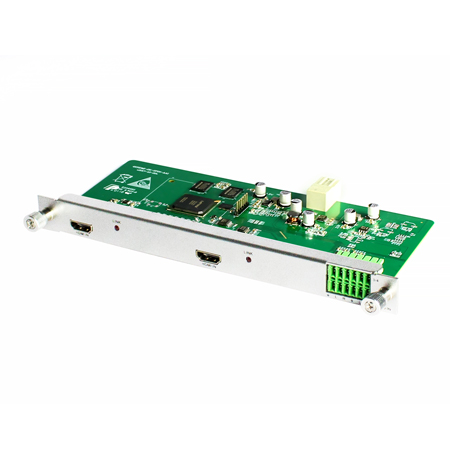 Mixing HD-HDMI UHD Input Card
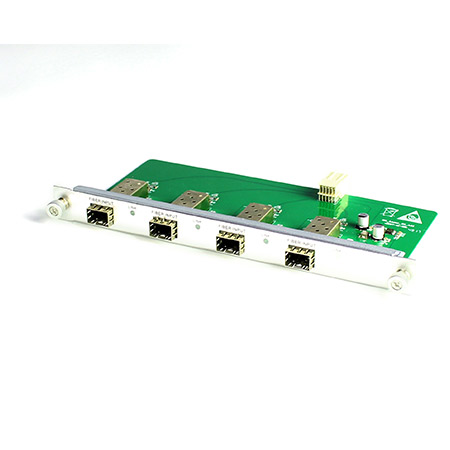 Mixing HD-Fiber Input Card
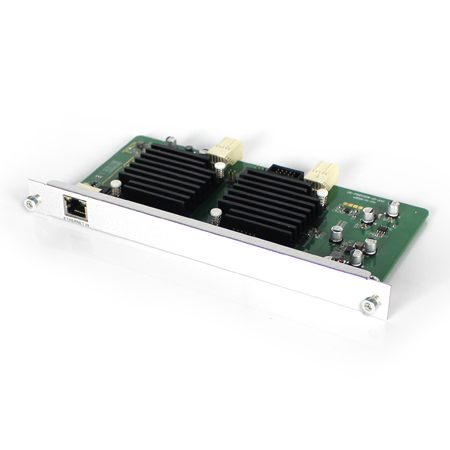 Mixing HD-IP Input Card
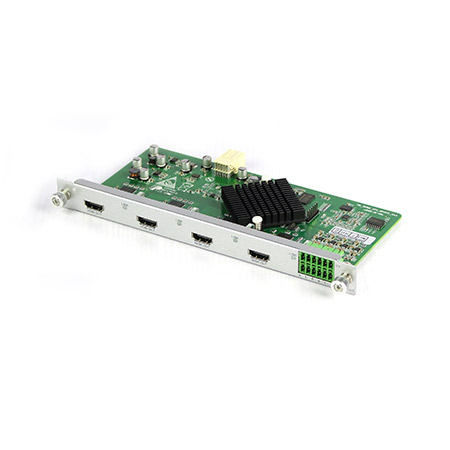 Mixing HD-HDMI Output Card
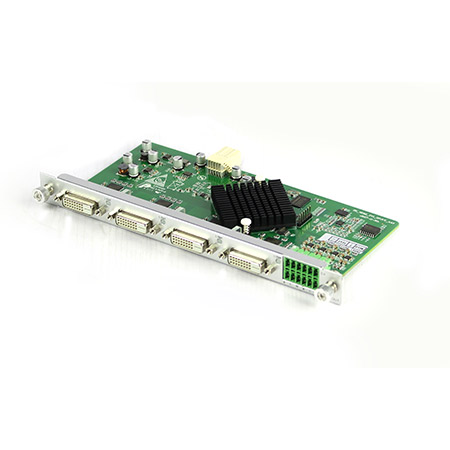 Mixing HD-DVI Output Card
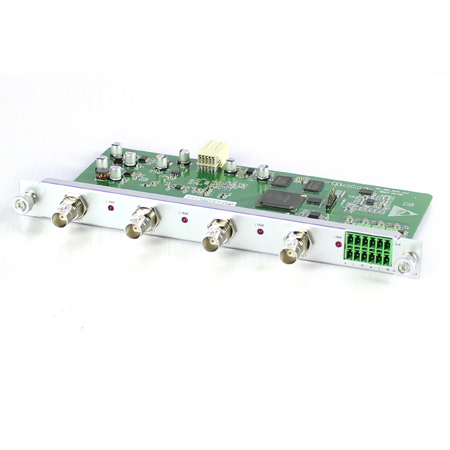 Mixing HD-SDI Output Card
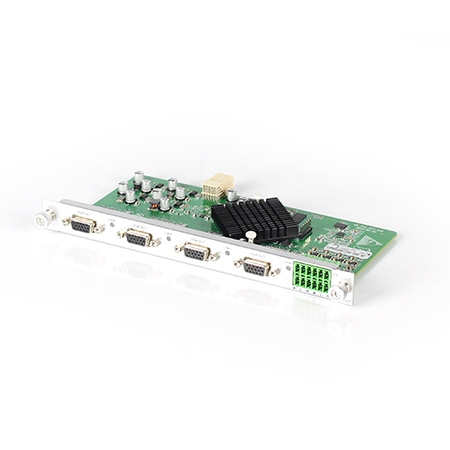 Mixing HD-VGA Output Card
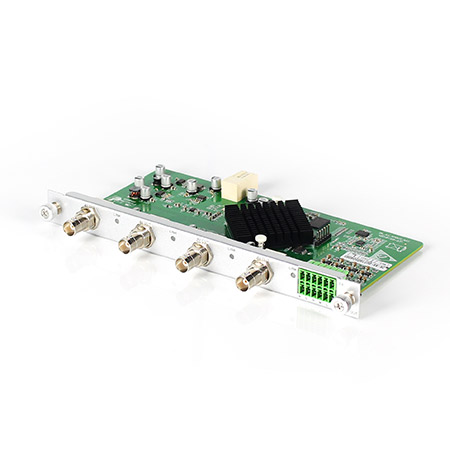 Mixing HD-AV Output Card
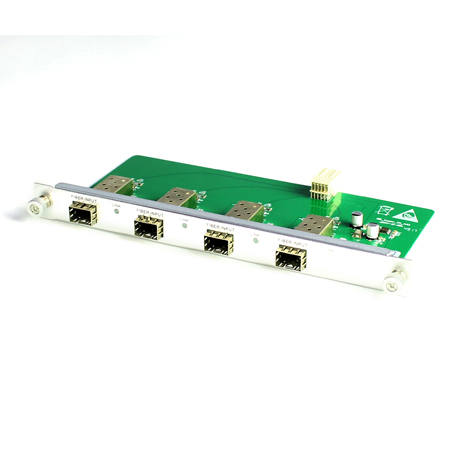 Mixing HD-Fiber Output Card
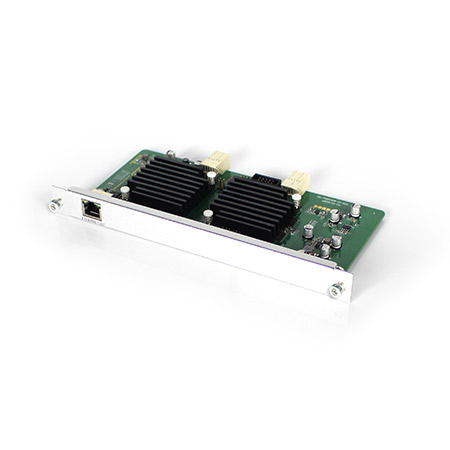 Mixing HD-IP Output Card
Mixing HD-HDMI Video Wall Control Card (2 channel)
Mixing HD-IP Output Card
Mixing HD-HDMI Video Wall Control Card (2 channel)
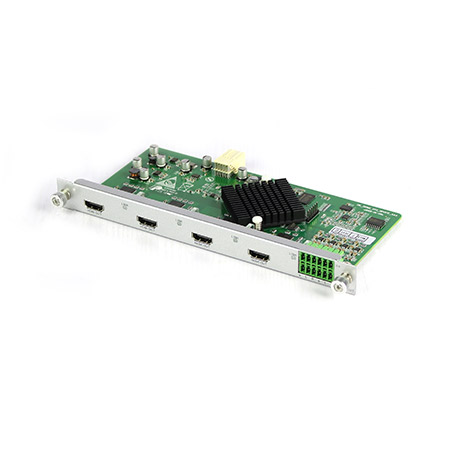 Mixing HD-HDMI Video Wall Control Card (1 channel)
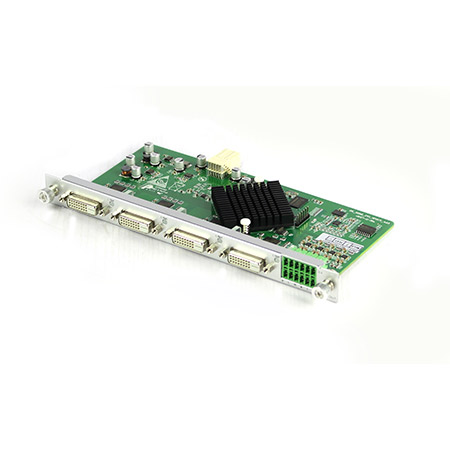 Mixing HD-DVI Video Wall Control Card (2 channel)
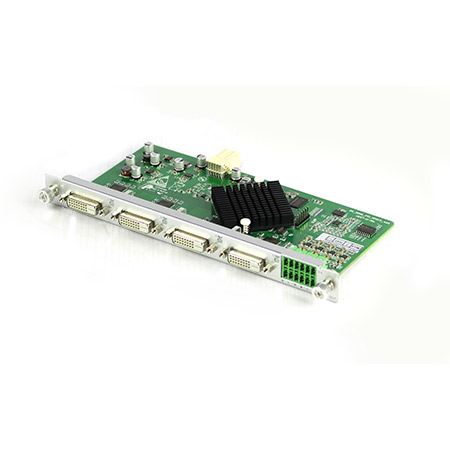 Mixing HD-DVI Video Wall Control Card (1 channel)
 Mixing UHD - HDMI Input Card
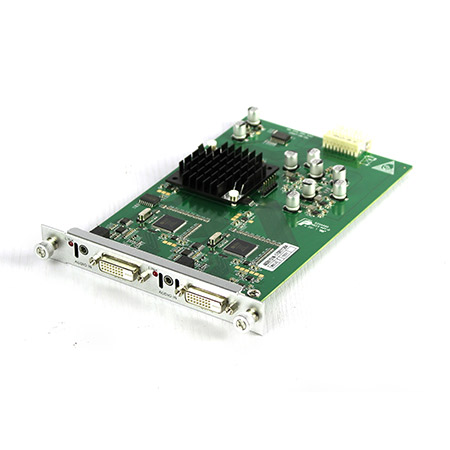 Mixing UHD - DVI Input Card
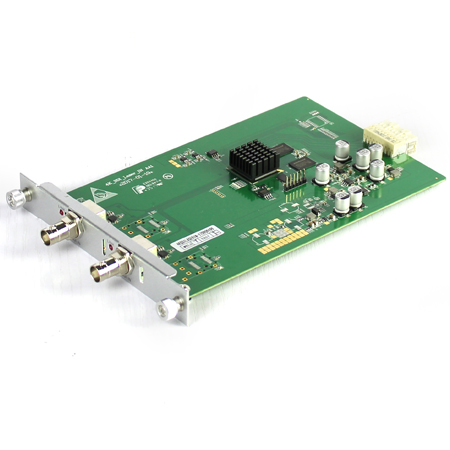 Mixing UHD - SDI Input Card
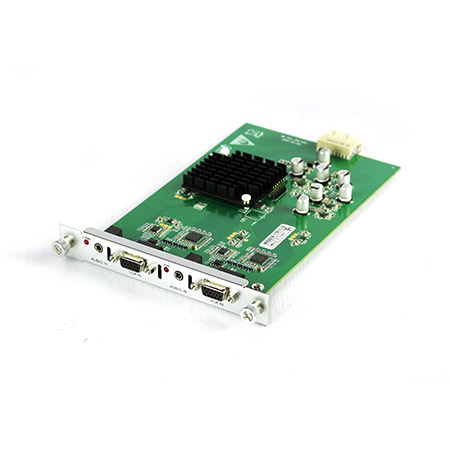 Mixing UHD - VGA Input Card
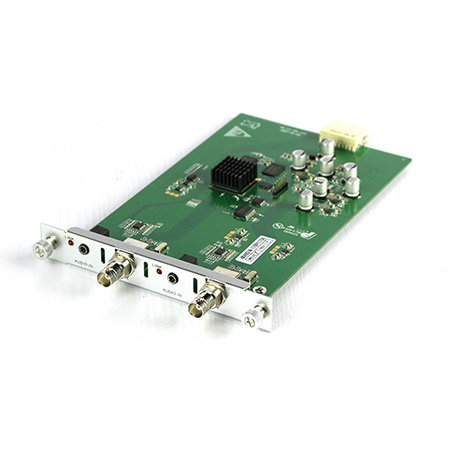 Mixing UHD - AV Input Card
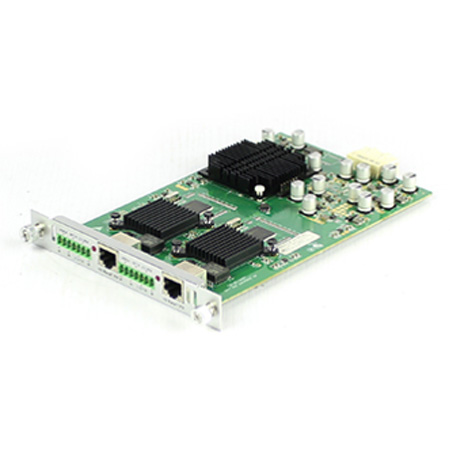 Mixing UHD - HDBT Input Card
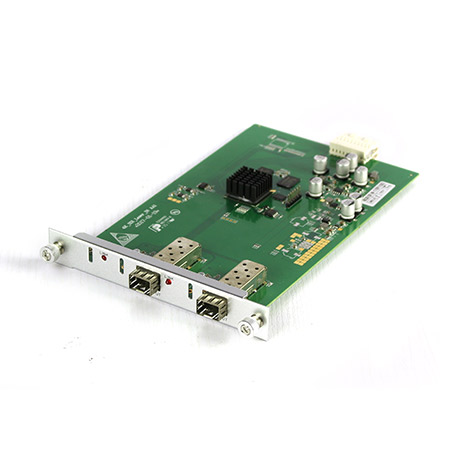 Mixing UHD - Fiber Input Card
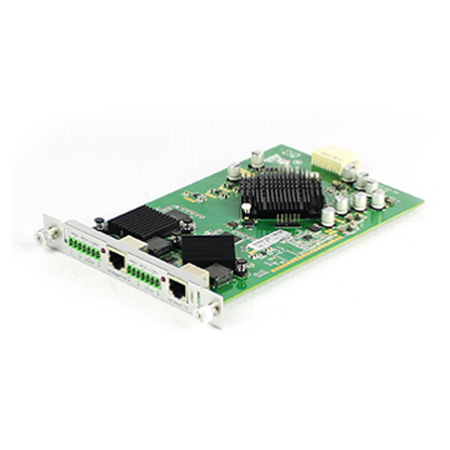 Mixing UHD - HDBT Output Card
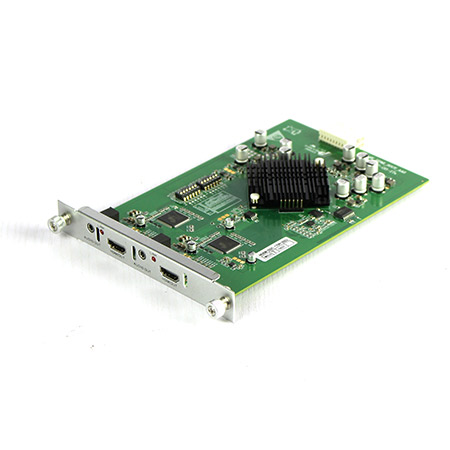 Mixing UHD - HDMI Output Card
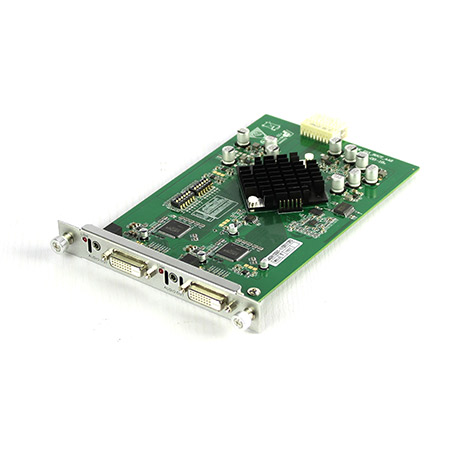 Mixing UHD - DVI Output Card
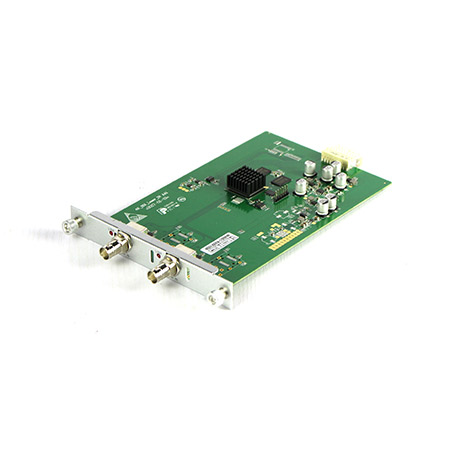 Mixing UHD - SDI Output Card
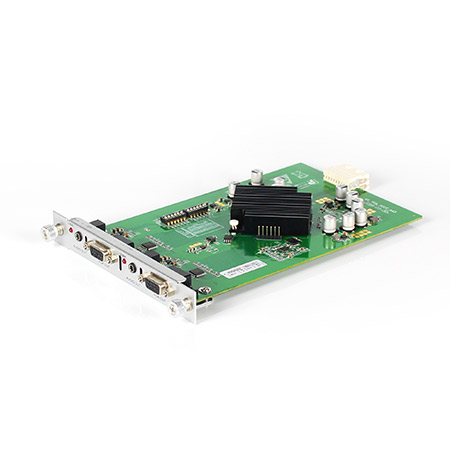 Mixing UHD - VGA Output Card
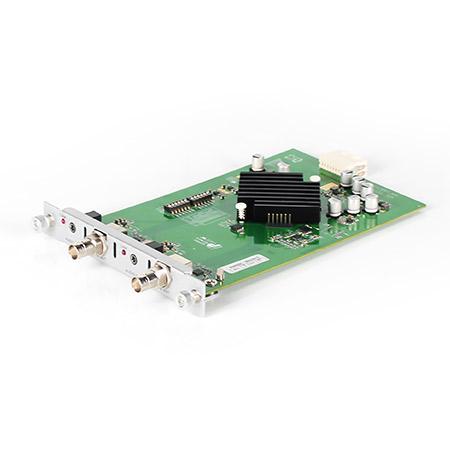 Mixing UHD - AV Output Card
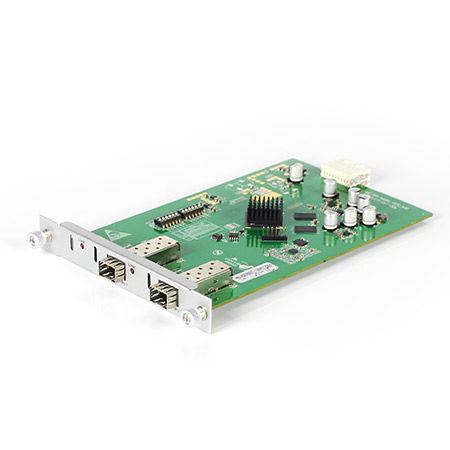 Mixing UHD - Fiber Output Card
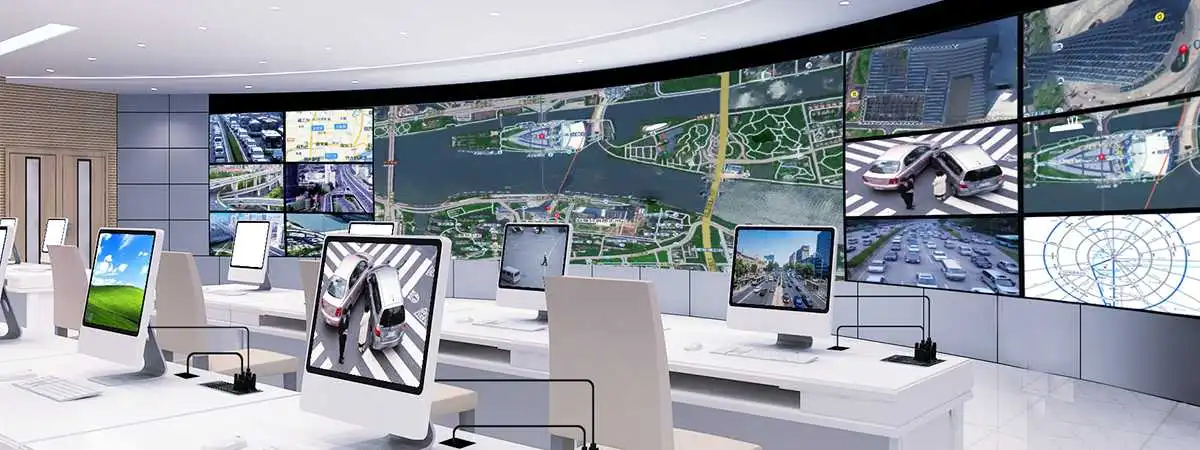
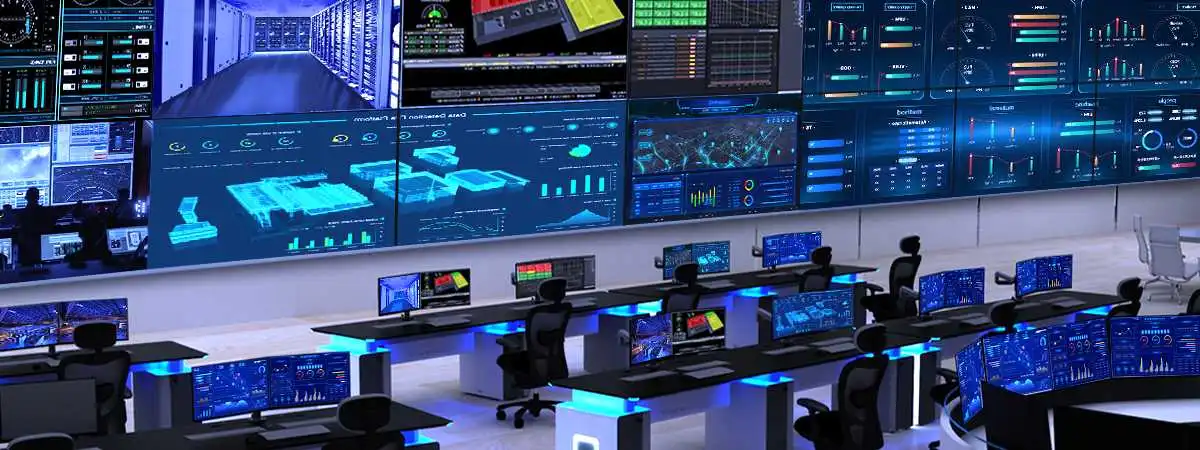
Traditional monitoring is labor-intensive because it relies on manual oversight. While cameras capture everything, interpreting the footage still depends on people watching screens. As surveillance systems scale, this creates several bottlenecks:
· Monitoring Complexity: One person can only watch so many screens. Eventually, the volume of data outpaces human processing limits.
· Cognitive Overload: Focusing on long shifts is difficult. Over time, operators are significantly more likely to miss critical events.
· Inefficient Retrieval: Standard video is an unlabeled archive. Finding a specific event requires manually scrubbing through hours of footage, making rapid response nearly impossible.

AI algorithms addresses these limits through video structured analysis. Instead of storing raw pixels, it translates incoming streams into indexed data points. These algorithms are task-specific specialists. For instance, one model may focus on license plates while another is dedicated solely to detecting fire or falls.
By processing visual data at the source, the system automatically tags and labels attributes directly from the original feed:
· Detection & Classification: Identifies and distinguishes between people, vehicles, and hazards like smoke.
· Behavioral Recognition: Flags specific actions like loitering, intrusion, or crowd gathering.
· Feature Extraction: Captures identifying details such as clothing color, vehicle type, or license plate numbers.
This transforms unstructured video into a navigable database. Operators can query the metadata directly, for example "red vehicle" or "person in a blue jacket", similar to using a search engine.
The next challenge is to choose where to process the data. Centralized systems require transmitting massive volumes of footage, which leads to high latency, costs, and security risks. Edge computing processes video locally, bringing intelligence directly to the camera.
The impact is immediate:
· Real-Time Response: When video is analyzed at the source, alerts are generated in milliseconds. This eliminates the latency typically caused by transmitting large files to a remote server for processing
· Reduced Bandwidth: Only event data or relevant clips are transmitted externally. This reduces bandwidth consumption and network traffic, allowing for high-quality analytics even on busy networks.
· Greater Resilience: Edge architecture is distributed. If a single node experiences an issue, the remaining nodes continue to operate independently. This ensures the system remains functional and continues processing even during a network outage.
· Stronger Security: Keeping video inside the local network (LAN) reduces exposure risks and improves privacy. For industries with strict compliance requirements, this on-site approach is a fundamental advantage.
The AVCiT AI Box provides a practical solution by upgrading standard IP cameras into intelligent endpoints without requiring a full system overhaul. It is designed to deliver edge-based intelligence with minimal disruption:
· Plug-and-play deployment for fast installation
· Supports up to 32 channels of 1080p video decoding
· Runs up to 8 AI algorithms simultaneously, selected from a configurable algorithm library
· Integrates via standard protocols such as RTSP and ONVIF, connecting directly to existing IP cameras and NVR systems
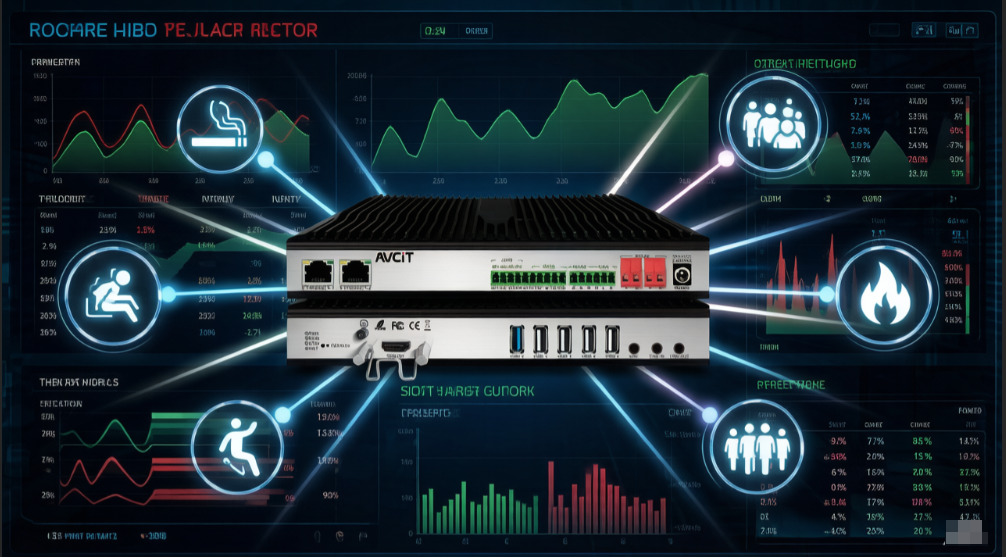
The AI Box utilizes a broad portfolio of specialized models designed for specific operational needs. These algorithms are grouped into targeted categories to provide actionable insights across security, safety, and logistics.
· Person & Personnel Management: Handles facial capture and pedestrian detection while monitoring workplace compliance, such as uniform recognition, absenteeism, unauthorized phone usage, and "sleep-on-duty" incidents.
· Behavior & Event Detection: Recognizes specific actions including intrusions, loitering, and crowd gathering, as well as high-priority safety events like falls or fighting.
· Vehicle & Logistics: Automates management through license plate recognition, vehicle type identification, and illegal parking detection for both motor and non-motor vehicles.
· Environmental Monitoring: Acts as an early-warning system for physical hazards like smoke, open flames, and water leaks, or logistical issues like bin overflows.
These capabilities are further customized for specific industries. In airports, the system monitors for abandoned luggage and unauthorized access to restricted areas; in construction, it identifies uncovered truck beds; and in retail, it provides the crowd analytics necessary for managing large commercial environments.
Reach out to AVCiT to learn how AI-powered video analytics and edge computing solutions are designed, deployed, and operated to improve safety and operational efficiency in real-world environments.
· Email: inquiry@avcit.com
· LinkedIn: AVCiT Technology
· YouTube: www.youtube.com/@avcittechnology