

 AIVC-16CH AI BOX
 32CH CSN AI NVR
 2K HDMI Video Codec
 2K DVI Video Codec
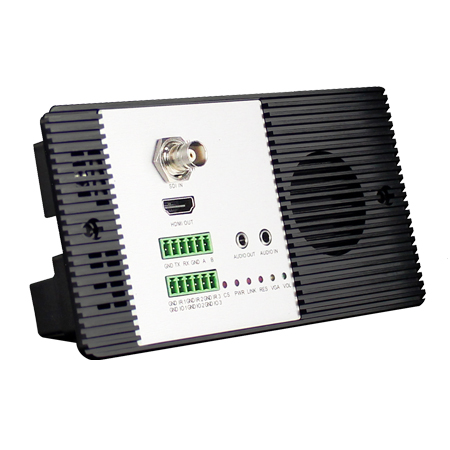 2K SDI Video Codec
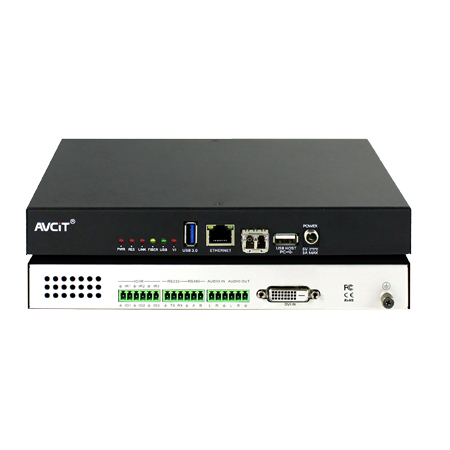 2K HDMI Video Encoder
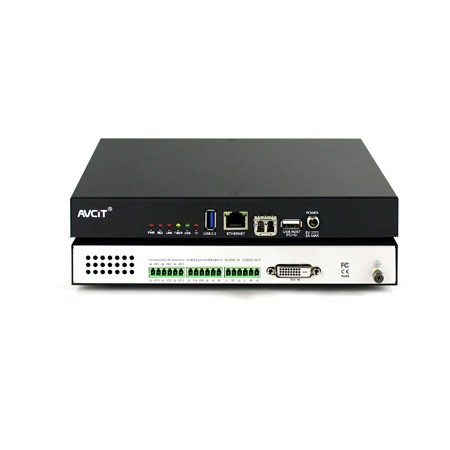 2K DVI Video Encoder
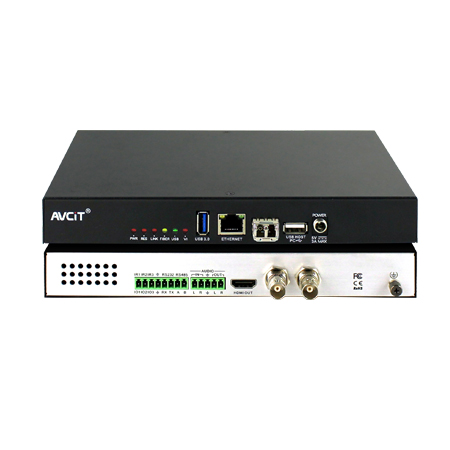 2K SDI Video Encoder
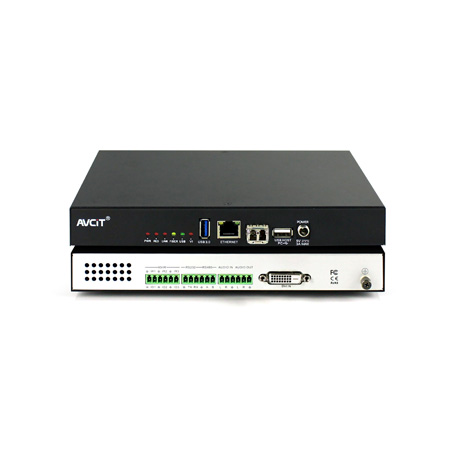 2K VGA Video Encoder
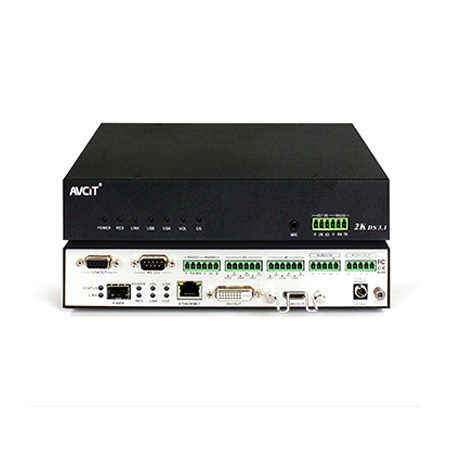 2K Video Wall Decoder (HDMI+DVI)
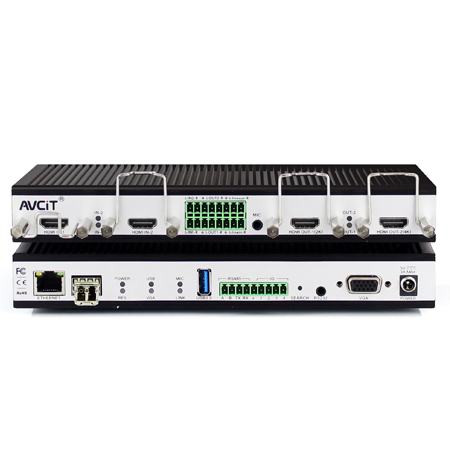 4K HDMI Video Encoder
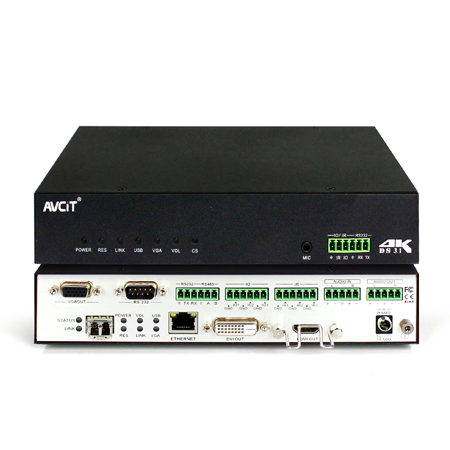 4K HDMI Video Decoder
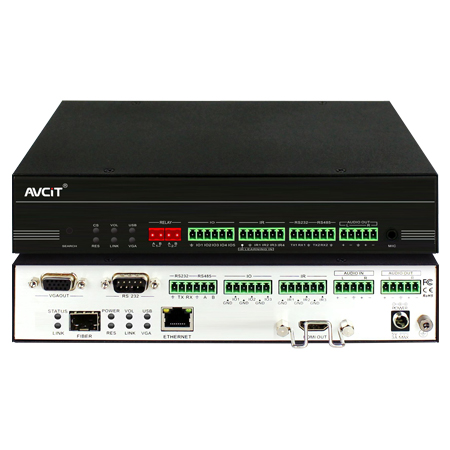 4K HDMI Video Wall Decoder
 4K HDMI + DVI Video Wall Decoder
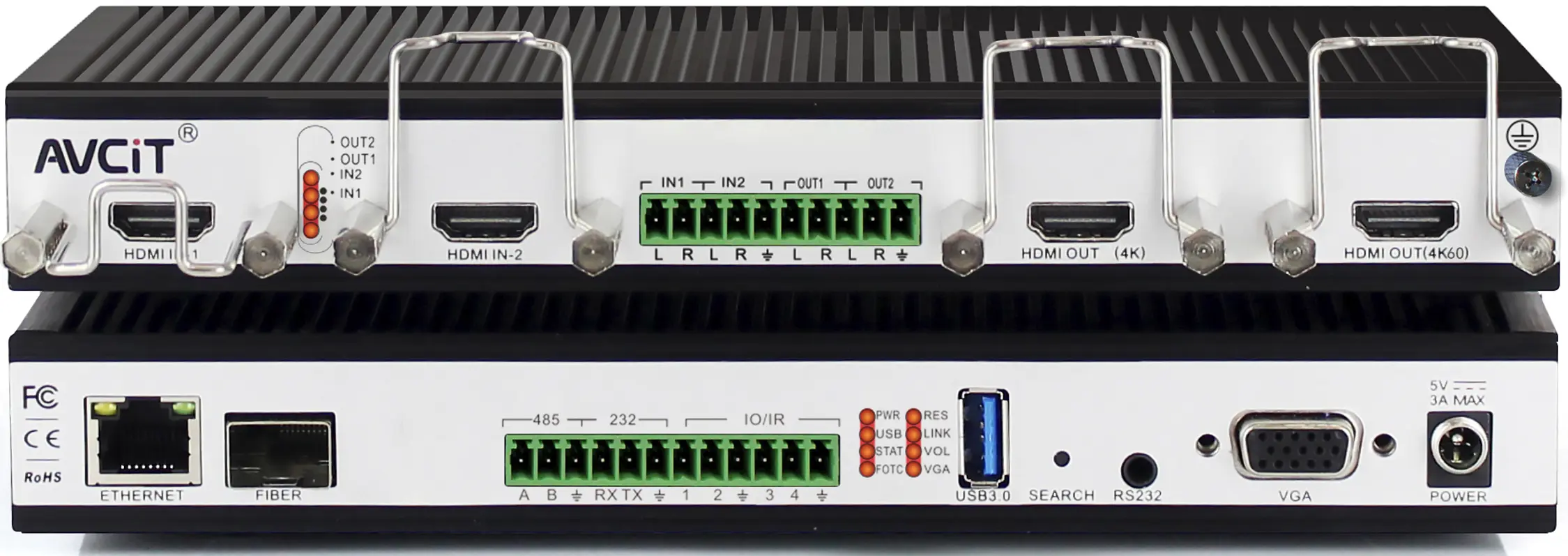 4K HDMI Dual Channel Codec
 8K HDMI Decoder
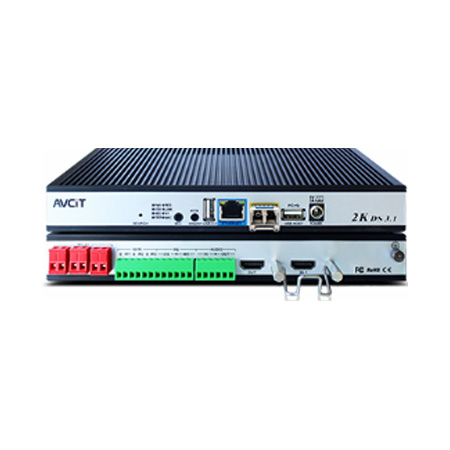 2K KVM Encoder - HDMI
 2K KVM Encoder - DVI
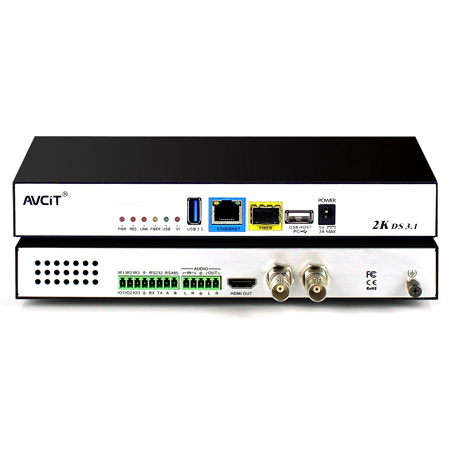 2K KVM Encoder - SDI
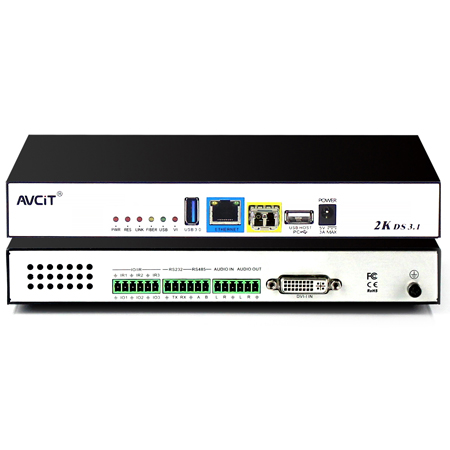 2K KVM Encoder - DVI-I(VGA)
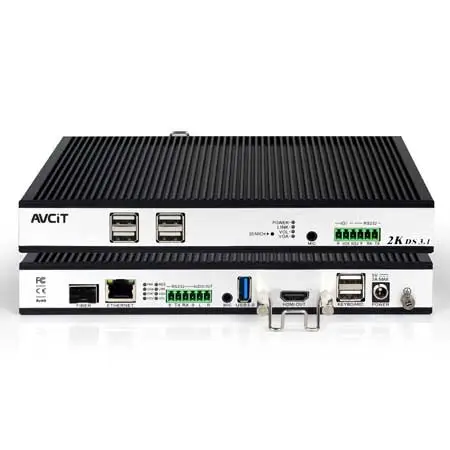 2K KVM Decoder - HDMI
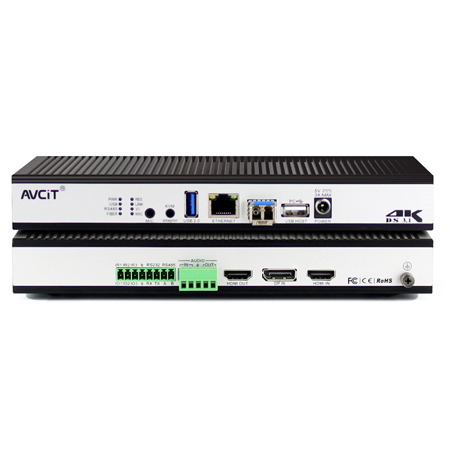 4K KVM Encoder - HDMI + DP
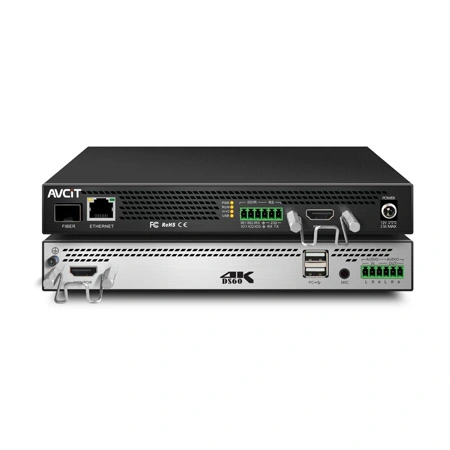 4K@60 KVM Encoder - HDMI
 4K KVM Encoder - HDMI + HDMI
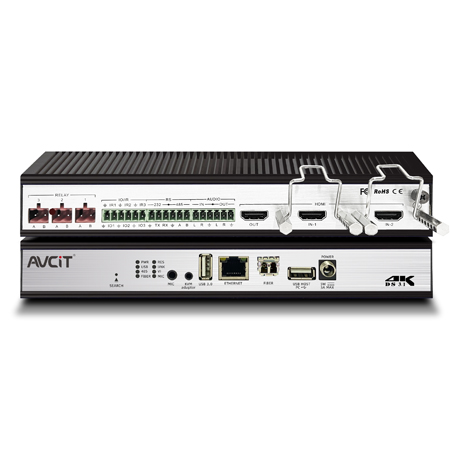 4K KVM Encoder - HDMI
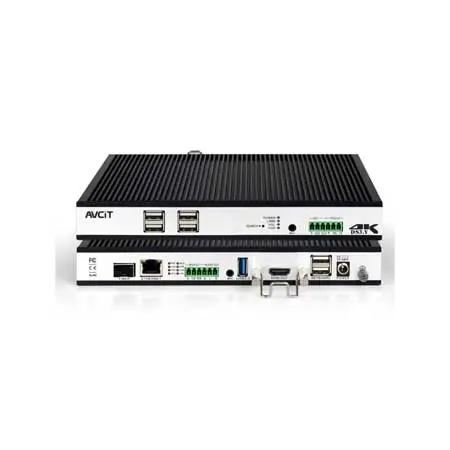 4K KVM Decoder - HDMI
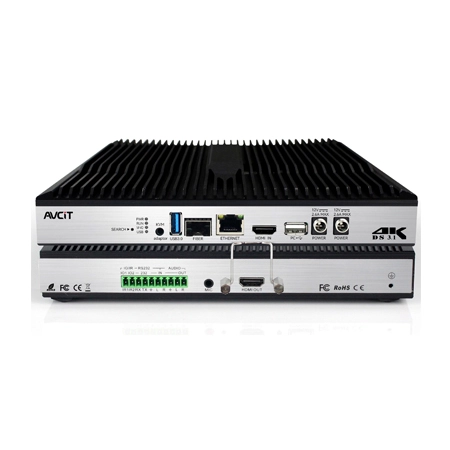 4K60 4:4:4 KVM Encoder - HDMI
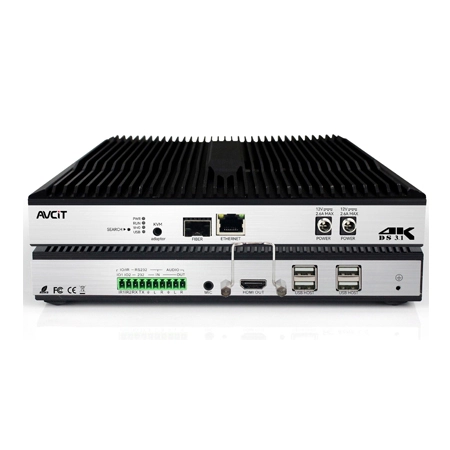 4K60 4:4:4 KVM Decoder-HDMI
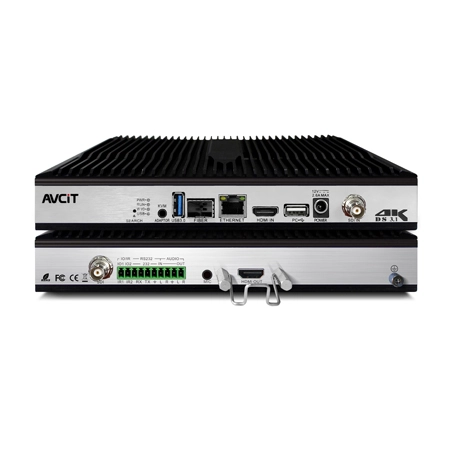 4K60 4:4:4 KVM Encoder - HDMI + SDI
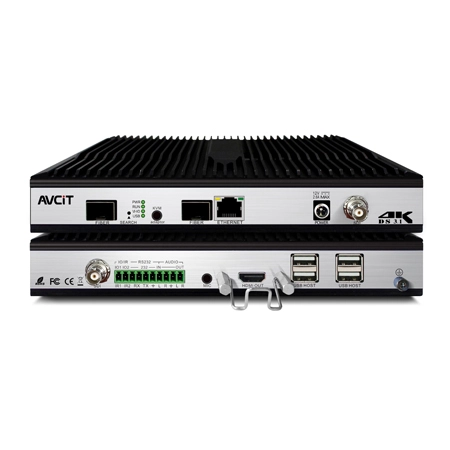 4K60 4:4:4 KVM Decoder - HDMI + SDI
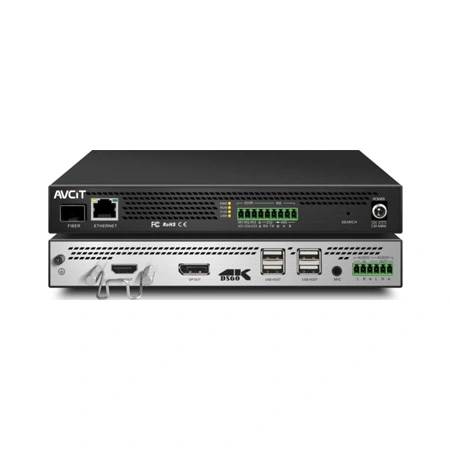 5K KVM Decoder - HDMI +DP
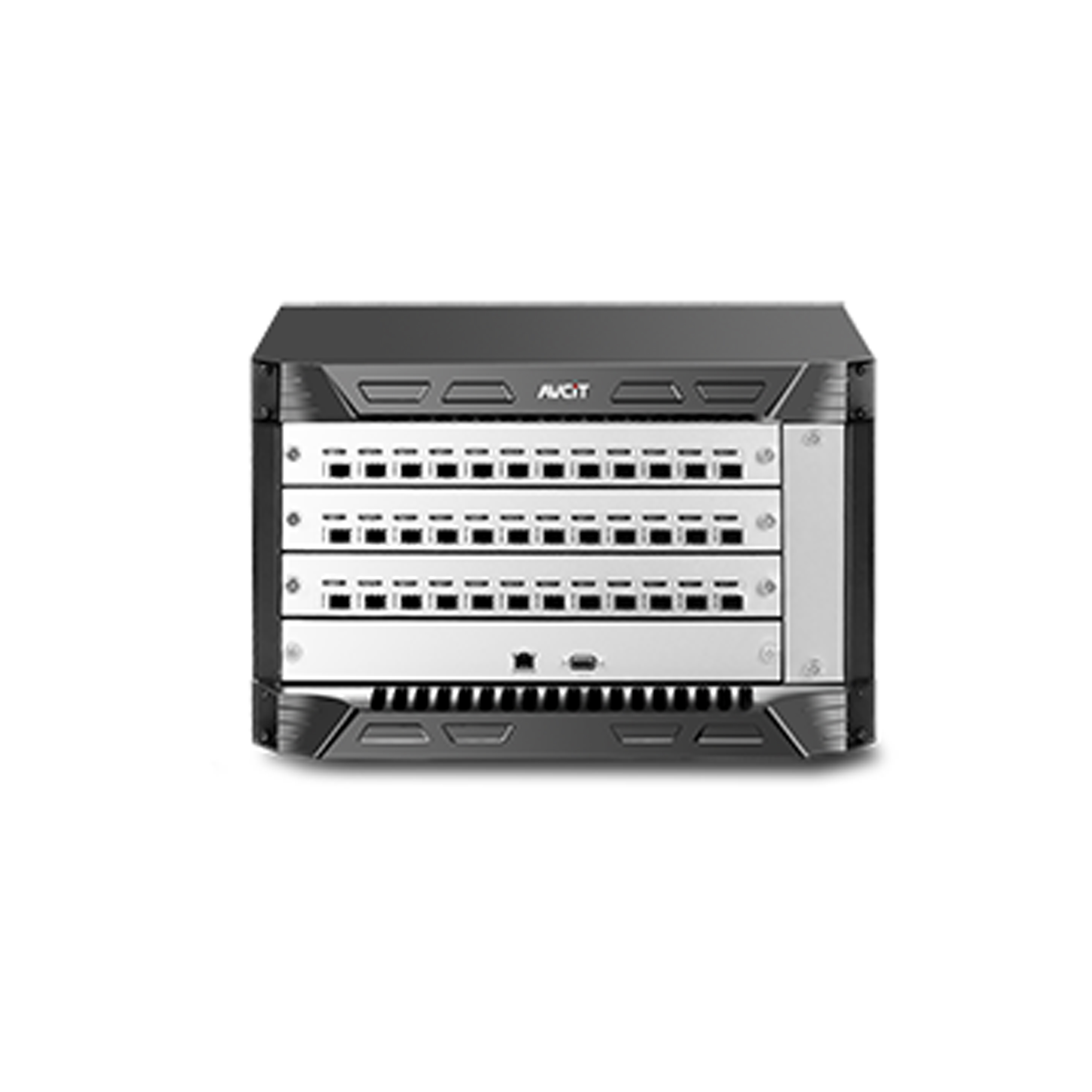 Phinx-36 Ports Fiber KVM Matrix
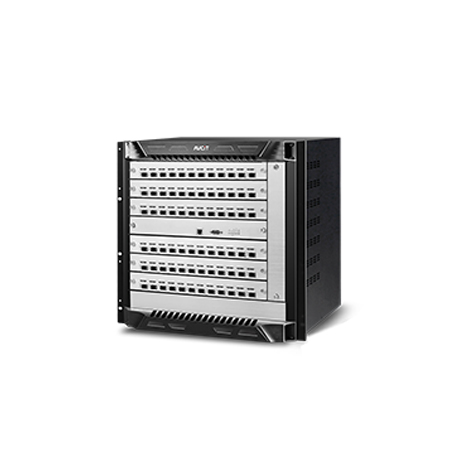 Phinx-72 Ports Fiber KVM Matrix
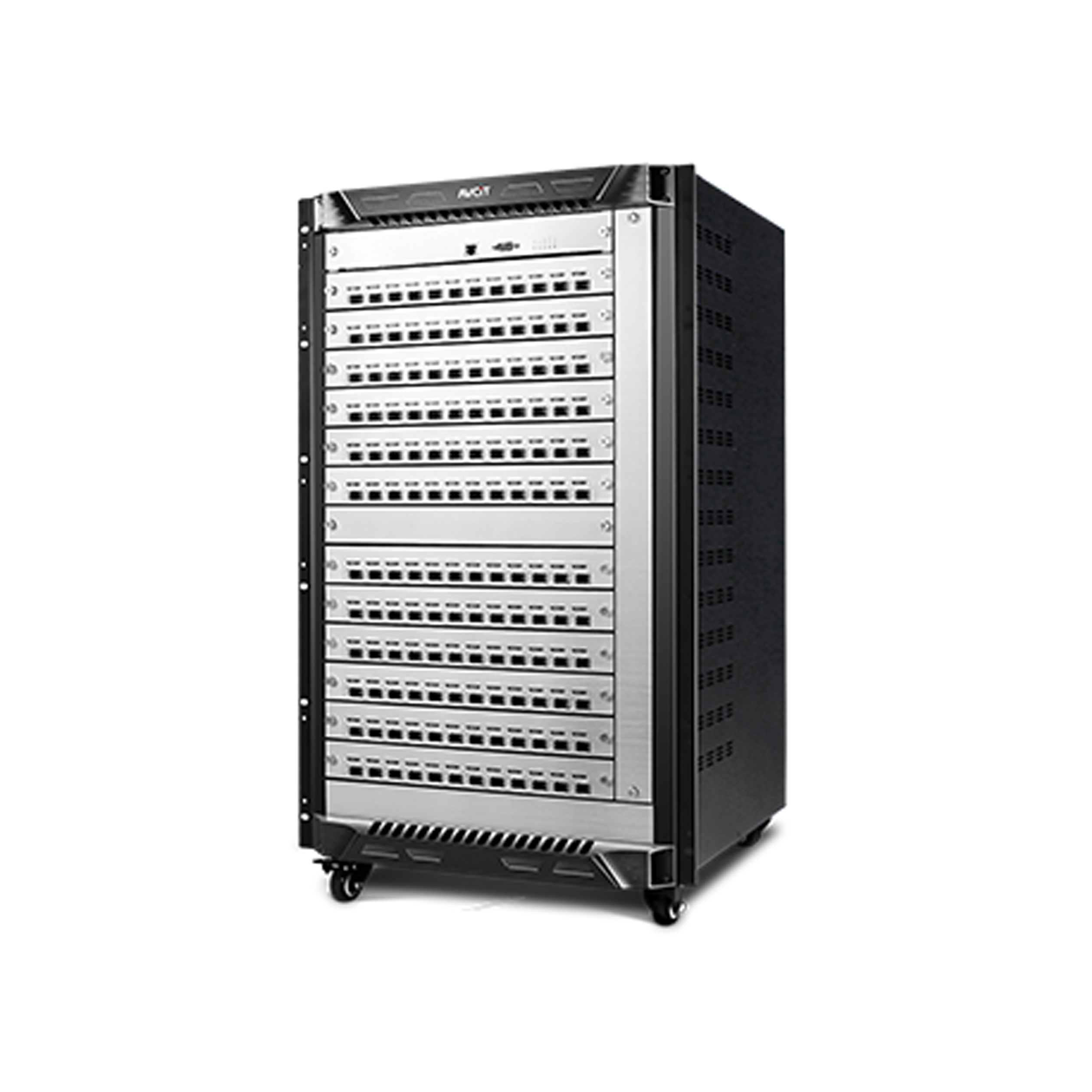 Phinx-144 Ports Fiber KVM Matrix
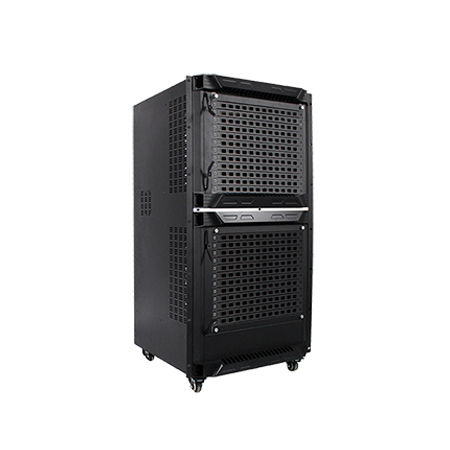 Phinx-288 Ports Fiber KVM Matrix
 Phinx-576 Ports Fiber KVM Matrix
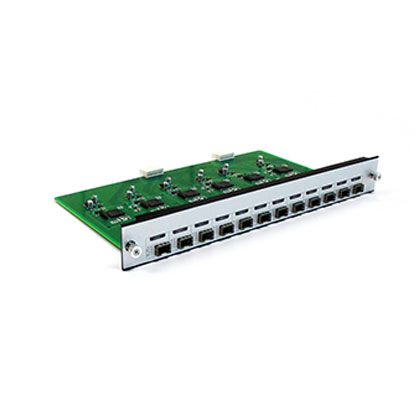 Phinx - I/O SFP Module Card
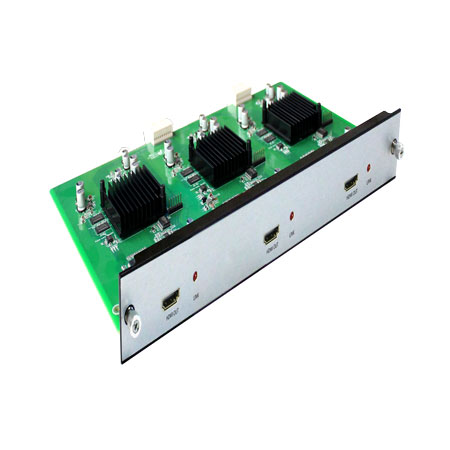 Phinx - Video Wall Control Card
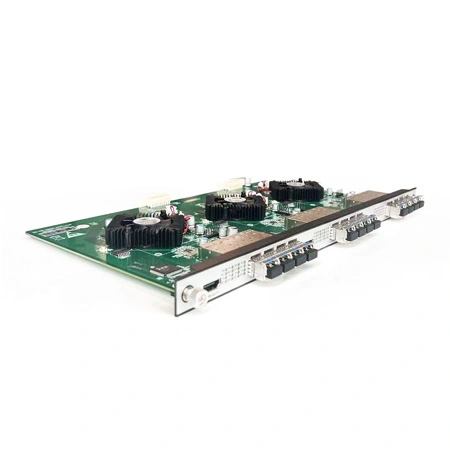 Phinx- Video Wall & SFP Card
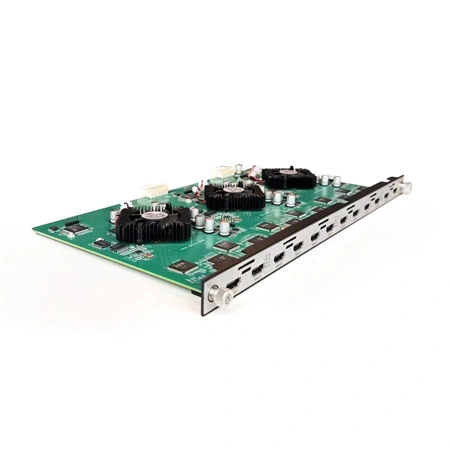 Phinx- Video Card(6IN6OUT)
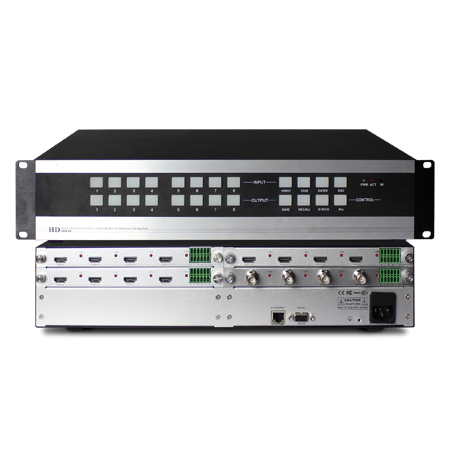 2K Video Wall Matrix - 8x8
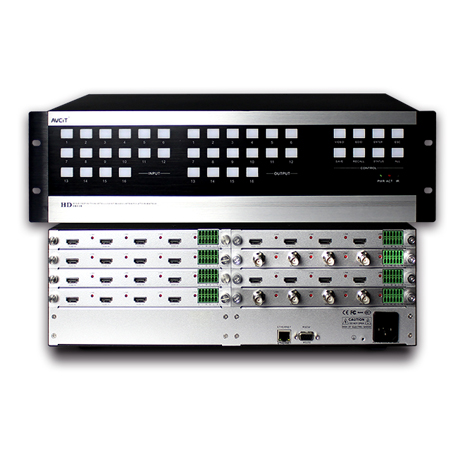 2K Video Wall Matrix - 16x16
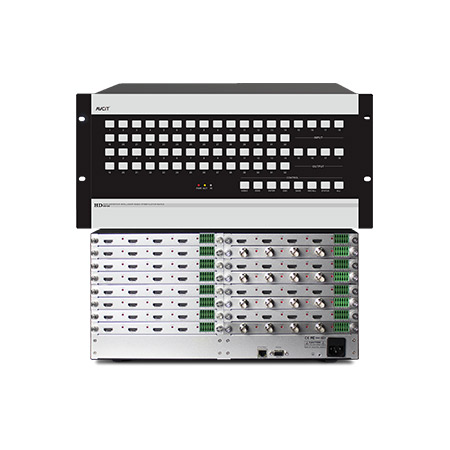 2K Video Wall Matrix - 32x32
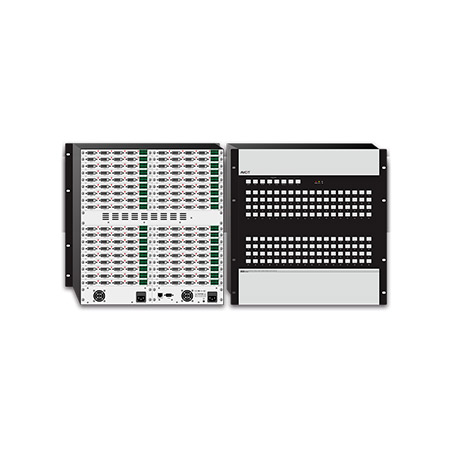 2K Video Wall Matrix - 72x72
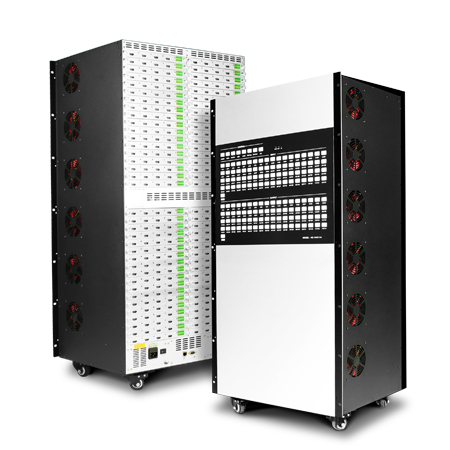 2K Video Wall Matrix - 144x144
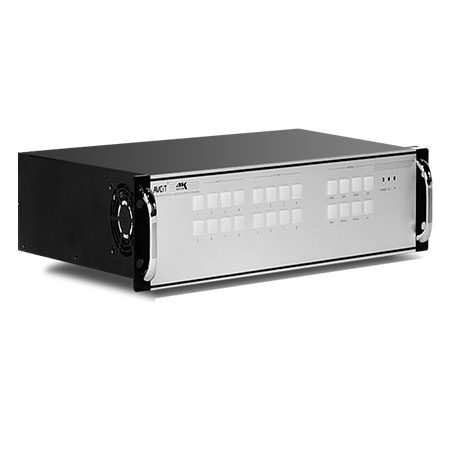 4K Video Matrix Switcher - 8x8
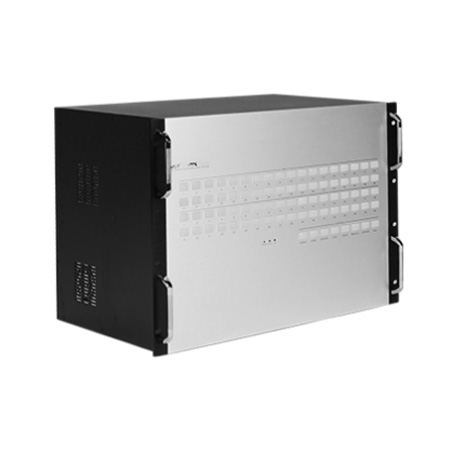 4K Video Matrix Switcher - 36x36
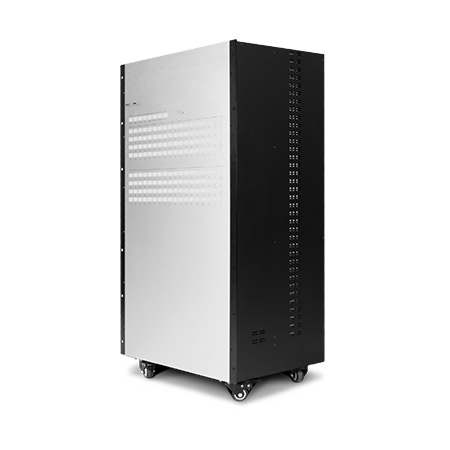 4K Video Matrix Switcher - 72x72
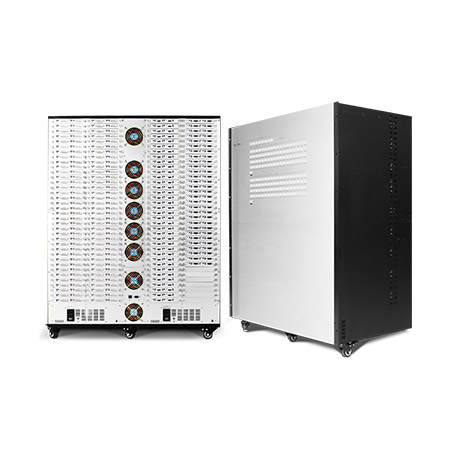 4K Video Matrix Switcher - 144x144
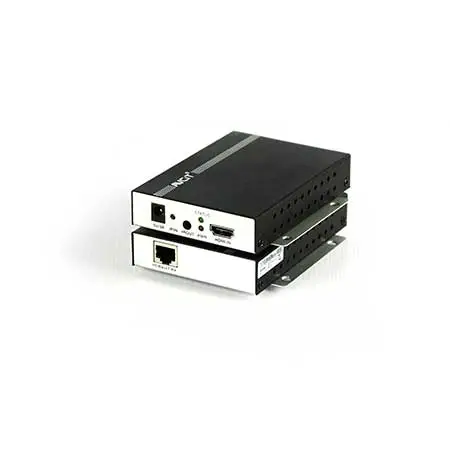 Mixing UHD - 4K HDBT Extender
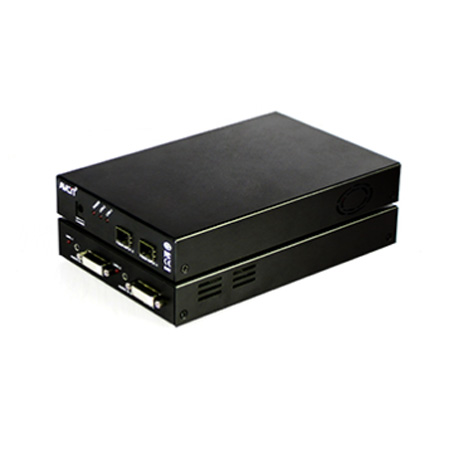 Mixing UHD - 4K Fiber Extender
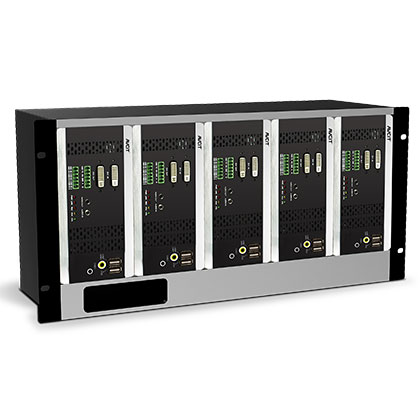 Rack Mounting Kit
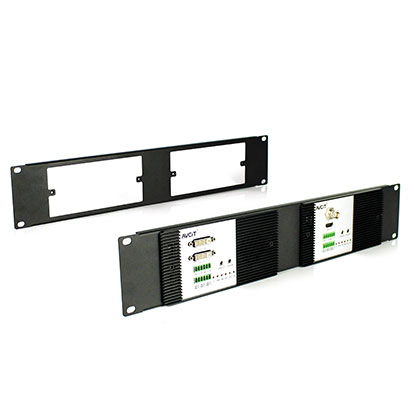 Wall Mounting Kit












 EN
EN
 es
es  th
th
Blog
Join us
FAQs

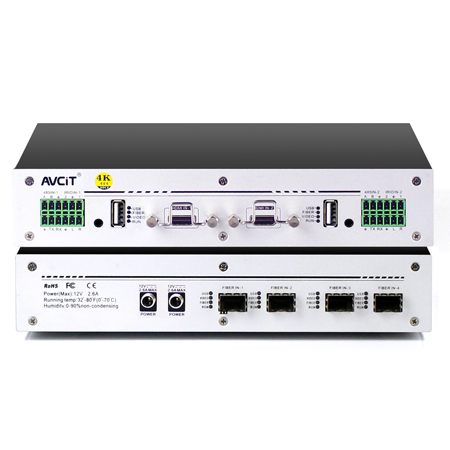 4K KVM Transmitter-HDMI
 4K KVM Transmitter-HDMI+HDMI LOOP
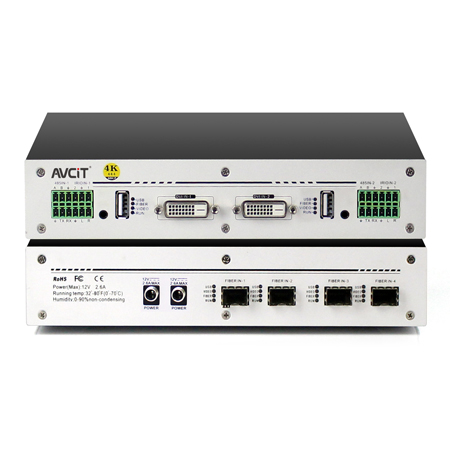 4K KVM Transmitter-DVI
 4K KVM Transmitter-DVI+DVI LOOP
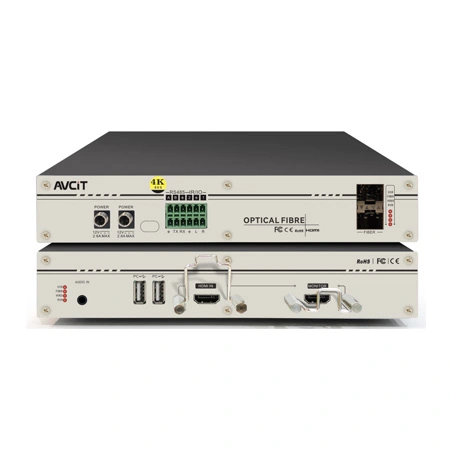 4K60 KVM Transmitter - HDMI
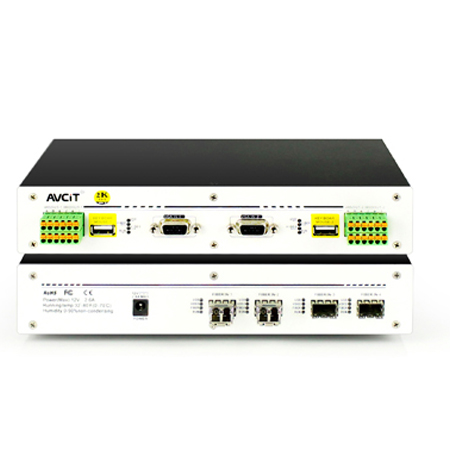 2K KVM Transmitter-VGA
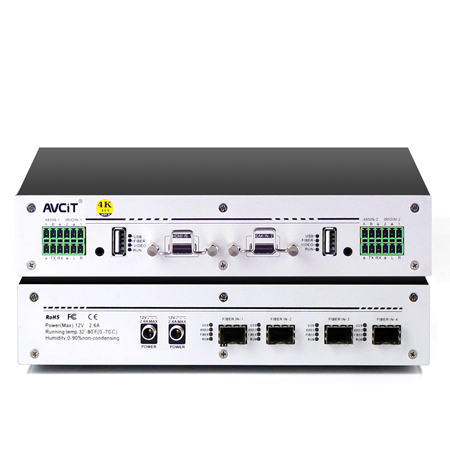 4K KVM Receiver-HDMI
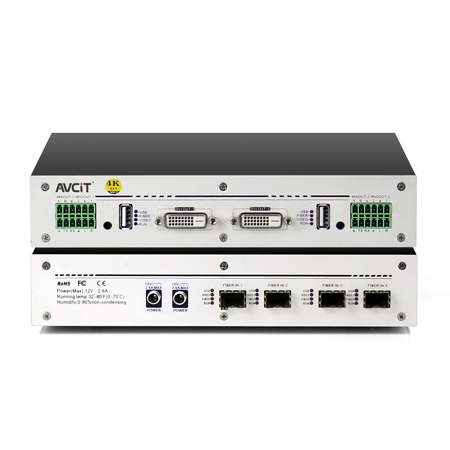 4K KVM Receiver-DVI
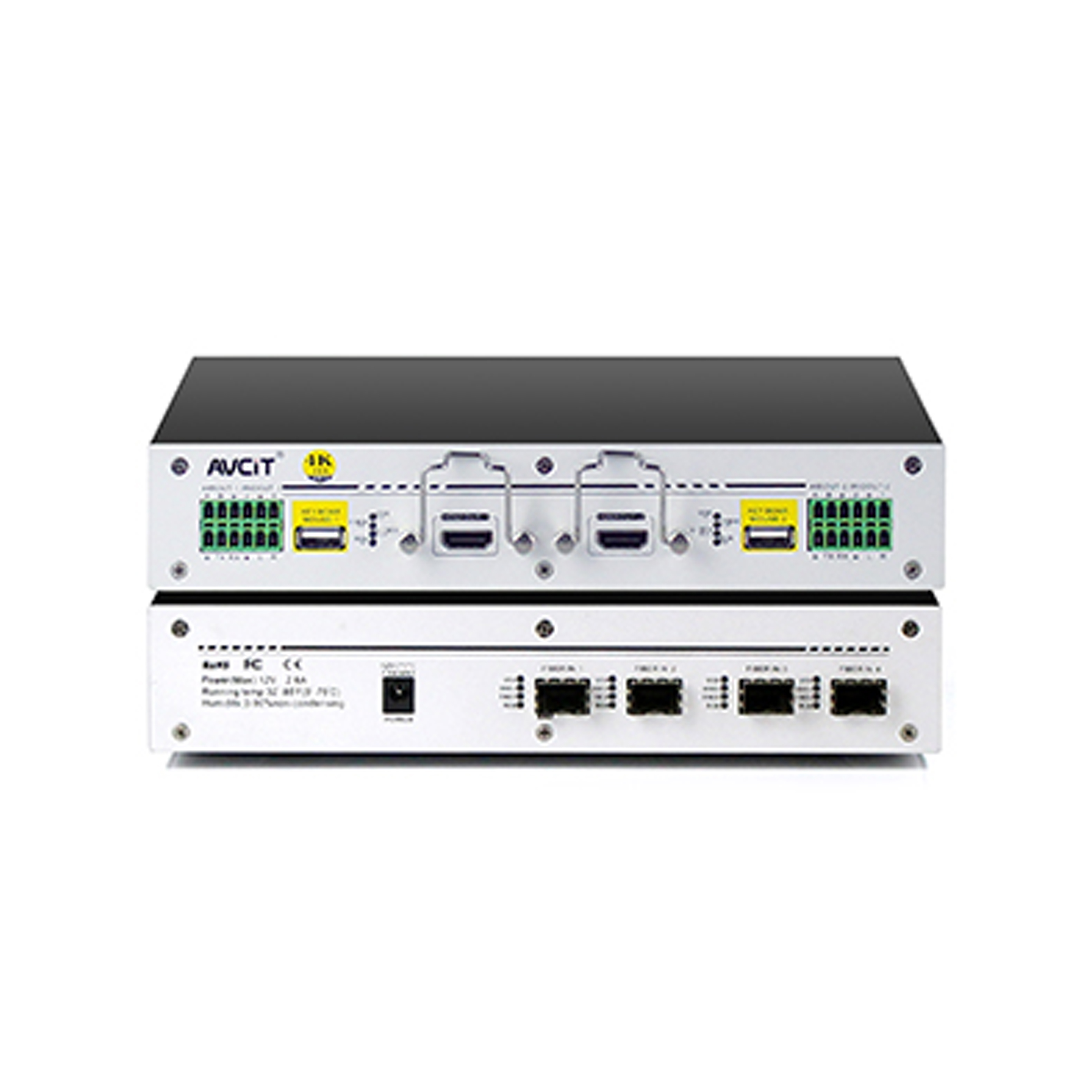 Quad-view KVM Receiver-HDMI
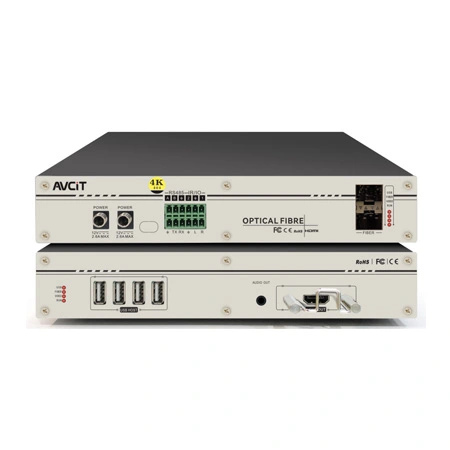 4K60 KVM Receiver - HDMI
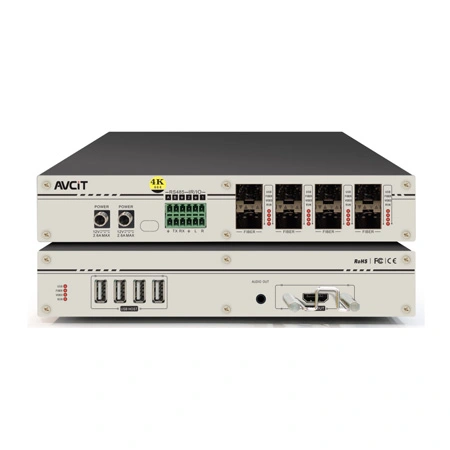 4K60 Quad-view KVM Receiver
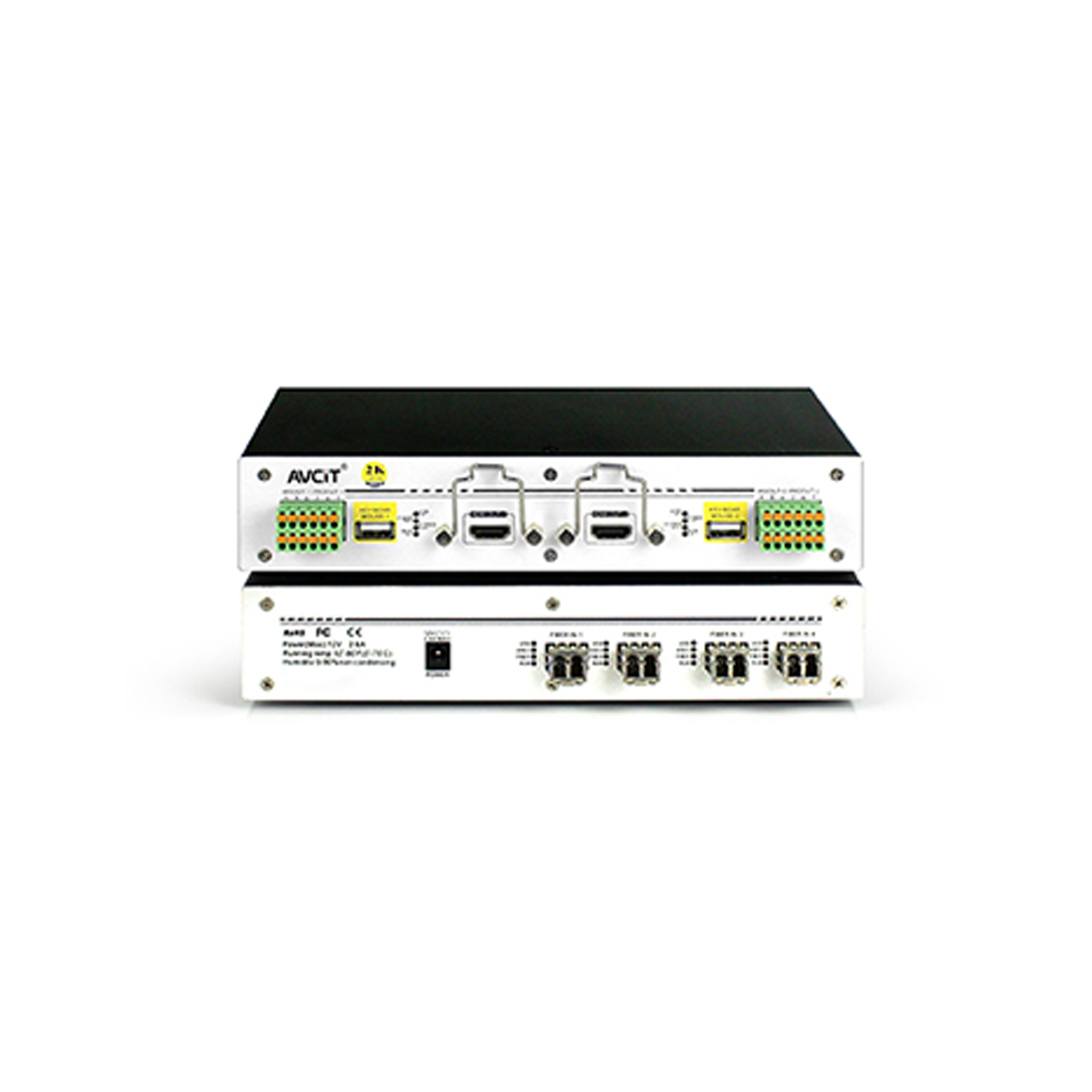 2K KVM Receiver-HDMI
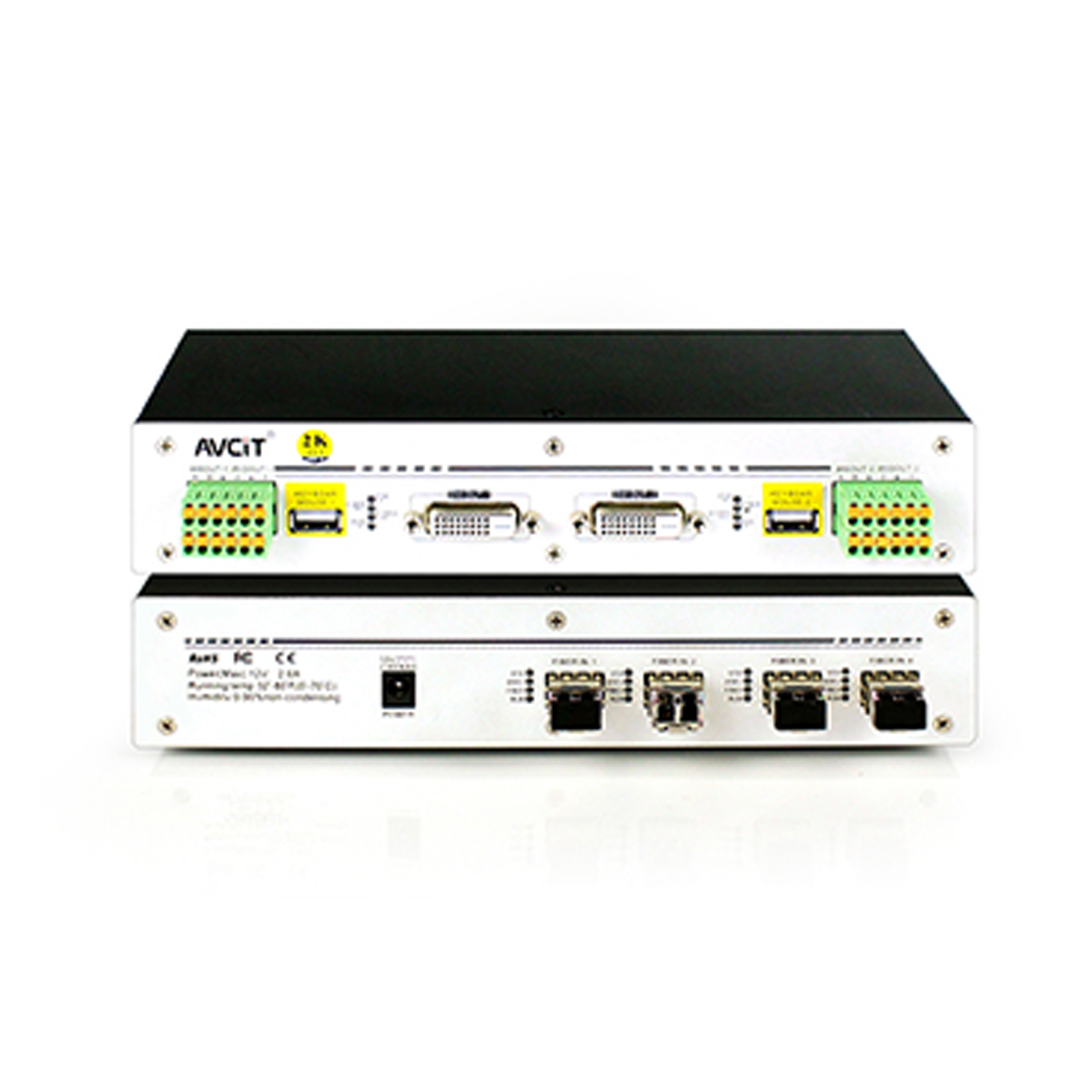 2K KVM Receiver-DVI
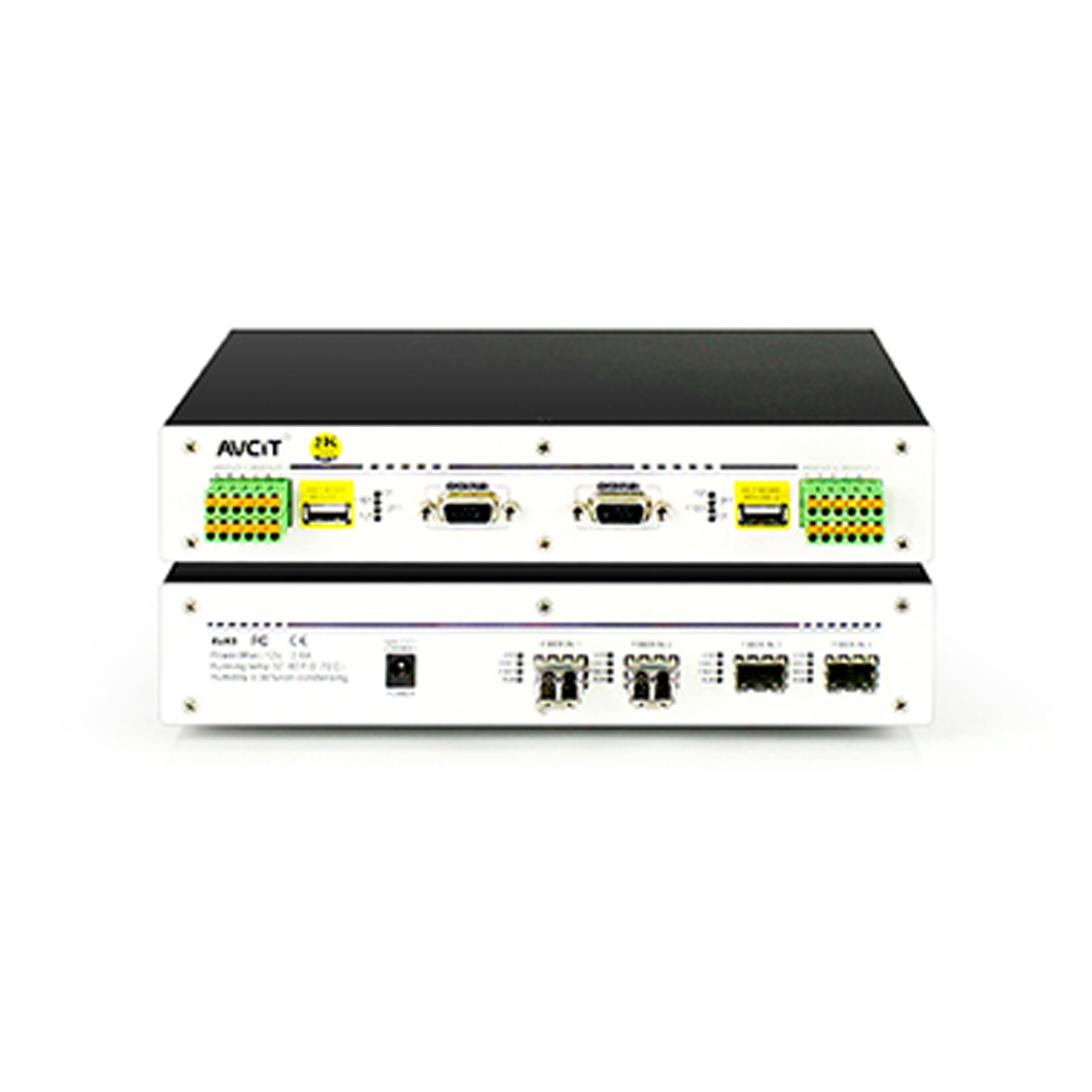 2K KVM Receiver-VGA
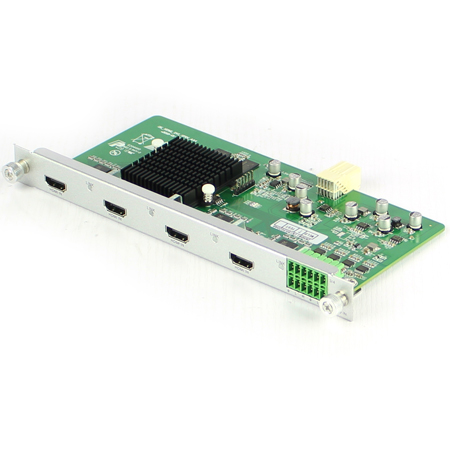 Mixing HD-2K HDMI Input Card
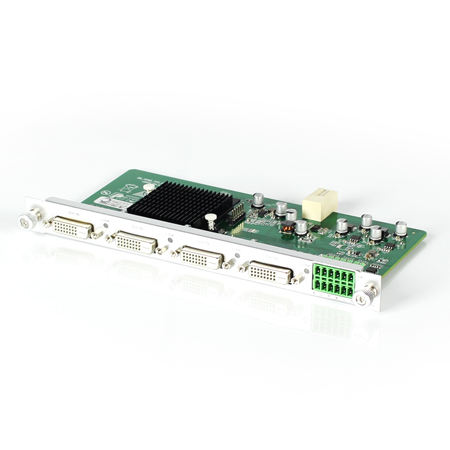 Mixing HD-2K DVI Input Card
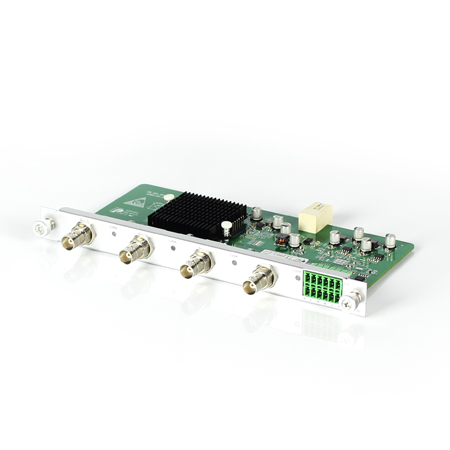 Mixing HD-2K SDI Input Card
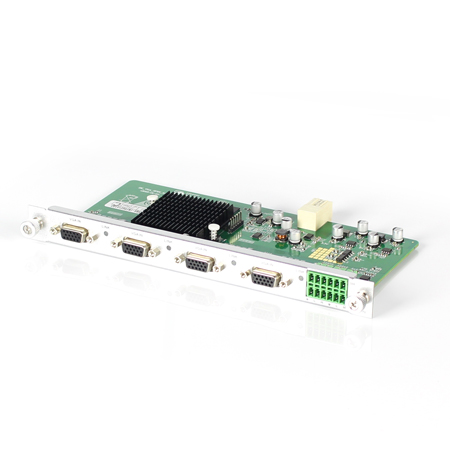 Mixing HD-2K VGA Input Card
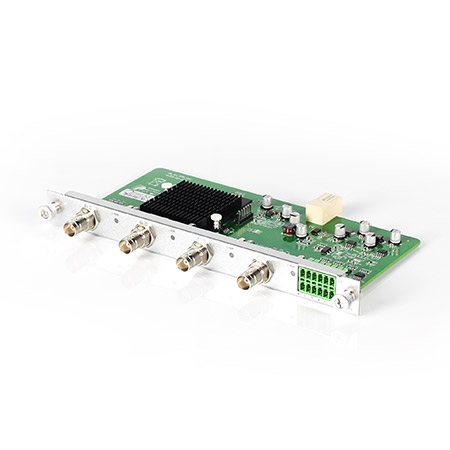 Mixing HD-2K AV Input Card
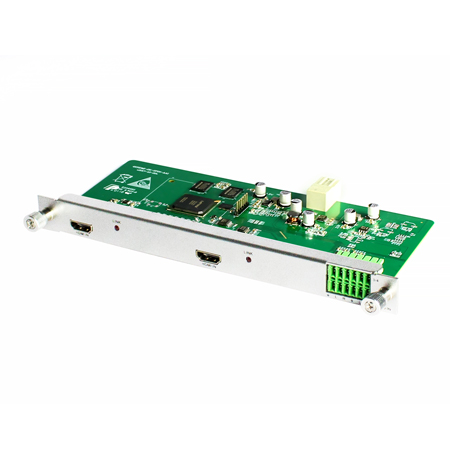 Mixing HD-HDMI UHD Input Card
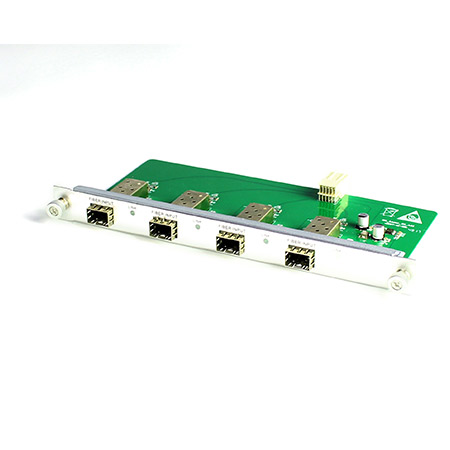 Mixing HD-Fiber Input Card
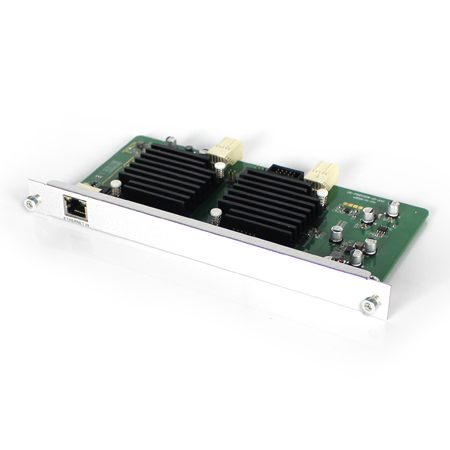 Mixing HD-IP Input Card
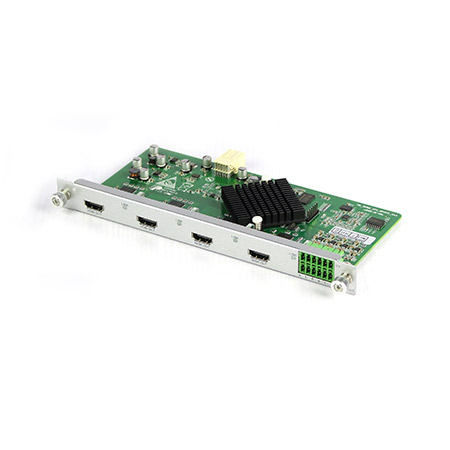 Mixing HD-HDMI Output Card
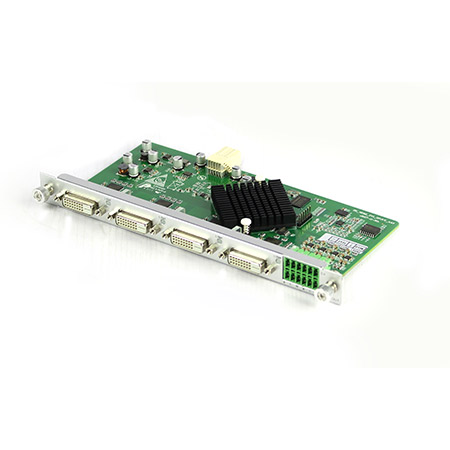 Mixing HD-DVI Output Card
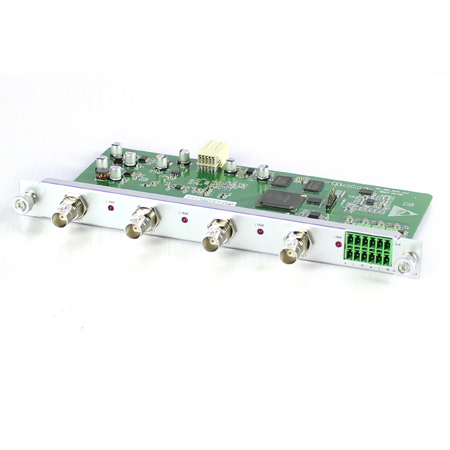 Mixing HD-SDI Output Card
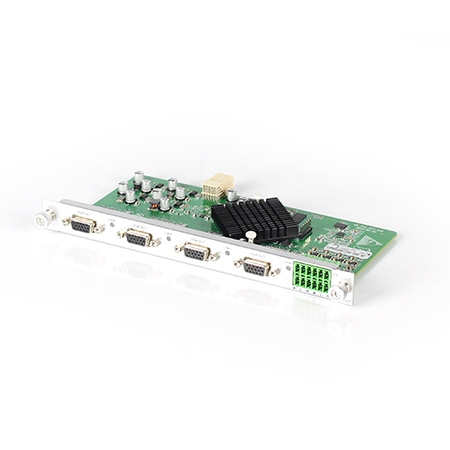 Mixing HD-VGA Output Card
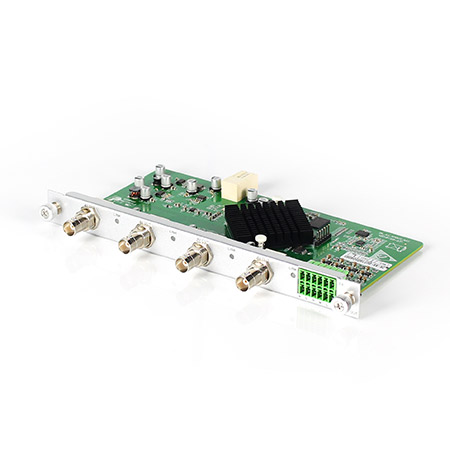 Mixing HD-AV Output Card
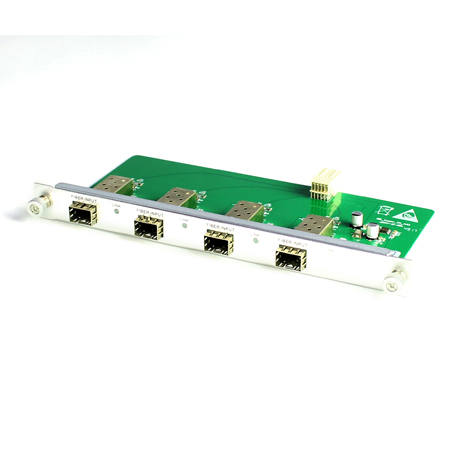 Mixing HD-Fiber Output Card
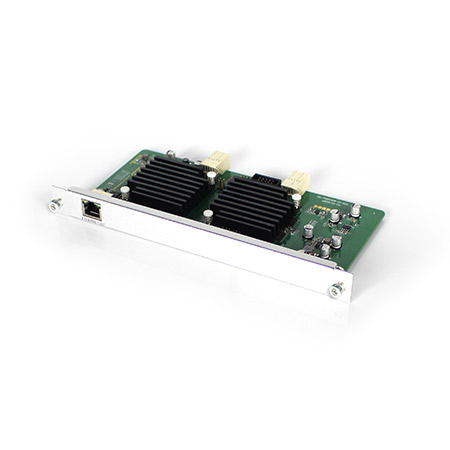 Mixing HD-IP Output Card
Mixing HD-HDMI Video Wall Control Card (2 channel)
Mixing HD-IP Output Card
Mixing HD-HDMI Video Wall Control Card (2 channel)
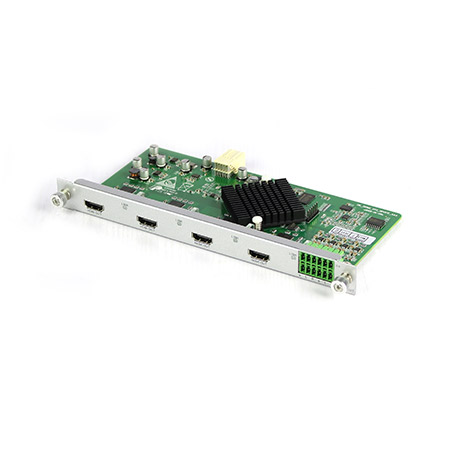 Mixing HD-HDMI Video Wall Control Card (1 channel)
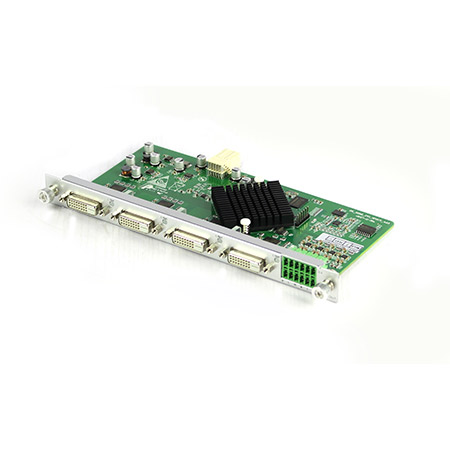 Mixing HD-DVI Video Wall Control Card (2 channel)
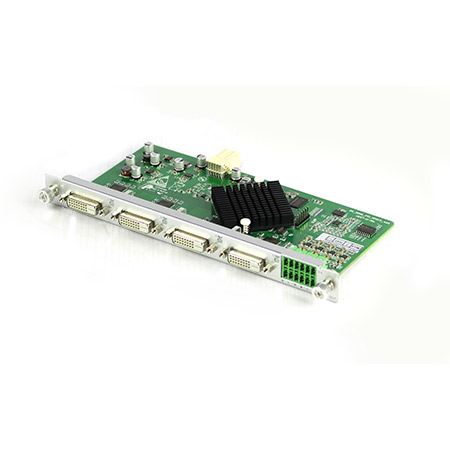 Mixing HD-DVI Video Wall Control Card (1 channel)
 Mixing UHD - HDMI Input Card
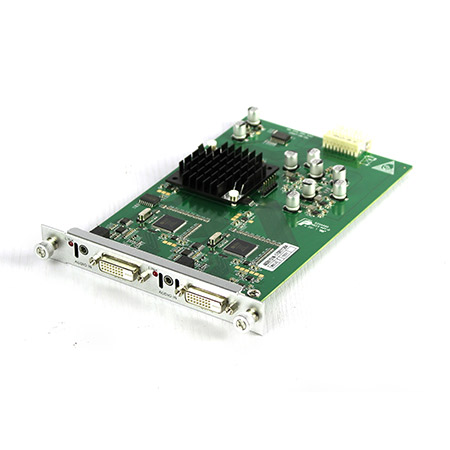 Mixing UHD - DVI Input Card
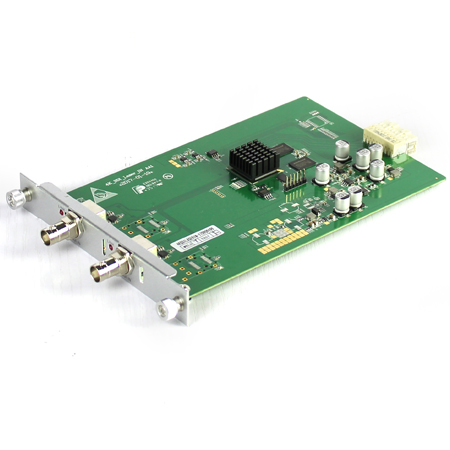 Mixing UHD - SDI Input Card
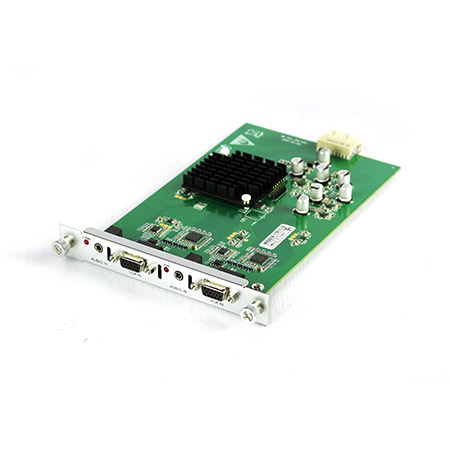 Mixing UHD - VGA Input Card
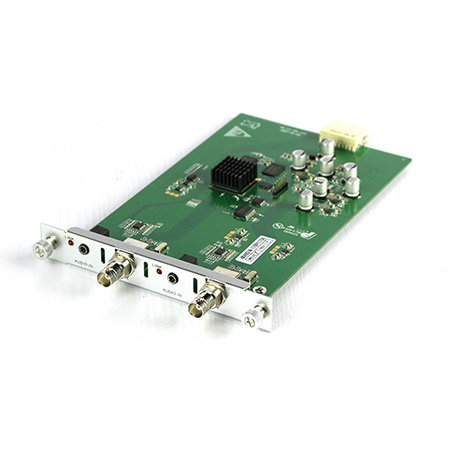 Mixing UHD - AV Input Card
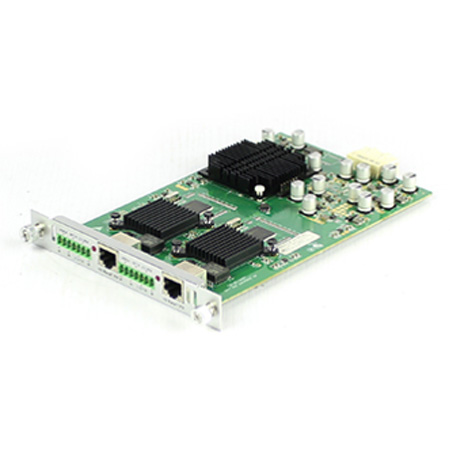 Mixing UHD - HDBT Input Card
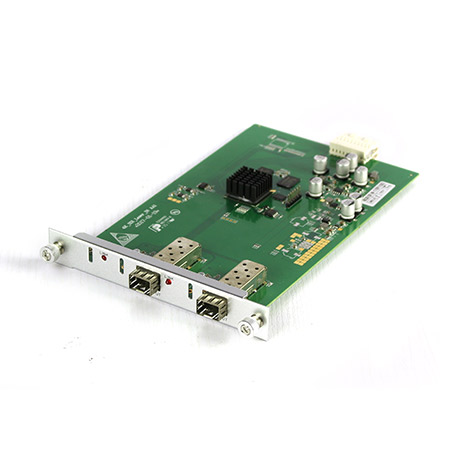 Mixing UHD - Fiber Input Card
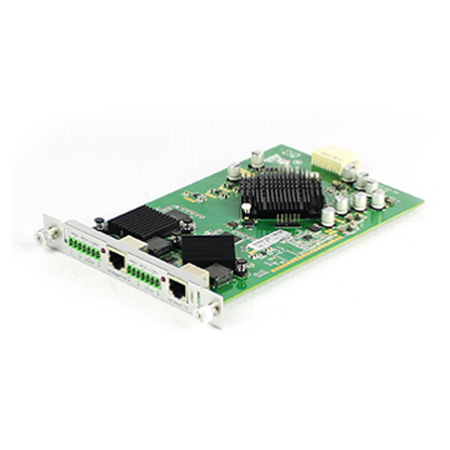 Mixing UHD - HDBT Output Card
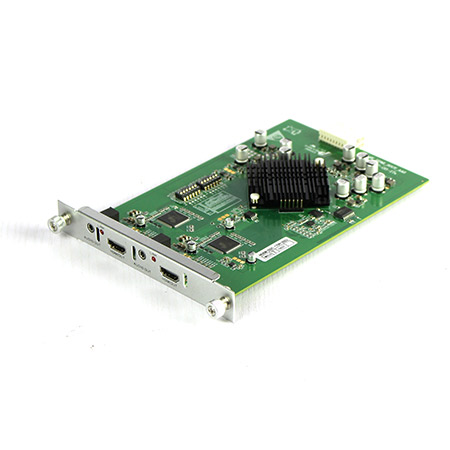 Mixing UHD - HDMI Output Card
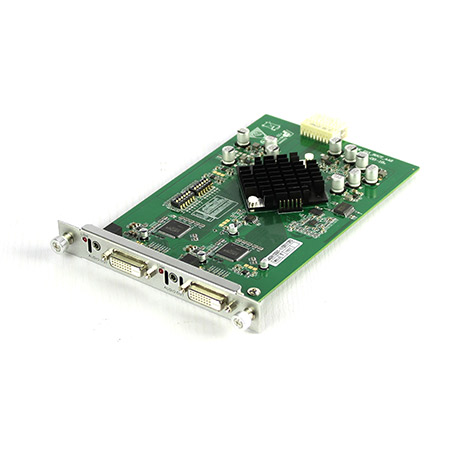 Mixing UHD - DVI Output Card
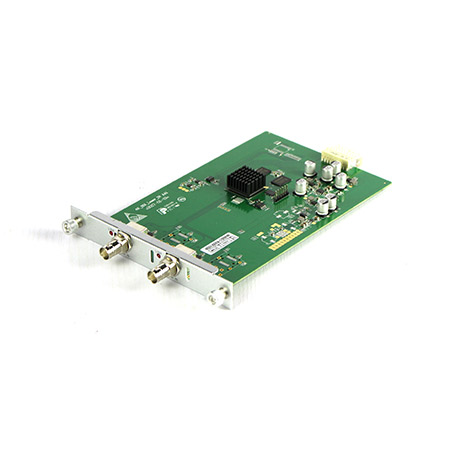 Mixing UHD - SDI Output Card
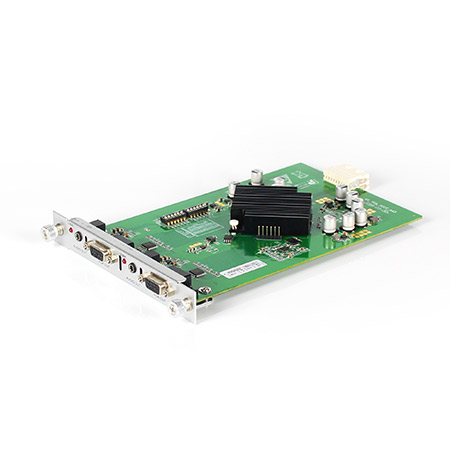 Mixing UHD - VGA Output Card
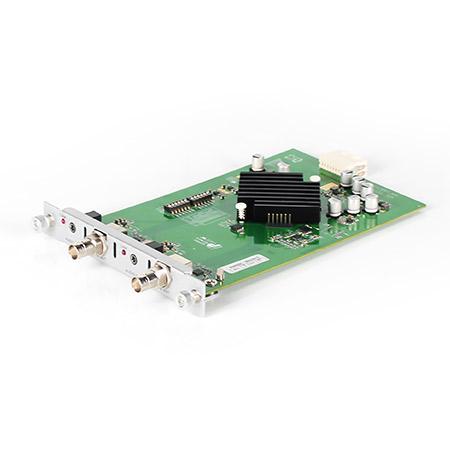 Mixing UHD - AV Output Card
 Mixing UHD - Fiber Output Card
When a post-incident review (PIR) falls short, the instinct is to treat it as a process failure. It rarely is. The quality of any review is determined before the incident occurs, by what the system was built to capture.
In environments without purpose-built evidence infrastructure, a post-incident review typically relies on three things that are inherently unreliable: manual footage searches, operator recall, and records from systems that were never designed to communicate with each other.
Without organized incident records, investigators are left searching through footage manually. Where systems are not integrated, compliance reports must be assembled from partial records and subjective accounts. The gap between what was monitored and what can actually be demonstrated is where organizational risk accumulates, until a regulator or legal team asks for documentation that does not exist in a usable form.
Without an evidence structure that is automatically generated at the point of an incident, the post-incident review is reactive by design. And reactive, in this context, means exposed.
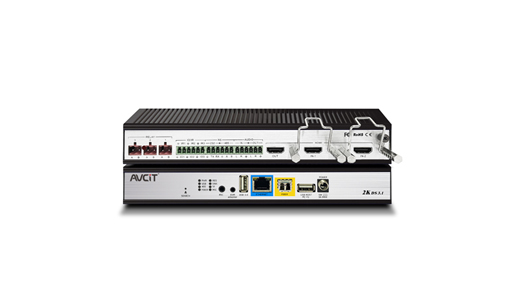
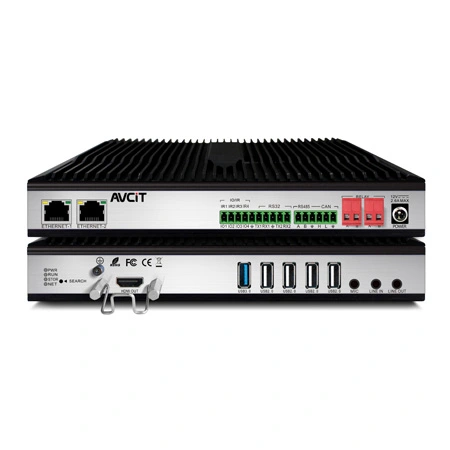
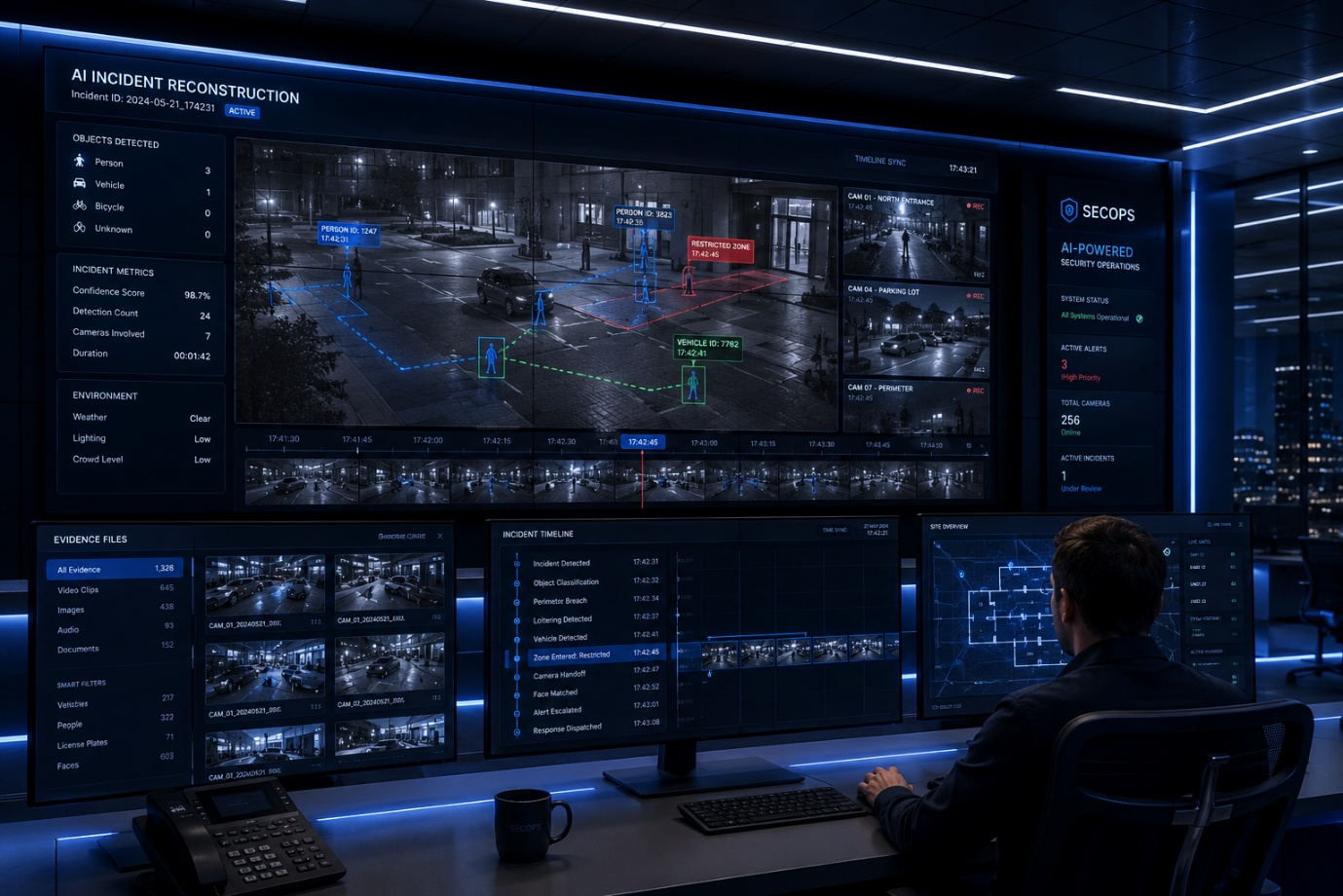
The AVCiT AI Box builds the evidence record at the moment an incident occurs. When it is detected, the AI Box evidence capture system organizes evidence without operator intervention. Three layers are captured simultaneously: a labelled record of the event with category and time, a raw visual record for independent verification, and a video clip capturing the moment the incident is detected. All three are catalogued and stored on-site the moment the event is flagged.
Storage is managed on-site and maintained automatically, ensuring continuity without depending on manual archiving. There is no decision point where evidence can be lost, delayed, or inconsistently filed. The record exists because the system built it, not because an operator remembered to create it.
The distinction between retrieval and reconstruction matters. Retrieval means searching for footage after the fact. Reconstruction means understanding what actually happened, including movement, sequence, and cause.
Past events can be filtered by category, location, and time, significantly reducing the time investigators spend locating relevant footage. Where multiple cameras are involved, movement is traceable across the full environment, giving management a complete picture of how an incident developed and where it originated.
This is the shift from a reactive search process to a structured audit. Investigators arrive at the review with organized evidence, not a search task.
Compliance reporting introduces a specific requirement that manual processes struggle to meet: the audit trail must be demonstrably system-generated, not operator-dependent.
When records are assembled by hand, there is an inherent vulnerability. Human memory is fallible. Fragmented systems produce inconsistent records. Most compliance frameworks expect documentation that is timestamped, complete, and verifiable, independent of individual accounts.
Every event captured by the AI Box is logged with full metadata and exportable in formats that compliance and legal teams can use directly. The audit trail does not depend on an operator having logged the right fields at the right time. It is generated automatically as part of the detection process.
Post-incident evidence carries specific data sensitivity requirements. Footage may contain information subject to privacy regulations, and the method of storage and transmission directly affects compliance exposure.
AVCiT's AI Edge Computing Platform processes and stores footage on-site. Data is never transmitted to external servers, removing the risks that come with storing sensitive material in the cloud. Local encryption and a design that prevents one breach from exposing the entire network ensure footage remains secure without compromising broader operations.
Access permissions tied to each person's role mean only authorized personnel can view specific footage or incident records. This is not a supplementary feature. It is a design requirement for any organization operating under data privacy obligations. Evidence that is collected, stored, and accessed with this discipline stays within the operational domain, where it belongs.
Organizations that can reconstruct what happened accurately, quickly, and completely, are better positioned to manage liability, satisfy regulators, and prevent recurrence. Those that cannot are not facing a process problem. They are facing the consequence of an infrastructure decision that was made, or deferred, long before the incident occurred.
The quality of your post-incident review is not determined in the review itself. It is determined by what your system was built to capture. Investing in that infrastructure is not an operational expense. It is a governance decision with direct implications for compliance, risk, and organizational resilience.
To understand how the AVCiT AI Box supports post-incident review in your environment, contact the AVCiT team.