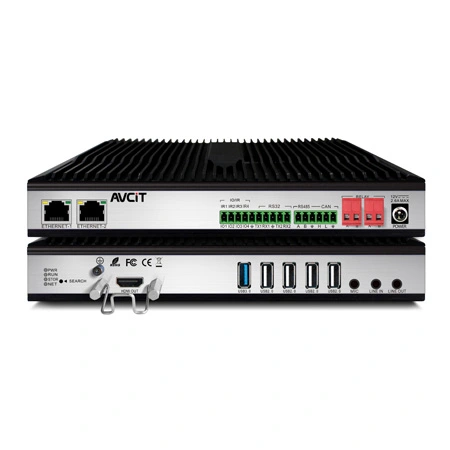
 AIVC-16CH AI BOX
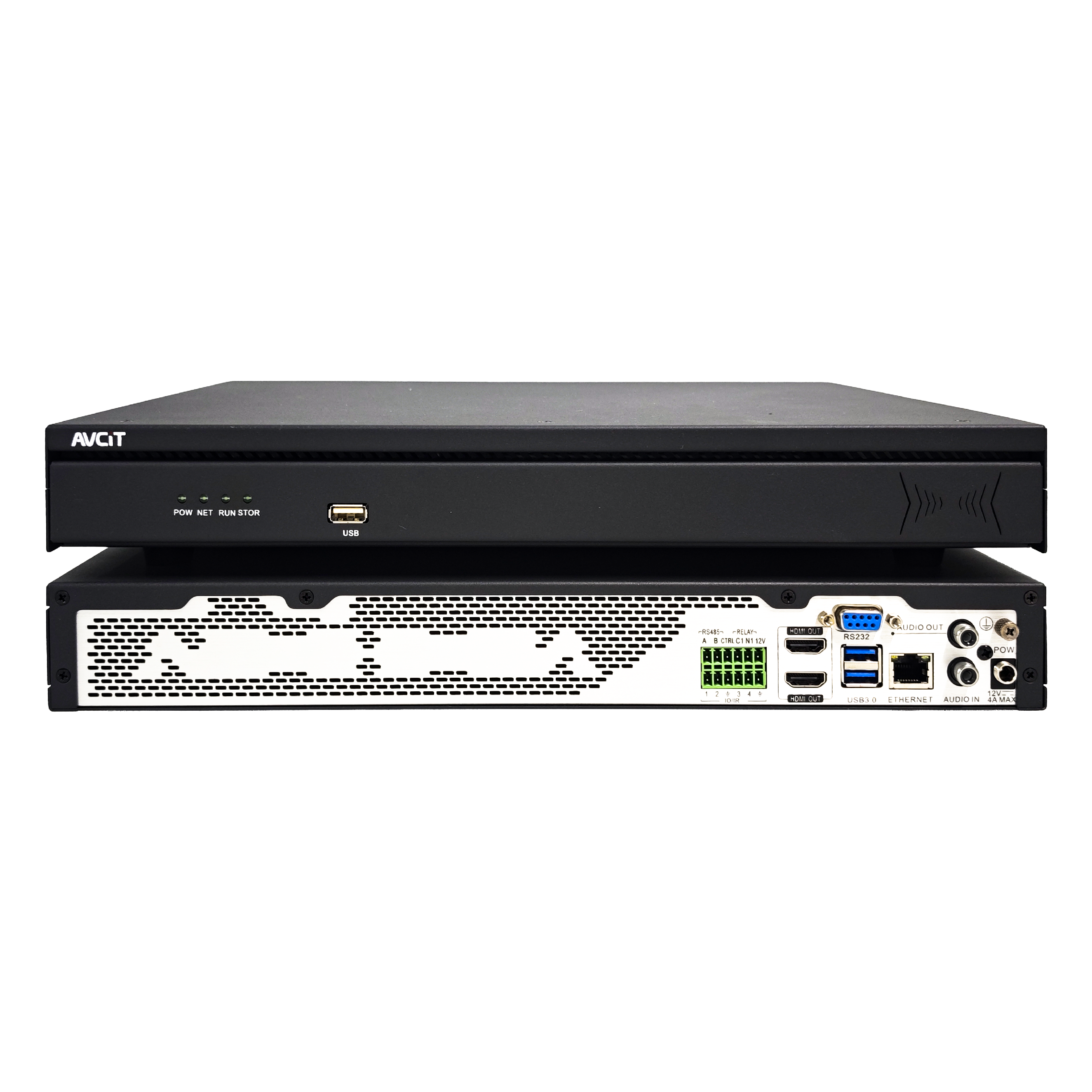 32CH CSN AI NVR
 2K HDMI Video Codec
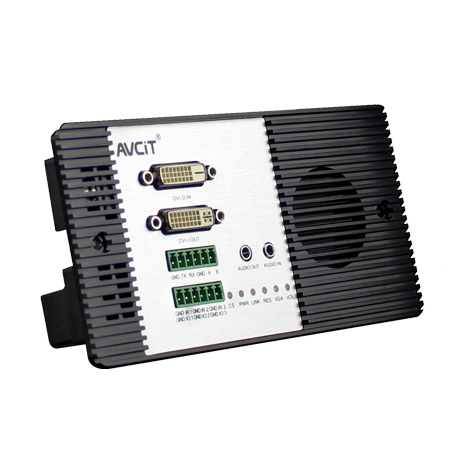 2K DVI Video Codec
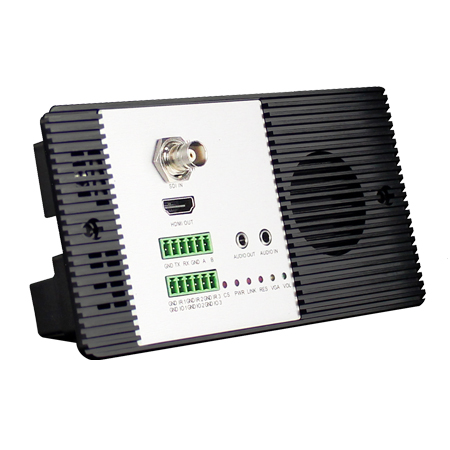 2K SDI Video Codec
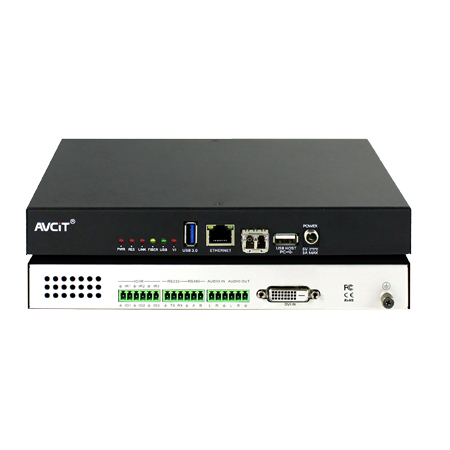 2K HDMI Video Encoder
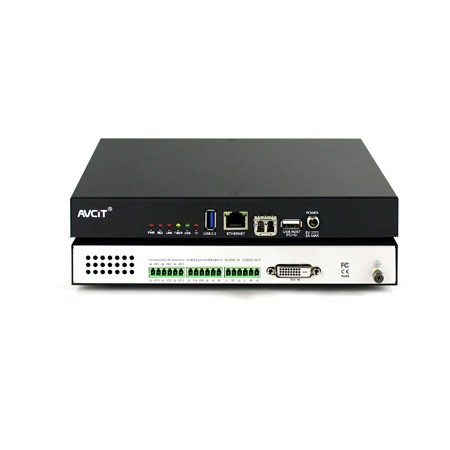 2K DVI Video Encoder
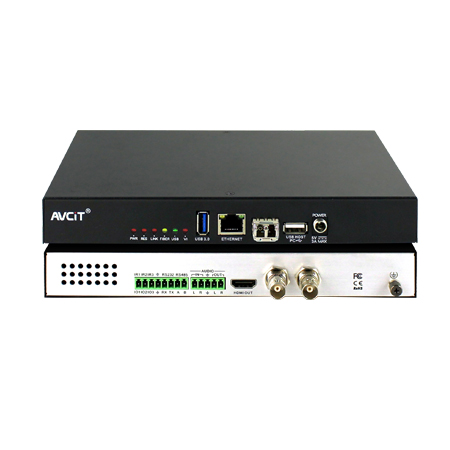 2K SDI Video Encoder
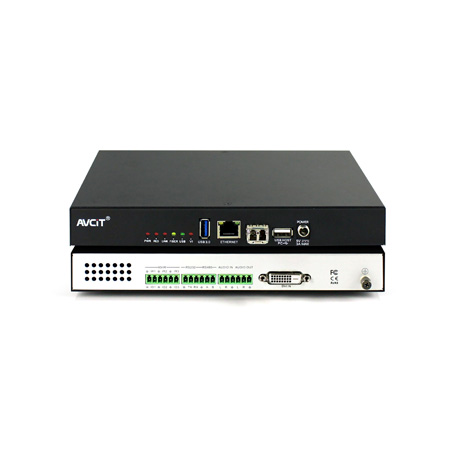 2K VGA Video Encoder
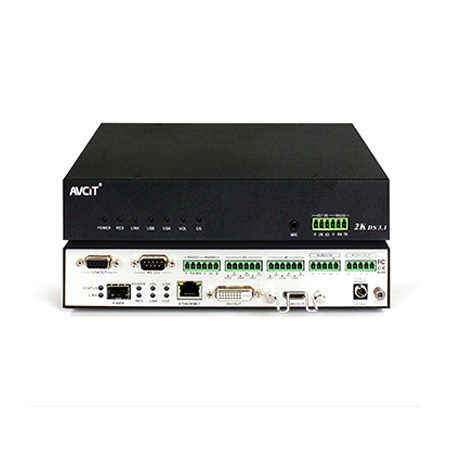 2K Video Wall Decoder (HDMI+DVI)
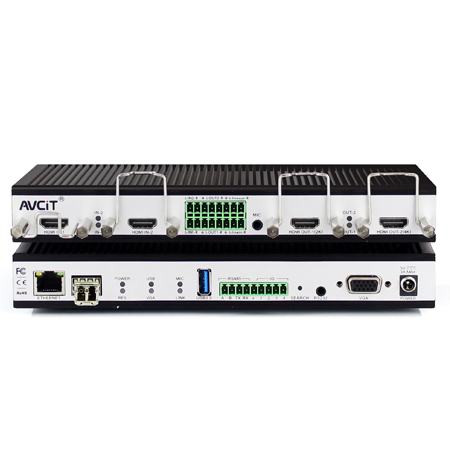 4K HDMI Video Encoder
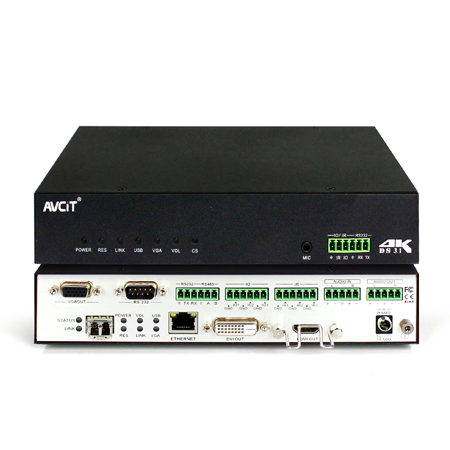 4K HDMI Video Decoder
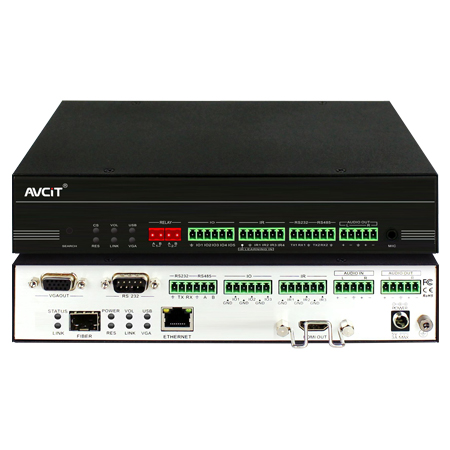 4K HDMI Video Wall Decoder
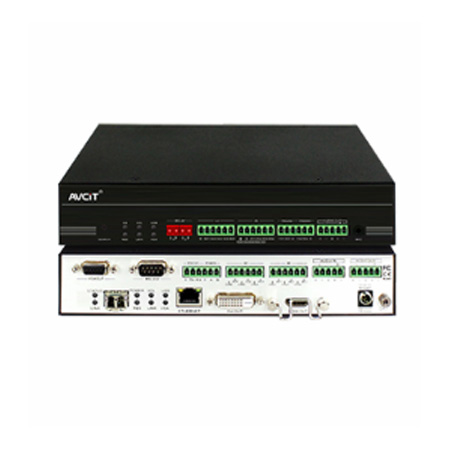 4K HDMI + DVI Video Wall Decoder
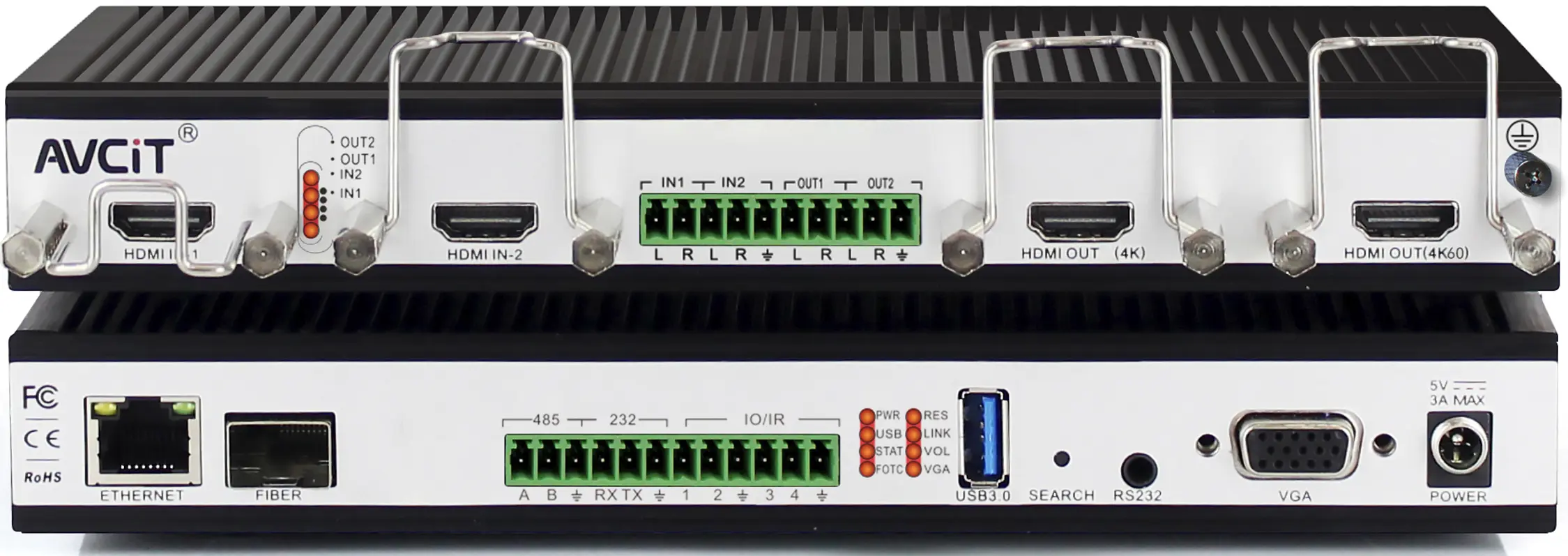 4K HDMI Dual Channel Codec
 8K HDMI Decoder
 2K KVM Encoder - HDMI
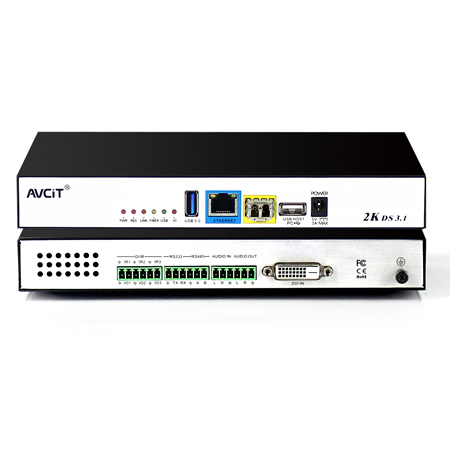 2K KVM Encoder - DVI
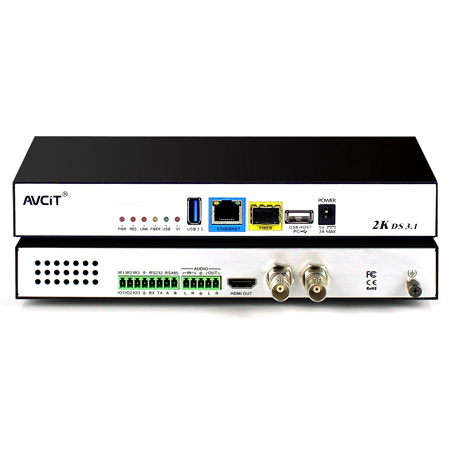 2K KVM Encoder - SDI
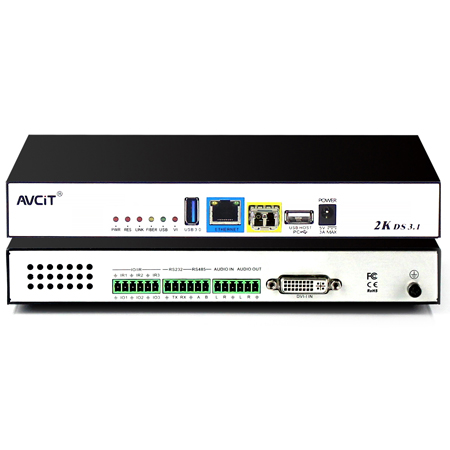 2K KVM Encoder - DVI-I(VGA)
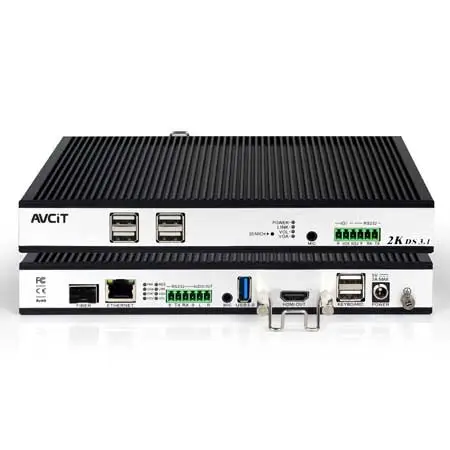 2K KVM Decoder - HDMI
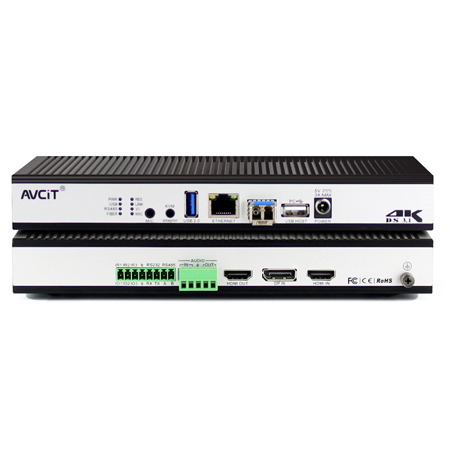 4K KVM Encoder - HDMI + DP
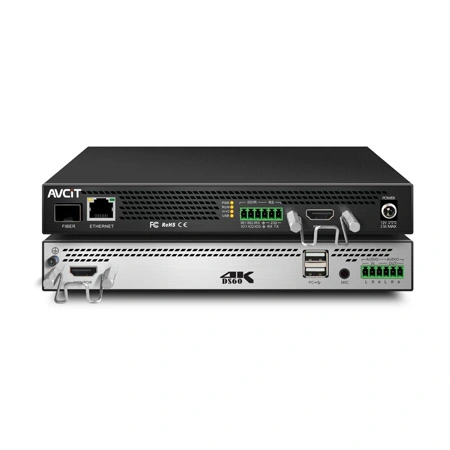 4K@60 KVM Encoder - HDMI
 4K KVM Encoder - HDMI + HDMI
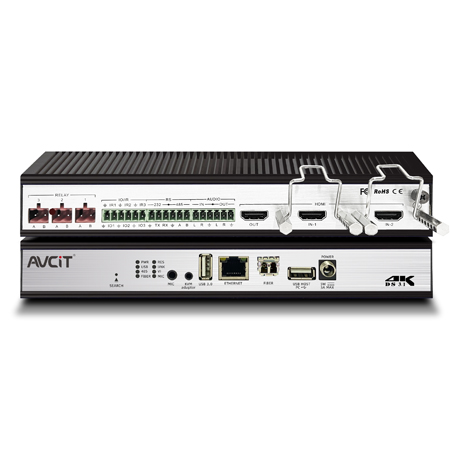 4K KVM Encoder - HDMI
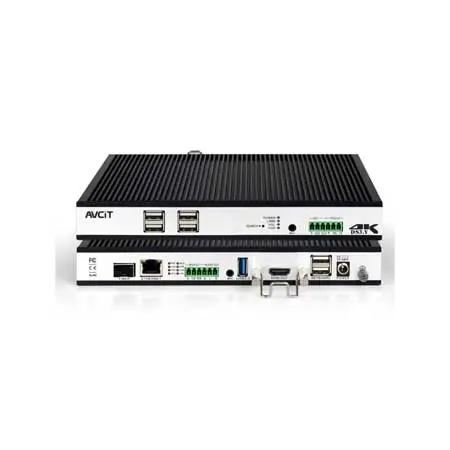 4K KVM Decoder - HDMI
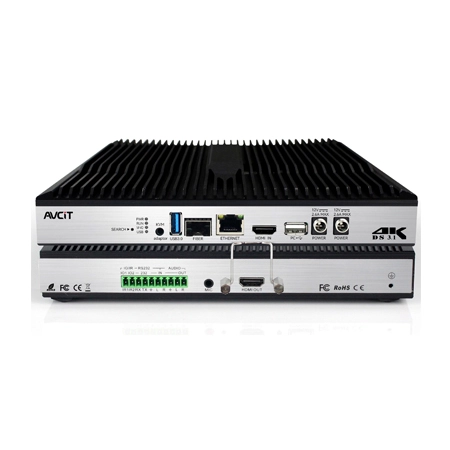 4K60 4:4:4 KVM Encoder - HDMI
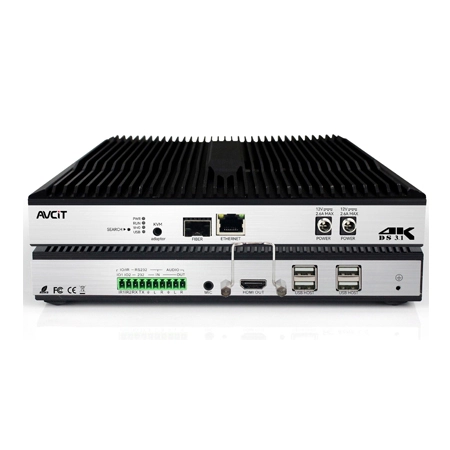 4K60 4:4:4 KVM Decoder-HDMI
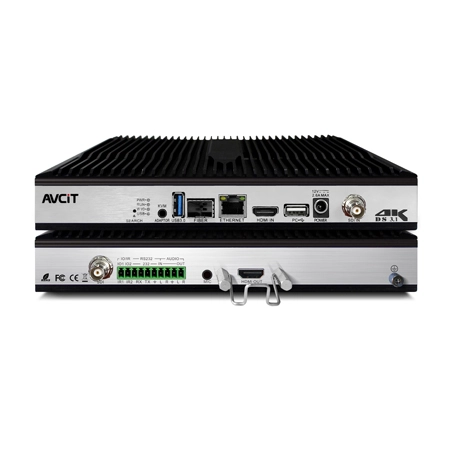 4K60 4:4:4 KVM Encoder - HDMI + SDI
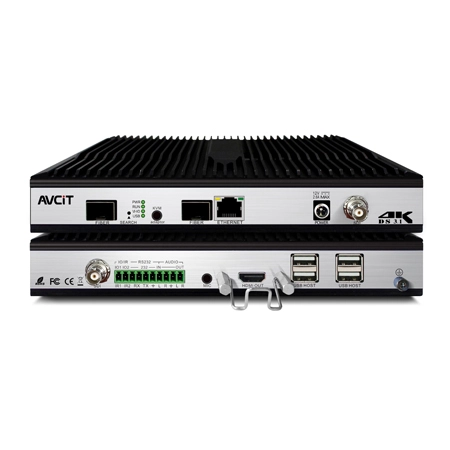 4K60 4:4:4 KVM Decoder - HDMI + SDI
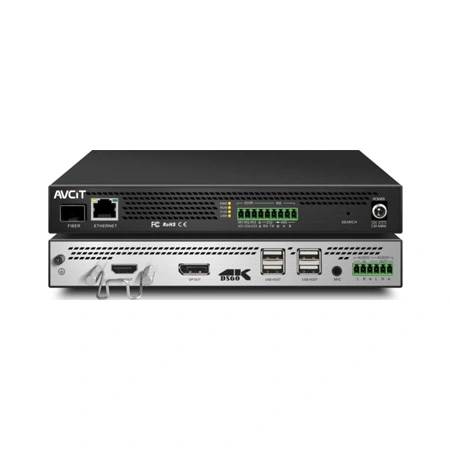 5K KVM Decoder - HDMI +DP
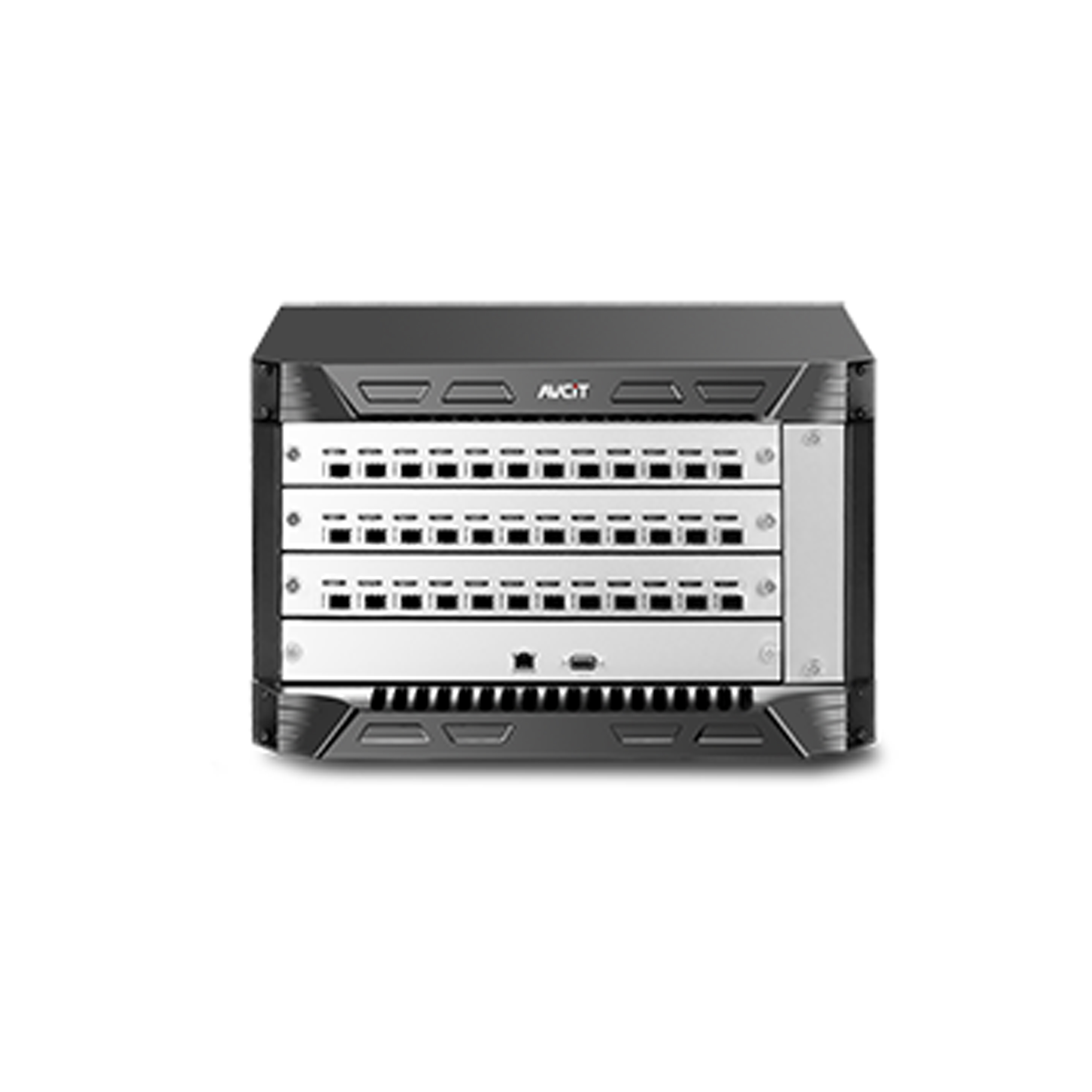 Phinx-36 Ports Fiber KVM Matrix
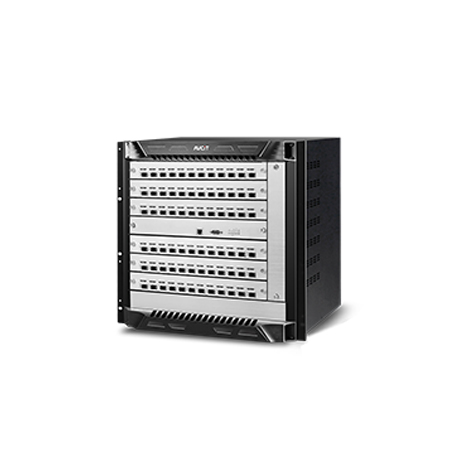 Phinx-72 Ports Fiber KVM Matrix
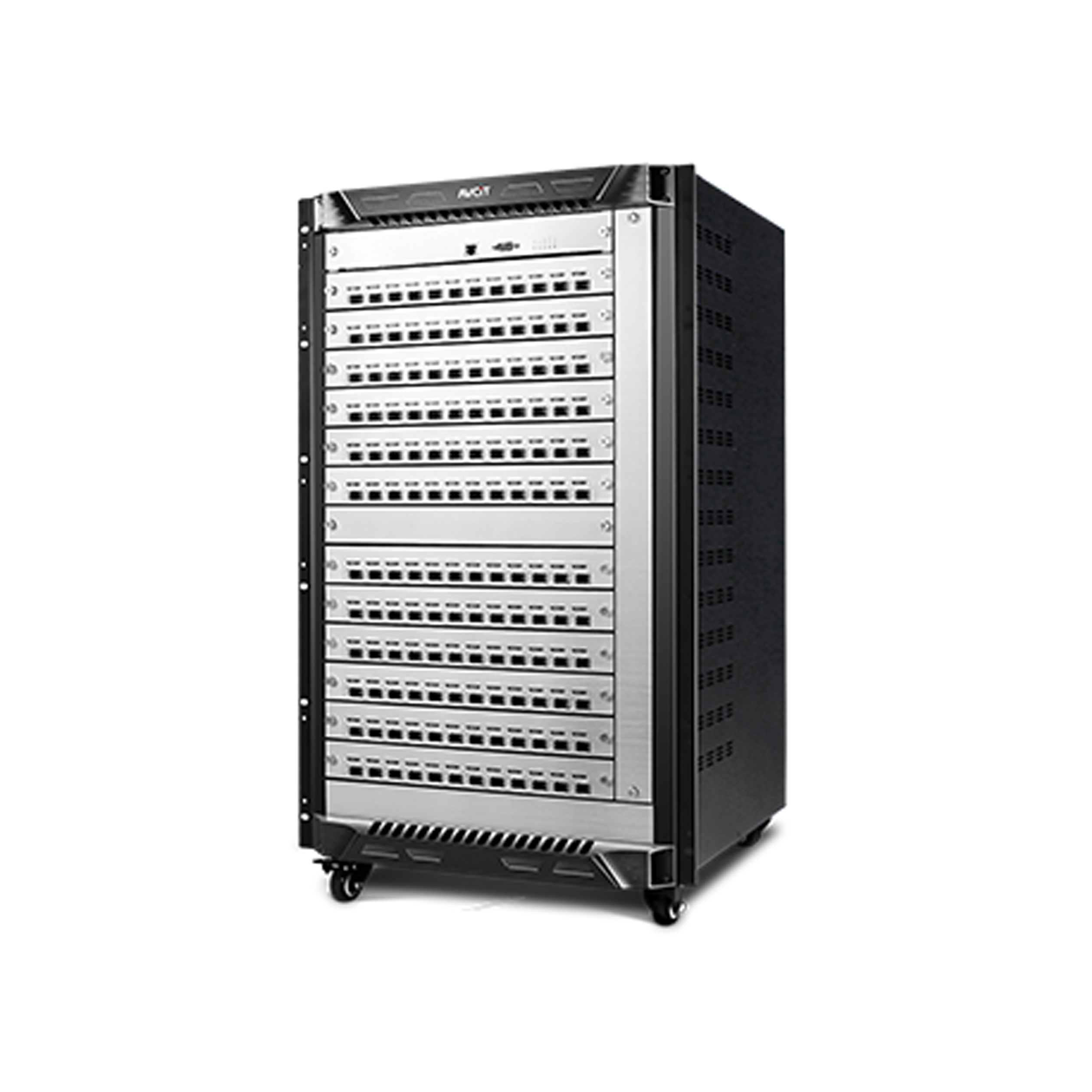 Phinx-144 Ports Fiber KVM Matrix
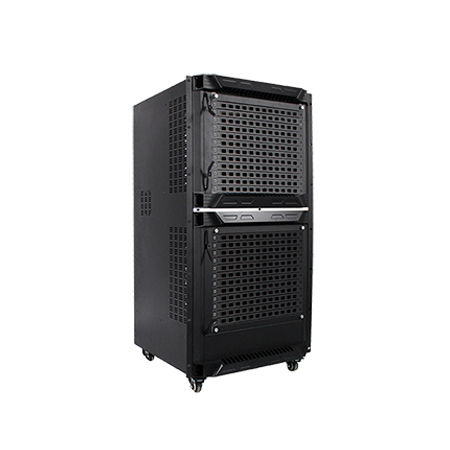 Phinx-288 Ports Fiber KVM Matrix
 Phinx-576 Ports Fiber KVM Matrix
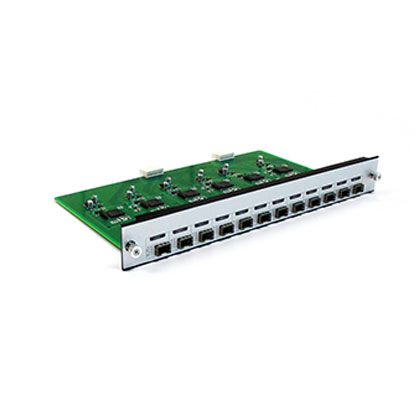 Phinx - I/O SFP Module Card
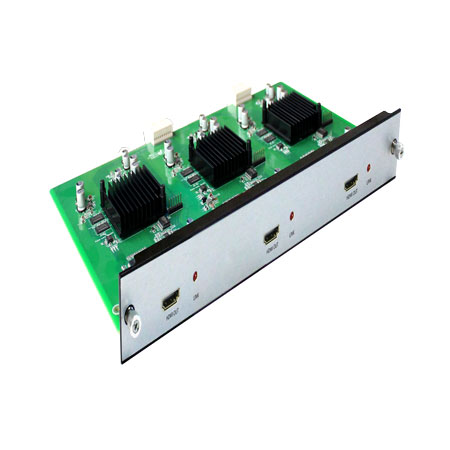 Phinx - Video Wall Control Card
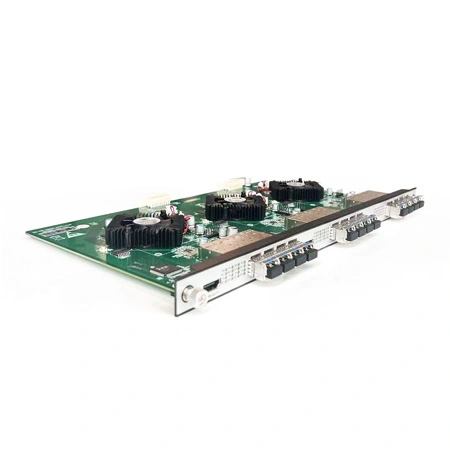 Phinx- Video Wall & SFP Card
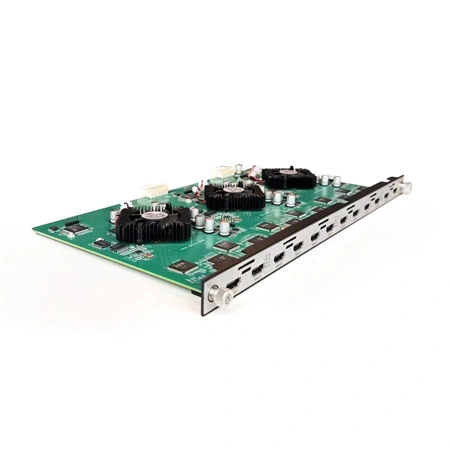 Phinx- Video Card(6IN6OUT)
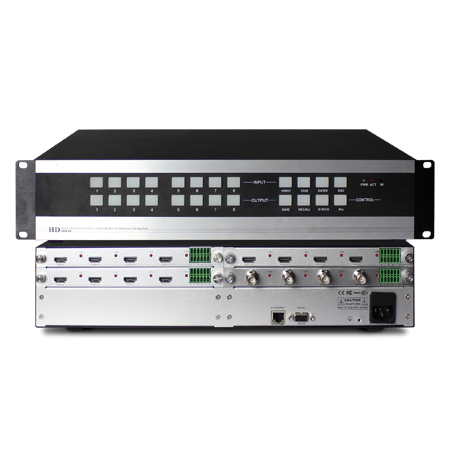 2K Video Wall Matrix - 8x8
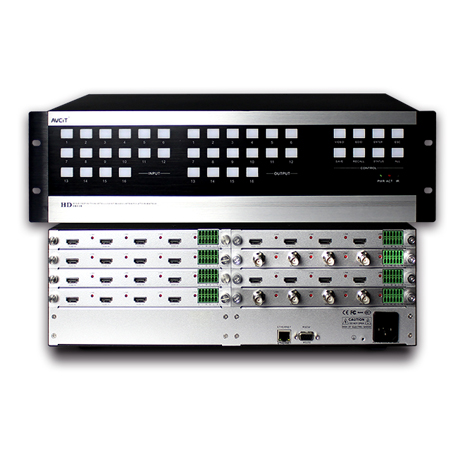 2K Video Wall Matrix - 16x16
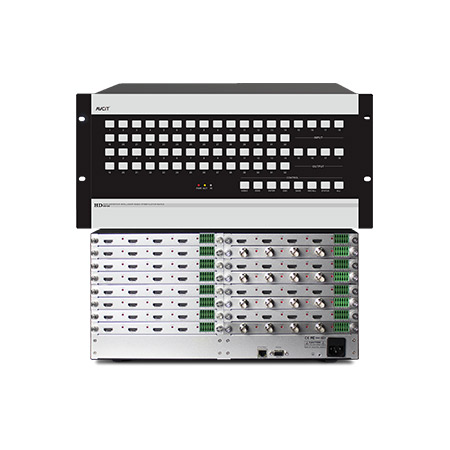 2K Video Wall Matrix - 32x32
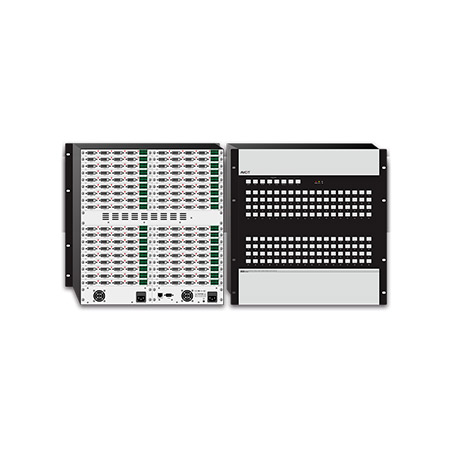 2K Video Wall Matrix - 72x72
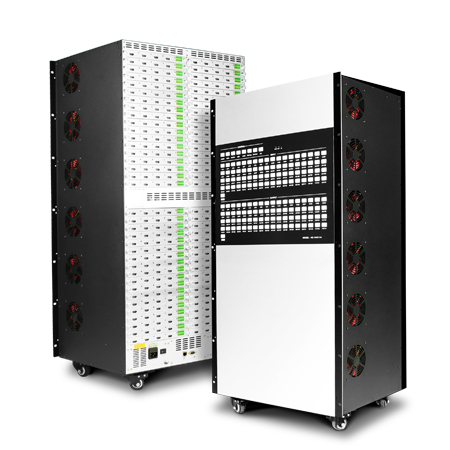 2K Video Wall Matrix - 144x144
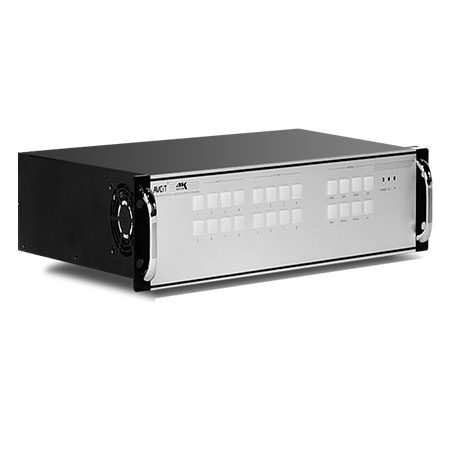 4K Video Matrix Switcher - 8x8
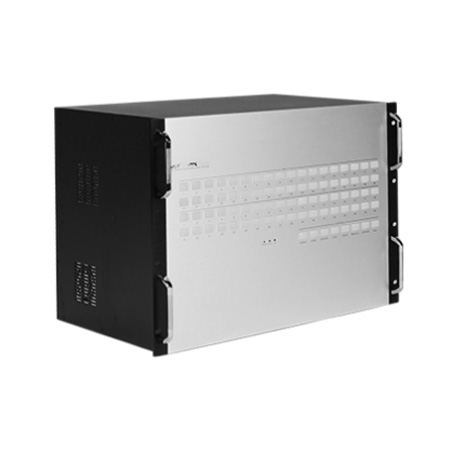 4K Video Matrix Switcher - 36x36
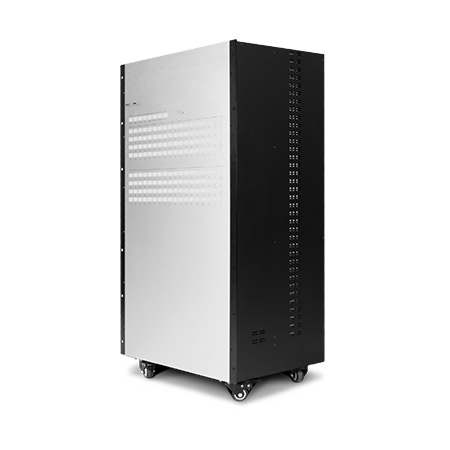 4K Video Matrix Switcher - 72x72
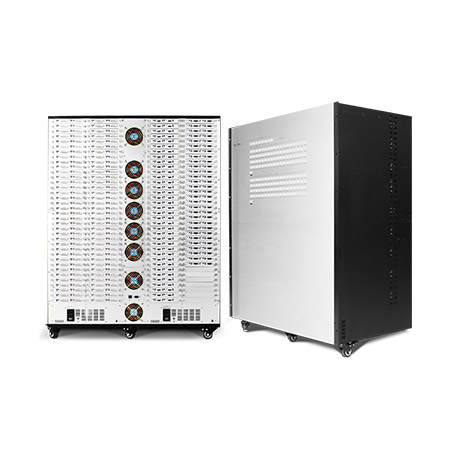 4K Video Matrix Switcher - 144x144
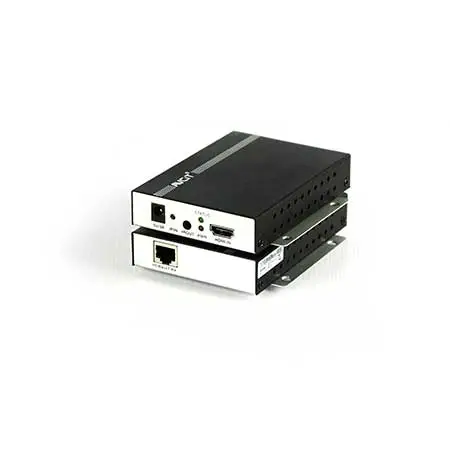 Mixing UHD - 4K HDBT Extender
 Mixing UHD - 4K Fiber Extender
 Rack Mounting Kit
 Wall Mounting Kit
 Conference Server-DP-PL-PC










 EN
EN
 es
es  th
th
Blog
Join us
FAQs

 4K KVM Transmitter-HDMI
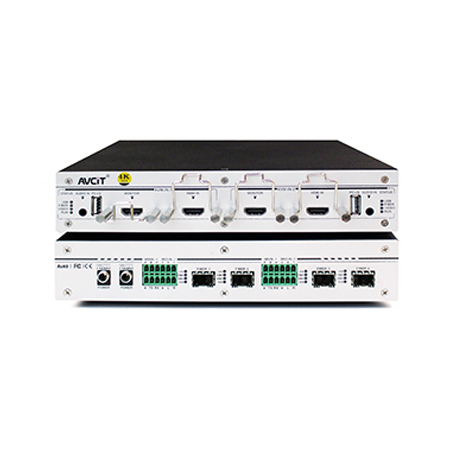 4K KVM Transmitter-HDMI+HDMI LOOP
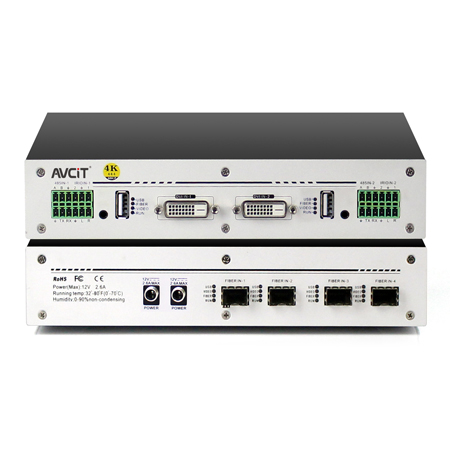 4K KVM Transmitter-DVI
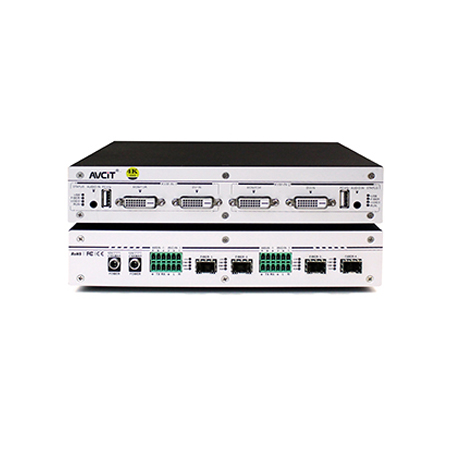 4K KVM Transmitter-DVI+DVI LOOP
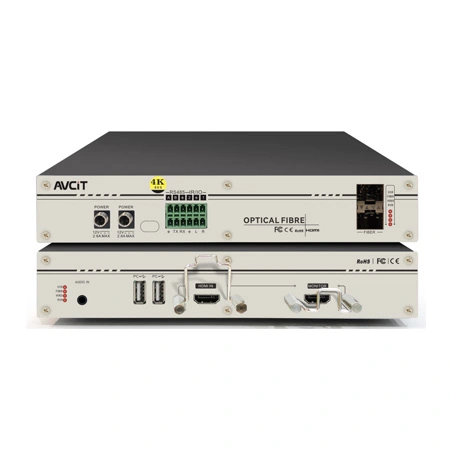 4K60 KVM Transmitter - HDMI
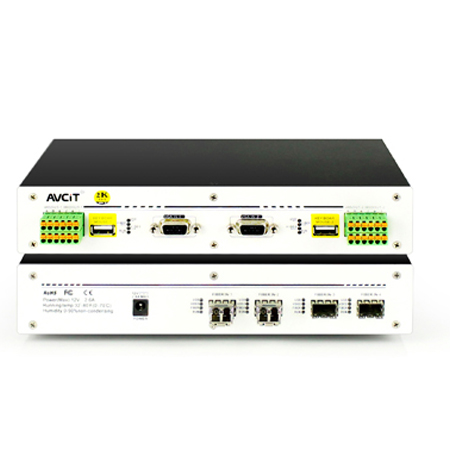 2K KVM Transmitter-VGA
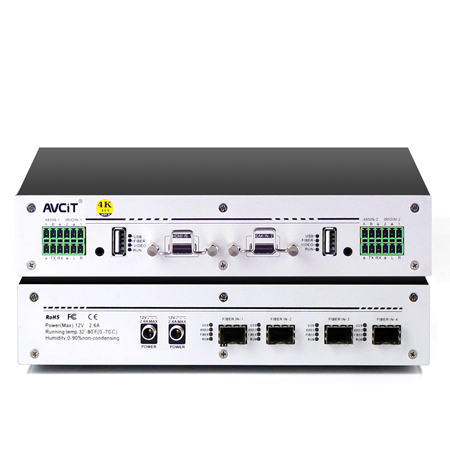 4K KVM Receiver-HDMI
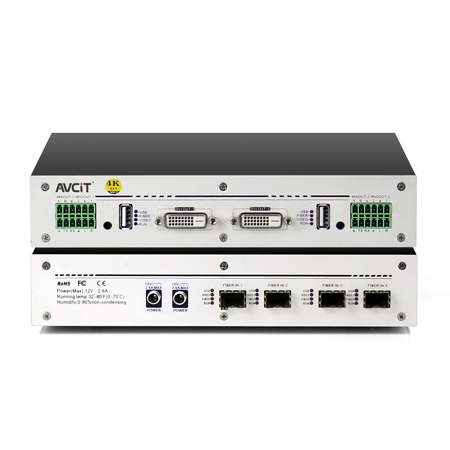 4K KVM Receiver-DVI
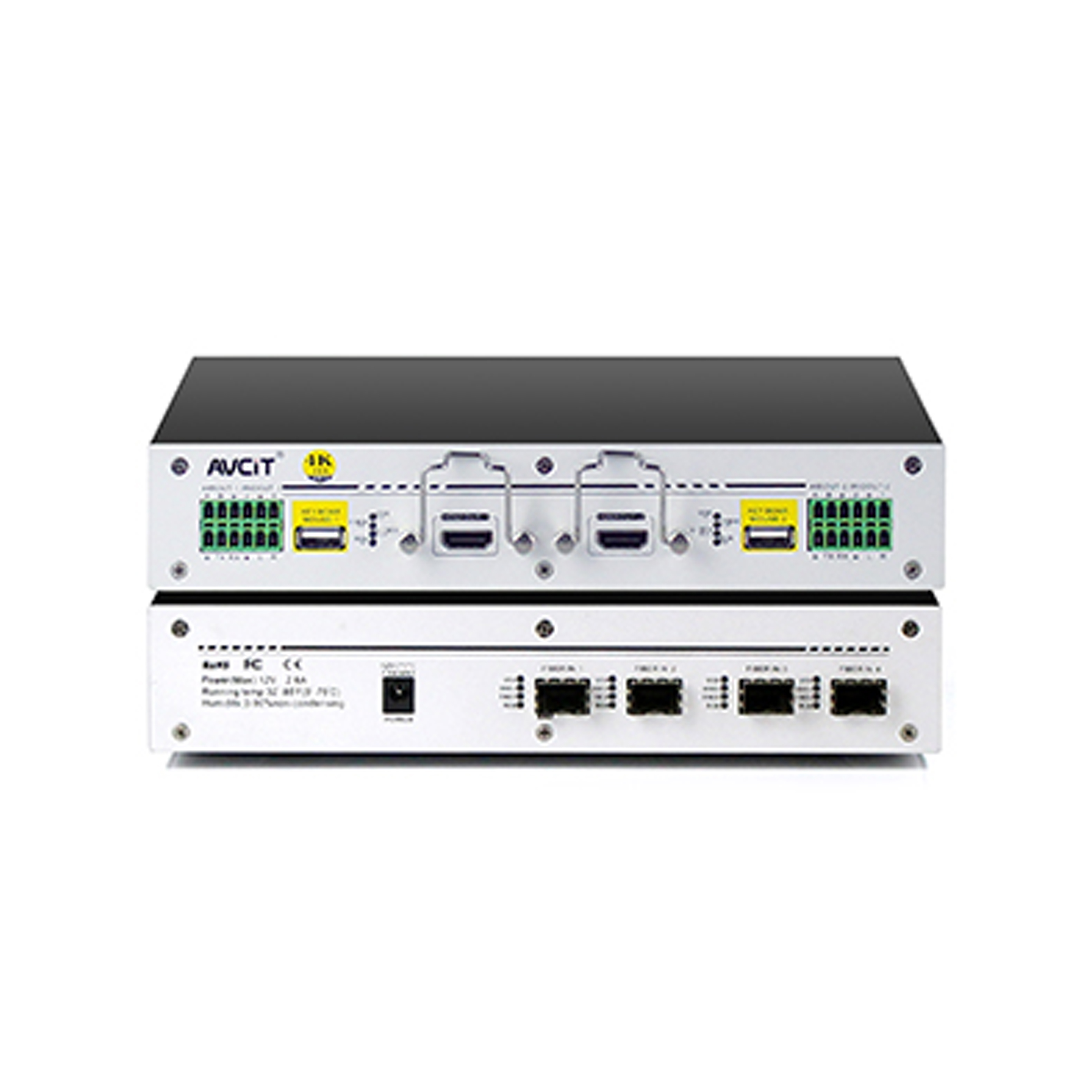 Quad-view KVM Receiver-HDMI
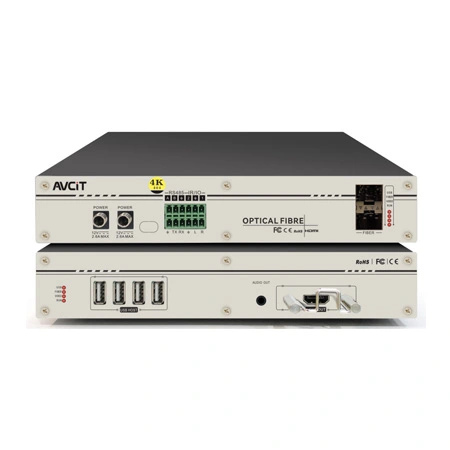 4K60 KVM Receiver - HDMI
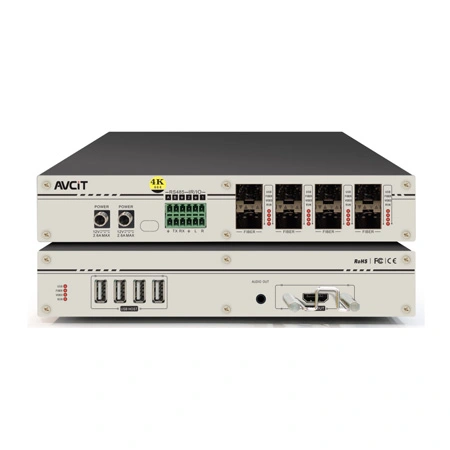 4K60 Quad-view KVM Receiver
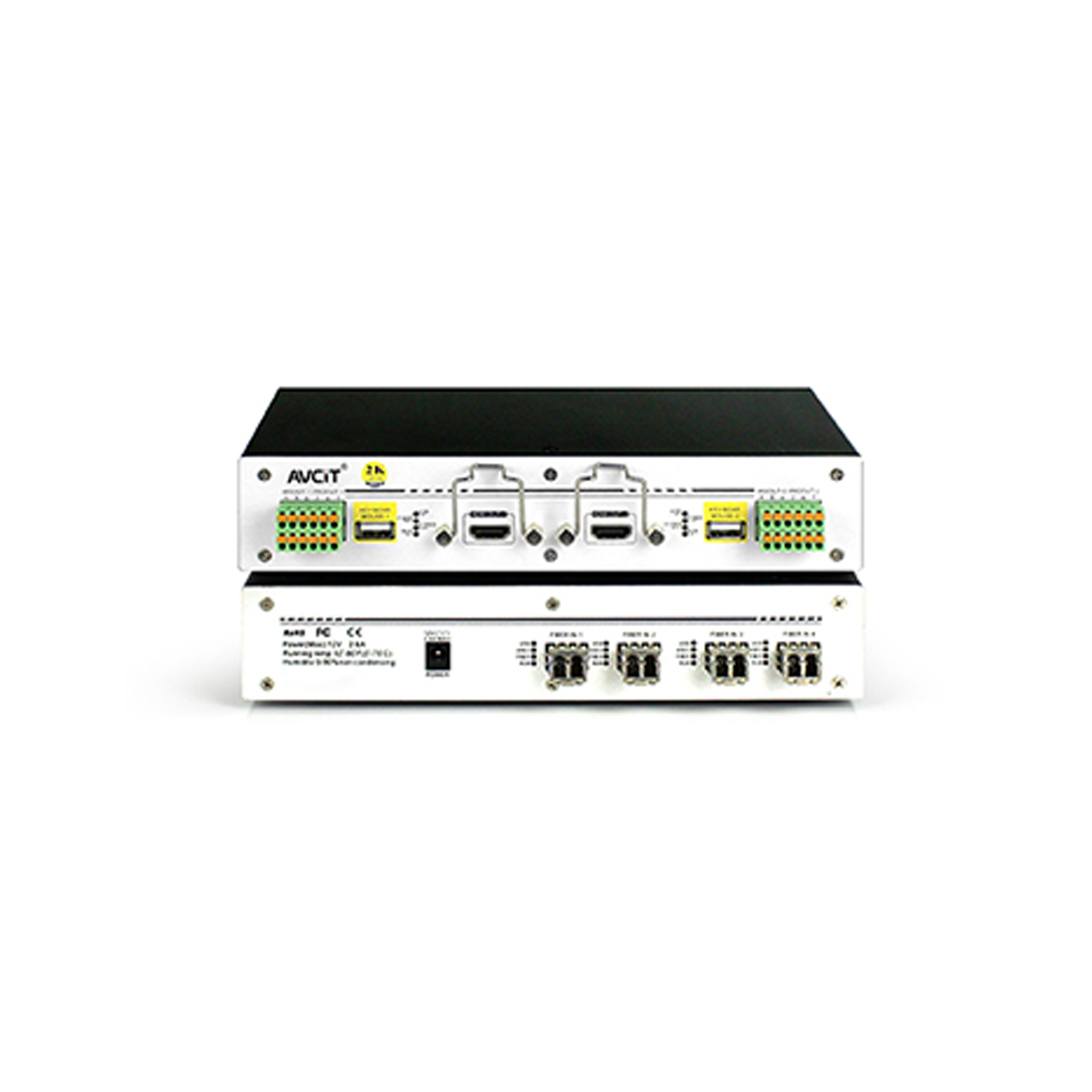 2K KVM Receiver-HDMI
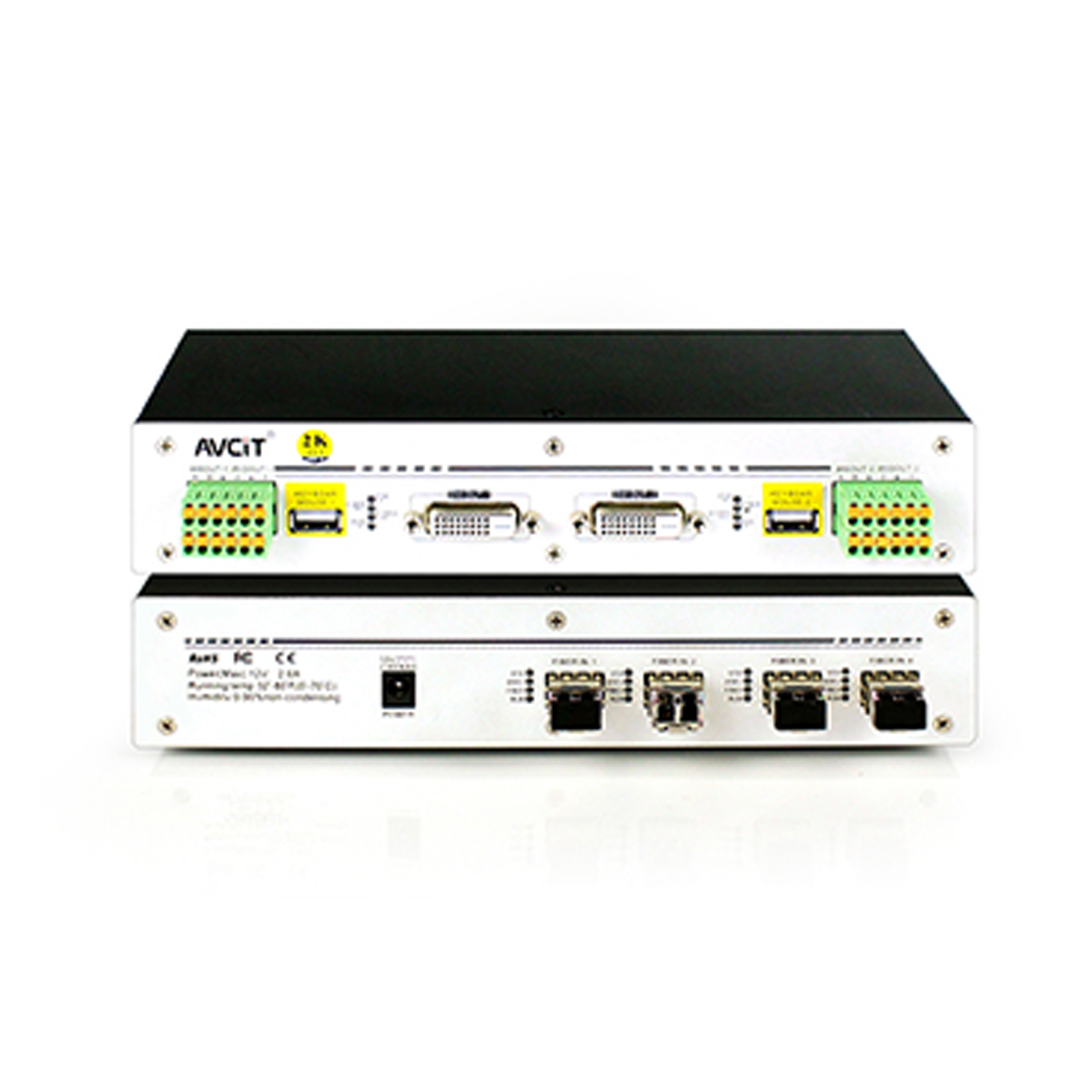 2K KVM Receiver-DVI
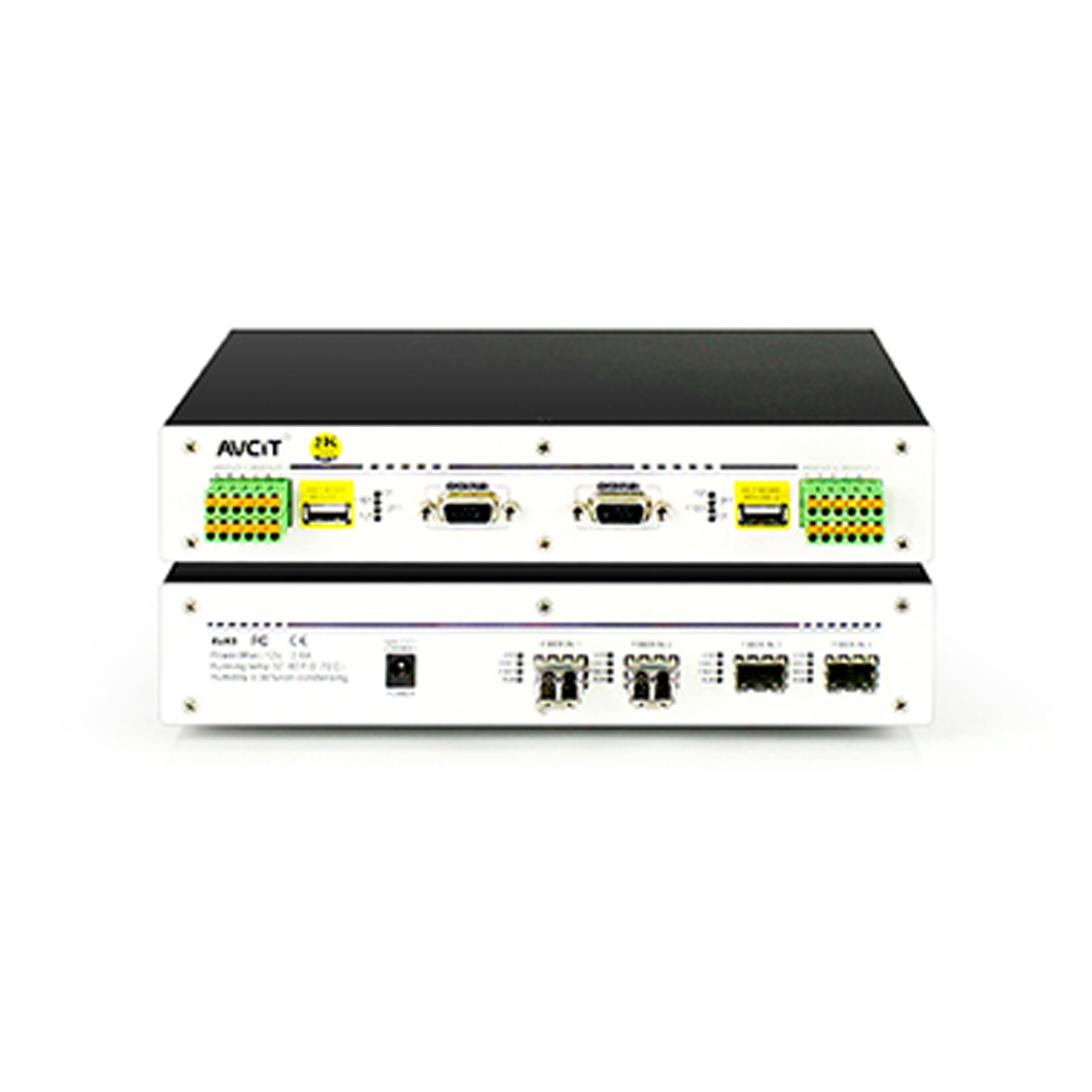 2K KVM Receiver-VGA
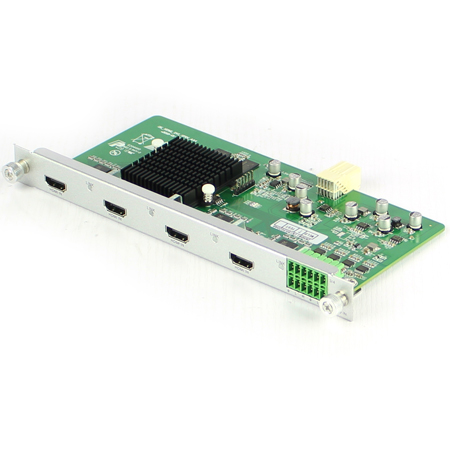 Mixing HD-2K HDMI Input Card
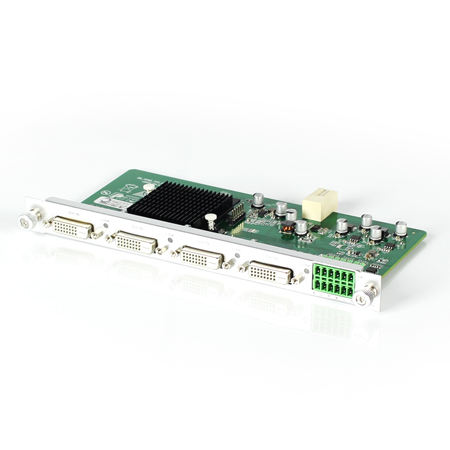 Mixing HD-2K DVI Input Card
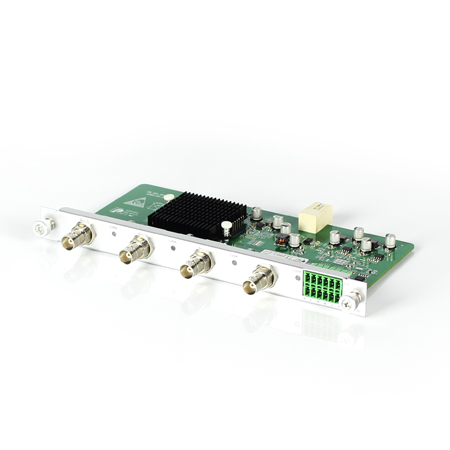 Mixing HD-2K SDI Input Card
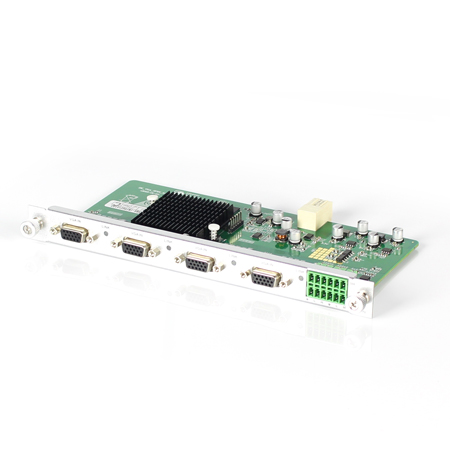 Mixing HD-2K VGA Input Card
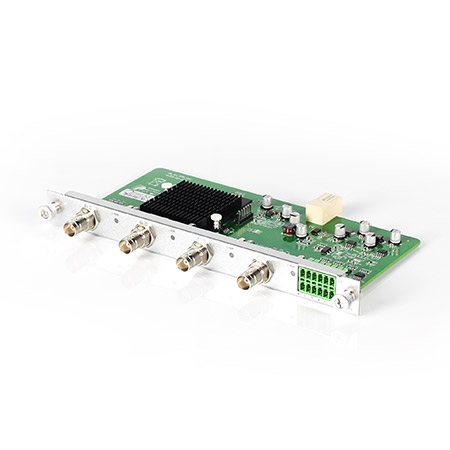 Mixing HD-2K AV Input Card
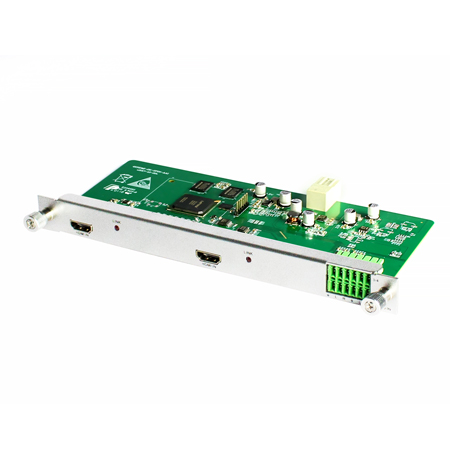 Mixing HD-HDMI UHD Input Card
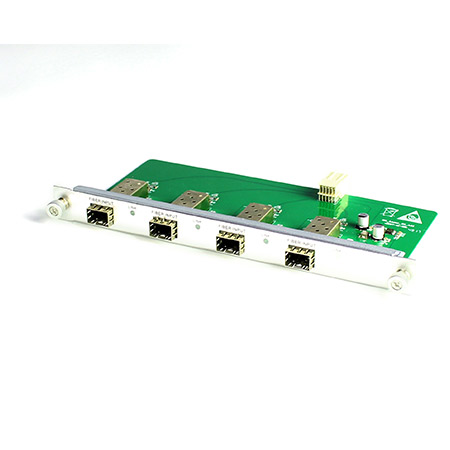 Mixing HD-Fiber Input Card
 Mixing HD-IP Input Card
 Mixing HD-HDMI Output Card
 Mixing HD-DVI Output Card
 Mixing HD-SDI Output Card
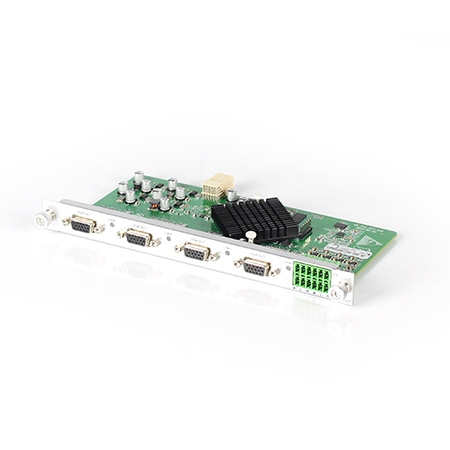 Mixing HD-VGA Output Card
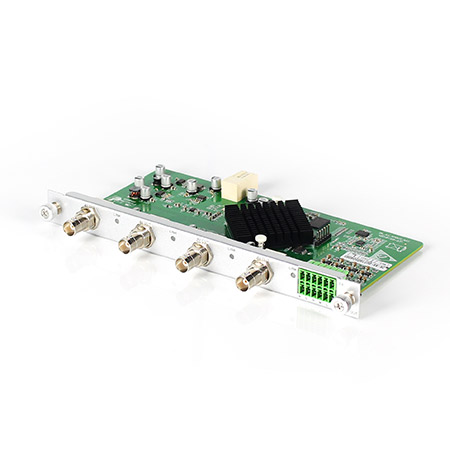 Mixing HD-AV Output Card
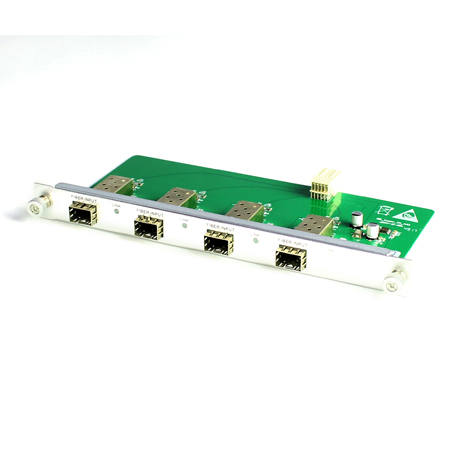 Mixing HD-Fiber Output Card
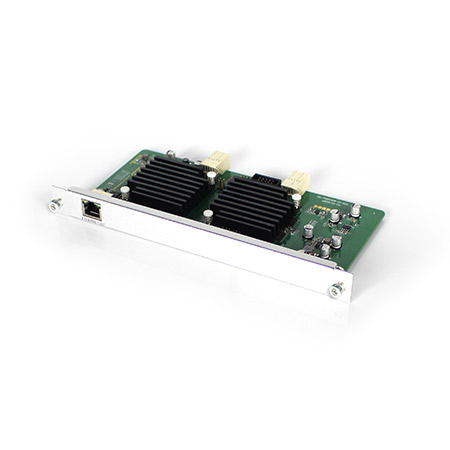 Mixing HD-IP Output Card
Mixing HD-HDMI Video Wall Control Card (2 channel)
Mixing HD-IP Output Card
Mixing HD-HDMI Video Wall Control Card (2 channel)
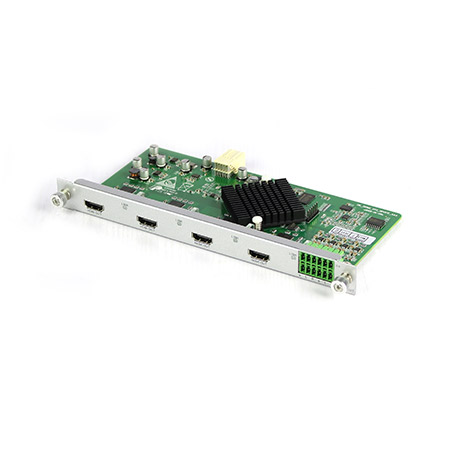 Mixing HD-HDMI Video Wall Control Card (1 channel)
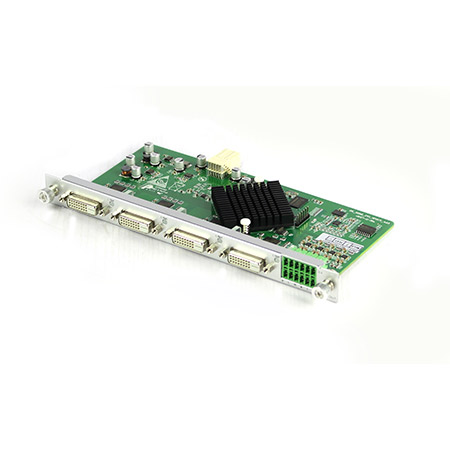 Mixing HD-DVI Video Wall Control Card (2 channel)
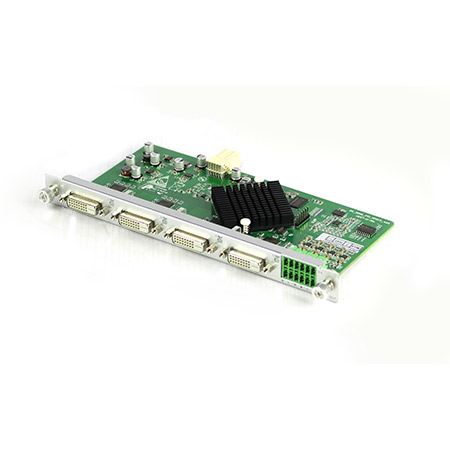 Mixing HD-DVI Video Wall Control Card (1 channel)
 Mixing UHD - HDMI Input Card
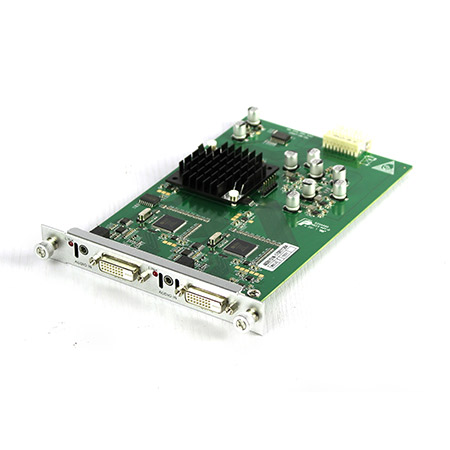 Mixing UHD - DVI Input Card
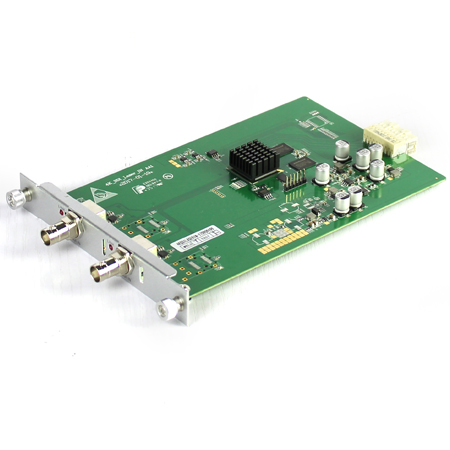 Mixing UHD - SDI Input Card
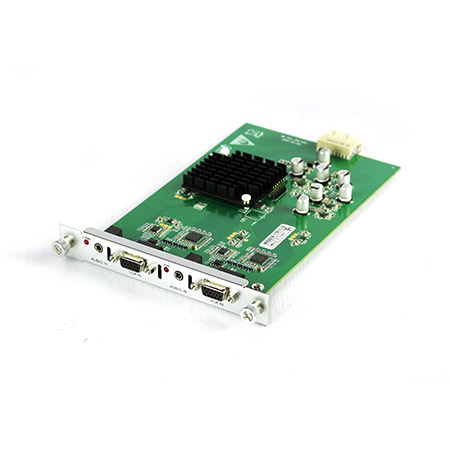 Mixing UHD - VGA Input Card
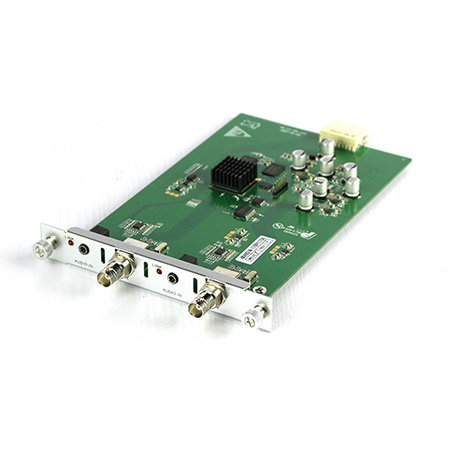 Mixing UHD - AV Input Card
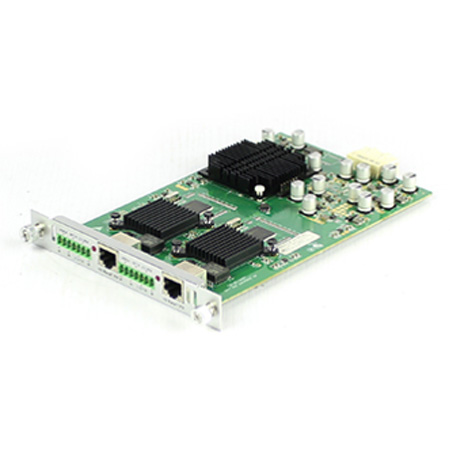 Mixing UHD - HDBT Input Card
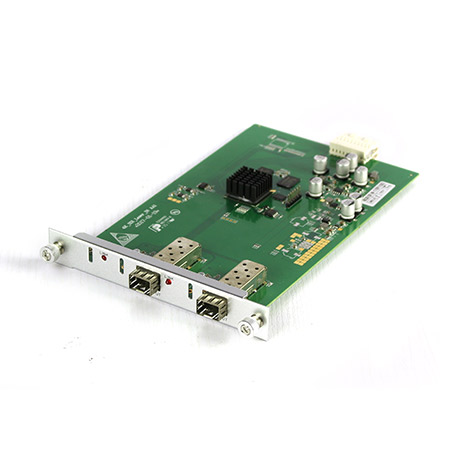 Mixing UHD - Fiber Input Card
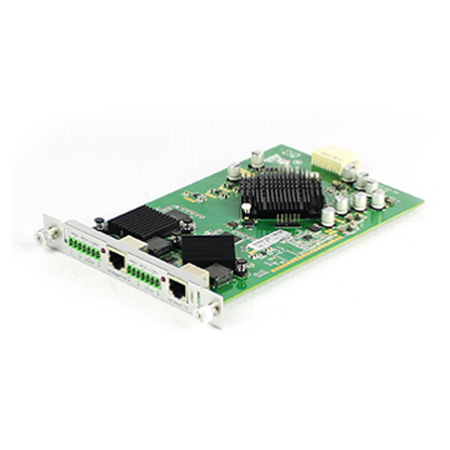 Mixing UHD - HDBT Output Card
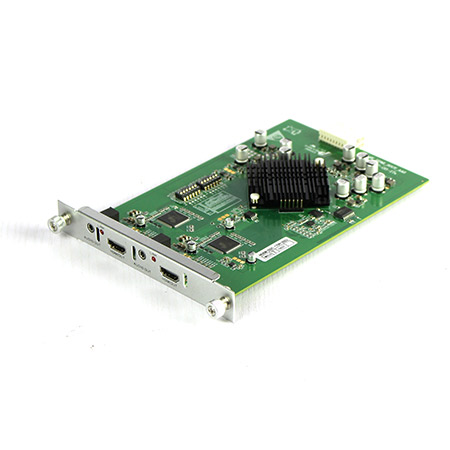 Mixing UHD - HDMI Output Card
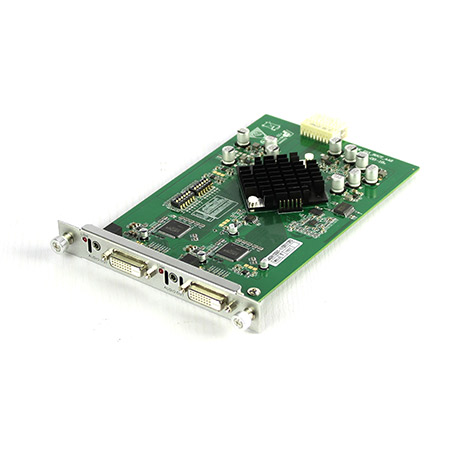 Mixing UHD - DVI Output Card
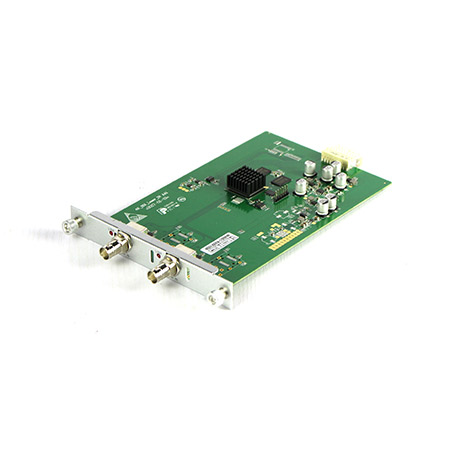 Mixing UHD - SDI Output Card
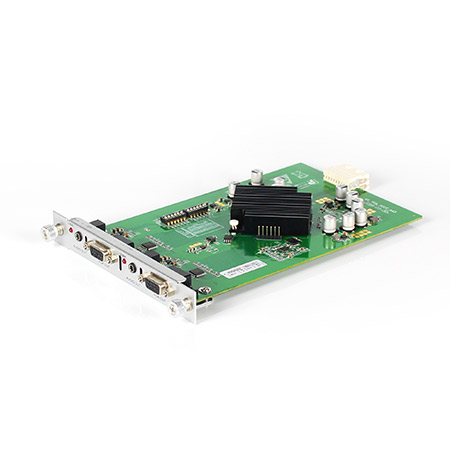 Mixing UHD - VGA Output Card
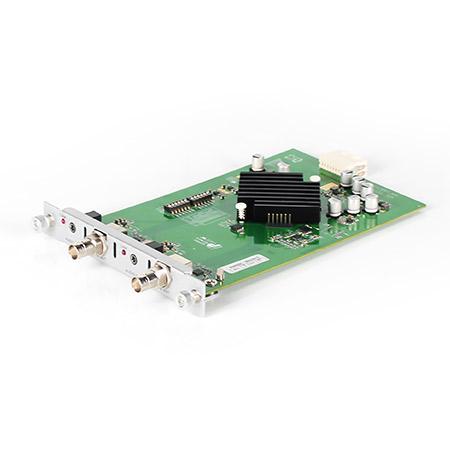 Mixing UHD - AV Output Card
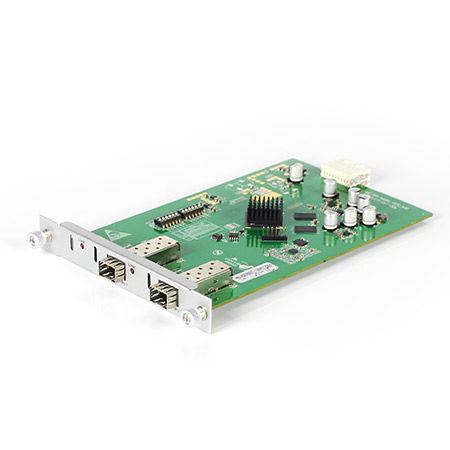 Mixing UHD - Fiber Output Card
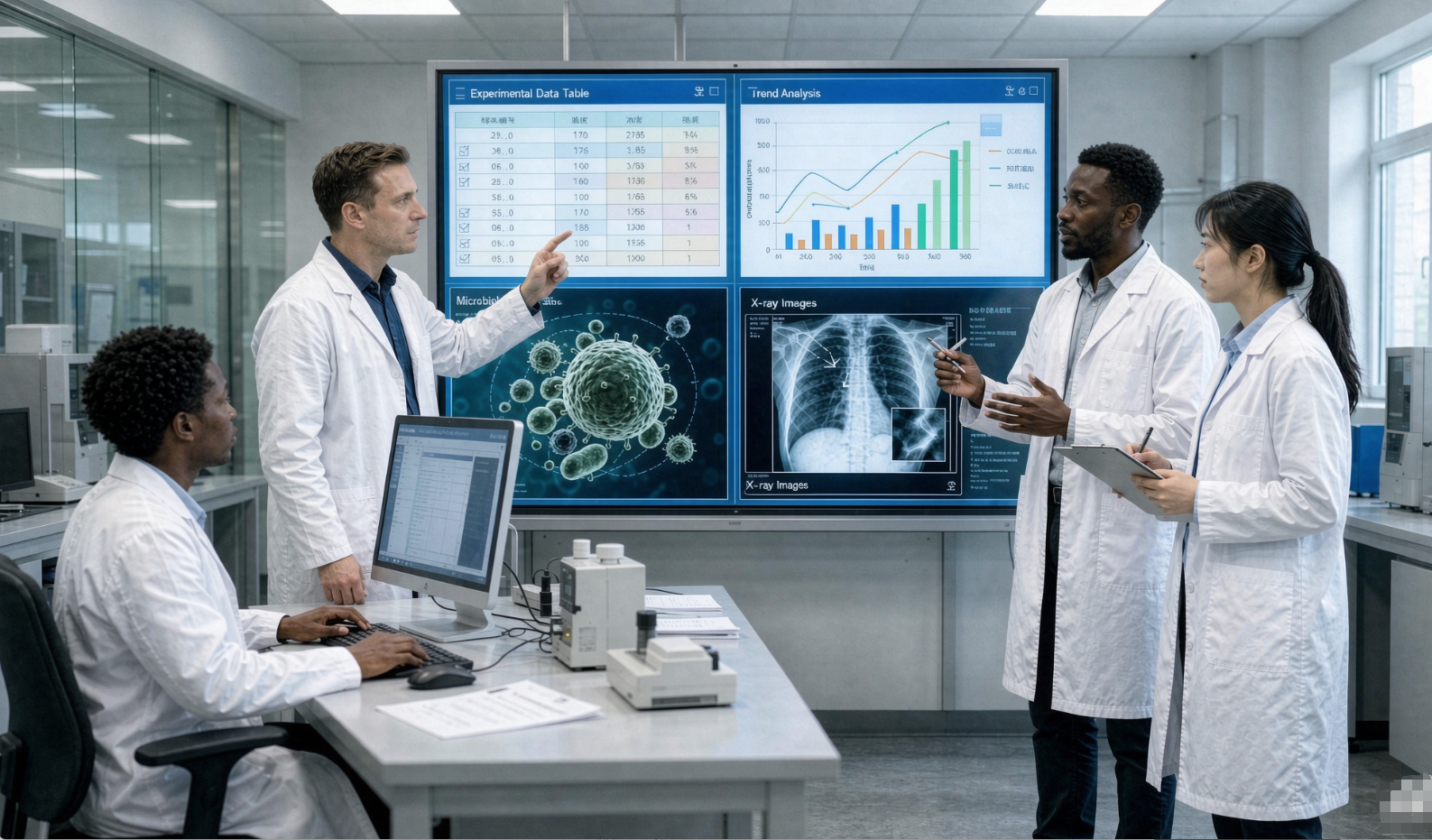
When research teams cannot share the same real-time data view, interpretation slows down when changing results, conditions, or anomalies require rapid judgment.
What will one delayed comparison across specialist teams cause? It's a time-sensitive experimental window to be missed or misread, disrupt experiment continuity, complicate resource allocation, and reduce confidence in decisions made while conditions are still developing. For researchers from multiple disciplines, the challenge is not simply obtaining more data. It is ensuring that the same evidence can be examined, discussed, and acted upon at the critical moment.
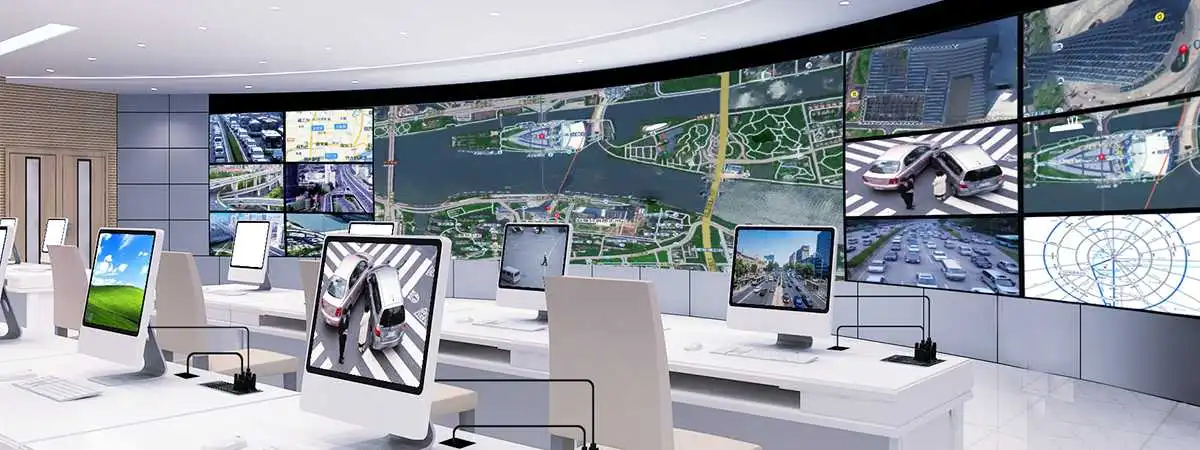
As research programs expand, additional feeds, outputs, datasets, and specialist workstations naturally enter the operating environment. Information may remain available while becoming harder to compare as a unified view. This fragmentation does not indicate that the existing setup has failed. It is a natural consequence of growth and of more disciplines contributing different interpretations to the same experiment.
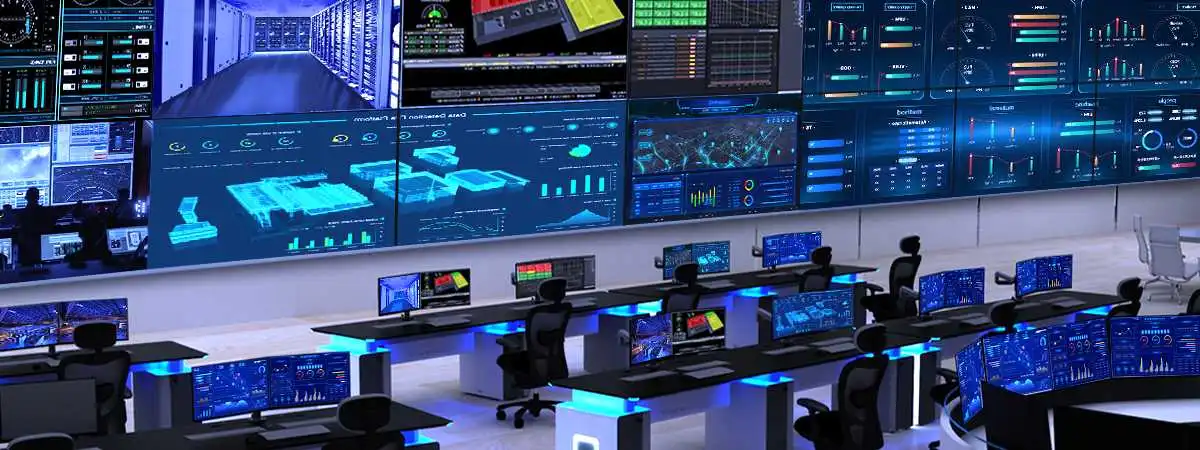
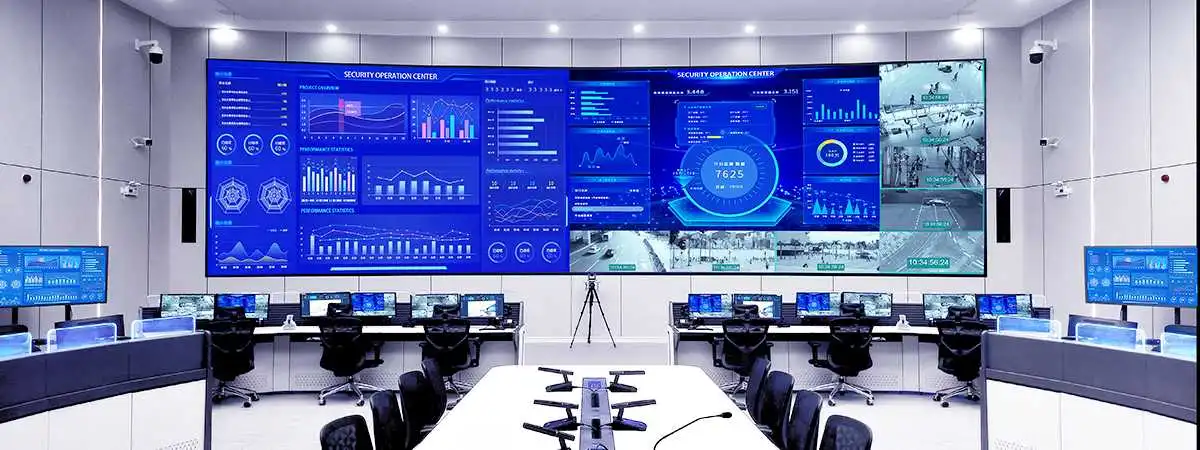
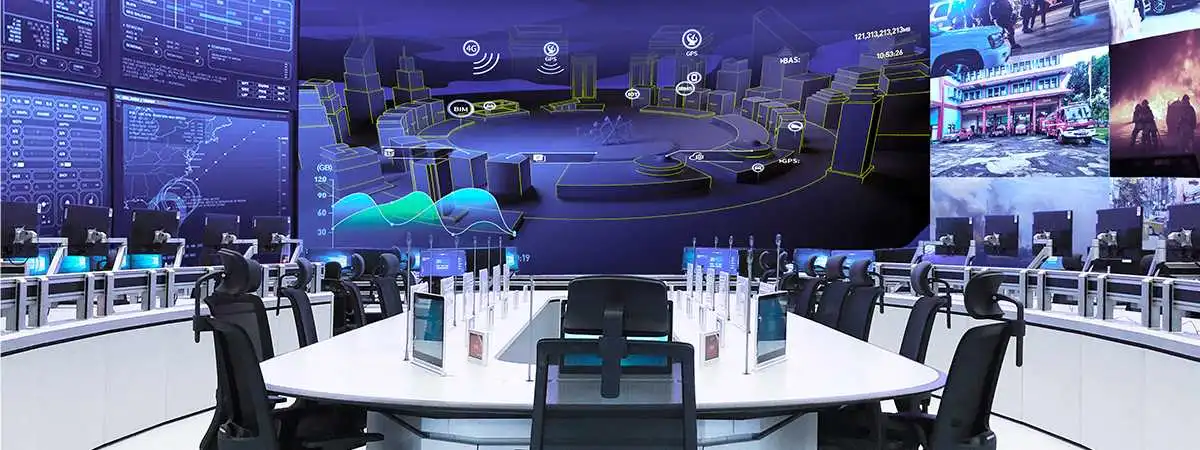
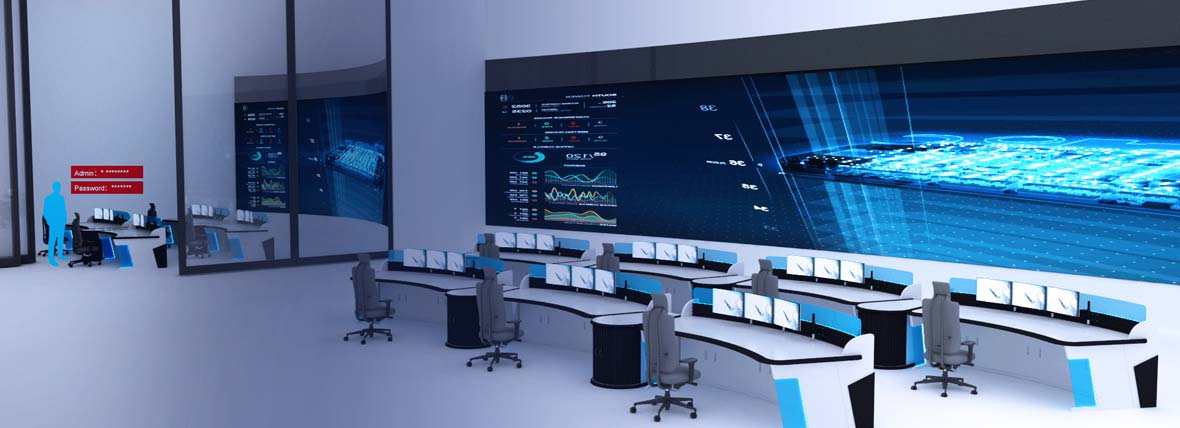
The operating requirement therefore shifts from providing more screens to giving authorized researchers timely access to a shared visual context. That context supports collaborative analysis because each team can examine the same evidence while bringing its own expertise to the interpretation.
Comparison | Traditional Environment | Collaborative Environment |
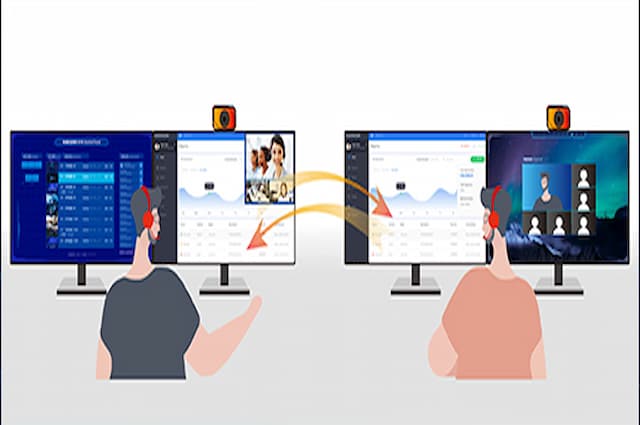
Information Display & Comparison | *harder to compare as a unified view; *each display is an isolated endpoint. | *integrates multiple permitted sources into coordinated views; *visual layer transforms into a common workspace for active analysis. |
Collaboration & Analysis Approach | scattered interpretations and misunderstanding in-betwee | *shared visual context and evidence *collaborative analysis |
System Access & Control | *physically movement between different workstations * long waiting time for routine IT support | *able to share views among different locations *authorized operators can access sources and contorl independently |
Attention & Efficiency | *easy to be distracted *low efficiency during active experiments | *reduce physical movement, keeping attention focused on changing data *maintain momentum during time-sensitive work |
Concurrent research becomes harder when different disciplines need separate datasets while still requiring a common basis for interpretation. The operating model must support parallel work without dividing the team into disconnected visual environments.
AVCiT's decentralized architecture addresses this requirement by spreading the work across the system rather than routing everything through one machine. Nothing depends on a single central server, so several teams can pull different datasets at the same time without competing for the same resource. Each discipline continues its own analysis while the wider group keeps the shared context required for coordinated interpretation.
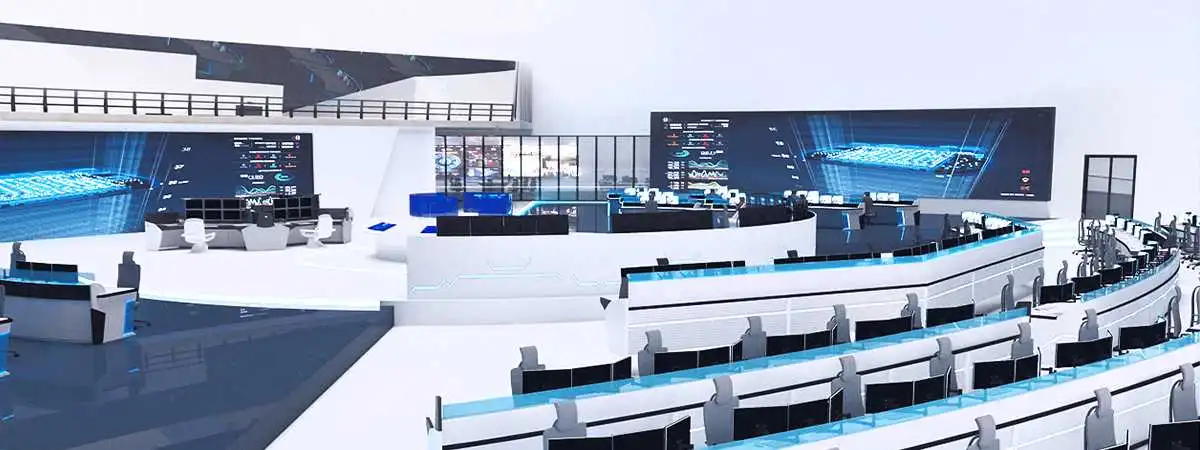
Preset recall allows one shared display environment to serve several lines of work without being reconfigured between them. Layouts can be saved in advance, so teams move between preparation, active experimentation, anomaly review, and shift handover in seconds rather than rebuilding the view each time. In a multidisciplinary setting, the same screens must support different specialist needs across a single experiment. A familiar arrangement also helps incoming researchers understand what is being examined without reconstructing context from the beginning.
The same principle applies when the team itself is distributed. Built-in conferencing extends the working context across sites or time zones, so remote specialists can discuss the same dataset within the same visual environment rather than relying on separately explained screenshots or disconnected displays. The practical result is a more direct connection between specialist interpretation and the evidence under review.
Large national laboratory command environments are not the only research settings that need coordinated access and visualization. Compact, space-constrained operations can face the same challenge, with several disciplines, workstation types, and operating areas contributing to one research mission.
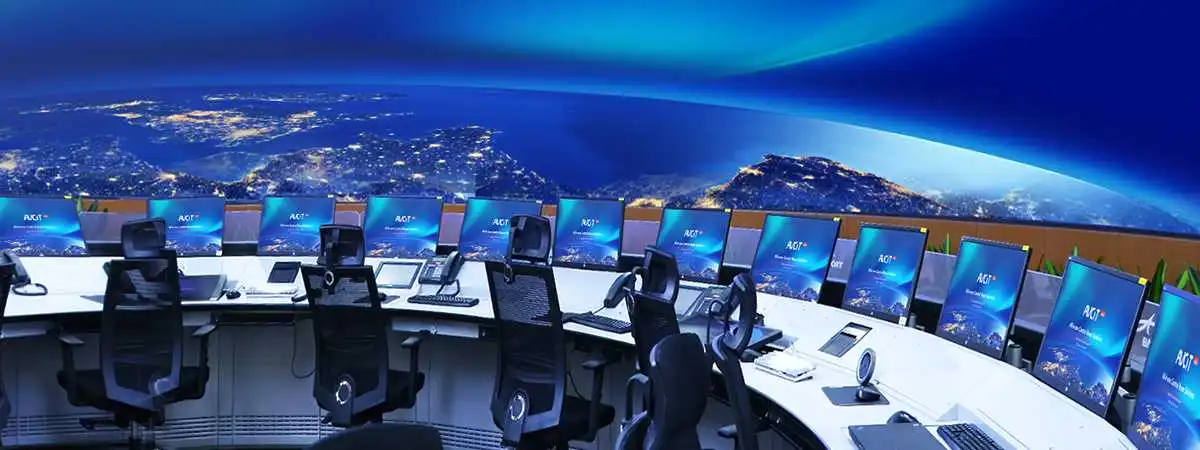
The same KVM and video wall architecture operates aboard the research vessel Jákup Sverri, spanning the command, conference, lab, and IT equipment rooms within a 177-foot (54-meter) vessel. This deployment places distinct working areas inside one coordinated environment even though physical space and workstation locations remain limited.
A single system integrates radar, weather, positioning, CCTV, and navigation software without requiring separate infrastructure for each source. Operators can therefore work with different source types through a common architecture rather than treating every workstation category as an isolated system.
The deployment demonstrates that the architecture can scale down as well as up. Its value is not limited to large, fixed control rooms. It can also support compact multidisciplinary environments where access flexibility, shared interpretation, and efficient use of space must coexist.
The practical measures for a growing research operation are interpretation speed, access flexibility, and research continuity. More screens or source systems do not automatically improve any of these measures. Improvement comes from making relevant evidence accessible to the right specialists while preserving a shared view of what is happening.
Considered in this way, KVM and video wall control is not simply a monitoring or display tool. It is operational infrastructure for the way research teams interpret data together. Coordinated visualization helps specialists compare evidence, concurrent access supports parallel analysis, and repeatable layouts allow the working context to follow the experiment from preparation through review and handover.
AVCiT fits into this operational gap by providing shared data access without tying expertise or decision-making to any single workstation. The architecture gives research teams a common visual layer while allowing authorized specialists to reach and control the sources relevant to their work. As research activity grows more multidisciplinary and distributed, that combination supports faster interpretation without sacrificing the continuity needed for confident decisions.
Contact the AVCiT team to learn more about AVCiT's KVM and Video Wall Controller can support your research operations.