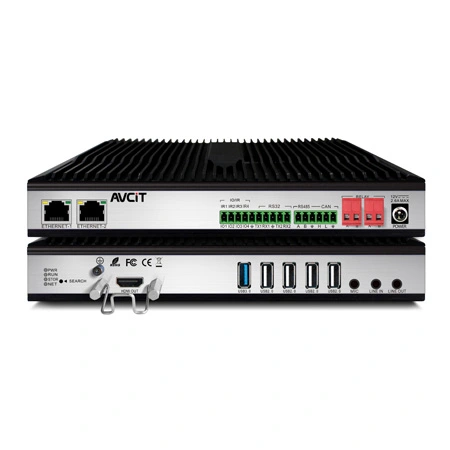
 AIVC-16CH AI BOX
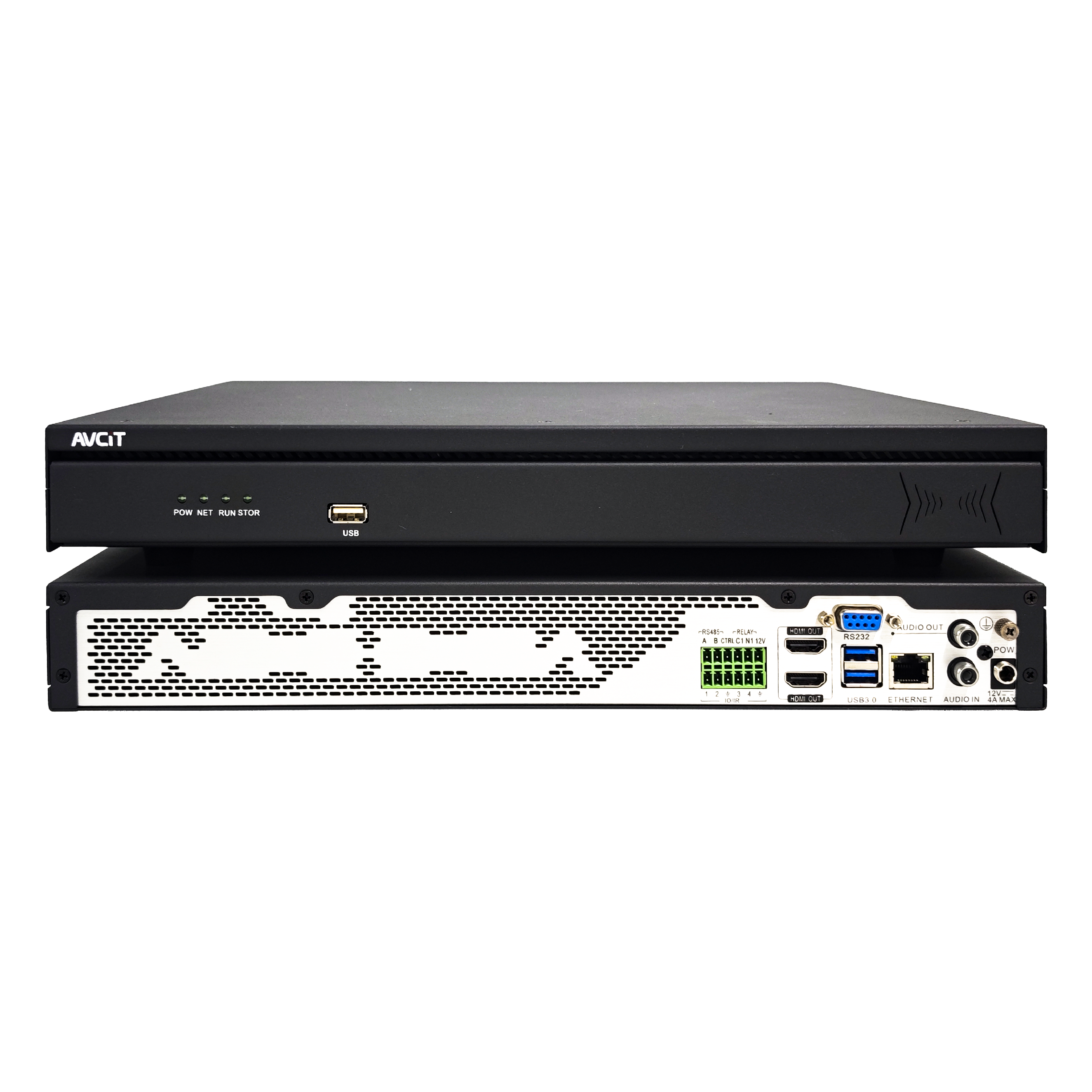 32CH CSN AI NVR
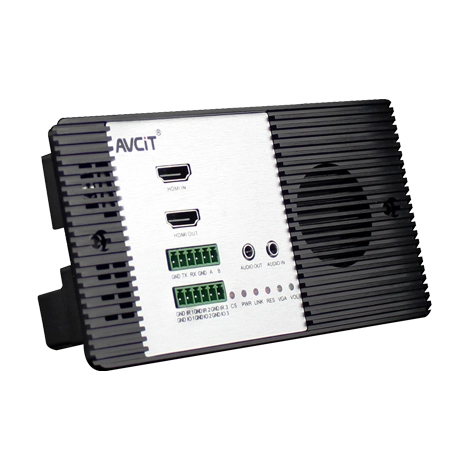
 2K HDMI Video Codec
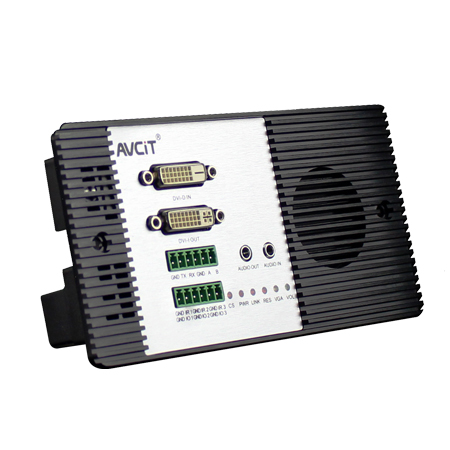
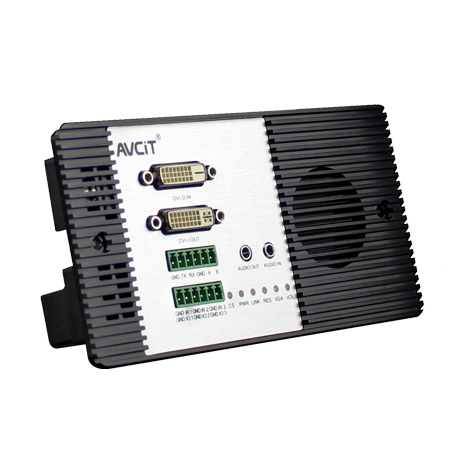 2K DVI Video Codec
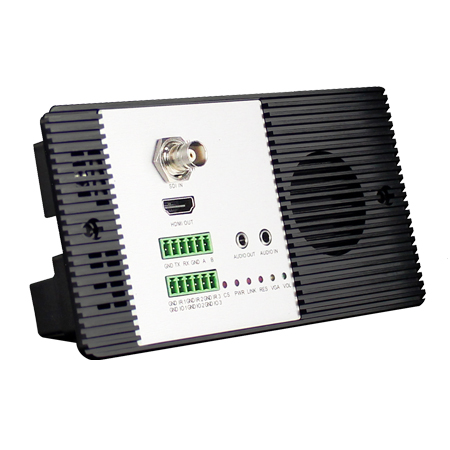 2K SDI Video Codec
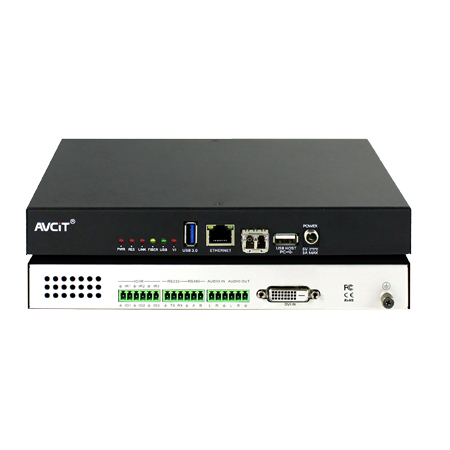 2K HDMI Video Encoder
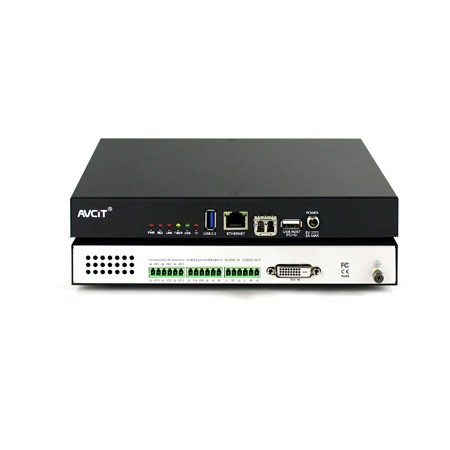 2K DVI Video Encoder
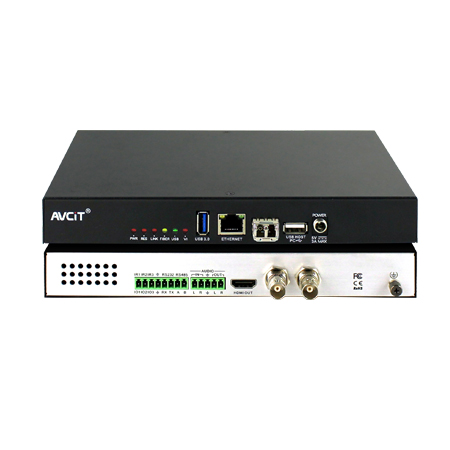 2K SDI Video Encoder
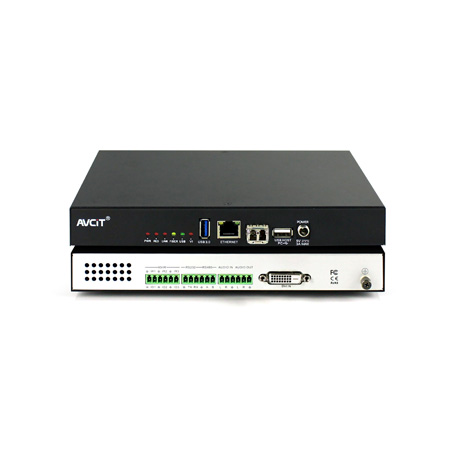 2K VGA Video Encoder
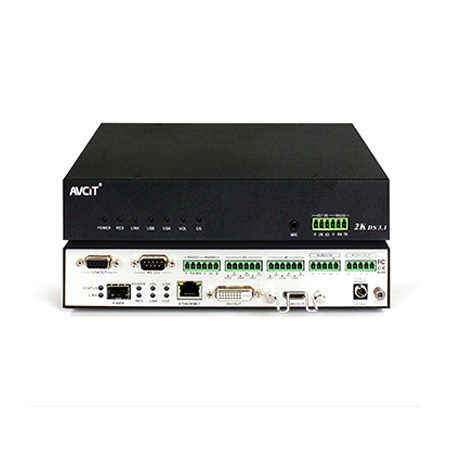 2K Video Wall Decoder (HDMI+DVI)
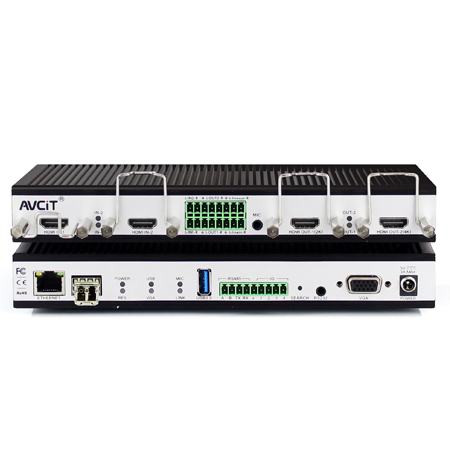 4K HDMI Video Encoder
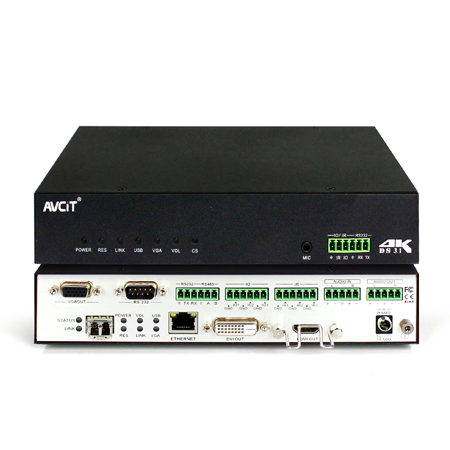 4K HDMI Video Decoder
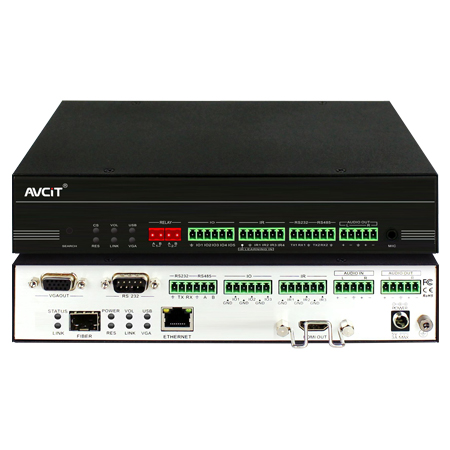 4K HDMI Video Wall Decoder
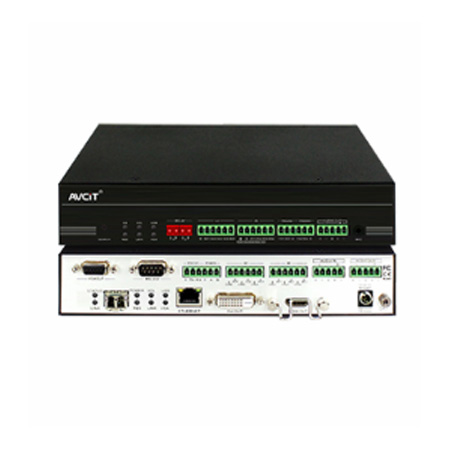 4K HDMI + DVI Video Wall Decoder
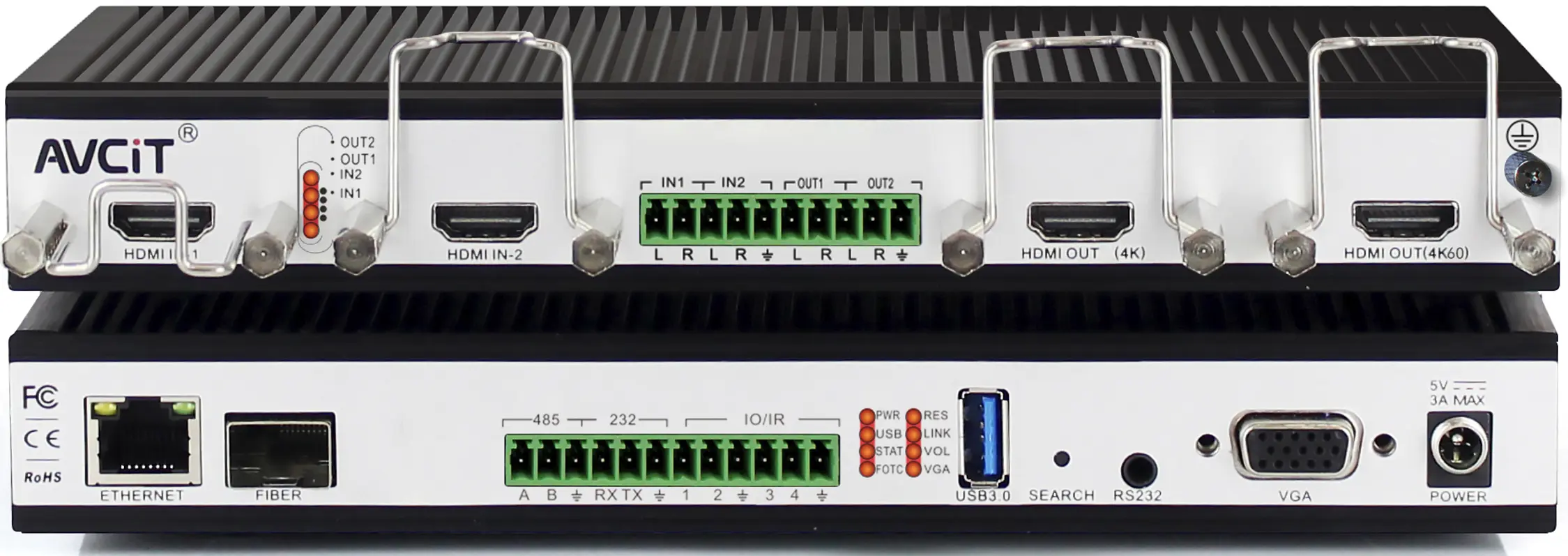 4K HDMI Dual Channel Codec
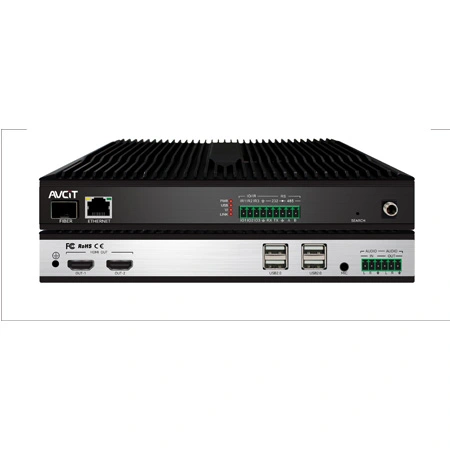 8K HDMI Decoder
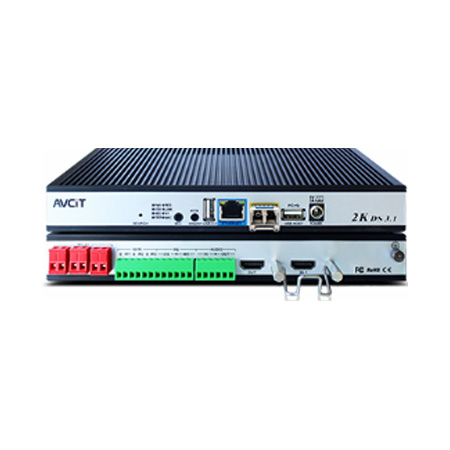 2K KVM Encoder - HDMI
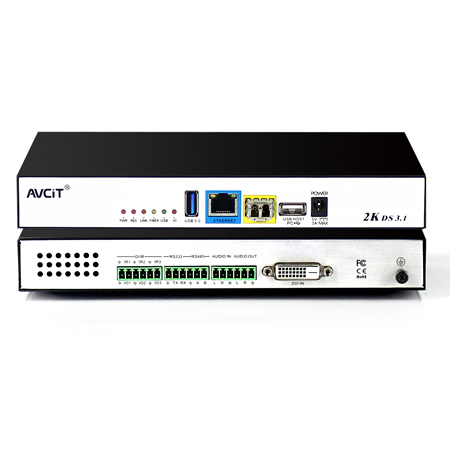 2K KVM Encoder - DVI
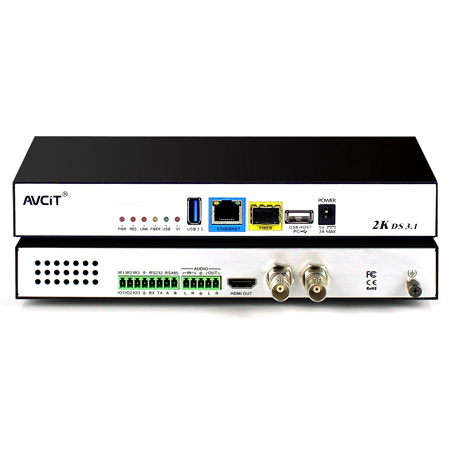 2K KVM Encoder - SDI
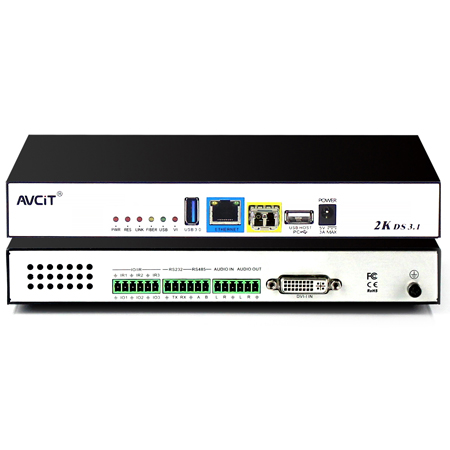 2K KVM Encoder - DVI-I(VGA)
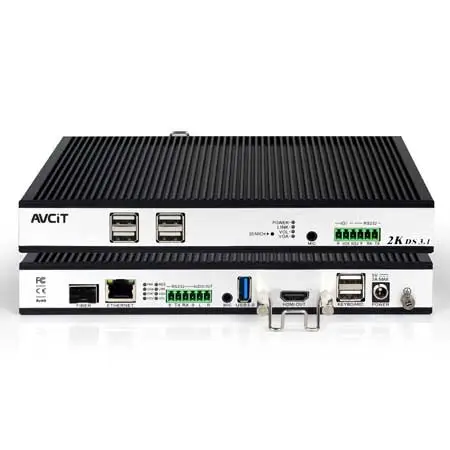 2K KVM Decoder - HDMI
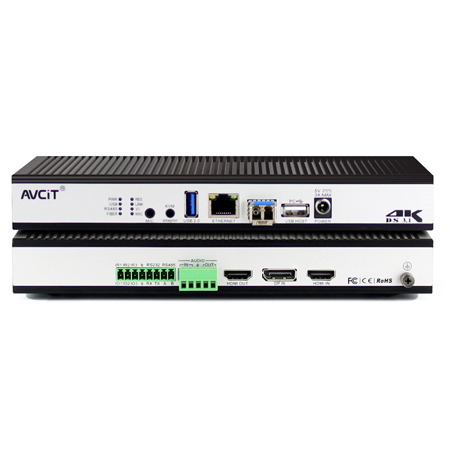 4K KVM Encoder - HDMI + DP
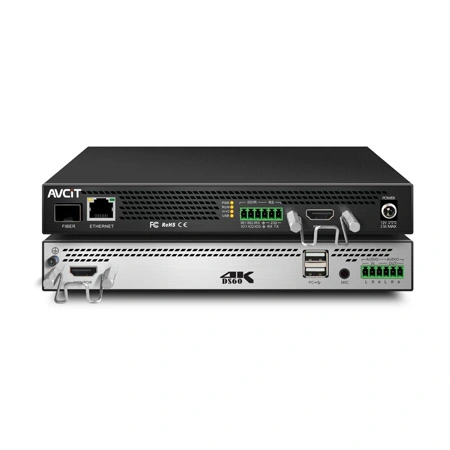 4K@60 KVM Encoder - HDMI
 4K KVM Encoder - HDMI + HDMI
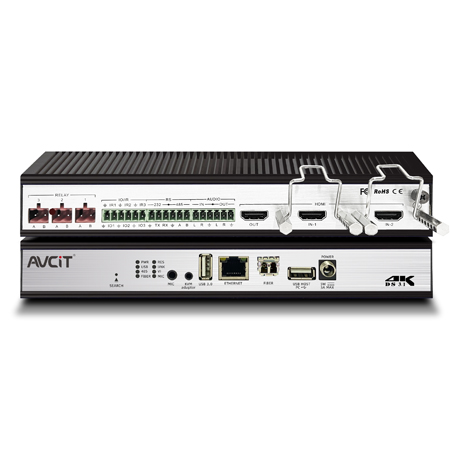 4K KVM Encoder - HDMI
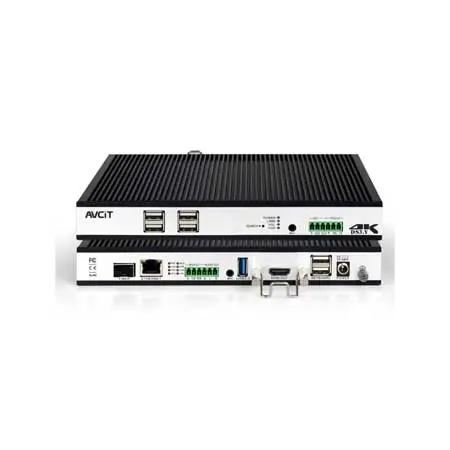 4K KVM Decoder - HDMI
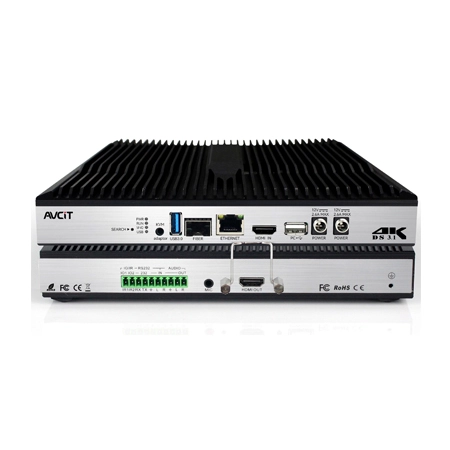 4K60 4:4:4 KVM Encoder - HDMI
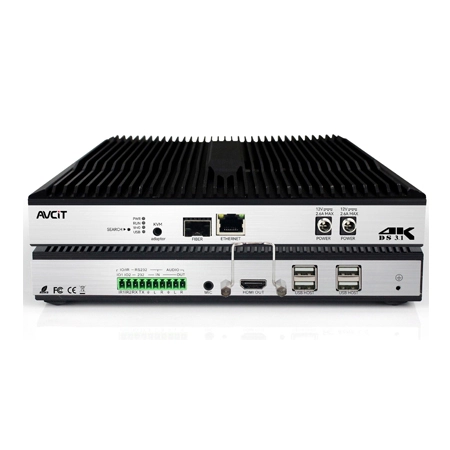 4K60 4:4:4 KVM Decoder-HDMI
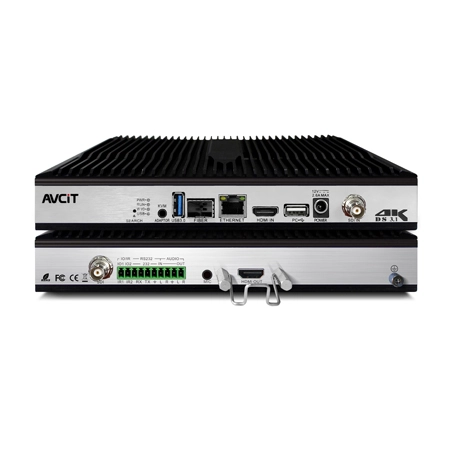 4K60 4:4:4 KVM Encoder - HDMI + SDI
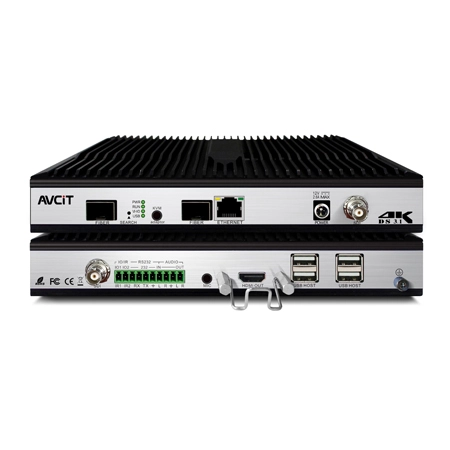 4K60 4:4:4 KVM Decoder - HDMI + SDI
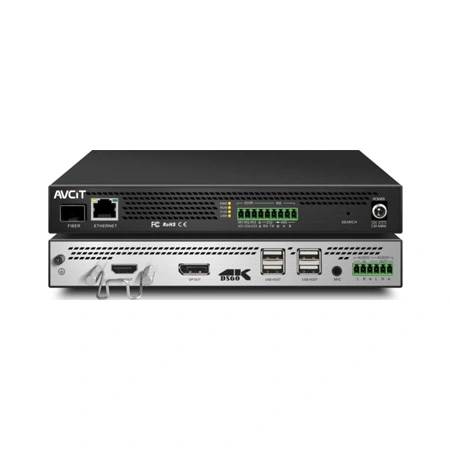 5K KVM Decoder - HDMI +DP
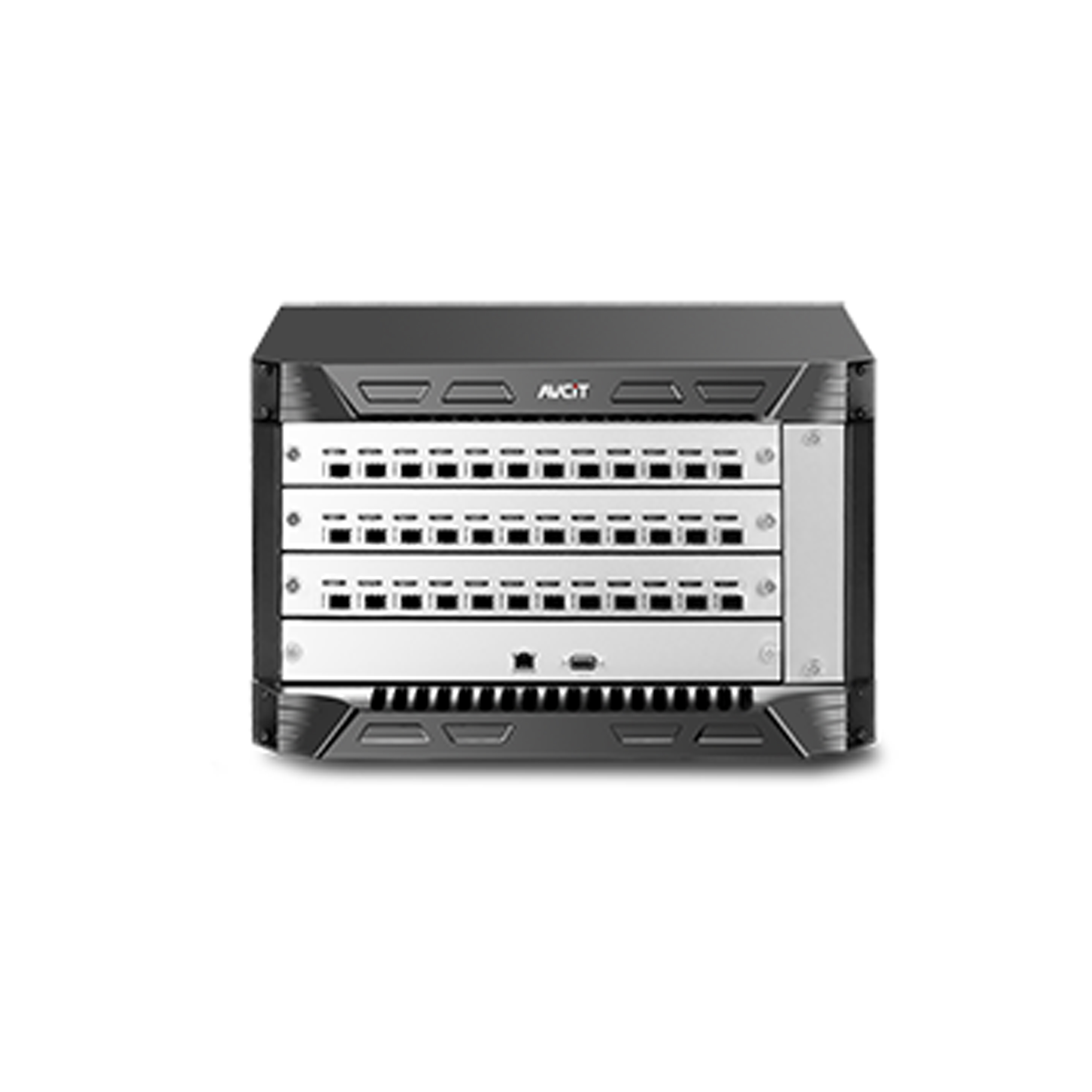 Phinx-36 Ports Fiber KVM Matrix
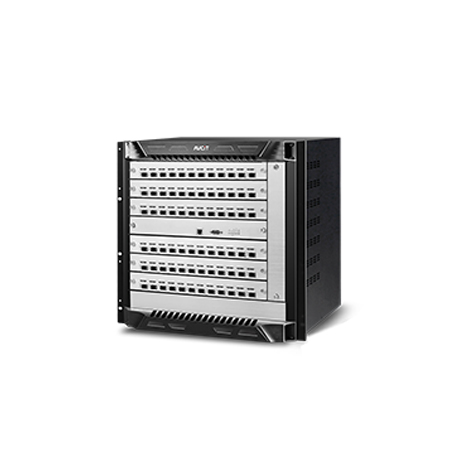 Phinx-72 Ports Fiber KVM Matrix
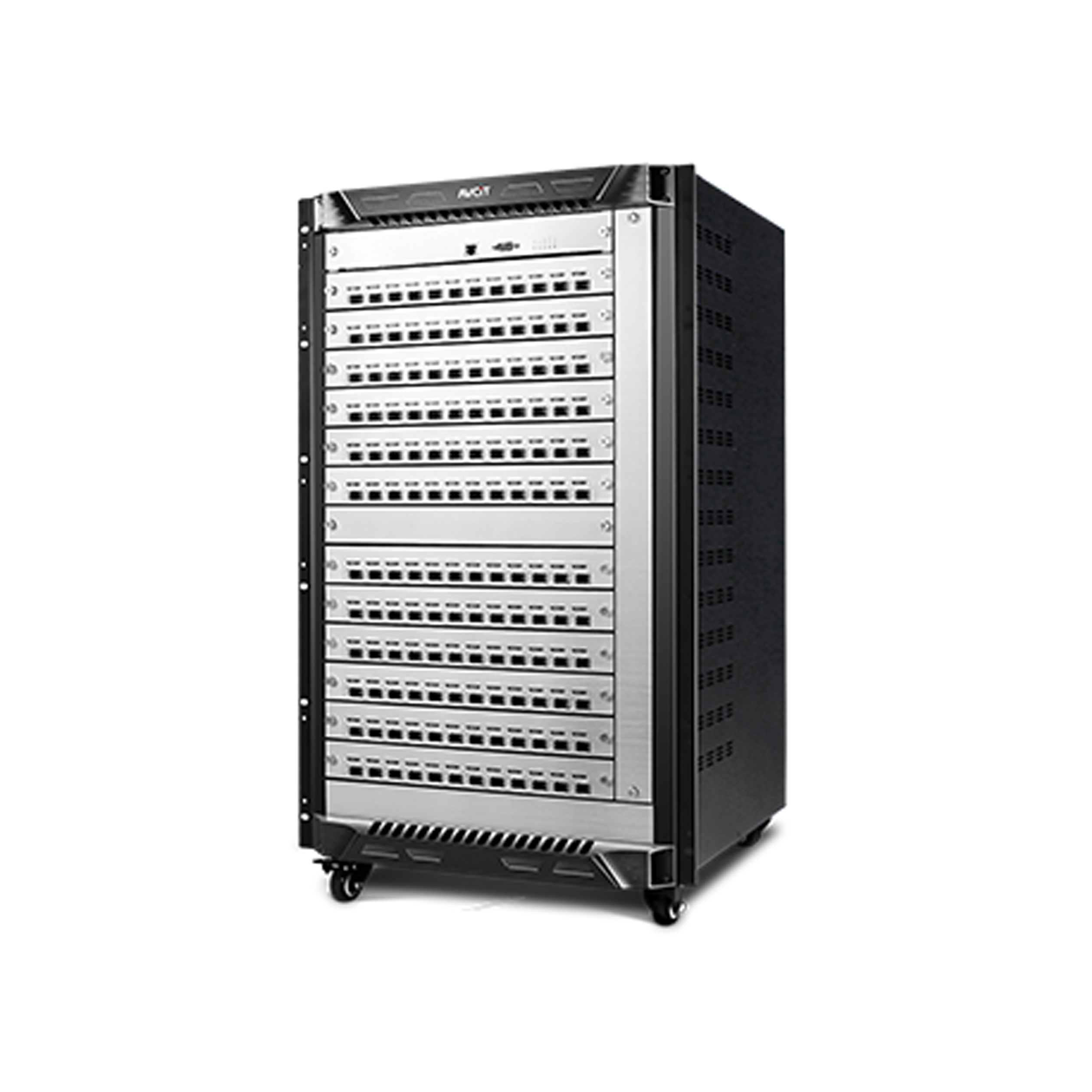 Phinx-144 Ports Fiber KVM Matrix
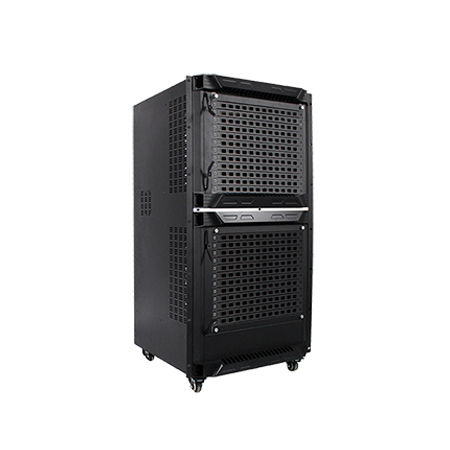 Phinx-288 Ports Fiber KVM Matrix
 Phinx-576 Ports Fiber KVM Matrix
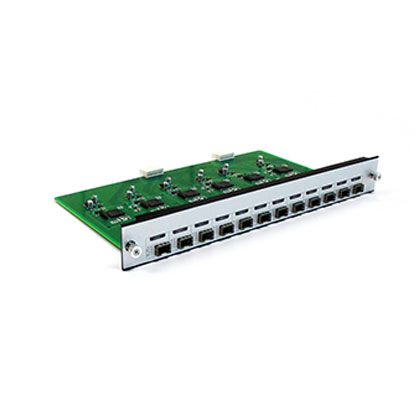 Phinx - I/O SFP Module Card
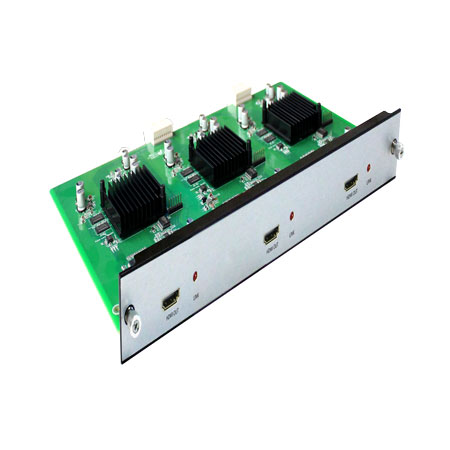 Phinx - Video Wall Control Card
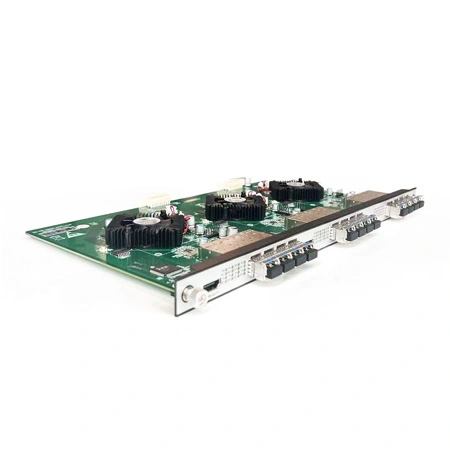 Phinx- Video Wall & SFP Card
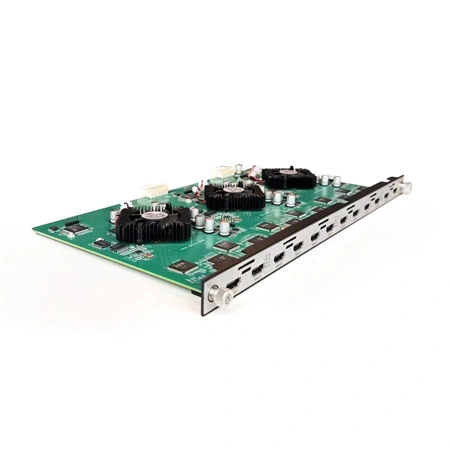 Phinx- Video Card(6IN6OUT)
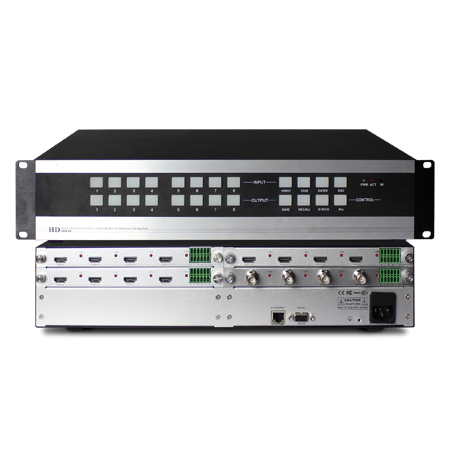 2K Video Wall Matrix - 8x8
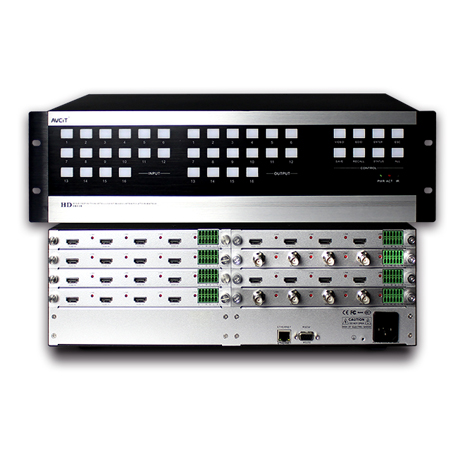 2K Video Wall Matrix - 16x16
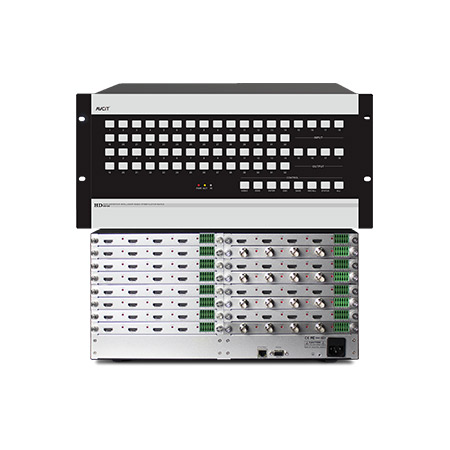 2K Video Wall Matrix - 32x32
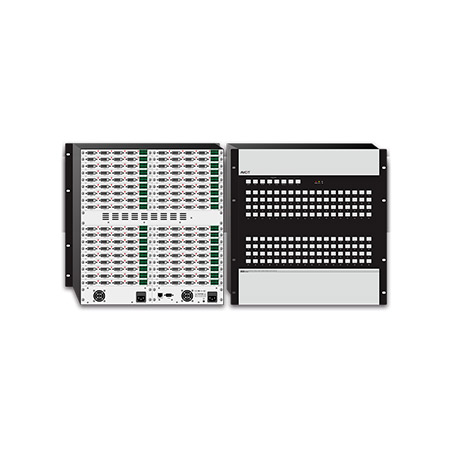 2K Video Wall Matrix - 72x72
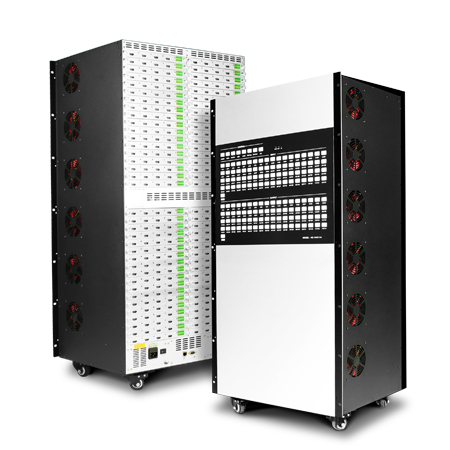 2K Video Wall Matrix - 144x144
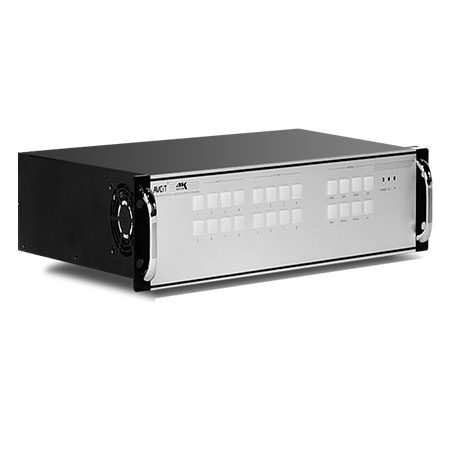 4K Video Matrix Switcher - 8x8
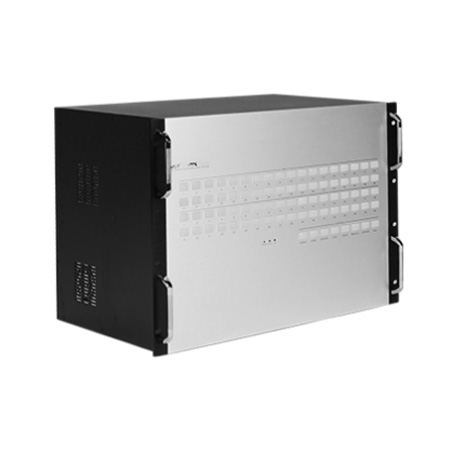 4K Video Matrix Switcher - 36x36
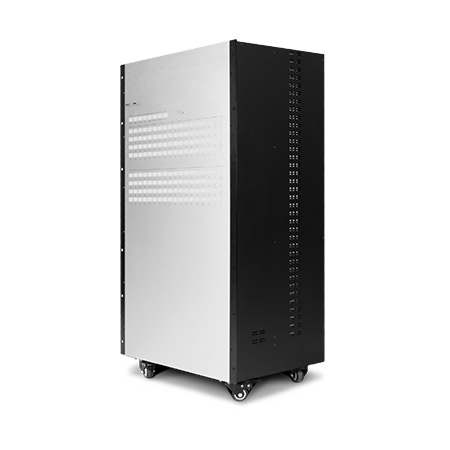 4K Video Matrix Switcher - 72x72
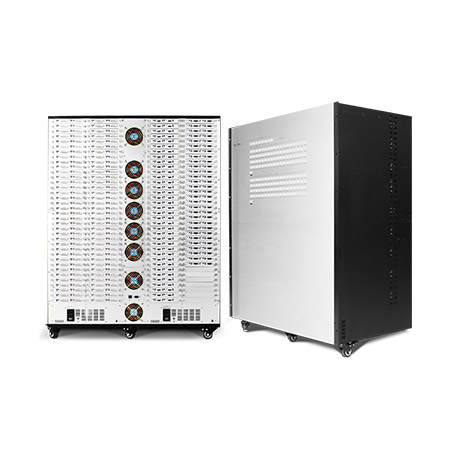 4K Video Matrix Switcher - 144x144
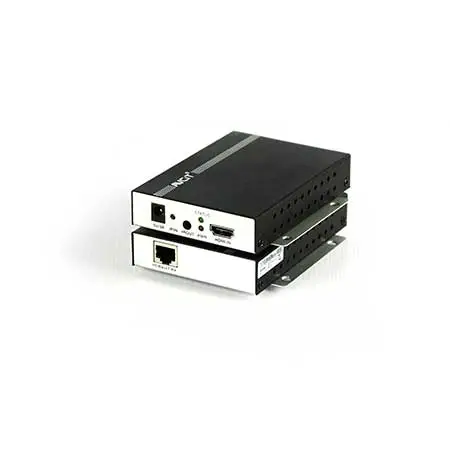 Mixing UHD - 4K HDBT Extender
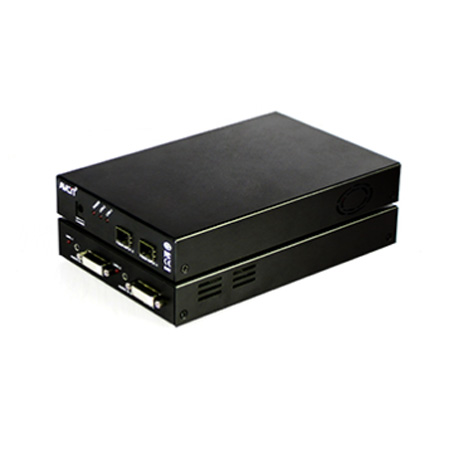 Mixing UHD - 4K Fiber Extender
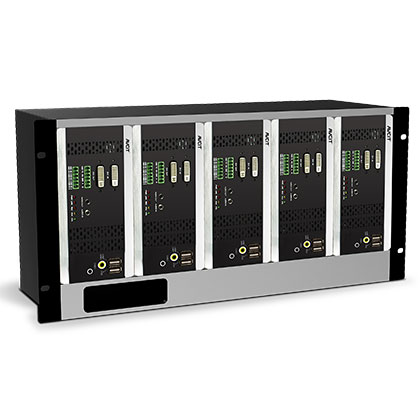 Rack Mounting Kit
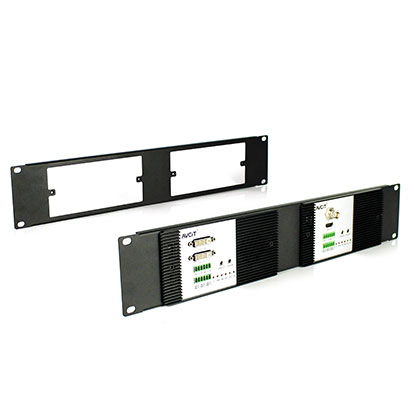 Wall Mounting Kit









 EN
EN
 es
es  th
th
Blog
Join us
FAQs

 4K KVM Transmitter-HDMI
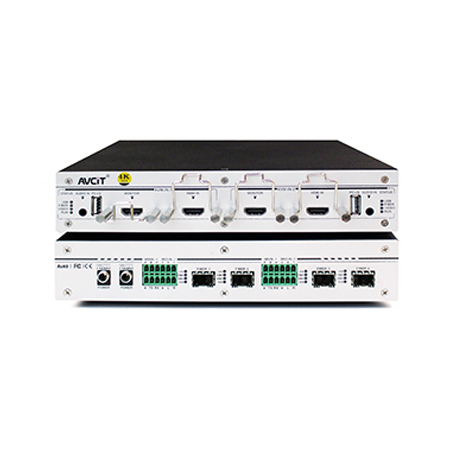 4K KVM Transmitter-HDMI+HDMI LOOP
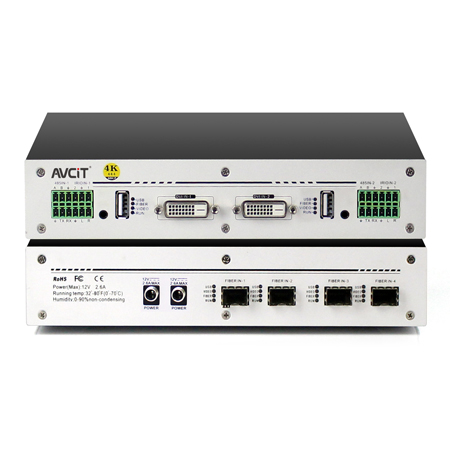 4K KVM Transmitter-DVI
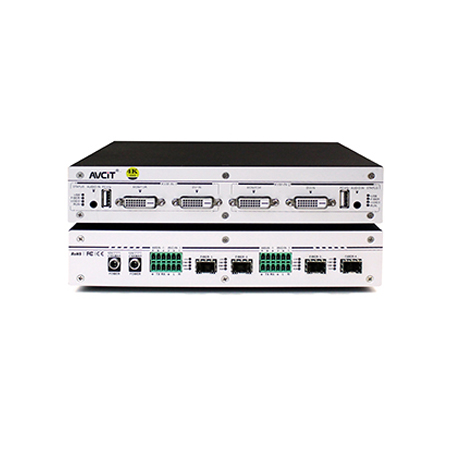 4K KVM Transmitter-DVI+DVI LOOP
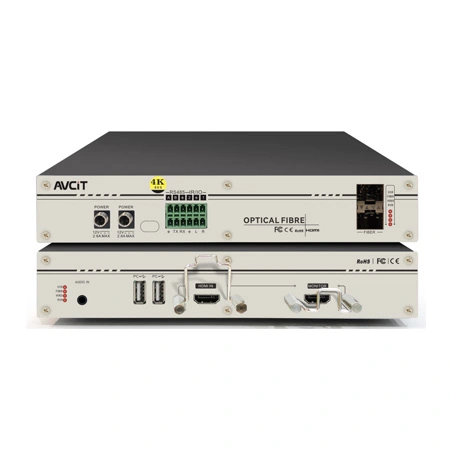 4K60 KVM Transmitter - HDMI
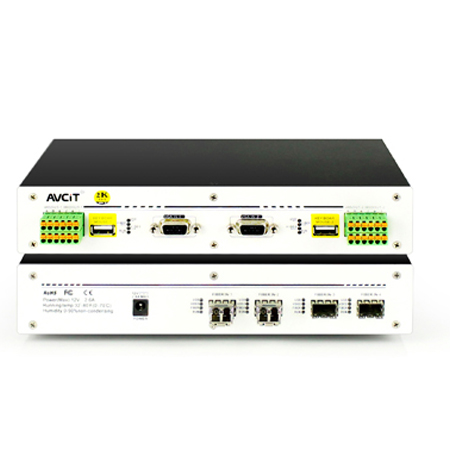 2K KVM Transmitter-VGA
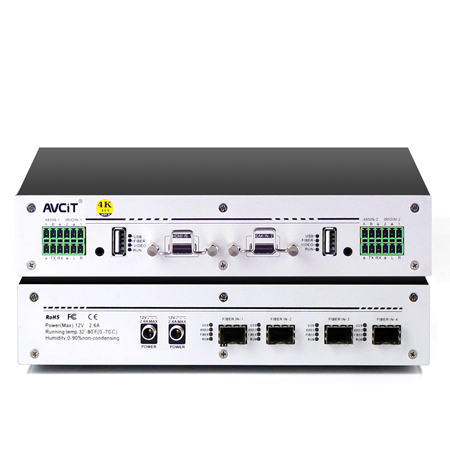 4K KVM Receiver-HDMI
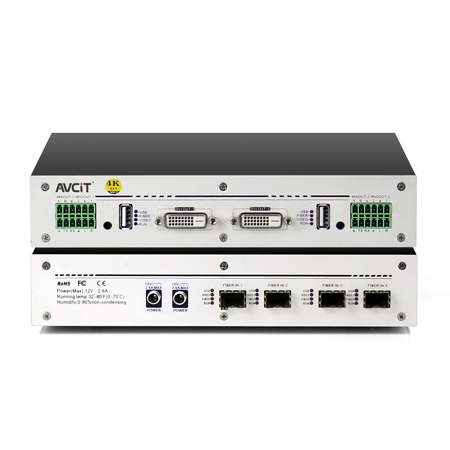 4K KVM Receiver-DVI
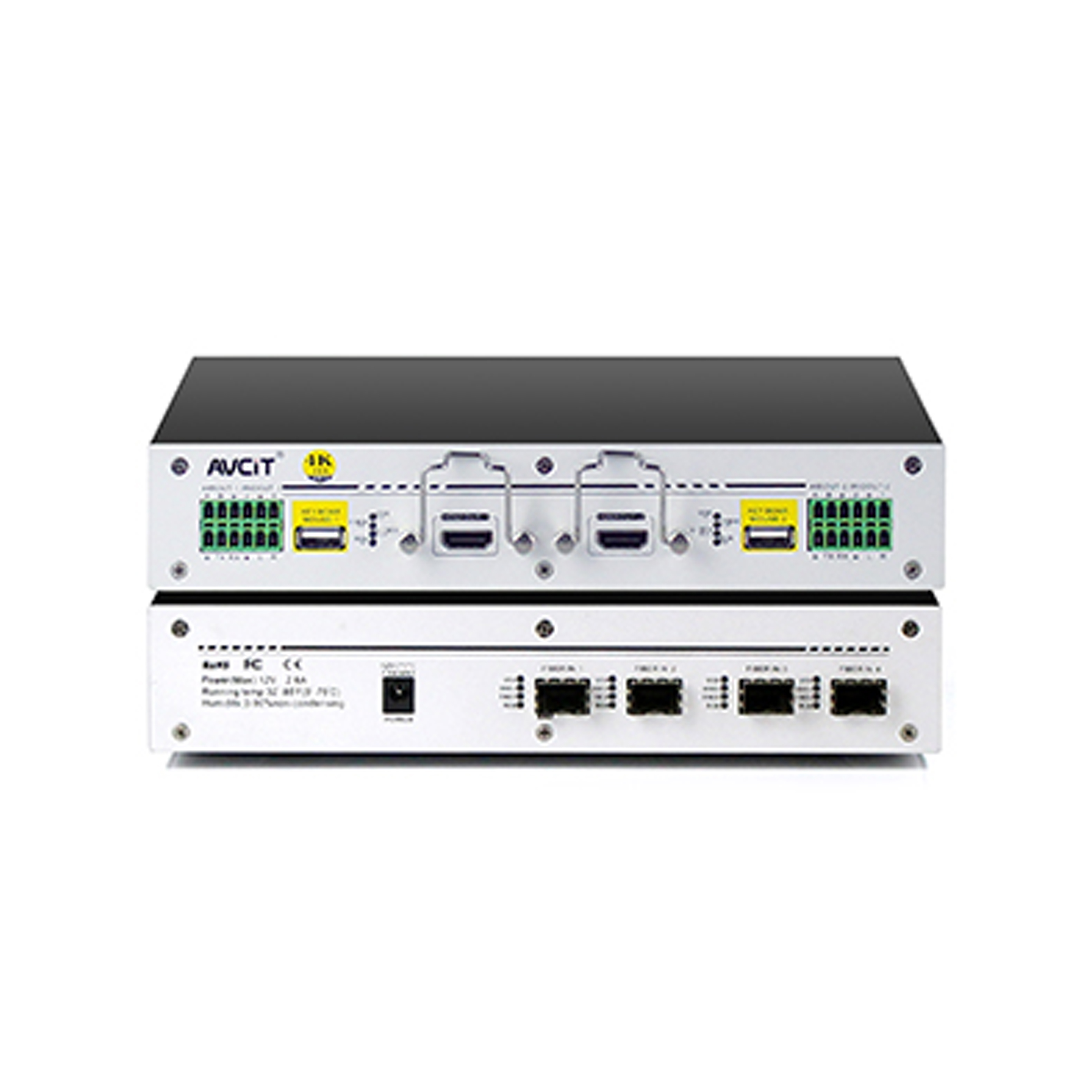 Quad-view KVM Receiver-HDMI
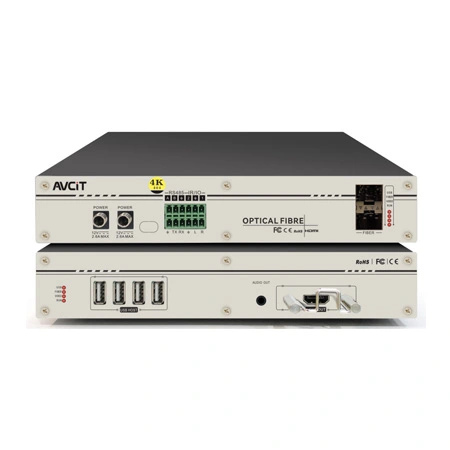 4K60 KVM Receiver - HDMI
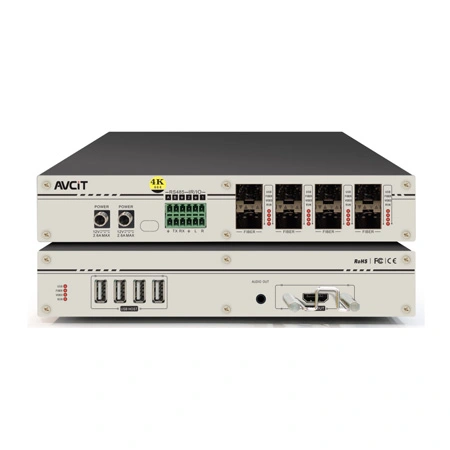 4K60 Quad-view KVM Receiver
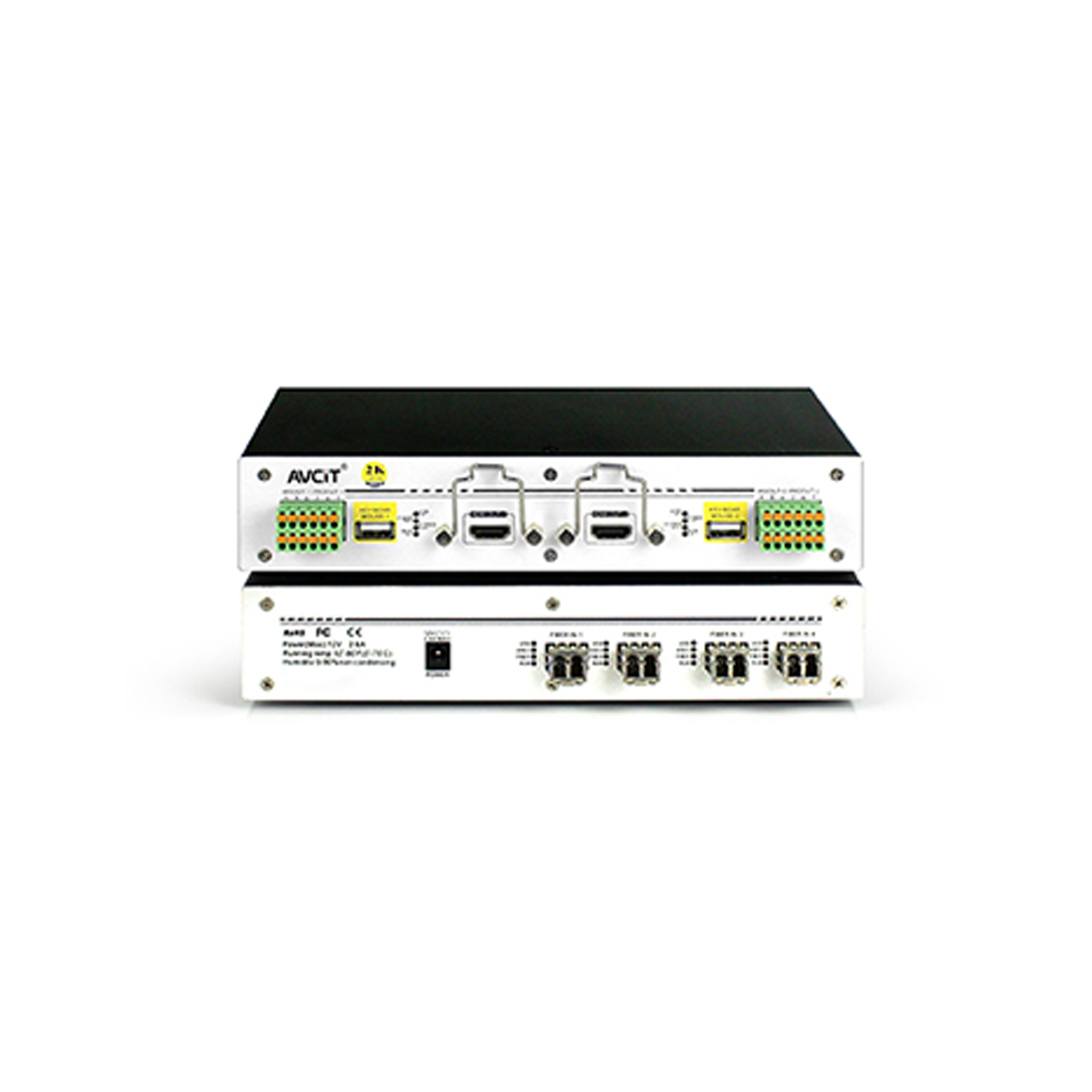 2K KVM Receiver-HDMI
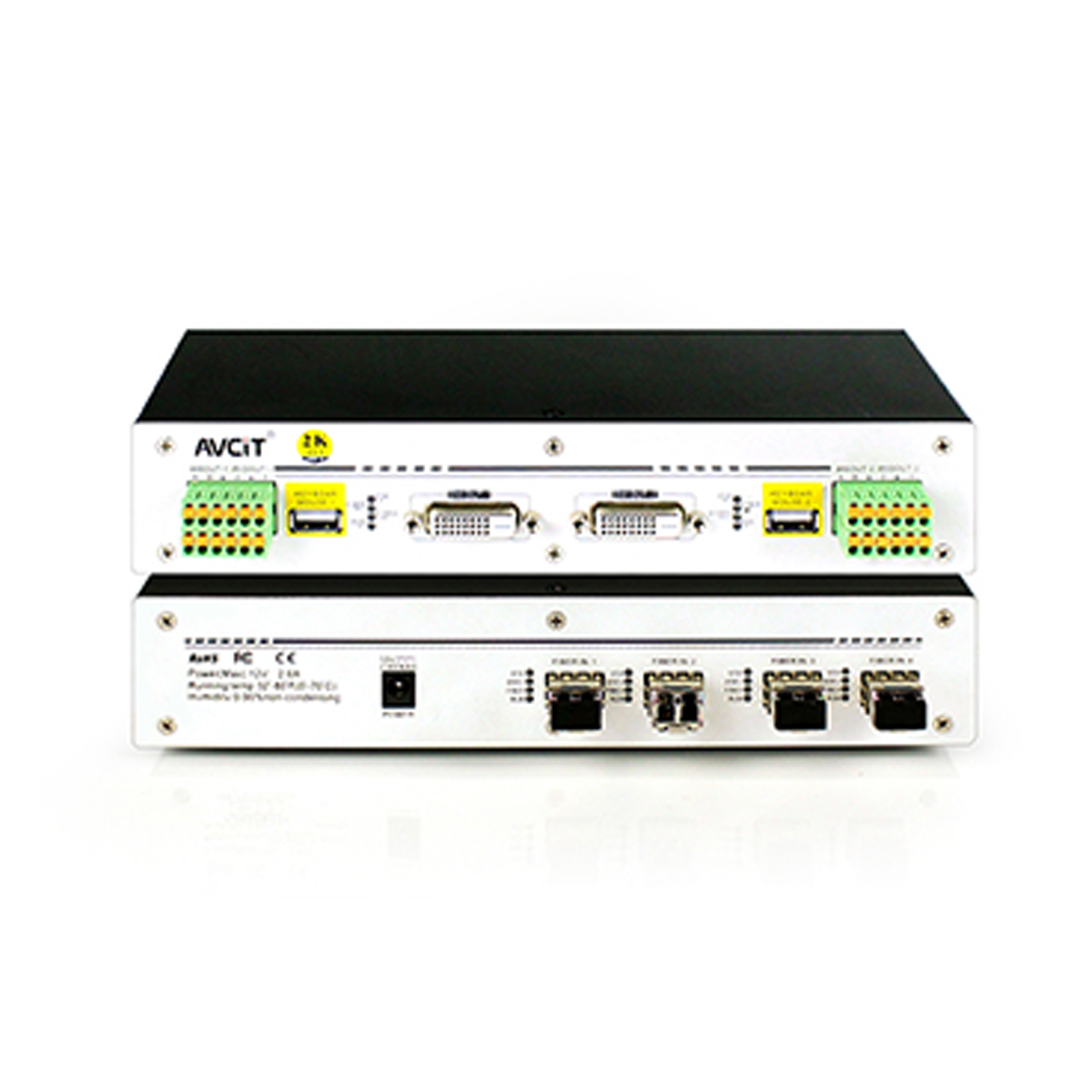 2K KVM Receiver-DVI
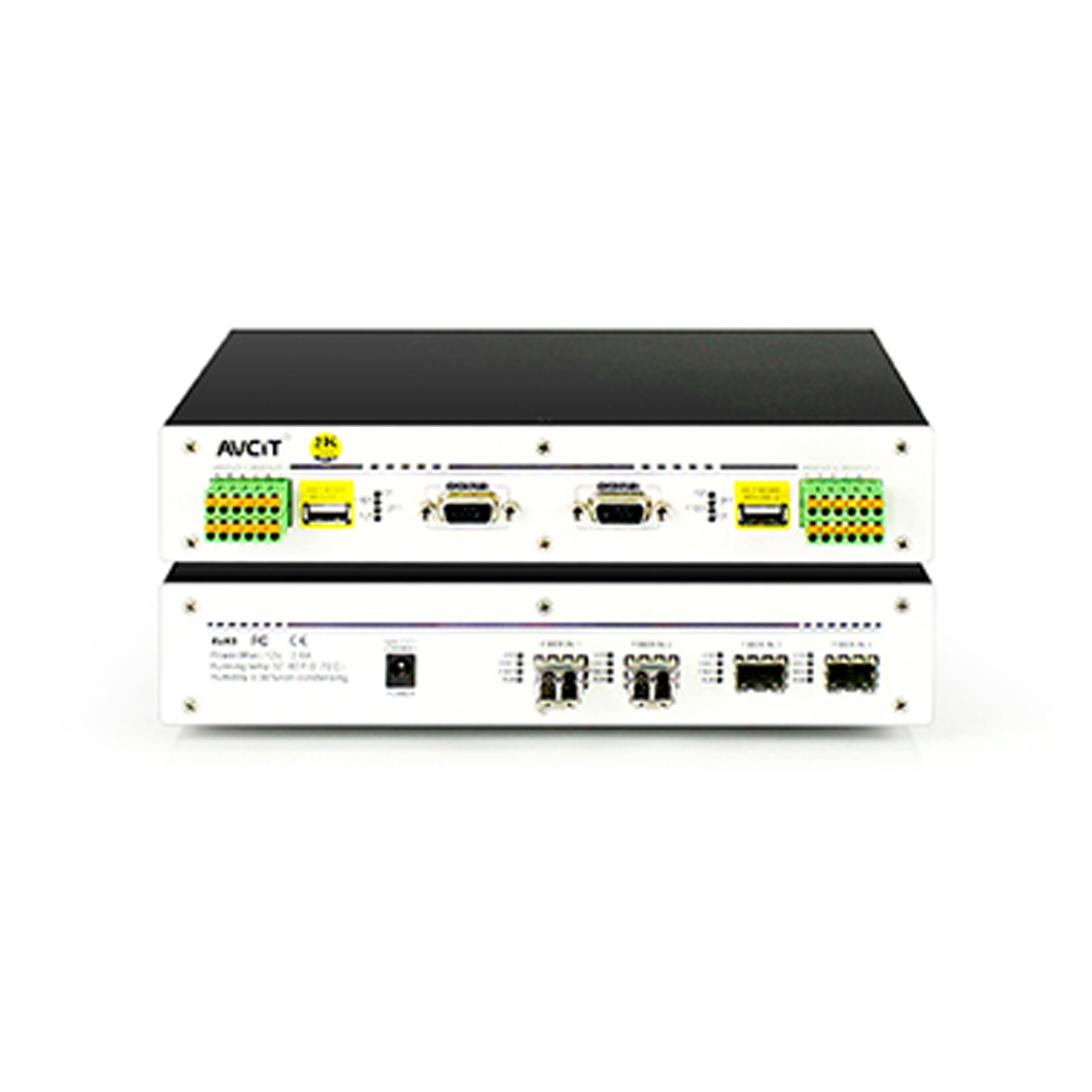 2K KVM Receiver-VGA
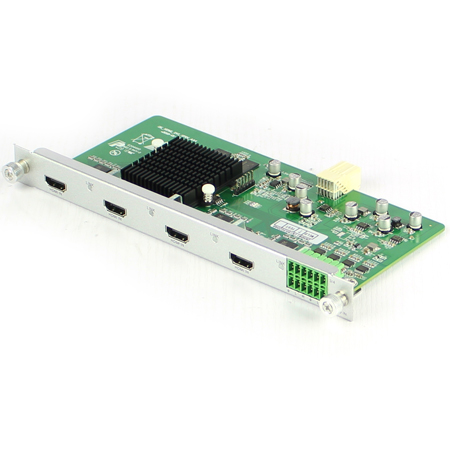 Mixing HD-2K HDMI Input Card
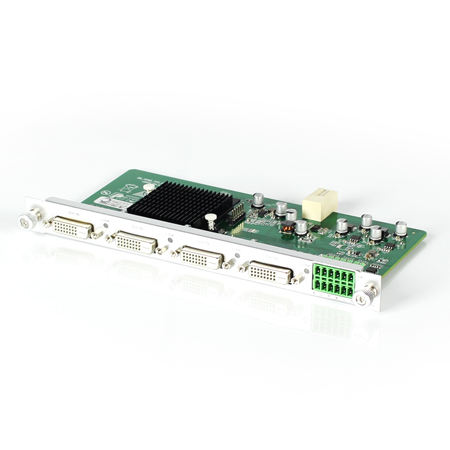 Mixing HD-2K DVI Input Card
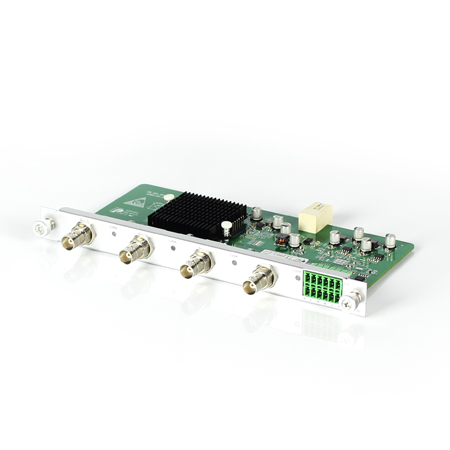 Mixing HD-2K SDI Input Card
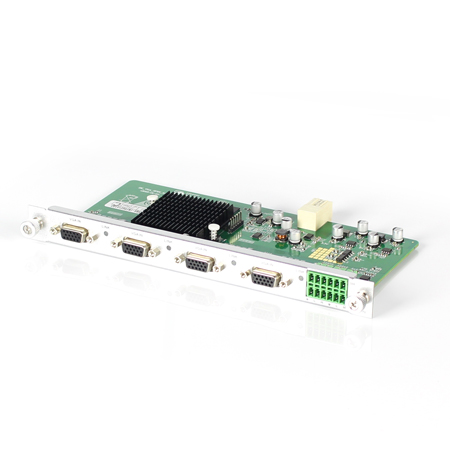 Mixing HD-2K VGA Input Card
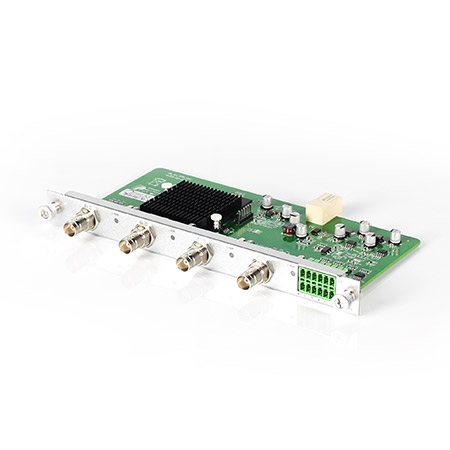 Mixing HD-2K AV Input Card
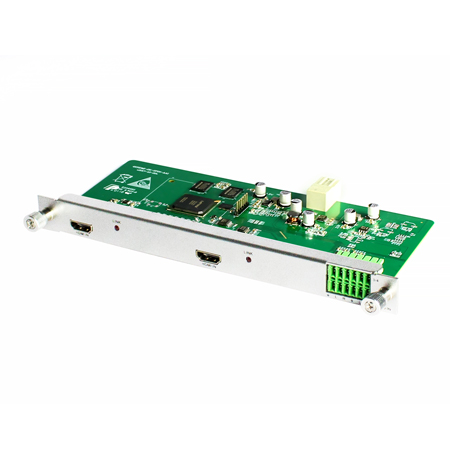 Mixing HD-HDMI UHD Input Card
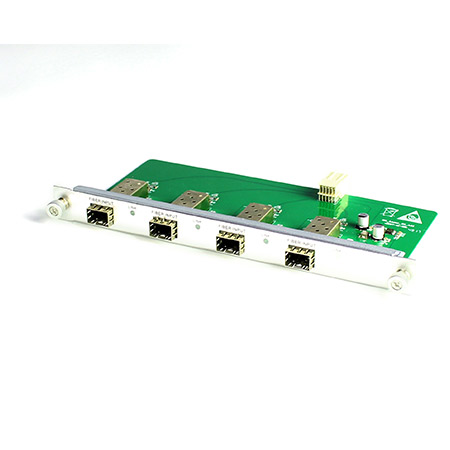 Mixing HD-Fiber Input Card
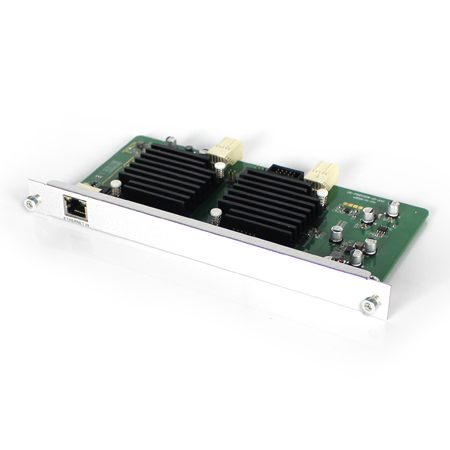 Mixing HD-IP Input Card
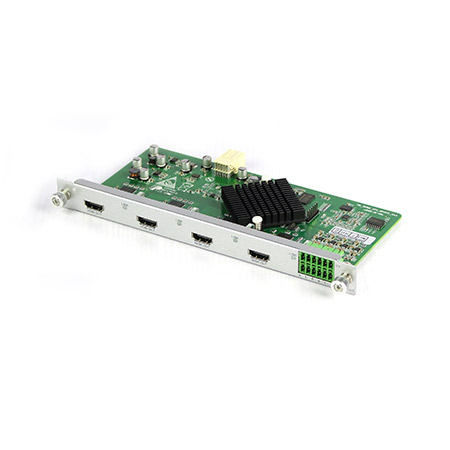 Mixing HD-HDMI Output Card
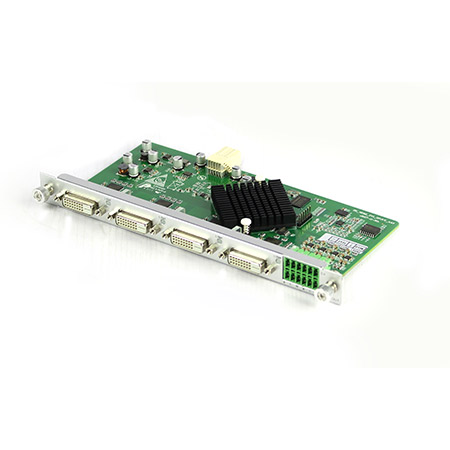 Mixing HD-DVI Output Card
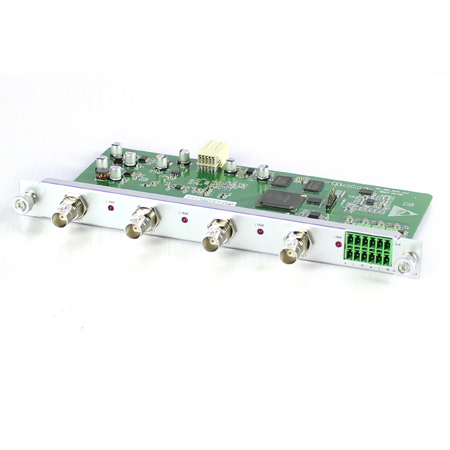 Mixing HD-SDI Output Card
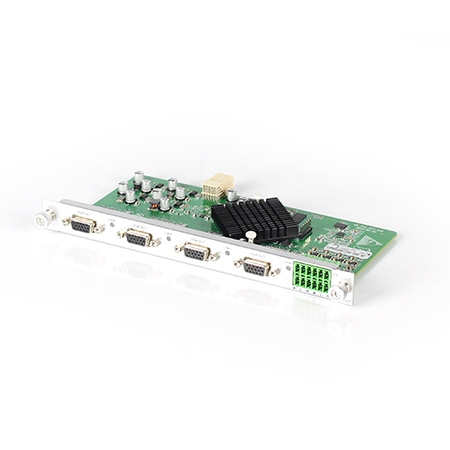 Mixing HD-VGA Output Card
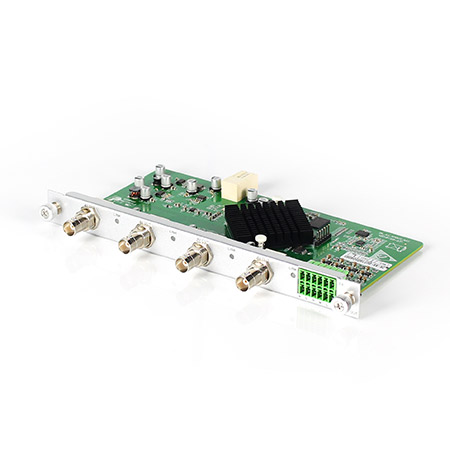 Mixing HD-AV Output Card
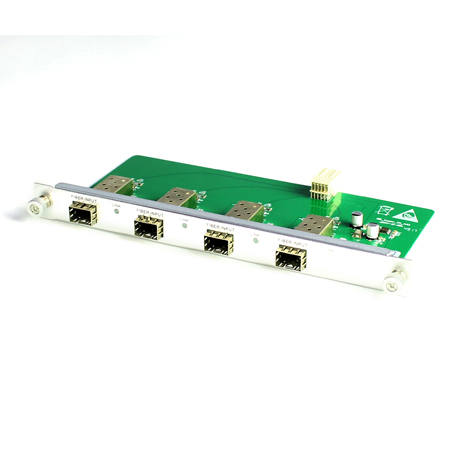 Mixing HD-Fiber Output Card
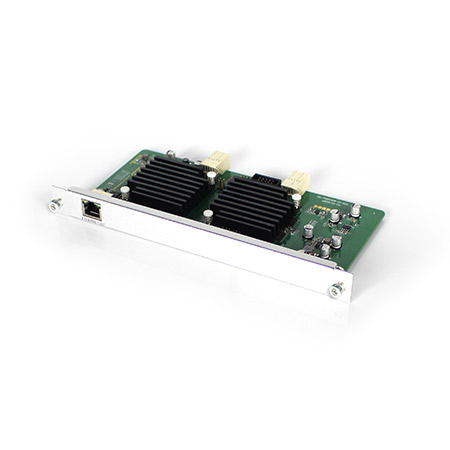 Mixing HD-IP Output Card
Mixing HD-HDMI Video Wall Control Card (2 channel)
Mixing HD-IP Output Card
Mixing HD-HDMI Video Wall Control Card (2 channel)
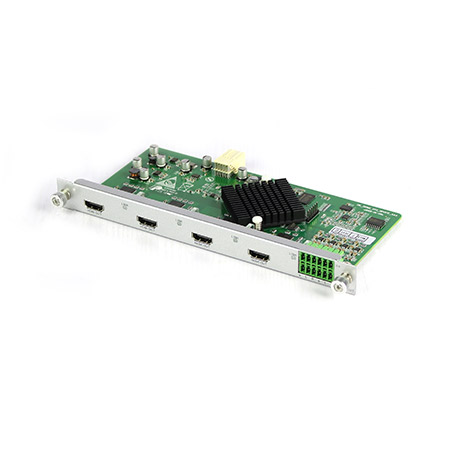 Mixing HD-HDMI Video Wall Control Card (1 channel)
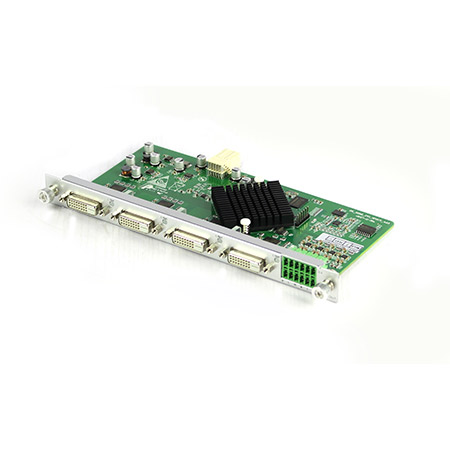 Mixing HD-DVI Video Wall Control Card (2 channel)
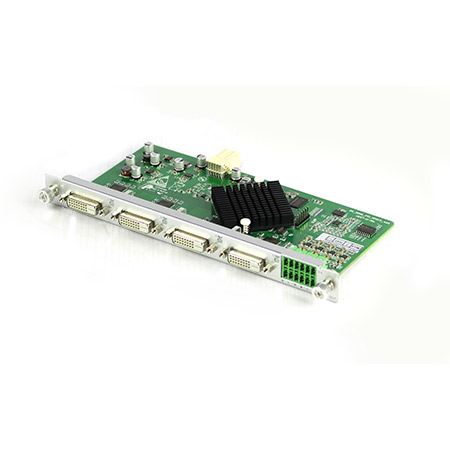 Mixing HD-DVI Video Wall Control Card (1 channel)
 Mixing UHD - HDMI Input Card
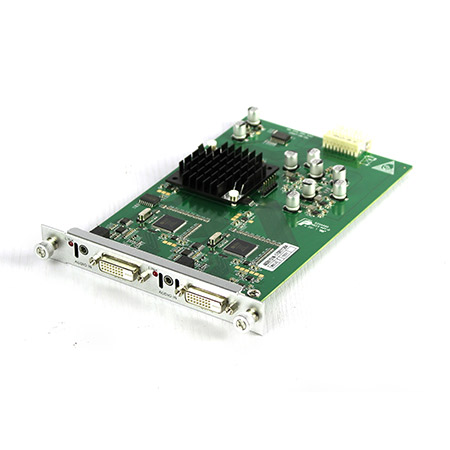 Mixing UHD - DVI Input Card
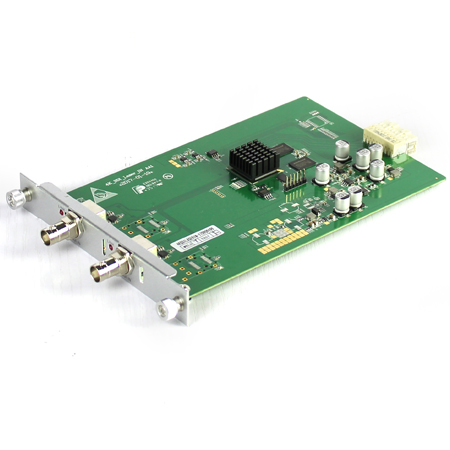 Mixing UHD - SDI Input Card
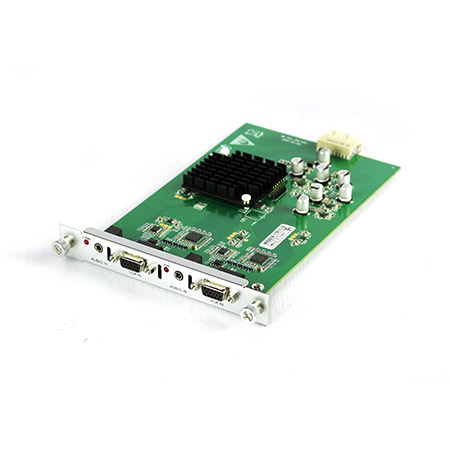 Mixing UHD - VGA Input Card
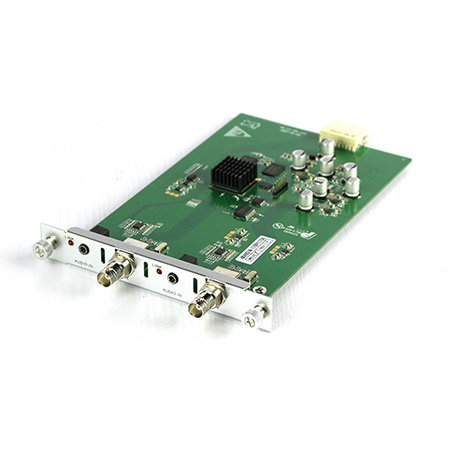 Mixing UHD - AV Input Card
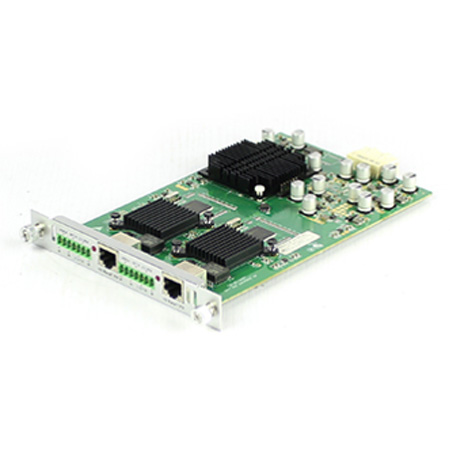 Mixing UHD - HDBT Input Card
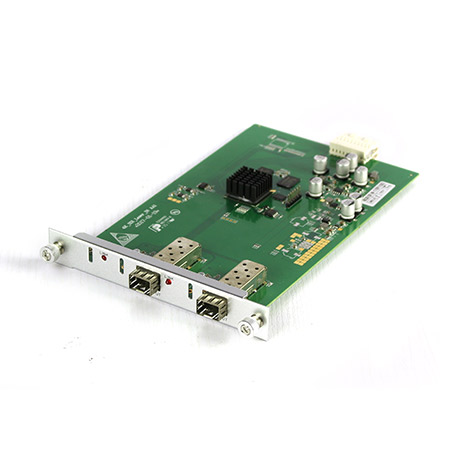 Mixing UHD - Fiber Input Card
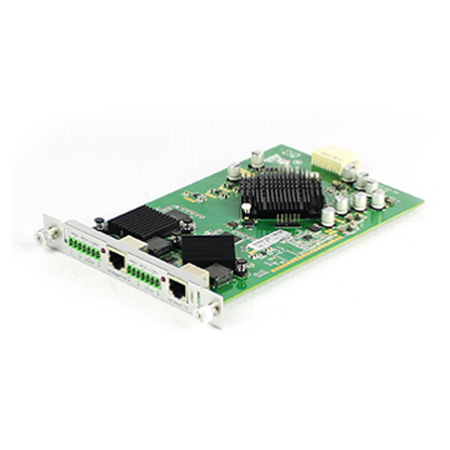 Mixing UHD - HDBT Output Card
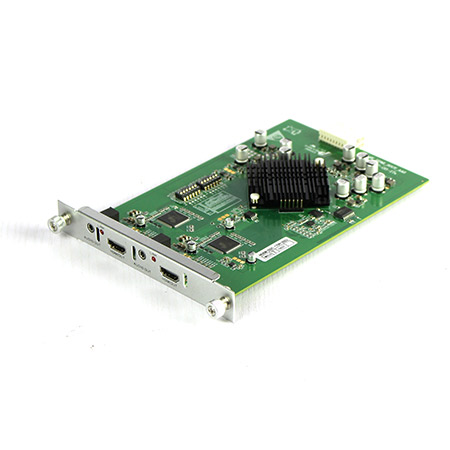 Mixing UHD - HDMI Output Card
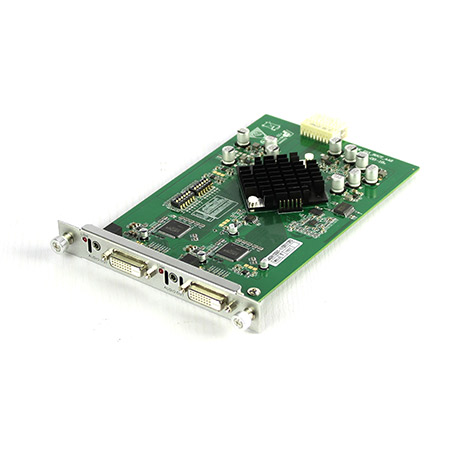 Mixing UHD - DVI Output Card
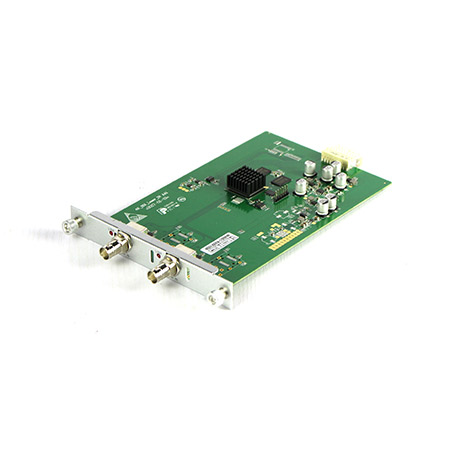 Mixing UHD - SDI Output Card
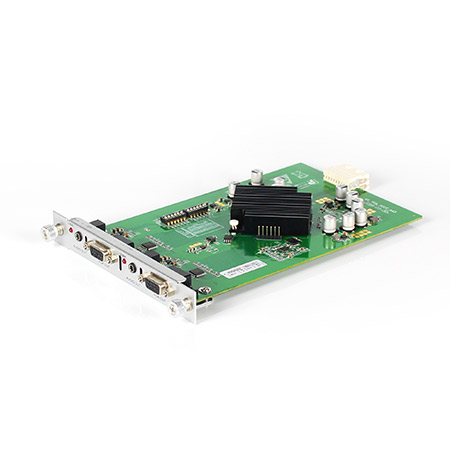 Mixing UHD - VGA Output Card
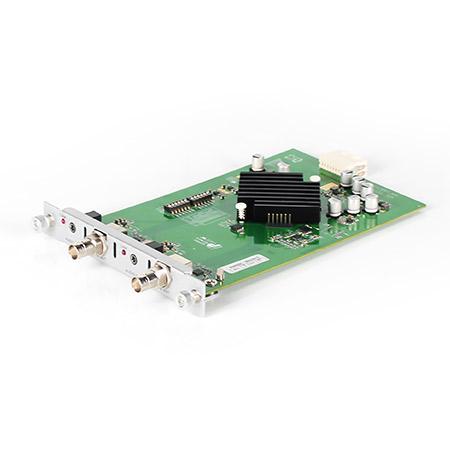 Mixing UHD - AV Output Card
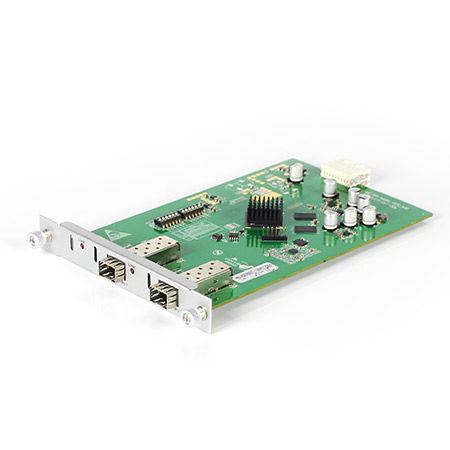 Mixing UHD - Fiber Output Card
In a busy airport control tower, a flight operations team monitors dozens of incoming aircraft simultaneously. In an emergency operations center, first responders coordinate a multi-agency disaster response. In a renewable energy hub, engineers watch power fluctuations across hundreds of nodes.
What do all of these environments have in common? They cannot afford to wait.
In mission-critical settings, latency is not a minor inconvenience. It is an operational liability. The gap between what is happening in the real world and what an operator sees on screen can be the difference between a safe outcome and a critical failure.
This is the engineering challenge that AVCiT's KVM Solution and Video Wall Controller System were built to solve.
When we talk about "real-time" performance in AV and KVM systems, we mean something specific: the operator should be unable to distinguish between a local signal source, and one located on the other side of a building, a campus, or an entire city. Any perceptible delay slows down decision-making and creates real safety risk in high-stakes environments.
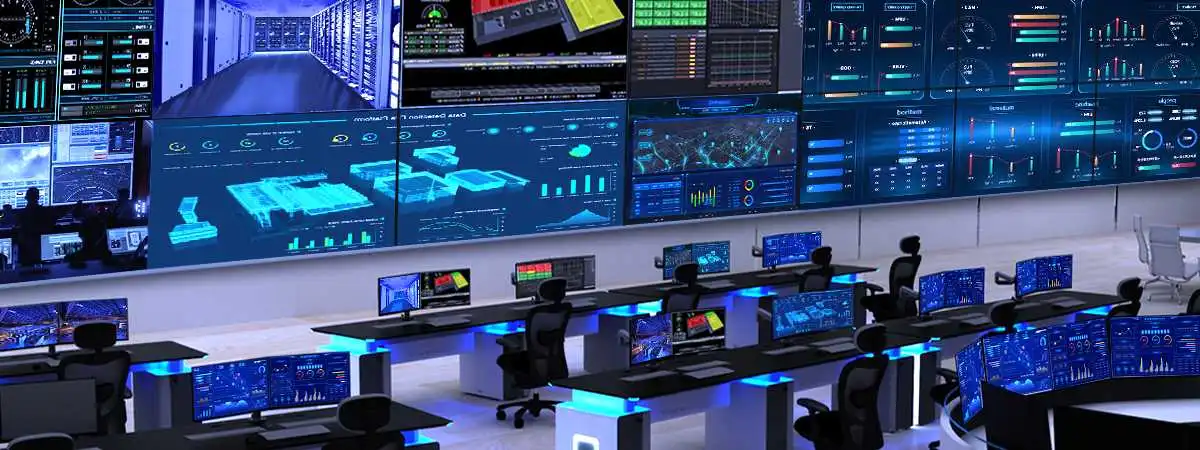
Many AV systems in use today were originally designed for general enterprise environments, such as meeting rooms and presentation spaces, rather than the continuous, high-pressure demands of a modern control room. As operational requirements have grown more complex, that gap has become more apparent.
Three core problems cause latency in traditional control room systems:
● Bandwidth Overload: Raw video consumes enormous bandwidth, overwhelming networks and causing congestion-related delays.
● Centralized Bottlenecks: Legacy architectures create a "queue" where every signal must wait its turn through a single central server before reaching the display.
● Inefficient Distribution: Point-to-point distribution forces networks to duplicate data repeatedly, multiplying the load and slowing delivery to every screen.
AVCiT's IP-based KVM and video wall systems address each of these problems through purpose-built encoding technology, intelligent network design, and a fully decentralized architecture.
Every video source connects to a dedicated encoder node powered by AVCiT's proprietary ASE (AVCiT Screen Encoder) technology. ASE compresses the video signal at the source, before it ever touches the network, using algorithms optimized to preserve sharp text and fine graphical detail while bypassing the processing buffers that typically introduce delay.
The result is high-quality, bandwidth-efficient video that travels across the network with minimal latency, without sacrificing the visual clarity operators depend on.
Sending a single HD signal to a large video wall typically requires the network to generate 20 separate copies of the same stream. This multiplication effect is one of the primary causes of congestion in video wall deployments.
AVCiT's systems use multicast distribution to eliminate this entirely. The network sends one unified stream that replicates only at the point of delivery, keeping every panel synchronized with no staggered rendering or visual inconsistency.
In legacy systems, all signal data flows through a central server before being routed to displays, creating an inevitable processing queue. AVCiT's distributed, node-based architecture removes this bottleneck entirely. Each encoder and decoder communicates directly across the IP network, with no central processing point and no structural latency built into the system.
Low-latency performance is not a feature that has to be maintained. It is the default state of the architecture.
The engineering principles above are validated by AVCiT's deployments in some of the world's most demanding operational environments.
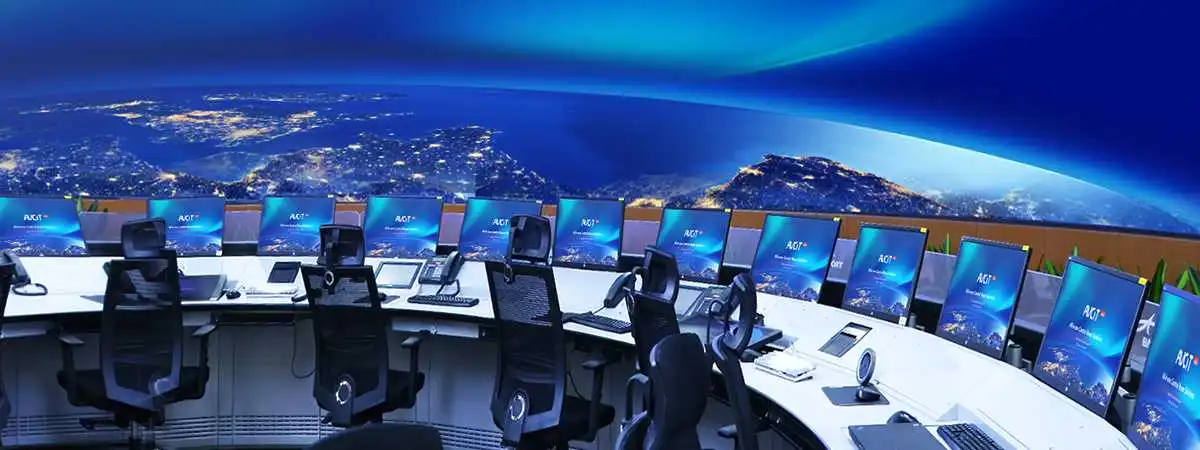
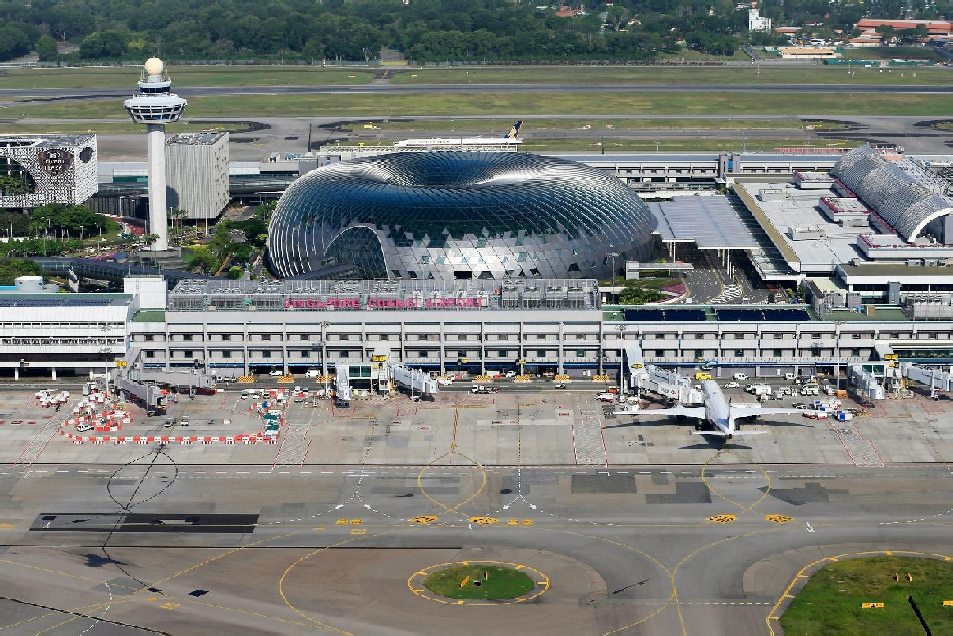
Changi Airport's operations team uses AVCiT's platform to centralize flight monitoring, integrating live CCTV feeds and airway data onto a single unified display environment. Ground coordination teams depend on real-time visual data to safely manage taxiing aircraft and gate operations, where even a one-second delay could have serious safety consequences.
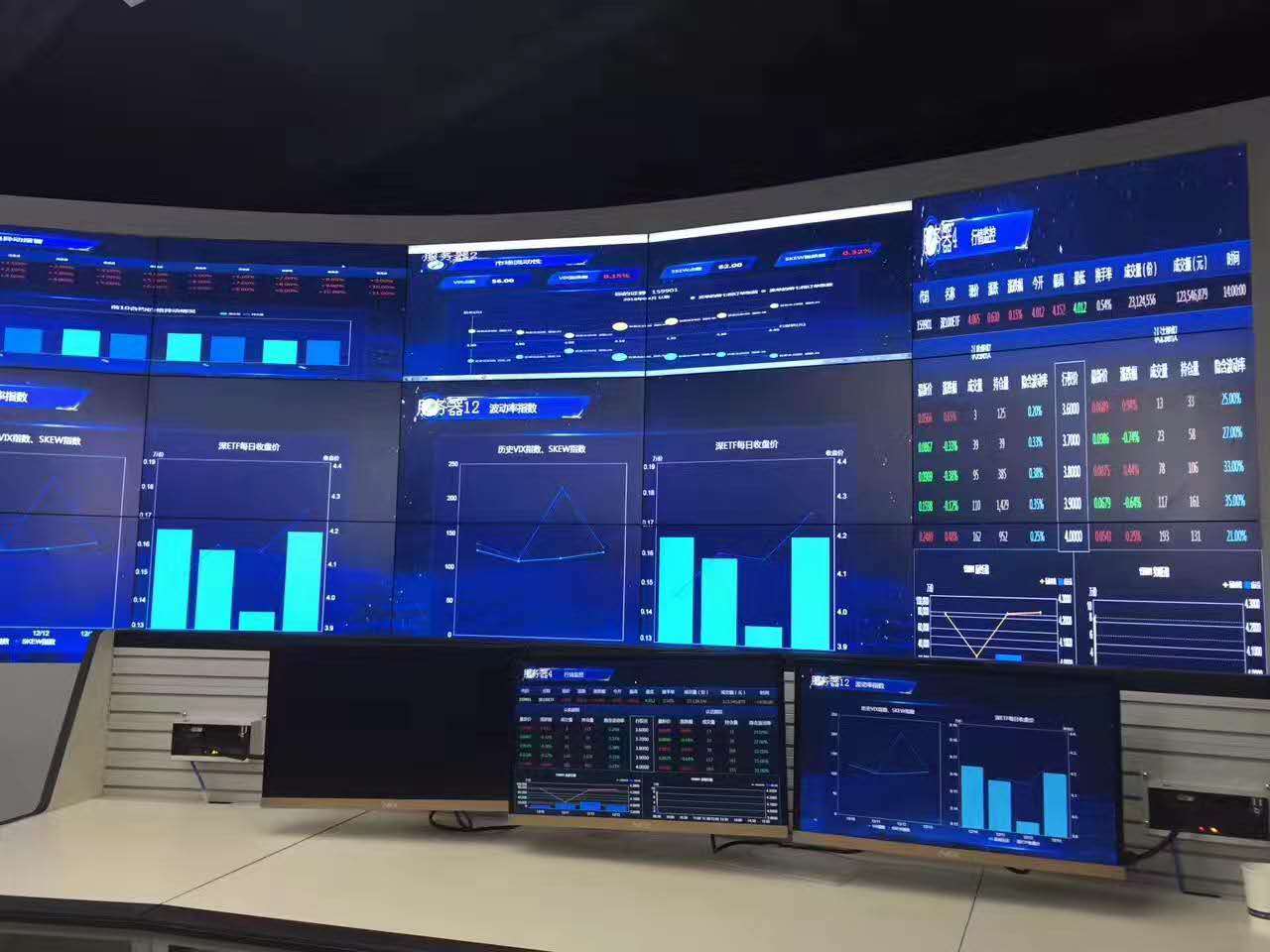
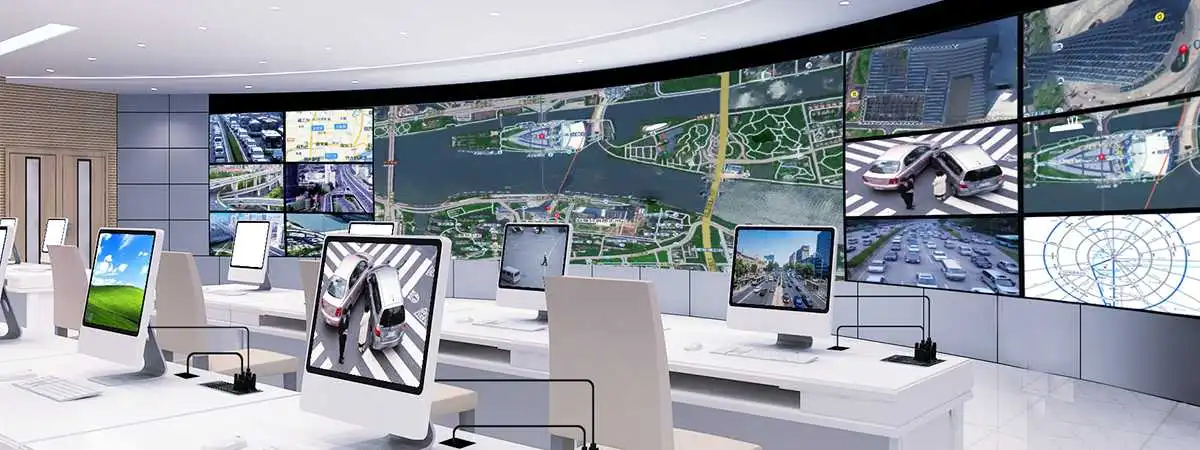
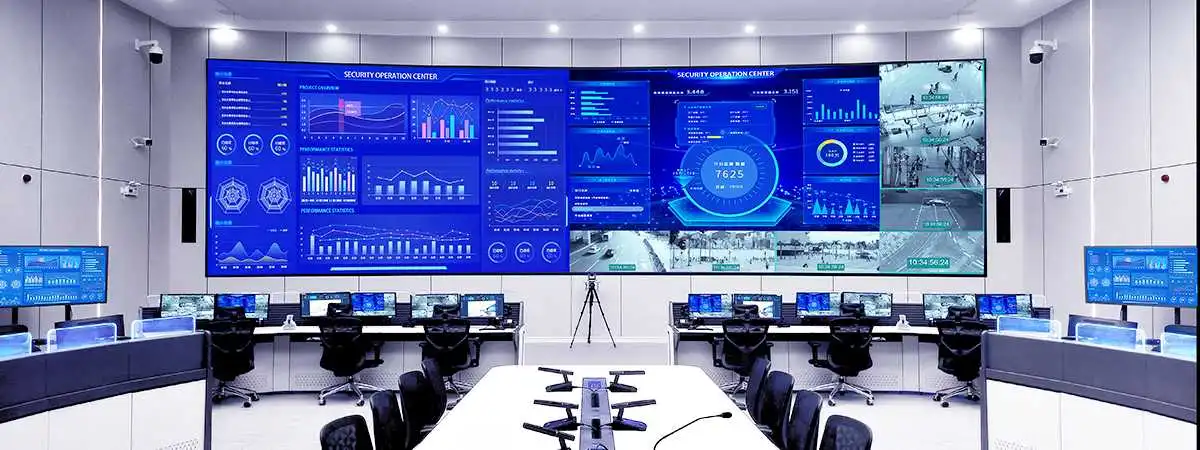
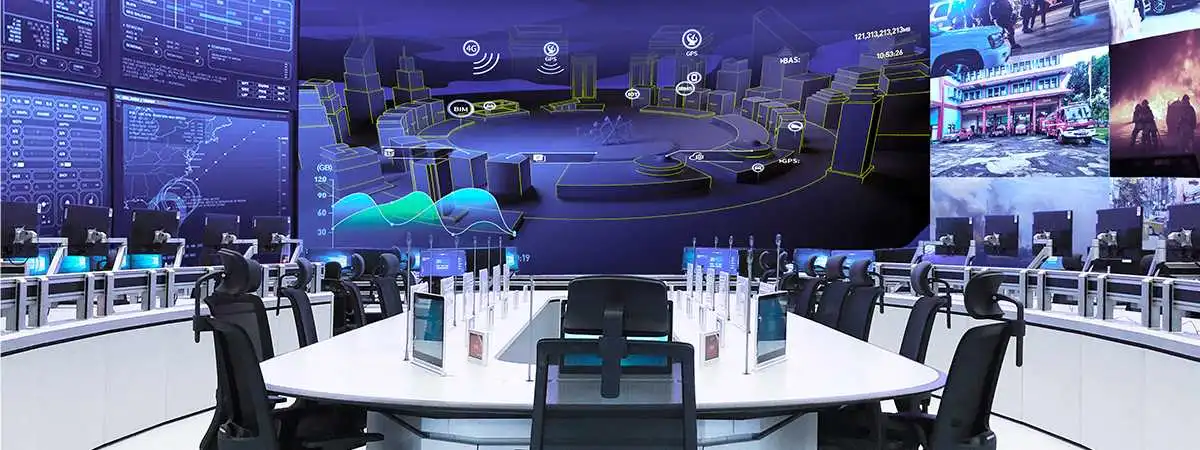
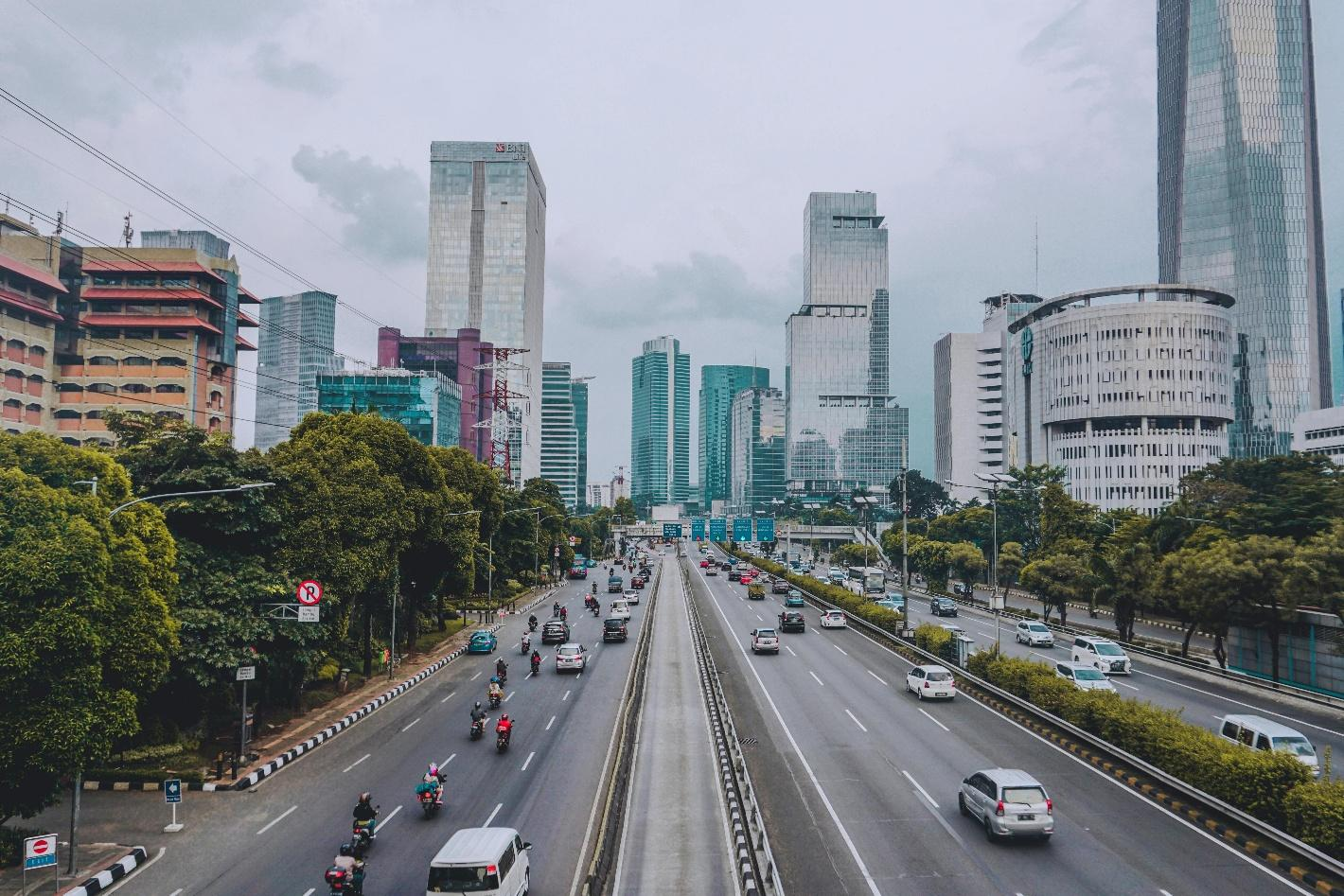
A government Emergency Operations Center in Jakarta deployed AVCiT's video wall solution to unify its disaster response operations. Multiple agencies are able to share and monitor live data feeds across a single, synchronized display environment, ensuring that every decision-maker in the room works from the same real-time picture during critical incidents.
At the KOMIPO Renewable Energy Integrated Monitoring Center, operators use AVCiT's IP Based KVM to remotely manage multiple server signals, including photovoltaic power generation (PV), energy storage systems (ESS), and facility CCTV, all from a single keyboard and mouse. This consolidated control allows engineers to monitor and respond to critical energy fluctuations across systems in real time.
The operational environments that demand real-time control are expanding. Financial trading floors are increasingly deploying low-latency AV systems for sub-second market data rendering to prevent slippage. Remote mining operations are incorporating KVM and video wall systems to monitor live site feeds and equipment status, where any lag between operator input and on-screen response creates direct physical safety risk. Hyperscale data centers represent a growing frontier for latency-sensitive monitoring solutions, where real-time alerting is critical to detecting hardware failures or thermal spikes before they propagate across critical infrastructure.
As these industries digitize and centralize operations, the demand for reliable, low-latency AV infrastructure will only grow. The question for IT managers, AV integrators, and operations leaders is no longer whether latency matters. It is whether their current infrastructure can keep up.
Latency in a control room is not a technical footnote. It is an operational variable with real consequences. AVCiT's IP-based KVM and video wall systems are engineered from the ground up to eliminate the structural causes of delay: intelligent encoding at the source, multicast-efficient distribution, and a fully decentralized processing architecture.
For organizations where every millisecond of accurate, real-time information matters, the infrastructure supporting that information should be held to the same standard.
Want to learn how AVCiT can be deployed in your control environment? Get in touch to explore the right solution for your operations.
· Email: inquiry@avcit.com
· LinkedIn: AVCiT Technology
· YouTube: www.youtube.com/@avcittechnology